
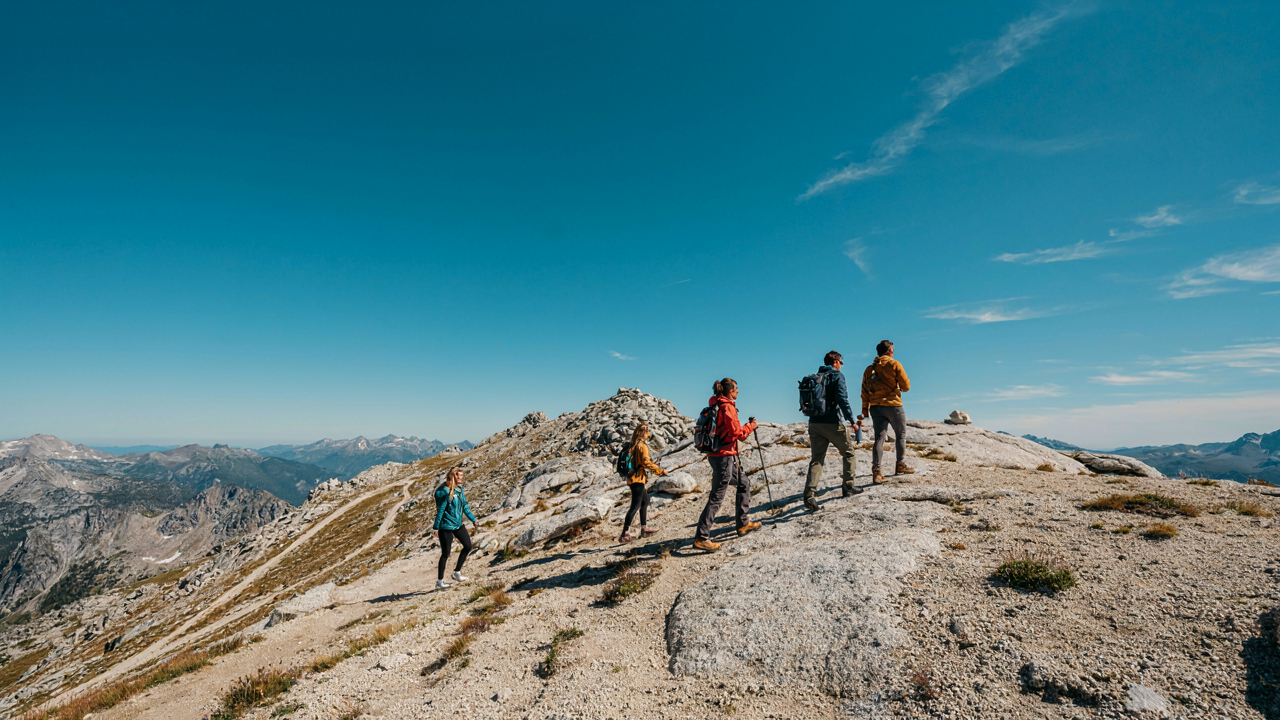
The Layering Fallacy: Why More Isn’t Always Better For Men’s Hiking Outfit
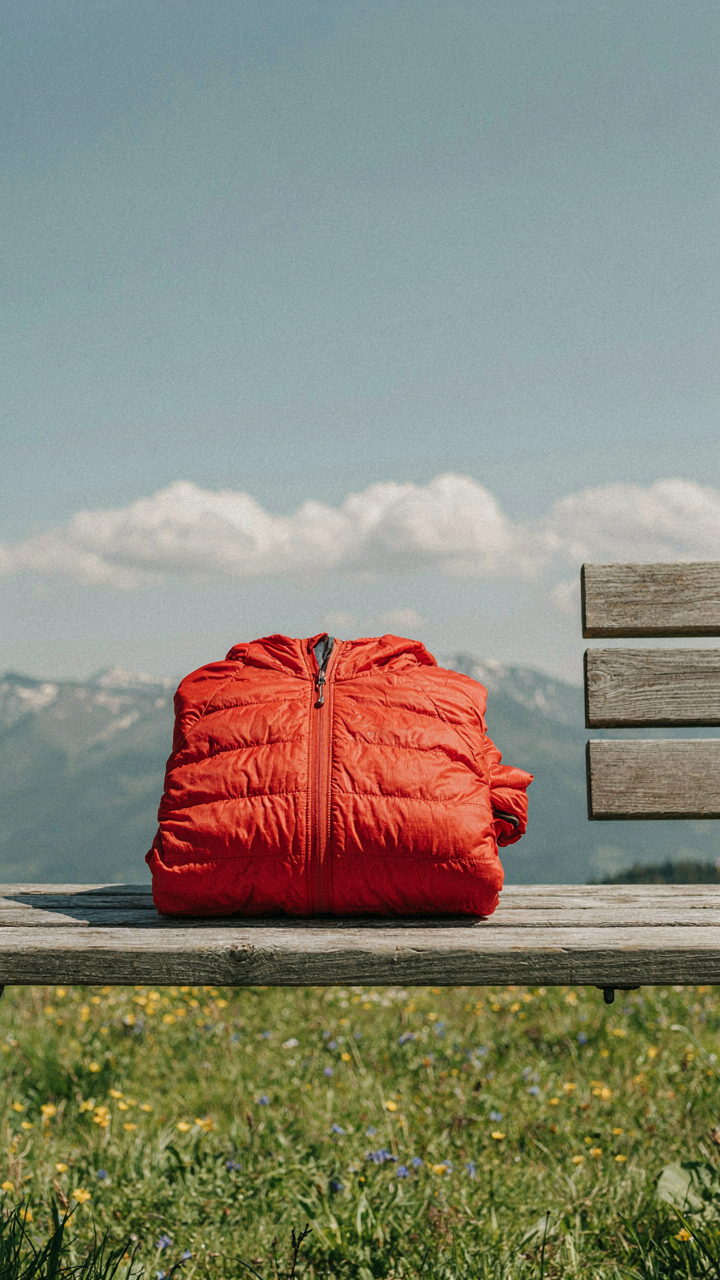
Insulation Myths That Waste Money And Weight
You bought into layering because you thought more options meant more control. The real mechanism is thermodynamic debt: every additional layer you carry up the mountain costs energy to transport, and that cost compounds faster than the insulation benefit compounds. Most men pack redundant insulation layers based on fear, not physics. The industry profits from this fear by selling you three mid-layers when one does the job.
Merino wool and synthetic insulation don’t work the way marketing materials suggest. A single quality mid-layer handles most altitude scenarios if you choose the right weight and fiber. Cotton fails at altitude because it holds moisture and loses insulation when wet. Polyester and merino both work, but the difference matters less than layer count. Strip your system to base layer, one insulating mid-layer, and shell. This isn’t minimalism for its own sake, it’s weight reduction that directly translates to less fatigue and faster descent times.
Core Temperature Management Without Excess Gear

Thermoregulation operates like military supply lines: you protect the core before the extremities, and distribution matters more than total volume. Your body abandons peripheral heat loss at altitude to preserve core function, so stacking layers around your torso drives disproportionate returns compared to arm insulation. One midweight insulating jacket worn consistently beats rotating between three lighter options. The rotation wastes energy on removal and reinsertion while creating transition zones where sweat cools your core.
Ventilation timing wins more altitude hikes than insulation choice. Open your shell jacket before you sweat, close it before wind cools the moisture. Wear your mid-layer continuously at elevation instead of adding and removing it five times per day. Your core stays stable when you prevent the sweat cycle entirely. Stop at consistent intervals to adjust before conditions force reactive changes. This single protocol eliminates the need for backup layers most men mistakenly pack.

Fabric Fundamentals: Beyond “Waterproof” For Trek Outfits Men
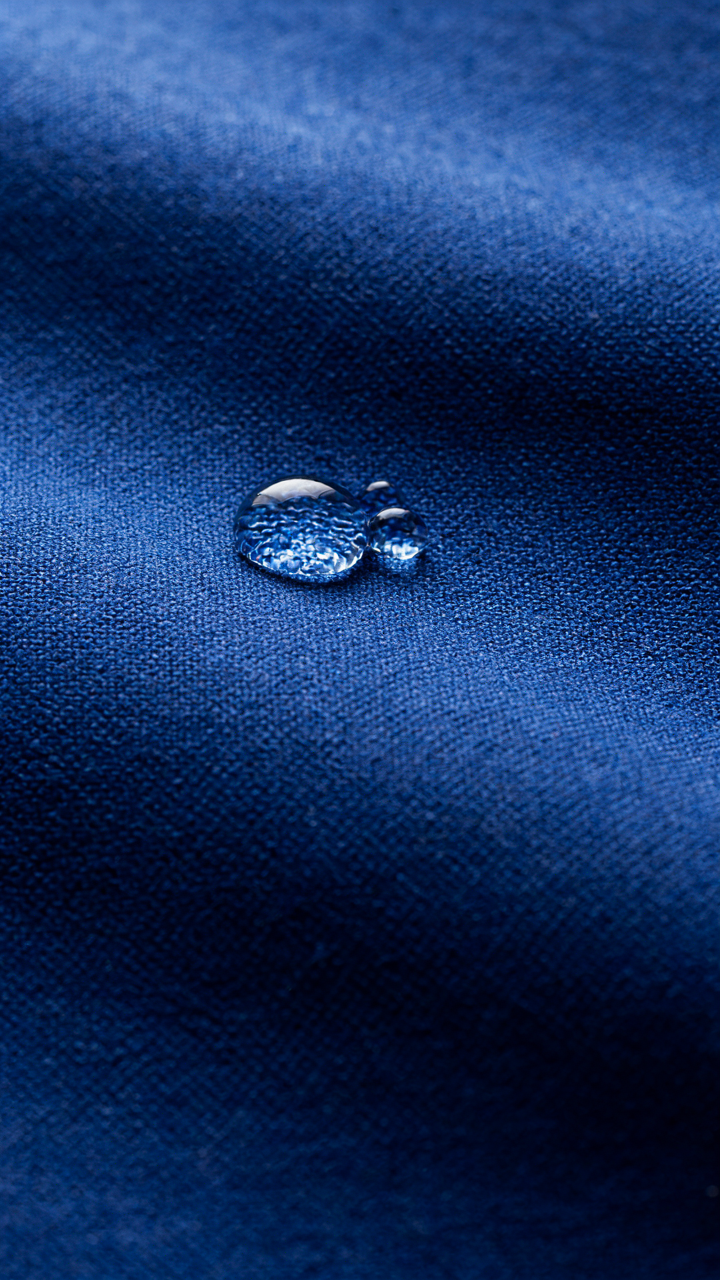
The Breathing Wall Problem
You’re buying waterproof gear because you’re afraid of being cold and wet, but nobody tells you that a sealed shell traps sweat vapor just as effectively as it blocks rain. That’s the real mechanism: thermodynamics creates a pressure difference between your skin and the outside air, and water vapor moves toward the lower pressure zone. Your body generates moisture constantly during exertion, especially at altitude where the air is thin and dry. A truly waterproof layer with zero breathability becomes a sauna suit that chills you faster than rain ever could.
The gear industry solved this with semipermeable membranes like Gore-Tex and similar technologies that let vapor molecules pass through while blocking liquid water droplets. They work because of molecular size and air pressure gradients, not magic. The tradeoff is real: maximum water resistance always reduces breathability to some degree. At high altitude, where temperature swings are extreme and your effort level fluctuates, this tradeoff matters more than it does at sea level. Buy shells rated for both water column resistance and moisture vapor transmission rate, then test them in real conditions before your trek.
Moisture Management Is Not About Staying Dry
The conventional advice is wrong: you cannot stay dry during high altitude hiking. Stop trying. The mechanism that matters is heat regulation through evaporative cooling and layering strategy. Moisture-wicking base layers pull sweat away from skin and distribute it across fabric surface area to evaporate faster. Mid-layers trap dead air space for insulation. Outer shells manage what moisture reaches them. This system only works if each layer moves moisture toward the outside instead of trapping it.
Polyester and merino wool handle moisture differently but both work at altitude. Polyester moves water fast but loses insulation when wet. Merino regulates temperature even when damp because wool fibers absorb up to 30 percent of their weight in moisture without feeling wet. At altitude where temperatures drop fast and dry time is limited, merino’s thermal properties matter more than pure speed. Layer your base layer for moisture transport, your insulation for temperature regulation regardless of dampness, and your shell for wind and rain protection. The sequence prevents any single layer from becoming a moisture trap.
The Dynamic Duo Protocol: Base Layers & Mid Layers For Trekking Outfit
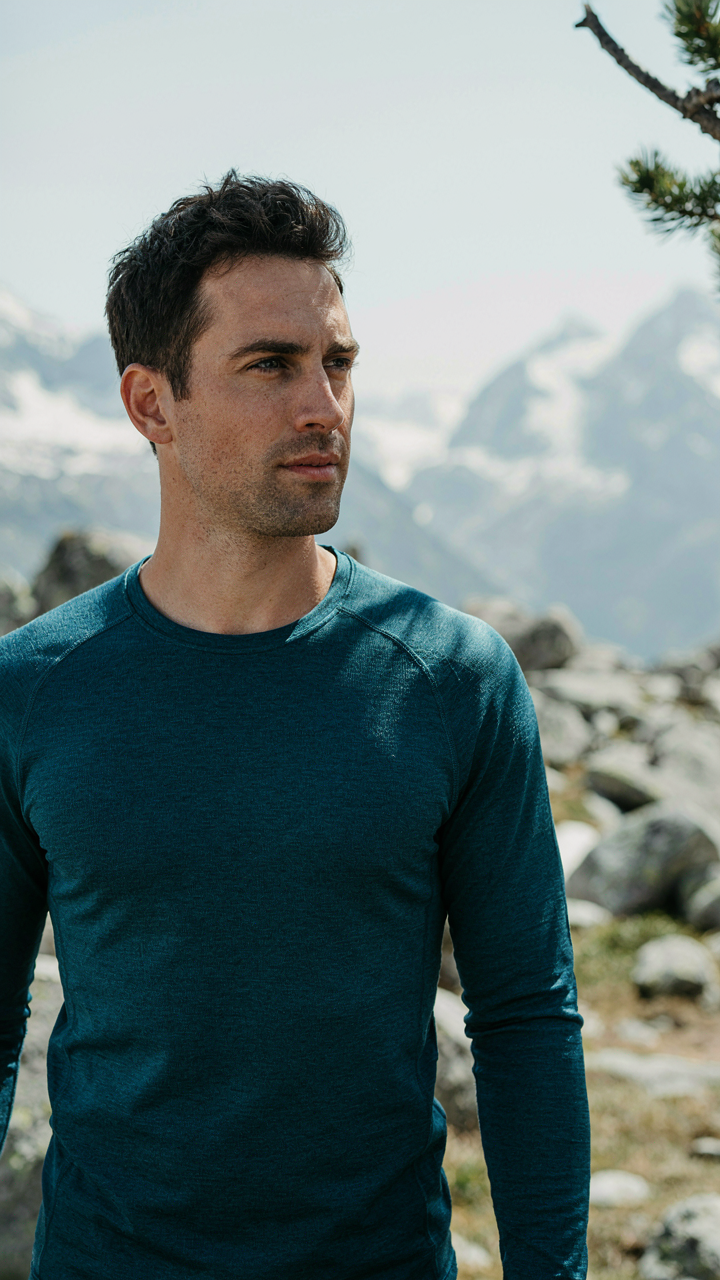
Wool Vs. Synthetics: Performance Comparison
You want the “right” answer so you don’t have to think about it again. Here’s the mechanism: both materials work because they manage moisture differently, and altitude forces you to pick based on how you sweat, not what marketing says feels premium. Wool absorbs up to 30% of its weight in moisture while staying warm. Synthetics wick faster but don’t insulate when damp. At altitude, your metabolism burns harder, so you generate sweat even in cold air. Wool handles this better for sustained effort. Synthetics win in rapid temperature swings where you need speed over resilience.
The common advice is garbage: “wool is itchy” and “synthetics dry faster.” Both are true and both miss the point. Merino wool (the fine grade) doesn’t itch. Modern synthetics like polypropylene don’t dry faster than wool’s ability to stay functional while wet. Pick wool for multi-day treks where moisture accumulates. Pick synthetics for variable terrain where you shed and add layers constantly. Your base layer stays on for 8 to 12 hours. The fabric’s behavior over that duration, not its instant dry time, determines whether you’re cold or comfortable.
Heat Retention And Wicking Efficiency
This is a thermodynamics problem. Wicking moves moisture away from skin to evaporate on the fabric surface. Heat retention traps a thin air layer between fibers that your body warms. These oppose each other, but altitude forces the issue: thin air means lower air pressure, which speeds evaporation on any surface. Your insulation layer works harder than it would at sea level because the air itself is thinner and can’t hold heat as effectively.
Layer your base with a mid-layer that creates dead air space without compressing the base layer below it. Fleece or light down achieves this. Your base layer wicks to the mid-layer, which holds still air for insulation. The mid-layer’s outer surface then manages evaporation to the next layer up. This stacking is not optional at altitude—it’s your only defense against the physics of thin air working against you. Test the combination before you go: hike at 6,000 feet with your planned setup and feel where moisture pools or where cold creeps in.
Outer Shell Realities: Protection, Not Just Coverage For Hiking Outfit Men
Hard Shell Versus Soft Shell Utility
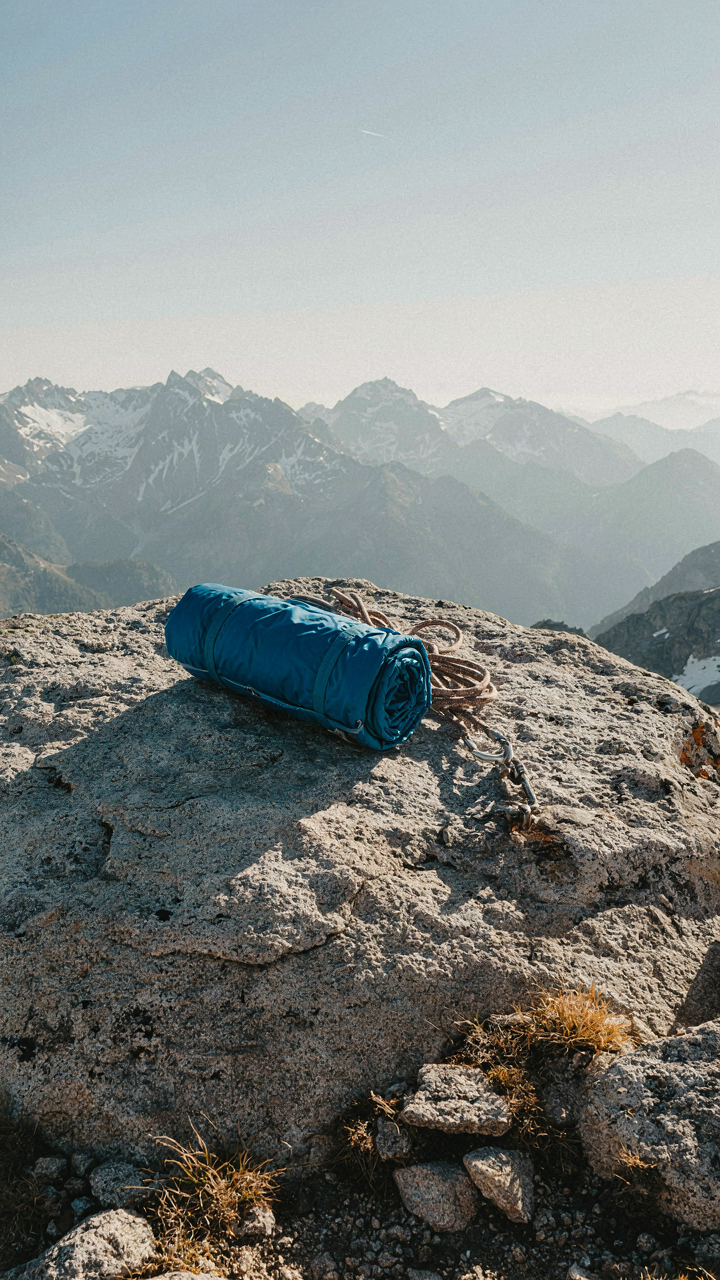
You want the jacket that looks serious because you’re worried people will think you’re not prepared. The real mechanism is water management, and the physics concept of vapor transmission explains why one jacket fails where another thrives. Hard shells block liquid water completely but trap moisture your body generates. Soft shells let vapor escape while offering less water resistance, making them situational tools rather than universal solutions.
Hard shells excel in sustained rain or wet snow above treeline where water penetration means core temperature drops fast. Soft shells work better in dry cold or light precipitation where breathability matters more than total water blockade. Most men buy hard shells and wear them in conditions where a soft shell would keep them drier overall. Test your jacket’s actual breathability rating before committing to it for an expedition. The wrong choice costs you more than money.
Wind Resistance And Packability
Wind robs heat through convection, which is why meteorology tracks wind chill as a separate variable from temperature. A jacket rated for 20,000 meters altitude means nothing if it compresses into a bag the size of your head and weighs eight pounds. The tension here is real: maximum wind blocking requires fabric weight and density, but packability demands minimalism. You cannot fully solve both.
Choose based on your climbing route’s typical weather window. Alpine routes above 14,000 feet with exposed ridges need dedicated wind blocking even if it costs packability. Technical scrambles where you move through variable conditions benefit from lightweight shells that stuff into a pack easily. Laminated hard shells compress moderately better than fleece-backed soft shells, but sacrifice some breathability. Your base layer and midlayer do most thermal work anyway, so the shell’s primary job stays simple: stop wind and shed water.
Lower Body Logic: Pants & Footwear For Men Hiking Outfits
The Pants Problem Nobody Names
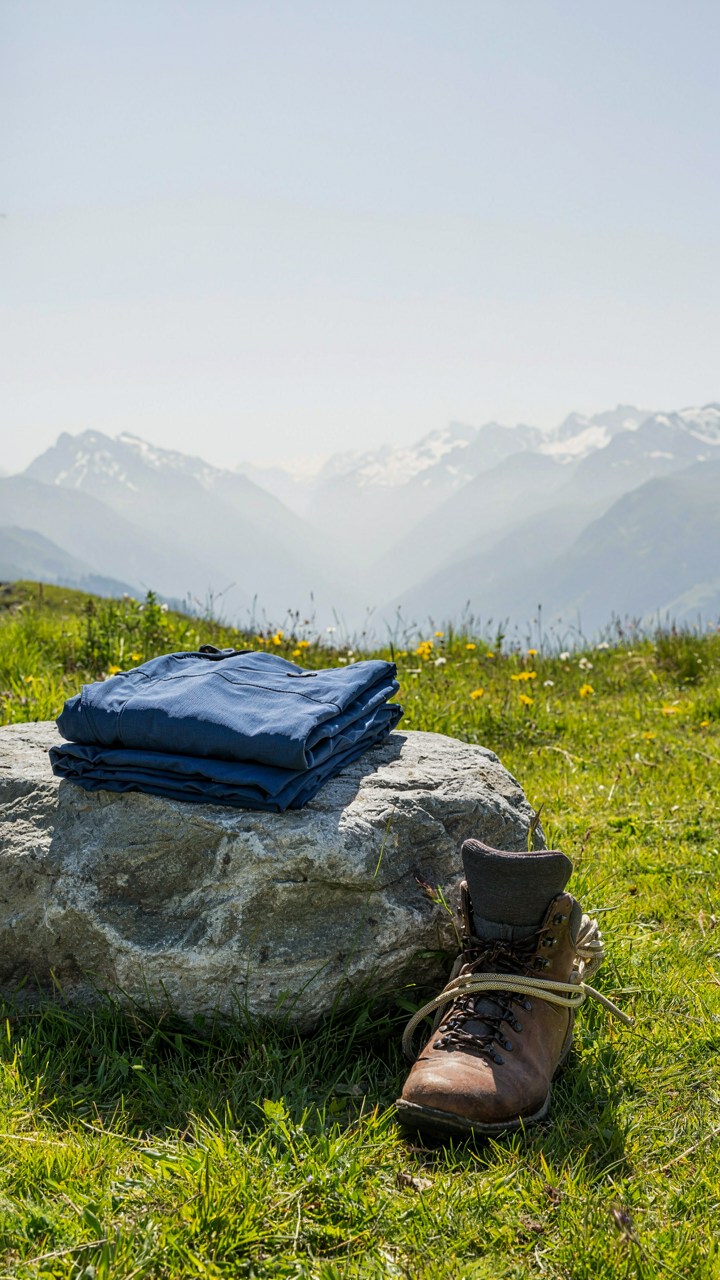
You want pants that look like you belong in the mountains, not like you’re buying credibility. The real mechanism is simple: high altitude demands three things that fight each other. Durability eats into flexibility. Insulation adds weight. Breathability fails in wind. You pick two and accept the loss on the third. Merino wool base layers don’t solve this. They just delay the problem. The trade-off is the point.
Modern synthetic fabrics borrowed from climbing gear solved one angle of this problem by stealing a principle from textile engineering: the strength-to-weight ratio. A pair of pants optimized for high altitude needs enough stretch to let your hip flexors work on inclines without tearing at the seams. Nylon blends like those used in technical pants balance this. Cotton fails instantly above 10,000 feet because it holds moisture and loses insulation when wet. Merino or synthetic base layers under technical pants create the actual system that works. The outer shell needs abrasion resistance for scree and rock contact. The fit needs to taper at the ankle so fabric doesn’t bunch inside your boot.
Boot Selection For Vertical And Cold
Footwear breaks most high altitude hikes before anything else does. The mistake people make is treating boots like a single solution. They’re not. A boot at 8,000 feet on a dry trail behaves completely differently than the same boot at 14,000 feet on snow. Insulation ratings matter only if water stays out. Sole rigidity matters only if you’re on ice or vertical rock. The boot needs to grip different surfaces without rolling your ankle on loose talus.
A mountaineering boot with a Vibram sole and gaiters attached stops snow and small rocks from entering the boot and sapping heat. Double boots or insulated single boots rated for minus twenty degrees keep your foot alive when ambient temperature drops. Fit must be precise. Socks bunch inside poorly fitted boots and create pressure points that freeze first. Lacing pattern changes the pressure distribution, so experimenting matters. Test your exact boot and sock combination on a shorter altitude hike before committing to a summit day.
Accessories That Actually Matter: Head, Hands, & Eyes For Climbing Outfits Men

Where Your Body Dumps Heat First
You care about this section because you’re afraid of looking unprepared, but the real issue is thermodynamics. Your body prioritizes core temperature over everything else, which means it actively constricts blood flow to extremities to survive. This isn’t a comfort problem—it’s a survival mechanism working against you. Lose finger dexterity or mental clarity at altitude and small mistakes compound fast.
- Insulated gloves with lobster mittens: Mitt shells cover fingers together for shared warmth, then individual finger sections below allow gear manipulation. Switch between configurations without removing gloves entirely.
- Merino wool beanies: Wool retains insulation when wet, unlike cotton. Crown coverage matters more than most realize—50% of head surface area sits at the top where cold air pools.
- Neck gaiter or balaclava: Traps warm exhaled breath around your neck and face. Acts as a buffer zone between exposed skin and thin mountain air, reducing heat loss significantly.
- Liner gloves: Thin merino or synthetic layer under main gloves adds insulation without bulk. Allows you to operate touchscreen devices or fiddle with gear without full hand exposure.
- Hand warmers or chemical packs: Slip into glove pockets when static or moving slow. These buy you 6-8 hours of passive heat retention in extreme conditions.
The mistake most men make is buying one pair of gloves and calling it solved. You need graduated insulation—a system you can layer and shed as conditions change. At altitude, your hands work harder than anywhere else on the mountain. They operate equipment, adjust gear, and signal distress. Numb hands mean you lose the ability to do any of those things. Keep a set of liners accessible and swap your outer gloves if they get damp from exertion or perspiration.
Eye Protection Against Altitude Intensity
The sun doesn’t get stronger at altitude—the atmosphere gets thinner. UV radiation increases roughly 10 percent for every 1000 meters you climb because less air filters it. Cheap or missing eye protection at altitude causes snow blindness, a temporary corneal burn that renders you functionally blind for 12-24 hours. You need lenses that block 100 percent UV and have sufficient coverage to prevent side scatter.
Polarized lenses are a common recommendation but they’re not essential for altitude climbing. What matters is UV400 blocking and lens darkness (Category 3 or 4 rating for high-altitude sun). Goggles with a full-face seal perform better than sunglasses because they prevent light from entering around the edges. If you wear prescription glasses, fit your goggles over them or use insert lenses designed for your correction. Ventilation matters less than coverage at altitude—fogging is annoying but temporary; corneal damage is permanent.
The “Survival Cache” Method: Emergency Gear & Extras For Hiking Gear
Redundancy In The Systems That Matter
You want backup gear because you’re afraid of being stranded. That fear is accurate. Military logistics calls this “supply chain redundancy”—the principle that critical systems fail when you can’t replace them. In high altitude hiking, your redundancy targets aren’t romantic. They’re the items that actually stop you from dying: fire, water access, navigation, and core temperature regulation.
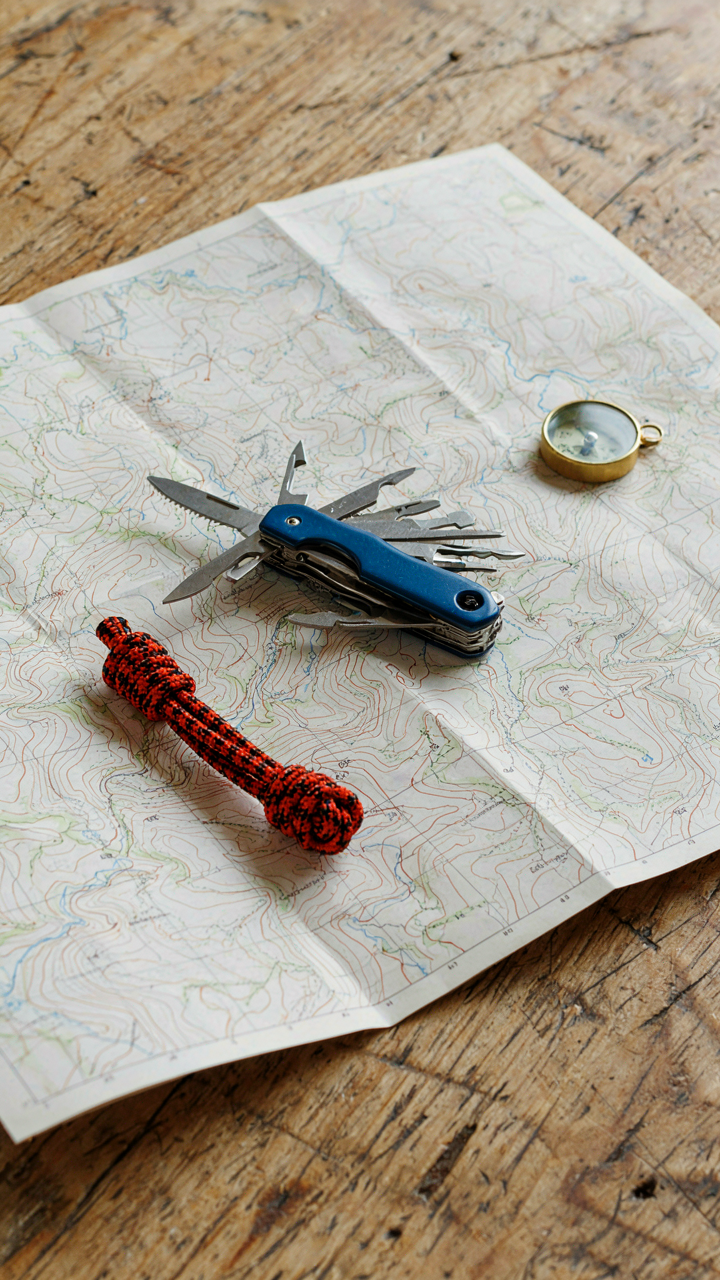
Most hikers carry one lighter and one map. That’s not redundancy, that’s optimism. Carry two lighters in separate pockets. Carry a backup compass. Bring a second insulating layer that isn’t your primary jacket. At altitude, a single failure cascades fast because weather changes in hours and rescue takes longer. You’re not being paranoid. You’re building a system that absorbs single-point failures without collapsing.
Compact Tools That Do Three Things
The “one tool, one job” advice wastes pack weight. You need tools that stack functions so you carry less total mass. A multi-tool with a blade, pliers, and screwdriver handles gear repair, blister management, and shelter adjustment. A lightweight trekking pole becomes a tent pole, a walking aid that reduces knee stress, and an avalanche probe for snow assessment. A stuff sack functions as storage and a water container if your original bag tears.
This isn’t about being clever. It’s math. Every tool in your cache must justify its weight by doing at least two critical jobs. Skip items that serve one purpose only. A ferro rod fires in wind and wet when lighters fail. A bandana wraps wounds, filters debris from water, and creates emergency sun protection. Test each tool before altitude. A compact item that fails at sea level will betray you at 12,000 feet.
Temperature Extremes: Adapting Your Trekking Outfits Men System
When Weather Shifts Faster Than Your Pace
You want to believe you can predict the mountain. You can’t. Weather systems at altitude move in hours, not days, and most hikers pack for the forecast they saw that morning instead of the one that actually shows up. The mechanism here is simple: air temperature drops roughly 3.5 degrees Fahrenheit per 1,000 feet of elevation gain. A sunny 65-degree start at trailhead becomes 35 degrees at 9,000 feet. Wind compounds this through convective cooling. Your system needs redundancy, not prediction.
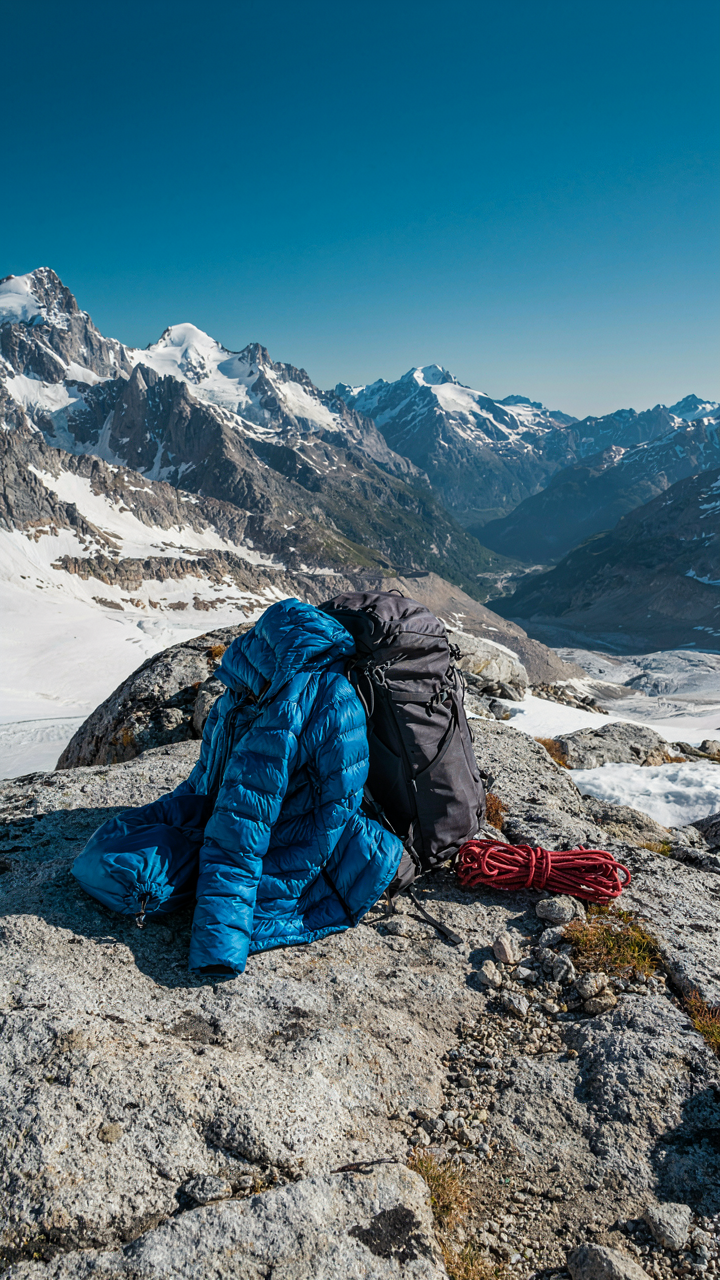
The real move is layering with purpose and carrying a high-output insulation piece you’ll actually use. A synthetic or down jacket that packs to the size of a water bottle solves this because you deploy it the moment conditions shift, not when you’re already shivering. Most men skip this step because they trust their metabolism or their weather app. Neither protects you when a cold front rolls in. Stash a jacket in your pack on every high altitude hike, no exceptions.
Managing Heat While Your Engine Burns Hard
Physics calls it the convective heat transfer problem: your body generates massive internal heat during sustained climbing, but air density at altitude reduces the atmosphere’s ability to absorb it. Ventilation isn’t optional. It’s the difference between controlled cooling and hyperthermia that kills judgment. Start in a base layer with moisture-wicking capability (merino wool or synthetic polyester), not cotton. Cotton absorbs sweat and holds it against your skin, which destroys thermoregulation.
Your mid-layer should allow air to move through it without trapping heat. A lightweight fleece grid or open-weave fabric works better than dense knits. Strip layers aggressively as you climb. Most men underdress at the start to avoid overheating, then suffer because they never adjusted during the hike. The protocol is simple: start cool, remove layers before you sweat, add them back immediately when you stop moving.
The Minimalist Mindset: Less Gear, More Mountain For Hiking Outfit For Men

Pack Weight Directly Controls Your Decision Quality
You want to believe that more options mean better outcomes. They don’t. In physics, load distribution determines stability and energy expenditure—every extra pound at altitude forces your body to work harder, degrading judgment and recovery. Most men pack redundancy because they confuse preparation with control. The mechanism is simple: lighter pack equals faster descent, clearer thinking, and actual safety when conditions shift.
Drop the assumption that you need backup for your backup. A 20-pound pack at 14,000 feet leaves you thinking clearly at summit time. A 35-pound pack leaves you exhausted, making rushed decisions you’ll regret. Eliminate one item per category this week: one fewer layer, one smaller repair kit, one less water capacity offset by better water source intel.
Fabrics That Earn Their Weight
Merino wool isn’t trendy—it’s a tool. It regulates temperature across thirty-degree swings, resists odor for a week straight, and manages moisture without becoming heavy when wet. Most men default to synthetic because marketing, but the trade-off is false economy. You replace synthetics yearly; merino lasts five years with proper care.
Nylon shell jackets with DWR coatings (durable water repellent) work because they’re simple: they shed rain, pack small, and don’t need cleaning after every trip. Skip insulation layers with high bulk-to-warmth ratios. Invest instead in one quality midlayer that transitions from trail to camp to sleep system, then build around that anchor piece.
The Real Obstacle Isn’t The Mountain; It’s Your Adherence To Generic Advice, Not The Ever-changing Conditions
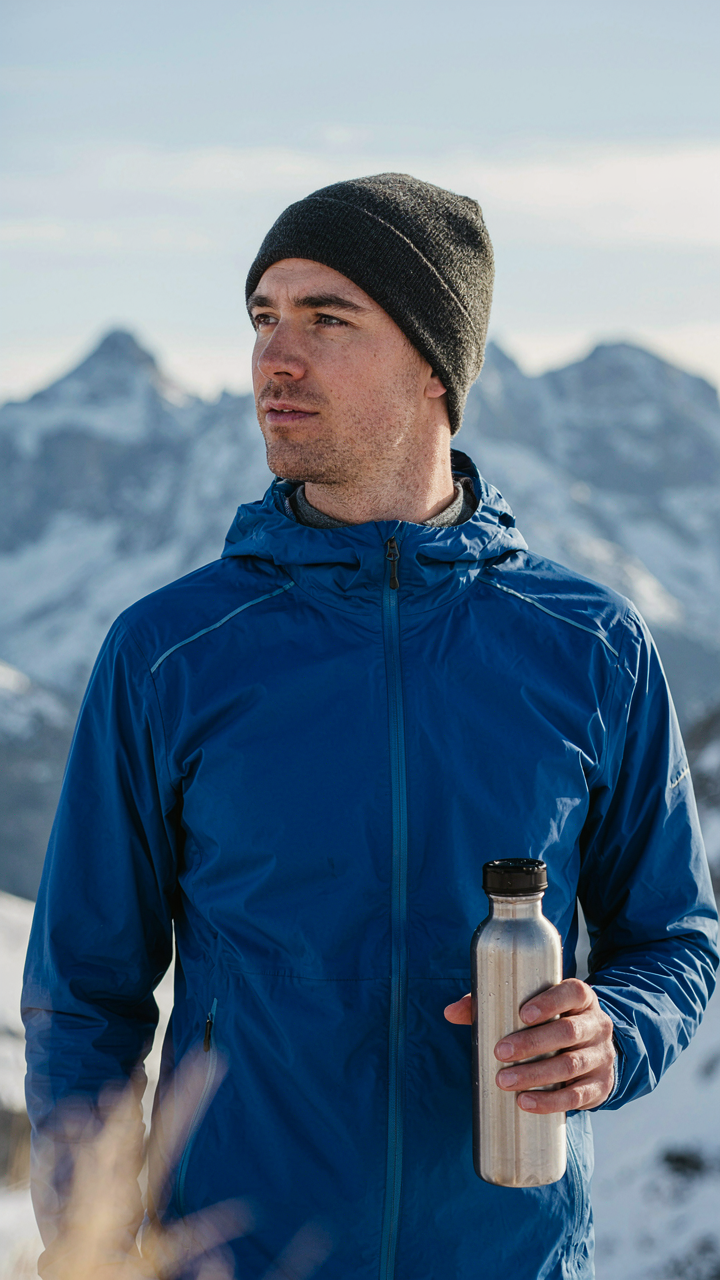
Most men waste money on gear before they waste a single day testing it. You don’t need the perfect high altitude hiking outfit. You need three days on a mountain to discover what actually works for your body. Stop reading reviews. Stop comparing specs. Buy basic layers, hike hard, then upgrade only what fails. Your conditions change every 500 feet. Your outfit should too. The only gear that matters is the one you’ll actually adjust when reality hits.