
The Oxygen Illusion: Why Thin Air Reveals Your Thickest Excuses
Your Body Adapts Faster Than Your Excuses Die
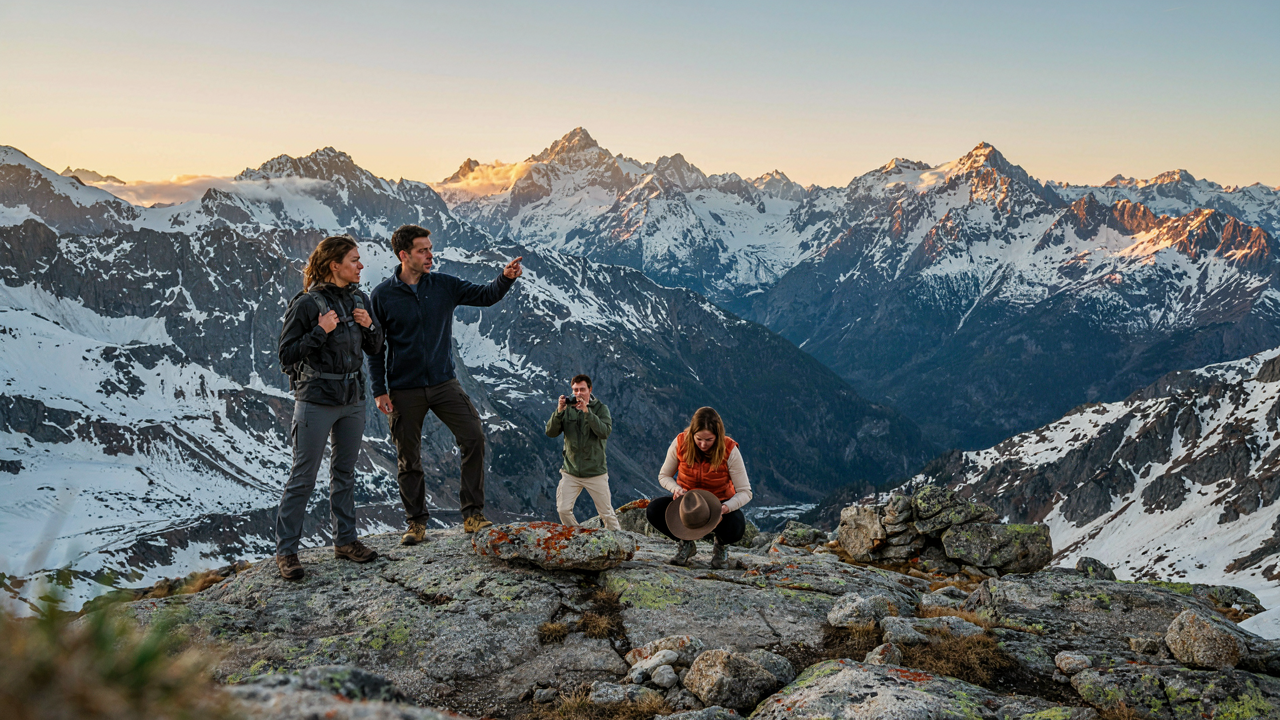
You want to believe altitude will stop you because then failure isn’t your fault. Physiology says otherwise. Your body begins acclimatization within hours of arriving at elevation. Red blood cell production increases. Breathing deepens automatically. Mitochondrial efficiency shifts. Every system mobilizes without your permission or understanding. The barrier isn’t biological—it’s the gap between what your body can actually do and what your mind believes it can do.
The common advice treats altitude like a wall. Climb higher, suffer longer, endure more. This misses the mechanism entirely. Altitude doesn’t create limits; it exposes them. You arrive at 8,000 feet and discover you can’t motivate yourself to train. You reach 12,000 feet and realize you’ve never pushed past discomfort before. The thin air is honest. It strips away the performance theater and forces you to confront whether your limitation lives in your lungs or your will. Most climbers find it’s the latter.
The Real Opponent Always Sits Between Your Ears

Altitude adaptation borrows from stress physiology, which uses the term “General Adaptation Syndrome” to describe how organisms respond to stressors. Your mind runs the same protocol: alarm, resistance, adaptation. Most people collapse during the resistance phase because they expect the alarm phase to vanish. It doesn’t. Breathlessness, fatigue, and difficulty sleeping persist for days. You interpret these as failure instead of progress. The climbers who summit aren’t physiologically special. They’re psychologically sober about what adaptation actually feels like.
The mechanism is straightforward: your mind generates excuses before your body generates problems. You imagine suffocation before you experience it. You assume exhaustion before you attempt the climb. The altitude simply amplifies this voice. Your job isn’t to overcome the altitude—it’s to notice the excuse, name it as fiction, and move anyway. This is why climbers who practice mental rehearsal and embrace discomfort before arriving at elevation perform measurably better. They’ve already answered the question their nervous system will ask at 14,000 feet. The answer was always no, I will not stop.

Beyond Everest: The Real High Altitude Adventure Sports Hierarchy
Challenge Scales With Altitude, Not Instagram Followers
You want to know which sport matters because you’re terrified of picking the wrong one and wasting time on something soft. The actual mechanism is this: altitude compounds every variable at an exponential rate, not a linear one. Everest climbers operate in the death zone where your body shuts down. High altitude mountaineering in the 5,000 to 7,000 meter range demands technical skill and acclimatization strategy. Below that threshold, the sport becomes something else entirely, something Instagram can actually document without your phone dying from cold.
The hierarchy inverts from what amateurs assume. Summiting Everest is attainable with money, time, and basic fitness. High altitude ski mountaineering in the 4,000 to 5,500 meter range demands decision-making under sustained physical stress. You navigate crevasse fields while managing energy expenditure and weather windows. Guides cannot make these decisions for you. The sport punishes hesitation and rewards pattern recognition under load, which you cannot buy.
Sports That Demand Real Decision Making
Alpine ice climbing at 4,000 meters teaches one discipline that the market completely gets wrong. The climber must read conditions changing by the hour, commit to mixed terrain with incomplete information, and execute under hypoxia. Climbing Denali’s Kahiltna Glacier forces continuous assessment: Which route avoids crevasses? When do I move between camps? The altitude is moderate enough to think clearly but high enough to slow you down. This tension creates the actual learning curve.
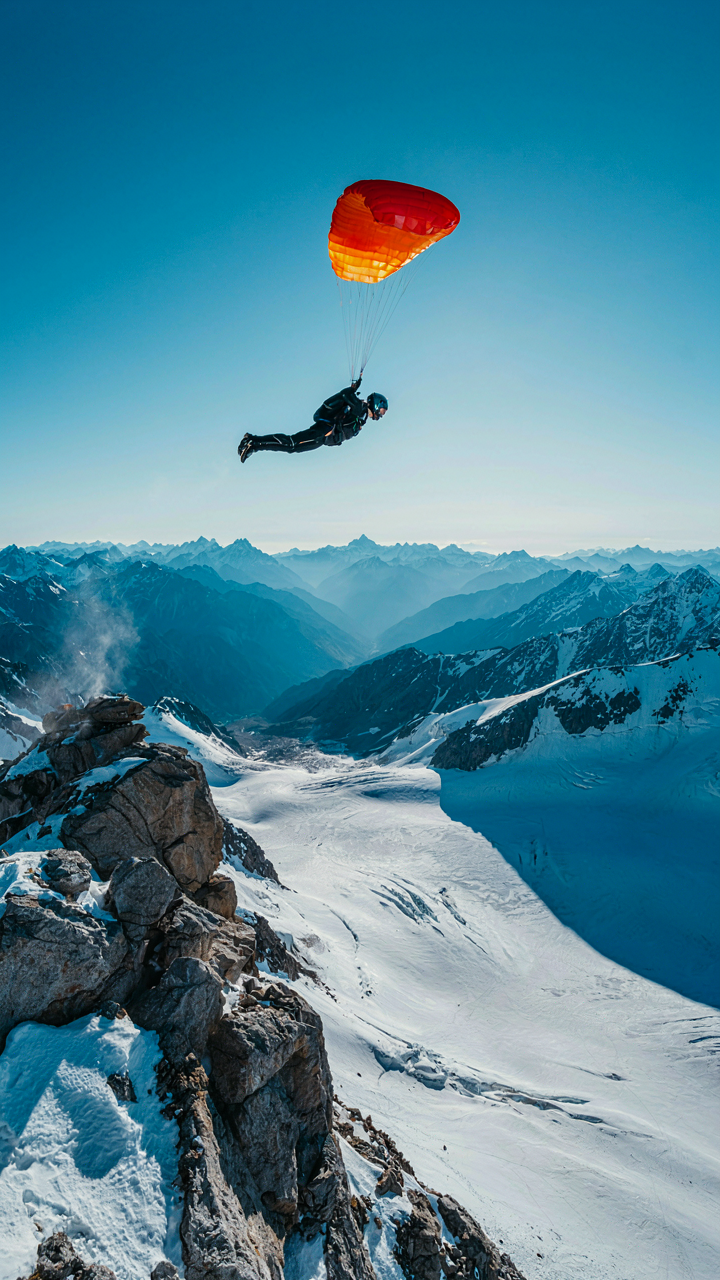
Speed flying and speed riding in high altitude zones operate with zero margin for error. You launch from 3,000 to 4,500 meter peaks with a parachute and wingsuit, navigating terrain that kills you instantly if you misjudge distance or wind. The sport requires understanding aerodynamics and mountain physics simultaneously. There is no second attempt. This is where consequence meets skill development in its purest form.
The Alpinist’s Paradox: Finding Stillness In Extreme Mountain Climbing
Your Brain Gets Quieter When It’s Overloaded
You want to believe that climbing a mountain teaches you something about yourself. The real mechanism is simpler: at altitude, your brain stops running background noise because it’s fighting hypoxia. You stop thinking about your email, your status, your failures. Not because you’re enlightened. Because your prefrontal cortex is rationing oxygen. The common advice treats this as spiritual growth. It’s neurochemistry. Use flow state language from performance psychology here: climbers enter a state of “cognitive constraint” where only immediate survival signals penetrate. Your mind doesn’t quiet down because you’re finding peace. It quiets down because it can’t afford distraction. Every unnecessary thought becomes a metabolic liability.
High altitude climbing forces a collapse of attention toward one axis: the next foothold, the next breath, the rate of your ascent. This isn’t meditation. Meditation assumes control. This is survival pruning your thoughts for you. The climber at 20,000 feet isn’t transcending the ego. The climber is experiencing the ego’s irrelevance when oxygen becomes scarce. The practical mechanism: extreme physiological demand creates forced minimalism of thought. You climb not to think less but because thinking less is the only option your body allows. Train your nervous system to accept this constraint before you need it. Spend time at 10,000 to 12,000 feet doing basic movement work before attempting higher objectives. Your brain learns to function in this state.
The Actual Silence Nobody Warns You About
Silence at elevation isn’t peaceful. It’s hollow. Most summits sit above the cloud layer. No wind sounds. No birds. No ambient human noise. What you hear is your own breathing and the crunch of crampons on ice. The reward climbers chase isn’t the absence of sound. It’s the absence of choice. On the mountain, silence means you’ve stopped making excuses. You’ve stopped negotiating with yourself. You’ve committed to the physics of the climb.
Silence as a tool works because it removes the social performance layer. At sea level, you manage how others perceive your effort. At 18,000 feet, no audience exists except your own body. The climber stops performing and starts calculating: pace, breathing, energy reserves, time to descent. This clarity isn’t mystical. It’s what happens when survival overrides social signaling. The protocol is direct: climb high enough that noise becomes irrelevant, then notice what your mind does when it has no external input to process.
The Mountaineering Aesthetic: More Than Just A Wallpaper
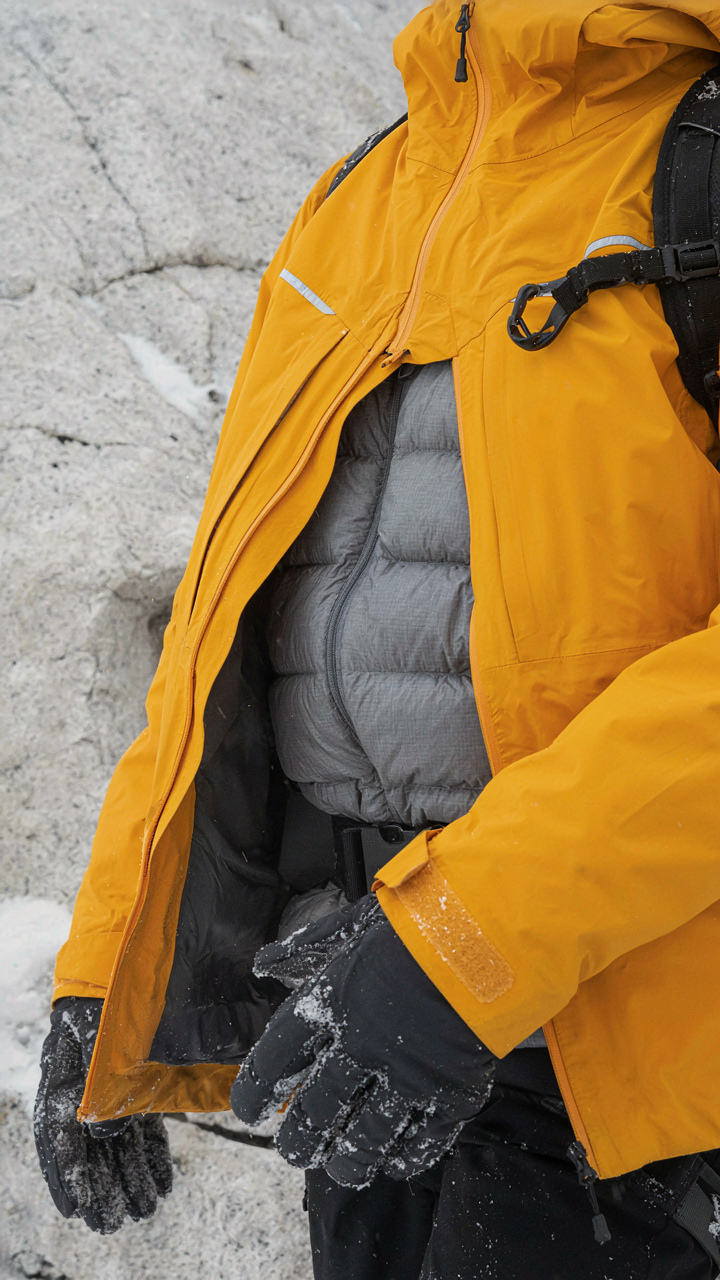
The Uniform Problem
You want people to see you as someone who belongs in extreme environments. That’s the real reason you care about how mountaineers dress. The mechanism is simple: clothing communicates competence faster than credentials. In high altitude mountaineering, this isn’t vanity. Function dictates form so strictly that aesthetics become a byproduct of survival physics. A down jacket’s quilting pattern exists because of loft distribution, not Instagram. The color choices climbers make stem from visibility in whiteout conditions and heat absorption at altitude. Strip away the status motive and you find that authentic mountaineering style is just the visible skeleton of what actually works at 20,000 feet.
The gear that defines the aesthetic emerged from decades of failure. Mountaineers didn’t choose Gore-Tex because it looked clean. They chose it because it breathes and sheds water simultaneously, solving the core problem of moisture management that kills people at altitude. The insulation materials changed from wool to synthetic to down as engineers cracked the code on warmth-to-weight ratios. The boot designs with rigid soles weren’t aesthetic decisions. They were answers to the problem of crampon attachment and ankle support on technical ice. Every visible element of mountaineering dress carries that logic underneath.
Wearing The Problem You’re Solving
Most casual climbers buy the outfit and assume they understand the sport. This is wrong. The real tells in mountaineering style reveal which problems a climber actually knows exist. Take harness placement. Amateurs wear their harness low and loose. Experienced climbers wear it snug and high because repeated movement at altitude creates friction and chafe points that compound into injury after day three. The pocket placement on climbing pants isn’t decorative. It’s engineered to remain accessible when you’re wearing a pack and crampons simultaneously. These details separate people who trained for the specific demands from people who bought credentials.
The color palette of high altitude climbing gear encodes functional priorities. Bright colors dominate because visibility matters when visibility matters most. Neutral tones appear on base layers because they don’t absorb heat from sun exposure like bright colors do during acclimatization rotations. The fabric weight gradation from expedition shell to insulating layer to base layer represents a thermal management protocol, not a fashion statement. Climbers who understand the mechanism dress in layers that correspond to specific altitude zones and exertion levels. Dress the problem you’re solving at that exact moment, not the mountain as a whole.
The Acclimatization Fallacy: Reclaiming Your Inner Biology
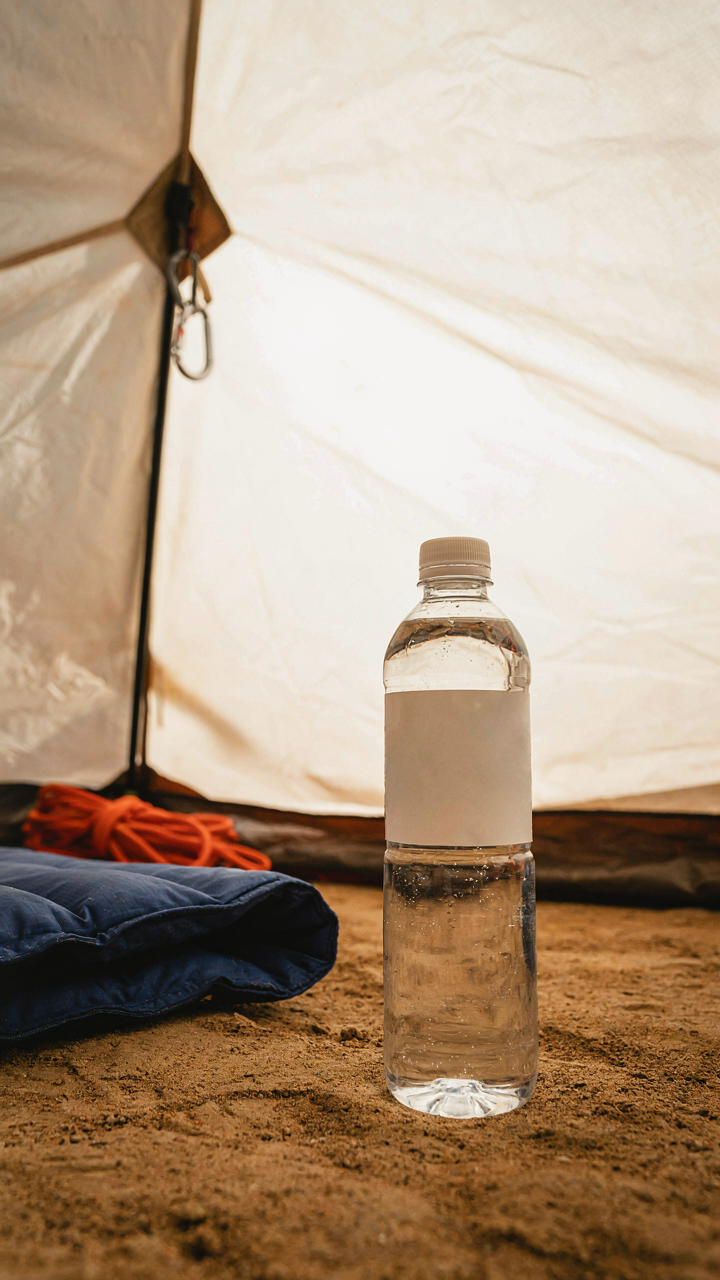
Your Body Isn’t Broken At Altitude
You want to believe acclimatization is something you do to yourself, like training. It’s not. Evolutionary biology calls this “phenotypic plasticity”—your organism’s capacity to shift its operating parameters in response to environmental pressure. At altitude, your body doesn’t adapt. It compensates. The mechanism is immediate: reduced oxygen availability triggers increased red blood cell production, faster breathing, and peripheral vasoconstriction. This isn’t adaptation. It’s survival triage. Most climbers misunderstand this gap and waste weeks chasing a process their genes already control.
Your mitochondria don’t need motivation. They respond to hypoxia with measurable changes within 48 hours. The real variable isn’t whether adaptation happens—it’s whether you interfere with it. Poor sleep, dehydration, and excessive exertion sabotage the compensation response. High altitude adventure sports demand you stop treating acclimatization as a goal and start treating it as a constraint you manage. The climbers who summit aren’t the ones who acclimate fastest. They’re the ones who stop fighting their physiology.
Genetic Variance Changes The Game
Genetics load the gun. Elevation loads the chamber. Some people arrive at 14,000 feet and suffer debilitating altitude sickness within hours. Others hike comfortably. This isn’t toughness. It’s hemoglobin concentration, mitochondrial density, and arterial oxygen saturation—traits you inherit, not earn. Research on high-altitude populations reveals people from the Andes and Tibet show measurably different oxygen-processing efficiency than lowlanders, a result of multigenerational selection pressure. You can’t rewrite your genetics in six weeks.
What you can do is recognize your starting position and build strategy around it, not against it. If you suffer headaches at 8,000 feet while your partner feels fine, you already know your genetic ceiling for passive acclimatization. Your advantage isn’t fighting this. It’s moving slower, sleeping more, and ascending in smaller increments than your genes prefer. Slow ascent rates—1,000 to 1,500 feet per day above 8,000 feet—override genetic disadvantage. Your physiology handles what it can’t rush.
The Summit Protocol: A 3 Step System For Vertical Dominance
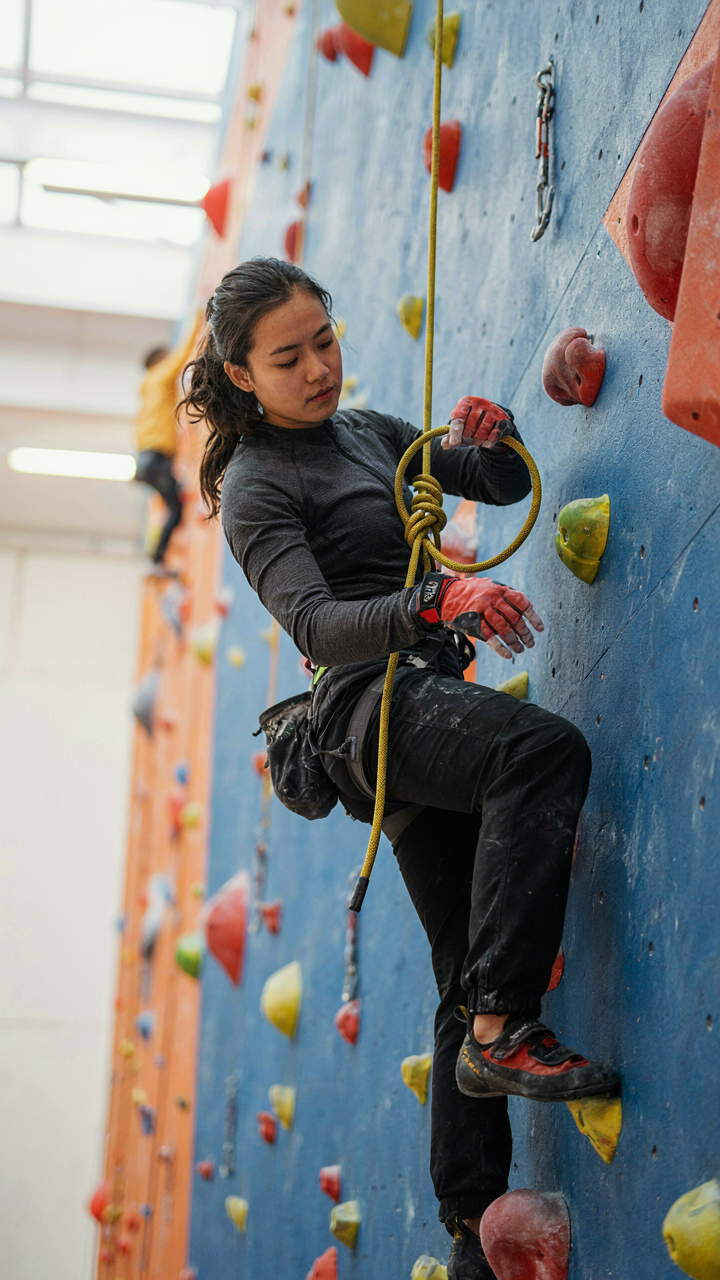
Pre Expedition Mental Conditioning
You want this section because you think willpower fixes altitude. It doesn’t. What matters is removing the variables that willpower has to fight. Psychology borrows from systems theory the concept of load capacity—the maximum input a system can process before failure. Your brain at altitude has drastically reduced load capacity. Pre-expedition conditioning shrinks the decision surface before you arrive where thin air erases your margin for error.
Most climbers waste this phase on motivation talks and visualization. Wrong angle. You’re building decision templates and stress inoculation, not confidence. Train the specific movements your climb demands. Practice rope systems in cold, tired states. Memorize your emergency protocols until they live in procedural memory, not conscious thought. The goal is automaticity. When your oxygen saturation drops to 80 percent, you cannot afford to remember what to do. You need to already be doing it.
In Climb Decision Architecture
Real-time judgment on the mountain kills climbers more often than weather or equipment. The altitude itself doesn’t discriminate. What kills is the decision lag—the gap between sensing danger and acting on it. Military strategists call this the OODA loop: observe, orient, decide, act. Climbers operate inside compressed versions of this cycle, sometimes with minutes to respond to changing conditions.
Build a decision tree before the climb. Not vague principles. Actual branches: if wind exceeds X, descend. If weather window closes, retreat. If teammate shows signs of HACE, abort. Write these conditions down. At altitude, your prefrontal cortex downregulates. You cannot improvise judgment. You cannot run novel problems through logic. You execute the protocol you built when your mind still worked. This is the difference between climbers who summit and climbers who go home in boxes.
Mountain Climbing Photography: Capturing Reality, Not Fantasy
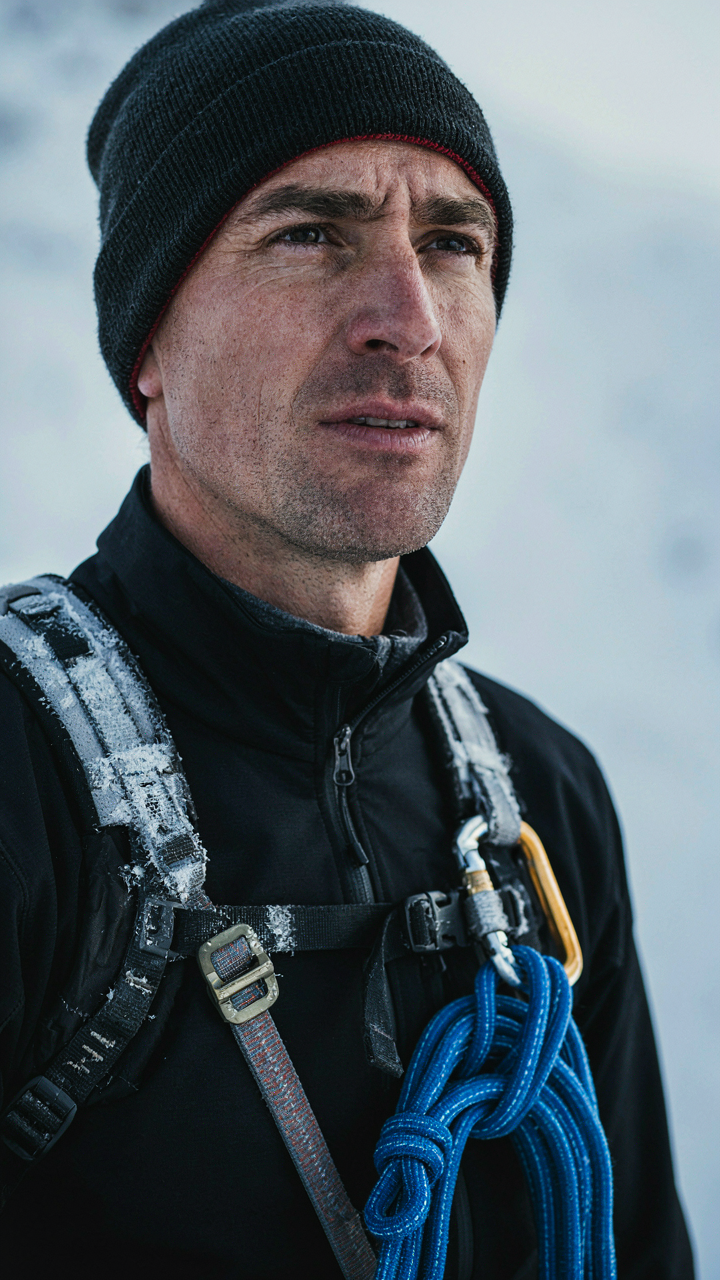
The Struggle Becomes The Story
You want proof you went. That’s the real reason you’re thinking about this. The summit photo is currency in a world obsessed with endpoints. Here’s what actually matters: the mechanism is contrast. Your brain registers change, not stasis. A climber suffering at 20,000 feet tells a story. A climber smiling at the summit tells nothing. Suffering is what separates the real from the filtered. The images that stick are the ones where something is breaking or holding on.
Most climbing photography advice treats the summit as the goal. Wrong. The summit is the finish line of a photo essay that started three days ago. Document the state transitions. Frostbite risk on exposed skin. The moment a climber realizes their oxygen is running low. The decision to turn back. These moments contain information. Information is what makes an image stick in memory. Capture the work, not the reward.
When Real Looks Better Than Aesthetic
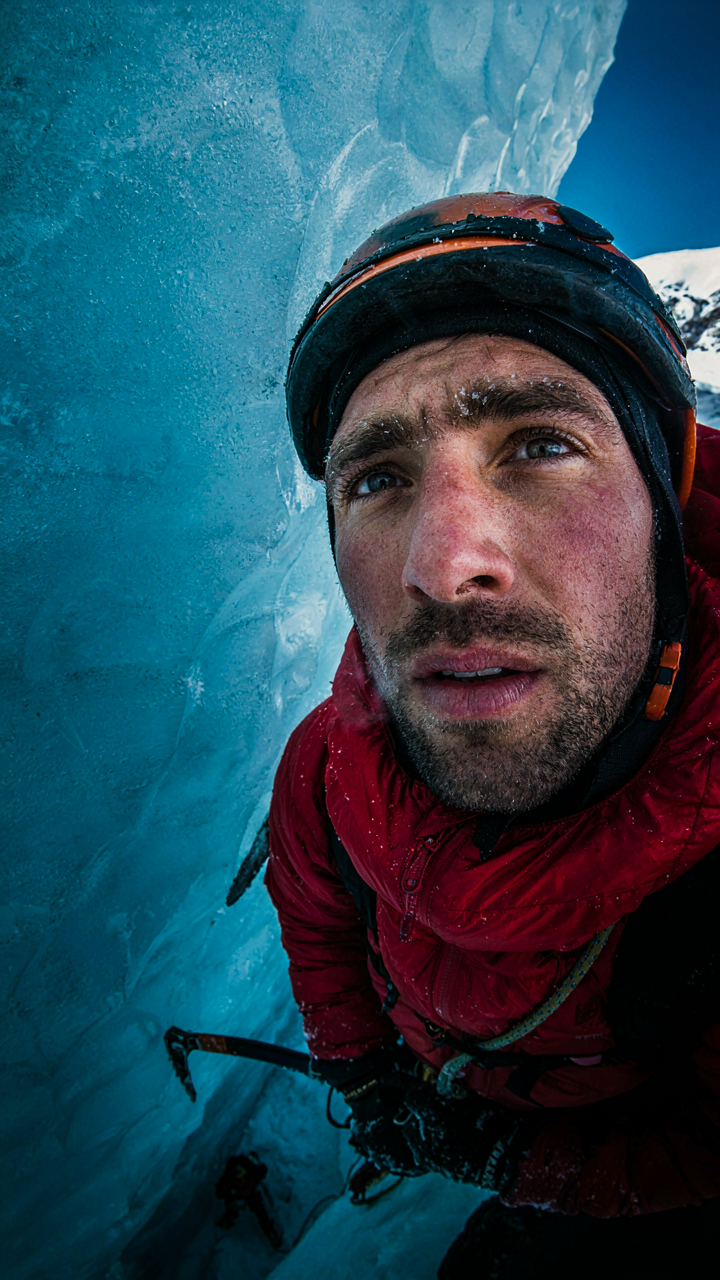
Authenticity isn’t a feeling. It’s a measurable property. In design theory, it’s called fidelity to function. A climber’s face at altitude looks nothing like a climber’s face at sea level. The puffiness, the bloodshot eyes, the raw skin from cold exposure, the asymmetrical face from wind damage. These aren’t flaws to edit out. They’re evidence. Evidence beats composition every time when the context is survival. The viewer’s brain knows the difference between posed and captured. Authenticity reads as danger. Danger reads as real.
Stop trying to make suffering look beautiful. That’s the consumer trap. Instead, make suffering look true. Exposure on manual mode. Shutter speed fast enough to freeze the shake of hypoxia. ISO pushed high because you won’t have ideal light above 6,000 meters. Shoot in flat color profiles and apply zero filters. The work is capturing what’s actually there, not what would sell the story better. A climber’s genuine exhaustion is more valuable than any technically perfect landscape behind them.
The Vertical Compass: Navigating The True North Of Your Ambition
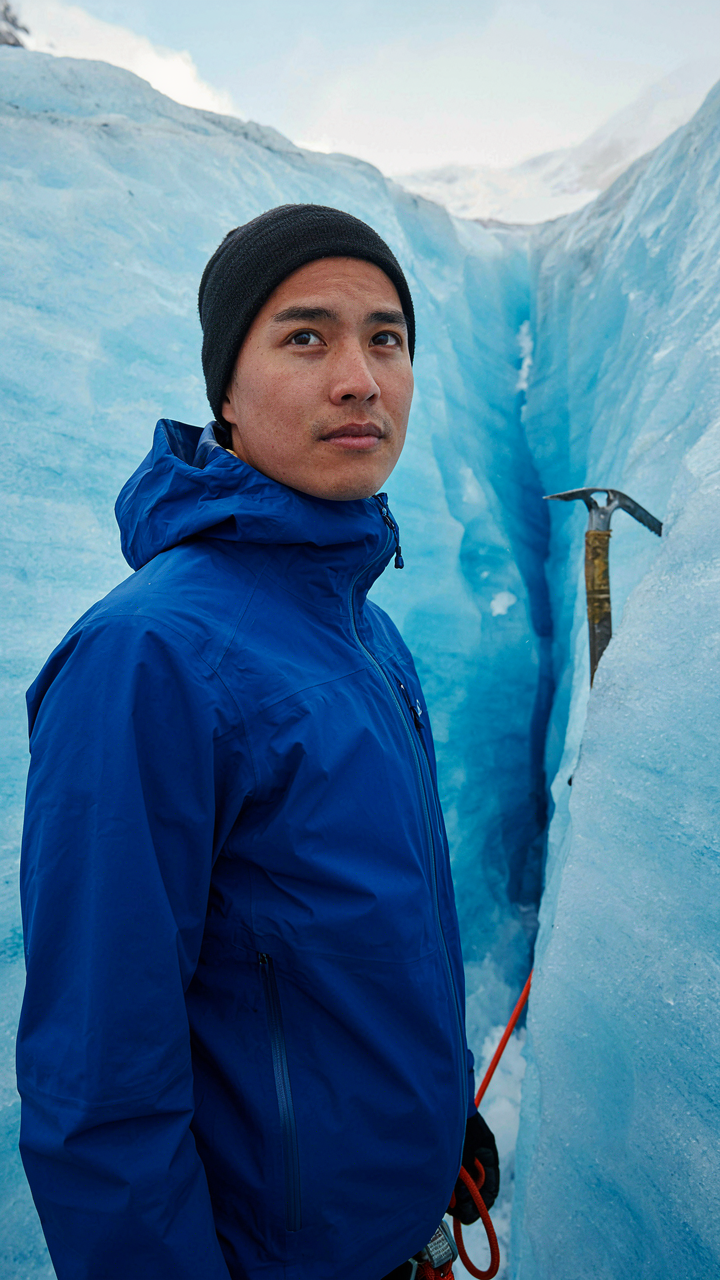
Ego Versus Elevation
You want a story to tell. That’s the real reason you’re reading this section. But the mechanism that separates people who actually climb from people who talk about climbing is simple: ego-driven goals collapse at altitude because they’re tethered to external validation, not survival. The climber chasing a summit for Instagram abandons at 26,000 feet. The one climbing to know their own ceiling stays.
Personal metrics work because they’re invisible to everyone except you. Define what success looks like before you touch the rock or snow. Is it moving efficiently at 5,500 meters without supplemental oxygen? Is it solving a specific technical problem on ice? Is it finishing a multi-day expedition without catastrophic decision-making? Specificity removes the variable that kills most ambitious projects: doubt about what winning actually is.
Fuel From Within
Intrinsic motivation in high altitude adventure sports works like thermodynamics: you don’t generate energy from external heat sources at altitude because they evaporate. The moment weather turns, sponsors disappear, or your social media stalls, you need internal combustion to keep moving. Climbers who summit consistently have one trait: they value the process over the outcome.
This means training matters more than the expedition itself. You build intrinsic motivation by proving to yourself that you can execute small protocols daily. That’s a pushup routine. That’s tracking sleep. That’s studying weather patterns for your sport. That’s learning rope systems until they’re automatic. These aren’t preparation. They’re the actual source of fuel. When you’re hypoxic and cold at 7,000 meters, you don’t draw from the idea of the summit. You draw from six months of proving you follow through on what you commit to.
Training For The Unpredictable: Beyond Gym Numbers
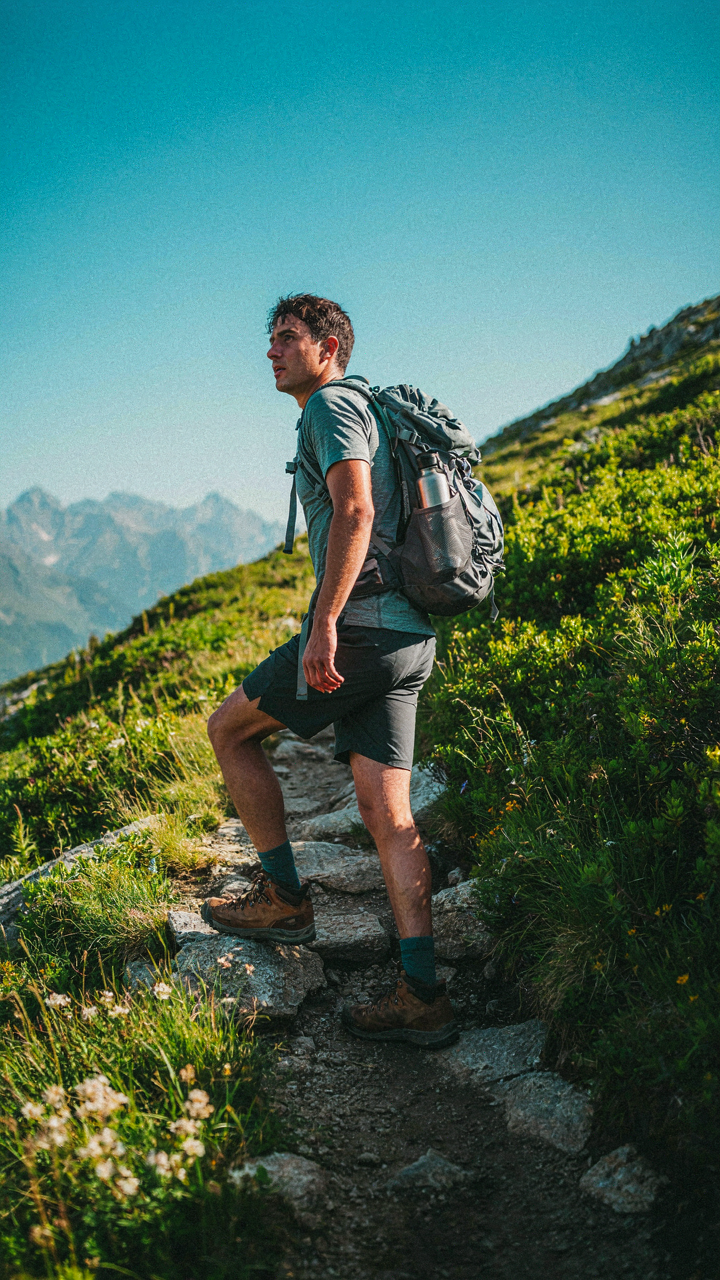
Strength That Transfers To Mountains
You want a number to prove you’re ready. That’s not how bodies work at altitude. The real mechanism is specificity of fatigue: your muscles must perform under the exact stress they’ll face, not under gym conditions that bear no resemblance to climbing or skiing in thin air. A heavy squat tells you nothing about how your legs function after six hours of descending with compromised oxygen delivery and unstable terrain.
The work that matters is loaded movement on uneven ground, sustained for the duration you’ll actually climb or ski. Hiking with a weighted pack on varied terrain builds the neural patterns your body needs. Step-ups on a box replicate the biomechanics of ascending scree better than a leg press ever will. Your connective tissue adapts to the specific demand, not to abstract strength metrics. This is why elite mountaineers train on mountains, not in facilities.
Stress Inoculation For The Unknown
Psychology borrowed the term “stress inoculation” from immunology: expose yourself to controlled doses of the stressor so your nervous system builds resistance. For high altitude adventure sports, the stressor is acute uncertainty combined with physical exertion in a hostile environment. Most training programs ignore this entirely and focus only on the physical component.
The protocol is deliberate discomfort in conditions you cannot fully control. Cold water immersion for breath control. Hill sprints in poor visibility. Multi-day treks on minimal sleep. Altitude training camps at 8,000 to 10,000 feet where your body operates at a deficit. Navigation drills in darkness. Equipment failure simulations mid-climb. Each exposure rewires how your nervous system responds when things go wrong.
- Hypoxic training intervals: Sustained effort at simulated altitude builds metabolic adaptation and teaches your body to function when oxygen is scarce without panic response triggering.
- Navigation under fatigue: Practice route-finding after physical exertion when decision-making degrades, not during fresh morning walks where thinking remains clear.
- Temperature cycling: Deliberate exposure to cold-to-warm-to-cold shifts forces your nervous system to adapt to thermoregulatory stress without shutting down cognitively.
- Solo micro-expeditions: Overnight self-supported missions alone establish confidence in your ability to manage fear and solve problems without external support.
- Equipment failure drills: Practice using backup systems and alternative techniques during training so failure mid-expedition becomes a known variable, not a crisis.
Your nervous system does not distinguish between simulation and reality when the dose is sufficient. The goal is to arrive at the mountain already desensitized to the core stressors that derail unprepared climbers: hypoxia, cold, uncertainty, and fatigue working simultaneously. Build the protocol into your training calendar six months before departure, not two weeks before.
The Mountaineer Wallpaper: Erasing The False Idols

The Instagram Summit Trap
You want proof that what you’re about to do matters. That’s why you’re drawn to other people’s footage, their names on lists, their before-and-after elevation gain. The mechanism is simple: social proof replaces actual competence in your mind. You see the image and think you’re seeing the achievement. You’re not. You’re seeing a curated moment stripped of the failed attempts, the near-death decisions, the months of logistics that nobody films. The gap between the photo and the reality is where most climbers get killed.
Separating signal from noise requires one brutal question: who benefits from me seeing this image? The person who posted it benefits. Their sponsor benefits. Their algorithm engagement benefits. Your actual mountaineering education does not. Real climbers don’t post their summit photos in real time. They’re managing weather windows, rope teams, oxygen systems, and avalanche risk. By the time they’re back in cell service, the moment that shaped them is already metabolized into experience. The influencer model inverts this entirely.
Building The Unposted Record
The legend that matters is the one nobody knows about. This is where economics teaches mountaineering: you optimize for what you measure. Measure Instagram likes and you get performative climbing. Measure competence and decision-making and you get climbers who live past thirty. Your real achievement is a private log: routes you’ve completed, mistakes you’ve identified, conditions you’ve read correctly, expeditions where no crisis occurred because you prevented it upstream. That’s the metric.
The concrete shift is replacing your public climbing identity with a private systems approach. Document your own progression in writing. Track what elevation felt like at different acclimatization intervals. Record what weather patterns taught you. Build a personal database of decision outcomes, not summit photos. When you reach a peak others haven’t, you’ll already know exactly how you got there and why. Your next expedition will be built on that foundation, not on the need to broadcast it.
The Only Peak You Truly Avoid Is The One Within
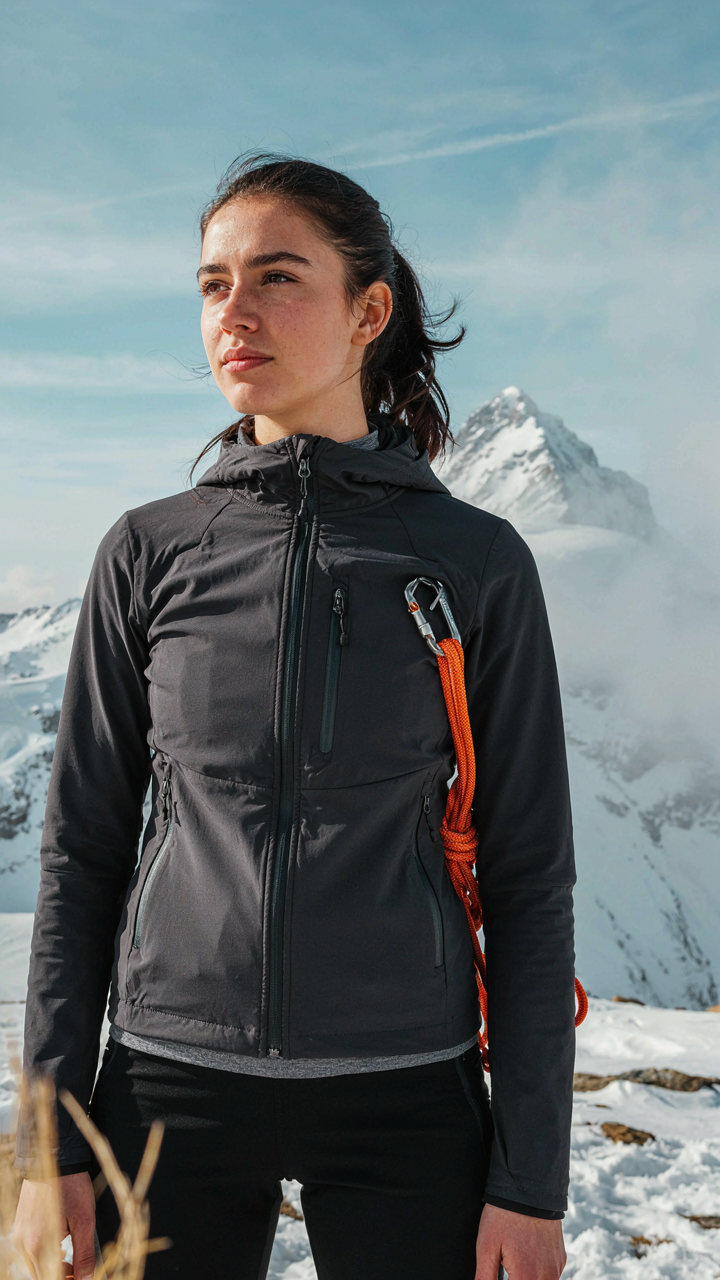
Most people don’t fear the mountain. They fear the version of themselves that actually commits to climbing it. High altitude adventure sports strip away the excuses your brain manufactures daily. The oxygen deprivation, the cold, the exposure, they’re just honest. Pick one sport this week. Book the trip for next year. Your ego will spend twelve months inventing reasons why you shouldn’t go. That’s the real climb.