
Introduction
Healthy living while traveling can be a challenge, especially when you want to stick to a budget. You want to enjoy good food and drinks without breaking the bank, and keep up with your fitness routine in unfamiliar places. This article offers practical tips to help you maintain your health goals during travel without overspending.
From selecting affordable healthy food options to finding fitness activities that suit your budget, you will find advice tailored for travelers who prioritize well-being. We’ll cover simple steps that anyone can follow to stay nourished, hydrated, and active on the road.
Creating a Food Budget Checklist

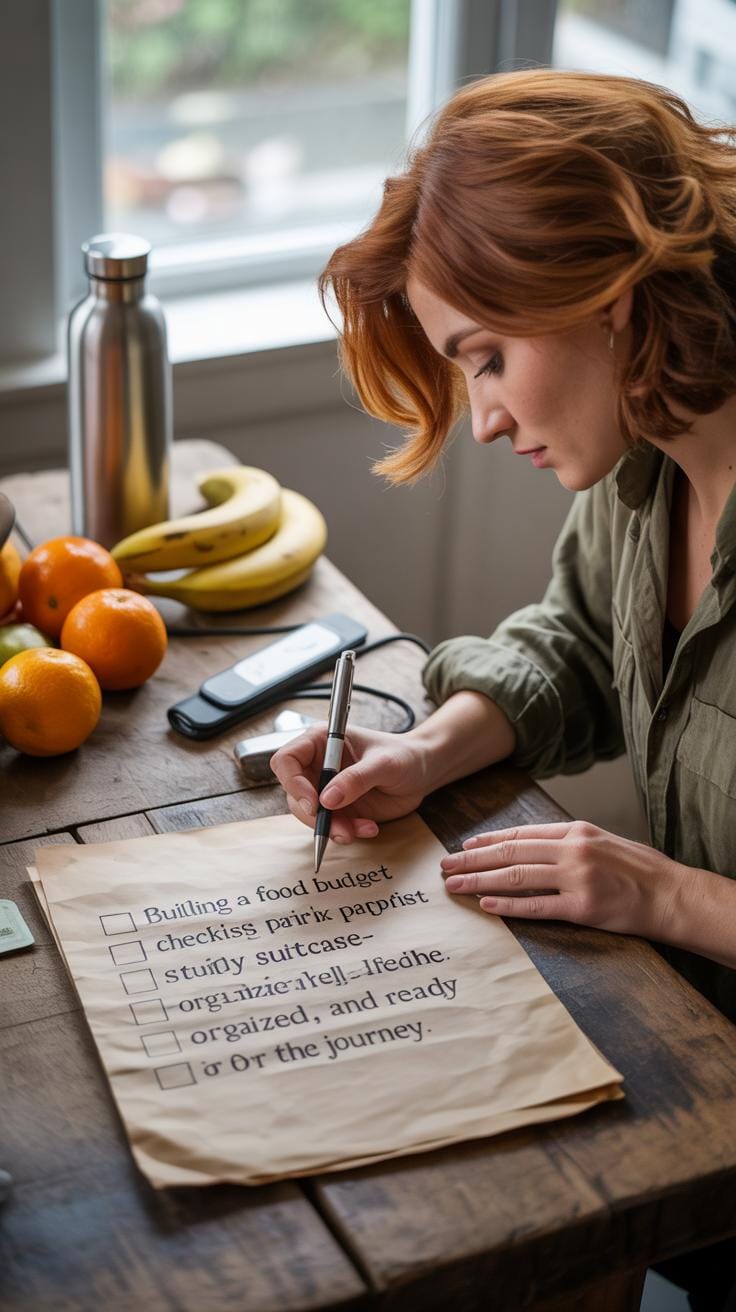
When you travel, especially on a budget, having a clear food budget checklist can really keep your healthy eating on track. Start by figuring out how much you want to spend each day on food. You can guess this by looking up prices of common items where you’re going or thinking about how many meals and snacks you’ll need. Don’t forget to leave a little wiggle room—sometimes snacks or unexpected treats pop up.

Next, list out the key nutritious foods that you want to prioritize. Think lean proteins, fresh fruits and vegetables, whole grains—basics that actually satisfy and support your energy. Write down approximate quantities for each, so you know what to buy without overspending. It might feel a bit too planned, but having that checklist keeps you honest and prevents impulse buys that lean towards less healthy options.
Try to break your list into categories—protein, produce, staples—and maybe even sketch a simple daily meal plan. That way, shopping feels purposeful, and you’re less likely to stray. This checklist doesn’t have to be rigid. I found leaving a spot for “extras” helps, since sometimes local specialties are worth a small splurge.
Choosing Affordable Healthy Foods
Affordable and nutritious can go hand in hand, but the trick lies in where and what you choose. Visiting local markets often uncovers seasonal produce that’s cheaper and fresher than supermarket items. You might hesitate at unfamiliar fruits or vegetables, but that’s precisely where you can find good deals and add variety.
Whole foods usually stretch your budget further than processed ones, even if processed snacks seem convenient. For instance, a bunch of bananas or a bag of rice can fuel you longer than a packaged granola bar. Buying grains, legumes, and nuts in loose or bulk form can save surprisingly good money and keep your meals wholesome.
Try to avoid pre-cut or pre-packaged fruits and veggies; they often cost more per weight. Cooking simple meals yourself, even on the road, lets you pick exactly what goes in—and saves dollars.
Smart Grocery Shopping Tips for Trips
When planning groceries, think about what lasts and packs well. Items like dried fruits, nuts, whole-grain crackers, or individual servings of nut butter make great travel snacks—you can bring some from home and avoid buying expensive, unhealthy options on the go.
Buying in bulk might feel awkward if you’re traveling light, but for longer stays, it’s worth considering. You can often split bulk purchases into smaller portions for daily use. I remember once buying a large bag of oats and portioning it out for breakfast every day—it saved money and kept me from having to find new breakfast options constantly.
Don’t overlook the power of small convenience stores near your accommodation. Sometimes those are surprisingly well-stocked with fresh basics and cheaper than tourist-heavy spots. Scan your list carefully; sticking to essentials will help you avoid costly, unnecessary items that add up quickly.
Finding Healthy Drink Options

Staying Hydrated the Right Way
Water keeps your body functioning, no surprise there. But staying hydrated while traveling isn’t always straightforward. You might wonder if the tap water is safe or if you should buy bottled water everywhere you go. It depends quite a bit on the destination.
Carrying a small water filter or purifier can make a huge difference. Those little devices remove harmful bacteria and parasites, making tap water much safer. If a filter feels like too much, sticking to sealed bottled water helps, but it’s not always the cheapest or most eco-friendly choice.
Pay attention to your thirst levels, but don’t wait until you feel very thirsty. Dehydration can sneak up—sometimes travel activities or different climates make you lose water faster. Sip water regularly throughout the day. It’s just easier if you have a reliable source available.
Healthy Local Drinks to Try
Exploring local drinks can be fun, and sometimes there are surprisingly healthy and affordable options that don’t blow your budget. Think of herbal teas brewed fresh or fruit-infused waters sold by street vendors. Often, these drinks are light on sugar and packed with natural flavors.
For example, in many parts of Asia, you might find green tea or chrysanthemum tea served cold or hot without added sweeteners. In Latin America, fresh lime water with a pinch of salt can be refreshing and replenishing. Enjoy these beverages in moderation—you don’t want to accidentally consume too much caffeine or natural acid if you’re sensitive to those.
Be curious but cautious. Sometimes local sweetened drinks might seem healthy because of their fruit content, but they can include added sugars or syrups. If you’re unsure, ask your host or vendor about the ingredients. It’s okay to pass on something if it doesn’t feel right or if it’s too pricey compared to other options.
Keeping Fitness Simple and Free
Finding ways to stay active while traveling doesn’t need to be complicated or costly. You don’t have to hunt down a gym or pay for equipment to keep moving. In fact, simple bodyweight exercises can fit into almost any schedule or space. These moves often work better than you might expect, offering strength, balance, and a bit of cardio without any hassle.
Bodyweight Exercises for Any Place
Push-ups, squats, and planks are great examples of exercises you can do anywhere—your hotel room, a park bench, or even a quiet corner in a cafe. Push-ups engage your chest, arms, and core, while squats target your legs and glutes. Planks strengthen your entire core and improve posture. You might find you don’t need more than 10 or 15 minutes for a quick set. I remember squeezing in a few rounds before heading out to explore, and that felt enough to keep my energy steady throughout the day.
Using Walking and Exploring as Exercise
Walking is an underrated way to stay fit on the road. It’s not just about putting one foot in front of the other. When you stroll through a city or hike a nature trail, you engage muscles you might otherwise skip on a short trip. You can boost the benefits by picking routes with hills or varying your pace. Stopping to take photos or explore shops can turn into mini-breaks to catch your breath, which oddly makes the walk feel less like exercise. Have you ever noticed how quickly hours pass when you’re wandering with no real schedule? That’s fitness without the pressure.
Comparing Fitness Apps and Tools
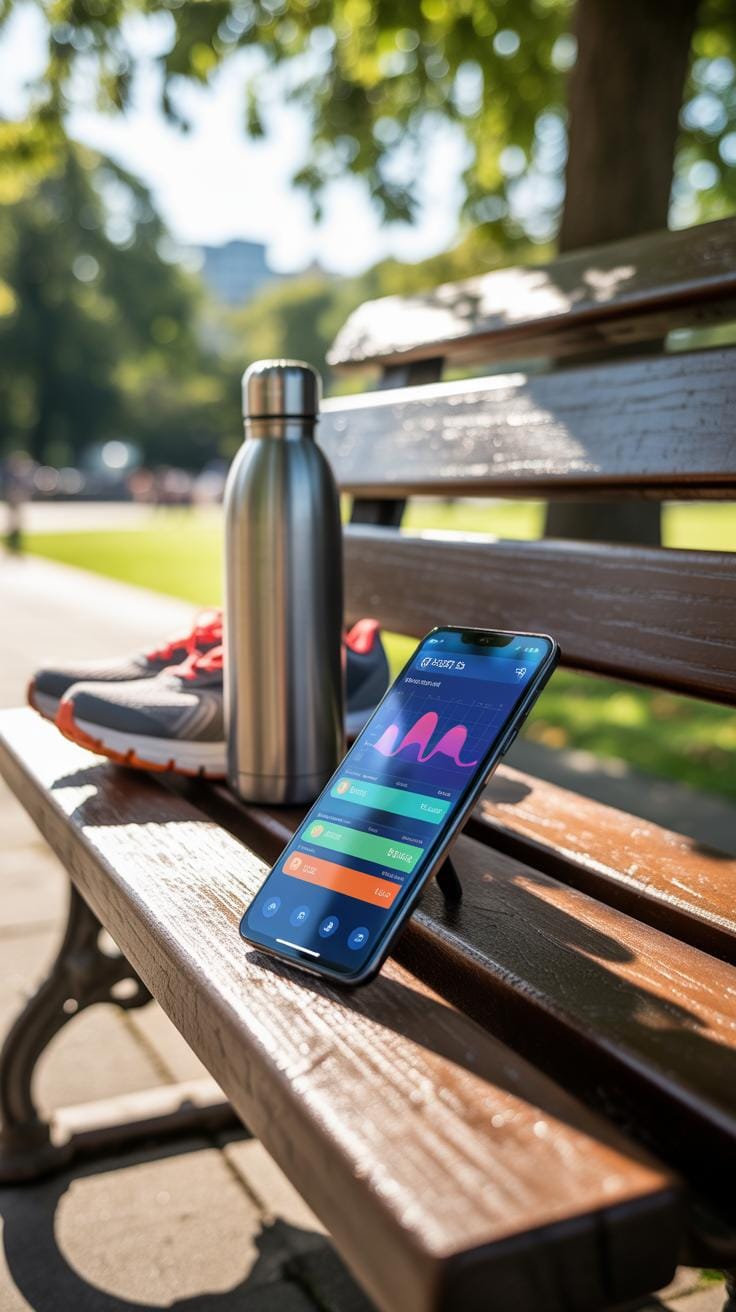
When you’re on the road, staying active without spending money can feel tricky. Luckily, several popular fitness apps offer free features that help you keep moving. But they’re not all equal, and usually, some limitations sneak in if you don’t pay. For example, apps like Nike Training Club provide a wide variety of workouts without cost, though some advanced plans require a subscription. Then there’s Strava, great for runners and cyclists, which tracks routes and stats, but social features and detailed analytics can feel somewhat locked behind a paywall.
My experience with Fitbit’s app, even without the device, showed it tracks basic activity and sets goals, but personalized coaching and diet insights need a premium account. Meanwhile, MapMyRun lets you map your route and track distance for free, but ads can be distracting. These limits make you wonder—are these free versions enough for your travel goals, or do you risk partial commitment?
It’s probably best to test a few apps before settling in. Consider what you really want: is it motivation, detailed tracking, or workout guidance? The answer might change depending on your trip’s length, your preferred exercises, or even Wi-Fi availability.
Top Free Fitness Apps for Travelers
If you want quick suggestions, here are some apps that travelers tend to like, without paying a cent:
- Nike Training Club: Offers a variety of workouts—from strength to yoga. The free tier is generous but skips some advanced routines.
- Strava: Perfect for outdoorsy types tracking running or cycling routes. Free access includes basic stats and community challenges.
- MapMyRun: Lets you track runs and walks easily, with some ad interruptions.
- Adidas Running by Runtastic: Provides route tracking, pace monitoring, and challenges for motivation.
- 7 Minute Workout: Great for tight schedules when you can only spare a few minutes but want to stay active.
Each one can help you stay engaged, though some might require a bit more self-discipline. I found switching between apps on longer trips helped keep things fresh, but some people might prefer to stick with one.
Choosing the Right Tool for Your Goals
Picking the right fitness app depends mostly on what you expect during your travel. Are you aiming to maintain daily activity levels? Or maybe build strength with guided workouts? Or do you just want simple tracking without fuss?
If your trip involves a lot of walking or cycling, apps with GPS tracking like Strava or MapMyRun could fit better. If you prefer indoor workouts or limited space, something like Nike Training Club or 7 Minute Workout may work. Also, think about how much data or Wi-Fi you’ll have—offline options can matter.
Your health goals influence your choice too. Maybe you want motivation through social challenges, or you wish to log meals alongside exercises (though that often comes with paid upgrades). So, reflecting on your habits and travel style is crucial. Don’t hesitate to experiment with a couple of apps before travel to see which feels less like a chore and more like an aid.
Staying active on a budget while traveling doesn’t have to be complicated. With the right free app, it might even be enjoyable.
Packing Essentials for Healthy Travel
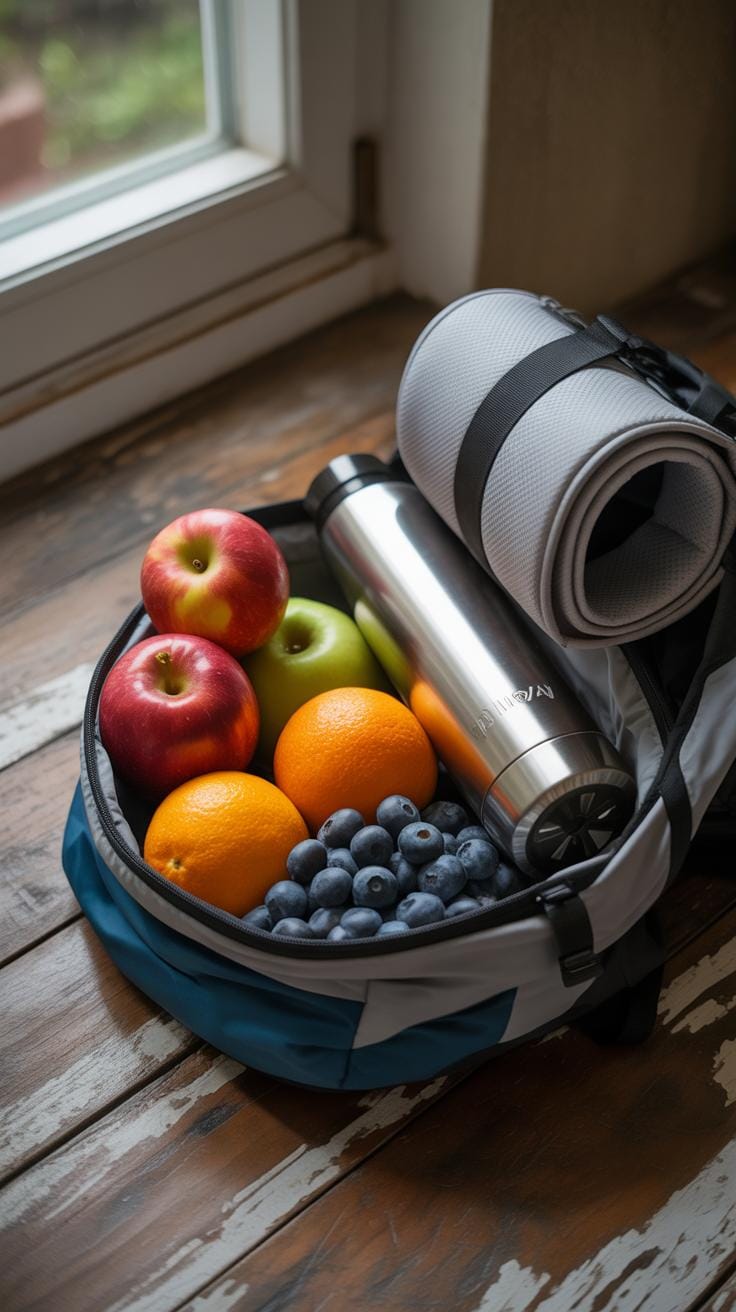
When you’re packing for a trip, it’s easy to overlook how your food, hydration, and fitness habits might get disrupted. I think having the right stuff on hand can save you from last-minute junk food or skipping workouts altogether. It’s not about bringing everything but focusing on a few key items that support your routine without adding weight or cost.
Must-Have Healthy Eating Gear
First, a good reusable water bottle is almost a no-brainer. It keeps you hydrated, which many forget is part of staying healthy. If you’re like me, carrying your own small containers or portable utensils means you’re ready to pack leftovers or fresh snacks on the go. Something as simple as a compact lunchbox can help you dodge pricey, unhealthy convenience food. Plus, having a set of utensils avoids relying on single-use plastics, which — well, that’s a separate topic but still worth thinking about.
Even a small jar of nut butter or a sealed bag of trail mix can make a difference when hunger strikes and options are limited. You might not think about these things until you’re stuck with a vending machine or whatever the hotel offers at breakfast.
Fitness Gear That Fits Your Bag
For fitness, the trick is lightweight and multipurpose. A pair of resistance bands fits practically anywhere and can replace bulky weights. You can do stretches, strength training, or even circuit workouts with just a band. Sometimes, I toss in a jump rope if space allows—it’s simple but effective cardio.
It’s tempting to skip workouts because you don’t have your usual gear. But the reality is, you can adapt. Bodyweight exercises cover a lot, and little equipment like these bands helps you keep your routine going without extra gym fees or expensive classes. Finding those small things that fit your travel style makes all the difference. Could your bag handle one more fitness tool, or is it better to keep it light? Maybe that depends on the trip, and your priorities.
Avoiding Common Travel Pitfalls

Skipping Meals or Overeating Out
Missing meals while traveling might seem harmless—maybe you’re rushed or tired—but it tends to backfire. When you skip breakfast or lunch, your energy dips, and by dinnertime, you might overeat or grab whatever’s quickest, often unhealthy and pricey. I remember a trip where skipping lunch led me straight to an expensive fast-food joint—definitely not budget or health-friendly.
Planning can help here. Bringing simple snacks like nuts or fruit avoids hunger hits. Also, look for grocery stores near your stay. Cooking a simple meal even once can save money and keep your diet balanced. Don’t let convenience rule your food choices—it’s a trap that’s easy to fall into.
Ignoring Physical Activity
Travel often means long days and tired legs. Sure, you want to rest, but completely skipping movement can mess with your mood and energy more than a little walk would. Even short bursts of activity can help—stretching in your room, a quick morning jog, or a walk around the block.
Sometimes, it’s tempting to treat vacation as a chance to be lazy. But neglecting activity can leave you feeling sluggish and stiff. Finding ways to stay moving—even when you don’t feel like it—makes a difference, and it doesn’t need to cost extra or take much time. Have you tried exploring a new place on foot instead of taxi rides? It might surprise you.
Tracking Your Progress on the Road

Keeping an eye on your food intake, hydration, and activity levels when you’re traveling isn’t always easy. But if you want to stay close to your health goals, it’s one of those habits that really helps. You don’t need complicated gadgets or endless data entry — often, simple tools work just fine.
Simple Journals and Logs
A small notebook or even a few notes on your phone can serve as a quick health diary. Just jot down what you eat, how much water you drink, and any exercise you manage during the day. You don’t have to track every detail or calorie perfectly. Something like:
- “Breakfast: oatmeal, coffee”
- “Walked 30 minutes in the morning”
- “Drank about 1 liter water”
This minimal approach keeps you connected with your habits without feeling overwhelming. Plus, looking back can sometimes reveal patterns — like skipping water or snacks that left you sluggish. I remember one trip where just writing down my meals helped me avoid mindless snacking in hotel rooms late at night.
Using Mobile Apps for Tracking
If you prefer something a little more guided, there are plenty of apps tailored for travelers. Apps like MyFitnessPal or Lose It! let you input meals and workouts easily. Some even scan barcodes or suggest common foods found virtually anywhere. For hydration, apps like WaterMinder send reminders, which I find surprisingly helpful — especially on busy days when you forget to drink enough.
Keep in mind, tracking doesn’t have to be exact. The goal is to stay mindful, not stressed. If you miss a day or two, it’s okay. The key is to find tools that fit your rhythm and make tracking feel doable, even in unpredictable travel situations.
Examples of Budget Healthy Travel Days
Sample Day of Meals and Snacks
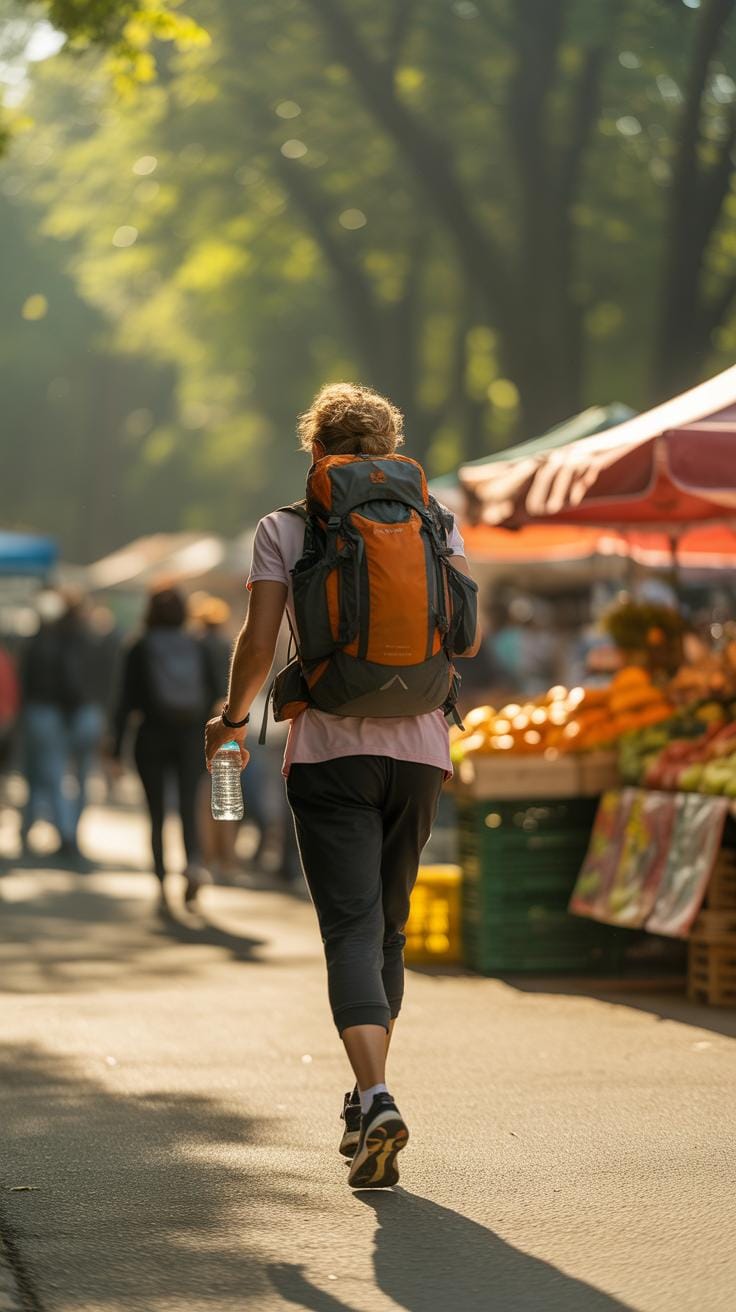
Imagine starting your day with a simple breakfast that’s both satisfying and gentle on your wallet—like a bowl of oatmeal topped with fresh fruit bought from a local market. It’s filling, cheap, and has the fiber you need to kickstart your morning. For lunch, a whole-grain sandwich with lean protein—perhaps turkey or chickpeas—paired with some carrot sticks can keep you fueled without overspending. Mid-afternoon, grab a handful of nuts or an apple, easy to carry and good for steady energy.
Dinner could be a stir-fry made from vegetables purchased at a nearby grocery store, teamed up with rice or quinoa. Cooking your own meals can sound like a hassle on the road, but even a basic kitchenette at a hostel or hotel can work. Drinking water throughout the day, refilling your bottle from fountains or safe tap sources, keeps you hydrated and cuts down on buying bottled drinks.
Example Fitness Routine on the Road
Working out doesn’t need fancy equipment or a gym membership. A quick routine you can try in a hotel room or park includes bodyweight exercises like squats, lunges, push-ups, and planks. I found that thirty minutes of these can feel surprisingly good—enough to wake up your muscles but not overly tiring before a day of exploring.
Don’t forget walking. Walking is often underrated but it’s free and effective. Combine it with some light jogging or sprint intervals in an open space for variety. If the hotel has stairs, use them for some bursts of cardio. Sometimes, fitness on the road is about being a bit creative with what’s available rather than following a strict plan.
Conclusions
Staying healthy while traveling is achievable even on a budget. By planning your meals, choosing wisely where and what you eat and drink, and incorporating easy fitness routines, you keep your body and mind in good condition. Healthy choices made ahead of time help avoid surprises and expenses that could hinder your wellness.
Travel offers many opportunities to care for yourself and discover new healthy habits without spending much. With careful decisions and commitment to your goals, healthy living on the road can be a rewarding and enjoyable experience.