
Introduction
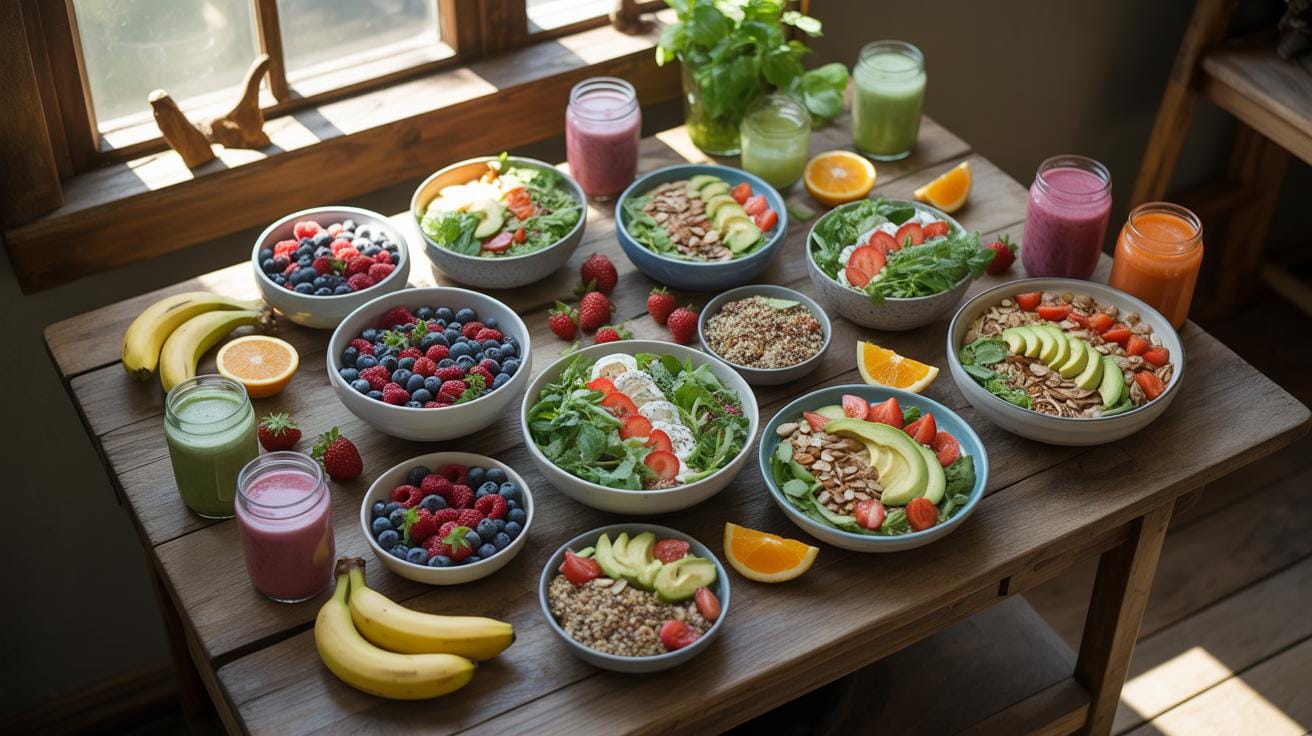
Healthy food dishes are more than just meals; they are a key to maintaining energy and wellbeing. What you eat directly affects how your body functions, including your energy levels throughout the day and your general sense of health. Choosing foods that nourish your body can lead to improved physical and mental performance.
In this article, we focus on healthy food dishes and their benefits. You’ll learn how specific foods provide energy and support wellbeing. We’ll explore practical examples of dishes that can help you feel better and stay active. By the end, you will have clear guidance on meals that promote a healthy lifestyle.
Benefits Of Healthy Food Choices
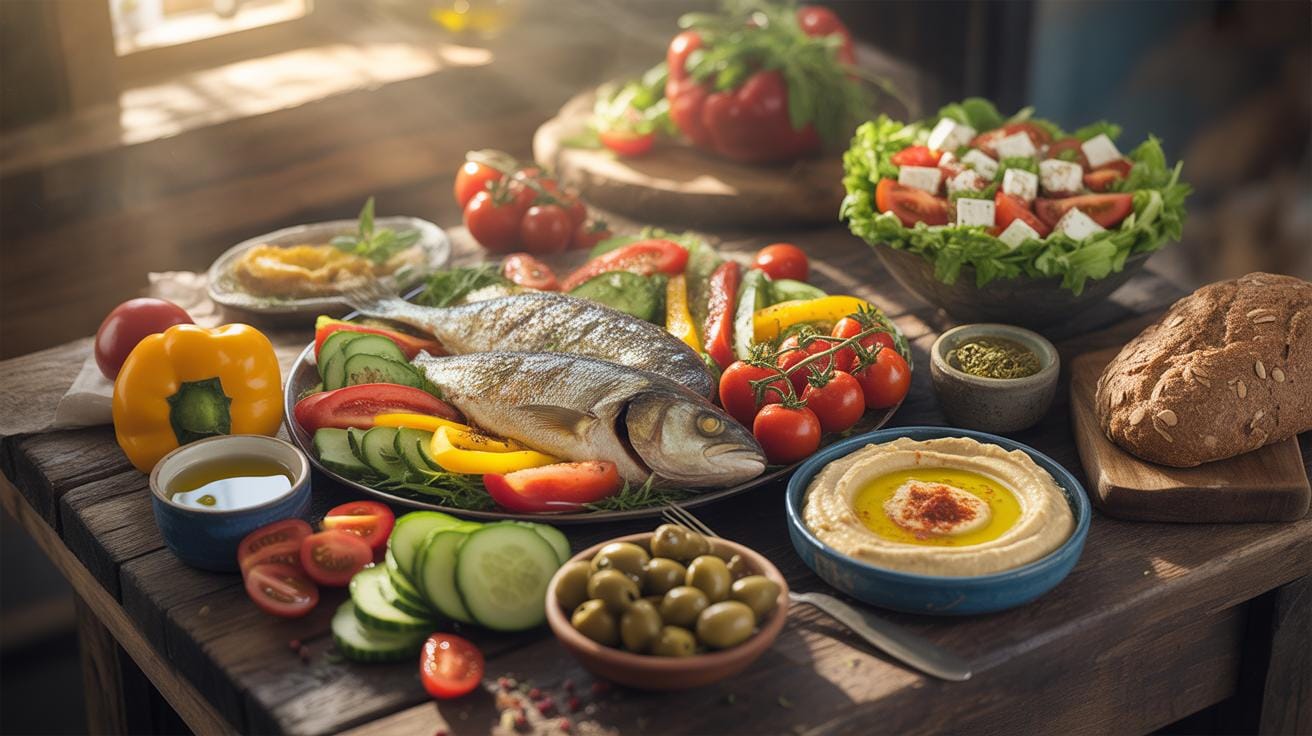

Choosing healthy food dishes does more than just fill your stomach. It shapes how your body works every day—and not always in obvious ways. When you eat foods rich in nutrients like vitamins, minerals, and antioxidants, your body gets the building blocks it needs to run smoothly. This supports things like muscle strength, brain function, and even how fast you recover from stress or illness.

Science shows that eating balanced meals can improve mental clarity. For example, omega-3 fatty acids found in fish support brain cell communication, which might explain why some people feel sharper after meals including salmon or walnuts. Of course, results vary—some days food feels like fuel, others not so much.
Another benefit is steady energy. Unlike sugary snacks that spike your blood sugar then cause a crash, whole grains and lean proteins help keep your energy consistent. This stability can affect everything from your mood to your motivation. So, while healthy eating might not fix everything, it often makes you feel better overall.
Compare Whole Foods With Processed Foods
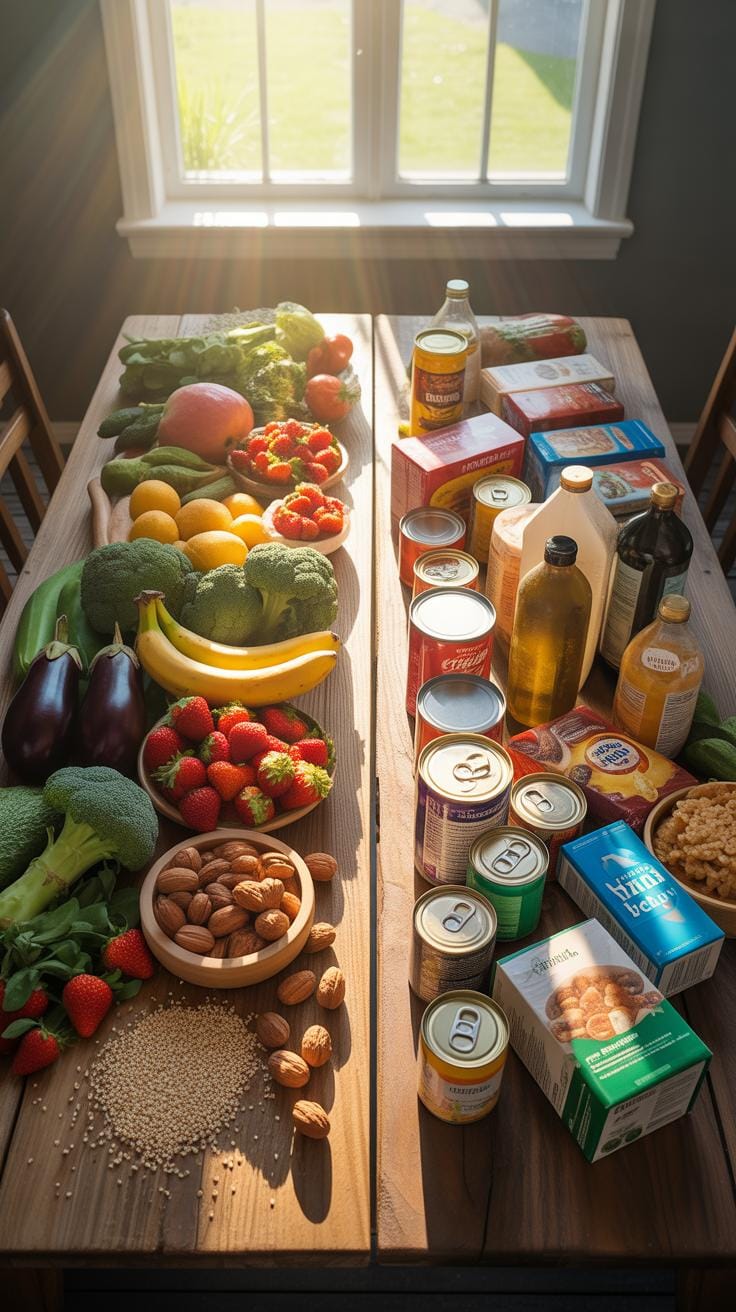
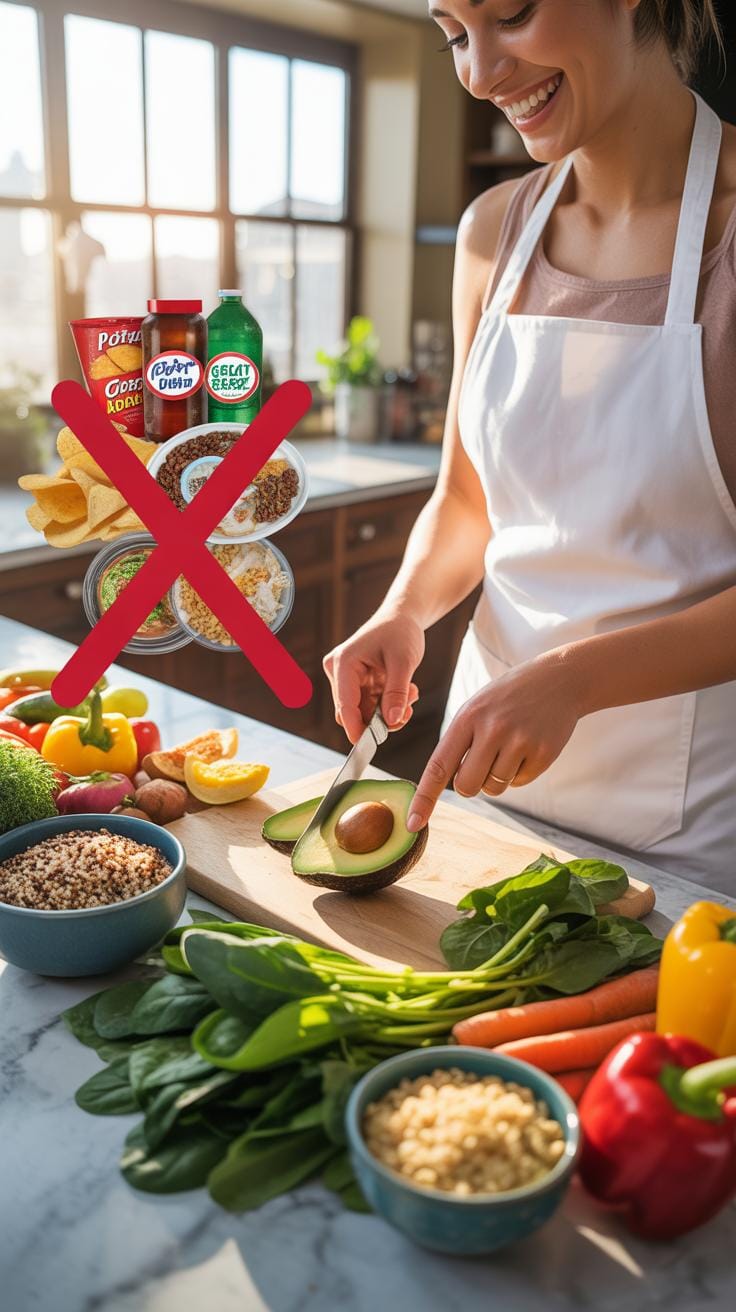
When you look closely at whole foods versus processed foods, the difference in nutrition stands out quickly. Whole foods—like fresh fruits, vegetables, nuts, and whole grains—contain fiber, vitamins, minerals, and other nutrients in forms your body recognizes and can use. In contrast, processed foods often lose much of that goodness during manufacturing. They might be high in added sugars, unhealthy fats, and salt, but low in the nutrients you actually need.
Think of common processed foods such as chips, sugary cereals, or frozen meals. These often pack in empty calories without offering lasting energy. A simple switch could be swapping chips for raw almonds or fresh carrot sticks, or trading sugary cereal for oatmeal topped with berries. The whole food options generally promote steady energy and better overall wellbeing.
Why Choose Whole Foods For Energy
Whole foods release energy more gradually because they digest slowly. This slow digestion means your blood sugar rises evenly, without sudden spikes or drops. Processed foods, on the other hand, often cause quick bursts of energy followed by sharp crashes, leaving you feeling tired sooner.
Imagine eating a whole apple versus a candy bar. The apple’s natural fiber slows sugar absorption, so you stay alert longer. The candy bar floods your system with sugar fast, then energy plummets shortly after. That’s why whole foods help keep your energy levels balanced throughout the day, avoiding those mid-afternoon slumps you might dread.
Processed Foods Effects On Health
Eating too many processed foods can do more damage than just causing weight gain. They often trigger inflammation, which you might not notice right away but can affect your wellbeing over time. Processed foods also tend to lack essential nutrients, leaving your body short on what it really needs to function well.
Energy crashes aren’t just annoying—they can reduce your focus and mood. Nutrient deficiencies linked to processed foods may slow metabolism and weaken your immune system. Sometimes it feels like eating processed food is a quick fix that drags you down later. It’s a tough cycle to break, but choosing whole foods can help restore steady energy and better health gradually.
Breakfast Dishes For Lasting Energy
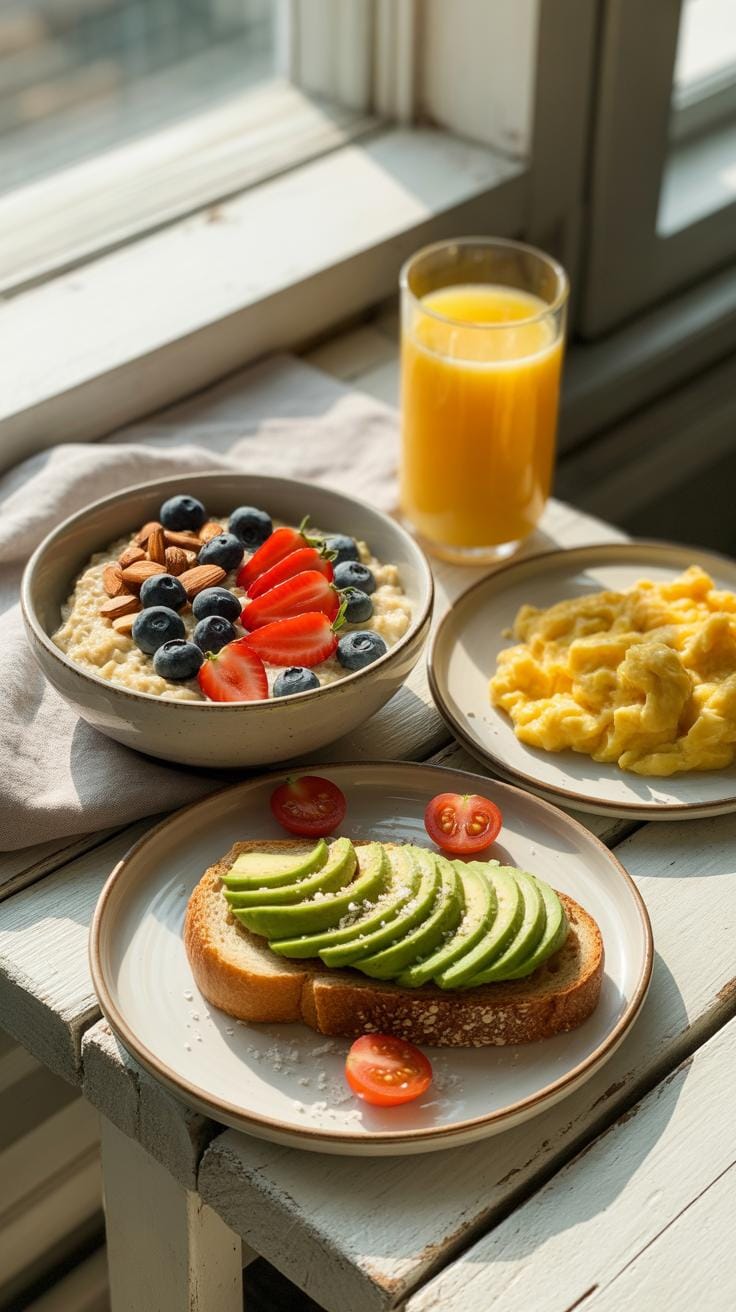
Breakfast really sets the tone for your day. Skipping it or grabbing something empty like just a coffee might leave you dragging mid-morning. When you start with a meal that has a good mix of protein, healthy fats, and slow-release carbs, your energy tends to stay steadier. Think about oats, eggs, and fruits as some of the simplest, most reliable staples. Oats release energy slowly, helping avoid the crash later. Eggs bring in protein and healthy fats that keep you full longer. Fruits add natural sugars alongside fiber and important vitamins, giving you quick energy without the sugar spike.
Here are a few ideas that work well:
- Overnight oats with chia seeds, a dollop of yogurt, and fresh berries. It’s a neat blend of fiber, protein, and antioxidants.
- Scrambled eggs with spinach and a slice of whole-grain toast. The greens boost your vitamins, and the toast adds complex carbs.
- Smoothies combining banana, nut butter, spinach, and a scoop of protein powder or Greek yogurt. It’s filling and fast.
Starting your day like this means less fatigue and more focus—something you might appreciate, especially if mornings aren’t your favorite time.
Examples Of Energizing Breakfasts
One breakfast I keep coming back to is avocado toast topped with a poached egg. The fats from both avocado and egg help keep hunger at bay, while whole-grain bread supplies steady carbs. Plus, it’s quick to make and feels satisfying.
Another worth trying: a bowl of steel-cut oats cooked with almond milk, stirred with a spoonful of peanut butter and sprinkled with sliced apples or pears. Slow-release carbs from oats, protein and fats from peanut butter, plus fiber and natural sweetness from the fruit. The combination feels balanced, and it sticks with me through a busy morning.
Then there’s the classic Greek yogurt parfait layered with granola and mixed berries. Greek yogurt packs protein, granola offers carbs and a crunchy texture, and berries add antioxidants and just enough sweetness.
Tips For Preparing Quick Breakfasts
Busy mornings demand something quick but smart. Prepping the night before really saves time. Overnight oats or chia pudding can be ready to grab straight from the fridge. Keep cut fruit or frozen berries handy—they thaw fast in smoothies or on yogurt.
If eggs work for you, try boiling a batch in advance. They’re great for snagging quickly or tossing into a salad or toast. Nut butters, whole grain bread, and simple fruits like bananas also come through as go-tos when time is tight.
Ask yourself: what small habits could trim prep time? Sometimes just having ingredients chopped or portioned out ahead makes a huge difference. The goal is a stable energy boost without feeling rushed.
Lunch Options To Boost Mental Clarity
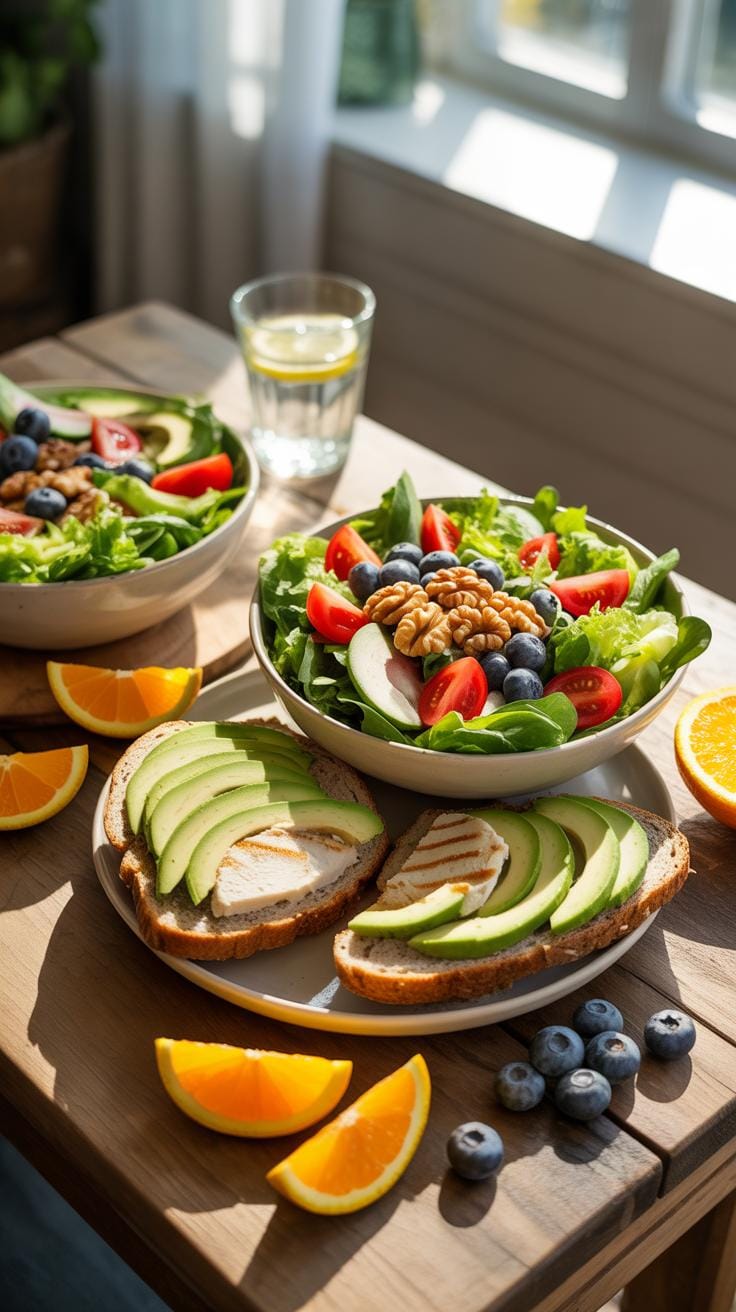
Choosing the right lunch can really shape how your afternoon unfolds. Meals rich in omega-3 fatty acids, vitamin E, and antioxidants support brain function, helping you stay sharp and focused. For example, fatty fish like salmon offers omega-3s that aid memory and concentration. Nuts and seeds are great sources of vitamin E, which protects brain cells. Blueberries or spinach add antioxidants that fight oxidative stress, potentially preventing mental fatigue.
If you’ve ever felt sluggish after lunch, it might be because your meal lacked these key nutrients. Simple dishes, like a spinach and walnut salad topped with grilled salmon, bring these elements together. Or try a whole-grain wrap loaded with avocado, turkey, and leafy greens—each ingredient contributes something essential for brain health. Preparing these meals doesn’t require much time, making them perfect for busy days at work or school.
Would you believe that just switching a few ingredients could improve your focus noticeably? It’s worth experimenting with these nutrient-packed combinations to see what works best for your mental clarity.
Dinner Ideas To Support Recovery

Nutrients That Aid Muscle Recovery
After a busy day or a workout, your muscles need more than just rest. They require nutrients to repair the tiny tears caused by activity. Protein plays a central role here—it supplies amino acids that rebuild muscle fibers. Think grilled chicken breast or baked salmon paired with steamed broccoli; these dishes pack high-quality protein and antioxidants that help ease inflammation.
Magnesium also deserves your attention. This mineral aids muscle relaxation and reduces cramps, making spinach or roasted pumpkin seeds excellent add-ons to dinner. Potassium in sweet potatoes supports muscle function, so including them makes sense too. You might be surprised how these ingredients, common yet often overlooked, work quietly to help your body bounce back.
Relaxing Dinners For Better Sleep
Sleep quality often depends on what you eat before bed. Foods rich in tryptophan, an amino acid linked to serotonin production, can promote relaxation. Turkey or tofu with a side of quinoa and sautéed kale can be calming choices. Magnesium again plays a dual role here—beyond muscles, it calms the nervous system.
For something simple, try a bowl of lentil soup with a sprinkle of pumpkin seeds, or a small salad featuring arugula and almonds. These combinations might sound plain, but they bring nutrients that encourage restful sleep.
Have you ever noticed how a lighter, protein-rich dinner helps you drift off easier? It’s almost as if your body prefers balance over heaviness at night. Finding your own favorite mix can take some trial—perhaps you’ll start with these dishes and adjust from there.
Preparation Steps For Healthy Meals

Starting with meal planning makes cooking healthy dishes much less overwhelming. You might want to sketch out your meals for the week, balancing proteins, veggies, and whole grains. This helps avoid last-minute rushes, and strangely enough, it cuts down on impulse buys that often lead to less nutritious choices.
When you shop, try sticking to the outer aisles of the store where fresh produce, dairy, and meats usually live. It’s tempting to grab pre-packaged snacks, but focusing on whole foods really pays off. Don’t forget to check for seasonal fruits and vegetables—they tend to be fresher and less costly.
For cooking, simple techniques work best—steam vegetables to keep their vitamins intact. Baking can bring out flavors without drowning food in oil. Pan-sautéing with a little olive oil or broth lets you control the fats better than deep frying. If you’re a beginner, don’t stress about fancy methods; just try to use heat that’s not too high to avoid burning nutrients.
One trick I’ve used is preparing bigger batches and freezing portions. It saves time, and honestly, having a homemade meal ready when you’re tired makes a huge difference. Ever tried roasting a tray of mixed veggies with some herbs? It’s easy and sticks well to the idea of healthy and simple.
Snack Choices To Maintain Energy
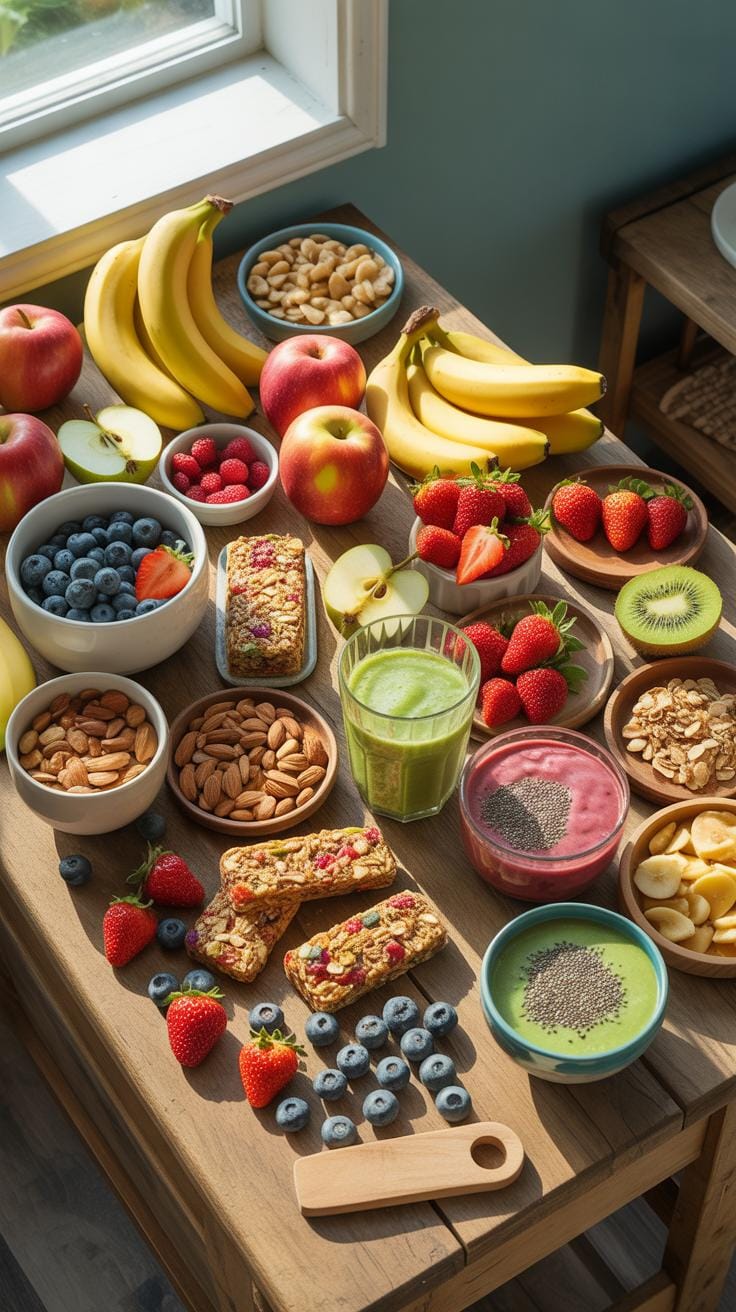
Choosing the right snacks can make a real difference in your energy levels throughout the day. Snacks that combine protein, fiber, and healthy fats help keep your energy steady, avoiding those sudden peaks and drops. Think about how you feel after eating—does your energy stick around, or do you crash soon after?
Good examples include a small handful of almonds with an apple, or some Greek yogurt topped with chia seeds. Protein stabilizes blood sugar, fiber slows digestion, and fats provide sustained energy. Without that balance, you might notice you get hungry quicker or feel sluggish.
Maybe you’ve tried snacking on just cookies or crackers and found yourself tired not long after. That’s the kind of snack that fails to fuel properly. So, when you reach for something between meals, aim for combinations that work together to keep you going.
Quick Snacks For Immediate Energy
Sometimes you need a fast boost, like mid-morning when concentration slips or late afternoon when fatigue creeps in. Here, snacks that provide easy-to-digest carbs plus a hint of protein or fat come in handy.
- Fresh fruit like bananas or berries offers simple sugars with fiber, giving you quick but gentle energy.
- A small handful of mixed nuts supplies fat and protein, helping to avoid sudden crashes.
- Plain yogurt mixes protein with natural sugars—plus it’s filling without weighing you down.
Each of these choices offers swift fuel that rarely leaves you feeling jittery or drained later on. Yet, even quick snacks should be eaten in moderation to avoid feeling sluggish.
Snacks That Support Long Term Health
Snacks aren’t just about immediate energy. Certain foods, when eaten regularly, build a foundation for better wellbeing. Nutrient-dense options with controlled portions can improve digestion, mood, and even immunity over time.
- Carrot sticks or cucumber slices paired with hummus bring fiber, protein, and healthy fats together in a small package.
- Whole grain crackers with avocado provide complex carbs and essential fatty acids, good for heart and brain health.
- Hard-boiled eggs offer sustained protein that keeps your metabolism humming.
Your snack choices can either add to your nutrient intake or fill you up with empty calories. Balancing how often and how much you eat is just as crucial as what you choose. Ever wonder if smaller, more frequent snacks might work better for your energy—well, that depends on your own rhythm and hunger cues.
Hydration And Its Effect On Wellbeing

Water has a direct impact on your energy levels and overall wellbeing, even if that sounds a bit obvious. When you’re dehydrated, your body can’t perform at its best—physically or mentally. Muscle fatigue, headaches, and difficulty concentrating often sneak in as early signs you might be neglecting fluids. You might not feel thirsty immediately, but your energy may already be dipping.
Your brain, which relies heavily on water to function properly, often reacts to low hydration by slowing down cognitive tasks. It’s interesting how even mild dehydration—just a 1-2% drop in body water—can reduce alertness and short-term memory. This subtle drop in performance could explain why some days feel especially draining.
How Water Supports Energy
Water helps transport nutrients and oxygen throughout your body, which fuels both your muscles and brain. Without enough water, your system struggles to flush out waste, leaving you feeling sluggish. You might think that caffeine or sugary drinks fill the gap, but these can actually lead to quicker dehydration.
Physical energy declines noticeably when you’re not hydrated. For example, athletes often experience slower reaction times and reduced endurance when dehydrated. Mentally, a dry mouth or slight dizziness are red flags. Sometimes, people mistake dehydration for hunger or fatigue and reach for more food or caffeine instead of water.
Tips For Adequate Daily Hydration
Keeping up with hydration doesn’t need to be a chore. Try these simple steps to stay on track:
- Start your day with a glass of water—it can set a good tone.
- Carry a reusable water bottle; having it nearby reminds you to sip regularly.
- Include water-rich foods like cucumbers, oranges, or watermelon in your meals.
- Set reminders on your phone if you tend to forget drinking fluids.
- Mix things up with herbal teas or diluted fruit juices for variety.
Some people track hydration by counting glasses or using apps. This can help, but don’t obsess. Listening to your body is just as important. Sometimes, thirst creeps up quietly, and staying mindful can make a noticeable difference in your energy throughout the day.
Common Mistakes To Avoid With Healthy Eating
Avoid Skipping Meals Or Poor Timing
Skipping meals might seem like a shortcut to better health or weight control, but it often backfires. When you delay eating or go long hours without fuel, your energy dips, concentration wanes, and you might end up overeating later. It’s like your body goes into a confused state, unsure when it will get nourishment next.
Try to eat meals and snacks at fairly regular intervals. This doesn’t mean you need a rigid schedule, but a general rhythm helps your metabolism stay steady. For example, having a balanced breakfast within an hour or so of waking up can set the tone for the day. If your mornings are chaotic, pack small snacks like nuts or fruit to avoid long hunger gaps.
Sometimes, you might feel you’re snacking just for the sake of it, or eat when you’re bored—not really hungry. Tuning into your body’s signals, even roughly, can make a difference. Think of it as learning a habit rather than forcing yourself into a strict timetable.
Beware Of Overeating Healthy Foods
Healthy food doesn’t mean unlimited quantities. Eating too much—even of nutritious options like nuts, avocado, or whole grains—can weigh on your digestion and sap your energy rather than boost it. You might feel sluggish after a large meal, or even get an upset stomach.
Portion control helps, but it’s tricky since healthy foods don’t always feel like a threat. You might assume “if it’s good for me, I can eat a lot,” but too much fiber or fat, even in good forms, can slow you down.
One way to avoid this pitfall is mindful eating—pay attention to how full you feel, and pause halfway through your meal. Sometimes, people miss subtle fullness cues because they’re distracted or eating too fast. Slowing down and savoring each bite can prevent overeating, even when the food is wholesome.
Have you noticed feeling tired after clearing your plate, even if everything was “healthy”? That’s a good sign you might want to adjust portion sizes, not just the food types themselves.
Evaluate Your Energy And Wellbeing Progress

What Changes To Look For
Once you switch to healthy food dishes, it’s natural to wonder if your body is really responding. Pay close attention to how you feel day to day. You might notice a steadier mood with fewer mood swings or irritability. Maybe your sleep begins to improve, falling asleep easier and staying asleep longer. These shifts can quietly sneak up on you, but they matter.
Also watch for physical signs. Are you less fatigued during the afternoon slump? Can you sustain your activities without feeling drained? Sometimes energy feels less like a surge and more like a gentle, lasting flow. Don’t forget mental clarity—do you find decisions easier or notice less brain fog? Even small changes suggest progress.
Simple Methods To Track Progress
Tracking can sound overwhelming. But it doesn’t have to be complicated. A simple food journal can help—just jot what you eat along with quick notes about your energy or mood at different times. Doing this consistently, even if sporadically, gives you a clearer picture over time.
There are plenty of apps that track meals, sleep, and activity levels—I’ve tried a few and found they serve best as reminders, not absolute measures. Sometimes, just a few minutes reflecting on how you feel at bedtime can be just as revealing.
Of course, tracking isn’t a strict rule. It’s okay to skip days or be imprecise. The goal is to notice patterns, not perfection.
Conclusions
Eating healthy food dishes designed to boost your energy and wellbeing is a simple yet effective way to improve your daily life. These meals provide the necessary nutrients for your body to function optimally. They support your physical strength, mental clarity, and overall health.
By incorporating these dishes into your regular diet, you not only fuel your body but also contribute to long-term health. Making smart food choices is an investment in your energy and wellbeing. Start with small changes and notice the positive results on how you feel each day.