

Introduction
Traveling can disrupt your usual gym routine, leading to slips in your fitness goals. If you’re focused on health and fitness, you may face unique challenges staying consistent with your workouts while away from home. This article discusses common gym routine mistakes travelers make and offers advice to keep your fitness on track.
By understanding these pitfalls, you can prevent injury, stay motivated, and adapt your workouts to different environments. We’ll break down critical mistakes to avoid so you can maintain a strong, effective gym routine wherever your travels take you.
Common Pitfalls in Travel Workouts

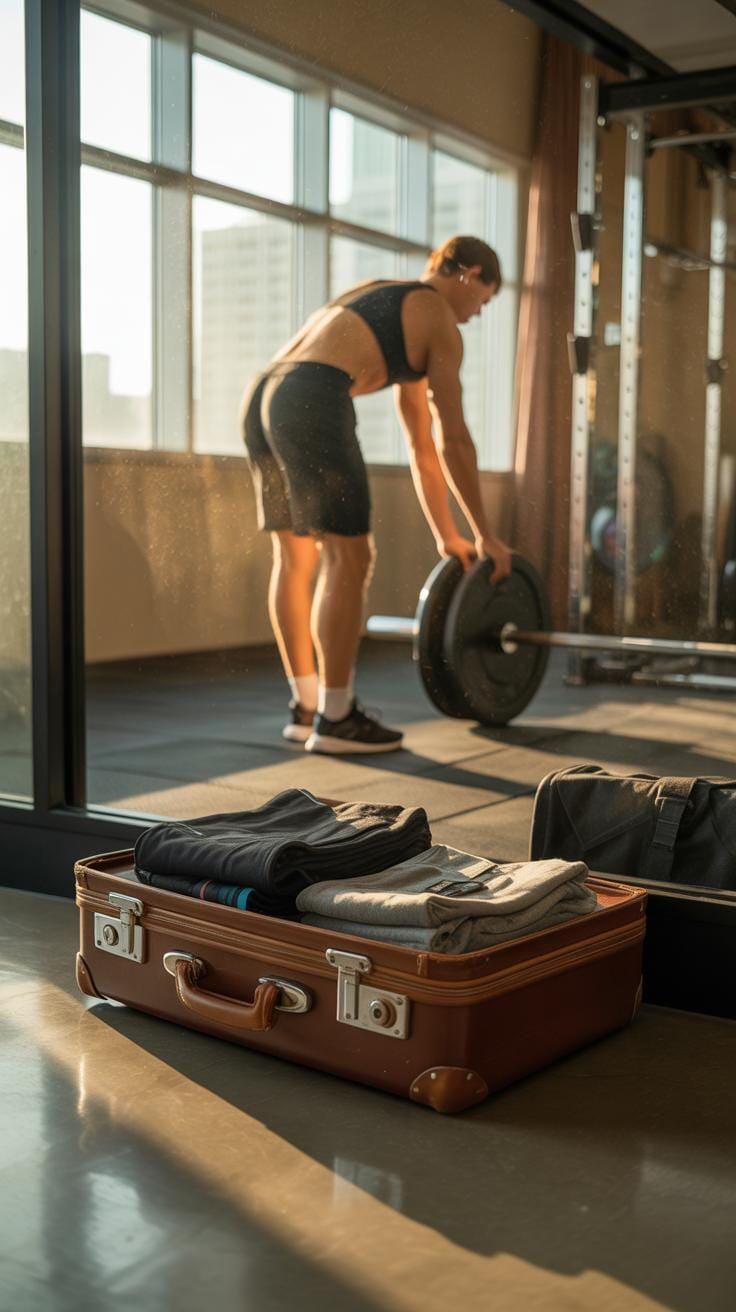
When you’re on the road, it’s easy to slip into workout mistakes that stall your progress or even cause harm. One big trap people fall into is overtraining. You might feel motivated to make up for missed days or try new machines that look impressive, but pushing too hard on unfamiliar equipment can lead to sudden fatigue or strain. I remember once trying to use some complicated cable machines in a hotel gym, which I had never touched before. The next day, I woke up with sore shoulders and had to skip a few workouts just to recover.

Rest often gets ignored too. When traveling, your body is already adapting to different environments, time zones, or schedules. Skipping rest days or siestas means your muscles don’t get a chance to rebuild, and this can sneakily cause burnout.
Also, some exercises just don’t fit well when traveling. For example, heavy barbell squats or deadlifts may be tough without proper equipment or space. Instead, you might want to switch to bodyweight moves, resistance bands, or dumbbell circuits that work in smaller areas and with whatever gear is available.
- Don’t jump into unfamiliar machines without easing in.
- Give yourself permission to rest, even if you feel you “should” train.
- Choose exercises that suit the limited space or gear—think push-ups, lunges, or band rows.
It’s tempting to keep your usual routine no matter where you are, but being flexible can save you from injury and keep your workouts effective. Have you ever felt wiped out after trying a gym that seemed perfect but wasn’t? That’s something many experience but often don’t talk about.
Planning Your Gym Sessions Effectively
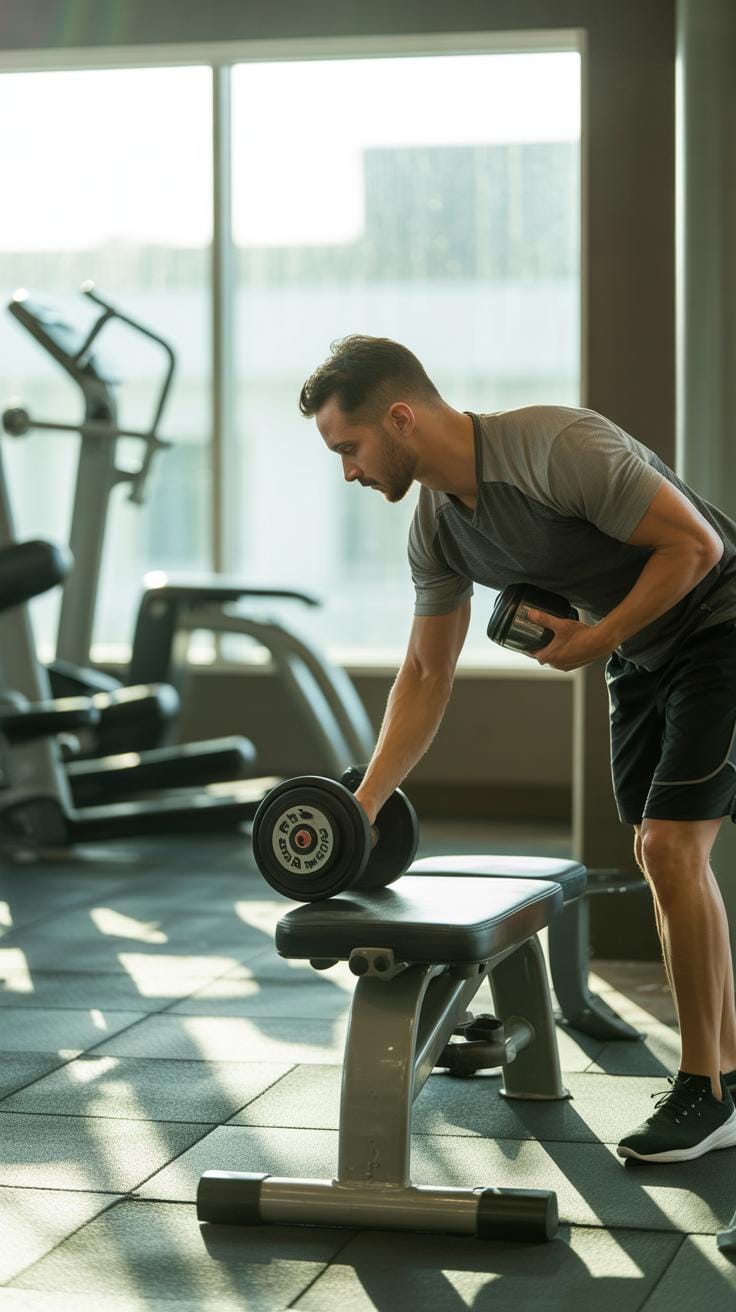
When you’re traveling, time for workouts can be unpredictable, so planning ahead really helps. Try to block your workout sessions in your schedule early—even if it’s just a quick 20-minute routine before breakfast or after meetings. That way, you don’t have to decide on the spot whether to exercise or skip it.
Balancing intensity with recovery is tricky on the road. Sometimes you might push hard if you have a full gym, but other days, light sessions or stretches might be all you can manage. Listening to your body matters more when stress from travel adds up.
Packing workout gear requires some thought — you don’t want to haul around too much, but having basics can keep you consistent. A travel yoga mat or a jump rope can be lifesavers. Small stuff like resistance bands or a pair of flexible sneakers also go far. I once forgot my workout shoes and had to do everything barefoot, which, honestly, wasn’t the best.
Creating a flexible workout plan means designing routines that work with what’s available. Don’t fixate on one exact set of equipment; instead, prepare variations. If the hotel gym lacks weights, bodyweight moves or cardio circuits can fill in. Maybe you’ll swap planned deadlifts for squats and lunges using just your body weight.
It’s worth asking yourself: What can I realistically do if the gym’s crowded or closed? Having backup exercises in mind prevents frustration—and skipping workouts. Planning mixed-intensity sessions also gives you room to adjust. If you only have ten minutes, better to do a short, focused workout than to skip entirely.
Hydration and Nutrition Strategies
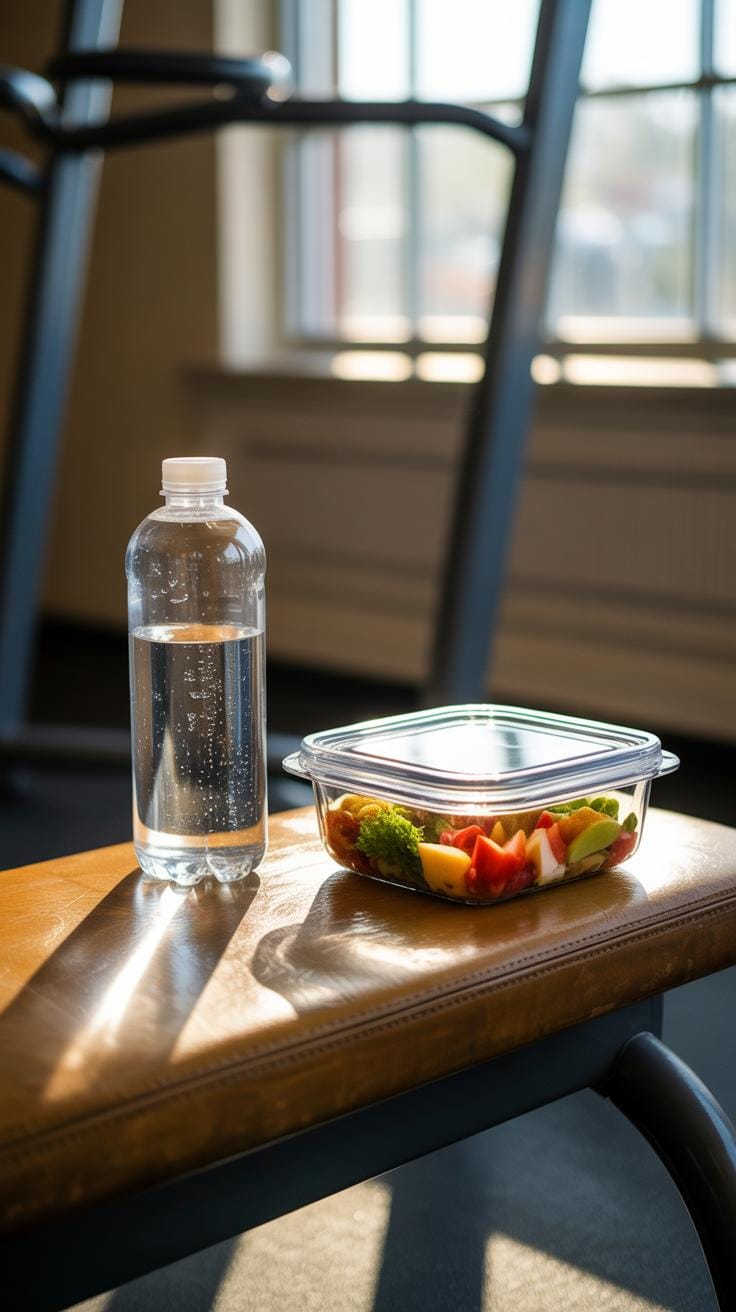
Avoiding Dehydration in New Places
Travel shakes up your usual hydration patterns more than you might realize. New climates, different activities, even the water quality can throw you off. Dehydration sneaks in quietly, but it hits your workout hard—slower reflexes, lower endurance, and more fatigue. Sometimes I’ve felt fine, only to realize I was underhydrated when the gym session became a struggle.
To keep ahead, start by drinking water regularly, even before you feel thirsty. Carry a reusable bottle—fill it wherever you can. If the local water tastes odd, try flavored electrolyte drinks or simple additions like a squeeze of lemon. Electrolytes matter, especially if you sweat a lot, but you don’t need fancy supplements every day.
Watch for signs like dark urine, headaches, or dizziness. Those are red flags to slow down and hydrate more. Sometimes it’s tempting to chalk that off as just tiredness, but often, it’s dehydration messing with your performance.
Healthy Eating on the Road
Eating well while traveling isn’t always straightforward. Airports, hotels, and quick stops push you toward convenience rather than balance. But your muscles and energy need more than just snacks or fast food after workouts.
Here are some ideas that have worked for me:
- Seek out meals with a mix of protein, carbs, and fats. Greek yogurt with fruit, a chicken salad, or whole grain sandwiches can cover bases without hassle.
- Don’t skip breakfast—something like oatmeal with nuts or a boiled egg can set you up for the day, even if hotel options are limited.
- Pack simple, portable foods like nuts, protein bars, or dried fruit. They’re not perfect, but better than nothing during long transit.
- Try local markets for fresh produce or lean proteins; sometimes a quick stop there beats any restaurant.
Eating the right way fuels your recovery better than you might expect. Sure, sometimes you’ll eat less clean than usual, and that’s okay. Just don’t make it a habit, especially before or after workouts. Balancing the travel experience with your fitness goals takes effort, but it generally pays off.
Using Hotel Gyms Safely
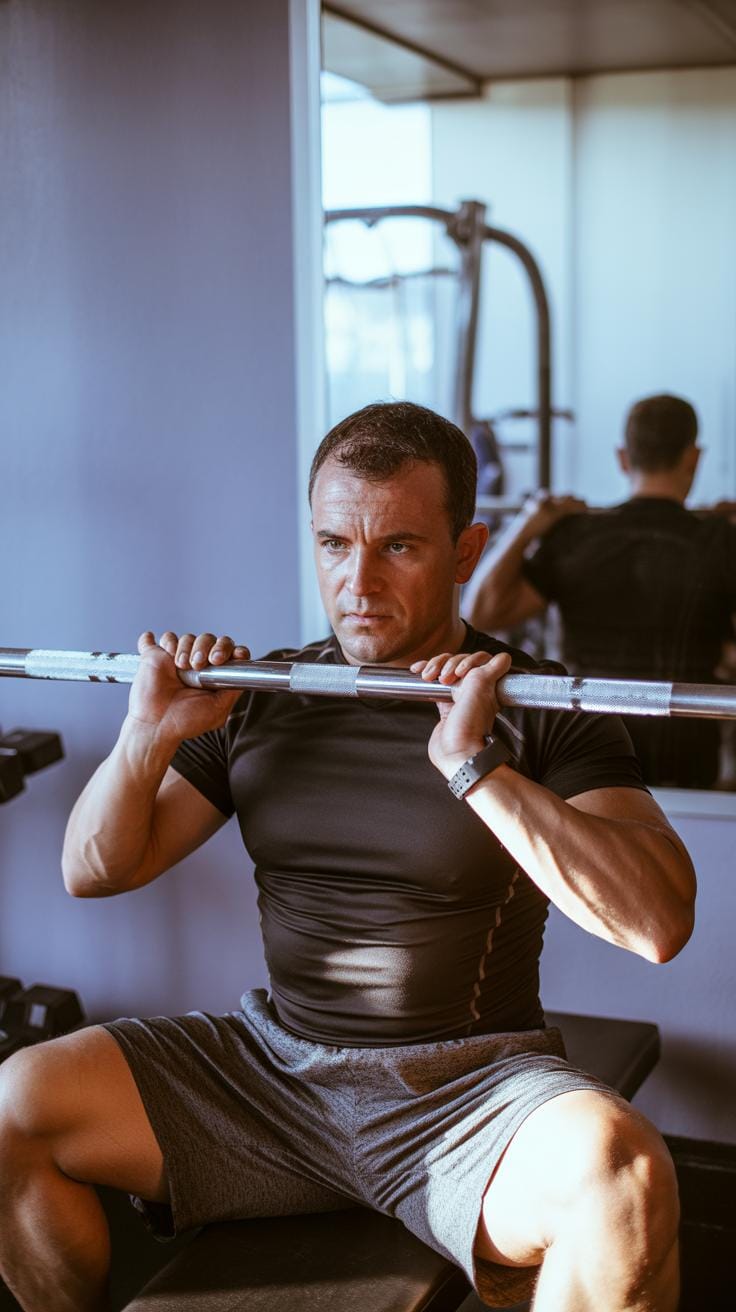
Hotel gyms can be a mixed bag. Sometimes, you find well-maintained equipment, other times, a few questionable machines barely hanging on. Before jumping into a workout, take a moment to scan the room critically. Look for obvious signs of wear, like frayed cables on weight machines or loose bolts on benches. If something looks off, trust your gut and avoid it—injury isn’t worth a rushed set.
Consider what you actually need for your routine. Is there enough variety? For example, some hotel gyms may have a treadmill and a couple of dumbbells, but no squat rack or barbells. That limits what you can do but also pushes you to think creatively about alternatives. I once ended up doing a full-body workout with kettlebells and resistance bands because the machines were out of order. It worked, but it wasn’t ideal.
Sanitizing is another piece of the puzzle that travelers often overlook. Gyms in hotels get a lot of traffic, so wiping down equipment before and after use helps reduce germs. Carry a small pack of disinfectant wipes or a spray bottle with cleaner, if you can. Touching your face mid-workout without clean hands is a fast way to get sick, especially in an unfamiliar environment.
Don’t forget to check the cleanliness of the floors and lockers, too. I’ve sometimes skipped workouts because the gym smelled stale or felt poorly maintained. That could be a signal that hygiene standards aren’t high overall. If that’s the case, maybe opt for bodyweight exercises in your room instead. Your health and time deserve better than a gross, unsafe environment.
Adapting to Limited Space and Time
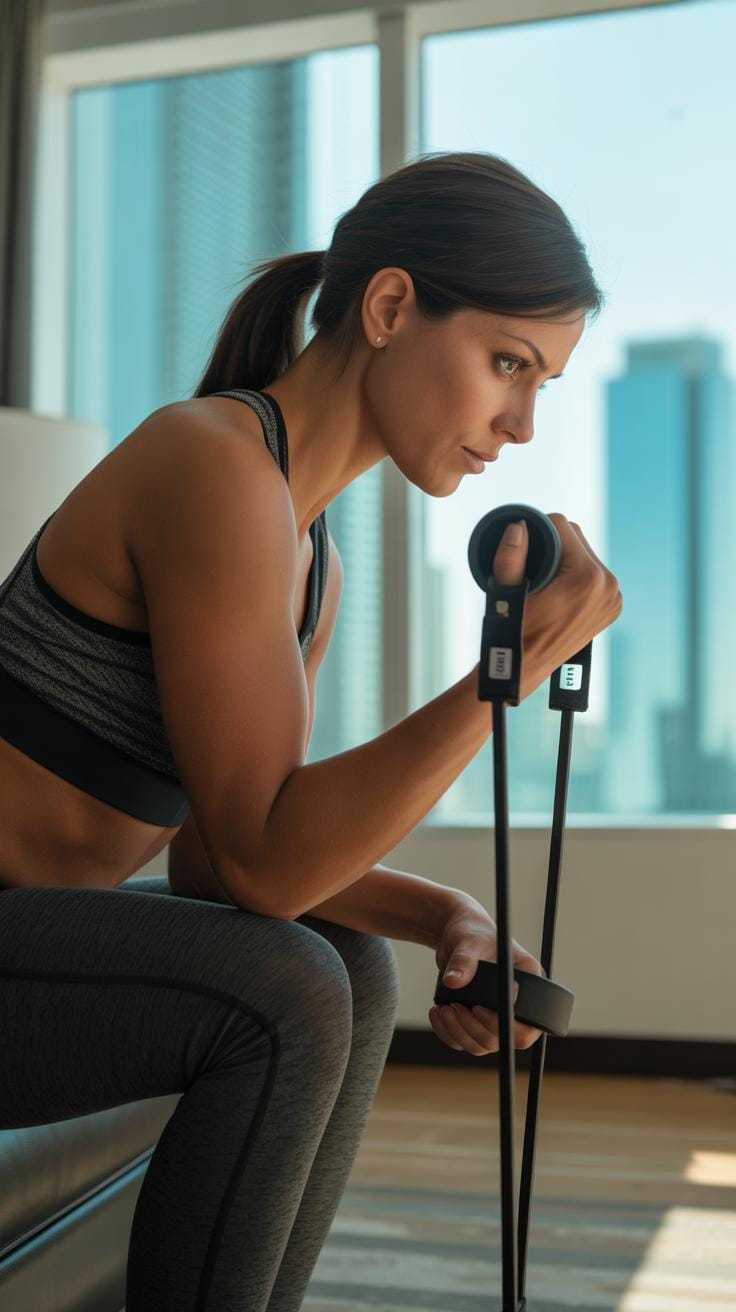
Travel often shrinks your workout options. You might find yourself in a tiny hotel room or rushing between meetings, with almost no time or room to move. Yet, you still want to keep up your fitness. So, what can you do? The answer usually lies in bodyweight exercises and quick, intense sessions.
Bodyweight workouts are ideal because they need little space and no special gear. Push-ups, squats, lunges, planks—these move your muscles without a gym. Even something as simple as standing calf raises or wall sits can keep your legs strong. You might think these exercises are basic, but in a pinch, they really pack a punch.
High-Intensity Interval Training, or HIIT, proves handy when time is tight. Brief bursts of hard effort followed by short rests let you boost fitness fast. For instance, 20 seconds of jumping jacks, 10 seconds rest, then 20 seconds of mountain climbers repeated for a few rounds can feel brutal—and effective, surprisingly.
Of course, not every day on the road lets you dive into HIIT or a perfect routine. Sometimes a few stretches and gentle bodyweight moves suffice. The goal isn’t perfection but continuity, even if it looks different from your usual gym session.
Tracking Progress and Adjustments
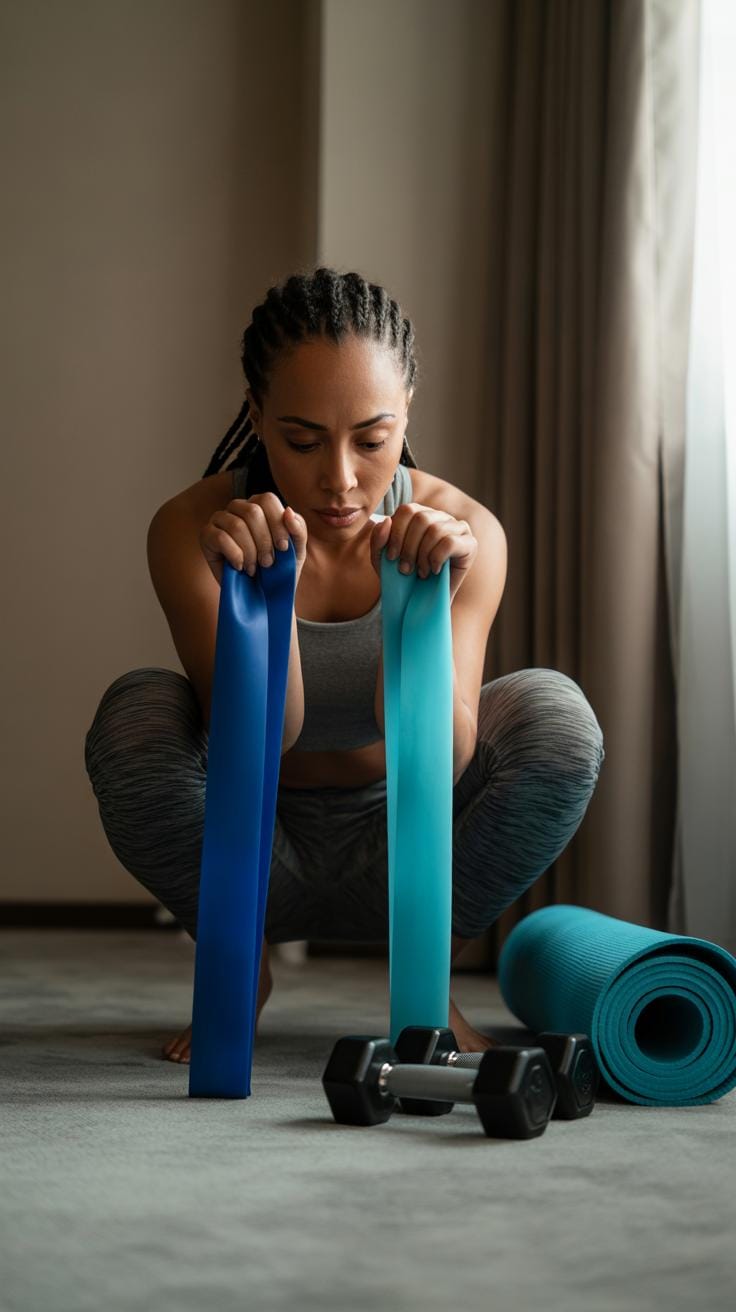
When you’re away from your usual gym, it can be tricky to keep tabs on how well your workouts are going. Still, tracking progress matters if you want to stay on course or tweak your routine. Simple methods often work best. For example, jotting down reps, weights, or times in a small notebook can give you a quick snapshot. You don’t need to obsess over every detail; just capturing the key numbers helps.
Some travelers swear by apps that log sets, rest periods, and even calories burned. They can send reminders and offer suggested adjustments based on your input. On the flip side, if you’re not keen on digital tools, a basic workout journal works just fine—sometimes it’s even more satisfying to write things down by hand.
Listening to your body is crucial too. If you notice soreness lingering longer than expected, or workouts are feeling unusually easy, these are clues. Maybe reduce intensity to recover better, or push a bit harder if you’ve gained strength. It’s not always clear-cut, and sometimes you’ll question if you’re progressing or plateauing. That uncertainty is normal—just keep experimenting with minor tweaks. It’s fine to slow down, speed up, repeat, or switch exercises as you go.
Avoiding Common Injuries in Travel Gyms

Travel gyms often catch people off-guard. You might expect familiar gear, but the layout and machines vary, and that throws off your usual routine. Common injuries include strains in the lower back, wrist sprains, shoulder pain, and sometimes knee discomfort. These typically happen when you rush into workouts without proper preparation or underestimate how different equipment feels.
Start with simple warm-ups—walking, arm circles, light bodyweight exercises. Warming up raises your muscle temperature and gets circulation going. It’s not just about preventing tears; you’ll likely notice better performance, more comfort, maybe even a bit more confidence. I’ve felt the difference when I skip warming up—pain tends to sneak up sooner than later.
New machines can be tricky—your body doesn’t know quite what to expect. Always, always test with low weights first. Watch your posture in mirrors if they’re available. Engage your core for stability, and move through exercises slowly. Don’t hesitate to ask gym staff for quick pointers. That’s helped me avoid awkward positions that might cause injury later.
- Common injuries: lower back strain, wrist and shoulder pain, knee stress
- Warm-ups increase muscle temperature, reduce injury risk, and sharpen focus
- Start new equipment with light loads and slow movements
- Keep your core engaged to support joints
- Use mirrors or videos to check your form
- Ask staff for help when unsure about machines
Traveling might mean unfamiliar gyms every week. Adjusting carefully is key. Don’t push as hard as you do at home just because you feel time-pressed or want quick results. Your body needs clear signals to avoid injuries—and that often means slowing down first, not faster.
Dealing with Motivation Fluctuations
Travel can throw off your motivation to stick with gym routines more than you might expect. When you’re tired from long flights or have back-to-back meetings, heading to the gym doesn’t always top the priority list. Sometimes, you tell yourself you’ll skip just this once. But then “just this once” turns into a few days. It’s easy to lose steam when your normal rhythm is disrupted.
One way to keep yourself going is by setting small, achievable goals. Instead of thinking, “I need to work out an hour every day,” you might aim for 10 minutes of stretching in the hotel room or a quick bodyweight circuit. Breaking the routine into tiny steps can make it feel less daunting, especially when time or energy is scarce. It’s surprising how much even a bit of movement can keep your mindset on track.
Having support also helps. You might find a local fitness group on social media or check if your hotel offers any workout classes. Sometimes just knowing someone else is doing their workout can nudge you to do yours. Virtual buddies or apps with community features can be useful too. I remember once being on a long trip, feeling wiped out, and chatting with a friend online who was also working out. It made a difference—simple encouragement can push you through those rough patches.
Sometimes motivation feels like a rollercoaster. Accept it, don’t fight it too hard. If one day is off, focus on what you can do tomorrow, even if it’s small. Staying flexible may be your best tool when life on the road gets hectic.
Examples of Workouts for Different Travel Types

When you travel, your workout routine often shifts—sometimes drastically—depending on why you’re away. The trick is to match your workout length and intensity to your travel type without overcomplicating things.
Short Business Trip Routines
Busy schedules usually mean you’re pressed for time. Here, the goal is short but intense sessions that keep your energy up without eating into meetings or downtime.
- Try a 20–30 minute HIIT circuit doing bodyweight exercises like squats, push-ups, and planks.
- Incorporate quick sets of dumbbell or resistance band exercises if the hotel gym has equipment.
- Focus on full-body moves to hit multiple muscles fast.
- Don’t skip a warm-up—even just a few minutes of jumping jacks or jogging in place can make a difference.
Sometimes squeezing in a workout like this means sacrificing a little more sleep, but it can also keep you sharp and less stressed during a hectic trip. Or so, at least, I like to think.
Vacation Workout Ideas
Vacations usually offer more flexibility. You might want to keep moving but without the pressure of a strict plan. Workouts here can be longer and moderate in intensity to help you enjoy the trip without feeling wiped out.
- Consider 45–60 minute sessions mixing cardio, strength, and stretching.
- Walking or jogging outdoors can replace gym time and help you explore.
- Swimming or yoga are easy on the body and offer good variety.
- Focus on maintaining rather than pushing too hard—vacations are for recharging, after all.
Even if you don’t follow a perfect schedule, keeping a loose routine like this can prevent that sluggish vacation feeling. Then again, sometimes letting go entirely also has its merits, right?
Checklist for Travel Gym Readiness
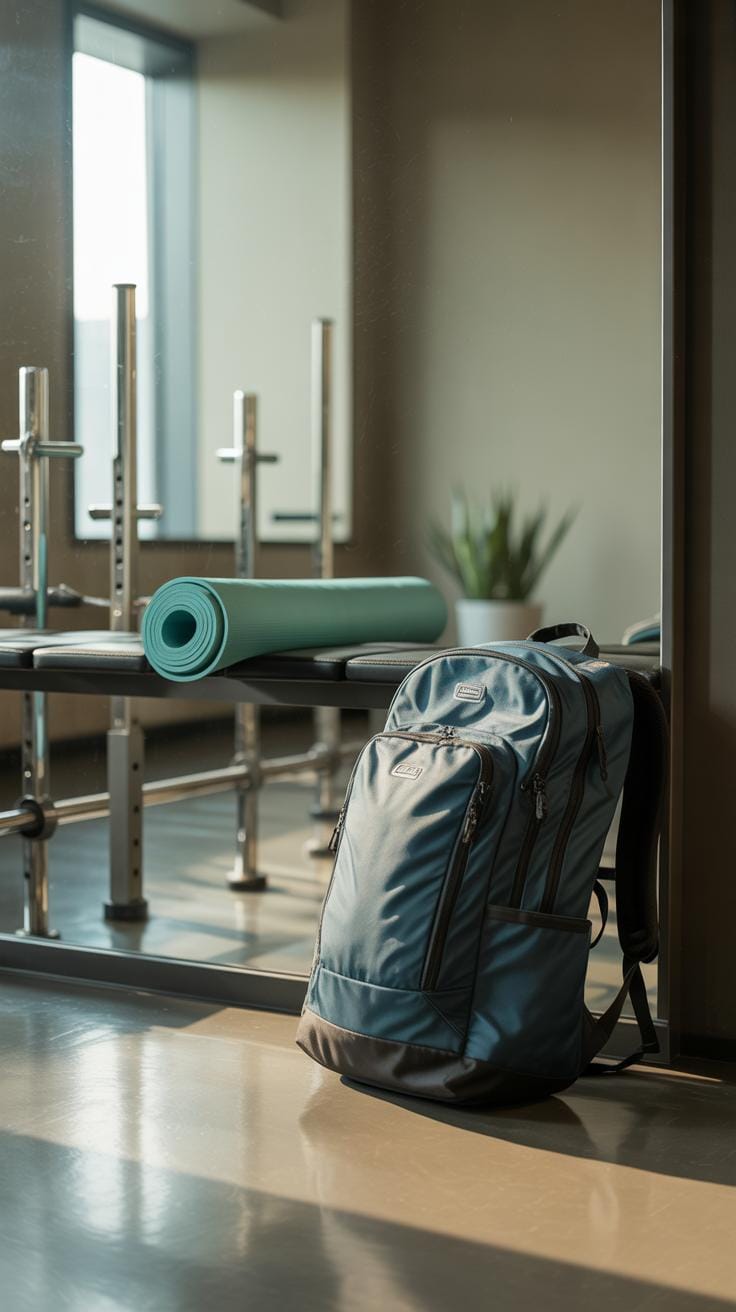
Before hitting the gym on the road, a bit of preparation goes a long way. Packing the right gear isn’t just about convenience; it can actually make or break your workout. Think about lightweight shoes that pack easily, moisture-wicking clothes, and a small towel. Don’t forget essentials like a refillable water bottle and perhaps resistance bands—they take little space but offer great versatility.
Planning your gym visits also means checking the facility’s hours and available equipment. Sometimes, gyms near hotels have limited machines or odd schedules that mess with your routine. It might feel tempting to skip this step, but knowing what to expect can save frustration.
Mental readiness deserves attention too. Traveling often means a disrupted routine, so patience with yourself pays off. Your energy may dip or spike unpredictably; don’t push too hard trying to match your usual pace. A quick warm-up is more crucial here than at home. It helps prevent injury and eases you into unfamiliar equipment.
Consider safety beyond just the physical. Staying aware of your surroundings and hygiene in a new gym helps avoid issues. If anything feels off—equipment cleanliness, crowded spaces, or even your own fatigue—listen closely. Sometimes, skipping a session or choosing bodyweight moves in your room makes more sense than risking injury or stress.
Ultimately, asking yourself: Have I packed everything? Do I know when and where I’ll train? Am I ready to adjust my expectations? This checklist might seem basic, but it ties directly to how successful and satisfying your workouts will be away from home.
Conclusions
Traveling doesn’t have to mean sacrificing your gym routine or health goals. Avoiding common mistakes like skipping warm-ups or ignoring your body’s signals helps keep your workouts safe and effective. Stay flexible and open to adapting your plan to your travel context.
Maintaining a consistent fitness habit on the road requires planning and mindfulness. Use the tips here to stay engaged with your health and fitness, making the most out of every workout opportunity no matter where you are.