
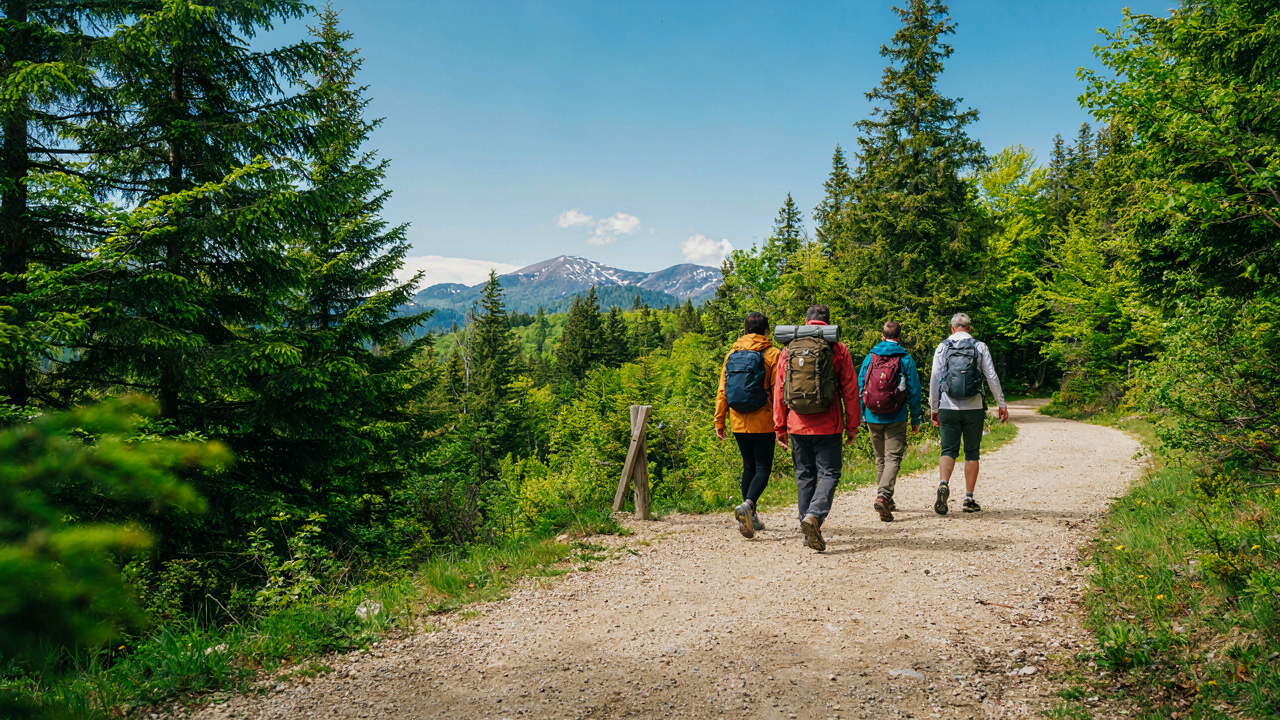
The Unspoken Truth: Why Most Group Hikes Fail Before They Start

You’re Avoiding The Hard Conversation
You want everyone to have fun because you’re organizing it, and conflict feels like failure. The real problem isn’t that people have different fitness levels or clash on preferences. It’s that you never state those differences plainly before committing the group to a route. You nod along to consensus instead of naming what you actually see: one person trains for marathons, another walks twice a month, a third has knee issues nobody mentioned until day two. The hike doesn’t fail on the trail. It fails the moment you skip the inventory.
Borrow from medical triage: assess severity before treatment. In group hiking, assess capability before planning. You need a baseline on who actually is and isn’t fit for what you’re proposing. Send a direct message. Don’t ask “any fitness concerns?” Ask specifics: “How many miles at what elevation have you hiked in the past year?” The answers tell you everything. People lie less when they’re being specific, and you’ll catch the gap between self-perception and reality. That gap is where group hikes die.
The Committee Never Decides

Common advice says involve everyone in planning. That’s how you end up with six competing visions, three separate group chats, and a route chosen by whoever spoke last. The tyranny of consensus means the group defaults to whoever makes noise, not whoever knows terrain or logistics. One person wants the scenic viewpoint hike. Another argues for easier terrain. A third insists on a different weekend. You hold three votes, compromise twice, and end up with a mediocre route that satisfies no one.
Stop voting. One person owns the decision. Gather input for two days only, then the organizer announces the date, trailhead, route, and pace. Frame it cleanly: “I’m planning this hike for Saturday, March 15th at Rattlesnake Ridge, 8 miles, moderate pace. Departure 8 AM sharp.” People either commit or don’t. You lose the endless deliberation and gain clarity. Disagreement after the announcement means someone finds a different hike. That’s the actual protocol.

The No Nonsense Nodal Network Protocol For Trip Leaders

Assign Specific Roles Before The Trail
You want to avoid the anxiety of things falling apart mid-hike, so you’re looking for someone else to own the problem. That’s the real draw here. The mechanism is simple: distributed authority prevents bottlenecks. Borrow from military command structure. A node is a decision maker. Instead of funneling every problem to one leader, you embed decision makers throughout the group. The medic handles injuries. The navigator handles route. The gear master handles equipment failure. Each person knows their domain. This prevents the leader from becoming a single point of failure.
Clarity of role stops people from overlapping or abandoning tasks during crisis. A hike with eight people and one decision maker will stall the moment something unexpected happens. A hike with three designated nodes moves faster because each node already owns their response protocol. Brief each person on their specific responsibilities before you leave the trailhead. Write it down. One sentence per role. No ambiguity.
Empower Nodes To Make On Trail Decisions
Decentralized decision making works only if nodes actually decide without asking permission. Borrowing from cellular biology, each cell operates independently but follows organism rules. Your medic doesn’t wait for approval to treat a blister. Your navigator doesn’t ask the group if they should redirect around rockfall. Your gear master doesn’t convene a committee about a broken strap. A leader who recentralizes every decision has built a system that collapses under load. Set the decision boundaries before the hike starts, then trust them during it.
The nodes move faster because they own their domain and don’t dilute authority across the whole group. Before departure, state the protocol for each role. Medic decides all health matters below emergency threshold. Navigator chooses route adjustments for safety or time. Gear master decides equipment swaps. Everyone else follows the node’s call without debate. This isn’t democracy. This is functional structure. Test the system on the trail by staying silent when a node makes a call, even if you’d do it differently.
Culling The Gear Hoard: Essential Hiking Gear, Not Excess
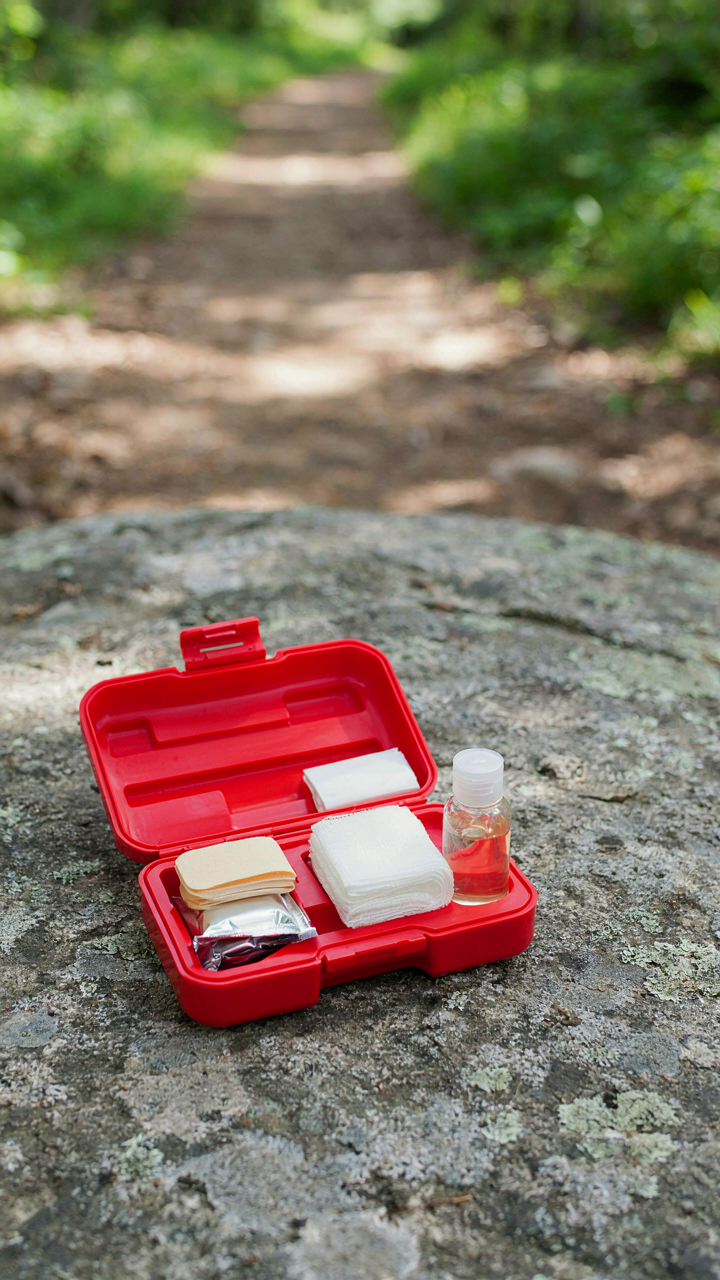
The Minimalist Pack: Absolute Necessities For Safety
You want to look prepared without actually carrying dead weight. The real mechanism is constraint: every ounce demands justification, which forces you to separate ritual from function. Borrow from military load planning: each item must solve a specific failure mode. If it doesn’t prevent injury, enable navigation, or manage weather, it stays home.
- Water and electrolytes: Dehydration kills cognition before thirst registers. Carry one liter minimum per person for day hikes under four hours, then add half a liter per additional two hours of hiking.
- Navigation tools: Map, compass, or GPS device with fresh batteries. Phone GPS drains in three to six hours depending on model. Don’t assume you know the trail.
- First aid kit: Blister treatment, pain relievers, antiseptic, bandages, tweezers. Blisters end hikes faster than anything else. Include personal medications and an allergy action plan.
- Headlamp with backup batteries: Trails close at dusk. Accidents spike when light fails. LED headlamps weigh three to five ounces and run twelve to forty hours per charge.
- Weather layer: Fleece or lightweight insulation. Cotton fails when wet. Synthetics and wool regulate temperature even damp. Pack it even if skies are clear.
- Sun and insect protection: Sunscreen, lip balm with SPF, bug spray for the season. UV damage compounds over repeating hikes. Insects transmit disease.
The group coordinator stocks extras of the most commonly forgotten items: blister tape, sunscreen, pain relievers. These weigh nothing but prevent early exits that leave others stranded.
Shared Equipment: Reduce Redundant Bulk, Maximize Efficiency
Everyone carrying their own first aid kit is waste. Economics calls this redundancy; hiking calls it stupidity. Designate roles: one person carries the comprehensive first aid setup, another carries emergency shelter and repair supplies, a third carries water treatment if you’re crossing streams. This halves pack weight per person while ensuring coverage.
The group leader carries the official map and compass. Backup navigation stays with a second person only. Shared cooking equipment, emergency communication devices, and group snacks go to people with capacity rather than distributing them across everyone. Before the hike, send a packing list specifying exactly what each person brings and what the group provides centrally. This eliminates seven different people bringing eight different rain jackets. Assign gear to people with the physical capability to carry it comfortably, not equally.
The Information Asymmetry Gap: Everyone On The Same Page (Literally)
The Pre Trip Briefing That Actually Sticks
You want people to show up prepared so you don’t spend the first two hours answering the same questions. That’s the real motive. The mechanism is simple: humans retain information better when they receive it multiple times across different formats, and they retain it best when they can reference it without asking. Most group leaders treat the briefing as a single email dump. That fails because email disappears into the void the moment someone archives it.
A real pre-trip briefing happens at least twice before the hike starts. First, a synchronous call or in-person meeting where you walk through the route, pace expectations, and contingency protocols. People ask clarifying questions in real time. Second, you send a written document immediately after. This document becomes the source of truth they reference the night before or morning of. The gap between what people hear and what they actually do collapses when they can pull up specifics without texting you at 6 AM.
Shared Maps And The Single Source Of Truth
Stop treating digital resources as nice-to-haves. They’re the difference between a group moving together and six people taking six different interpretations of the route. The standard approach uses vague directions plus a screenshot nobody can zoom into. That creates friction and decision fatigue at every fork.
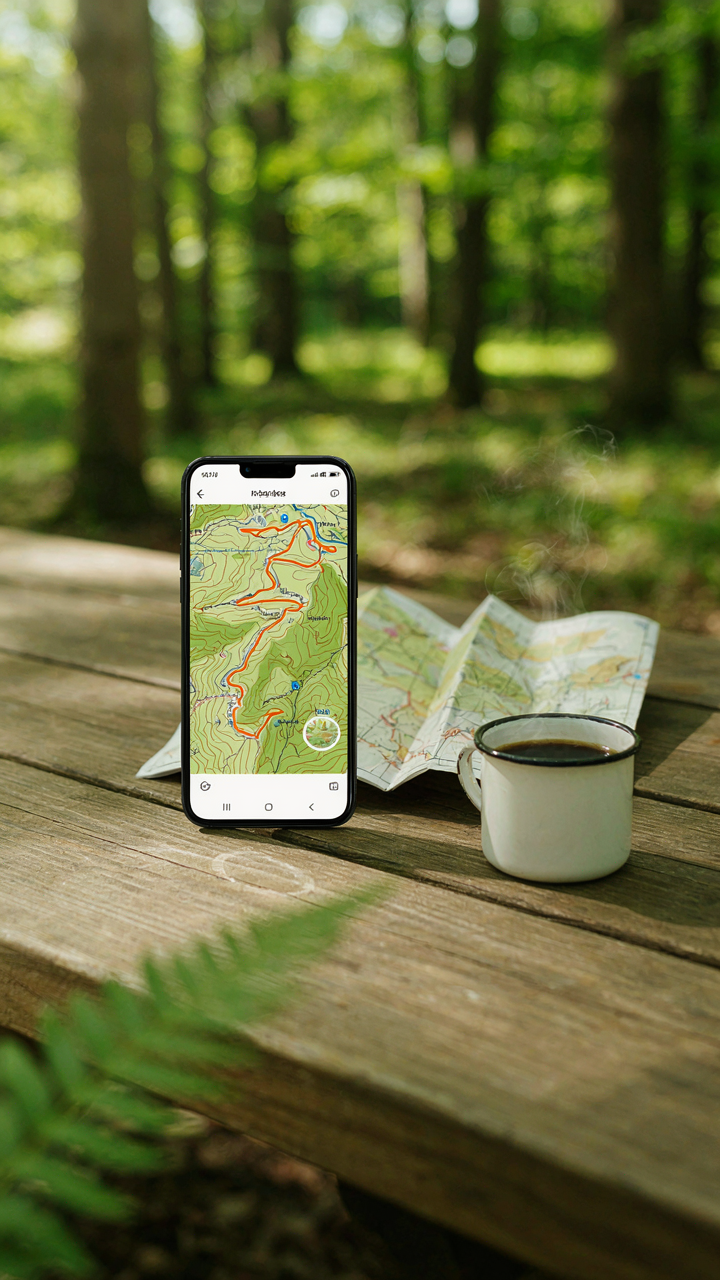
Use a digital mapping tool like AllTrails, Gaia GPS, or Google Maps where you upload the exact route, mark water sources, identify bailout points, and flag where cell service drops. All participants get access to the same file before departure. This eliminates the need for constant verbal updates and keeps everyone oriented even if the group splits temporarily. Include a shared contact sheet with emergency numbers, including local ranger stations and nearest trailhead facilities. The mechanism works because the information stays external to human memory, which frees people to focus on the actual hike instead of navigation anxiety.
Risk Mitigation, Not Risk Avoidance: Outdoor Adventure Safety Protocol
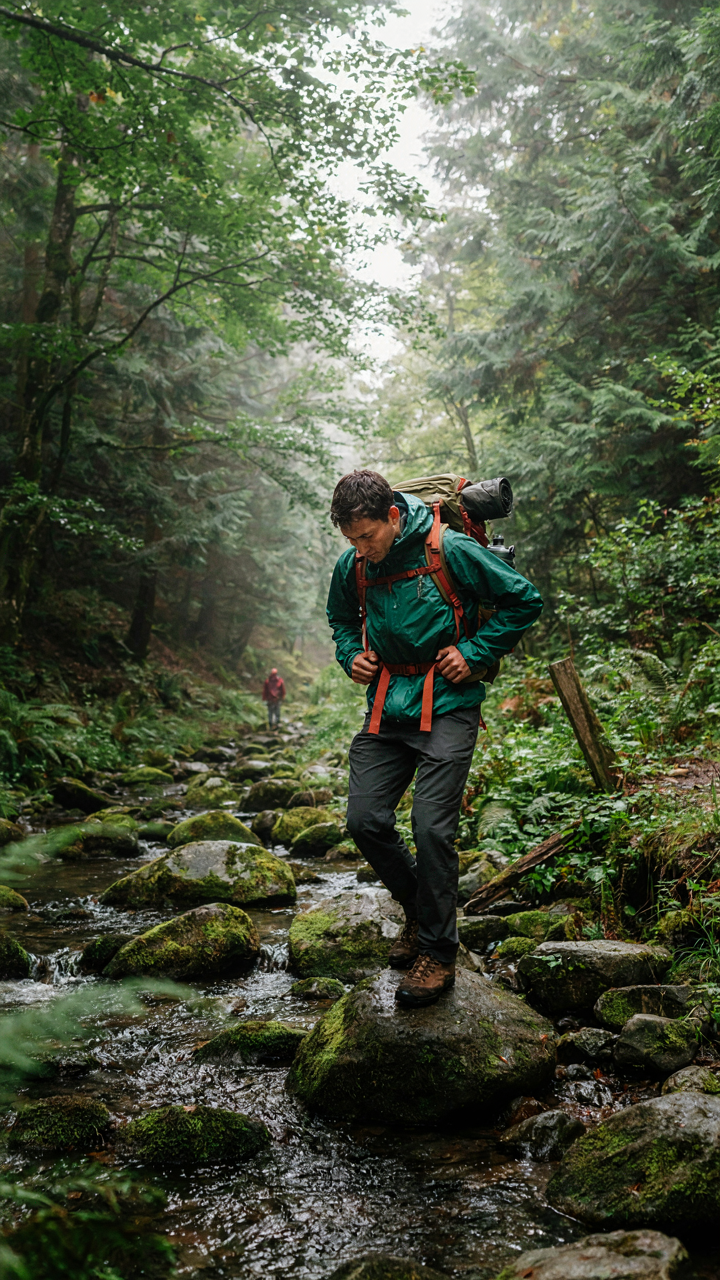
Scout The Route Before The Group Arrives
You want to look competent. That’s why you’re reading this. But the real reason reconnaissance matters is that plans fail in the field, and you need to know where. Military strategy calls this “reconnaissance by fire”—you probe the terrain to find weak points before committing resources. In group hiking, that means you hike the route solo or with one other person first. You identify water sources, trail markers, exposure points, stream crossings, and places where the group will bottleneck or lose focus.
This isn’t about eliminating risk. It’s about knowing where risk lives so you can name it to the group. You discover the 0.3-mile section without shade, the rocky descent that demands footwork, the turn that hikers miss. Write these down. Tell your group where they’ll struggle. This transforms vague anxiety into specific preparation, and people respond to specificity with better decisions.
Plan The Failure, Not The Success
Everyone plans the sunny day. Nobody plans the moment their plan evaporates. Real contingency planning means you identify one failure point per mile—bad weather, injured hiker, lost group member, water source contamination—and you write down the response before it happens. Not the feeling. The action.
If weather turns, where do you shelter and for how long? If someone twists an ankle at mile four of eight, do you call for extraction or walk out together? If the group splits, what’s the meeting point and wait duration? How many people need to stay with the injured party? These aren’t hypothetical exercises. You’re building a decision tree so that under stress, someone executes protocol instead of freezing. Build the tree now.
The Myth Of “One Size Fits All” Day Hike Planning

Match The Trail To Your Bottleneck
You want everyone happy so you pick a moderate trail and hope it works. That’s how you end up with three people suffering while two get bored. The real mechanism comes from biology: a group moves at the speed of its slowest aerobic system. One person’s fitness ceiling becomes everyone’s pace.
Before the hike, ask each person their typical hiking pace and distance. Don’t ask how fit they think they are. Ask specifics: have they hiked five miles recently? Can they sustain a steady climb for an hour? The weakest link isn’t a failure of planning—it’s data you’re ignoring. Choose the trail based on that person’s actual capacity, not the group’s average.
Sustainable Speed Beats Distance
Most planners make the same mistake: they calculate miles per hour using trail guides, then treat that as law. Trail guides assume consistent fitness and no stops. Economics calls this the assumption of rational actors. Group hiking has irrational actors—people who need water breaks, photo stops, and gear adjustments.
Sustainable pace means the group finishes with energy left, not depleted. That pace is typically 1.5 to 2 miles per hour on moderate terrain with elevation gain. Build in a 15-minute buffer for every 90 minutes of hiking. Stop halfway through for a real break, not a two-minute water grab. The hikers who can go faster will still finish satisfied; the slower hikers won’t resent the trip.
Post Trek Debrief: Refining Your Group Hiking Guide For Future Success

Capture The Signal Before It Disappears
You want this section because you’re afraid the trip will vanish into memory and you’ll repeat the same mistakes next time. That’s the real cost. Feedback loops work like thermostats in engineering: they measure deviation from desired state and trigger correction. On a group hike, the desired state is safe, enjoyable, logistically smooth. You must collect data while the trip is live in people’s minds, not weeks later. Capture friction points, route problems, timing failures, and social dynamics while they’re fresh.
Send a simple form to participants within 48 hours. Ask three questions: What logistics failed? What made the hike enjoyable? What would you change? Don’t ask for feelings or generalities. Track specific incidents. A person saying “the pace was off” means nothing. A person saying “we stopped at mile 2.3 and waited 40 minutes for stragglers” gives you a mechanism to fix. Document weather conditions, actual vs. planned distances, group size impact, and any safety concerns. This becomes your reference dataset.
Turn One Trip Into A System
Most groups treat hikes as one-off events, then wonder why they repeat the same problems. That’s not iteration. Iteration means building a checklist that evolves, a pacing strategy that adapts, a communication protocol that improves. Each trip should make the next trip easier to execute and more predictable for participants.
Create a trip log that tracks variables across events: group size, difficulty rating, completion time, dropout rate, participant feedback categories, weather, trail conditions. After three trips, patterns emerge. You’ll see that groups over twelve people need two leaders, not one. You’ll notice certain difficulty levels consistently underperform your estimates. You’ll recognize that splits happen at specific mileage thresholds. Use this data to recalibrate your planning templates. Document your guide updates in writing. When someone new joins as a co-organizer, they inherit your institutional knowledge instead of learning through failure.
Survival Techniques: Beyond Basic First Aid On The Trail
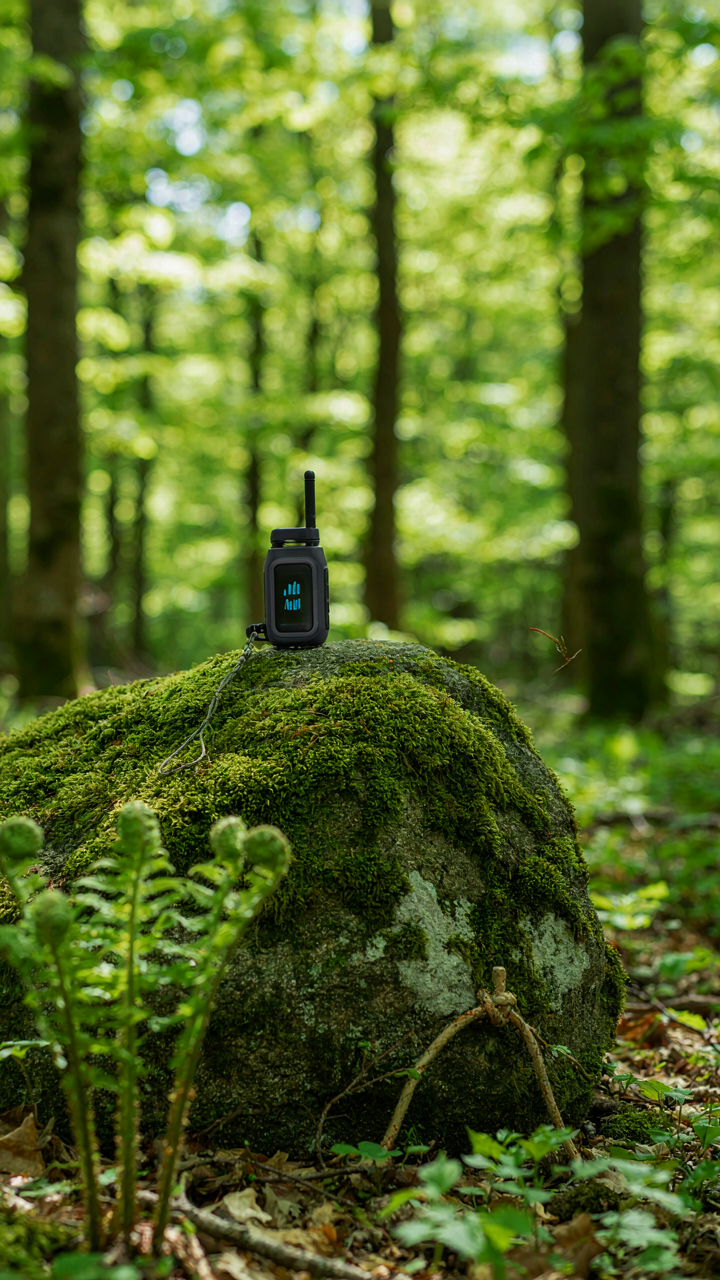
When Communication Fails, You Own The Outcome
You want this section because you’re imagining the rescue helicopter, not the actual mechanism: most group hiking emergencies don’t require rescue. They require someone to stay calm and relay information before panic consumes decision-making. The real problem isn’t whether you have a device—it’s whether your group has a protocol for when the device doesn’t work, and whether people know their role without discussion.
Cell service vanishes at treeline. Satellite messengers work, but they require clear sky and a charged battery nobody actually remembers to charge. The friction point everyone ignores: your group needs a predetermined communication plan before the hike starts, including rally points, time windows for check-ins, and explicit instructions on who contacts whom if someone doesn’t show up at a designated time. This isn’t optional redundancy. It’s the difference between a delayed hike and a full search operation.
Fire, Water, Shelter: The Real Hierarchy
Most survival content inverts the actual priority order from survival medicine. You don’t need fire first—you need shelter and water. Fire matters for morale and warmth after hours of exposure, not immediate survival. The mechanism comes from thermoregulation: your body loses heat faster than it generates it in wet conditions, and a group member becoming hypothermic in early evening makes them a liability, not an asset.
- Shelter construction: Use terrain features and pack materials like emergency bivy sacks or space blankets. Protect from wind, not just rain. A group can build functional shelter in 20 minutes with no tools.
- Water location and treatment: Identify water sources on your route beforehand. Carry tablets or filters—boiling requires fuel and time you may not have. Untreated water causes downstream illness that compounds group problems.
- Fire building: Gather tinder before darkness. Dry materials from pack linings or birch bark work better than wet ground debris. Fire extends usable daylight and prevents panic in a stranded group.
- Signaling methods: Mirrors, whistles, and bright fabric work in daylight. Three of anything signals distress in wilderness protocol. Assign one group member to carry a signal mirror regardless of forecast.
- Navigation fallback: Print a topo map and carry a compass. GPS dies. Maps and compass require no batteries and force deliberate route confirmation every 30 minutes, which catches navigation errors before they cascade.
Survival skills aren’t skills—they’re decision protocols practiced before crisis. Your group’s competence isn’t measured by who reads the most survival blogs. It’s measured by who executes the shelter setup without hesitation when temperature drops at 6pm and the trailhead is two hours away. Assign each person one specific role during the planning phase, then drill it once before the actual hike.
The Real Obstacle Isn’t The Trail; It’s Your Inability To Trust Competent People With Competent Tasks
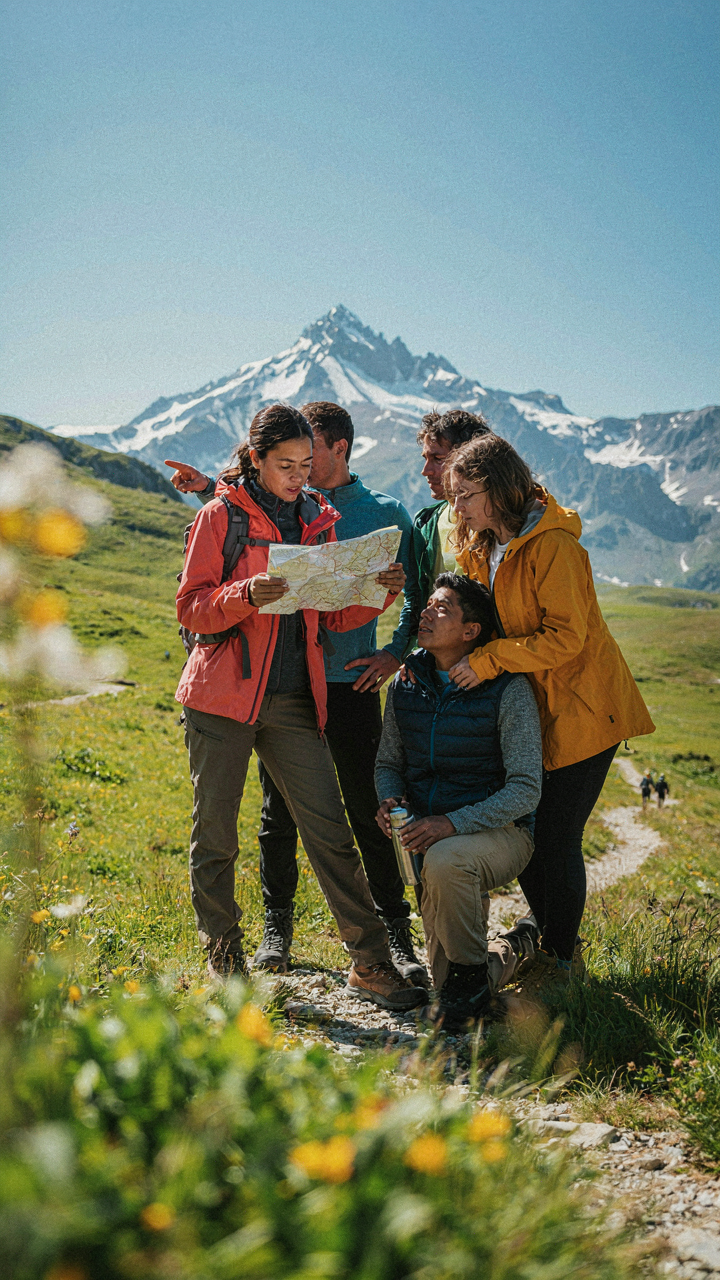
You micromanage because you’re afraid someone will fail. That fear tanks group trips. Assign one person logistics. Assign one person navigation. Assign one person safety. Then shut up and let them own it. Your job isn’t control. Your job is delegation. Text one person today and hand them a real responsibility instead of a suggestion. Groups fail when leaders confuse authority with competence.