
Introduction
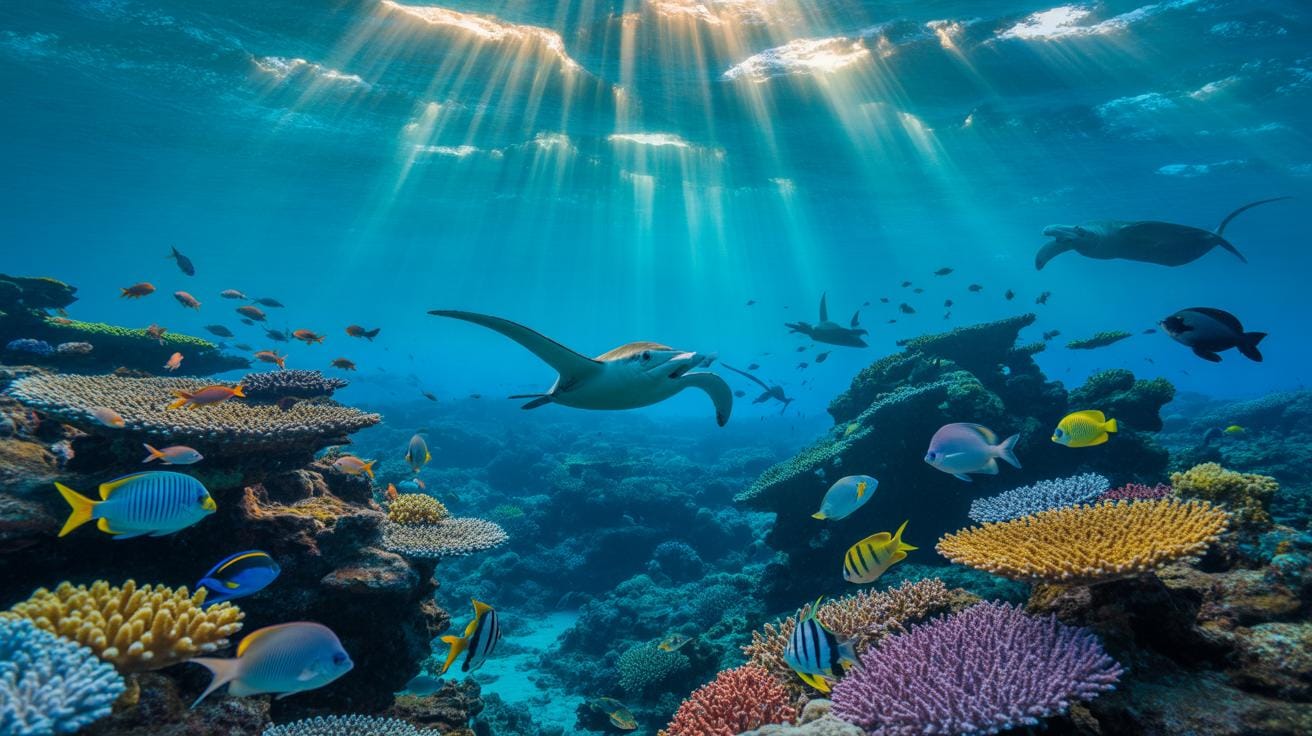
The Great Barrier Reef is the world’s largest coral reef system, stretching over 2,300 kilometers along the coast of Queensland, Australia. It is home to a vast array of marine life, supported by billions of tiny coral organisms that build the reef’s structure. The reef’s diverse ecosystem is vital for marine health and supports many species that are found nowhere else.
This article covers important aspects of the Great Barrier Reef’s marine life and how its biodiversity benefits human health and the environment. You will learn about the unique species in the reef, the health advantages of the ecosystem, challenges facing the reef, and the measures one can take to protect this natural treasure.
Great Barrier Reef Marine Life Overview

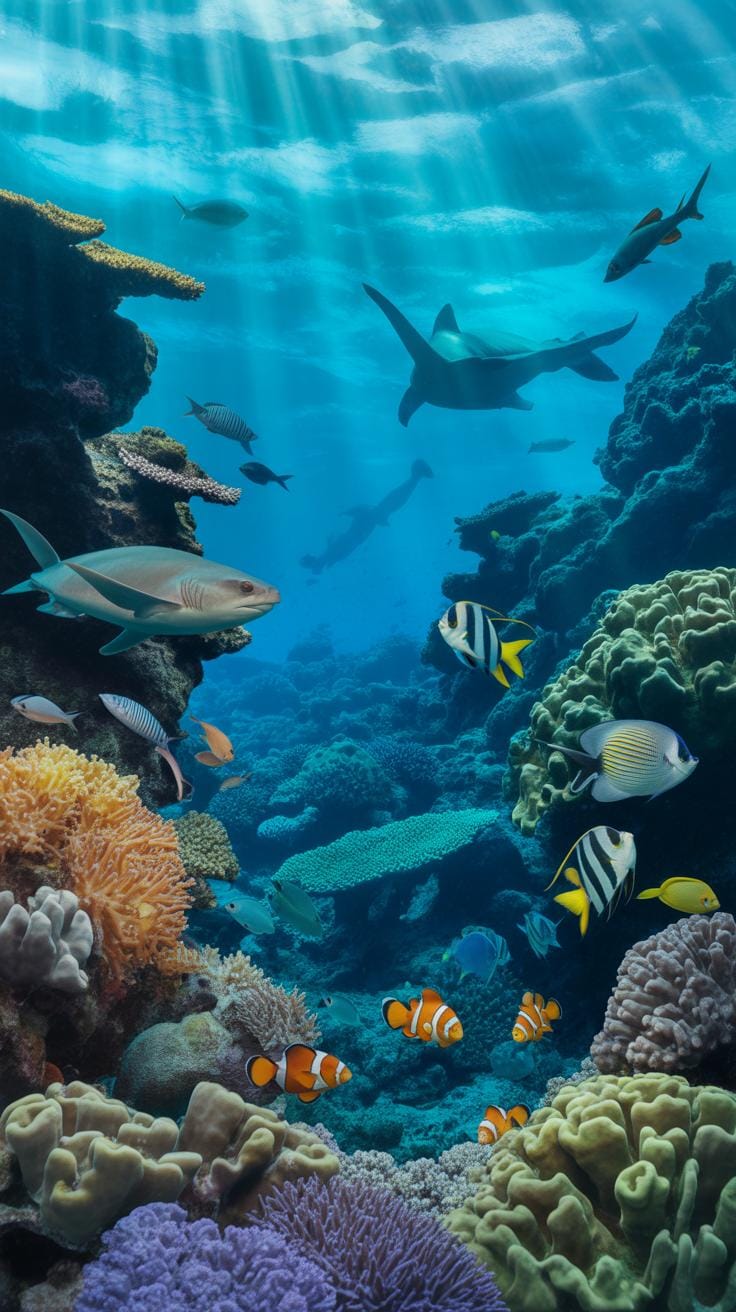
The Great Barrier Reef is home to a wide variety of marine life. Coral species dominate the scene, with thousands of types weaving together the reef’s structure. These corals form intricate shapes, creating shelter and feeding grounds for many creatures.

Fish are abundant here—ranges from tiny damselfish to larger predators like groupers. Many fish rely on the corals for protection or food, while others contribute to the reef’s health by grazing algae, preventing overgrowth. This delicate balance means that each species indirectly depends on others for survival—disturb one, and the web could unravel.
Beyond fish and coral, sea turtles, starfish, and crustaceans thrive. Sea cucumbers recycle organic matter, and starfish regulate coral populations, though some species like the crown-of-thorns starfish can be problematic when their numbers explode.
Overall, it’s a complex, interconnected system. The reef itself is more than just a home; it’s a foundation in which life supports life. You can’t consider one species without thinking of how it fits into the whole.
What Makes The Great Barrier Reef Unique
The reef stretches over 2,300 kilometers, making it the world’s largest coral reef system. It’s impressive, not just in size but in its sheer biodiversity. Few places match the number of species living here. The countless coral polyps, tiny but vital animals, are what build the reef—layer upon layer over thousands of years. Without them, this ecosystem couldn’t exist.
This scale and diversity set the Great Barrier Reef apart. It’s visible even from space, a massive living structure composed of countless organisms all working together. The mix of shallow waters, varied habitats, and warm tropical conditions create distinct zones within the reef, each hosting different communities of life. Not every coral reef system matches this complexity or reach.
Key Species Living In The Reef
You’ll find specialized fish like the clownfish, which rely on sea anemones for protection. Parrotfish munch on tough algae, helping keep corals clear. Then there are sea turtles, important grazers that maintain seagrass beds near the reef, crucial for juvenile fish and invertebrates.
Among corals, the staghorn coral types play a major role in reef building because of how quickly they grow. Giant clams embedded in the reef offer habitat for smaller creatures and contribute to calcium carbonate balance in the ecosystem.
The crown-of-thorns starfish is a predator of coral and can cause damage if its population becomes too large. But all these species maintain a balance—each one has a role that supports or controls others, and that keeps the ecosystem functional, or at least it should.
Health Benefits From Coral Ecosystems The Great Barrier Reef
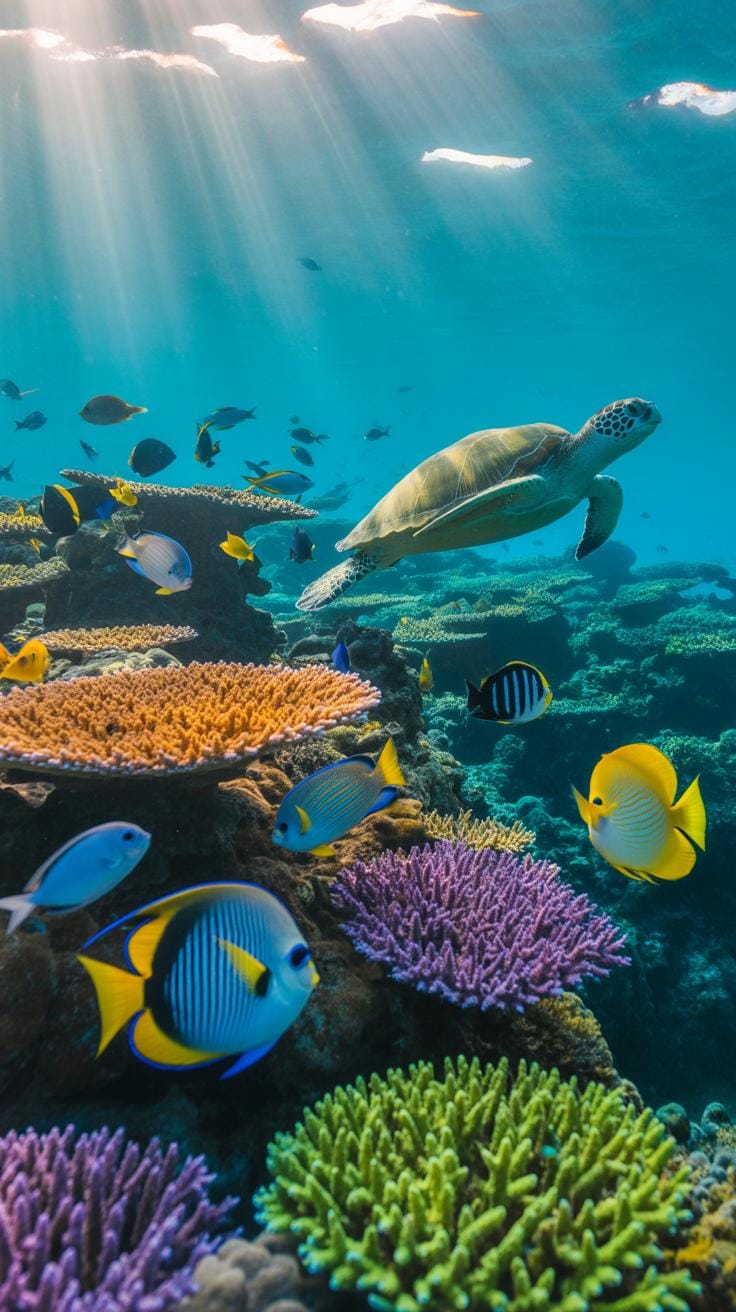
The Great Barrier Reef does more than just amaze with its size and beauty — it plays a direct role in supporting human health in several ways. You might not realize it, but the reef acts as a natural water filter. Coral structures trap sediments and capture nutrients, which helps keep the nearby waters cleaner. This filtering effect is crucial for the coastal communities depending on clean water for drinking, fishing, and daily life. Without this natural filtration, they would face dirtier, less healthy water.
Medicines are another surprising benefit from the reef’s marine life. Several chemical compounds derived from reef organisms have contributed to drugs used in fighting cancer, bacterial infections, and even pain. Research continues to explore reef species with the hope of finding new pharmaceuticals. It’s a bit like nature’s own pharmacy, though we’re only scratching the surface.
And let’s not forget food security. Fish and other marine animals from the reef provide protein for millions. The reef’s health directly affects the availability of this resource, making its protection a matter of human well-being. So, the reef isn’t just a pretty place to visit; it’s a lifeline in several fundamental ways.
Challenges Facing The Great Barrier Reef
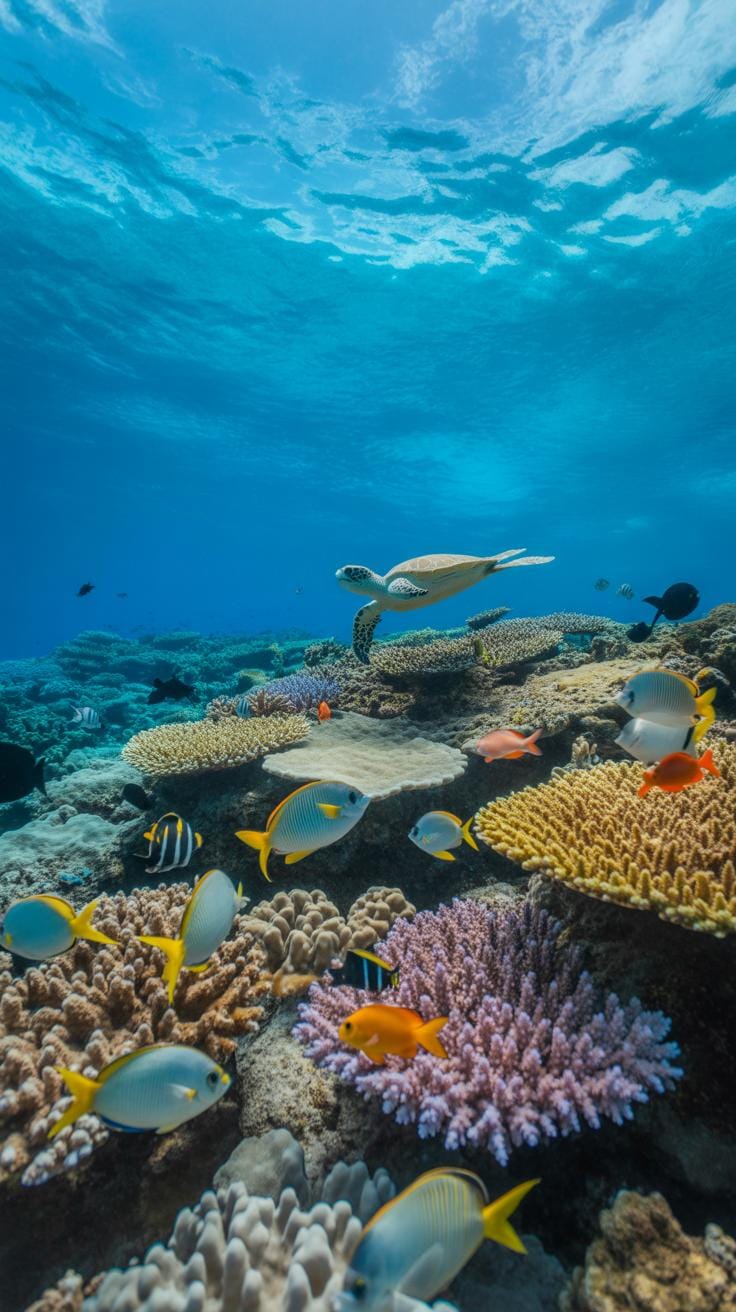
The Great Barrier Reef faces serious threats that strain its delicate ecosystem. Climate change is perhaps the most pressing concern, contributing to rising sea temperatures. This warming stresses the corals, leading to widespread coral bleaching events, which weaken coral health and reduce biodiversity.
Pollution from coastal runoff introduces harmful chemicals and sediments. This disrupts water quality and suffocates marine life. Invasive species, particularly the crown-of-thorns starfish, cause additional damage. These starfish populations can explode, feeding voraciously on coral and leaving large reef areas barren.
Each challenge profoundly impacts marine life—fewer corals means fewer habitats for fish and other organisms. Reef health declines, threatening the entire ecological balance. Efforts to mitigate these threats require ongoing attention and cooperation.
Effects Of Coral Bleaching Events
Coral bleaching occurs when corals, stressed by factors like elevated water temperatures, expel the symbiotic algae living in their tissues. These algae provide corals with food through photosynthesis and give them their vibrant color. Without the algae, corals turn white and rely on limited energy reserves.
Bleaching events can last weeks or months. If stressful conditions persist, corals may die. The loss of coral cover diminishes reef complexity and resilience. Marine species lose both food sources and shelter. Bleaching disrupts the reef’s natural balance and threatens its future survival.
The Problem Of Crown Of Thorns Starfish
The crown-of-thorns starfish is a native predator of coral, but its population outbreaks can devastate reefs. When numbers surge, these starfish consume vast amounts of coral tissue, exposing the reef’s skeleton and leaving it vulnerable to disease and erosion.
Scientists and conservationists have developed control measures. These include targeted removal programs, often using divers to collect and cull starfish. Some research explores biological controls and reef monitoring to prevent outbreaks before they escalate, but managing this problem remains difficult.
Protecting The Reef Ecosystem Methods
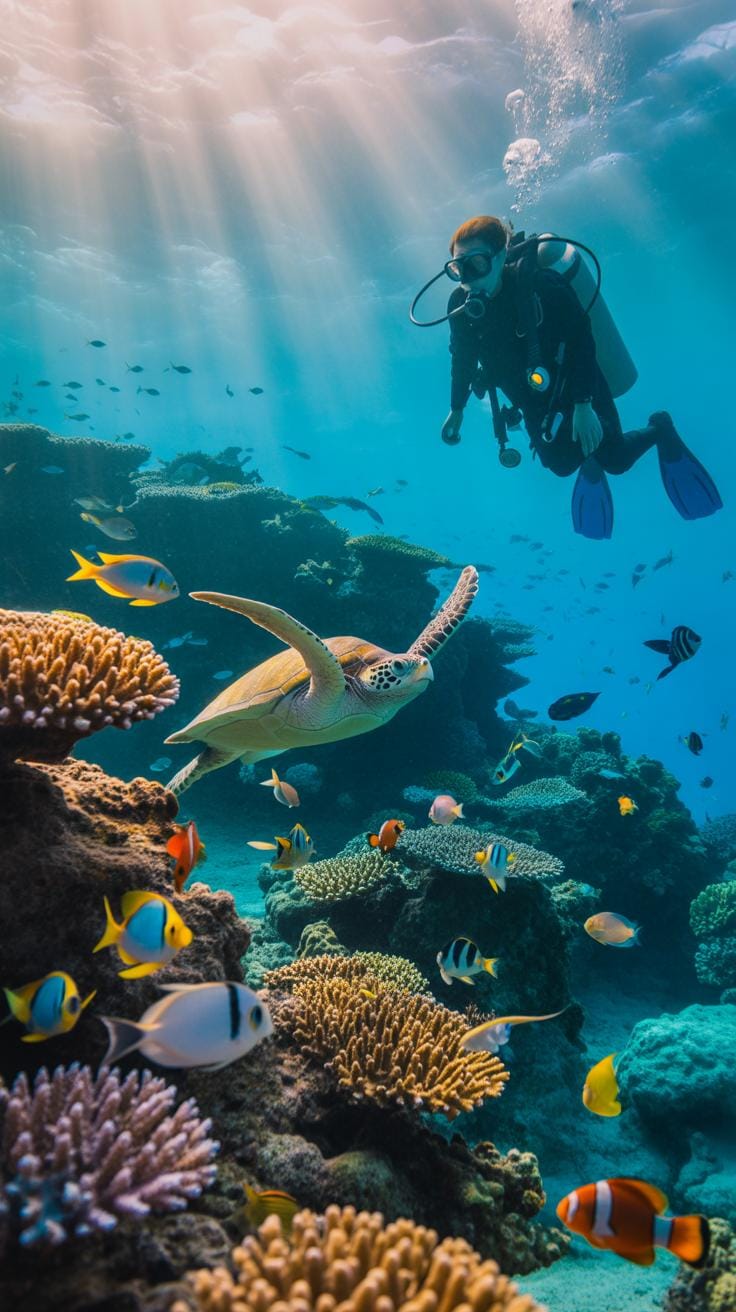
The Great Barrier Reef faces many threats, so protecting it calls for practical, on-the-ground methods. Marine parks play a big role—zoning parts of the reef helps control fishing, boating, and other activities. This zoning isn’t just about banning things outright; it’s a way to balance use and protection, which isn’t always straightforward.
Pollution control is another pillar. The reef’s health depends on clean water, so efforts focus on reducing runoff from agriculture and industry. It’s a tough task because runoff might come from far away, but ongoing measures like stricter regulations, improved farming techniques, and better waste management help lessen the burden on the reef’s waters.
Sustainable tourism guidelines try to manage the huge number of visitors. Tour operators must follow rules that minimize damage—no touching the coral, managing boat anchoring carefully, and educating tourists on reef-friendly behavior. Yet, striking the right balance between allowing visitors and preserving natural habitats remains complex and sometimes feels like walking a tightrope.
Role Of The Great Barrier Reef Marine Park
The Marine Park is central to regulating activities on the reef. It sets out comprehensive rules, spells out permitted and prohibited actions, and actively monitors compliance. This management isn’t just about restrictions; it’s also about enabling research and restoration projects that help maintain biodiversity.
What’s notable is how the Marine Park involves traditional owners—Indigenous communities who have an ancestral connection to the reef. Their knowledge and active participation in management strategies add depth and context, helping to safeguard the ecosystem in ways that purely scientific methods might overlook.
Still, challenges persist. Enforcement over such an immense area sometimes falls short, and new pressures like climate change add layers of complexity to the Marine Park’s efforts. It’s a constant, evolving struggle, which probably means ongoing commitment and adaptation are essential.
Tourism’s Influence And Management
Tourism is a double-edged sword for the reef. On one hand, it brings economic benefits and raises awareness about this natural wonder. On the other, increased human presence can stress the ecosystem—with physical damage from boats and divers, pollution, or overcrowding in popular spots.
Management strategies try to address this by limiting visitor numbers, enforcing strict codes of conduct, and promoting eco-friendly activities. For example, some areas have been designated as no-go zones to allow natural recovery. Sometimes, the tension between economic interests and conservation goals can feel unresolved, with debates about how much tourism is too much.
Ultimately, how you visit the reef matters. Choosing operators who follow sustainable practices and being mindful in your interactions with the reef can influence its future. It’s something each visitor should reflect on—because, in the end, protecting the reef requires collective responsibility, not just policy.
Coral Growth And Reproduction Process
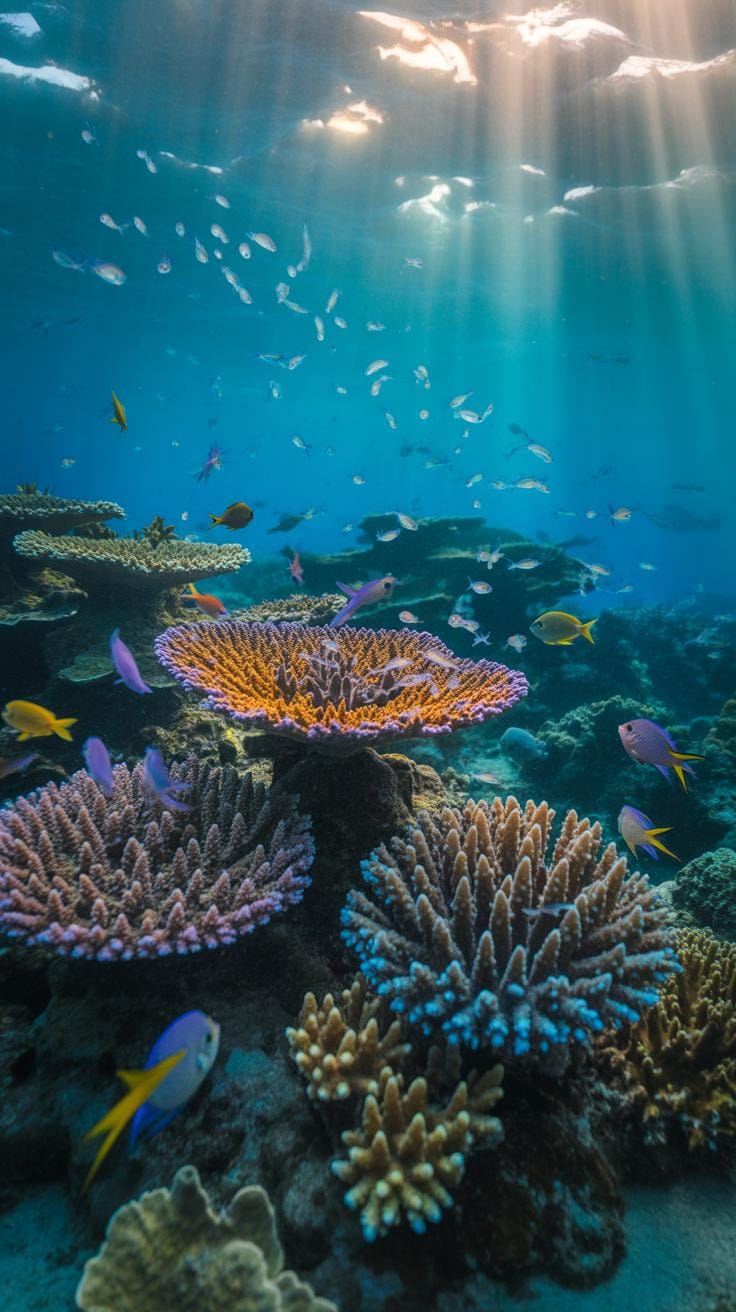
Corals grow by gradually building up their calcium carbonate skeletons, which form the foundation of reef structures. This happens over long periods of time, as individual coral polyps secrete layers of skeleton beneath them. The growth is both individual and collective, meaning each polyp contributes to the expanding reef structure. It’s a slow process but essential to the reef’s size and shape.
Corals reproduce in two main ways: sexually and asexually. Sexual reproduction occurs when corals release eggs and sperm, usually aligning with specific lunar cycles. This spawning event allows fertilization to take place in the water, leading to the formation of free-swimming larvae that eventually settle and start new colonies. This method generates genetic diversity, increasing the resilience of coral populations.
Asexual growth, on the other hand, is about coral colonies expanding their numbers locally. Corals can reproduce by budding, a process where new polyps form from existing ones and remain attached, adding to the colony’s size. Fragmentation is another way corals reproduce asexually — when parts of a coral break off due to storms or other disturbances and then establish themselves elsewhere to grow anew. This is quite important for reef recovery after damage.
One might wonder how these two reproduction strategies balance out in reef dynamics. Sexual reproduction introduces variety and potential adaptation, yet it’s the asexual growth that often determines the immediate physical spread of the reef. Both processes together maintain the reef’s persistence and expansion.
Marine Species Interaction Examples
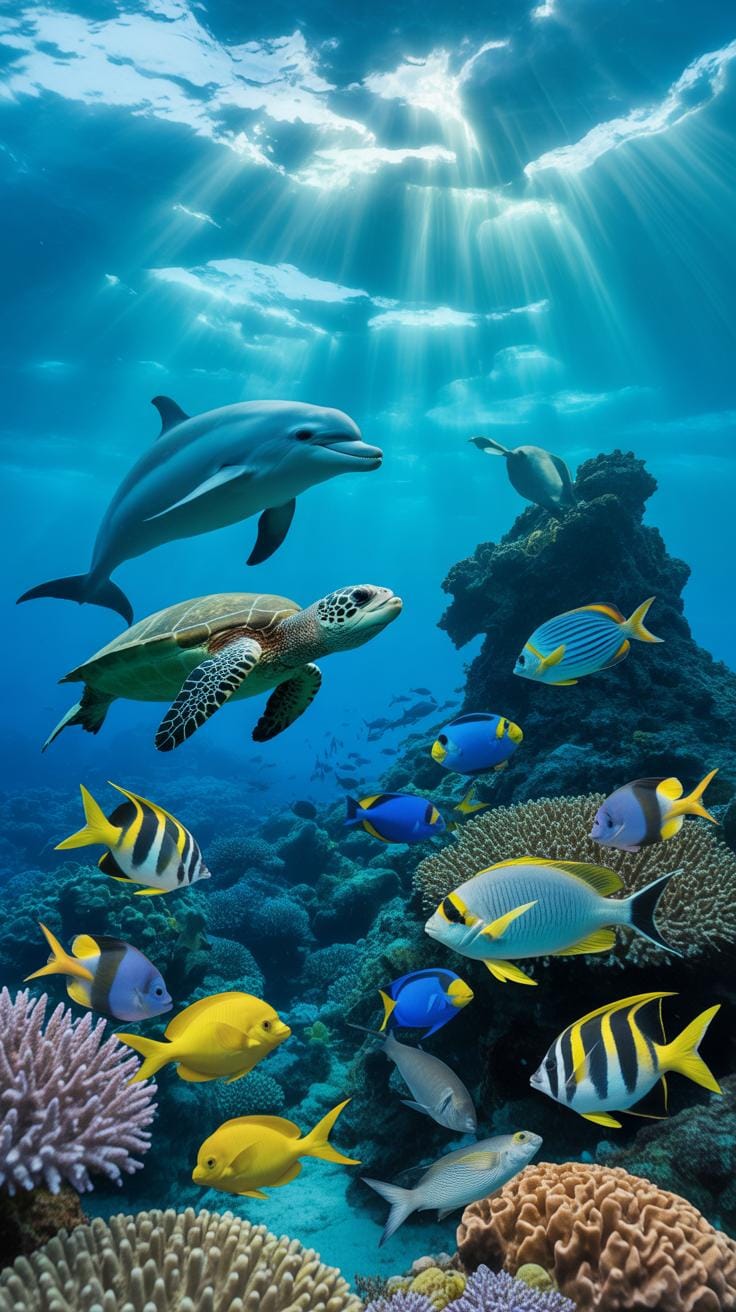
In the Great Barrier Reef, life is intertwined in ways you might find surprising or even a bit confusing at times. Take coral and algae, for instance. They have a relationship that’s not just about living side by side — it’s more about a tight teamwork where each gets something crucial. Corals host tiny algae inside their tissues. These algae, called zooxanthellae, provide the coral with food through photosynthesis, while the coral offers protection and access to sunlight. This mutual benefit has a delicate balance, and when disrupted, it can cause coral bleaching, showing just how intertwined their fates are.
Predation plays out vividly across the reef. Some reef fish like the lionfish use their venomous spines and camouflage to ambush prey while thwarting attacks themselves. In contrast, prey such as certain small fish and invertebrates employ clever defenses—ranging from hiding in crevices to changing colors rapidly to confuse predators or blend with their surroundings. Observing these interactions poses questions about survival strategies and how every species fits into this complex puzzle.
Competition, although subtle, shapes reef communities too. Space on the reef is limited—corals compete fiercely to expand and catch sunlight, often overtaking slower-growing neighbors. Fish species may compete for food or territory, with some developing strikingly specialized feeding habits or behaviors to carve out their niche. These interactions hint at the constant push and pull that keeps this ecosystem both dynamic and fragile.
Climate Change Impact Overview
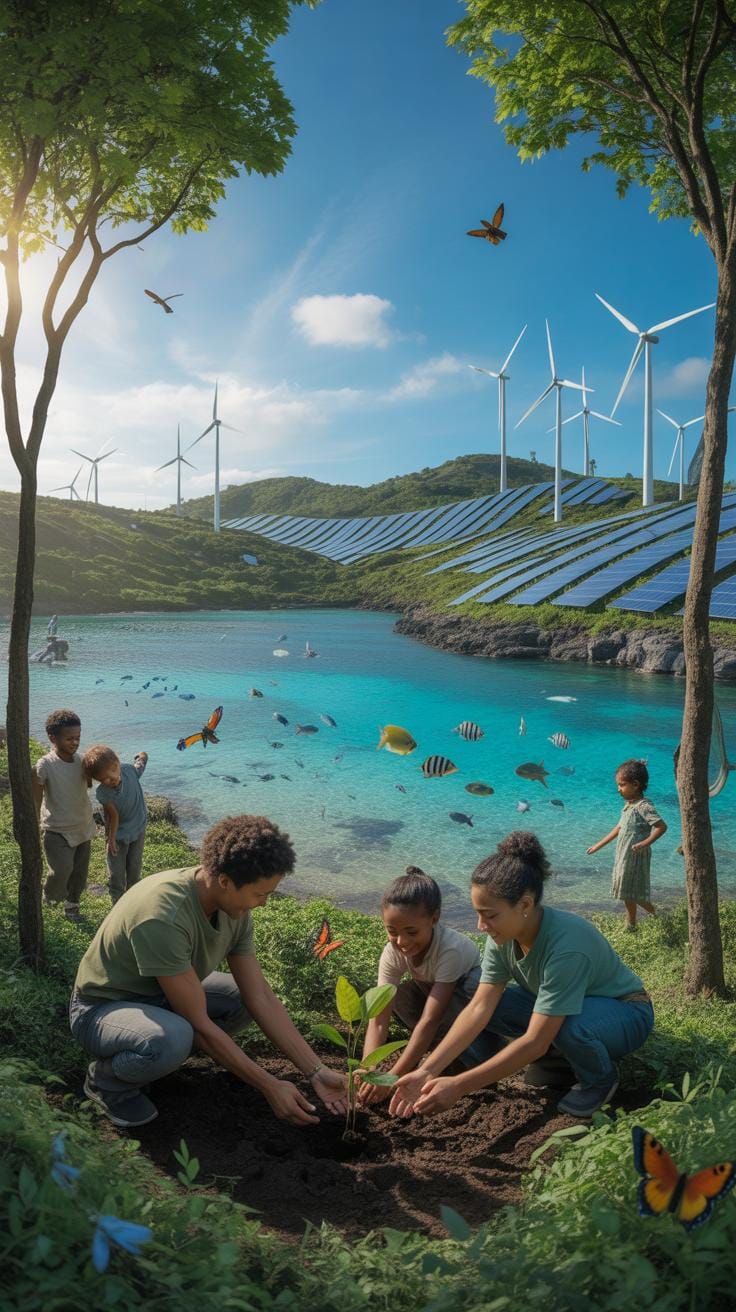
The Great Barrier Reef, the largest coral reef system on Earth, is facing some very real troubles linked to climate change. You might have heard about warming oceans and acidification—they’re not just buzzwords. They’re serious stressors squeezing the life out of this vast underwater world. The reef spans over 2,300 kilometers and hosts a diversity of marine creatures, but these delicate ecosystems are incredibly vulnerable to even small environmental shifts. Imagine billions of coral polyps struggling to survive as conditions steadily degrade. The global rise in ocean temperatures, driven by greenhouse gas emissions, is heating the reef’s waters, pushing corals to their limits. Cumulative effects of warming and acidification present a double challenge, threatening reef survival worldwide. The Great Barrier Reef has already suffered significant coral loss in recent decades—a grim example of what’s happening elsewhere.
Ocean Warming Effects
When ocean temperatures creep up, even by just a degree or two, corals can become stressed. This stress triggers coral bleaching—a process where corals expel the tiny algae that live within their tissues and provide essential nutrients. Without those algae, corals turn white and weaken. You can picture it as a slow suffocation; they weaken and become more vulnerable to disease and death. Bleaching events in the Great Barrier Reef, especially during heatwaves in 2016 and 2017, wiped out vast sections of coral. It’s a painful reminder of how temperature change can directly disrupt marine life. Bleaching doesn’t just kill corals; it reverberates across the entire ecosystem, affecting fish and other marine species that depend on coral structures for shelter and food.
Ocean Acidification Impact
Rising carbon dioxide levels don’t just warm the oceans—they make them more acidic. When CO2 dissolves in seawater, it lowers the pH, leading to ocean acidification. For corals, this is a subtle but critical problem. Lower pH reduces the availability of carbonate ions, which are essential for corals to build their calcium carbonate skeletons. Think of it like trying to build a house with weaker bricks. Over time, this hampers coral growth and structural integrity. The Great Barrier Reef’s corals grow slower and their skeletons become more fragile under acidified conditions. This impacts not only the reef’s stability but also its ability to recover from bleaching and other damage. You might wonder, can corals adapt fast enough to these changes? So far, the rapid pace of acidification outstrips their ability to keep up.
Your Role In Reef Conservation
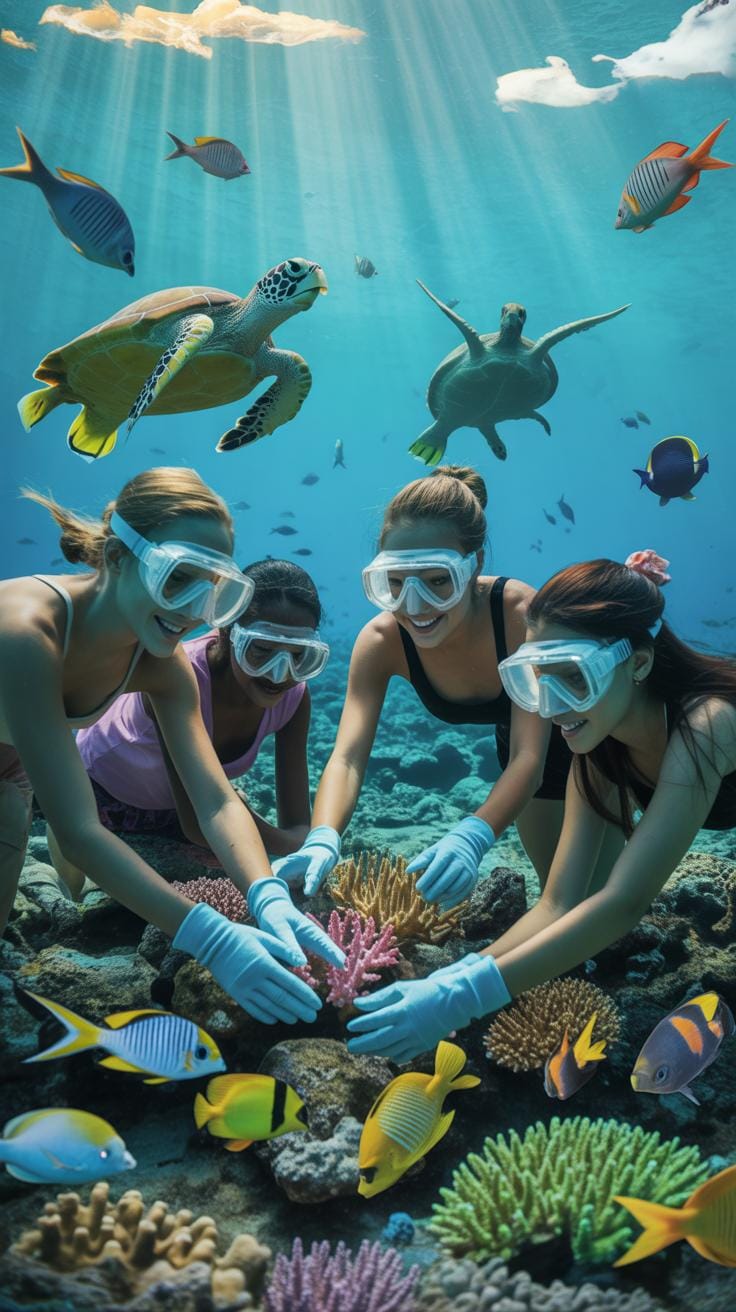
The Great Barrier Reef isn’t just a distant wonder; it’s a part of something bigger that we all connect with, whether we realize it or not. You might wonder how one person could make a difference, given the vastness and complexity of the reef. But small actions do add up, and honestly, sometimes it’s about consistency more than grand gestures.
Think about your everyday choices. For example, cutting down on single-use plastics isn’t just a good habit; it directly impacts the health of marine life that gets entangled in or mistakenly ingests debris. Choosing sustainable seafood can also influence demand patterns, nudging fisheries toward longer term practices that don’t harm the reef. Then there’s the power of raising your voice — whether through local groups, online campaigns, or even conversations with friends and family. Advocacy can shape the bigger picture policies that protect ecosystems.
It might feel overwhelming at times. Still, community-led efforts often provide a more tangible way to contribute. Have you thought about joining a local beach cleanup or supporting marine conservation organizations? These activities connect you with others who share concern for the reef, and sometimes simply knowing you’re part of a group working toward a common goal can be motivating.
At the larger scale, policies matter a lot. Voting for representatives who back marine conservation or supporting regulations that reduce pollution and protect reef areas might seem abstract, but these measures filter down to real-world reef health. It’s a patchwork, really—your actions, combined with many others and supported by policy, make the difference. What’s vital is staying involved and informed, even when it’s complicated or slow-moving. After all, the reef’s future hinges on choices people make today.
Measuring Reef Health Metrics
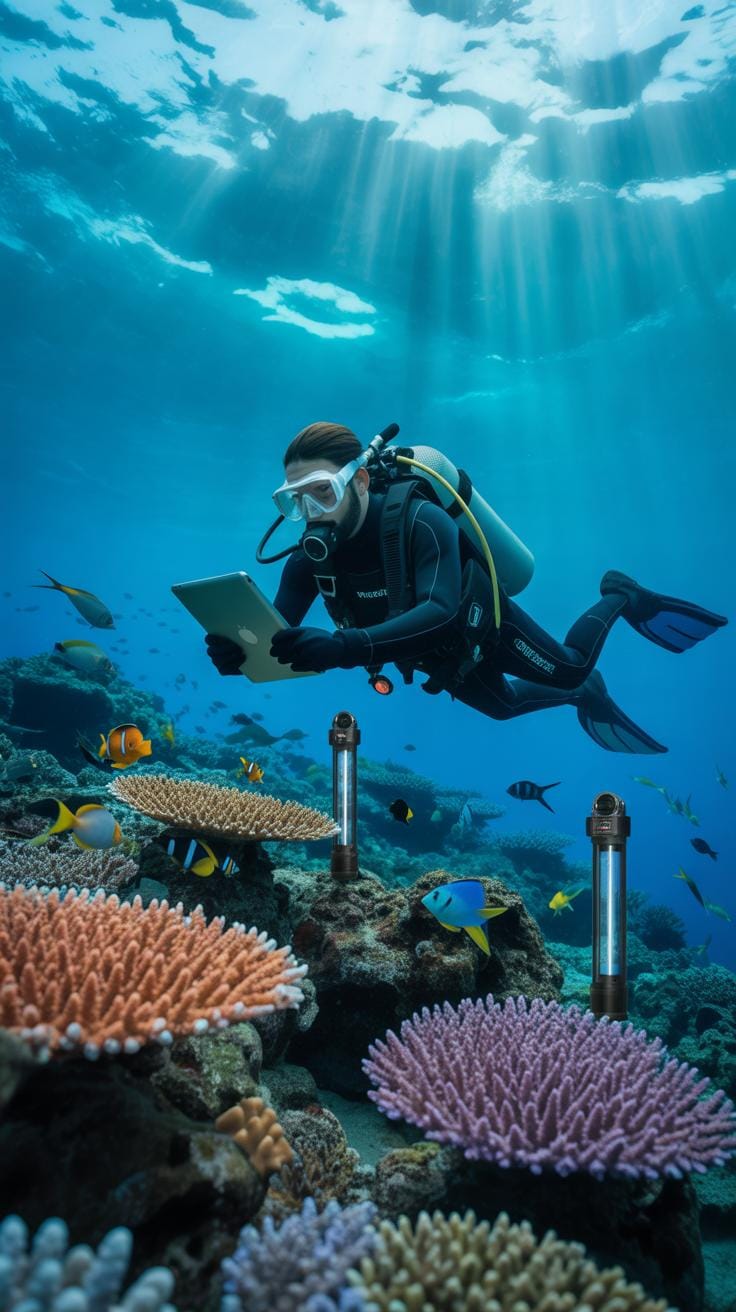
Assessing the health of the Great Barrier Reef involves tracking several key metrics—three of which stand out in how they reveal the reef’s condition.
Coral Cover Percentage
Coral cover—the proportion of the seabed covered by living coral—is a crucial indicator. Changes in coral cover percentages don’t just tell us how much coral remains but also hint at the reef’s resilience to stressors like bleaching or storms. When coral cover drops, it often signals trouble: less habitat for marine creatures and diminished natural beauty. But a steady or recovering coral cover might suggest some capacity to bounce back, though it’s rarely straightforward. Small fluctuations can be natural, and rapid drops often reveal underlying issues.
Biodiversity Assessments
Another lens scientists use is counting species and measuring diversity. Simply put, a healthy reef usually supports a broad array of fish, corals, invertebrates, and other life forms. Watching the rise or fall in species numbers can point to shifts—maybe from pollution, warming waters, or invasive species. It’s not just about how many species, but which ones, too. Some species are more sensitive and vanish quickly, while others may seem to thrive, creating a complex picture. So, tracking biodiversity offers a more nuanced view of the reef’s overall vitality.
Tourism Benefits Versus Risks
Economic Contribution Of Tourism
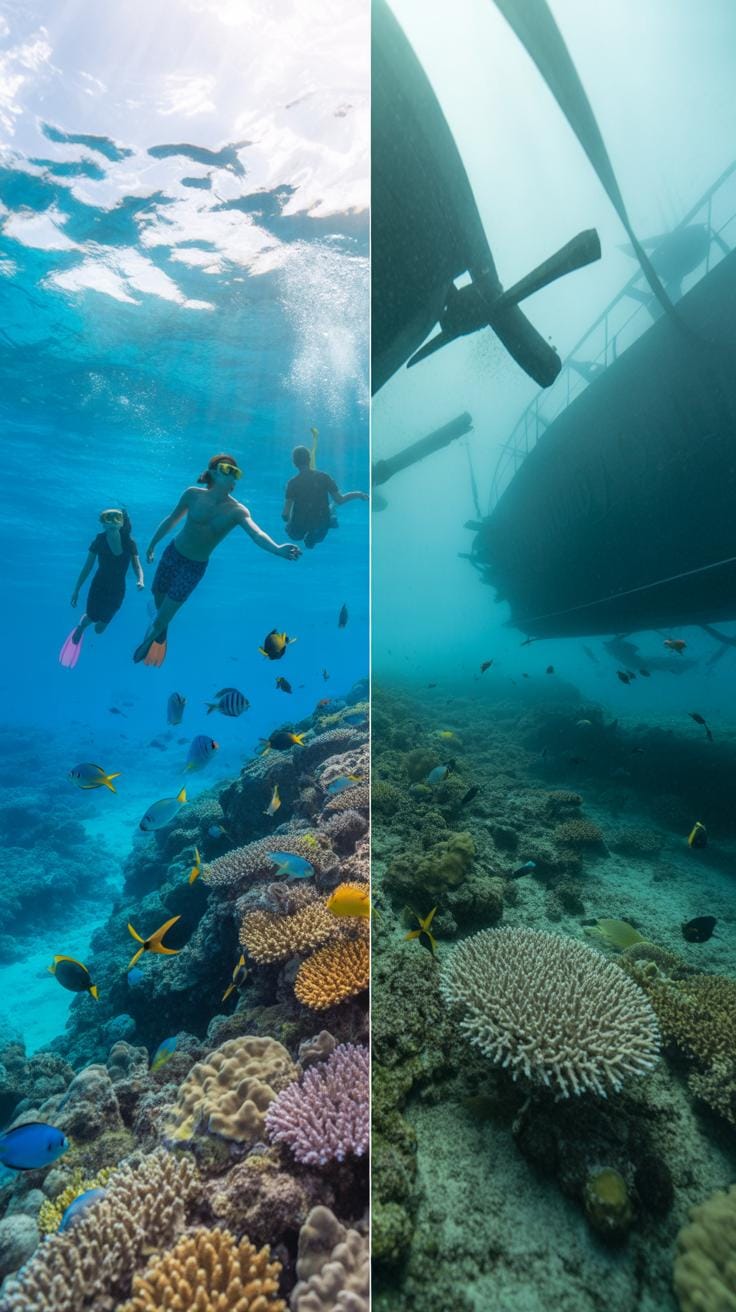
Tourism around the Great Barrier Reef brings in billions each year—about $5.89 billion, to be specific. That’s not just cash flowing in; it supports roughly 69,000 jobs locally. From tour guides and boat operators to hotel staff and restaurant workers, the reef fuels a significant part of the regional economy. When you think about the sheer number of visitors, around 2.19 million annually, it’s not surprising that tourism is a major livelihood source.
The reef’s reputation as one of the most pristine coral systems worldwide draws tourists willing to pay for an experience that’s arguably quite unique. For many locals, tourism isn’t just about dollars; it’s about sharing a remarkable natural wonder. But this is where the tension starts—how do you keep the balance?
Managing Environmental Impact
You might wonder, given the heavy foot traffic, how the reef remains relatively intact. The Great Barrier Reef Marine Park Authority steps in here, imposing rules like mandatory permits for all commercial fishing and tourism activities. This helps control visitor numbers and activities, curbing damage. It’s not perfect—some areas still feel the strain—but it’s a meaningful effort.
Vessel traffic is another concern. Boats must stick to designated routes to avoid crushing coral or stirring up sediment that harms marine life. Some operators use eco-friendly practices like biodegradable sunscreens and restricted anchoring. There’s also increased monitoring and enforcement, but it’s a constant battle. After all, you can’t completely stop the wear and tear when millions want to explore this natural wonder.
Despite the regulations, occasional incidents happen—as if the reef’s fragile nature begs the question: are we preserving it for the future or slowly eroding it under the guise of enjoyment? Managing tourism’s impact remains a tough, ongoing challenge, but one that is crucial if this marine jewel is to survive.
Conclusions
The Great Barrier Reef is a remarkable natural structure teeming with diverse marine species. Its vibrant ecosystem plays a crucial role in maintaining marine biodiversity and supporting human health through ecosystem services. The reef’s health reflects the larger ocean environment and impacts Australia and the world’s marine ecosystems.
Protecting the reef requires joining efforts to reduce pollution, manage tourism, and address climate change’s effects. By understanding the reef’s importance and acting to conserve it, we help preserve an invaluable resource for future generations and safeguard the marine life that sustains ecological and human health.