
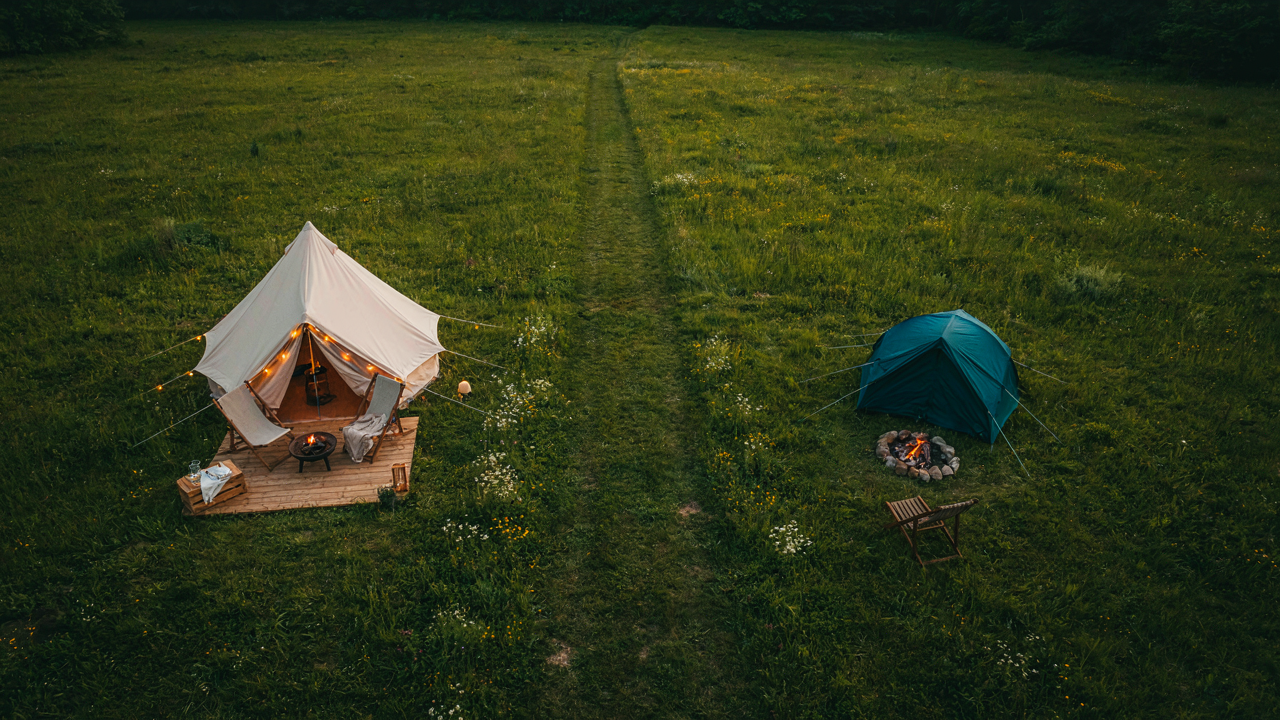
The Primitive Vs. Curated Experience Spectrum
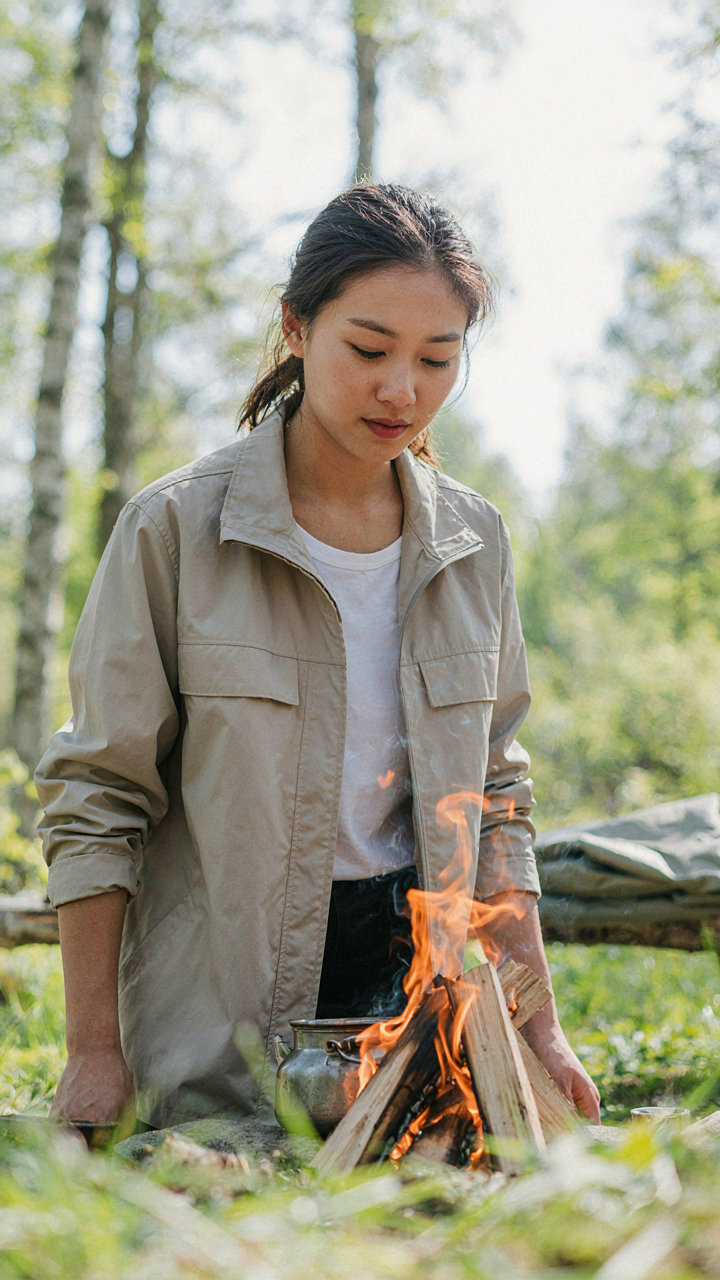
Raw Nature Without Filters
You’re wondering if camping proves something about you. It doesn’t. What matters is the mechanism: camping strips away infrastructure, forcing your nervous system to process environmental inputs directly. Temperature shifts, wind patterns, animal sounds, uneven ground. Your body reads these signals raw. There’s no mediation layer between you and the ecosystem’s actual conditions. This isn’t spiritual. It’s sensory demand.
Camping exposes what comfort usually hides. You sleep on earth, manage your own water and waste, navigate darkness without artificial light. Weather becomes your primary constraint, not a variable you control. The discomfort isn’t accidental. It’s structural. Your competence increases because failure has immediate, tangible consequences. You learn fire management, site selection, risk assessment. These skills transfer because they’re rooted in physics and observation, not sentiment.
Luxury Embedded In Landscape
Glamping borrowed a term from economics: optimization. You’re not choosing between comfort and nature. You’re choosing a constrained version of both. The mechanism works like a Pareto frontier. Glamping removes specific friction points (weather, basic hygiene, sleep quality) while keeping others intact (remoteness, silence, outdoor immersion). You gain 80 percent of comfort’s benefits while surrendering only 20 percent of nature’s texture.
Glamping properties control variables camping leaves open. Temperature regulation happens through materials and design, not personal discipline. Bedding quality matches hotel standards, but the structure sits in actual terrain. Electricity, plumbing, and climate control are built in. This isn’t weakness. It’s engineering applied to experience design. Your attention stays on the landscape because infrastructure doesn’t demand management. The trade-off is simple: you pay for design competence instead of developing your own survival competence.
Glamping Definition: The Illusion Of Effortless Immersion

You Want The Status Without The Work
You’re drawn to glamping because sleeping in a tent sounds authentic until you remember your back and your WiFi habits. The real mechanism is simple: glamping sells you the identity of an outdoors person without requiring the skills or discomfort that actually build it. You get the Instagram version of nature. A glamping site provides a bed, electricity, plumbing, and often cell service inside a structure designed to look rustic. The appeal isn’t the outdoors. It’s the outdoors minus everything that makes outdoors challenging.
Traditional camping requires you to manage fire, weather, water, and navigation. Glamping inverts this. It keeps the aesthetic of camping but removes the friction. You arrive to a setup that already exists. Someone else sourced the structure, placed it on level ground, ran utilities, and handled the details. This is why glamping exploded in the last fifteen years. It filled the gap between people who wanted the experience and people unwilling to earn it.
When Comfort Becomes The Entire Point
Convenience doesn’t trump outdoor skills in glamping because glamping intentionally erases the need for them. You don’t learn to start a fire or read weather patterns because the tent has climate control and the site has staff. This is economics at work: glamping substitutes labor for knowledge. Instead of you building competence, the operator builds infrastructure. You pay for their preparation instead of doing your own.
This matters because it changes what you actually get from the trip. Traditional camping teaches you about your limits and capabilities. You fail, adapt, and build confidence. Glamping teaches you that comfort is portable. If you’re seeking transformation or skill-building, glamping delivers neither. It delivers relaxation with a nature aesthetic. Decide whether you want the experience of being in nature or the feeling of having been in nature, then choose accordingly.
Camping Glamping: The Economic Leverage Model

What You’re Actually Paying For
You want permission to skip the work and still feel like you earned the experience. Economics calls this opportunity cost, and it’s the real price tag on both options. Camping asks you to trade hours of setup, weather management, and discomfort for a lower dollar spend. Glamping trades money for those hours back. Neither is cheaper when you factor in what your time is worth.
A weekend camping trip costs $200 in gear wear and fuel, but 8 hours of your labor setting up, cooking, and managing logistics. Glamping costs $400-800 per night but compresses that same weekend into 2 hours of driving and checking in. The real question is not which costs less in dollars, but which costs less in the currency you actually value. Most people misread this because they only count one side of the ledger.
Skill Building Versus Time Renting
The common advice is “camping builds self-reliance.” Partially true and totally irrelevant if you already have those skills or have no intention of using them again. Resource allocation means asking whether learning to purify water and navigate by compass pays dividends in your actual life. If it does, camping is an investment. If it doesn’t, it’s just friction disguised as growth.
Glamping lets you rent the infrastructure someone else built instead of acquiring it yourself. You pay more per night but skip months of buying tents, learning knot techniques, and managing equipment storage. Money here purchases permission to spend your weekend on the actual experience you came for: disconnection, nature, or novelty. The skill trade-off cuts both ways. You either build capability or preserve bandwidth for what matters to your goals. Choose based on your actual future, not your fantasy self.
The Autonomy Comfort Trade Off: Glamping Vs Camping
When You Must Problem Solve
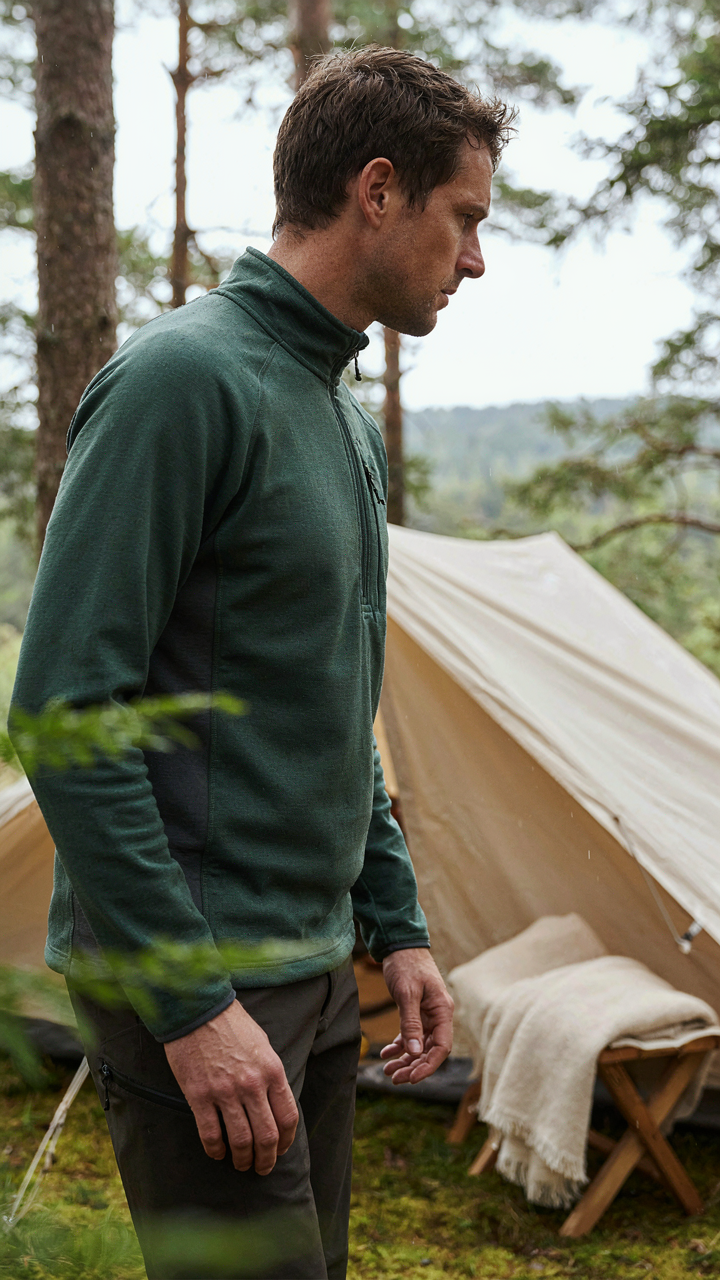
You’re really asking this question because you want permission to choose comfort without feeling like you’ve quit. Here’s what actually happens: camping operates on a feedback loop borrowed from systems design called negative feedback, where friction forces you to adapt. You set up a tent wrong, rain teaches you instantly. You forget to hang food, bears teach you. The discomfort isn’t accidental—it’s the mechanism.
Camping demands continuous low level decision making. Water runs low, so you find more. Fire dies, so you rebuild it. Shelter leaks, so you patch it. Each problem solved builds pattern recognition your brain didn’t have before. This isn’t motivational talk. This is how humans learn under pressure. Remove the pressure and the learning stops.
When You Pay To Skip Friction
Glamping inverts the equation. You exchange money for the removal of problems. The bed is made. The bathroom exists. The temperature is controlled. This doesn’t mean nothing happens—it means what happens is entertainment rather than survival. You hike because you want to, not because you need water.
The mechanism here is economic substitution. You’re trading capital (money) for time and mental energy. If you have limited vacation days, you optimize for relaxation, not skill building. If you have money but limited time, glamping extracts more subjective value per hour because you’re not solving for basic needs. Choose glamping when your real constraint is time or energy, not money.
Luxury Glamping: Status Signaling In The Wild
Who You’re Really Trying To Impress
You care about this section because you’re wondering if glamping proves something about you that camping doesn’t. That’s the real question buried under talk of thread count and fire pits. Status operates through scarcity and visibility, and glamping manufacturers engineered both. Glamping works as a signal because it costs more money and requires documentation. You post the bell tent. You tag the location. The mechanism is simple: exclusivity through price creates perceived value, and perception is the only currency that matters in social comparison.
Glamping emerged as a category around the mid-2000s when hoteliers realized they could charge resort prices for outdoor accommodation by swapping canvas for convenience. The formula strips camping of its primary function—self-sufficiency—and rebrands limitation as luxury. A traditional campsite requires you to manage shelter, fire, and comfort yourself. Glamping removes that friction entirely, which means the experience becomes consumable rather than earned. This matters because earned experiences have different social weight than purchased ones, even if both involve sleeping under stars.
The Aesthetic As The Product
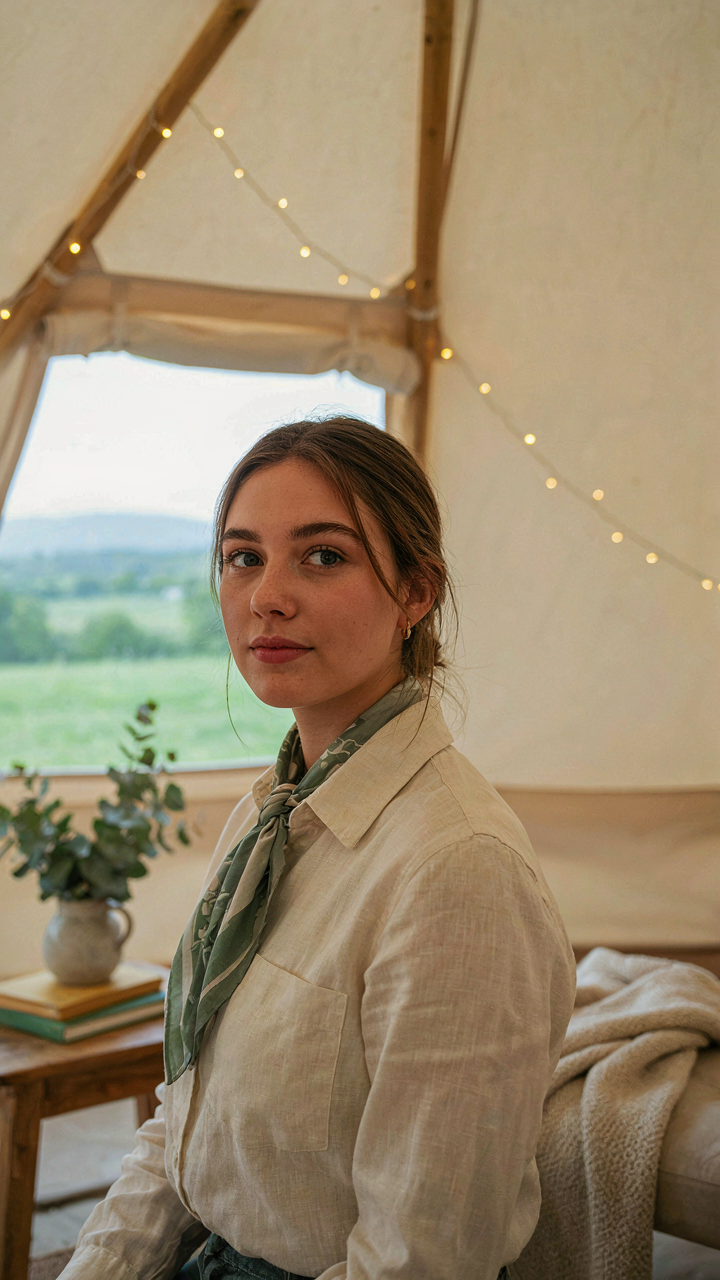
Nobody admits this, but you’re not paying for the tent. You’re paying for the photograph that proves you vacation differently than ordinary people. Industrial design and lifestyle marketing have made the visual distinction between glamping and camping absolute. A canvas bell tent with Edison bulbs and a stone fire pit reads as intentional curation. A nylon tent with a camping stove reads as roughing it. The gap is entirely manufactured through design choices, not material reality.
The aesthetics of glamping borrow from mid-century modernism and artisanal craft movements, which signal taste and cultural capital. Reclaimed wood, vintage textiles, and carefully sourced furnishings transform a temporary shelter into an Instagram-viable environment. This design language matters because it connects your stay to broader cultural movements that feel elevated and considered. When you book a glamping experience, you’re not just booking accommodation. You’re purchasing alignment with a specific visual identity that communicates something about your values and access to quality. The mechanism is direct: book the experience, create the content, broadcast the signal, amplify your perceived status.
Tents Camping Glamping: The Gear To Experience Ratio
What You Actually Need For Tent Camping
You’re worried you’ll look unprepared or waste money on gear you won’t use. That fear drives most buying decisions here. The mechanism is simple: tent camping requires you to solve basic problems yourself, and each problem demands specific equipment. There is no staff. There is no backup system. You bring the solution or you suffer the consequence.
- Tent: A weatherproof shelter rated for your climate and season. Three-season tents handle spring through fall. Four-season tents add reinforced poles and steep angles to shed snow and wind.
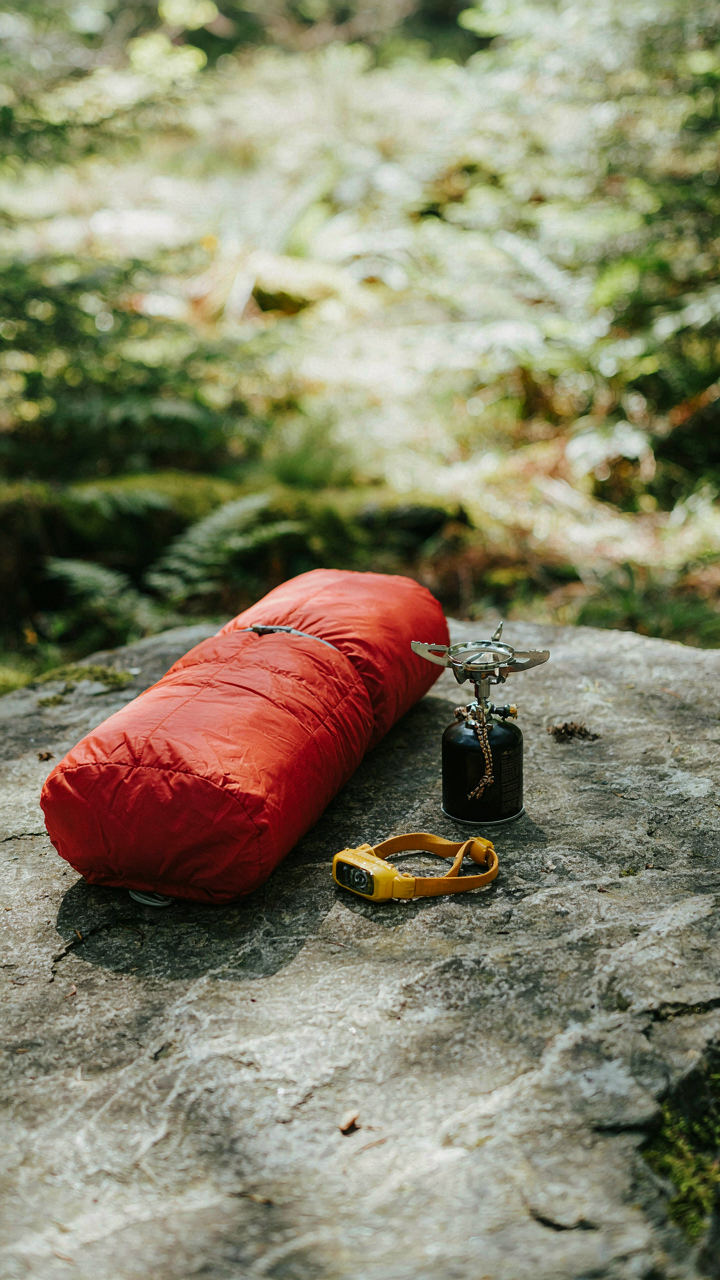
- Sleeping system: Sleeping bag rated 10-15 degrees below your lowest expected temperature, plus an insulated pad underneath to prevent ground heat loss. The pad matters as much as the bag.
- Cooking setup: Portable stove, fuel canister, cookware, utensils, and water storage. Camp stoves run on propane or liquid fuel depending on temperature and altitude performance needs.
- Navigation and safety: Headlamp or flashlight with extra batteries, first aid kit, map, compass or GPS device. Darkness comes fast in remote terrain.
- Clothing layers: Base layer, insulation layer, wind-resistant shell. Cotton fails in wet conditions. Synthetics and merino wool manage moisture and temperature swings.
The gear list scales with trip length and distance from civilization. A weekend car camp near a trailhead demands less than a backcountry expedition. The core principle stays constant: you own the responsibility for every system that keeps you safe and fed.
Glamping Structures Break The Gear Problem Entirely
Glamping inverts the equation. Instead of solving shelter as a gear problem, you rent a pre-built structure that solves it for you. A yurt is a circular lattice frame covered in canvas and insulation, originating from Central Asian nomads but modernized with weather sealing and ventilation. Safari tents use canvas stretched over metal frames with rigid floors and integrated bed platforms. Geodesic domes employ triangulated geometry to distribute wind and snow load efficiently, creating headroom and structural stability impossible in traditional tents.
The structure choice determines your baseline comfort and cost. Yurts run 1,500 to 3,500 dollars per night because they’re permanent or semi-permanent installations that justify infrastructure investment. Safari tents cost 300 to 1,200 dollars per night and break down seasonally. Domes sit between them, offering modern aesthetics and insulation without permanent foundations. You pay for the structure’s durability and the site owner’s responsibility to maintain it. Gear becomes optional rather than mandatory. You show up with clothes and toiletries. Everything else exists already.
Glamping Site Selection: Beyond “Pretty Pictures”

What Actually Matters When Choosing
You want the location that makes you look good on Instagram. That’s the real reason you’re reading this. But here’s the mechanism everyone skips: glamping site quality functions like real estate valuation in economics. Location determines your actual experience and resale value of the memory. You’re not just picking a place to sleep. You’re selecting the variables that either enhance or destroy your trip before you arrive.
The common advice says “pick somewhere scenic.” That’s incomplete. What matters is distance from your actual life, infrastructure reliability, and whether the property operator maintains their equipment. A stunning view two hours from your home beats a spectacular view six hours away if you’re actually going to use it. Check the operator’s response time on their booking platform. Call them directly. Ask about their backup generator, water system, and what happens when it rains hard. These aren’t romantic questions, but they determine whether you spend your weekend fixing problems or relaxing.
The Isolation Versus Convenience Trade
Glamping sites sit on a spectrum between total solitude and operational convenience. You cannot have maximum isolation and maximum comfort simultaneously. Pick one. If you want zero crowds and genuine wilderness, you accept that the nearest mechanic is ninety minutes away and power outages last longer. If you want hot water instantly and cell service, you’re near civilization, which means other people and ambient noise. Most glamping fails because people chase the fantasy of both, then resent the reality they booked.
Evaluate amenities against your actual tolerance for friction. Heated beds, hot showers, and WiFi sound trivial until you’re cold and the site’s generator failed. Ask the operator for their uptime percentage on power and water over the last year. Request photos of the glamping structure in bad weather, not just sunshine. The site that brags about “rustic authenticity” while lacking backup systems is selling you an experience they wouldn’t endure themselves.
Glamping Ideas: Crafting Your Desired Reality

Build Your Aesthetic Around Function
You want this to feel special because ordinary feels like failure. Here’s what actually matters: glamping themes work when they solve a real constraint first, then layer aesthetic on top. Think of it like architecture’s form-follows-function principle—except reversed for experience design. Your theme isn’t decoration. It’s the structure that justifies why you paid three times the camping price.
Start by naming what you’re actually escaping from. Remote cabin? You’re buying silence and separation. Safari tent? You want controlled immersion in landscape without the actual survival risk. Luxury RV? You’re purchasing mobility without sacrifice. Your theme must reinforce that core job, not fight it. A tiki-bar aesthetic in a mountain retreat reads as confused. A minimalist Nordic design in a beachfront dome makes sense because it frames ocean views rather than competing with them.
Local Experience Over Imported Comfort
Generic luxury kills glamping faster than any mistake. A high-thread-count bed in a generic pod site thirty miles from anything interesting is just expensive sleeping. The mechanism that separates profitable glamping from failed ventures is whether guests can access what makes that location worth traveling to without leaving the property.
Partner with local guides, food vendors, or craftspeople who work within ten miles. This does two things simultaneously: it gives guests authentic access they couldn’t buy elsewhere, and it cuts your operational costs because you’re not importing everything. A glamping site in wine country that runs its own sommelier program or partners with a local winery for evening tastings converts one-night stays into repeat bookings. The formula is simple: location minus local integration equals tourist trap. Location plus embedded local culture equals a reason to return.
The “True Wilderness” Fallacy: Glamping Meaning Redefined

Authenticity Isn’t A Prerequisite
You care about this because you’re afraid camping “doesn’t count” if you’re not suffering enough. Here’s the mechanism: authenticity is a status signal we’ve been sold, not a requirement for genuine experience. The outdoor industry built a hierarchy where discomfort equals legitimacy. Camping in a tent became the “real” version while glamping became the “fake” version. This ranking exists only because marketers needed a way to segment buyers. Neither mode is more authentic than the other. Authenticity comes from intentional presence, not from how many insects bit you.
The “true wilderness” fallacy assumes that roughing it proves you’re serious about nature. It doesn’t. A person in a glamping tent paying full attention to the ecosystem around them has a more genuine experience than someone in a traditional tent resenting every mosquito. Comfort is not the enemy of awareness. Remove the shame attached to either choice and you see them as tools for different goals, not moral positions. What matters is whether you actually show up mentally.
When Connection Replaces Comfort Requirements
Redefine what “connection with nature” means for your life right now. Most people don’t need to prove devotion through deprivation. You connect with nature through observation, movement, and time spent in it. Glamping removes the friction that stops people from going outside at all. A parent with chronic pain who glamped three times a year spent more time in nature than a weekend warrior who camped twice while angry about the cold.
The mechanism is simple: remove barriers, increase frequency. Frequency builds actual connection faster than intensity ever does. Someone sleeping in a heated safari tent and waking to watch birds for two hours daily develops deeper ecological awareness than someone white-knuckling through a tent camping trip to prove something. Connection isn’t about how hard you make it. It’s about showing up repeatedly and paying attention. Choose whichever option you’ll actually use.
The Unspoken Cost: Why Your Choice Matters
Expectation Sets The Price Tag
You’re worried you’ll waste money on the wrong option and look foolish in front of whoever you’re going with. That’s the real calculation happening. Economics calls this “willingness to pay,” and it’s shaped entirely by what you expect to get back. Glamping and camping aren’t priced by their actual material costs. They’re priced by the gap between what you think will happen and what actually does.
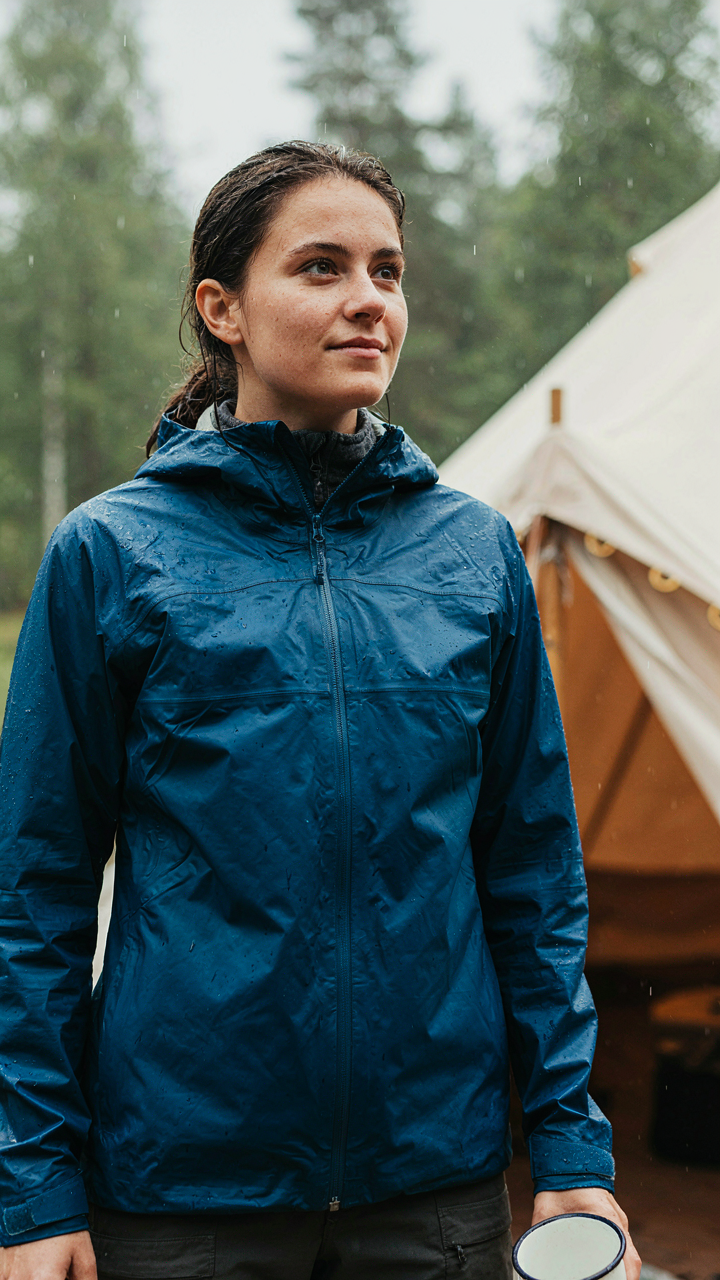
Most people get this backward. They assume the higher price of glamping means it delivers more value. It doesn’t. It means your expectations are higher, so the bar for satisfaction moves up with it. You pay 300 dollars for a canvas tent with a bed and suddenly notice the heating doesn’t reach the corners. You pay 40 dollars for a basic campsite and sleep on an air mattress, perfectly content because you expected discomfort. The experience is nearly identical. Your wallet and your mind are not.
Comfort Erodes The Skill You Actually Need
Challenge builds competence. Comfort builds dependency. This isn’t philosophy, it’s how adaptation works. When you camp in rough conditions, you learn to read weather, manage resources, problem-solve in real time, and tolerate discomfort without spiraling. These skills transfer. When you glamping, you’re paying to remove the conditions that would force you to develop them.
The long-term satisfaction question isn’t about happiness in the moment. It’s about whether you’ll want to return and whether you’ll feel capable doing it again. Someone who’s camped in rain, cooked over a fire, and slept in a tent develops a specific kind of confidence. Someone who’s glamped wakes up refreshed but hasn’t earned anything. Pick the one you’ll actually do repeatedly, because consistency compounds everything else. The choice determines whether you build resilience or just take trips.
The Real Obstacle Isn’t The Wilderness; It’s Your Unexamined Expectation Of Comfort And Control
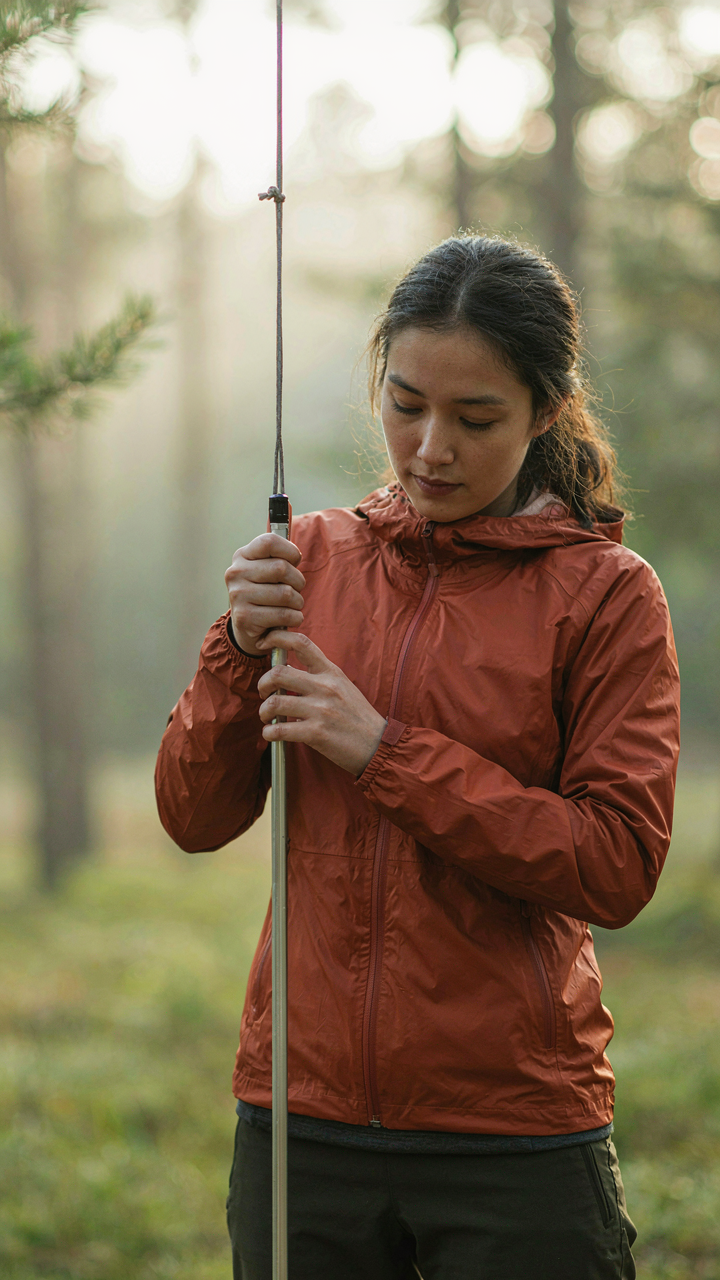
Stop picking between glamping and camping. Pick between growth and comfort. Glamping lets you avoid the friction that teaches you something about yourself. Camping forces you to negotiate with discomfort and often win. The gap between them isn’t about tents or electricity. It’s about whether you’re willing to be bored, cold, or inconvenienced long enough to remember you’re capable. Book a basic camping trip this weekend. Just you, a tent, no wifi. You’ll know which path is actually yours.