
Introduction
Glamping, a blend of glamorous and camping, has surged in popularity as a way to enjoy nature without giving up comfort. Glamping resorts offer unique accommodations like cabins, tents, and treehouses, often with modern amenities. This article breaks down the costs associated with glamping resorts and highlights the health benefits you gain from choosing this vacation style.
By understanding what you pay for when booking at a glamping resort and learning how such stays can impact your well-being, you can make an informed choice for your next holiday. Let’s look at how these costs stack up and what health perks come with glamping.
Glamping Resort Experience Explained

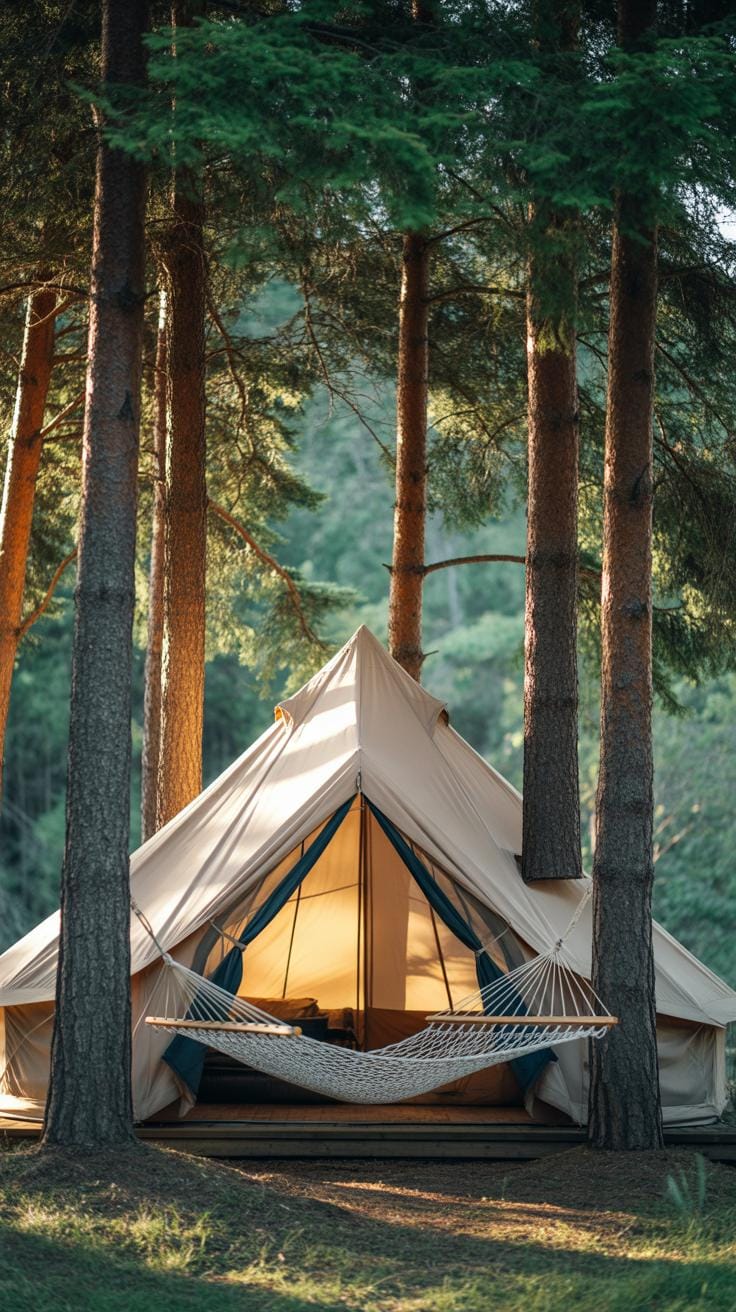
When you think of a glamping resort, think somewhere between camping and a boutique hotel. It’s not quite back-to-basics wilderness, but also not your typical resort experience. You get to enjoy nature without sacrificing comfort—or sometimes, it’s comfort on a whole new level. These resorts usually offer a range of accommodations set up to blend with the environment but also provide a real sense of privacy and calm.

Unlike traditional camping, you won’t be wrestling with tents or worrying about rain soaking your sleeping bag. Glamping resorts focus on making nature easy and relaxing to enjoy, rather than throwing you into it fully unprepared. The vibes are often more curated, quieter, and slower-paced than busy hotels or vacation spots. It’s not about crowds or hustle. Really, it’s about letting you soak in the outdoors while still having a few modern perks at hand.
Types of Accommodations Found
The range of places to stay is pretty wide—and sometimes surprising. You might find:
- Tents: But not the flimsy kind. These tents are often canvas, stretched over wood or metal frames, sometimes with real beds, rugs, even heating or air conditioning. They feel like little cabins, but without walls.
- Cabins: Small, often wooden houses equipped with electricity, windows, and proper doors. More solid and permanent than tents; they offer better weather protection and often a small porch.
- Yurts: Circular, tent-like structures with wooden frames and fabric covering. Yurts can have skylights or rustic furniture inside, giving a cozy but open feel. They tend to feel very different from square cabins—sometimes more social or intimate.
- Treehouses: Elevated structures built on or around trees. They add a bit of adventure yet still include comforts like electricity and bathrooms. These can be surprisingly spacious and sometimes feel like a private hideout.
Each type gives a distinct vibe. Some offer more closeness to nature, others lean on convenience. What you choose might depend on what kind of experience you want, or maybe just your mood that day.
Services and Amenities Offered
You might expect glamping to mean roughing it, but these resorts tend to blur that line. Most provide:
- Wi-Fi, so you can stay connected if needed—though some prefer to switch off entirely.
- Private bathrooms, sometimes with hot showers, which is a big deal when you’re used to public campsites.
- Heating or cooling systems, making the stay comfortable in cold or hot weather.
- Catering or meal services onsite, which might be a simple breakfast delivery or a full restaurant experience.
- Outdoor fire pits, guided nature walks, or spa treatments, depending on the resort focus.
These add-ons create a balance. You get the feel of nature, but with enough convenience to not constantly think about logistics or discomfort. For many, that’s the key appeal—getting a taste of the outdoors without the usual hassles, which might explain why glamping has steadily grown in popularity.
Breaking Down Glamping Resort Costs
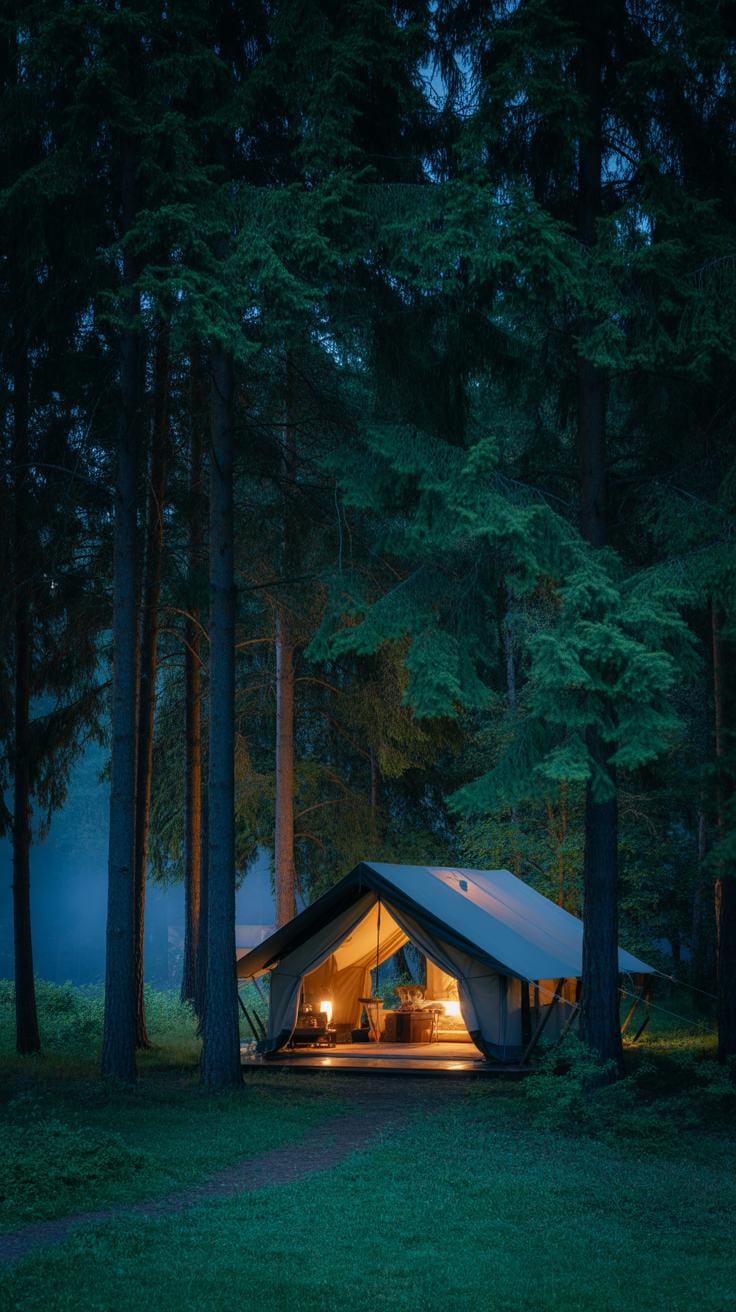
When you think about staying at a glamping resort, the prices can vary quite a bit based on what you choose. The base rates alone differ depending on the type of accommodation. For example, a basic safari tent might start around $100 to $150 per night. But if you want something more elaborate, like a yurt with heating and private baths, expect to pay somewhere between $200 and $350 a night—or more if it offers extra perks like a hot tub.
Seasonality plays a big role, too. Peak travel times, such as summer or holiday weekends, can push prices up by 20 to 40 percent compared to off-season rates. Some resorts even have a minimum stay during those times, which might affect your budget if you’re only planning a short break.
Then come the additional fees. Clean-up charges often range from $30 to $70, and many places add local taxes that add around 10 to 15 percent to your total. Some resorts include basic activities like hiking or bike rentals. But if you want extras—guided tours, fishing trips, or spa treatments—those almost always cost extra. It’s worth asking beforehand what’s included so you know what might surprise your wallet.
So, when planning, factor in these extras. The base price gives you a starting point, but the final cost can climb unexpectedly if you don’t watch the other fees. Sometimes, staying a bit longer or booking early can help bring those costs down. Does the glamping experience really feel worth it to you once you add it all up? That’s where personal priorities enter the picture.
Comparing Glamping to Traditional Camping Costs
Traditional camping has a straightforward cost structure, but there are more factors than just the campsite fees. For starters, you’ll probably spend money on gear—tents, sleeping bags, camping stoves, and other essentials. These costs can add up quickly, even before you hit the trail. Plus, think about food: groceries for cooking, maybe charcoal or propane, and all the accessories that go with preparing meals outdoors. It’s easy to overlook how these things stack up.
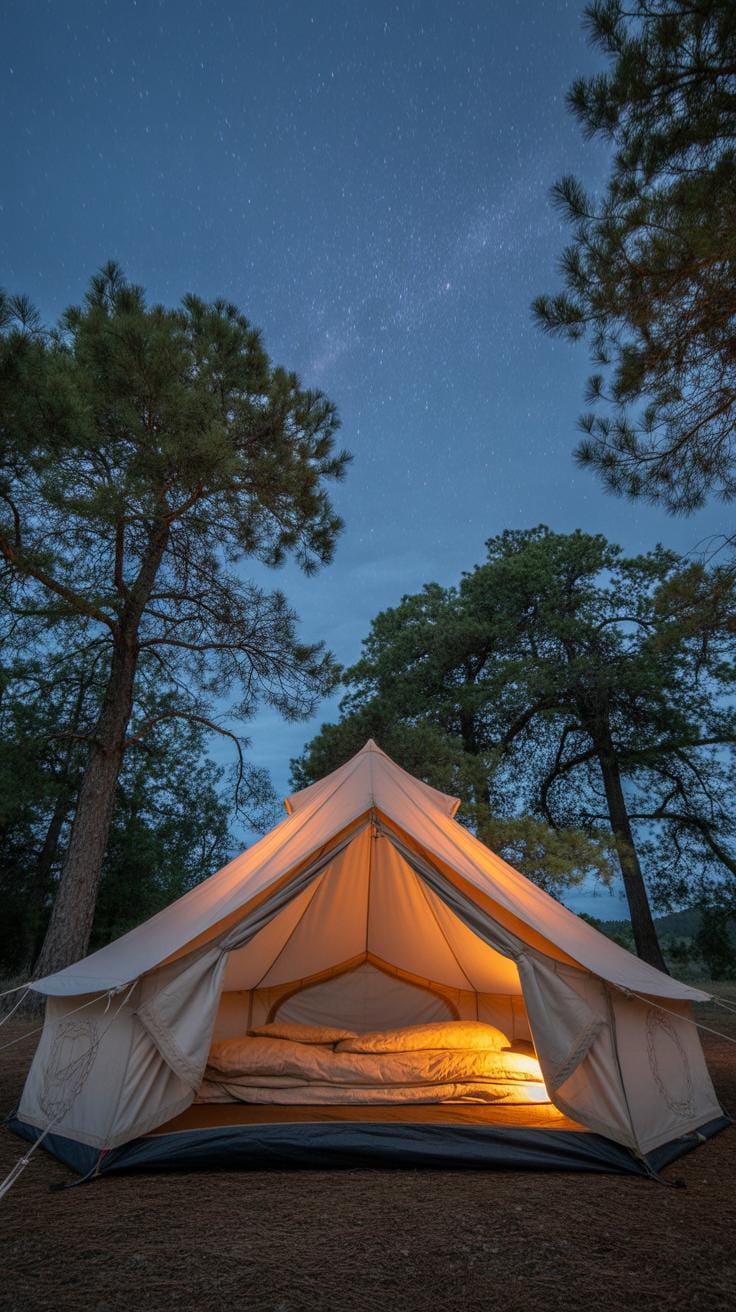
On the other hand, glamping resorts often look pricey upfront. You’re paying for a ready-made setup—sometimes a stylish tent with real beds, electricity, even private bathrooms. That comfort level might feel like a luxury compared to roughing it, but there’s value there too. You don’t need to buy or pack all that equipment, and meals or amenities can be part of the package.
So when does glamping make more sense? If you want to avoid the hassle of hauling gear or spending hours on setup and cleanup, glamping saves time and effort. It also offers comfort that can be worth the extra cost, especially for short trips or if you’re new to camping. But if you’re a seasoned camper with your own equipment and don’t mind rough conditions, sticking to traditional camping can be easier on the wallet.
It’s a bit of a trade-off: cost versus convenience and comfort. What feels worth it really depends on your priorities—are you after an experience close to nature, or a more relaxed version of it? Both have their place.
Health Benefits Linked to Glamping Resorts
Stress Reduction and Mental Health Gains
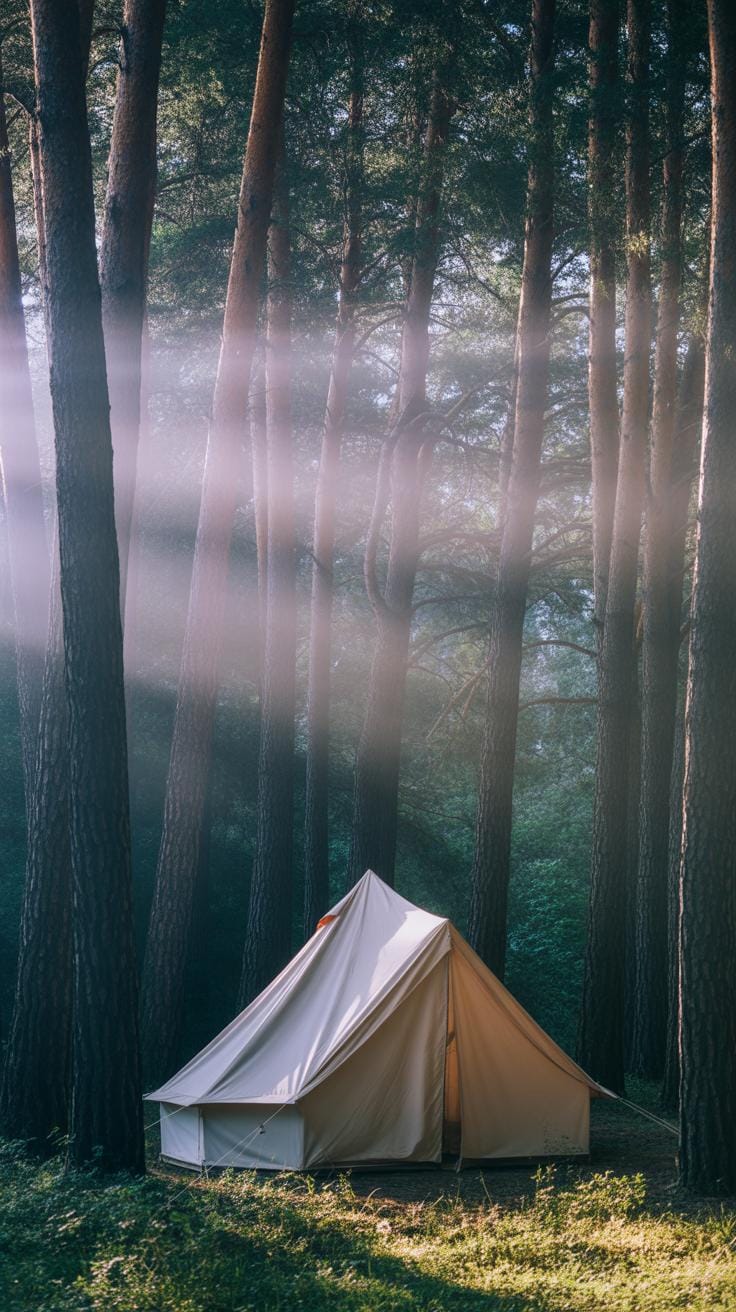
Spending time at a glamping resort often means stepping away from noise and constant distractions. Being surrounded by nature—trees, fresh air, gentle light—can ease tension in ways urban settings rarely manage. You might find your mind slowing down, even if just a little, allowing stress to slip through the cracks. It’s not just about peace; many guests report feeling a clearer, brighter mood after a couple of days.
Comfort plays a role, too. The cozy accommodations make it easier to relax and recharge without the usual hassles of camping. That blend of nature’s calm and modern comfort seems to create a welcome mental reset. Though it might not solve all your worries, there’s a real chance to walk away feeling lighter, both emotionally and mentally.
Physical Activity Encouraged by Outdoor Setting
Glamping spots typically offer a range of outdoor activities that encourage movement without it feeling like a workout. Think hiking on nearby trails, canoeing on a lake, or even gentle yoga outside. These activities don’t just fill your time — they help keep muscles active, improve circulation, and boost energy levels.
Many guests find that the natural setting nudges them to be more active than usual. The environment invites exploration, and you might find yourself walking more or trying something new just because it’s there. It’s not about intense fitness goals but about moving in ways that feel enjoyable and natural. Plus, fresh air tends to make any activity feel a bit easier, even if you’re tired at first.
Planning Your Glamping Stay Cost Checklist
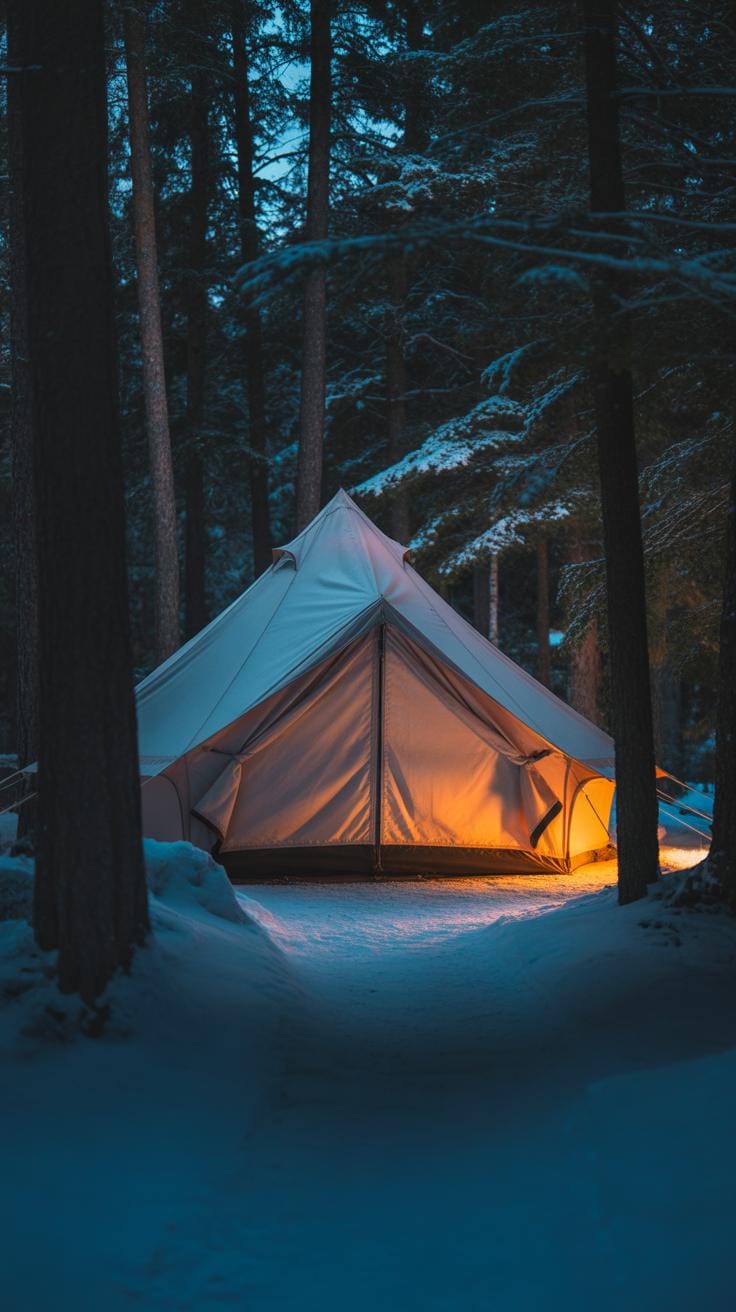
When you’re getting ready for a glamping trip, there’s more than just the cost of the tent or cabin itself. It’s easy to overlook extra expenses, but they add up. To avoid surprises, jot down a checklist including accommodation, travel, food, and activities. This will keep you grounded and probably save some headaches later.
First, accommodation is the biggest chunk. Prices vary widely depending on location, season, and type of glamping—think safari tents, treehouses, yurts, or airstream trailers. Then, travel costs matter. Will you drive, fly, or maybe rent a car once there? Fuel, airport transfers, parking—these can pile up.
Food might seem straightforward, but on-site meals at glamping resorts tend to come at a premium. Bringing your own groceries or using communal kitchens, when available, can make a difference. Lastly, activities such as guided hikes, canoe rentals, or wellness sessions often cost extra. You don’t want to miss out but planning ahead helps control your budget.
Essential Costs to Include
Here are key expenses you should anticipate before you leave home:
- Accommodation fees: nightly rates, cleaning charges, and any local taxes or resort fees
- Transportation: gas, flights, shuttle services, or car rentals
- Food and drink: groceries, dining out, snacks, and drinks
- Activities and equipment: tours, adventure gear rentals, spa treatments or entertainment
- Extras: tips, souvenirs, or unexpected purchases like firewood or toiletries
Sometimes people forget small things like parking fees or Wi-Fi charges. These can sneak up and feel annoying when you’re already trying to unwind.
Tips to Manage and Lower Costs
Reducing your glamping budget doesn’t require skimping on fun or comfort. Here are some practical ideas worth trying:
- Book early or last minute: Both strategies can score better rates, depending on the resort’s policy.
- Travel during off-peak times: Weekdays or shoulder seasons usually cost less and feel less crowded.
- Prepare your own meals: Pack lightweight, easy-to-cook supplies or forage local markets for fresh produce.
- Share costs: Traveling with friends or family means splitting expenses on accommodation and travel.
- Choose free or low-cost activities: Nature walks, beach days, or star gazing don’t require prepaid tickets.
- Bring your own gear: If possible, carrying your own sleeping bags or outdoor chairs prevents rental fees.
Still, sometimes a little extra spend on a special experience makes the trip memorable. Balancing what you can do without and what’s worth it is part of the fun. After all, isn’t that the tricky part about budgeting for a getaway like this?
Booking Strategies for Affordable Glamping
Finding a good deal on a glamping resort isn’t always straightforward. Prices can swing quite a bit depending on when and where you book. One approach that often works is to plan your trip during the shoulder seasons—think late spring or early fall—when crowds thin out and rates drop. Weekdays can also be cheaper than weekends, though some places may only accept weekend bookings, so it pays to check the fine print.
When it comes to platforms, don’t just stick to the big names like Airbnb or Booking.com. Niche sites dedicated to glamping, such as GlampingHub or Tentrr, often offer unique options with exclusive discounts. Sometimes, though, booking directly through the resort’s own website can snag you better rates or perks like free upgrades or on-site credits. I once found a tent cabin for 20% less simply by calling the resort after spotting their listing online.
There are also tools designed to alert you to price drops or promotions. Apps like Hopper or Skyscanner’s hotel search can be handy, even for glamping. Signing up for newsletters from your favorite resorts or glamping platforms is another way to catch flash sales or last-minute deals. Sometimes, you might hesitate at the price, but waiting a week or two can bring surprises.
In short:
- Try booking in shoulder seasons or midweek for lower rates.
- Explore specialized glamping websites besides the usual travel platforms.
- Calling resorts directly can unlock unadvertised discounts or upgrades.
- Use apps and newsletters to catch special offers or price shifts.
Have you ever booked something last minute and realized a few days after that you snagged an unexpected bargain? It happens with glamping, too. Timing and persistence might be your best bets for affordable luxury among the trees.
Examples of Popular Glamping Resorts
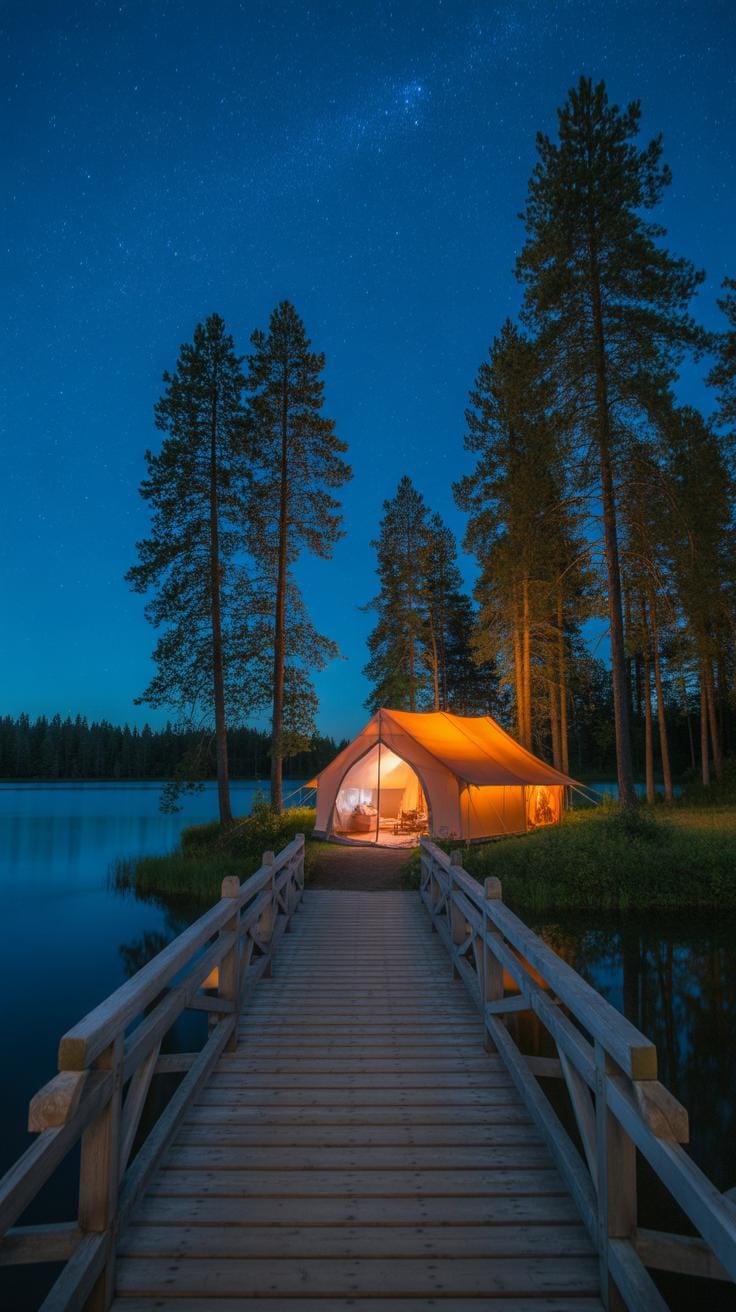
Glamping resorts vary quite a bit depending on location and target experience. For example, India’s & Beyond Benguerra Island offers beachfront safari tents with ocean views, a bit on the pricier side—around $600 to $900 per night—but it mixes wildlife with comfort in a way that really stands out.
Then there’s Longitude 131° in Australia, right near Uluru. It’s known for luxury tents with floor-to-ceiling windows looking over the rock formation. Rates hover near $1,200 a night, which might be steep, but you get an unbeatable combination of natural wonder and high-end touch.
Closer to Europe, The Resort at Glamping Hub in Portugal offers varied stays — wooden pods, yurts, and bubble tents. The prices are friendlier, usually between $100 and $250 per night, which might make it a good test run if you’re unsure about glamping, or if you want a casual but still unique outdoor night.
Notable International Glamping Destinations
Internationally, places like Morocco’s Scarabeo Camp offer an immersive desert glamping experience, with tents adorned in traditional textiles and all essentials covered. Nightly costs tend to fall within the $200 to $400 range. It’s not just about the tent here; it’s a chance to disconnect entirely.
In New Zealand, the Hapuku Lodge + Tree Houses near Kaikoura blends luxury with nature, allowing you to sleep in treetop capsules. Prices run from $300 to $700 per night, depending on the season. It feels more like a boutique hotel than camping, which some people might find a little paradoxical.
Top Glamping Choices in the United States
The US has a lot of variety. For moderate prices—say $150 to $350 a night—places like Autocamp in California offer Airstream trailers and tents close to Yosemite and other parks. They balance rustic with modern comfort well, though it’s far from the raw outdoors for those expecting true camping vibes.
On the luxury side, The Resort at Paws Up in Montana charges upwards of $700 a night but includes a range of outdoor and spa activities within its sprawling ranch setting, which might be overkill if you’re just after a quiet, simple escape.
Closer to the East Coast, Collective Retreats in Vermont runs tents with real beds and wood-burning stoves, generally $300 to $450 per night, focusing on forest immersion and local activities. This might appeal more if you value a mix of comfort and authenticity, although the costs can creep up quietly.
What to Expect Healthwise During Your Stay
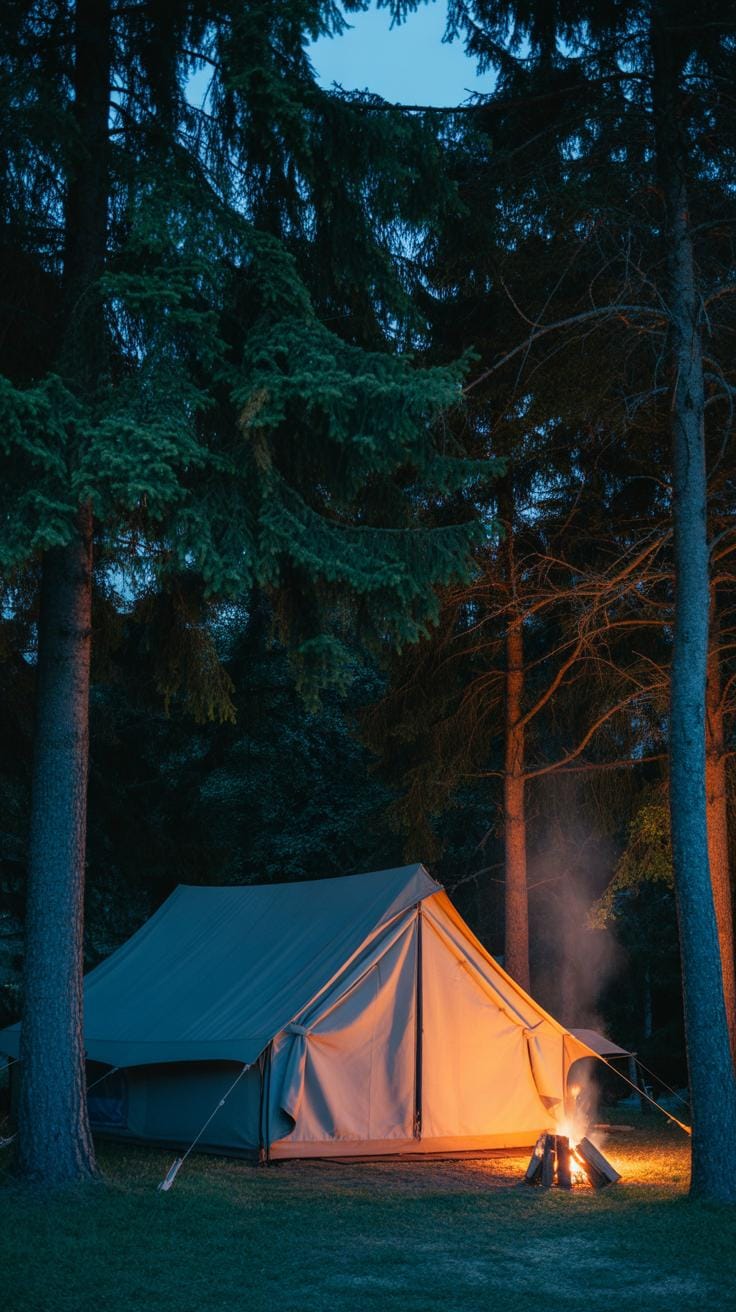
Many guests come away from glamping with a surprising sense of calm and, often, a marked improvement in how they feel physically and mentally. The change might seem subtle at first, but it tends to linger. People frequently mention feeling more relaxed—sometimes even deeply so—and it’s not just about escaping busy city life.
Sleep quality is a big part of this. Without the usual blare of alarms or artificial light, you might find yourself falling asleep faster and waking up less groggy. The gentle rhythm of nature, with its familiar sounds and scents, seems to reset your internal clock in a way that hotels rarely do. You might feel your body syncing with the outdoors, leading to more restful nights.
That connection with nature can boost mood without you really noticing until after the fact. It’s like a subtle shift happens, where stress melts a bit, and a sense of peace takes over. Some guests even talk about feeling more energized during the day, despite not doing anything strenuous. It’s as if just being outside, surrounded by greenery, promotes a quiet, steady improvement in well-being.
Making the Most of Your Glamping Experience
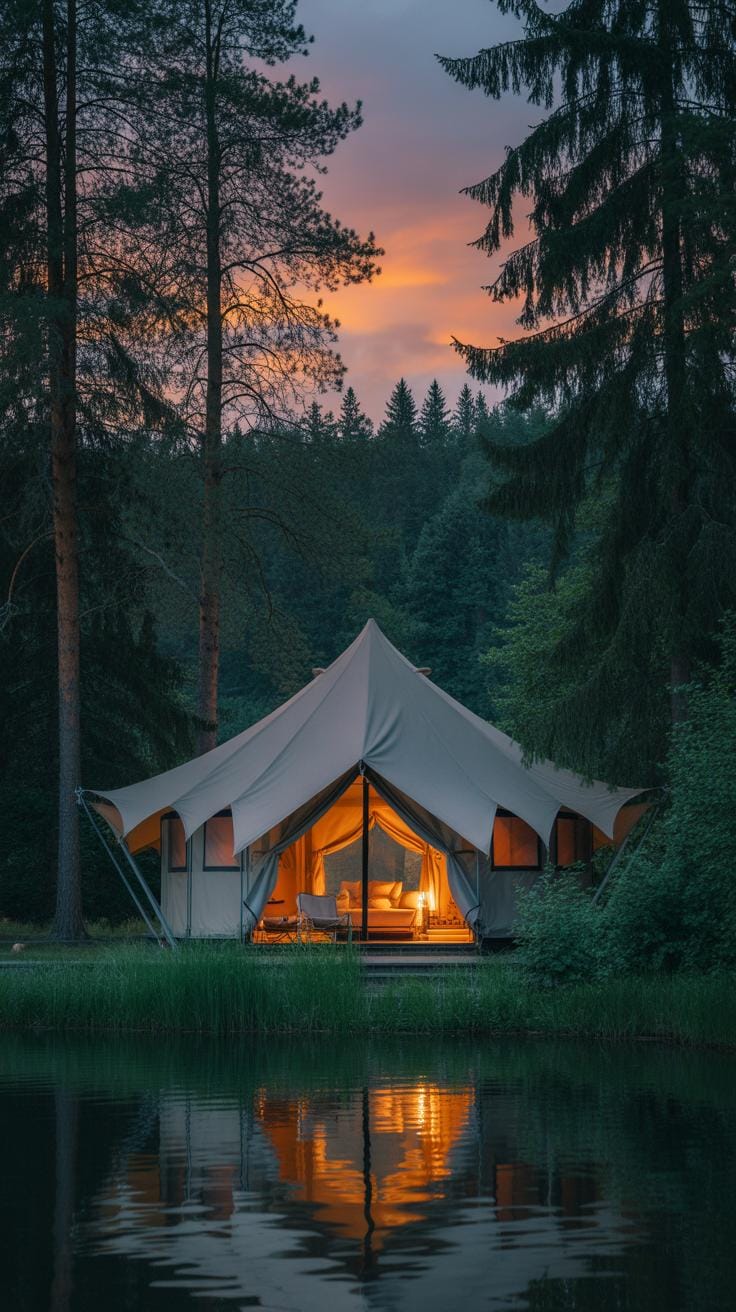
When you’re at a glamping resort, it’s easy to get caught up in the comforts—the plush beds, gourmet meals, and stylish tents. But I think the real value lies in balancing that luxury with activities that actually support your wellbeing. You might want to think about how each day is planned so you don’t just end up lounging the whole time without moving much. That can feel nice, sure, but maybe not so great for your energy or mood.
Here are some ideas you could consider:
- Wake up early for a brisk hike nearby—fresh air and a little sweat do wonders.
- Try a morning yoga session, perhaps guided by an instructor or a simple app, to stretch out from sleeping stiff.
- Find a quiet spot to practice meditation or mindful breathing; resorts often have peaceful corners ideal for this.
On the other hand, don’t feel guilty about indulging in comfort. The coziness of your glamping setup is part of what makes this different from camping or a regular hotel. Just try to stay connected with the outdoors by opening windows, sitting by a campfire, or even sleeping under the stars if possible. These small things can keep your body tuned into nature’s rhythms.
You might notice that mixing light physical activities with moments of relaxation pushes your experience beyond mere luxury. Sometimes, the contrast between exertion and rest is what your body really needs to reset. So, why not keep an eye on how you feel daily and adjust your pace accordingly? That way, you get both health perks and the ease that glamping promises.
Conclusions
Glamping resorts offer a distinct travel option blending nature and comfort. Their costs can vary depending on location, accommodation type, and amenities included. Knowing typical price ranges helps you find the best value suited to your budget.
Health-wise, glamping can reduce stress, promote better sleep, and encourage outdoor activity, all contributing to physical and mental wellness. When you combine these benefits with the convenience of glamping resorts, it becomes clear why this trend appeals to many seeking a balanced getaway.