
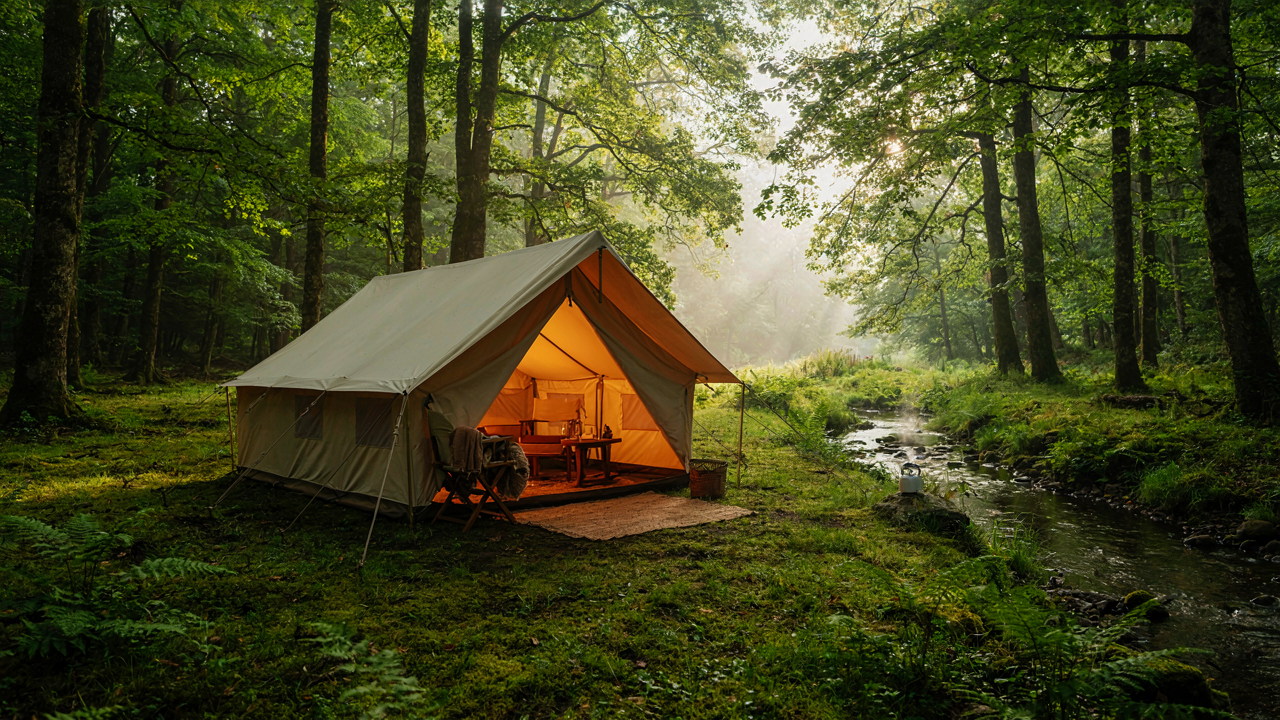
The Glamping Illusion: Why Roughing It Fails Couples

Escapism Is Not Connection
You’re hoping that removing yourself from your normal life will automatically fix what’s broken between you. It won’t. Escapism and intentional connection operate on opposite vectors. Escapism is passive. You show up, the environment does the work, and you feel temporarily better because you’re not home. Connection requires active decision-making about what you actually want to talk about, solve, or build together.
Most couples book glamping trips as a reset button when they really need a rebuild protocol. The canvas tent or luxury yurt creates novelty, which masks problems for 48 to 72 hours. Once the novelty wears off around day two, you’re sitting across from the same person with the same unresolved dynamics, just with better views. The location changes nothing about your communication patterns.
The Passive Unplugging Trap
The myth goes like this: disconnect from devices and connection happens naturally. Wrong. Unplugging is a precondition, not a cause. Psychology calls this the difference between removing a barrier and building a bridge. Removing your phone from the table removes noise. It does not generate conversation. Couples mistake silence for intimacy all the time.
What actually matters is what replaces the device time. Glamping removes the distraction, but it doesn’t install the habit of vulnerable conversation or collaborative problem-solving. You need a specific protocol before arrival: what topics get discussed, in what order, and what you’re both trying to decide or understand. Without this, you’re just two people in a nice space hoping awkwardness dissolves on its own.
Beyond Instagram: What Defines True Luxury Glamping

Experiences Over Amenities
You’re worried that a basic bed and running water won’t feel special enough to justify the price. Here’s what actually drives the difference: the property owner built the experience around a specific sensation or moment, not around collecting features. Think of it like signal-to-noise ratio in audio engineering. A luxury glamping site cuts out everything that doesn’t serve one central feeling, while mid-tier glamping throws in hot tubs, heated floors, and mood lighting hoping something sticks.
The gap isn’t thread count or whether the shower has rainfall features. It’s whether every element on the property points toward one coherent experience. A couples’ glamping site that wins does this ruthlessly: the deck faces the canyon at sunset, the sound system plays only in one room to force you outside, the kitchen has no television, the path to the fire pit requires you to walk through the property and notice the stars. Amenities distract. Experience design compels attention.
The Subtle Art Of Curated Environments
Curation means removal, not addition. Most glamping operators miss this entirely because they default to hospitality thinking, which says more choice equals more luxury. That’s backwards. A curated environment for couples makes decisions for you so you stop making decisions. The bed faces one direction. You have three dinner options, not twelve. The lighting changes based on time of day without your input.
This comes from the Japanese design principle of ma, or negative space, though glamping operators rarely articulate it that way. The power lies in what you don’t have to think about. Book a property where the owner has already decided where you eat breakfast, which terrace you use at which hour, what view you wake up to, and what activities are available on your specific arrival date. That constraint is the luxury. Ask what the property owner chose not to include, then book accordingly.
The Digital Detox Protocol For Couples

Disarming Before You Arrive
You want to believe you’ll just naturally put your phone down once you’re in nature. That’s the lie you tell yourself to avoid the friction of actually deciding now. The mechanism is simple: intention without a system fails every time. Pre-arrival disarmament means setting concrete boundaries before you leave your driveway, not hoping willpower shows up when you’re tired.
Send your phone into airplane mode the moment you check in. Leave your laptop in the car. Tell work and family one specific timeframe when you’re unreachable. The friction of retrieving your devices later becomes the enforcement mechanism. Most couples don’t do this because it feels extreme, but that feeling is exactly why it works.
What Gets Built Instead
Glamping properties that block signal intentionally are borrowing from architecture’s principle of constraint: removing options forces better behavior. You can’t scroll what you can’t access. Eliminate the choice and the willpower requirement drops to zero.
- Shared journaling at sunset: Write three observations about the day together, then read them aloud. No screens required, creates immediate intimacy through reflection.
- Card games or board games in the tent: Pick one before arrival. Two to three hours of actual competition and conversation replaces the passive scroll.
- Cooking a meal together without timers on phones: Use the property’s clock or just estimate. The constraint sharpens attention and forces collaboration.
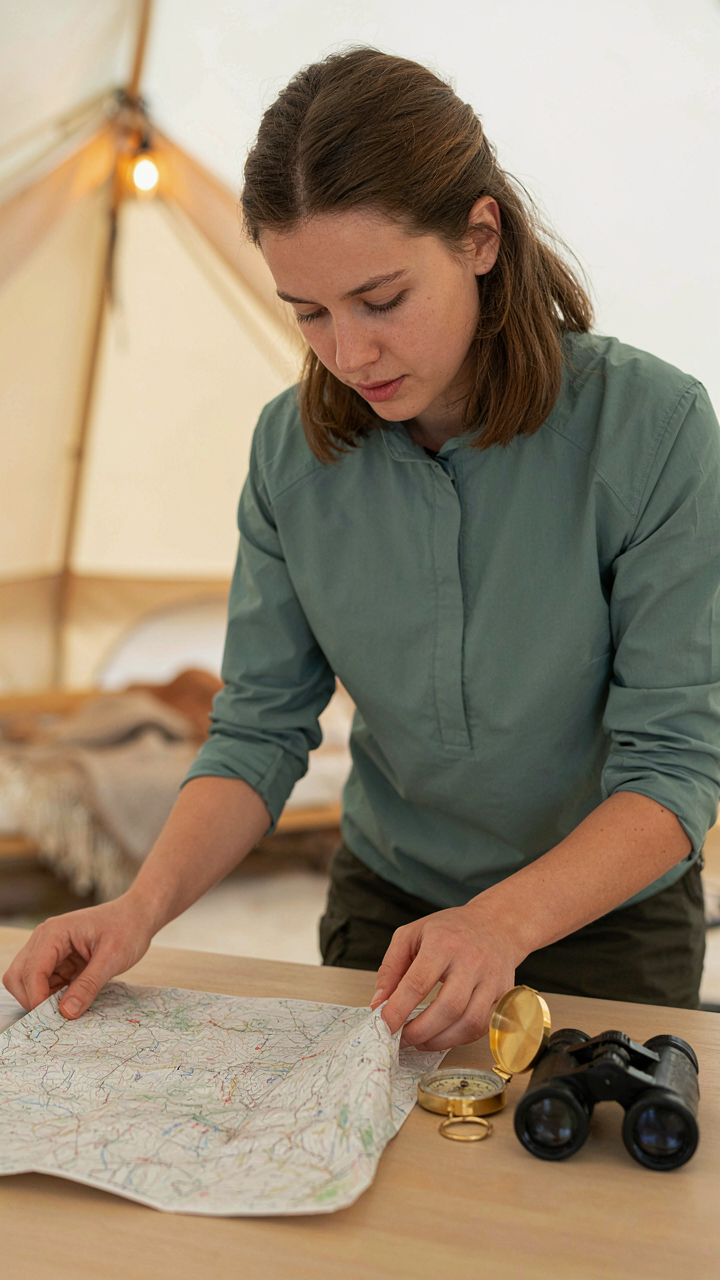
- Walking routes mapped on paper: Print or write directions beforehand. Navigation becomes a shared task instead of a solo GPS dependency.
- Scheduled reading time with physical books: Bring books you both want to discuss. Reading in the same space creates companionship without interaction pressure.
The activities work because they’re incompatible with phone use. You’re not fighting temptation, you’re building a schedule where temptation becomes logistically irrelevant. Couples that plan these structures in advance report longer conversation spans and less phantom phone-reaching by day two.
Adventure Camping: Re Wilding Your Relationship
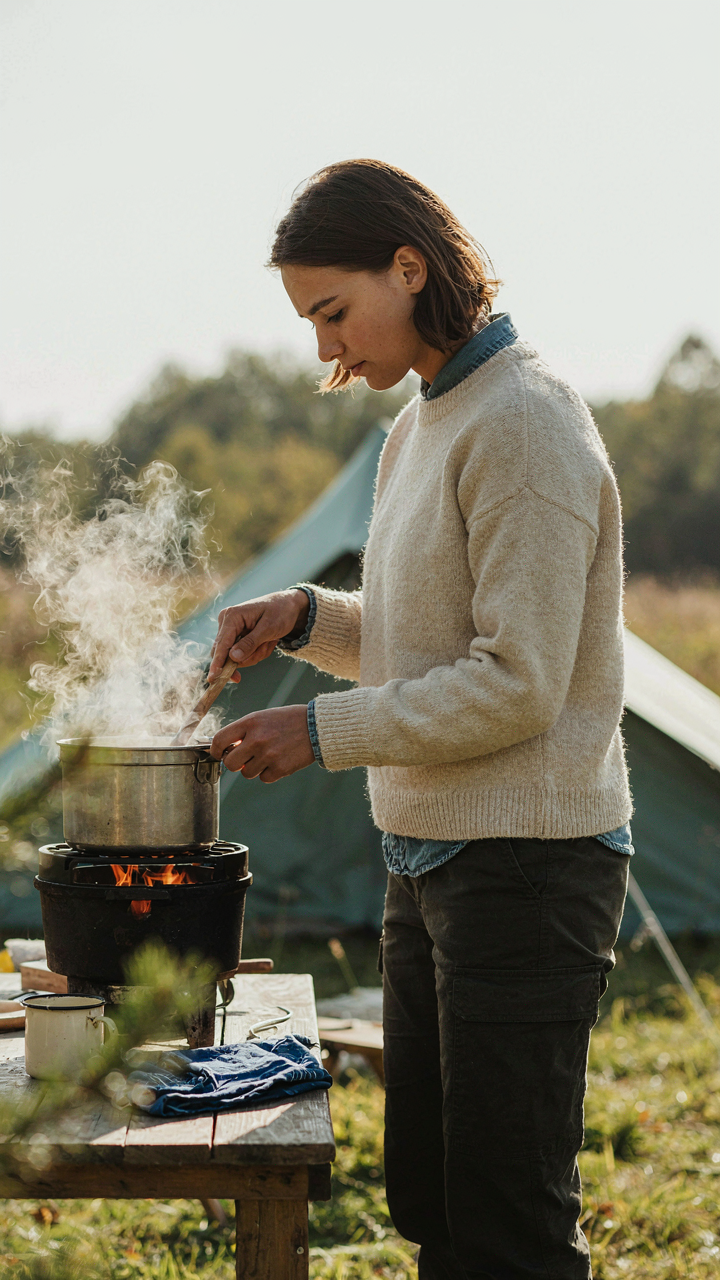
When Discomfort Becomes Currency
You want proof that your relationship can survive something real. Most couples mistake comfort for connection, then wonder why hotel stays feel empty. Borrowing from stress inoculation training, which military and athletic programs use to build resilience under pressure, glamping creates controlled discomfort that forces you to depend on each other. Mild friction becomes the crucible where trust either strengthens or cracks. The mechanism is simple: shared adversity demands communication, strips away social performance, and reveals whether you actually function as a unit when the thermostat isn’t perfect.
The key variable is calibration. Too much comfort defeats the purpose. A heated canvas tent with a wood stove in fall, a location requiring a moderate hike, no cell service for one full day—these constraints work. They’re uncomfortable enough to matter but not so extreme they trigger panic or resentment. When you both sit around a fire figuring out how to keep warm, you’re not performing for an audience. You’re solving a problem together. That’s where couples either find their groove or discover they’ve been faking compatibility.
The Weight Of Small Friction
Most relationship advice tells you to avoid conflict. That’s backwards for couples in the comfort phase. Glamping surfaces disagreements before they calcify into resentment. You disagree about how to set up the tent, which route to hike, whether the campfire is too smoky. These are low-stakes arguments that teach you both how the other person handles pressure. You learn if your partner escalates or problem-solves. You learn if they blame or adapt. You see patterns that months of dinner dates never expose.
The emotional data you collect becomes the foundation for trust. You’ve both been tested in a context where you can’t retreat to separate rooms or scroll your phone to kill tension. You’ve negotiated, compromised, maybe even laughed at the absurdity of being stuck in a glamping pod while figuring out the camp stove. That shared memory of friction followed by resolution is more valuable than any pristine hotel experience. Book your glamping trip during a season that guarantees at least one day of rain or cold. That’s your real litmus test.
Strategic Isolation: Applying Military Tactics To Romantic Escapes
Information Asymmetry In Nature
You want to feel special because your partner matters and you’re running out of ways to prove it. Military strategy calls this “information asymmetry”—one side holds data the other doesn’t, creating advantage. In glamping, this means designing a property where you and your partner access experiences the outside world cannot replicate or interrupt. The moment your phone loses signal at a glamping site, you’ve created that asymmetry. You know something others don’t: the exact location, timing, and privacy of this moment.
Glamping properties positioned in low-connectivity zones aren’t accidents. Owners deliberately site tents, domes, and cabins where cellular coverage fails or WiFi doesn’t reach common areas. This isn’t deprivation—it’s control. You control the information flow into your space. Your partner can’t receive work messages. You can’t scroll feeds. The asymmetry works both directions, which forces actual attention. When glamping sites hide routes from neighboring properties or use natural terrain to block sightlines, they’re weaponizing geography to create an information boundary. This boundary is what you’re actually paying for.
Tactical Retreat From Urban Overload
A tactical retreat removes you from the field of battle before exhaustion sets in, not after. Most couples wait until their relationship shows visible cracks before booking an escape. That’s treating the symptom, not preventing the war. Glamping works because it’s a scheduled extraction from the sensory load of cities: constant notifications, visual clutter, noise layering, decision fatigue from infinite options. The best glamping sites sit far enough from urban centers that the drive itself becomes decompression. Thirty minutes minimum. Sixty is better.
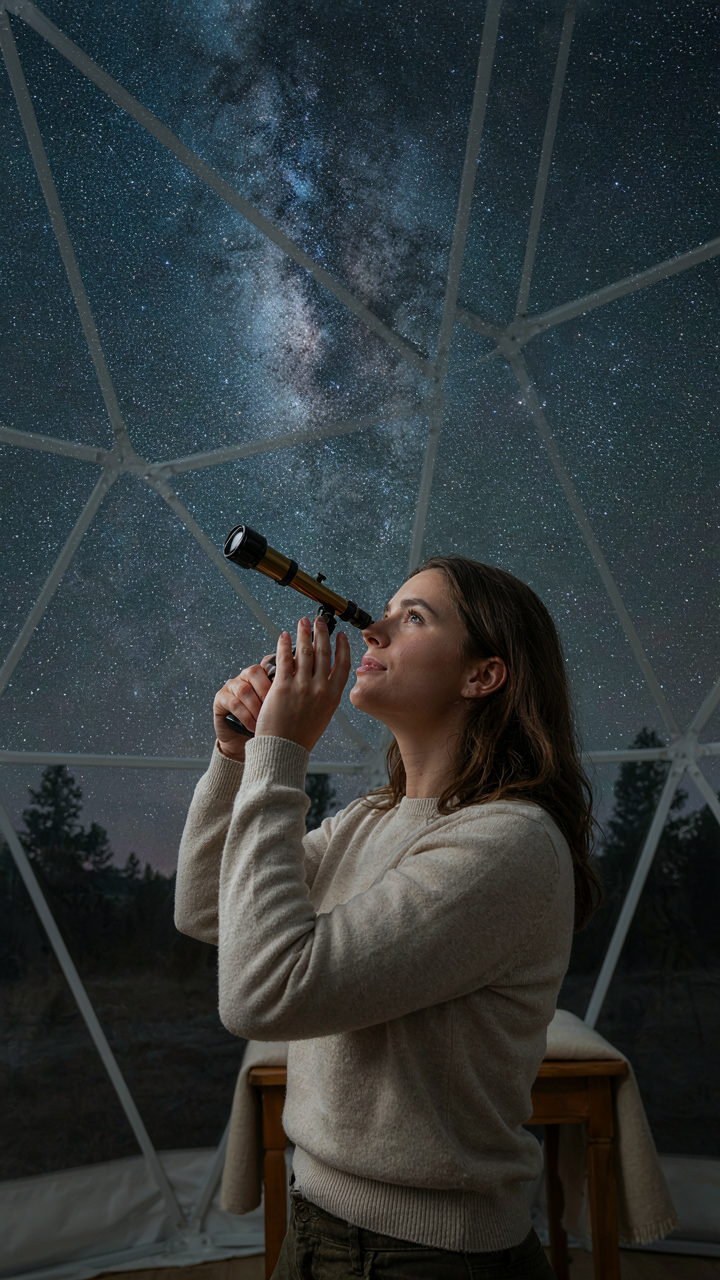
The design of the glamping structure itself completes the retreat. Canvas walls dampen sound differently than drywall. Dome windows frame specific sky rather than offering chaos in all directions. Limited electrical outlets mean you can’t charge everything simultaneously—you choose what matters. Outdoor showers or bathrooms force you into weather and seasons you’d normally bypass in a climate-controlled home. These aren’t rustic features. They’re friction that disrupts your usual patterns and forces new ones. Book a glamping weekend for week three of your next month, before stress peaks. Make it non-negotiable.
Glamping Resorts: Maximizing Value, Minimizing Fluff

What Actually Separates Premium From Markup
You’re worried you’ll pay luxury prices for camping with better lighting. That’s the real fear here. The mechanism is simple: most glamping resorts confuse amenity count with actual experience design. They stack features instead of solving the one problem couples actually have on retreat—unwanted friction between relaxation and logistics.
Economics teaches us about substitution effects: when one input becomes expensive, you swap it for a cheaper alternative that does the same job. In glamping, resorts substitute genuine comfort engineering with visual theater. Canvas tents with space heaters. Outdoor soaking tubs with no privacy windbreaks. WiFi in a treehouse. Ask what solves a specific problem before you ask what looks impressive on Instagram.
The Trap Of Aesthetic Over Function
Most glamping marketing fails because it leads with design language instead of operational reality. A resort posts images of a stunning structure, then you arrive to discover the heating system can’t maintain temperature when it rains, or the “luxury” bed frame sits so high you hit your head on the sloped ceiling. The pictures are real. The experience is incomplete.
Call the resort and ask three questions directly: What’s the actual interior height at the bed? How does temperature control work on cold nights? What happens if weather forces you to stay inside for a full day? Their answers reveal whether they engineered for living or just for photography. If they dodge specifics, they’ve already told you what you need to know.
Beyond Cozy Camping: Engineering Spontaneity And Discovery
The Paradox Of Planned Surprise
You’re afraid that booking a glamping trip weeks in advance will kill the spontaneity that makes romance feel real. Here’s the mechanism: spontaneity doesn’t require lack of planning. It requires removing friction from decision-making in the moment. When you arrive at a glamping property designed with multiple activity options, you’re not locked into a preset itinerary. You’re choosing between options that already exist, which is how actual spontaneity functions under constraints.
Most couples treat glamping as a destination you arrive at and then occupy. The better approach: use the property’s infrastructure as a launcher for unplanned experiences. A glamping site with direct trail access, on-site activity equipment, or partnerships with local guides creates optionality. You wake up, see the weather, read the moment between you two, and execute. That’s not less spontaneous than wandering aimlessly. It’s more efficient spontaneity.
Finding The Novelty Density
Novelty doesn’t happen by accident in the same location you’ll occupy for three days. It requires layered discovery patterns built into your route planning. Book glamping properties in regions where micro-environments change drastically within short distances. A property near the base of mountains, beside water systems, or adjacent to marked natural features gives you multiple “new” spaces without travel fatigue.
The real work happens before arrival: research what you can actually access in two to four hour radius without a full day of driving. Local food vendors, seasonal activity windows, and lesser-known viewpoints matter more than famous landmarks. Create a decision tree with your partner before the trip. Not an itinerary. A set of “if we feel adventurous, we can do this” options tied to specific conditions like weather or energy level. Then when you’re there, you navigate the tree together instead of staring at each other wondering what comes next.
The Unspoken Cost: Why Most Couples Retreats Fail
You’re Paying For The Wrong Thing
You book glamping because you want to feel like your relationship matters. Here’s what actually happens: you arrive at a luxury tent or cabin, scroll through your phone in silence, and leave feeling exactly like you did before, except poorer. The mechanism is brutal and simple. Most couples treat glamping as a consumption event, not a participation event. They expect the location to do the work. It won’t.
Glamping properties market themselves on aesthetics—the fire pit, the view, the Instagram moment. What they don’t sell is the conversation starter or the shared task that forces you to actually engage. You’re paying for décor when you need a container for interaction. The tent isn’t the product. Your attention and effort inside the tent is the product. Most couples never show up for that part.
The Relationship Runs On Friction, Not Comfort
Stop treating discomfort as the enemy of romance. Thermodynamics tells us systems require energy input to maintain order, and stagnation is the default state. A couples retreat fails when it removes all friction—no logistics to solve together, no minor challenges to navigate, no uncertainty requiring real communication. Smooth perfection breeds passivity.
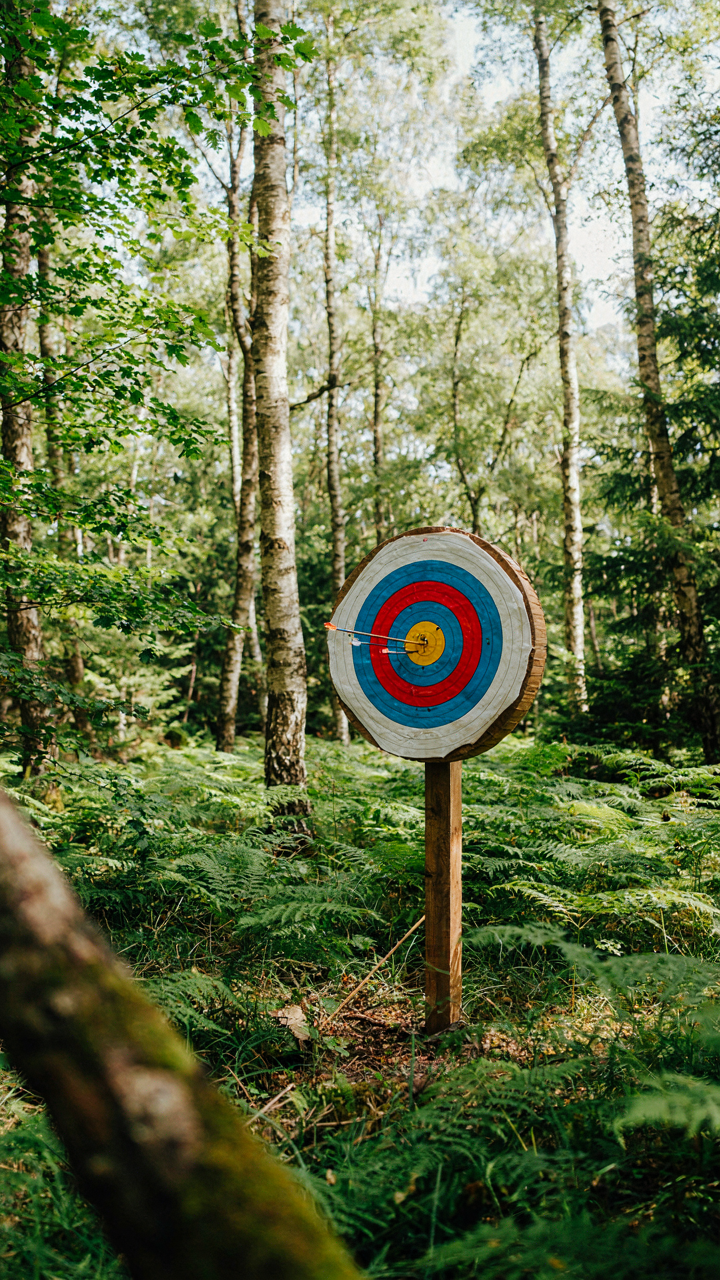
The couples who actually report transformation from glamping trips are the ones who book something that demands something back. A remote property requiring a challenging drive. An activity—archery, hiking, cooking over fire—that needs coordination. Shared problem-solving, even trivial stuff, resets the neural pathways couples fall into after months or years together. Build friction into your booking, not luxury. Then the luxury becomes a reward for showing up together.
The True Obstacle Isn’t Finding A Romantic Escape; It’s Your Inability To Disconnect From The Digital Default
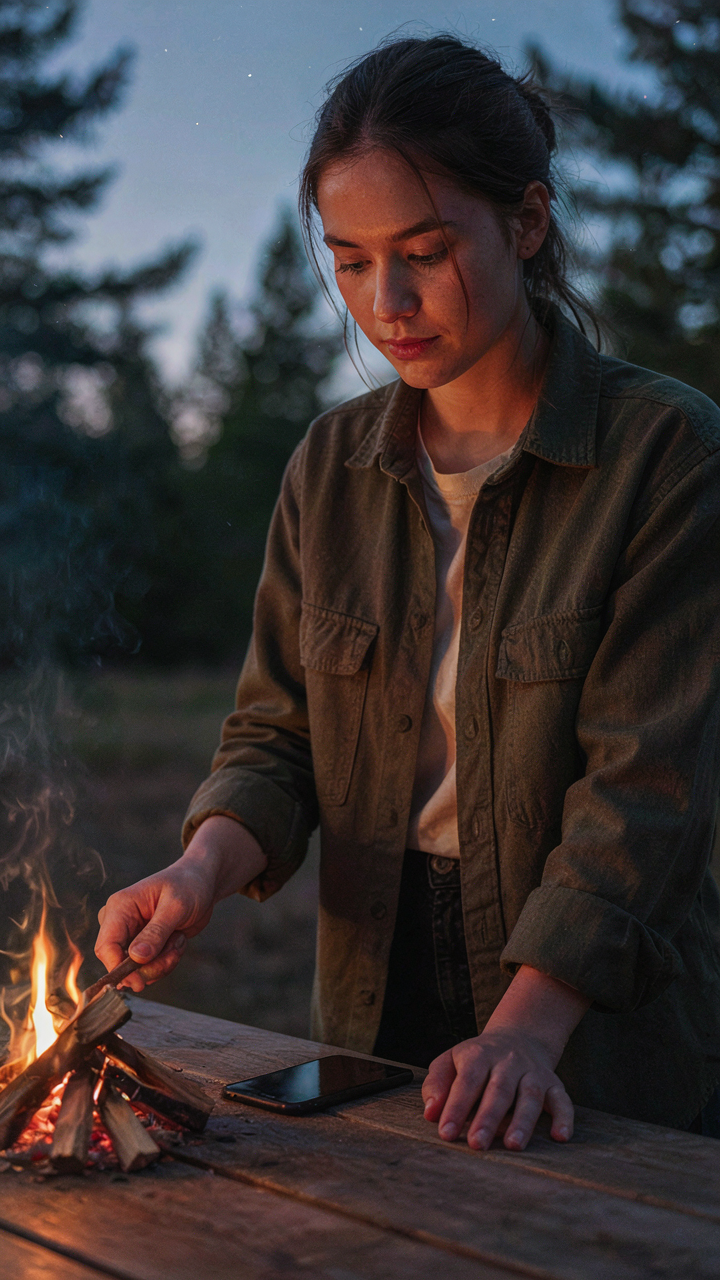
You’ll book a glamping trip and bring your phone anyway. You’ll arrive at a firepit under stars and scroll through someone else’s life instead of living yours. The real romantic escape isn’t glamping for couples—it’s glamping without your devices. Today, put your phone in your car before you even arrive. Leave it there. Your partner is already more interesting than anything on that screen, and your relationship deserves at least one night to prove it.