
The Unfiltered Trail: Why Authenticity Beats “Hiking Pics”

The Camera Trap
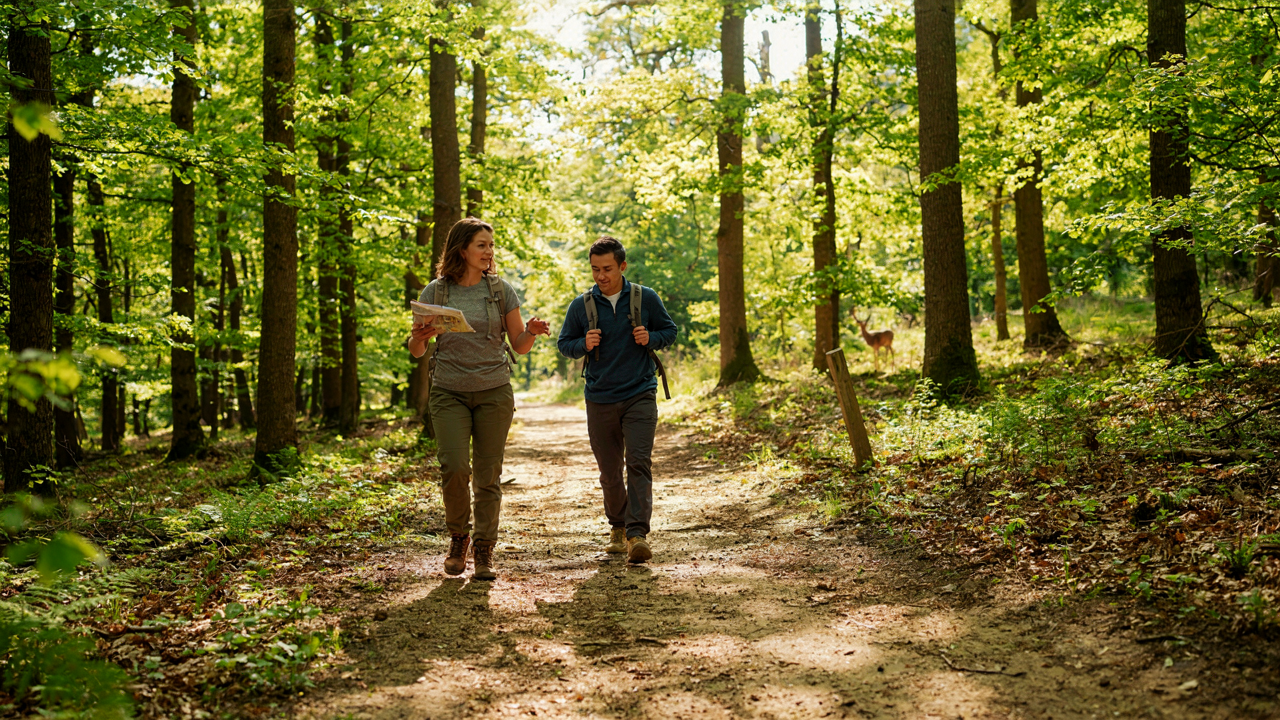
You want proof that your trip was worth planning. You think the photos prove it. They don’t. The real mechanism here comes from social proof economics: we mistake the artifact for the experience. A posed summit shot generates likes, but it kills the actual bonding happening on the trail. The group fragments the moment you start arranging angles instead of moving forward.
When you stop hunting for the shot, you start noticing what’s actually happening. Someone’s struggling on the incline but won’t say it. Someone’s making a joke nobody heard. These are the moments that define a trip and they vanish the second you frame them. Build the trip around the hike itself, not the documentation of it.
Mess Becomes The Memory

This seems backward, but embrace it anyway. The common advice says edit out the bad moments, curate the highlight reel. That’s how you end up with a trip nobody remembers. The blister, the wrong turn, the person who got cold and borrowed someone’s jacket, the awful trail mix that somehow became funny, the failed campfire on the second night—these aren’t flaws in the plan.
They’re the load-bearing walls of the experience. Plan the logistics tightly so the group can afford to be loose with the moments. Bring extra layers. Scout the trail in advance so you’re not white-knuckling navigation. Give yourselves permission to look tired, uncomfortable, uncertain. Write down one stupid thing someone said each day. That’s the artifact worth keeping.

The Discomfort Dividend: Forge Bonds Beyond The ‘Gram
Why Struggle Cements Real Connection
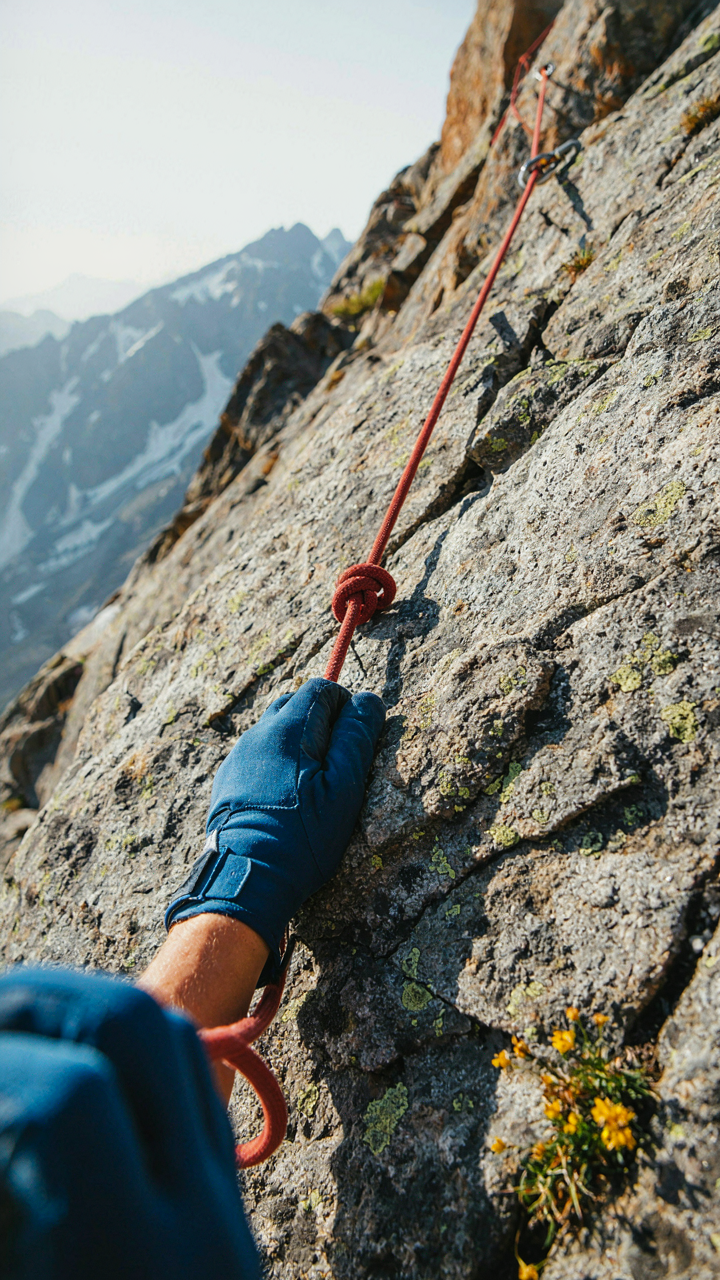
You want proof that the trip mattered. You want to post something that signals depth. Here’s what actually works: shared struggle creates vulnerability before the camera ever turns on. In stress physiology, cortisol and adrenaline synchronize nervous systems when people face real obstacles together. A steep elevation gain, navigation error, or weather delay forces genuine communication instead of curated moments. The mechanism is simple. Crisis removes the script.
A girl hiking trip where nothing goes wrong produces surface-level memories and forgettable Instagram captions. The ones that stick are the ones where someone’s legs give out at mile eight, the trail markers vanish, or the weather turns and the group has to problem-solve in real time. That discomfort is the price of actual bonding. It’s not metaphorical. It’s neurological. The shared pressure creates a baseline of trust that no spa day or dinner reservation can replicate.
Challenge Transforms Acquaintances Into Allies
People believe adversity builds trust, but they skip the mechanism entirely. Trust doesn’t come from the difficulty itself. It comes from watching how people behave when the plan breaks. One person stays calm and recalibrates the route. Another manages morale. Someone else admits she’s scared instead of pretending everything’s fine. You see character under pressure. You see who shows up.
A girls hiking trip without real stakes is just a group outing. Add a genuine challenge—a navigation mistake, an injury scare, a weather window that closes faster than expected—and you see what each person is actually made of. The ones who panic, the ones who lead, the ones who support without needing credit. That’s when acquaintances become people you’d actually call in a crisis. The trust isn’t built through the challenge. It’s revealed by it. Plan your route with at least one technical section where the outcome depends on group decision-making and collective effort.
The Preparation Protocol: Beyond Pretty Hiking Gear
Pack What Actually Works, Not What Looks Good
You want the gear to signal that you’re the type of person who hikes, not the person who actually knows how to survive one. That’s the real trap. Here’s the mechanism: gear serves function first, and function determines whether you finish the trail or turn back injured. Most packing lists online are aesthetic exercises dressed up as practical advice. They prioritize brand names and color coordination over weight distribution, weather variables, and the specific terrain you’re hitting.
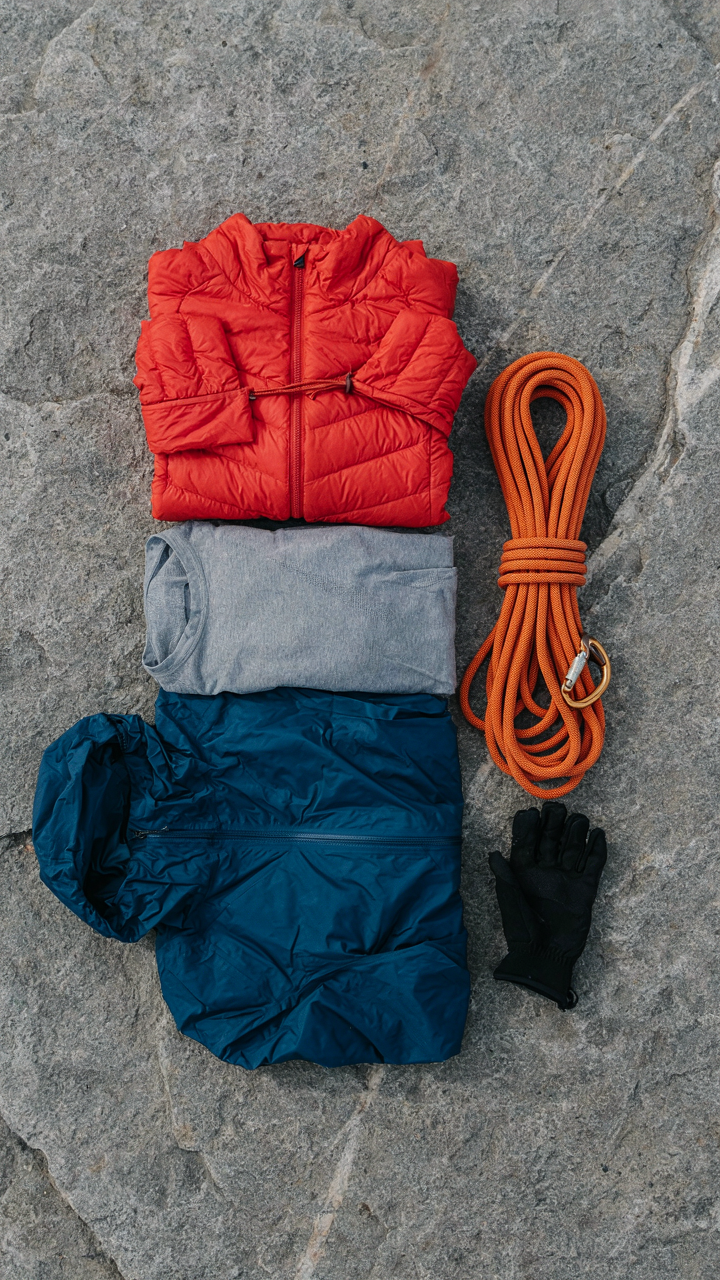
- Moisture-wicking base layers: Merino wool or synthetic blends pull sweat away from skin, preventing hypothermia in cold conditions and fungal growth on multi-day trips. Cotton retains moisture and fails in this role.
- Insulation layer: A lightweight down or synthetic jacket occupies minimal pack space while retaining warmth when temperatures drop at elevation or during evening camps.
- Waterproof outer shell: Not water-resistant, waterproof. Rain gear fails when it can’t handle sustained downpour. Pack a shell rated for the season you’re hiking in.
- Appropriate footwear for terrain: Hiking boots for rocky or technical trails prevent ankle injuries that end trips. Trail runners work on smooth, well-maintained paths but not scree or loose rock.
- Navigation tools: Map, compass, and GPS device or phone with offline maps loaded. Relying on trail markers alone gets people lost when markers are missing or weather obscures visibility.
- First aid supplies specific to your group: Include blister treatment, pain relief, and any personal medications. Standard kits miss what your specific bodies need on that specific trail.
Pack weight matters more than pack aesthetics. Every ounce you carry multiplies over hours. Test your gear on a day hike before committing to a multi-day trip. Repack at home if something shifts or feels wrong. The goal is efficiency: carry only what prevents failure, nothing that makes you feel prepared.
Know The Actual Threats Before You Leave
The real danger on remote trails isn’t the dramatic stuff you picture. It’s dehydration, getting turned around in fog, starting too late in the day, and group members pushing through injury instead of stopping. These aren’t accidents, they’re predictable failures that emerge from not naming threats beforehand.
Create a threat list specific to your trail and season: elevation gain, water availability, cell service gaps, weather patterns, wildlife presence, and average daylight hours. Cross-reference each threat with a concrete response. If a member has a known joint weakness, her role changes on steep descents. If the trail has unreliable water sources, you carry more capacity upfront. If weather turns bad, you know the exit point and decision time. Brief everyone on these protocols before the hike starts, not when things deteriorate. This turns individual knowledge into group survival strategy. Assign roles: one person navigates, one tracks time against daylight, one monitors group pace and injury. Write down your route, expected return time, and emergency contact. Leave this with someone not on the trip. If you don’t return by the stated time, that person alerts search and rescue with exact information instead of guessing where you went.
Navigation Nexus: A Military Strategy For Trails

Map Reading And Compass Skills
You want this section because you’re afraid of looking incompetent in front of your group. The real mechanism comes from military doctrine: terrain dominance. In hiking, this translates to information asymmetry. The person who reads the map controls the narrative, the pace, and the decision points. She knows what’s ahead before the group feels lost.
Map reading isn’t about memorizing symbols. It’s about understanding contour lines to predict steepness, identifying water sources, and spotting bailout routes before you need them. A compass confirms direction when landmarks disappear in fog or trees. Practice these skills before the trip, not during it. One person with genuine competence multiplies group confidence immediately.
Route Planning Before The Trailhead
Most hiking advice says “pick a well-reviewed trail.” That’s incomplete and expensive in time. Real route planning uses logistics as your primary filter. Anticipate water availability, daylight hours for your season, vehicle access, and bailout options. Terrain difficulty matters less than whether your group can actually execute the plan without a rescue call.
Start with topographic maps and satellite imagery. Identify pinch points where terrain forces tactical decisions. Check recent trip reports for accurate conditions, not marketing. Build your itinerary backward from sunset, not forward from sunrise. This forces realistic pacing and eliminates the common mistake of underestimating descent time. Lock your route, distances, and contingency exits into a shared document before anyone arrives.
The Self Reliance System: Empowering Hiking Friends
Individual Preparedness For Group Strength
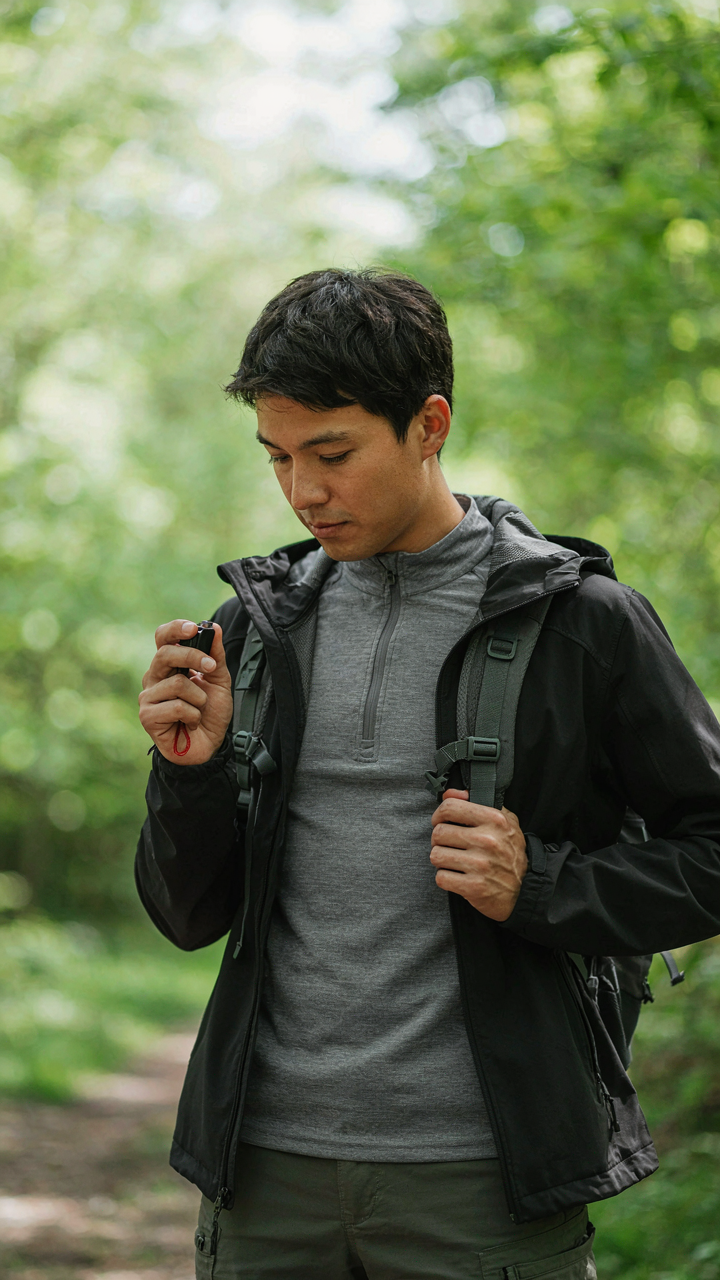
You want to believe that hiking with friends means you don’t have to be ready for anything solo. That’s the real trap. In military strategy, they call this redundancy: every unit operates as if support won’t arrive. One person’s unpreparedness doesn’t just limit her. It becomes a liability that constrains the entire group’s options and pace.
Each hiker owns responsibility for her own water, navigation, and emergency supplies before the group ever leaves the trailhead. This isn’t about being paranoid. It’s about the math. A group moves at the speed of the least prepared member, and rescue scenarios multiply when someone hasn’t learned her own limits. Every woman on the hike should be able to walk out solo if separated.
Problem Solving Without A Guidebook
The common advice says “bring a first aid kit and a map.” That’s incomplete. Real problem-solving means running micro-scenarios before the hike starts so your brain has patterns to match against reality. A twisted ankle isn’t solved by a kit. It’s solved by knowing your exact location, the nearest bailout point, and whether the injury lets someone walk or requires other options.
Build this skill by hiking harder routes alone first, making one mistake per trip mandatory, and solving it without calling for help. Document what went wrong and how you fixed it. When a blister hits your hiking friend mid-trail, your instinct becomes action instead of panic. You already know the protocol because you’ve run it.
Choosing Your Crucible: Beyond “Easy Hikes”

Know Your Group’s Actual Ceiling
You want to pick a hike that makes everyone feel included without admitting someone’s fitness might hold the group back. Here’s the mechanism: load capacity in engineering terms—your group’s performance ceiling is determined by the weakest load-bearing member, not the strongest. One person’s lack of conditioning becomes the trip’s bottleneck. The hike doesn’t get easier because you picked the “right” one. It gets worse because someone lies about their ability.
Start with a blunt audit. Have each person walk two miles at a moderate pace and note how they feel afterward. Not beforehand—afterward. Ask about resting heart rate recovery, not vibes. Someone who can’t recover quickly on flat terrain will struggle on elevation gain, period. This single data point eliminates the social pretense that kills trips. You’ll know exactly what terrain your group can handle without anyone’s ego distorting the conversation.
Match The Terrain To Your Timeline
Most advice says “research difficulty ratings online.” That’s incomplete. Trail ratings vary wildly between websites and regions because they measure different variables with no standard. One source’s “moderate” means steady incline at 1000 feet. Another means switchbacks with loose rock. You need to decode the actual numbers buried in the description: total elevation gain, trail length, and surface type.
Elevation gain matters more than distance. A three-mile hike with 500 feet of gain feels completely different from a five-mile hike with 500 feet of gain. The second one is longer but steadier. Your group’s limiting factor determines which matters more—if someone has knee issues, distance is the enemy. If someone has a weak aerobic base, elevation is. Download the trail data directly from USGS maps or AllTrails and cross-reference with at least two sources. Then build your timeline backward from those hard numbers, not from how the trail sounded on Instagram.
Leave No Trace: The Ethical “Hiking Group” Imperative

Minimize Impact On Natural Environments
You want to feel like the good kind of hiker, the one who doesn’t destroy things. Here’s the mechanism: impact compounds across seasons. One person’s shortcut becomes five people’s trail. Five people’s camps become erosion gullies. Ecology works like debt—small violations spread faster than you notice them.
Leave No Trace is a framework borrowed from land management, treating your group’s footprint like a supply chain problem. Every action either multiplies or contains itself. Pack out all trash, including food scraps. Stay on marked trails even when muddier routes tempt you. Camp fifty feet from water sources. These aren’t suggestions. They’re the operational rules that keep the trail usable for the next group.
Respect Wildlife And Fellow Trail Users
The common advice here is weak: “Be quiet and observant.” That misses the actual pattern. Wildlife needs predictability. You need to signal your presence early so animals move away before encountering your group directly. That’s the mechanism. Talking, not whispering, prevents surprise encounters that stress animals and create danger.
Fellow trail users aren’t your audience. They’re sharing finite space. Yield to uphill hikers. Move off trail for horses and pack animals. On narrow sections, let faster groups pass rather than forcing a bottleneck. Don’t blast music. Establish these protocols before the trip starts, not during it. Make one person responsible for checking that everyone knows the order of hikers and the hand signals for stopping. This prevents chaos when space tightens.
Post Hike Integration: More Than “Hiking Photos”

What Actually Changed Out There
You want proof the trip mattered because you need to justify the time away and convince yourself you’re the type of person who does hard things. Here’s the mechanism: growth isn’t felt during the hike. It surfaces after, when you’re back in normal conditions and notice you handle friction differently. In psychology, this is called consolidation—the brain needs rest and routine to lock in learned patterns. A girls hiking trip works the same way. The trail forces decisions under fatigue and uncertainty. Integration happens when you deliberately map those decisions back to your actual life.
The common mistake is treating the hike as an isolated event. You summit, take photos, feel good for a week, then slide back. Real integration requires naming what shifted. Did you lead when the route got confusing? Did you speak up about your limits? Did you recover from a failure faster than before? Write these down before you leave the trailhead. Specificity matters because vague memories evaporate. You need concrete evidence of what changed so your brain actually treats it as data, not just a weekend story.
Turning Trail Wins Into Operating Principles
The lessons from hiking don’t transfer automatically to your job, relationships, or decisions. You have to extract the principle first, then run experiments in real life. This is systems thinking—identifying the input and output, then replicating the structure in a new context. On the trail, you managed energy by pacing yourself and stopping before total depletion. That’s the principle. In your actual work, apply it by setting a cutoff time, not working until burnout, and measuring if your output improves. Same mechanism, different domain.
Pick one trail lesson per person on your trip. Don’t try to overhaul your life. If someone discovered she could ask for help without losing status, that’s her operating principle to test for the next month. If you learned that doubt is normal during hard things, use that when starting a project at work. Create a simple check-in with the group every two weeks. One sentence: what did you try, what happened? This prevents the trip from becoming myth instead of instruction. The mechanism is accountability plus specificity, not motivation.
The Adventure Multiplier: Why The Effort Pays Off

Bonds That Actually Stick
You’re reading this because you want proof the effort justifies itself—that you won’t waste time and money on something that fades the moment you’re back home. Here’s the mechanism: stress inoculation in group psychology. When people face real discomfort together in low-stakes environments, they build what researchers call “collective efficacy.” A girls hiking trip manufactures this directly. Shared physical challenge, navigation decisions, camp problems, and minor setbacks create dependency bonds that office hangouts or dinner parties cannot touch.
The friendship deepens because vulnerability becomes functional, not performative. When someone’s tired on mile eight, the group adjusts. When weather shifts, you problem-solve together. These aren’t therapy moments manufactured for emotional growth. They’re real constraints that force actual trust. The friendships that survive hiking trips are the ones where people see each other operate under pressure and still choose to stay. That’s the opposite of surface-level bonding.
What Sticks After You Return
Common advice says a trip is a mental reset, a break from stress, a temporary escape. That’s incomplete. The real payoff accumulates in how you operate in normal life after. Resilience isn’t built during the easy parts of the hike. It’s built when your feet hurt at mile six of nine, the weather turns, and you keep moving anyway. Women who complete a challenging hiking trip with intentional difficulty calibration carry that reference point into work stress, relationship friction, and personal setbacks.
Confidence follows a specific protocol: accomplish something concrete in an unfamiliar environment, evaluate your own performance, repeat under slightly harder conditions. A girls hiking trip executed over multiple seasons compounds this effect. Year one: you summit a local peak. Year two: you tackle higher elevation or longer mileage. Year three: you navigate technical terrain. The confidence isn’t abstract feel-good rhetoric. It’s stored as pattern recognition in your nervous system about what you’re actually capable of handling.
The Real Obstacle Isn’t The Trail; It’s Your Comfort Zone

You don’t need the perfect itinerary or matching gear to make this happen. You need to stop waiting for the ideal conditions and text three people today about a date. The girls hiking trip ideas that work are the ones you actually execute. Everything else is just noise. Stop planning the trip and start booking the trip.