
Introduction
Future lifestyle trends show a growing focus on wellness and balance, even for those frequently traveling. Keeping up with wellness metrics such as sleep, nutrition, and activity can help maintain your health and energy. It is essential to find a way to balance travel demands while staying healthy and feeling your best.
This article examines how to blend future lifestyle habits with wellness metrics to maintain a balanced travel routine. You will learn practical tips on what wellness signs to monitor and how to adapt your habits consistently while on the move. These insights can help you travel smarter, stay fit, and enjoy a better quality of life.
Future Lifestyle
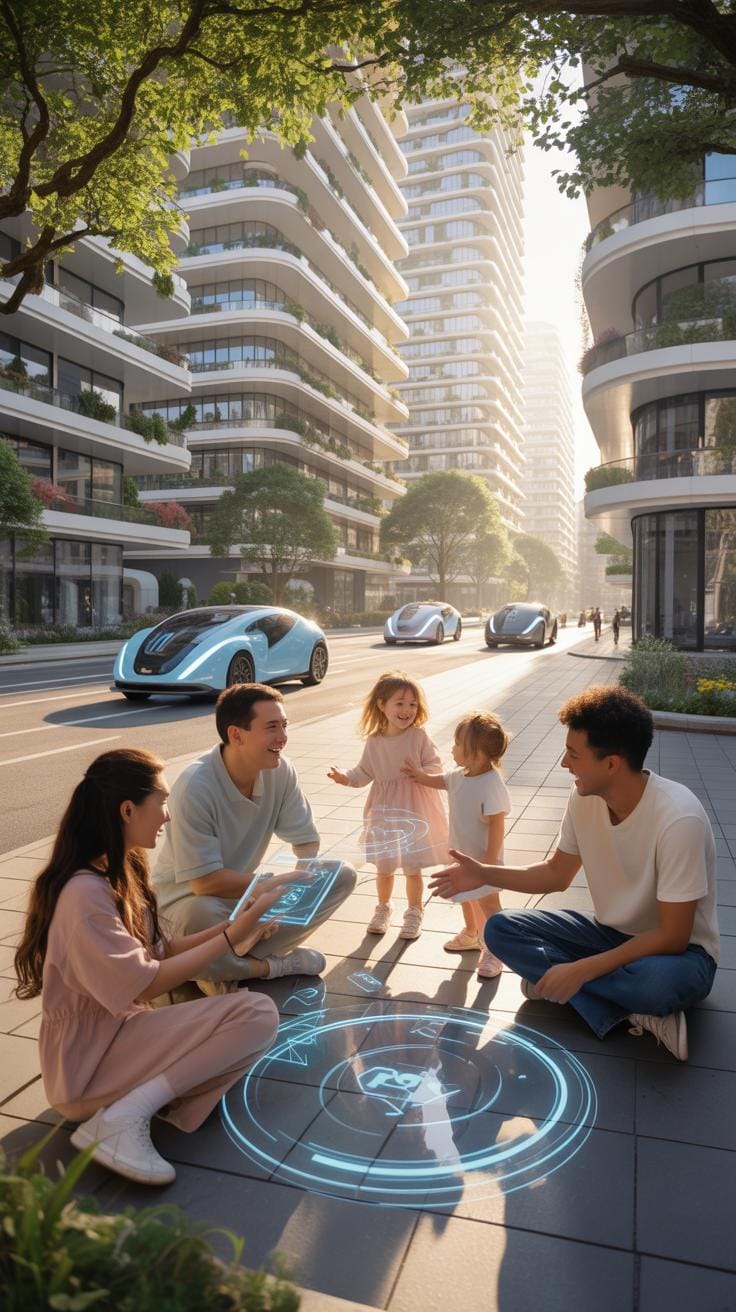
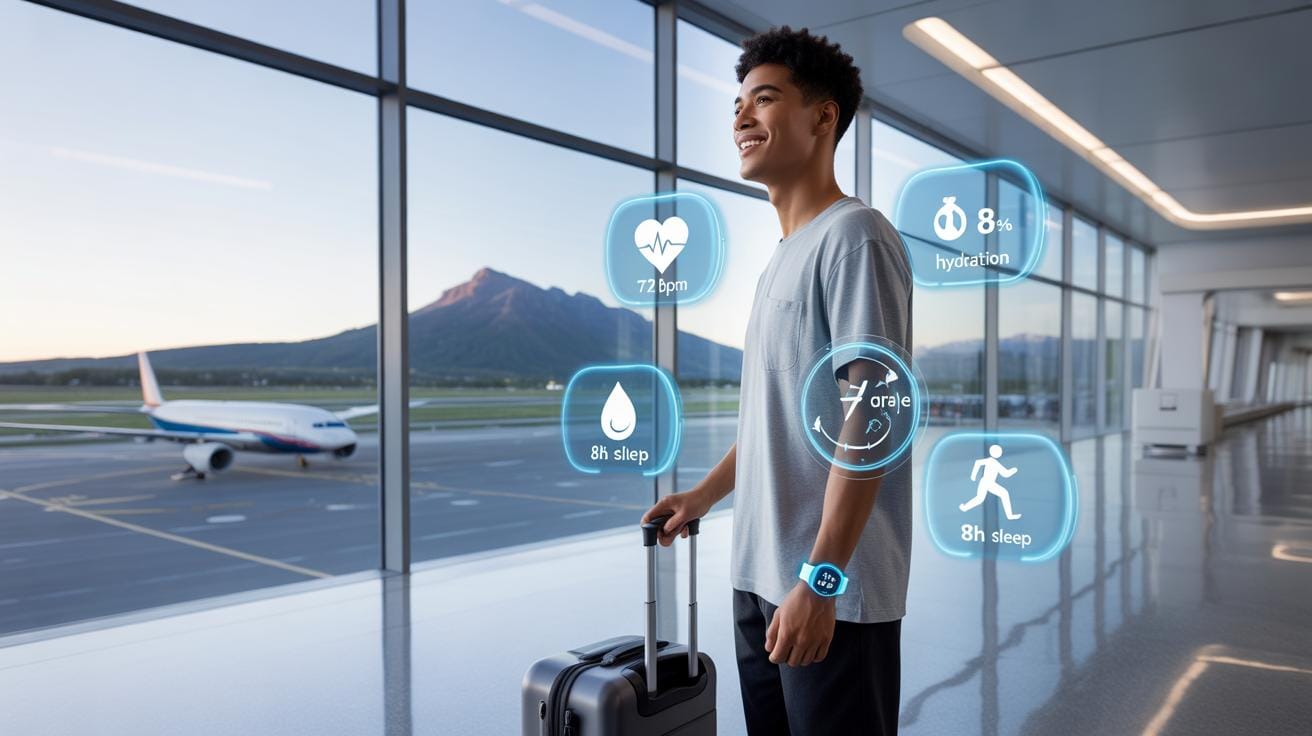
The idea of future lifestyle, especially when linked to travel, makes you wonder how daily routines may shift in the years ahead. Will technology play a bigger role? Possibly. We already see hints in how smart devices help monitor health—so it’s easy to imagine a future where your wearable tech automatically adjusts your sleep schedule based on jet lag predictions or suggests meal timings that align with local time zones.
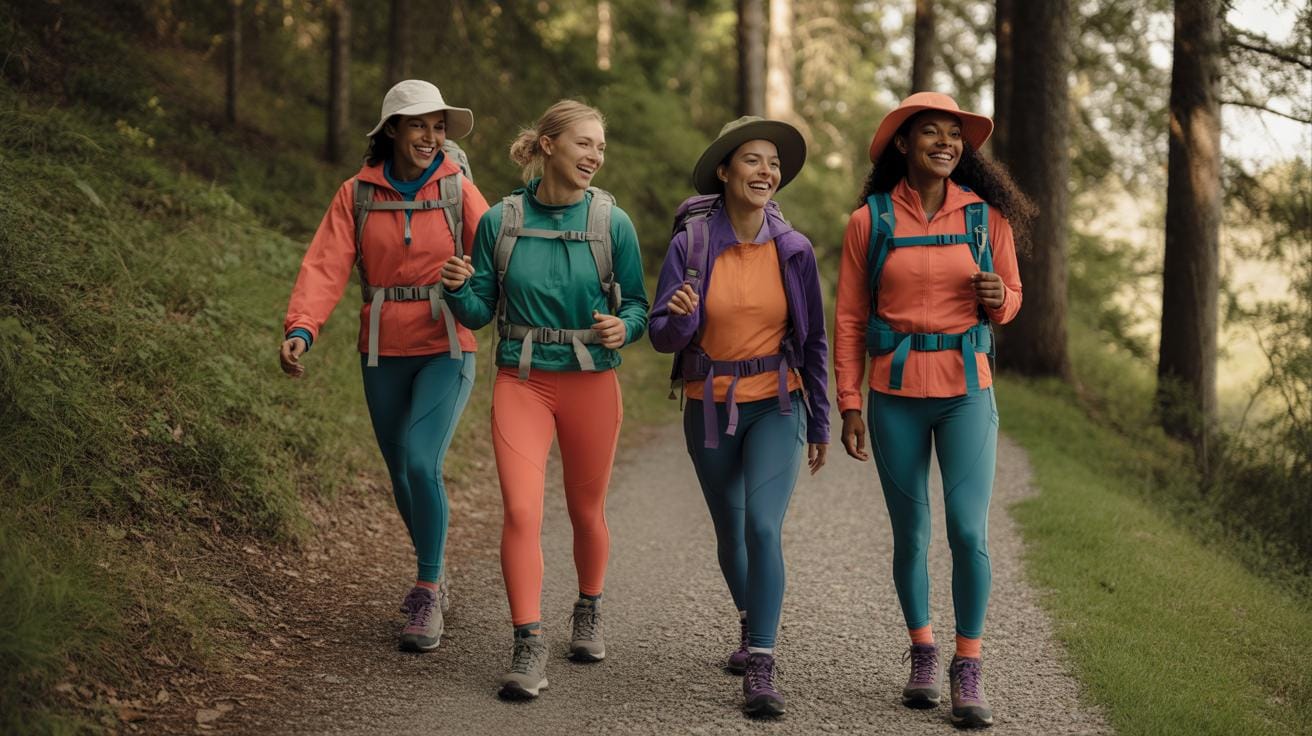
But it’s not just about gadgets. A future lifestyle might emphasize more mindfulness in travel, urging you to slow down rather than rush through experiences. This shift could promote wellness activities that sync more naturally with your body’s rhythms rather than forcing a rigid schedule. You might plan fewer places per day and instead focus on quality rest, movement, and nutrition.
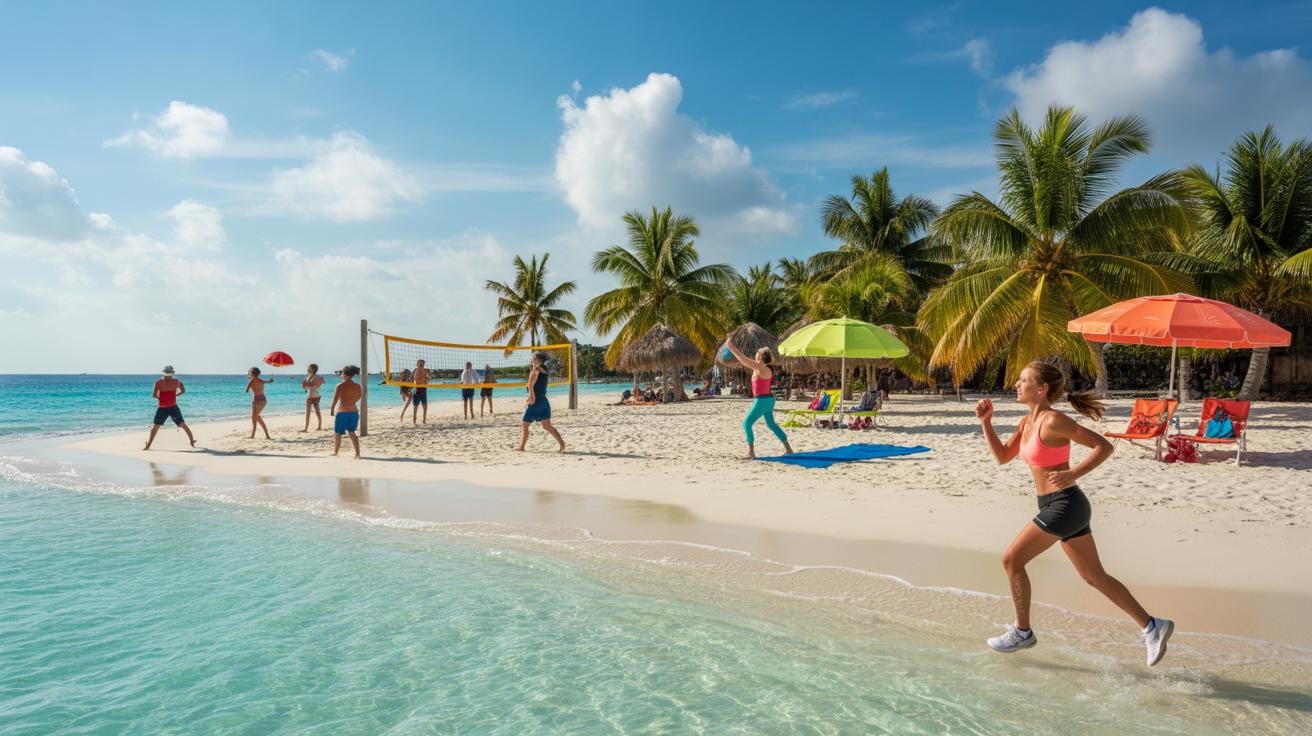
Travel wellness could also become more personalized. Imagine customized meal plans that cater to your specific nutritional needs delivered wherever you go, or portable exercise routines designed for small hotel rooms or even airplane seats. Maybe you’ll carry lightweight tools like a travel foam roller or resistance bands—not bulky gym kits.
- Increased use of AI and wearable tech to monitor hydration, sleep, and activity levels
- Personalized nutrition and exercise plans based on real-time data
- Focus on integrating rest and movement in travel, adapting to local environments
- Travel experiences designed with wellness as a central component, not an afterthought
It’s uncertain how much these changes will take hold universally—older habits die hard, after all. Still, the direction points to a lifestyle where health and balance matter more. Perhaps that’s something you’re already noticing on your trips, or maybe it’ll be a pressing concern in the near future.
Future Lifestyle And Wellness Metrics For A Balanced Travel Routine
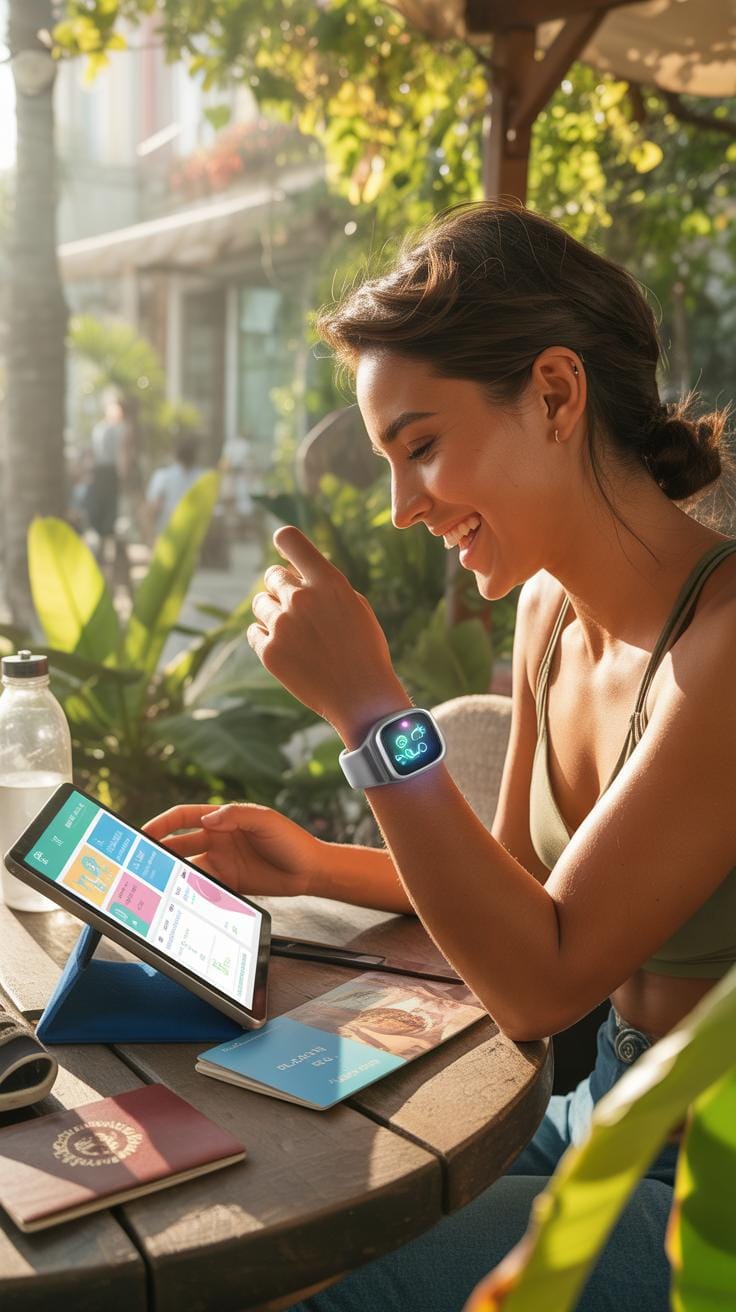
Travel routines will keep evolving, and so will your lifestyle around them. What you do on the road typifies much more than movement — it’s a reflection of shifting priorities. Business travel, for one, may shrink with tech making remote meetings normal, yet some face-to-face remains crucial. Leisure travelers might blend experiences with wellness more intentionally, creating rich, personalized schedules. This evolution sparks questions: How does your lifestyle adapt when travel blends work, leisure, and health goals?
Think about the rising notion of “travel-smart” wellness — measuring more than steps or calories, focusing on stress levels, sleep consistency, and moments of mindfulness even in transit. Tracking might look different depending on why you’re traveling. For example, A business traveler juggling tight agendas might prioritize energy recovery and mental clarity, whereas a leisure traveler may zero in on relaxation and deeper sleep patterns.
With future lifestyles linked deeply to travel, expect wellness metrics to incorporate more contextual data — the kind you can barely track now, like environmental factors or social connection quality during trips. It’s not just about how much you move but how balanced your travel life feels amidst inevitable disruptions. After all, the line between work and leisure blurs more each day.
So, maybe consider: How might you personalize your wellness approach based on your travel rhythm? What would it mean to measure success beyond traditional health indicators — embracing a fluid, adaptive wellness score shaped by your travel lifestyle itself?
Examples Of Balanced Travel Lifestyles Traveler Case Studies
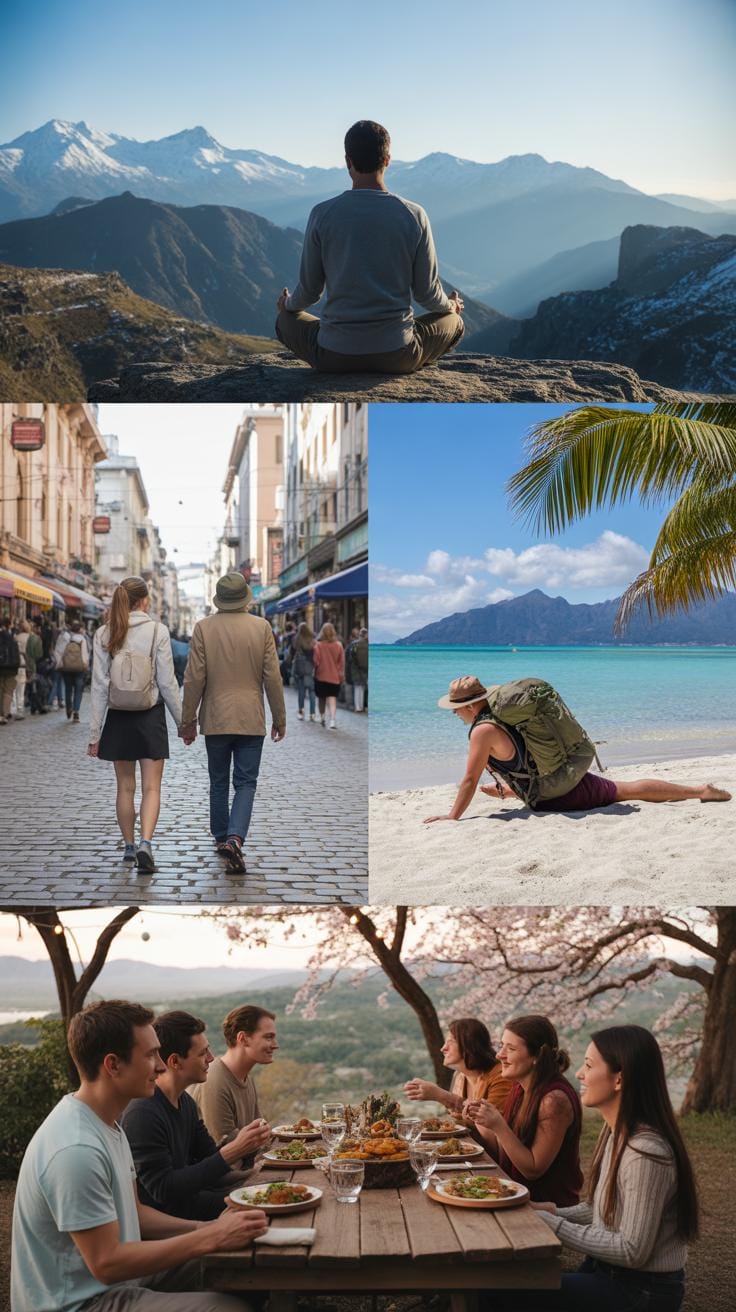
Healthy Sleep Focus
Meet Sarah, a frequent international traveler who swears by her sleep hygiene routine to tackle jet lag. She adjusts her sleep schedule a few days before departure to gradually match the new time zone. On flights, she uses eye masks and white noise apps to block out disruptions. Once she lands, she avoids caffeine in the afternoon and spends time outside in natural light to help reset her internal clock. This focused approach reduces fatigue and helps her feel more alert quickly. It’s not perfect every trip, but making sleep a priority really eases her transition.
Nutrition And Movement
Then there’s Mike, who plans meals carefully and makes walking a non-negotiable part of his travel days. He packs snacks like nuts and fruit to avoid unhealthy airport food and chooses hotels near walking routes or parks. On longer trips, he schedules daily strolls, which boosts his digestion and energy. Mike notices that sticking to these habits helps keep his mood stable and his energy consistent. His routine may not fit all travelers, but it’s a practical strategy to stay healthy on the move.
Balanced Travel Routine Future Lifestyle and Wellness Metrics
Thinking about the future of lifestyle, it’s tempting to imagine a world where travel and wellness blend more naturally. Perhaps, one day, travel won’t feel like a disruption but rather an extension of your daily well-being habits. You might wonder: will future lifestyles see a shift where traveling itself is designed around maintaining balance rather than throwing it off?
Consider how our routines today already lean towards integrating wellness with technology and mindfulness. It’s likely that future lifestyles will push this boundary further, making balanced travel not just a goal but a norm. You may rely less on willpower because the environment around you—whether at a hotel, airport, or café—could actively support your wellness metrics.
Future living might feature adaptive environments tailored to your unique health data, seamlessly syncing your travel plans with your body’s needs. Imagine adjusting your itinerary based on how your sleep patterns or activity levels have tracked in real time. Yet, there’s a slight uncertainty. Will this tech-driven approach always feel natural, or could it sometimes become a task in itself, edging travel towards a performance review?
Moreover, future lifestyles might redefine what balance means for each traveler, considering diverse wellness goals beyond fitness or nutrition—like mental quietude or social connection. This personalized approach could challenge traditional routines, making you rethink what wellness really looks like on the road.
It’s also worth reflecting on how future wellness metrics could evolve to capture these nuanced aspects, pushing us to ask: are we ready to embrace a lifestyle where every trip contributes positively to our holistic well-being? Or will the pursuit of balance become just another item on our already packed travel checklist?
Cost Breakdown For Wellness Travel
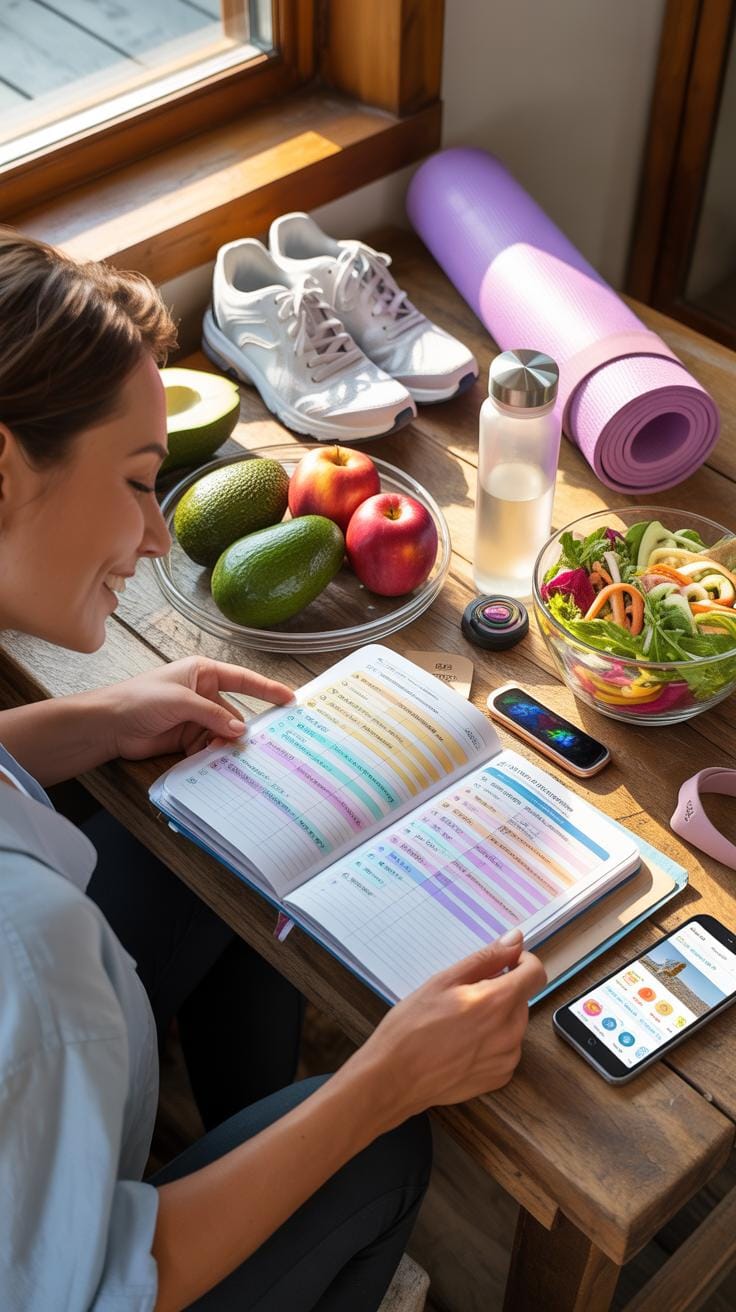
Traveling while keeping wellness in check isn’t as straightforward as it may seem. There’s always the question about how much to allocate for healthy meals, or whether a local gym membership is worth the expense. Some travelers find that grocery shopping and cooking simple, nutritious meals in their accommodation helps save money. Others might choose to set aside funds for occasional spa visits or yoga classes as a treat.
Fitness options can vary dramatically in cost. Public parks and walking tours naturally come free, but specialized classes or facilities charge fees. Do keep in mind that some destinations are inherently more expensive when it comes to wellness activities. That could mean budgeting more or adjusting expectations.
Wellness devices such as fitness trackers or portable massagers might seem like extra expenses, yet many find their value evident when striving to maintain routines. Still, holding back on purchasing every single gadget can keep costs manageable.
Affordable Wellness Options While Traveling
Maintaining wellness on a budget is achievable, though it sometimes requires creativity. Consider these options:
- Choose accommodations with kitchen facilities to control food choices and costs.
- Use free resources like hiking trails, park workouts, or online fitness videos.
- Bring along compact equipment like resistance bands or jump ropes.
- Practice mindfulness or meditation without any cost, either solo or via free apps.
Many travelers underestimate how much they can do without spending a lot. Just a bit of planning can lead to a balanced, cost-conscious wellness routine on the road.
Investing In Wellness Tools And Services
There comes a time when investing in certain wellness tools or services pays off. For example, purchasing a high-quality travel yoga mat or noise-cancelling headphones might seem pricey but can significantly improve comfort and relaxation.
More so, professional services—think massage therapists or nutritionists in your destination—may offer personalized care that free alternatives can’t match. Such investments tend to make sense if wellness is a priority or if health issues require consistent attention.
Still, it’s worth reflecting on personal needs before splurging. Not every gadget or service fits every traveler’s lifestyle. Sometimes, spending less and focusing on basics is actually better. And sometimes the experience of trying new wellness activities during travel justifies the extra expense, even if it’s a bit indulgent.
Conclusions
Applying wellness metrics during travel improves your overall lifestyle balance. Tracking key signs like activity, hydration, and sleep can guide adjustments to your routine for better health. Your travel experience benefits when you maintain consistent wellness habits regardless of location.
Future lifestyles emphasize proactive attention to wellness signals and daily habits. By adopting these strategies, you create a travel routine that supports both your body and mind. You can stay energized and focused throughout your travels while supporting long-term wellness goals.