

Introduction
Fresh air is essential for good health and fitness. Living in the country often offers access to cleaner, fresher air compared to city environments. This air contains fewer pollutants and allergens, which can help improve breathing and overall well-being.
In this article, we will look closely at the benefits of fresh air from country life. You will learn how fresh air helps your body, how to spend more time outside, and ways to make the most of cleaner air for your health and fitness.
Health Effects Of Fresh Air


Breathing fresh air can improve your physical health in tangible ways. When the air is clean, it allows your lungs to function more efficiently, and you may notice easier, deeper breaths. Over time, regular exposure to fresh air can help increase lung capacity, which means your lungs can hold more oxygen and work more effectively.

Scientific studies show that fresh air contains higher oxygen levels and fewer pollutants. This reduces irritation in the respiratory system and lowers risks of asthma attacks and other breathing issues. For example, people living in areas with cleaner air often report fewer respiratory infections and quicker recovery times from illnesses.
Another benefit is the reduction of exposure to airborne toxins. Pollutants like nitrogen dioxide and particulate matter can cause inflammation in the lungs, but fresh air helps minimize these harmful effects. You might find yourself coughing less or feeling less congested after spending time in open, green spaces.
How Country Air Improves Lung Function
Country air tends to be less contaminated with harmful substances compared to urban air. In the countryside, the air is often free from heavy traffic emissions and industrial pollutants, which can clog the lungs and reduce their efficiency. It’s not just cleaner; it also contains fewer allergens that commonly trigger lung problems in cities.
Living in or visiting rural areas may result in noticeable improvements in lung health. People often report better breathing comfort and fewer episodes of wheezing. Some data suggest that lung function tests tend to be better among those regularly exposed to fresh country air versus city dwellers.
In contrast, urban areas have more vehicle exhaust, construction dust, and other pollutants that burden lung tissue. This constant exposure can lead to chronic conditions such as bronchitis or even exacerbate existing lung diseases. So, spending time in the country isn’t just pleasant; it really supports your lung’s ability to work at its best.
Comparison Between Urban And Rural Air Quality
Air quality differences between urban and rural areas can be striking. Urban air often contains pollutants like carbon monoxide, sulfur dioxide, and fine particulate matter, largely due to vehicle emissions, industrial processes, and dense populations.
These pollutants contribute to health problems including respiratory irritation, cardiovascular diseases, and reduced immune function. In contrast, rural air usually has lower concentrations of these harmful substances, often because of fewer vehicles and less industrial activity.
Still, rural air isn’t always perfect—agricultural activities can introduce pesticides or dust, but these pollutants differ and are generally less persistently harmful compared to urban contaminants. It makes you wonder—how much of your daily health might be affected just by the air you breathe?
Fresh Air Benefits Of Country Life For Health And Fitness Health Effects Of Fresh Air

Mental Health Benefits Of Country Life
Spending time in fresh country air does more than just clear your lungs—it can noticeably ease your mental load. When you inhale the clean, natural air away from city pollution, your mind often seems to loosen up, becoming less cluttered. Research hints at lower stress hormone levels and increased feelings of calm in those who regularly spend time outdoors in rural settings. Yet, it’s not simply about breathing fresh air; the environment itself quiets the mind in unexpected ways.
Fresh Air And Stress Reduction Techniques
Combining fresh air with relaxation techniques—like deep breathing or meditation outdoors—can be surprisingly effective. Take a moment just to breathe deeply, focus on the rhythm of your breath, and absorb the surroundings; stress often melts away faster than you might expect. Sometimes the simplest act of slowing down, inhaling untainted air, and centering your thoughts outdoors can lower blood pressure and heart rate. It’s almost as if fresh air acts as a gentle nudge toward relaxation, opening the door for these techniques to do their work.
Examples Of Mental Health Gains From Outdoor Activities
The country offers plenty of opportunities for activities that boost mental well-being. Walking along quiet trails, for instance, isn’t just exercise—it’s a chance to reset your mind. Gardening, an activity deeply connected to the earth, provides both physical movement and a quiet focus that soothes worry. Hiking through open fields or wooded areas promotes mindfulness, helping you stay present rather than caught in anxious thoughts. These low-intensity activities, combined with the benefits of fresh air, often lead to better moods and clearer thinking over time.
Daily Fresh Air Routine Checklist
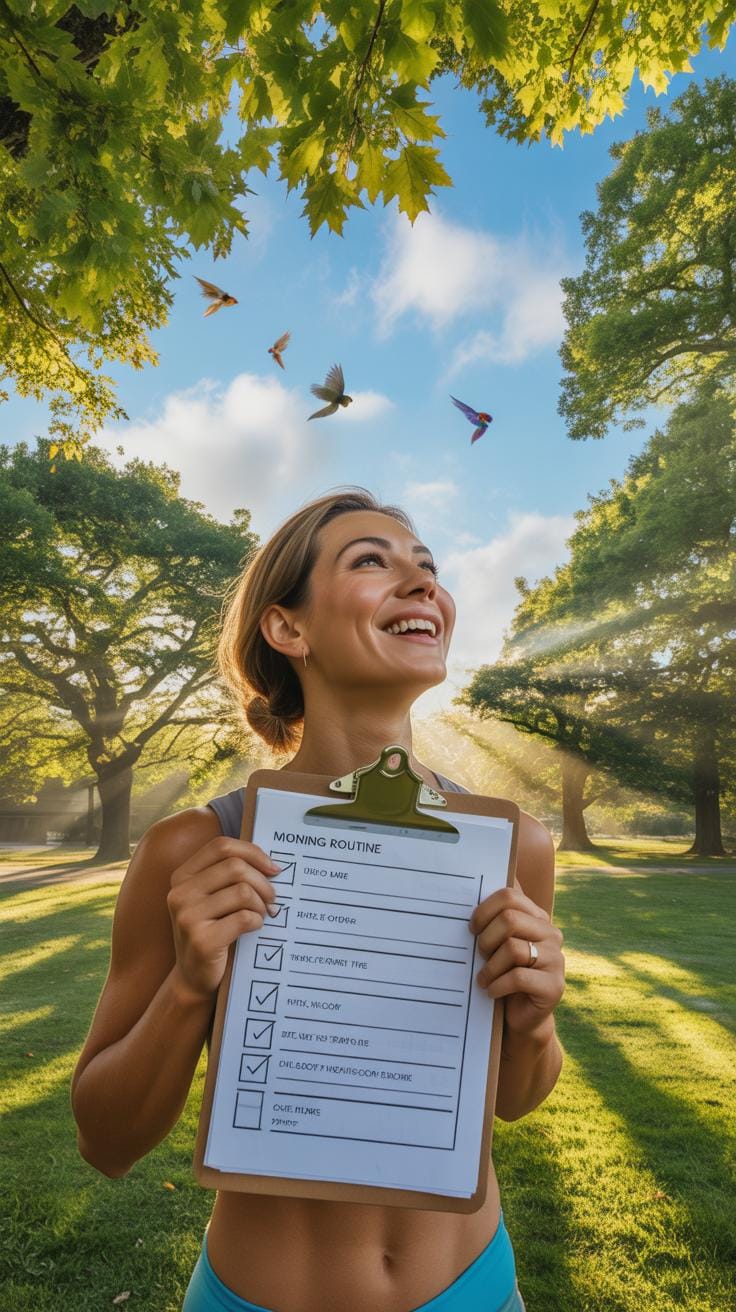
Making fresh air part of your everyday life can feel a bit daunting at first, but a simple checklist can help. Try to step outside early in the morning, perhaps around 7 or 8 a.m., when air tends to be cleaner and quieter. A short walk or some light stretching can kickstart your day better than coffee alone.
Midday breaks offer another chance. Taking 10–15 minutes to sit in a park or walk around the block during lunch can refresh your mind. In the evening, spend time outdoors again if you can, maybe by having dinner on a balcony or taking a brief stroll after sunset.
Tips for boost: avoid busy streets where pollution peaks, breathe deeply but naturally, and pick green spaces if possible. You might want to keep a reminder on your phone or a note by the door to encourage consistency. This routine isn’t about rigidity but about gently weaving fresh air moments into your day.
Steps To Spend More Time Outdoors
Standing or sitting inside is easy, but making time outdoors requires some planning. One simple step: combine errands with fresh air. Walk or bike to the grocery store or post office instead of driving if distance and weather allow.
Another idea is to switch indoor social activities to outside ones. Meeting friends at a park rather than a café gives you both social and fresh air benefits. Also, consider hobbies like gardening or birdwatching—they pull you outside without feeling like exercise.
Try to open windows regularly—even for a few minutes—to let fresh air circulate indoors. If you have pets, walking them offers a natural way to step outside daily. Little changes, repeated often, add up.
Tips For Making Fresh Air Time Effective
Not all fresh air is created equal. Choosing quieter locations, away from traffic, makes a difference. Parks, forests, or riverbanks usually have better air quality and fewer distractions, helping you breathe deeper.
Timing matters too. Air pollution peaks during rush hours, so if you can, aim for mid-morning or late afternoon outings. Weather affects air quality as well; dry, breezy days often provide cleaner air than humid or stagnant ones.
Try to relax while outside. Stress counters many benefits. Sitting calmly, noticing sounds and smells, or doing gentle movements encourages your body to absorb oxygen more efficiently. It’s not just about time outdoors but about how you spend that time.
Nutrition And Fresh Air Interaction

Breathing in fresh air can do more than just clear your mind—it might actually nudge your digestion and metabolism along in subtle ways. When you’re outdoors, especially in the country air, your body gets a clean supply of oxygen that helps cellular functions, including those in your digestive tract. As a result, you might notice your appetite working better, and your energy feeling steadier throughout the day. That crisp air surprises me sometimes; it wakes you up on a fundamental level.
Eating well while outdoors, then, feels like a natural pairing. It seems that certain foods complement this environment, pushing your energy up rather than dragging it down. Think about light, whole foods rich in fiber and nutrients—like fresh fruits, nuts, and leafy greens. These kinds of foods are not only easy to digest but also enhance the sense of well-being you get from being outside. You might find that eating heavier meals outdoors weighs you down instead of energizing you.
Fresh air could also stimulate metabolism by encouraging deeper breathing and more physical activity, both linked to more efficient calorie use and digestion. I wonder how much of this is psychological and how much is physiological, but it feels like a real boost when you combine good food with good air. The environment calls for you to move more, breathe better, and eat in ways that support this active state.
Fitness Activities To Do In Fresh Air
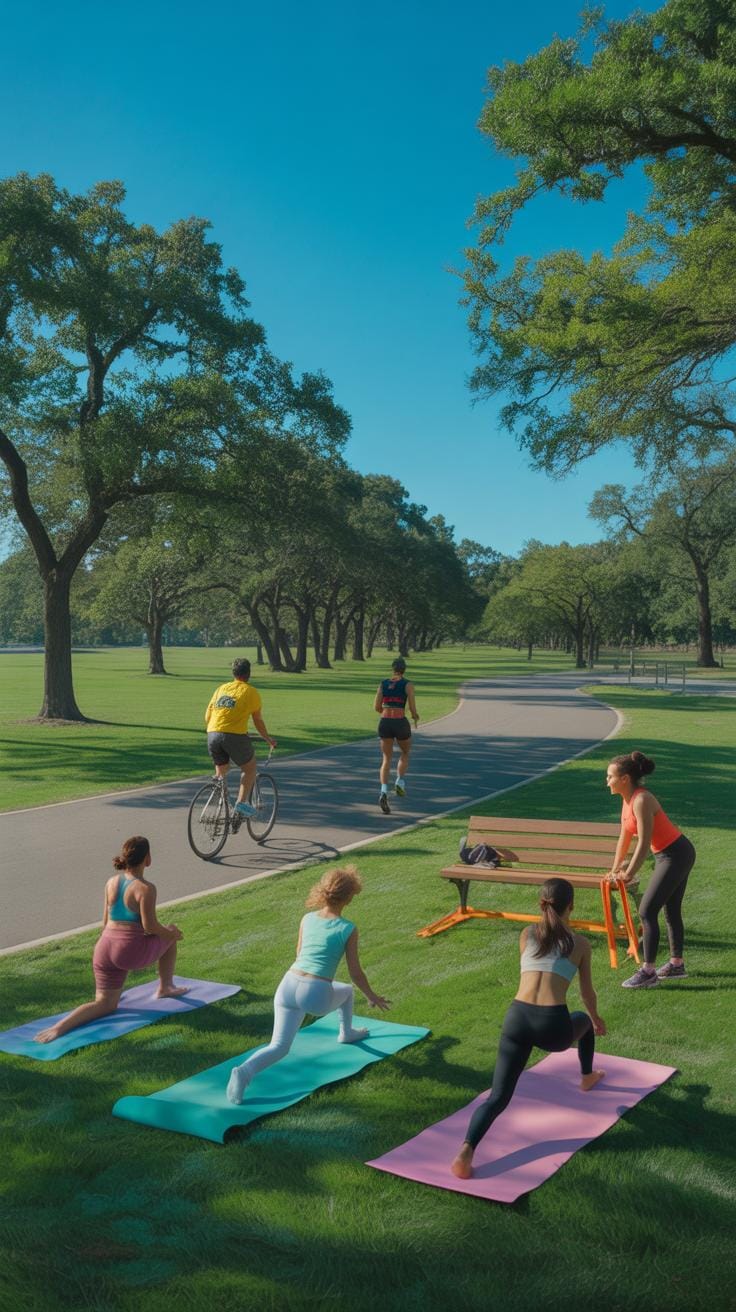
Exercising outdoors offers a distinct experience compared to indoor workouts. The fresh air changes the game a bit, making even simple activities feel invigorating. You might find that your energy levels slightly shift when the air is crisp, and there’s room to move freely.
Simple exercises suited for fresh air environments include:
- Bodyweight exercises like squats, lunges, and push-ups—this is where the ground beneath you can provide a solid base, and the open air helps you breathe easier.
- Stretching or light yoga—muscle relaxation feels different outside, perhaps because the surroundings help your mind settle too.
- Upper body exercises using resistance bands—if you bring some gear along, the outdoor space lets you extend your movements fully.
These activities aim to improve your muscle tone, flexibility, and circulation. And when done outside, the change of scenery might help with motivation. Have you noticed, on a sunny morning, how much easier it is to just step out and move?
Walking And Jogging In Natural Settings
Walking or jogging outside isn’t just about burning calories; it’s also about what happens to your heart and lungs in fresh air. The cardiovascular system tends to respond well when you’re moving in an environment that’s not cramped or stuffy.
Natural settings, like parks or trails, give you more varied terrain, so your muscles and balance get subtly challenged without you necessarily realizing. Your heart rate adjusts to these changes, promoting heart health. And the fresh air, often richer in oxygen and lower in pollutants than city streets, could enhance lung function over time.
Plus, something about the sights and sounds outdoors can distract from fatigue or boredom. That distraction – while you might not plan for it – can push you a little further in your walk or jog.
Outdoor Group Fitness Ideas
Group activities outdoors can be really enjoyable and make fitness feel less like a chore. Consider joining or starting cycling clubs where you pedal through country roads, absorbing clean air and maybe chatting with others as you go.
Outdoor yoga sessions are another option. They get benefits from the calming environment and the rhythmic breathing that’s easier in fresh air. Yoga in a group outdoors also adds a social layer that indoor classes might miss.
Then there’s hiking groups, boot camps, or even frisbee games in the open—each one engages different fitness aspects while making the outdoor air part of the experience. You’ll find the social motivation can make you push a bit harder than when exercising alone.
Have you tried group workouts outside? Sometimes, the blend of fresh air and company creates a feeling that’s hard to replicate indoors.
How Fresh Air Boosts Immune System

Breathing fresh air does more than just refresh your mind—it can help strengthen your immune system. When you inhale clean, outdoor air, your body gets exposed to natural elements like oxygen, which are essential for cellular functions and immune cell activity. Unlike indoor air, fresh air usually has fewer pollutants and toxins, reducing your body’s burden and preventing immune suppression.
Spending time outdoors also introduces your body to a diverse range of microbes found in nature. This exposure can gently challenge and train your immune system, potentially improving its ability to respond to harmful pathogens. It’s a bit like a workout for your immunity, keeping it alert and ready.
Immune Response Improved By Nature
There is a clear link between being outdoors and enhanced immune function. Natural environments often offer cleaner, oxygen-rich air and exposure to plants and soil microbes, which can stimulate immune cells. Studies suggest that exposure to natural settings reduces stress hormones—that otherwise suppress immune response—and promotes the production of white blood cells that fight infection. So, taking a walk in the countryside might do more good than just getting fresh air; it may actively boost your immune defense.
Case Studies Showing Health Improvements
Some intriguing research has focused on people who spend regular time outdoors. For example:
- Children playing in natural environments show fewer respiratory infections than those in urban settings.
- Patients recovering from surgery or illness often heal faster when allowed regular exposure to fresh air compared to sterile indoor air.
- A 2010 study showed workers exposed to forest air had higher levels of natural killer (NK) cells, which play a critical role in combating viruses and tumor cells.
These examples suggest that fresh air exposure has measurable benefits, supporting quicker recovery and fewer illnesses. So, next time you feel cooped up, maybe stepping outside could be a simple way to help your immune system stay fit.
Common Barriers To Fresh Air Exposure

Finding time and space for fresh air isn’t always easy. For many, living in an urban environment means the air outside can be far from fresh. Traffic fumes, industrial pollution, and crowded spaces often dominate city air quality. This can make the idea of going outside less appealing, even if a breath of fresh air would be beneficial.
Weather also plays a role. Rain, cold, or extreme heat can keep you indoors. Plus, busy schedules make it hard to carve out moments for nature breaks. It’s like a constant tug-of-war between life’s demands and the urge to get outside.
Challenges Of Urban Living
Urban air quality varies greatly and can often fall short of what’s considered healthy. High levels of pollutants like nitrogen dioxide and particulate matter are common near busy roads and industrial zones. It’s not just an inconvenience—it can impact your health, especially if you have respiratory conditions.
Still, you don’t have to remain trapped indoors. Parks, gardens, and green rooftops provide pockets of cleaner air. Choosing these spots for walks or breaks helps reduce exposure to heavy pollution. Even planting some greenery near your home or workspace can slightly improve your immediate air quality.
Planning Around Weather And Time
Bad weather doesn’t have to mean staying cooped up. Consider brief outings during mild spells or sheltered places like covered patios or indoor plant-filled rooms with good ventilation. Wearing weather-appropriate gear can extend your outdoor time comfortably too.
When it comes to time, short and frequent fresh air breaks often work better than long ones you struggle to fit in. Early morning or late evening can be quieter times with less pollution. Sometimes, it’s about shifting routines slightly, maybe taking a midday break outdoors if mornings and evenings are too hectic.
What small change could you make today to invite more fresh air into your routine? Sometimes, it’s as simple as opening a window or stepping outside for five minutes. The effort might be small, but the benefits add up over time.
Setting Up A Fresh Air Space At Home

If you want to create a spot at home that welcomes fresh air, starting with plants is always a good idea—but not just any plants. Some actually clean the air, removing harmful toxins. For example, spider plants, snake plants, and peace lilies are known to filter indoor air better than many others. They don’t demand too much care—just occasional watering and indirect sunlight. I found that placing these near windows maximizes their effect and keeps them happy.
When it comes to seating, it pays to keep things simple but inviting. A sturdy chair or a bench with cushions can be enough. Don’t overcrowd the area. Remember, fresh air alone refreshes, so you want to actually sit and breathe in peace rather than being distracted by fancy furniture.
Flow of air matters more than you might expect. Good airflow stops the feeling of stale air collecting. Think about positioning seating near windows or doors that you can open. Even small fans can help move air around, preventing it from becoming stagnant. Sometimes you want a gentle breeze rather than a still room, but depending on the climate outdoor fans might need to be more targeted.
On patios or balconies, consider these points to make the most of your fresh air time:
- Use lightweight, movable furniture so you can adjust for sun or shade.
- Add potted plants that tolerate outdoor conditions and continue to improve air quality.
- Incorporate some shade—umbrellas or light awnings protect from too much sun without cutting off all airflow.
Your fresh air space should be a small oasis, but it’s not about perfection. It’s about what works for you, your home’s layout, and how much time you want to spend enjoying that open air. Maybe try moving things around every season, or see what plants thrive best where sunlight is inconsistent. It’s a gentle balance and worth exploring.
Measuring Your Fresh Air Benefits
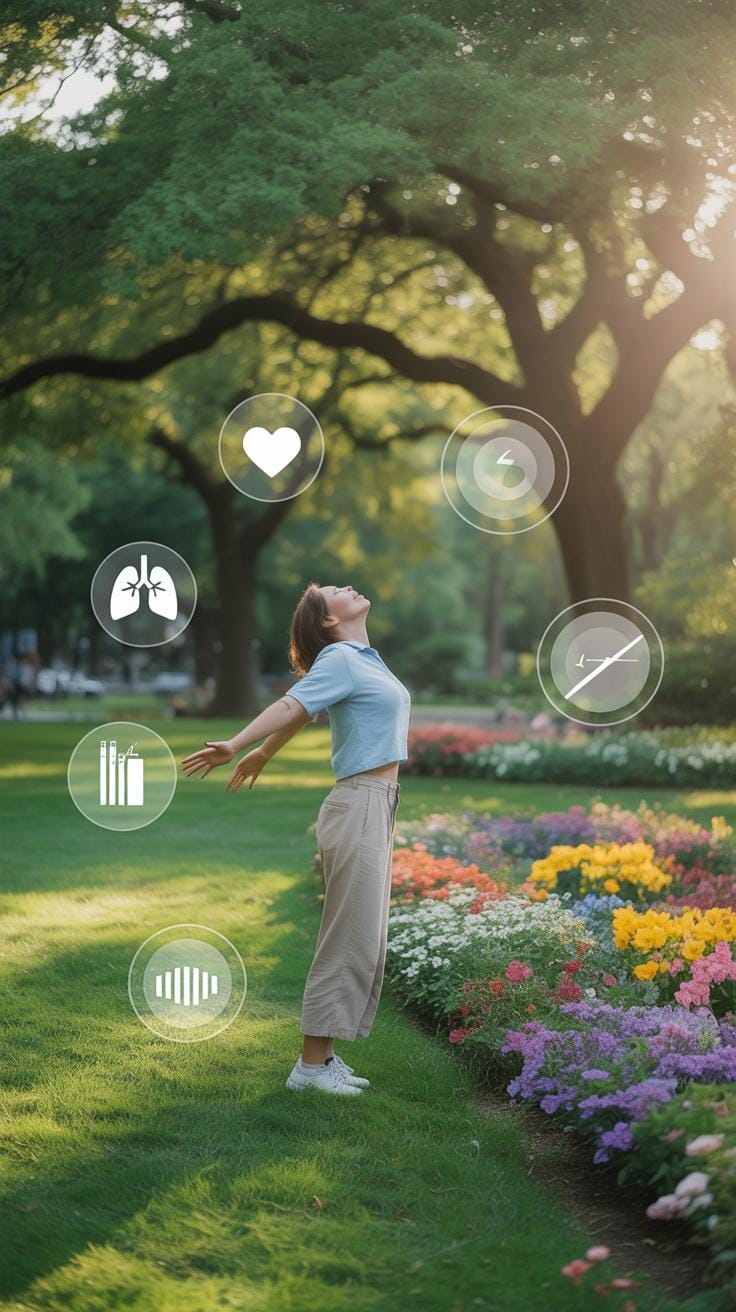
Tracking the benefits of fresh air doesn’t have to be complicated. You can start simple, maybe with a breathing test. For instance, notice how easily you take a deep breath; if it feels freer or less strained after spending time outside, that’s a good sign. Some people even use handheld peak flow meters to measure lung function, watching for improvements over weeks. It can be surprisingly motivating.
Fitness gains offer another tangible way to measure progress. Are you finding it easier to walk or run longer distances without getting winded? Maybe your recovery time after exercise is shorter. These subtle changes add up. It’s worth jotting down your activity and how you feel afterward.
Mood journals are helpful too — a simple diary where you note your daily mood, energy levels, or moments of calm. Over time, patterns might emerge showing how fresh air lifts your spirits or eases stress. It’s a personal way to track mental shifts that aren’t always obvious.
Have you noticed anything particular yet? Sometimes the changes sneak up on you.
Using Health Metrics To Track Progress

Some health numbers tell a story about how fresh air benefits your body. For instance, monitoring your resting heart rate can be revealing; a slight drop might suggest better cardiovascular health. Blood pressure readings, when taken regularly, can also show positive shifts over time.
Other indicators include sleep quality — it often improves with outdoor time. You might find yourself falling asleep faster or feeling more rested. Keeping tabs on your weight or muscle strength can support your observations, though these metrics can vary.
The key is consistency. Pick a handful of measures that feel right for you and check them regularly. This way, you begin to see clearer signals amid the day-to-day noise.
Mood And Energy SelfAssessment

Your mental state says a lot about fresh air’s effects. Try a simple self-check by rating your mood and energy from 1 to 10 each day. Do this before and after spending time outdoors. You may find your numbers rise.
Another useful method is reflective journaling, briefly noting thoughts or emotions linked to your outdoor experiences. Does fresh air reduce anxiety or sharpen focus? Or maybe it just offers a break from routine, which in itself is valuable.
Energy levels can fluctuate, so don’t be discouraged if progress feels uneven. Sometimes, there are days when fresh air doesn’t seem to help much. That’s normal and part of the process.
What stood out to you today after your time outside? Sometimes asking yourself that question is the easiest way to stay aware.
Sustainable Practices For Clean Air

Fresh air is something many of us take for granted, yet it’s influenced heavily by the choices we make in our communities and daily lives. You might wonder, what can one person really do to support cleaner air? Turns out, quite a bit. Small lifestyle adaptations, when embraced collectively, can cut down pollution sources that often sneak into the air we breathe.
Reducing air pollution often starts at home—consider using energy-efficient appliances that burn less fuel, limiting car trips by biking or walking, or even switching to public transport now and then. Groups of neighbors can come together to promote carpooling or community clean-up days that reduce dust and debris in local air. A quieter street with less traffic isn’t just nicer to live on; it literally means more breathable air.
Protecting green spaces is another practical step. Parks and trees act as natural filters, soaking up pollutants and generating oxygen. When a community rallies to keep a park from becoming a parking lot, or plants more trees along streets, it grows a healthier breathing environment for everyone. It’s more than scenery—these areas can lower stress, encourage physical activity, and even bring down local temperatures.
Thinking about these points, it’s clear that clean air isn’t just a given but a shared responsibility. Have you noticed how different your neighborhood feels on a windy day after a rain? Those moments highlight how dynamic fresh air really is, and maybe nudging us to protect it just a little more.
Conclusions
Spending time in fresh air, especially in country settings, offers real health benefits. It improves lung function, supports mental health, and encourages active lifestyles. Better air quality reduces harmful exposure to pollution, helping your body work better.
By making fresh air part of your daily routine, you can boost your fitness and feel healthier. Simple steps like walking in natural areas or gardening can make a big difference for your well-being. Fresh air is an easy and effective way to enhance your health.