
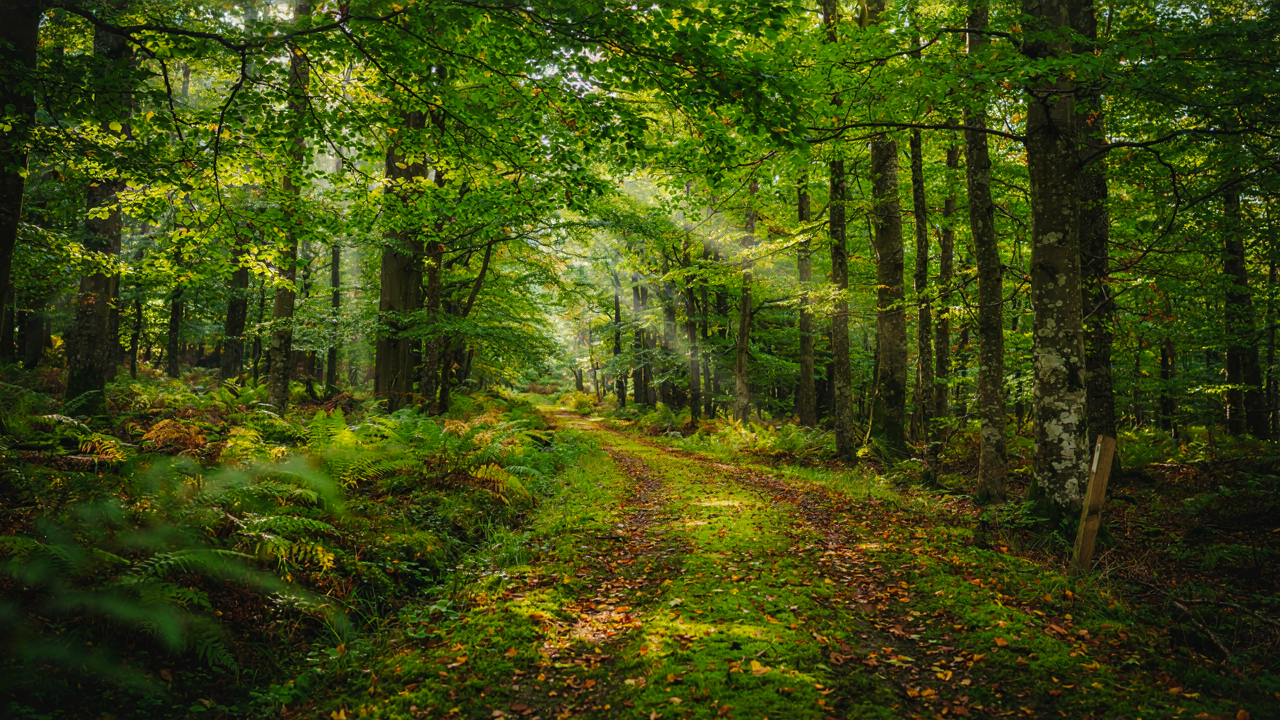
Beyond The Pretty Pictures: What Is Real Forest Bathing?
Instagram Didn’t Invent This
You want forest bathing to be new so you don’t feel late to the game. The mechanism is simple: if it’s ancient, you’re behind. If it’s trending, you can catch up. Neither is true here, and that matters because it changes how you approach the trails. Forest bathing isn’t about the aesthetic. It’s about measurable physiological shifts triggered by specific environmental inputs. The pretty picture is the symptom, not the treatment.
The common advice treats forest bathing as meditation with trees nearby. Wrong. Meditation is active mental discipline. Forest bathing is passive nervous system recalibration. You’re not trying to clear your mind. You’re exposing your body to phytoncides, specific volatile organic compounds released by trees, which your system processes through olfactory pathways connected directly to the limbic system. The trail design, tree density, and seasonal composition determine the dose you receive. The rest is just showing up.
The Original Practice From Japan

Shinrin-yoku emerged in Japan during the 1980s as a public health response, not a wellness trend. Forest Agency researchers noticed measurable stress hormone reduction in subjects spending time in specific forest environments. They named it deliberately: shinrin means forest, yoku means bathing. This wasn’t poetry. This was epidemiology. The practice had no spiritual packaging initially. It was data dressed in observation.
The Japanese didn’t invent forest exposure, but they quantified what already worked and made it replicable. The protocol matters: time spent, walking pace, sensory engagement level, tree species composition. Western adoption stripped the specificity and added Instagram filters. Most forest bathing trails in North America follow aesthetic design rather than the original pharmacological logic. You need to identify which trails still preserve the mechanism rather than just the name.

The Failsafe Forest Immersion Protocol

Kill Your Notifications First
You want the reset without actually resetting. You’ll bring your phone, keep it on, check it twice. The mechanism is simple: your nervous system can’t downregulate while your prefrontal cortex is processing notification threats. Borrowing from neurobiology, forest bathing trails function as a “stimulus deprivation chamber” where the absence of competing inputs allows your parasympathetic nervous system to activate. Without removing digital signals, you’re just walking in the woods while your amygdala stays primed.
Power down your device completely thirty minutes before arriving at the trailhead. Not silent mode, not airplane mode. Off. This gap between departure and arrival matters because your brain needs time to stop expecting interruption. The moment you arrive at forest bathing trails, your only input should be what the environment offers. This is non-negotiable if you want measurable rest.
Engage The Four Sensory Channels
Most forest bathing advice stops at “be present,” which is useless. Presence without direction produces nothing. On forest bathing trails, activate engagement through four distinct sensory channels sequentially rather than simultaneously. First, sound: identify three separate noise sources without naming them. Second, touch: place your palm on three different tree textures and notice the temperature variance. Third, smell: breathe deliberately and catalog the scent layers. Fourth, sight: track one object moving through the canopy for two minutes. This structured approach prevents your mind from drifting into thought patterns and keeps it anchored to direct input.
The order matters because you’re training attention, not relaxing passively. Move through each channel for five to seven minutes before transitioning. Your parasympathetic nervous system activates fastest through this staged sensory loading because your brain recognizes the novelty and novel input requires present-moment processing. By the time you’ve completed all four channels, your default mode network has downshifted significantly. This is the actual reset mechanism at work on forest bathing trails.
Unplugging For Profound Peace: The Biological Imperative

Why Your Body Stops Fighting When Trees Are Close
You want proof that forest bathing works because you’re tired of feeling scammed by wellness trends. Here’s the mechanism: cortisol is your stress hormone, and forests actively suppress its release through a biological feedback loop. The forest doesn’t soothe you like a spa does. It tells your nervous system there’s no threat, so your adrenal glands stop producing cortisol. Your heart rate drops. Your blood pressure follows. This is neurobiology, not mythology.
The reduction happens fast because your brain recognizes patterns it evolved to trust. Open canopy, soft ground, absence of sudden movement, predictable soundscapes. When you walk a forest bathing trail for thirty minutes, your cortisol levels measurably decrease compared to urban environments. The change is subtle enough that you don’t feel “cured” in one session, but consistent enough that regular trails create a reset pattern your body learns. The trail becomes a protocol your nervous system recognizes and responds to before conscious thought catches up.
When Trees Release What Your Immune System Needs
Biology teaches us that organisms communicate through molecular signals, and phytoncides are the forest’s chemical language. These airborne compounds, released by trees as natural defense mechanisms, enter your respiratory system and trigger your immune cells to activate. Japanese researchers documented that when you breathe phytoncides on forest bathing trails, your natural killer cells increase in both number and activity within hours. This isn’t metaphorical. Your immune function physically upgrades.
The effect persists for days after a single trail exposure, which is why a weekly forest bathing practice compounds better than a one-time visit. Phytoncides from pine, oak, and cedar species show the strongest immune response, though all forests produce them. You don’t need to hike hard or feel accomplished. The immune boost comes from slow movement and regular breathing. The trail works as a passive inoculation system where your body receives a measurable biological upgrade simply by being present in the trees.
Finding Your Trail: Not All Green Spaces Are Equal

Identifying Optimal Forest Bathing Trails For Solitude
You want to believe any forest will work. It won’t. The mechanism is simple: your nervous system doesn’t reset around other people’s energy, and it especially doesn’t reset when you’re tracking them or being tracked. Solitude isn’t spiritual—it’s biological. Your parasympathetic nervous system requires the absence of social threat to downregulate. A crowded park fires it up instead of calming it down, no matter how many trees surround you.
Real forest bathing trails have low foot traffic by design or geography. Look for trails that require effort to reach, sit outside peak hours, or exist in regions where tourism hasn’t colonized the access points. The best trails aren’t marketed as forest bathing destinations. They’re working forests, protected reserves, or regional trails locals know but outsiders skip. Visit on weekday mornings before 10 AM, or mid-week in shoulder seasons when day-trippers disappear. Solitude is a prerequisite, not a bonus.
Assessing Noise Pollution And Genuine Immersion Potential
Acoustic ecology—the study of sound environments—reveals what hikers usually ignore: noise pollution damages immersion more than visual clutter does. Your brain processes sound as a threat signal faster than it processes images. A distant highway hum running underneath bird calls keeps your amygdala partially activated the entire time. You never fully relax. Most forest bathing guides skip this because it’s uncomfortable to admit that many popular trails are acoustically compromised and therefore useless for the stated purpose.
Visit trails at different times and sit silently for five minutes. Document what you hear. If traffic noise, construction, or human activity registers clearly, move on. The acoustic profile of a forest bathing trail should be dominated by wind, water, and animal sounds—signal without threat. Bring a recording app if you need objective data. Real immersion happens when your ears stop scanning for danger. That’s the only metric that matters.
The Anti Instagram Guide To Forest Bathing Aesthetic
Why You Actually Care About This
You want proof that you did it right. That’s the real motive here. Forest bathing doesn’t produce Instagram content, and that breaks the social currency model most people operate inside. Here’s the mechanism: attention is a zero sum game. The moment you start composing a shot or narrating your experience to an absent audience, your nervous system shifts from parasympathetic activation to performance mode. You’re no longer bathing in forest. You’re performing bathing in forest for imaginary witnesses.
Cognitive load works like military resource allocation: you have finite processing bandwidth, and you must decide where to deploy it. Deploy it toward the internal experience, and the nervous system downregulates. Deploy it toward documentation and external validation, and you’ve just reversed the entire neurological benefit of being there. The peace isn’t a byproduct of the forest. It’s a byproduct of attention that stays inside your own perception. Most people misunderstand this as “don’t take photos.” The real instruction is simpler: don’t split your focus between experiencing and witnessing.
Experience First, Signal Zero
The contradiction people land on: they think capturing the forest experience preserves it. It actually replaces it. When you frame a shot, you stop tasting the air humidity. When you compose the narrative, you stop hearing the granular differences between oak leaves and birch leaves moving in wind. You’ve substituted a memory of the experience for the experience itself. Most forest bathing guides skip this and talk about “mindfulness while photographing.” That’s not mindfulness. That’s divided attention wearing a wellness label.
The mechanism is straightforward. Shinrin yoku, the Japanese term for forest bathing that emerged in the 1980s, was designed specifically as a counterweight to overstimulation and constant documentation. It works because you show up to be changed by the environment, not to change the environment into content. Walk the trail without your phone. If you must document, do it in the return to your car, and do it once, briefly, for yourself only. The moment you stop narrating to an invisible audience is the moment the reset actually begins.
Beyond The Weekend Trip: Integrating Nature Connection

The Micro Dose Protocol
You want permission to skip the full day hike and still feel like you’re doing something that matters. Here’s the mechanism: your nervous system doesn’t care about duration, it cares about signal consistency. Neurobiology shows that repeated, brief exposures to natural stimuli trigger parasympathetic activation faster than occasional long exposures. Forest bathing trails work the same way—frequency beats intensity.
- Morning 10-minute walks on local trails: Before work or caffeine. Your cortisol spike is already happening; guide it downward with trees instead of screens. Pick a route within five minutes of home.
- Lunch break forest bathing: 15 minutes minimum. Not a workout. Walk slowly enough that you notice bark texture and sound layers. Skip the phone even if you think you need it.
- Evening loop before dinner: Same trail works better than novelty. Repetition lets your brain stop mapping and start settling. Three times weekly beats one weekend trip.
- Transit buffer zones: If you pass green space between locations, add five minutes. Stop walking toward something; walk inside something. The shift matters neurologically.
- Weather rotation days: Rain and wind change the signal your senses receive. Don’t skip trails because conditions shift. That variation prevents adaptation and keeps the system responsive.
The math is simple: 15 minutes daily beats four hours once monthly. You build a baseline of calm that doesn’t collapse on Monday. The consistency rewires your default state, not just your weekend.
Urban Green Spaces As Practice Ground
Most advice says “seek out pristine nature trails for real benefits.” That’s incomplete. Urban green spaces train the specific skill you need: extracting presence from imperfect environments. This matters because most of your life happens around noise, concrete, and people.
Forest bathing on a trimmed city park trail teaches you to filter signal from noise. The pigeons, traffic hum, and distant sirens become background data your brain learns to sort. You’re not getting transported to wilderness—you’re learning to generate calm despite distraction. That’s the actual skill. When you then visit real forest bathing trails, you already know how to hold attention. You move slower. You notice more. You don’t need the environment to be perfect to feel the effect.
Why “Forest Bathing Retreat” Is Often A Gimmick

The Retreat Industrial Complex
You want the reset without looking like you need one. That’s the real tension. The commercialized retreat preys on this exact gap: you pay for permission to disconnect, then you’re back on your phone at the lodge WiFi by evening. The mechanism is borrowed from hospitality economics. In business, you’ve got supply and demand. In forest bathing, you’ve got authenticity and packaging. The moment a trail gets branded as a “retreat destination,” the signal you’re actually seeking gets diluted. You’re no longer bathing in forest conditions. You’re consuming a curated experience designed to extract dollars, not deliver neurological reset.
Real forest bathing doesn’t require a resort fee or a wellness coordinator. The Japanese practice of shinrin-yoku emerged from free access to common forests, not luxury infrastructure. Retreat operators package the idea of disconnection while keeping you tethered to their amenities. The genuine reset happens when you’re alone with actual trees, without scheduled group activities or Instagram moments. Commercialization doesn’t enhance forest bathing. It replaces it with theater.
Solo Protocol Over Packaged Immersion
The real immersion techniques don’t depend on someone else’s property or permission structure. Start with a local trail you can repeat weekly, not a destination you visit once. Repetition on the same path trains your nervous system to recognize patterns and drop its guard. Bring nothing that requires charging. No speaker, no camera, no tracker counting your steps. The goal is sensory input without mediation.
- Barefoot contact with soil: Remove shoes for 10-15 minutes on forest floor. Skin receptors detect mineral compounds and microbes that trigger parasympathetic response. Start on packed trails, not rocky terrain.
- Deliberate breathing at tree level: Position yourself at trunk height with nose near bark. Inhale volatile organic compounds trees release. The mechanism is olfactory input to the limbic system, not mystical energy.
- Walking without destination: Move slowly with no endpoint or time limit. Stop when you want. This removes goal orientation, which keeps your prefrontal cortex engaged and prevents actual downshift.
- Silent observation windows: Sit stationary for 20-30 minutes. Let your eyes track movement without naming it. This passive attention mode is what separates bathing from hiking.
- Water immersion when available: If the trail crosses a stream or pond, wade briefly. Cold water triggers vagal stimulation, which compounds the parasympathetic shift already starting from forest exposure.
These techniques work because they require nothing but access to actual trees and your own consistency. The retreat model works because it sells you the idea that environment matters more than protocol. Both can’t be true. You build the reset through method, not membership.
Sustaining The Calm: Your Post Bathing Protocol

The Reentry Problem
You want to believe the calm sticks around. It won’t, unless you engineer it. Your nervous system doesn’t care about the forest anymore once you leave it. The mechanism is straightforward: your brain treats the forest trail as an environment signal. Remove the signal, and your default pattern resumes within hours. The clarity you earned degrades fast without a deliberate protocol. Most people skip this step entirely and wonder why forest bathing feels temporary.
The research on attention restoration is clear. The directed attention fatigue that improves in nature reverses the moment you return to stimulus-rich environments. Your prefrontal cortex doesn’t hold gains by accident. You need a transition buffer between the trail and your normal life. This buffer is not meditation, not breathing exercises, not motivational journaling. It’s a specific behavioral sequence that extends the forest’s neurological effect into your day.
The Digital Firewall
The phone is the trap. You know this already. What you don’t know is the exact timing that matters. Common advice says “stay offline for an hour.” That’s vague and ineffective because it doesn’t account for the specific window when your nervous system is most vulnerable to rebound stimulation. Your brain is still in a receptive state for roughly 90 minutes post-immersion. After that window closes, returning to email and social feeds triggers a sharper jolt than it would have otherwise.
The protocol is this: spend 30 to 45 minutes in a device-free space before checking anything. This means no phone, no emails, no scrolling. Sit with water, food, or a notebook. Let your mind stay in the state the forest created. After that window, you can reintegrate. The difference between entering digital life at 30 minutes versus 90 minutes is measurable in your cortisol levels and decision quality for the rest of the day. Build this friction into your post-trail routine every single time.
The Hidden Cost Of Constant Connectivity
Your Attention Is Being Harvested
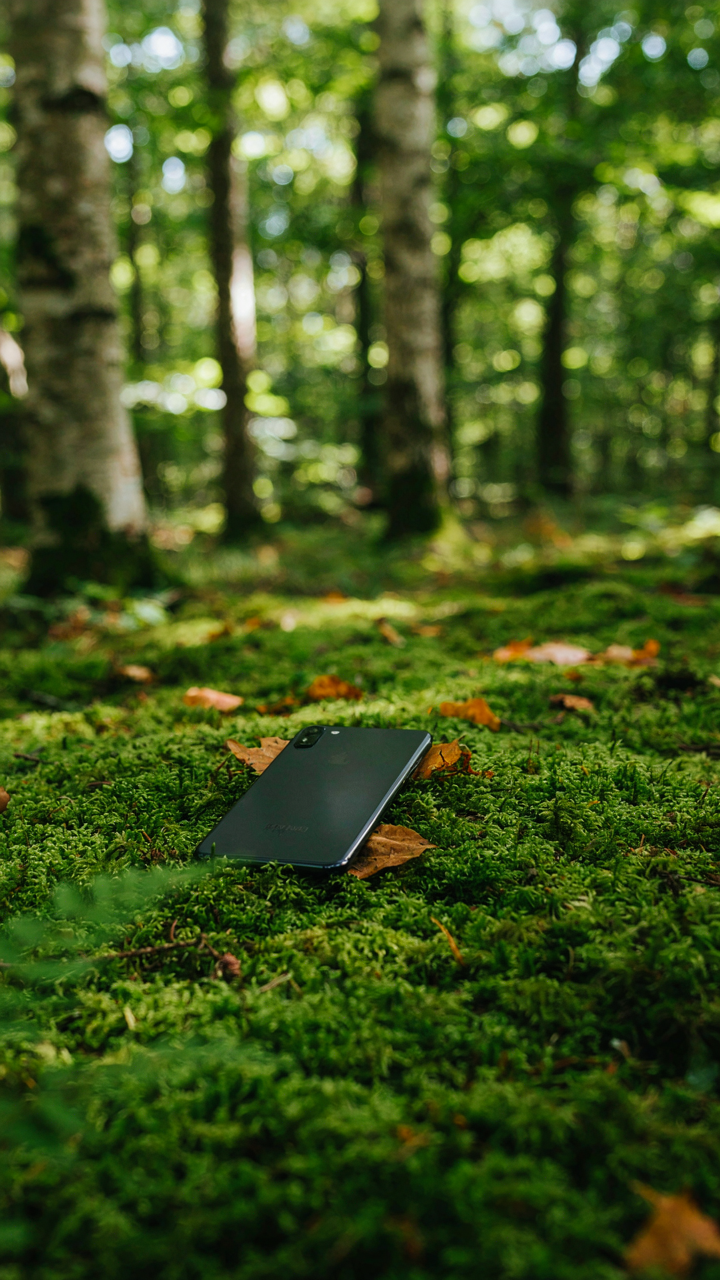
You’re worried you’re missing out. That’s the real reason you clicked this section. The attention economy runs on that fear, and it works because the mechanism is invisible until you name it. Your brain treats notifications like food signals. Each ping triggers a dopamine response designed to keep you scrolling, not thinking. The technology isn’t accidentally addictive. It’s engineered that way. Forest bathing trails interrupt this cycle by removing the infrastructure that feeds it.
Your phone’s notification system borrowed its architecture from slot machines. Pull the lever, sometimes you win, sometimes you don’t. That variable reward schedule is the single most effective way to build compulsive behavior. On a forest bathing trail, there’s no lever to pull. No variable reward. Your nervous system enters an entirely different operating mode because the stimuli are stable, repetitive, and predictable. The trail doesn’t demand your attention. It absorbs it.
Disconnect To Reclaim What Actually Matters
Telling someone to “just put your phone away” is lazy advice that ignores why they won’t. You won’t because disconnection creates genuine anxiety. Your brain has adapted to constant input as its baseline. Remove it, and silence feels broken. But forest bathing trails solve this differently. They don’t require willpower. They provide a designed substitute that your nervous system actually prefers once you’re ten minutes in.
The mechanism works because a forest bathing trail is a focused attention environment. Your senses narrow to observable data: light filtering through canopy, soil texture under your feet, ambient sound patterns. This isn’t meditation or mindfulness talk. It’s resource reallocation. Your prefrontal cortex stops running background processes checking for threats in your social feeds and deploys toward actual pattern recognition in your surroundings. Stay on the trail for two hours. Your attention span recovers measurably. Return to your phone, and you’ll notice the difference immediately because contrast reveals what normal had hidden.
Your True Obstacle Isn’t The Noise, But Your Addiction To Constant Digital Stimulation

Forest bathing trails don’t heal you. Silence does. Your phone buzzes every ninety seconds because you trained your brain to crave the dopamine hit. You’ll walk through the most pristine forest bathing trail and still feel restless unless you break the addiction first. Put your phone in your car today. Leave it there. Walk for one hour with nothing but your thoughts. Most people won’t do this because boredom terrifies them more than burnout ever will. That fear is exactly what you need to feel to actually change.