
Introduction
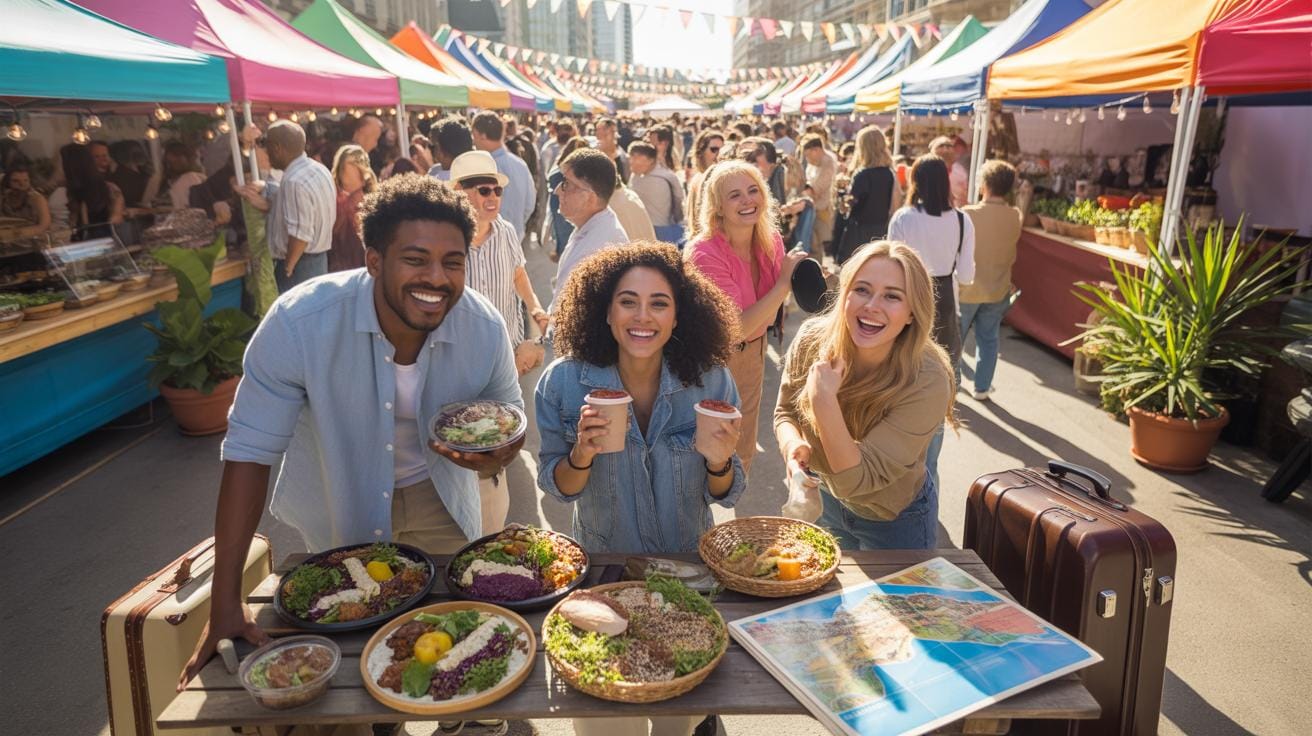
Food festivals bring people together to celebrate food, culture, and local traditions. They showcase regional dishes and produce, providing a unique chance to taste and enjoy the local cuisine. Food festivals attract visitors from near and far, making them important events for communities looking to boost tourism and share their culture.
This article discusses how food trends observed at festivals affect travel decisions and health choices. You will learn about the role food festivals play in shaping what people eat and how these events can help promote healthier eating habits or inspire new travel experiences.
Food Festival Basics
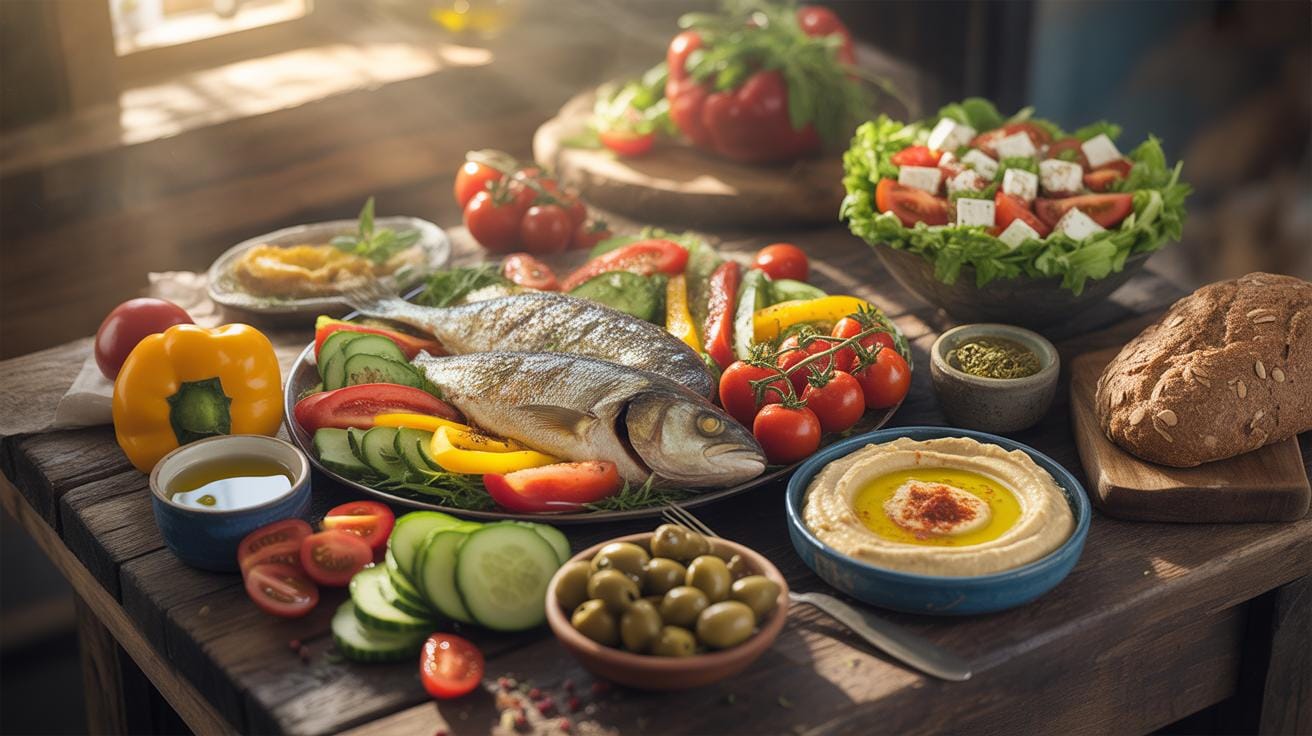
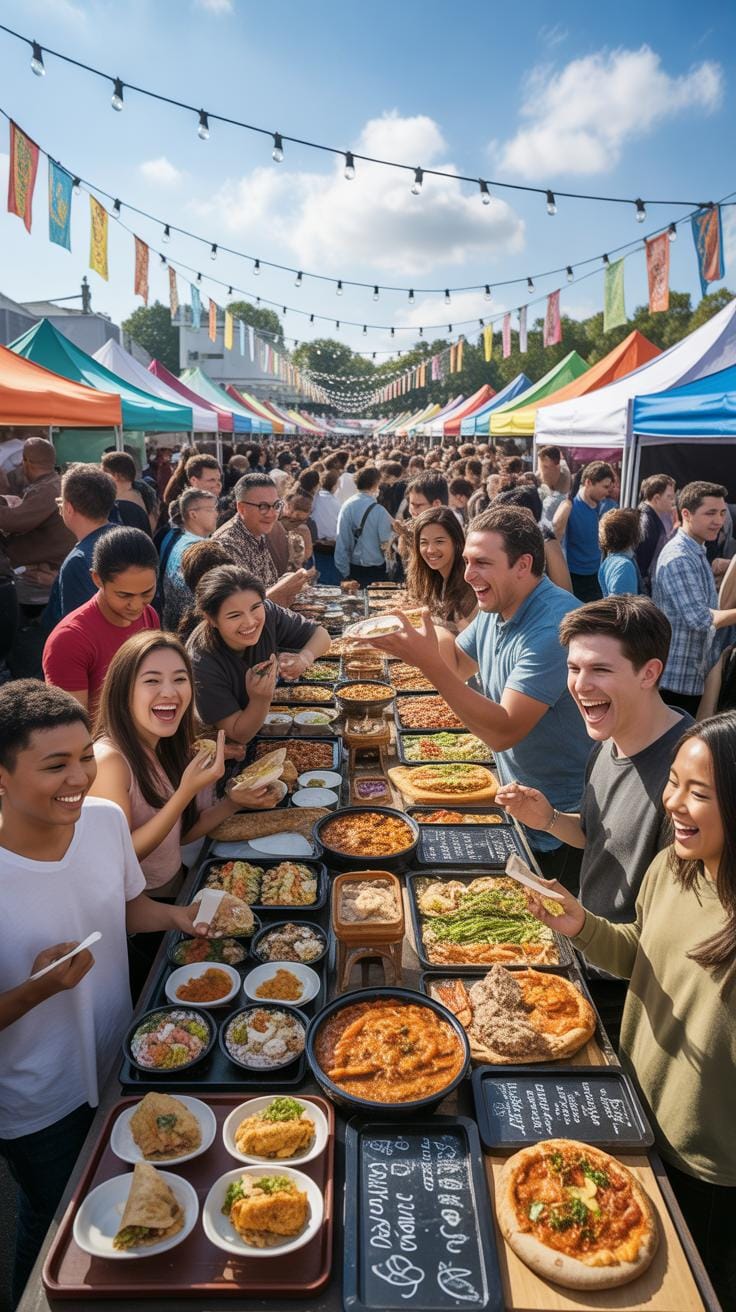
Food festivals are gatherings where food takes center stage, often celebrating local ingredients, recipes, and traditions. They trace their roots back centuries, with early harvest celebrations and market fairs marking seasonal cycles. Communities have long used these events to come together, share meals, and recognize the importance of food in everyday life. It’s not just about eating, but also about storytelling and keeping cultural memory alive.
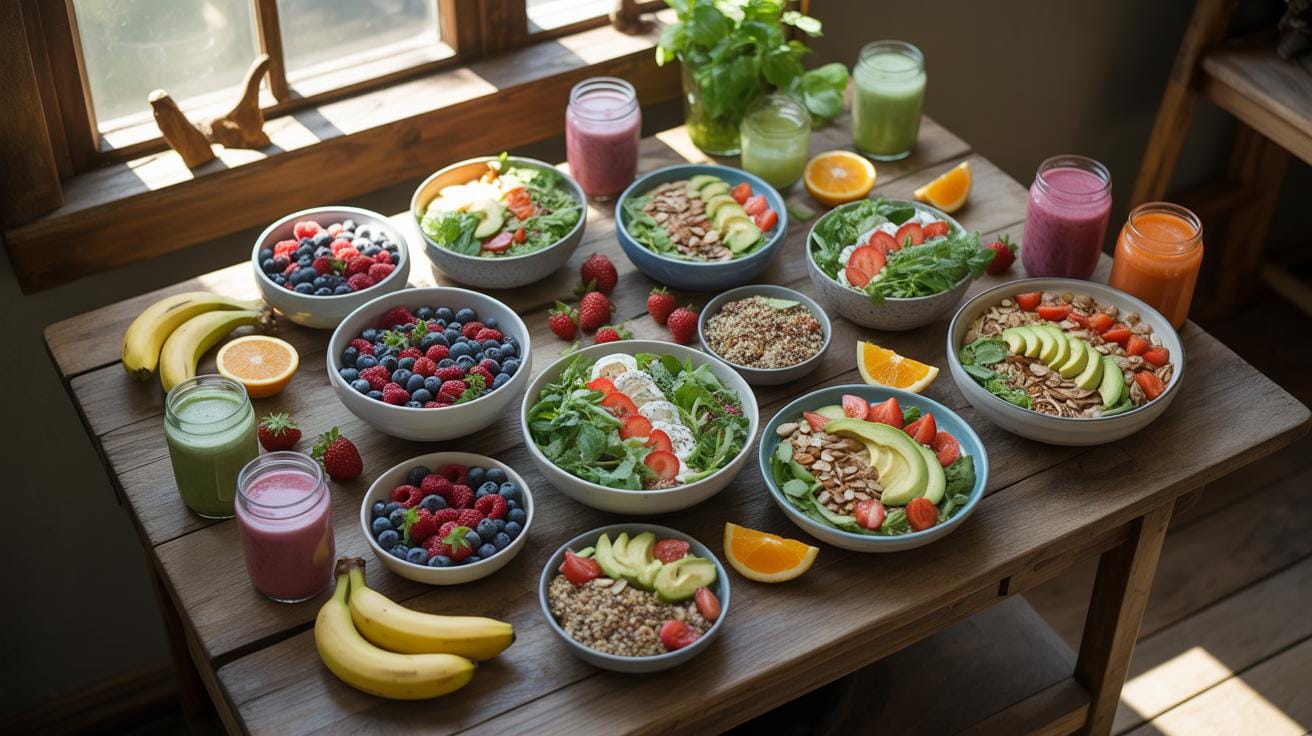
At their core, food festivals focus on what’s local: the fruits, vegetables, meats, and spices that define a place. This means they’re tied tightly to the land and its people. You’ll find events centered on things like apples in the Pacific Northwest, seafood in coastal towns, or spices in tropical regions. These festivals reflect the unique heritage and agricultural practices that shape a community’s identity. It’s a way for people to taste history, quite literally.
What Makes Food Festivals Special
Food festivals offer much more than just varied dishes. They mix colors, smells, tastes, and sounds into a lively environment. You experience a wide array of foods, from simple street snacks to elaborate dishes rooted in tradition. There’s also music, dancing, and performances that echo the cultural background behind the food.
Some famous examples include La Tomatina in Spain, which might not be purely about food but is food-centered, and the Maine Lobster Festival in the United States, focusing on local catch. The Night Market in Taiwan brings together multicultural street foods, showcasing globalization’s impact on cuisine. Each festival creates a unique atmosphere where eating becomes a social event, an exchange between locals and visitors.
How Food Festivals Support Local Culture
Besides celebration, food festivals act as stewards of tradition. They keep old recipes alive, some of which might vanish without regular practice. Farmers and artisans showcase traditional farming methods and craftsmanship, connecting people to the origins of their meals.
These festivals often boost local economies, too. They draw tourists who spend on lodging, local markets, and transportation. In rural areas, that influx can be crucial. When you attend such a festival, you’re supporting more than just vendors—you’re helping sustain the cultural and economic fabric of the community. It’s a reminder that food isn’t just nourishment but also a shared heritage that benefits all involved.
Food Festival Impact On Travel
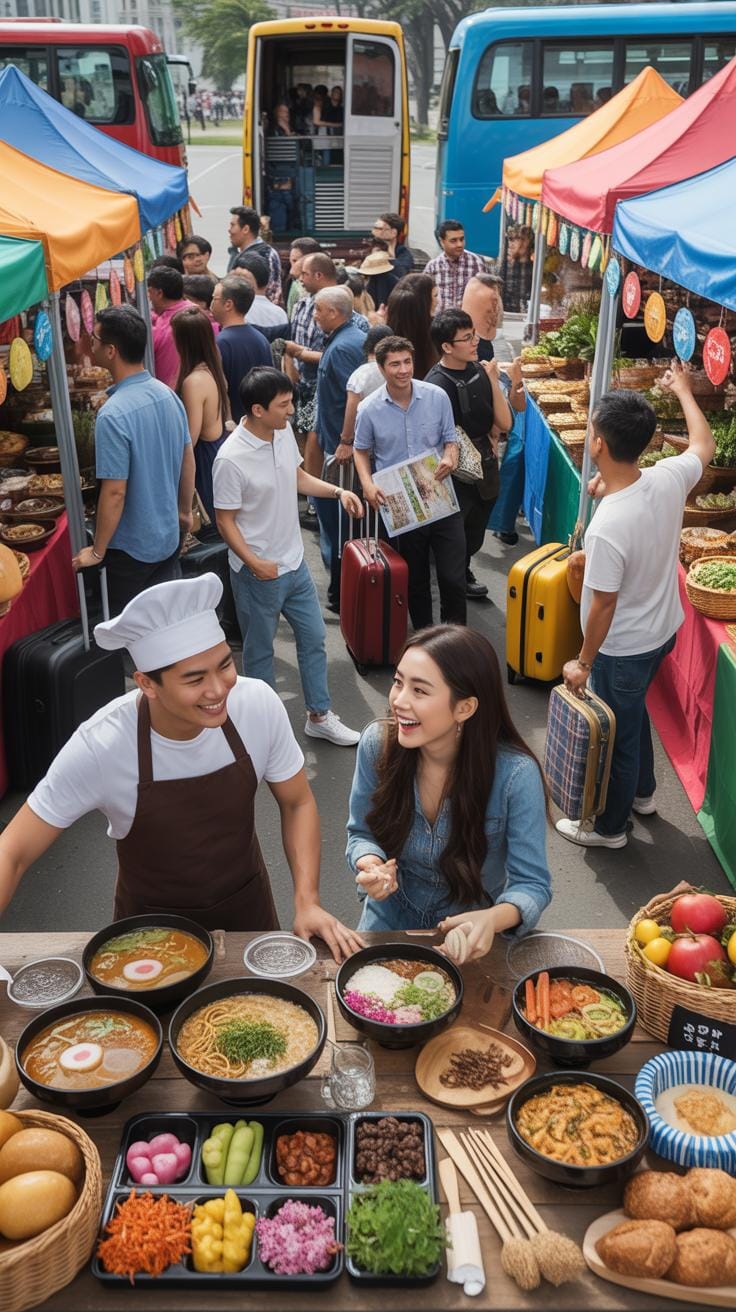
Food festivals shape travel choices more than you might realize. People often plan trips around these events, not just to eat, but to immerse themselves in something bigger—culture, history, and community.
Some travelers want to taste dishes they can’t find anywhere else, while others seek the social buzz that comes alive during these gatherings. Food festivals put destinations on the map, drawing tourists who might never have thought to visit otherwise.
Take, for instance, a wine and food festival in a small town. It doesn’t just sell tickets to tastings; it invites visitors to explore local vineyards, stay in nearby inns, and shop locally. This trickle-down effect can reshape a place’s economy.
When you think about it, food festivals offer more than a meal. They’re gateways to unique experiences — that’s why people keep returning and why many destinations promote them as key travel highlights. Have you ever traveled solely for a food event? What drew you in?
Why People Travel For Food Festivals
People don’t just show up for the food; it’s about experiencing something new. New flavors, yes, but also new ways of life. There’s a kind of cultural exchange implicit in food festivals you don’t find in typical tourist spots.
Beyond the cuisine, there’s the chance to connect—meet others who share your tastes or curiosity. That’s a powerful motivation. These events become social hubs, places to bond over shared stories as much as shared plates.
Motivations vary, though. Some want to learn cooking techniques, others want a sense of place through food traditions. Some even travel to challenge their palates or to find inspiration for their own kitchens at home.
Is it the food or the social aspect that pulls you more? Or perhaps both? The answer depends on the person and the festival. But these overlapping factors make food festivals a unique travel draw.
Examples Of Food Festivals Driving Tourism
Look at the Pizzafest in Naples. It’s not just a local party—it pulls thousands from all over, boosting hotels, restaurants, and local shops. The entire city feels alive, economically and culturally.
Similarly, the Melbourne Food and Wine Festival transforms an entire city into a sprawling tasting room. Tourists come for the events but stay longer to explore the city itself, spurred by the festival’s buzz.
Then there are smaller, less famous festivals, like a chili pepper fest in New Mexico. They inject life into rural areas struggling to attract visitors, showing how even niche events have impact.
These festivals can drive sustainable tourism if managed well. They highlight local products and traditions, encouraging visitors to appreciate and respect what makes these places unique. Ever found yourself planning a trip just because of one festival?
Current Food Trends At Festivals
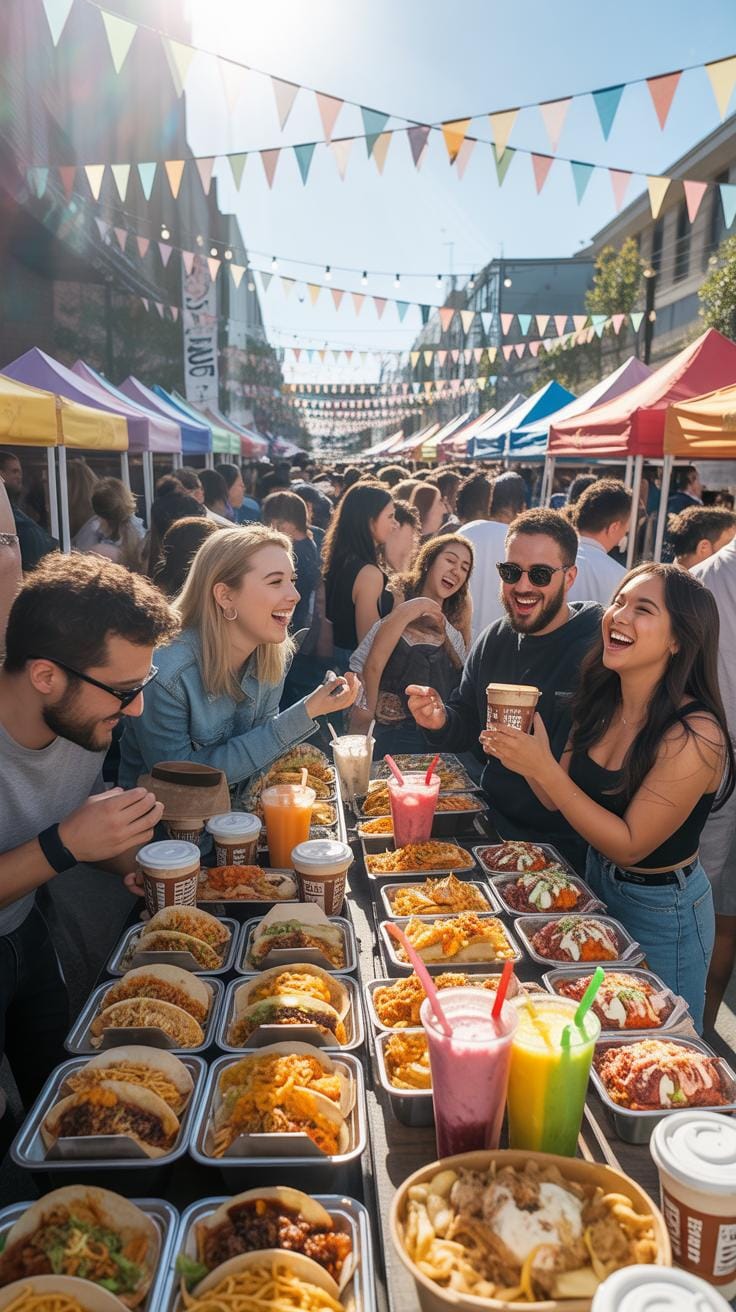
Food festivals have become a stage for trends that reveal what people really want to eat these days. It’s not just about indulgence anymore. Some popular trends at recent festivals include plant-based dishes, ethnic street foods, and creative uses of fermented products. I remember tasting a jackfruit taco recently—how can something so unfamiliar suddenly feel so familiar? That’s part of what’s happening; people are curious but cautious, exploring flavors that feel both fresh and comforting.
A noticeable shift toward minimizing waste and using sustainable ingredients also pops up often. This mirrors growing consumer awareness about the environment and personal health. The trend isn’t uniform, though. While some attendees go for kale salads and probiotic drinks, others stick to more traditional, hearty eats. It raises a question—are these festivals truly pushing the health agenda or just offering a wider menu? Maybe it’s a bit of both.
Popular Ingredients And Flavors
Some ingredients keep showing up at festivals, and they tend to tell us something about changing tastes:
- Jackfruit: Used as a meat substitute—it’s gaining traction because it’s versatile and offers texture without the heaviness of meat.
- Fermented foods: Sauerkraut, kimchi, and kombucha are in demand, partly because of their gut-health benefits but also for their tangy flavor punch.
- Sourdough and ancient grains: These suggest people want foods with a story and maybe some fiber on the side.
- Spices like sumac and za’atar: They add brightness and complexity without overpowering the dish, making meals feel adventurous but approachable.
These flavors are popular because they balance health claims with taste. They aren’t just “healthy,” they taste good enough to make you want seconds.
Health Conscious Food Choices
Food festivals are increasingly offering options that align with health-conscious minds. Many vendors highlight plant-based dishes, emphasizing organic and local ingredients. For example, at one recent festival, I noticed a whole section devoted to vegan comfort foods—burgers made from mushrooms or lentils, “cheese” crafted from nuts—that seemed to attract a broad crowd, not just vegans.
Locally sourced food is another plus. It’s often fresher and supports community farmers. I think people feel better knowing their food has a smaller carbon footprint and is closer to its origin. Some festivals even encourage vendors to show where their ingredients come from, which adds a layer of trust and transparency.
But, are these healthier choices changing how people eat long-term, or just offering a momentary alternative at festivals? It’s tricky to say. Still, they do promote awareness. Maybe the festival setting is the perfect testing ground—taste first, then choose how it fits in daily life.
Travel Planning Checklist For Food Festivals
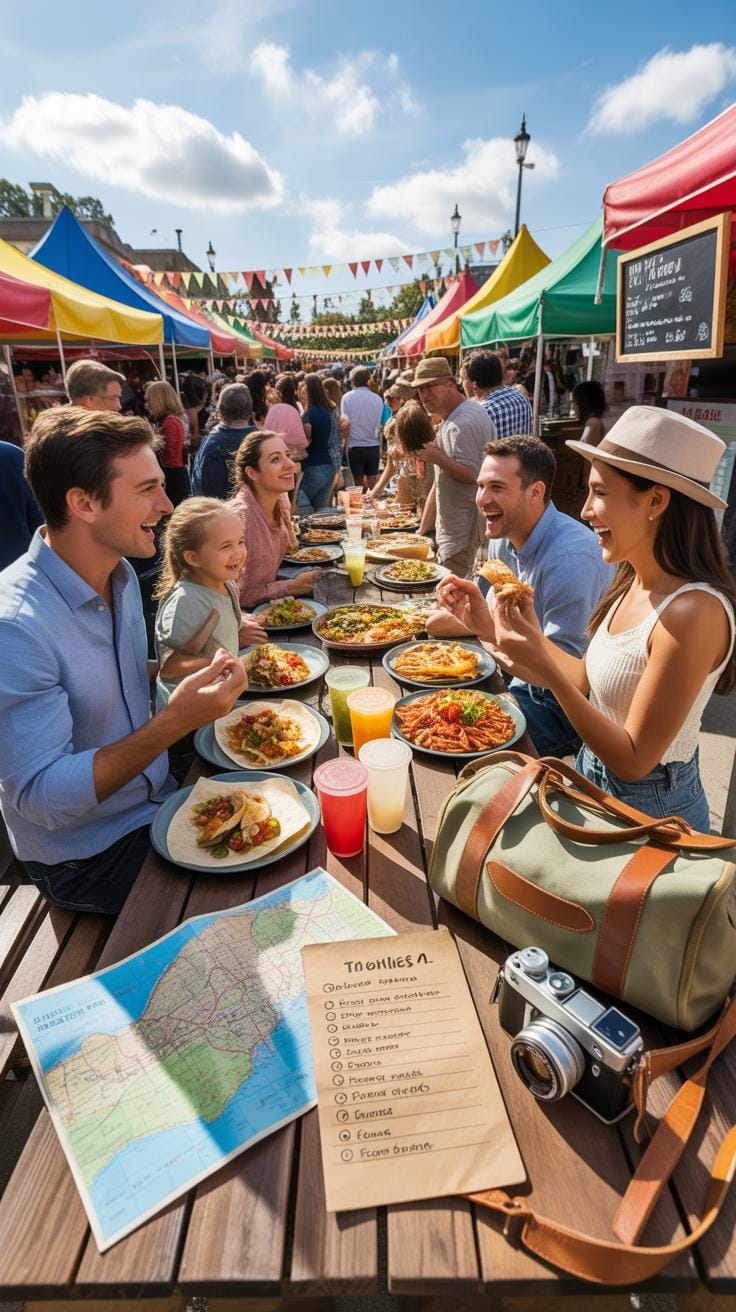
Booking And Accommodation Tips
Start by securing your festival tickets early—some events sell out fast, especially the popular ones. Look for options like multi-day passes if you want more time to explore. Sometimes, buying tickets directly from the official site offers better deals or guarantees authenticity, which can save trouble later.
When choosing where to stay, think about proximity. Booking a hotel or rental close to the festival means less stress with transport. Yet, staying a bit farther might give you quieter nights and better prices. Compare these trade-offs before deciding.
Transportation plans matter too. Check if the festival offers shuttles or if public transit connections work well. Don’t forget to consider parking options if you drive. And sometimes, booking transportation in advance—like rental cars or trains—can be cheaper or less hectic.
Preparing For A Festival Visit
Packing smart can change your entire experience. You’ll want comfortable shoes because you’ll be standing—or walking—a lot. A reusable water bottle helps you stay hydrated and cuts down on waste. Maybe toss in a small backpack to keep your hands free and hold essentials like sunscreen or hand sanitizer.
Before you go, sketch a rough plan of the festival layout and schedule. Identify must-visit stalls or demos but stay open to spontaneous finds. Festivals can surprise you in unexpected ways.
Food safety isn’t just about avoiding tummy trouble. If you have allergies or dietary restrictions, double-check vendor ingredients early. Sometimes it’s okay to ask questions—even if it seems awkward—to enjoy the event without worries. And don’t feel pressured to try every dish; pacing yourself lets you savor more thoughtfully.
Food Festivals Versus Regular Dining
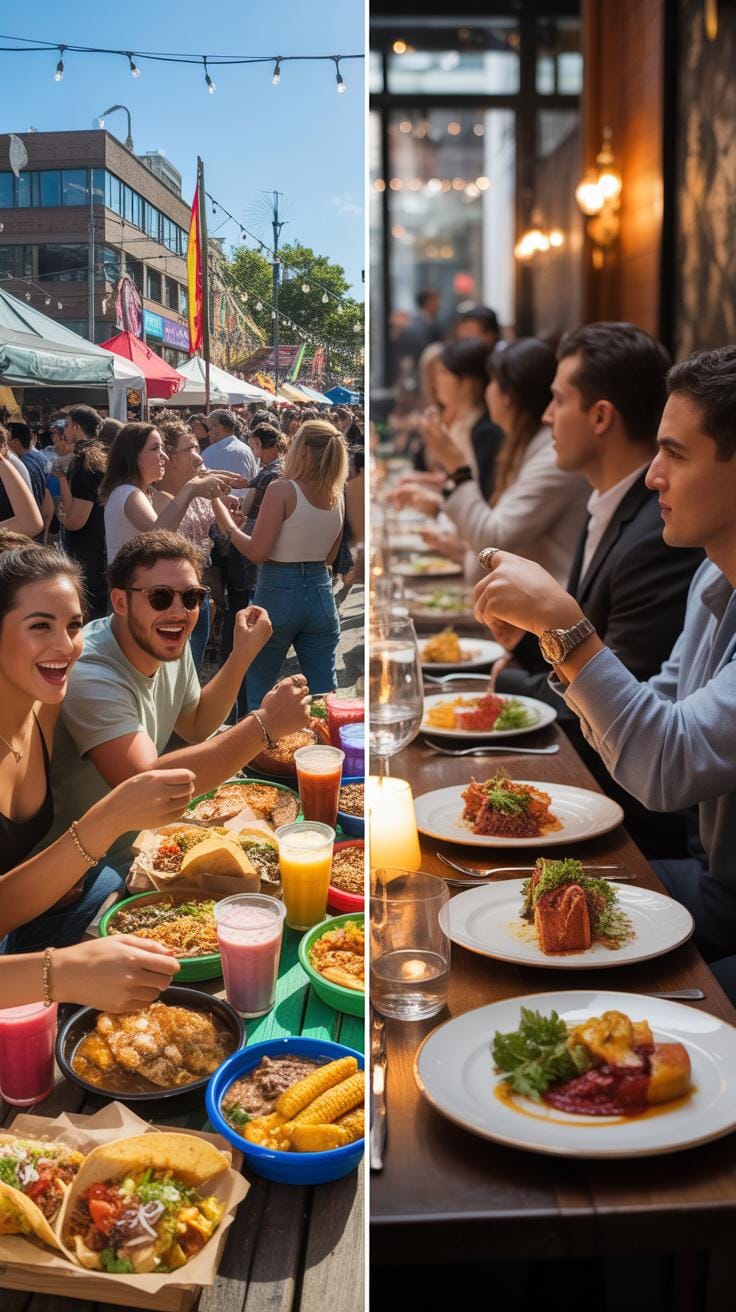
Eating at a food festival and dining out at a regular restaurant feel like two very different experiences. In a restaurant, the menu is usually fixed, offering familiar dishes you can predict—comfort in knowing what you’ll get. At a festival, on the other hand, the variety can be pretty overwhelming. You might find yourself sampling spicy street tacos, artisan chocolates, or a dish inspired by a far-off culture all in one place.
The atmosphere shifts too. Restaurants tend to encourage a quiet, intimate vibe, even when busy. Food festivals buzz with noise, activity, and crowds chatting, sometimes loudly, under open skies or colorful tents. It’s less about sitting down for a long meal and more about roaming freely, tasting multiple small bites, and often standing or sitting on benches.
Social interaction also changes. You might go to a restaurant for a quiet dinner with friends or family. But at festivals, strangers often strike up conversations over shared food stalls or during tastings. This creates a communal feeling, maybe even a bit of serendipity, as you end up sharing recommendations or swapping stories with people you’d never meet otherwise.
Variety And Novelty At Festivals
What stands out most at food festivals is the chance to try something that you just wouldn’t order at your regular spot. Festival vendors often experiment with bold flavors or rare ingredients, offering dishes that might not have a home in a standard menu.
For example, you might encounter fusion creations, like kimchi quesadillas or vegan desserts made from unusual bases. These fresh, inventive options can be a little hit or miss, but that’s part of the thrill. Sometimes you get a dish so surprising that it changes how you think about a particular cuisine.
Restaurants tend to play it safer—there’s a reason menus don’t change drastically every week. Food festivals encourage risk-taking, showcasing specialties you may never encounter otherwise.
Social And Cultural Benefits
There’s an undeniable sense of community at food festivals. The shared excitement over food fosters interaction on a different level from typical dining. People often come with groups, but they talk and mingle beyond their circle, creating a spontaneous communal vibe.
Festivals celebrate cultural diversity through cuisine, putting you right in the midst of others exploring the same flavors, traditions, and stories. You might learn about a dish’s origin just by overhearing a nearby conversation or chatting with a vendor who’s passionate about their craft.
That sense of connection adds something you don’t really get when dining quietly in a restaurant. Food becomes part of an experience that feels collective rather than isolated. You leave with more than just a meal—you carry a small piece of that moment and the people sharing it with you.
Food Festival Health Considerations
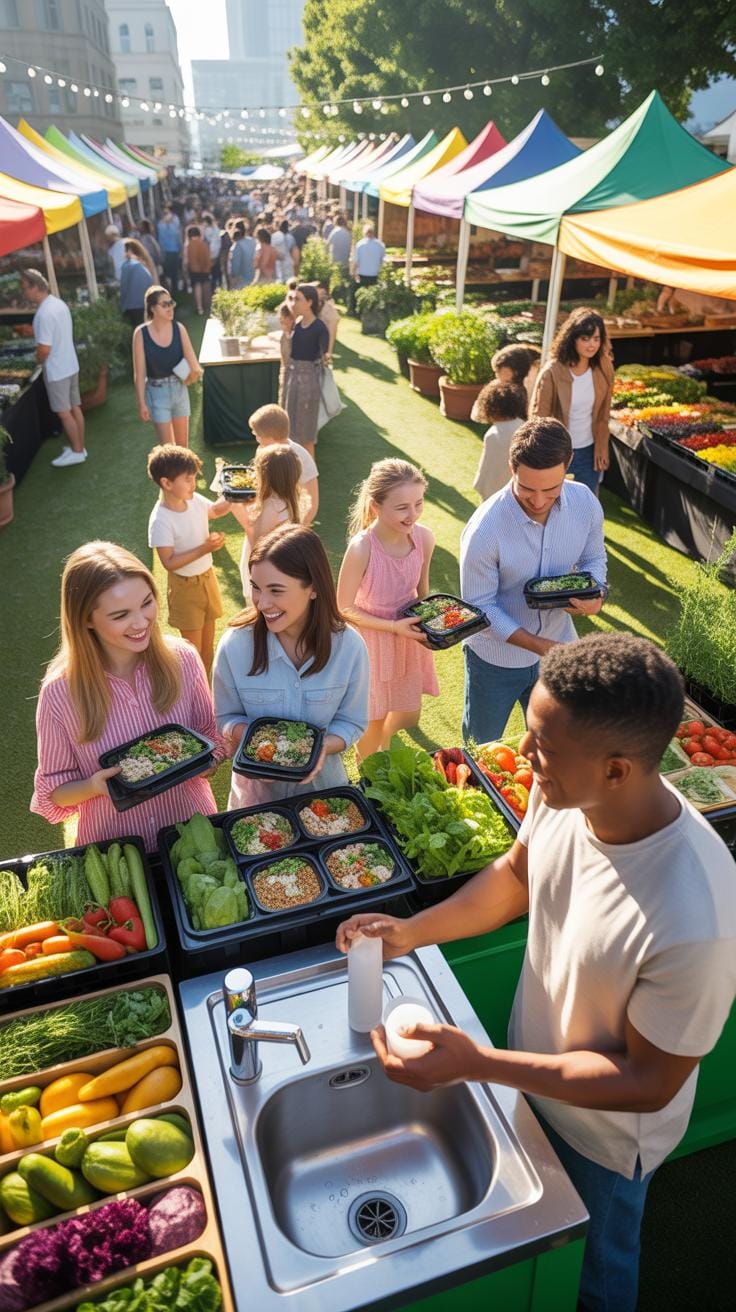
When you’re at a food festival, it’s easy to get swept up in the atmosphere—and the abundance of tempting treats. While it’s perfectly fine to indulge a bit, keeping an eye on your health makes the experience more enjoyable in the long run. Overeating or choosing heavily fried and sugary foods can leave you feeling sluggish or uncomfortable, cutting your festival fun short. I remember once trying to sample way too many fried snacks in one afternoon; by early evening, I felt bloated and tired, which wasn’t great since there was still so much to explore.
To avoid this, pay attention to how much you eat and what you pick. Look for fresh fruits, grilled meats, or vegetable-based dishes among the offerings. These often provide more nutrients and less unnecessary fat or sugar. Sometimes veggies on a skewer or a fruit cup might seem less exciting, but they help balance out the heavier dishes.
Portion control is key as well. Rather than going for a large meal from one stall, try smaller portions from a couple of places. Share dishes with friends if possible—it saves you from overeating and lets you taste more options. Also, monitor your intake of salty, sugary, or fried foods, which tend to pile up calories fast without much nourishment. Drinking water regularly helps, too; it can prevent confusing thirst with hunger.
Have you ever thought about how your mood or energy shifts after eating festival food? Noticing this can guide you toward smarter choices next time. Basically, balancing indulgence with moderation makes your festival visit satisfying both for taste and wellbeing.
Case Study Food Festival Success Stories
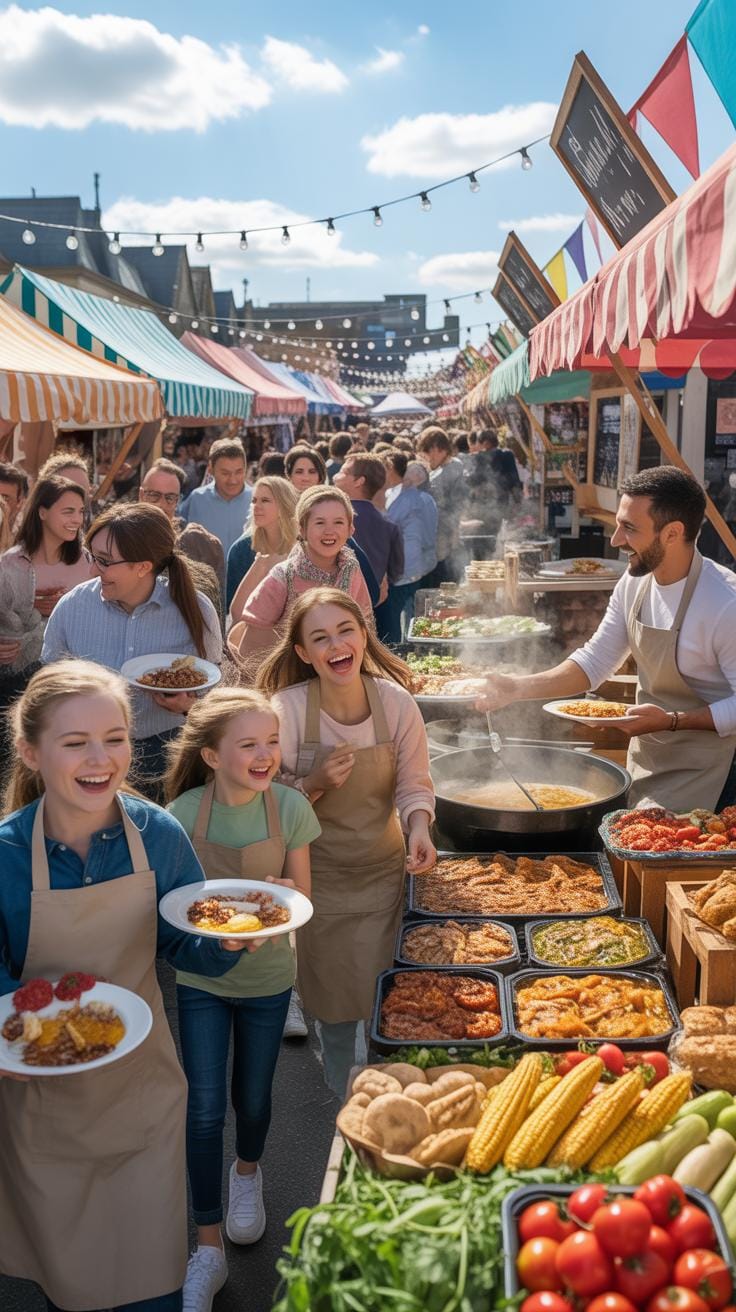
Successful Regional Food Festival Example
One festival that really stands out is the Maine Lobster Festival. Since its start in 1977, it’s grown into a mainstay for both locals and visitors. What’s interesting is how it consistently attracts tens of thousands of people every year, creating a noticeable boost in the local economy. Hotels, restaurants, and shops benefit from an influx of tourists who plan their trips around this event.
The festival offers more than just food. It showcases the region’s coastal culture and fishing heritage, deepening visitors’ connection to the place. Data from recent years show an increase in tourism revenue during festival weekends by nearly 30%, which speaks volumes about its impact. Yet, there’s an ongoing debate locally about balancing this economic boost with preserving the environment—something the organizers are still figuring out.
Health And Wellness Focused Festival
The Clean Eating Festival in California offers a different approach altogether. This event emphasizes whole, organic, and plant-based foods, aiming to shift how people think about diet during their travels. It’s become a hub for health-conscious eaters curious about sustainable food choices and newer cooking methods.
Attendees often mention that they leave with a stronger desire to incorporate fresh, less processed foods into their routines. Even local vendors report a noticeable rise in demand for healthier products after participating. Not every dish tastes perfect, though—some recipes were hit or miss—but the overall message about mindful eating seems to stick.
These examples highlight how food festivals can do more than entertain. They have the power to shape tourism patterns and even nudge public attitudes toward food and health. Would you say your own food festival experiences changed how you eat or travel? It’s worth thinking about how these events influence your choices, perhaps subtly over time.
How Food Festivals Influence Daily Eating
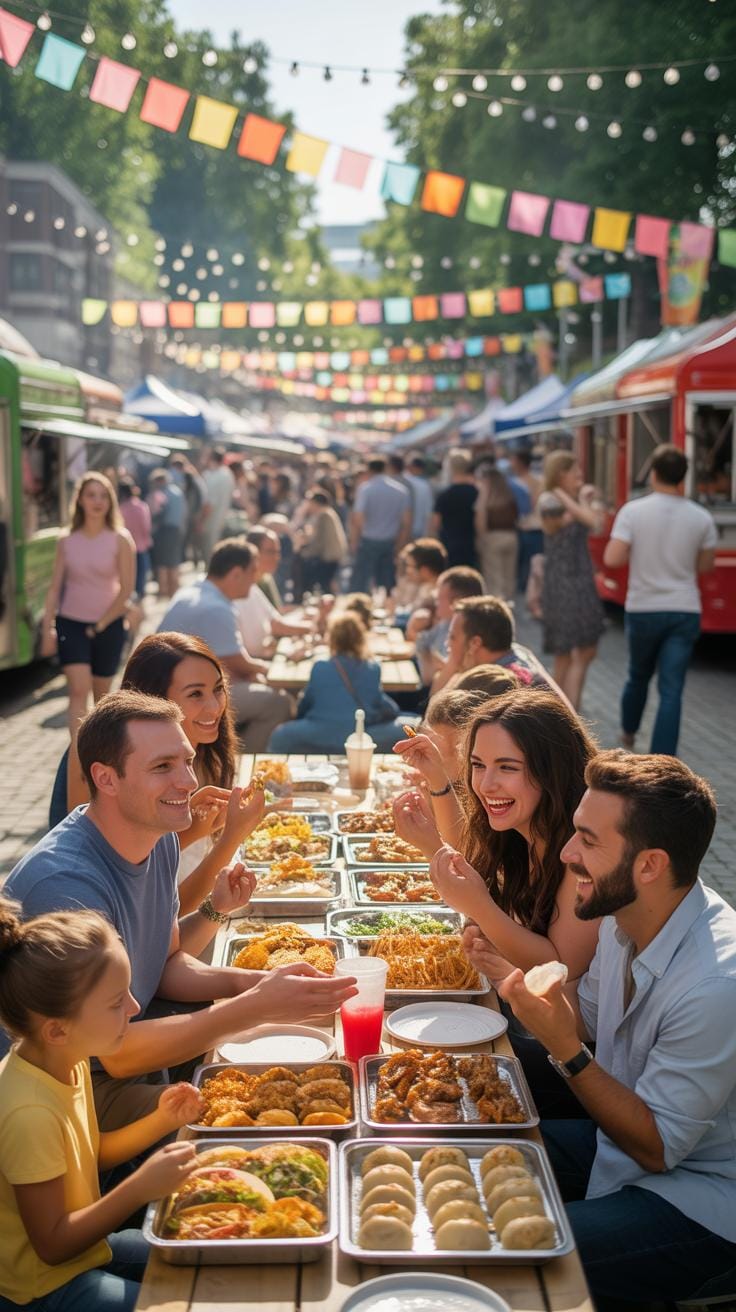
Food festivals do something interesting—they nudge people to rethink what they eat day to day. After wandering through stalls or sampling spiced street food, many find themselves curious about flavors they’d never tried before or ingredients they hadn’t considered. This curiosity often sticks, gently reshaping habits, even if just a bit. You might catch yourself craving that smoky grilled corn or a brilliant mango chutney long after the festival lights have dimmed.
Bringing those festival tastes back home isn’t as rare as you’d think. Some people buy specialty spices or sauces at the event or snap photos of dish names and recipes. Then, they try to recreate those meals in their own kitchen. It’s not always perfect—maybe the texture isn’t quite right or an ingredient is missing—but the effort often introduces new cooking techniques or fresh produce into regular meals.
Exposure to foods from different cultures can subtly shift someone toward a broader diet, sometimes with healthier choices. Trying a vibrant vegetable dish or a less processed grain at a festival might inspire swapping out a usual side dish at dinner. But that’s not always the case. Sometimes those new tastes lead to indulgence rather than moderation or just remain special treats reserved for festivals.
- You might start experimenting with recipes inspired by festival vendors, even if you rarely followed one recipe before.
- The excitement of new ingredients can spark a willingness to stock different spices or try unfamiliar vegetables.
- Eating festival food connects people to traditions and stories behind dishes, which can deepen appreciation for cooking at home.
Do these experiences last? That seems to depend a lot on how much someone enjoys cooking or how easy those festival foods are to replicate. Still, the flavors and ideas often linger, inviting you to rethink what ends up on your plate long after the event ends.
Planning Your First Food Festival Visit
What To Expect At A Food Festival
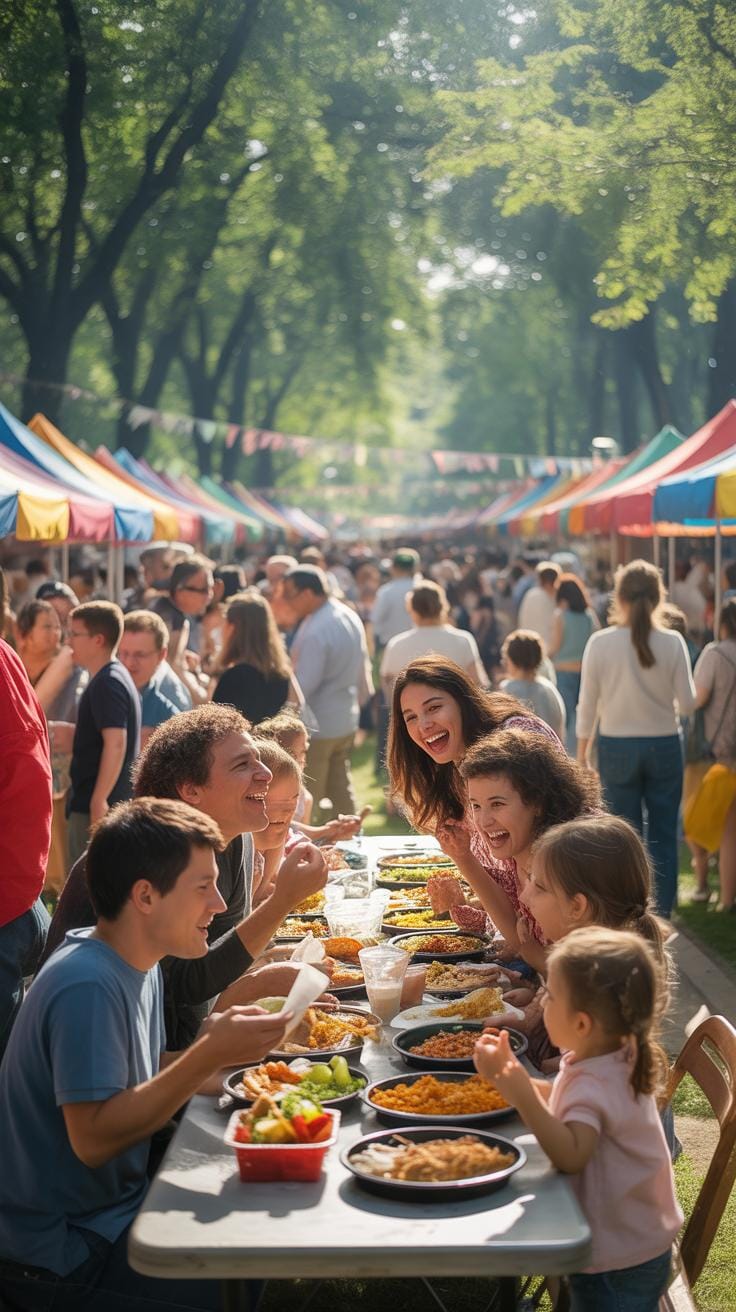
When you arrive at a food festival, it’s easy to feel a bit overwhelmed. Usually, the layout is a mix of food stalls or trucks arranged along pathways or open plazas. There might be a central stage where live music or cooking demos happen, adding to the atmosphere. Expect crowds—some festivals draw big numbers, so getting close to popular vendors might require some patience.
Besides food vendors serving bites from around the world or local specialties, there’s often more than just eating. You might find craft booths, beverage stations, or sometimes kids’ activities to keep little ones busy. It’s a social event, too—people gather to chat, share recommendations, or just relax on available seating areas.
Making The Most Of The Experience
Don’t rush. Festivals can be a bit like a marathon more than a sprint. Pace yourself by sampling small portions instead of filling up early. Sometimes, it’s worth circling twice—your taste buds might want to try something new after walking it through the first time. Don’t shy away from the unfamiliar; that odd-looking dish might become your favorite.
Keep your camera or phone handy but don’t get stuck trying to capture every moment. Some memories are better stored off screen. Talk to vendors—they usually love sharing stories behind their dishes. It can make tasting more meaningful. And stay hydrated; drinking water helps you truly enjoy the different flavors without feeling bloated.
Conclusions
Food festivals play a strong role in shaping food trends and encouraging travel to different areas. They help local communities by attracting tourists and highlighting traditional foods. Attending these events can give you fresh ideas for healthy and diverse food choices.
By understanding the connections between food festivals, travel, and health, you can choose which events to attend and how to make the most of your experience. Food festivals are not only fun but also offer chances to improve your diet and explore new places.