

Introduction
Staying active and healthy can be tough when you travel. New places and busy schedules can disrupt your usual workout and meal plans. This article shares effective fitness motivation tips to help you stay active while traveling and eating well. These tips are practical and simple to follow.
You will learn how to set clear fitness goals, keep your exercise routine, and choose healthy foods even when you’re away from home. Each part of this guide will give you useful advice so you can keep your fitness on track no matter where you are.
Understanding Fitness Motivation Basics


Fitness motivation is really about the engine inside you—the force that nudges you to move, to eat better, and keep going even when it’s tough. It’s what makes exercising and eating well feel worthwhile, especially when your usual routine is disrupted, like during travel.

At its core, motivation comes in two flavors: intrinsic and extrinsic. Intrinsic motivation means you do something because you actually enjoy it or find it meaningful. Like choosing a morning run because it clears your mind or keeps your energy steady. Extrinsic motivation, on the other hand, is about outside rewards—maybe praise from friends or fitting into those jeans you packed for the trip.
When you travel, motivation becomes both more essential and kind of fragile. For example, if you’re intrinsically motivated, you might explore a new city by walking or hiking because it’s fun and feels good. If you rely more on extrinsic reasons, you may push yourself to work out simply to avoid feeling guilty about holiday treats.
So, motivation isn’t just a vague concept. It’s your personal push, and understanding where it comes from can help you stay active and make better food choices, even in unfamiliar places.
What Drives You to Exercise
Think of motivation as the invisible push that keeps you moving toward your fitness goals, even when distractions pile up or your schedule shifts. But what exactly drives that push? It’s often tied to personal reasons, which can sometimes feel a bit messy or changing.
Maybe you want to feel more energetic on vacation or simply to enjoy your source of exercise without feeling stiff or tired. Sometimes, it’s about appearance—perhaps fitting into a favorite outfit for a special dinner. Or maybe it’s about staying connected to a hobby you love, like cycling or yoga, that grounds you amid the chaos of travel.
But motivation can waver—it’s not always a straight path. Some days, you feel pumped to move. Other days, not so much. Recognizing what currently matters to you makes the drive clearer and helps when you’re juggling new surroundings and routines.
Types of Motivation for Fitness
There’s a simple way to think about motivation for fitness: Are you doing it mainly because you want to, or because you feel you should?
Intrinsic motivation means you exercise because the activity itself gives you something: enjoyment, stress relief, or a sense of accomplishment. Imagine choosing a beach run during your trip just because you like the fresh air and sounds of the waves. That’s intrinsic motivation in action.
Extrinsic motivation, by contrast, depends on outcomes outside the activity. For example:
- Exercising to impress friends or family you’re traveling with
- Following a workout plan tied to a travel challenge or social media post
- Choosing healthy meals so you don’t feel criticized or guilty
Both can help keep you moving and eating well, but the tricky part is they don’t always last equally. Extrinsic reasons might get you started, but intrinsic ones usually sustain you better. It’s worth thinking about what really motivates you, especially since travel can either boost or drain your usual motivation.
Setting Fitness Goals That Work

When you’re traveling, fitness goals need to fit your often unpredictable schedule. It’s tempting to aim high—like “exercise every day” or “run five miles daily”—but that rarely works out. Instead, try goals that match your available time and energy. For example, setting a goal to walk 10,000 steps each day can vary depending on whether you’re exploring a city or stuck on a long flight.
Try to keep your goals clear and specific. Instead of vague ideas like “stay active,” pick something measurable: “do 15 minutes of stretching each morning” or “take the stairs whenever possible.” These small targets can feel more doable and don’t require extra equipment or gym time.
Think about what fits your personal needs and travel style. If your trip involves a lot of downtime, maybe incorporate light yoga or short bodyweight circuits. If you’re constantly moving, focus on active recovery like walking or gentle stretching that won’t wear you out.
Setting realistic goals helps avoid frustration. It might be better to commit to a simple, consistent habit than overloading yourself with unrealistic expectations. After all, the point is to stay motivated and keep moving, not to add pressure when your schedule is already full.
How to Set Achievable Fitness Goals
Start small. If you think walking 10,000 steps daily sounds good but feels overwhelming, break it down. Maybe aim for 5,000 on busier days and 12,000 on less busy ones. Or choose 15 minutes of stretching instead of a full workout when short on time.
Goals should be easy to track. Use a step counter, a simple timer, or a fitness app to check your progress without fuss. The key is to see results, which helps keep momentum. If a goal feels out of reach, adjust it down. That doesn’t mean giving up, just being realistic.
Ask yourself: what can I consistently do while traveling without feeling guilty? The answer might surprise you and could be far simpler than you imagined.
Why Goals Help Maintain Focus
Having clear goals keeps your fitness motivation alive. Without them, it’s easy to drift or skip activities, especially when you’re tired or distracted. Goals create a sense of purpose—something to aim for every day.
They also make it easier to recognize progress. For example, checking your step count or noting the days you stretch builds confidence. This feedback loop can be surprisingly encouraging when traveling, where routines disappear and motivation often fades.
Ultimately, goals act as a reminder that fitness doesn’t have to wait until you’re home again. They keep your efforts connected to something tangible, even on the road.
Quick Travel Workout Ideas

Finding time and space for workouts while traveling can be tricky, but it’s far from impossible. You might imagine needing special equipment or a gym, but really, simple bodyweight exercises go a long way. Think push-ups, squats, lunges, and planks — all things you can do wherever you are, whether it’s a hotel room or a park bench. It’s not about spending hours; even a few minutes of focused movement helps keep your muscles engaged and energy up.
Stretching is another underrated tool. It doesn’t take much room, and loosening tight muscles after sitting on a plane or in a car feels both relieving and active. Walking, too, though basic, counts. Exploring a new city on foot mixes exercise with fresh sights, which might make it easier to stick to moving around.
How often do you pause and really notice how your body feels during travel? Using these low-key activities can help with that awareness, which, oddly enough, also boosts motivation. Keeping active in small pockets throughout the day keeps your body responsive, even if you don’t have a big chunk of time.
Healthy Eating Tips on the Go
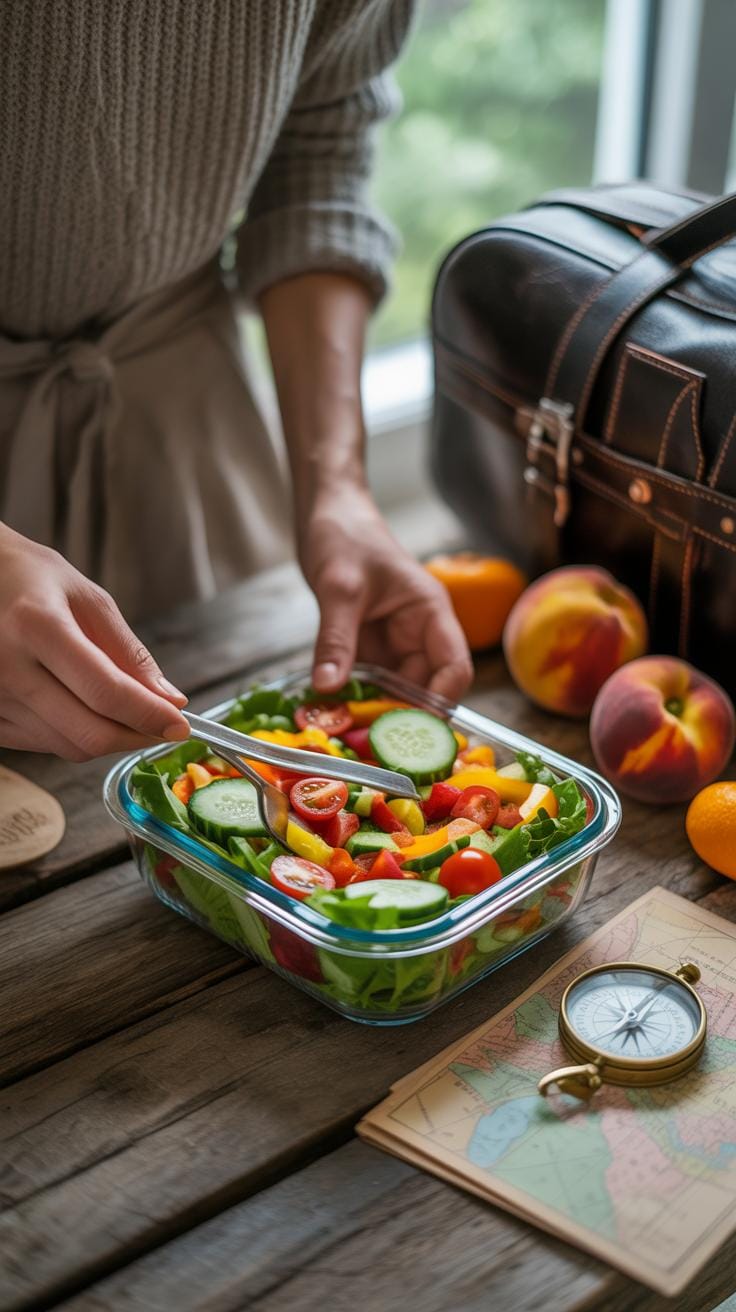
Traveling often throws off your usual eating habits, but that doesn’t mean you have to ditch your nutrition goals. When you’re out and about, look for fresh fruits and vegetables first. A small market, a grocery store, or even roadside stands can be goldmines for simple, wholesome foods. I tend to grab a banana or some cherry tomatoes when I’m in a rush—it’s easier than reaching for chips or candy bars.
Proteins can be trickier, but options like grilled chicken, hard-boiled eggs, or nuts usually work well. Even deli counters often have lean cuts or salads with protein. Don’t hesitate to ask for modifications; sometimes, a simple request can save you from greasy or overly processed dishes.
When planning meals, think about what’s realistic. Preparing everything from scratch might not be possible, but combining a few ready-to-eat items—say, a rotisserie chicken with pre-washed salad greens—can keep you on track. Packing small containers or resealable bags for snacks helps too. That way, you’re less likely to grab something just because it’s convenient.
Balancing local flavors with your fitness aims can be a bit of a puzzle. Maybe try one traditional dish that fits with your goals, then fill the rest of the day with familiar, balanced meals. Sometimes indulging a little feels necessary to connect with where you are, yet it doesn’t have to throw everything off.
Tracking Progress Without Stress

When you’re traveling, keeping track of fitness and food intake can feel like one more chore on a long list. But it doesn’t have to be complicated or stressful. Sometimes, simple tools—like a small journal or a basic checklist—are enough to keep an eye on your habits without making it feel like a full-time job.
Journaling can be as quick as jotting down what you ate and the activity you did that day. You don’t need to be precise-calorie counting; just noting meals and workouts keeps things mindful without rigidity. For example, I once scribbled my meals and steps in a tiny notebook during a week-long trip and found it surprisingly motivating to glance back without feeling overwhelmed.
Simple Tools to Monitor Activity
If you like tech, there are plenty of apps that require minimal effort. Apps like Google Fit or Pacer track your steps and workouts automatically. Others, like MyFitnessPal, let you log meals simply by scanning barcodes or searching foods. But if apps aren’t your thing, paper checklists work too. Just write down “steps,” “workout,” and “meals” with boxes to tick off. It’s enough to nudge you to stay consistent without needing hours of input.
Keeping Accountability on the Road
Tracking isn’t about perfection but about keeping a connection to your goals. When you see progress, even small, it boosts motivation. And on days when you slip up or skip workouts, having a record helps you understand patterns instead of beating yourself up. This accountability—whether through a notebook or an app—can keep your routines steady even in the chaos of travel. You may forget a meal here and there, or miss steps one day, but the next day, you’ll likely want to pick up right where you left off.
Overcoming Common Travel Fitness Challenges
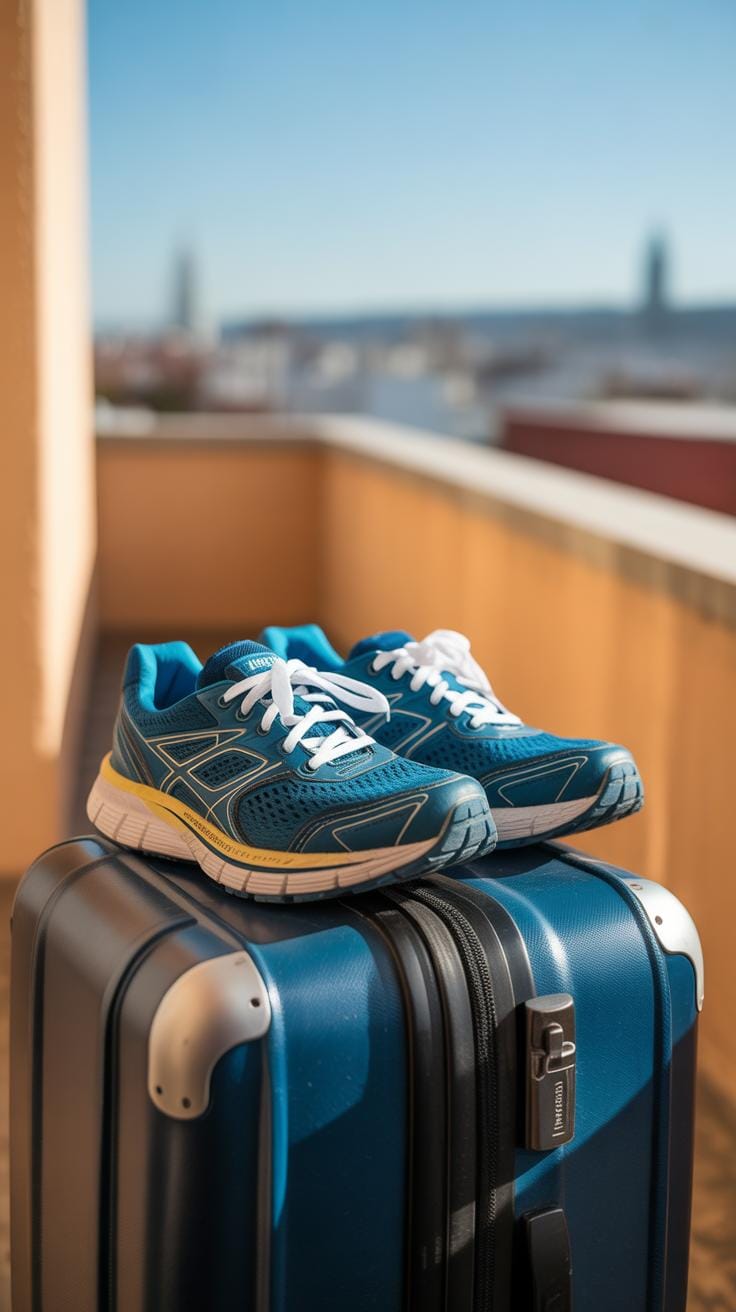
Travel often disrupts your usual fitness habits. Fatigue from long flights or new time zones can really drain your energy—and when you’re tired, motivation dips fast. That sluggish feeling makes skipping workouts tempting and reaching for quick, less healthy snacks more likely.
Schedule changes are another big hurdle. Your day might suddenly involve meetings, sightseeing, or unexpected delays. This randomness throws off meal and exercise routines. Plus, there’s often no access to your usual gym or equipment, making it tricky to keep up.
To face these challenges head-on, try some straightforward moves:
- Break workouts into 10- to 15-minute bursts. Short sessions beat doing nothing, and you can fit them around your day.
- Use bodyweight exercises you can do in your hotel room—think squats, lunges, push-ups.
- Plan simple meals or snacks in advance. Carry nuts, fruit, or protein bars to avoid grabbing fast food.
- Accept flexibility. If your original plan isn’t possible, adjust on the fly instead of giving up.
Sometimes, it feels tough to stay consistent. But small actions add up, even when things aren’t perfect.
How to Handle Fatigue and Jetlag
Tiredness and jetlag can kill your workout spirit and sabotage healthy eating. When your body clock is off, pushing yourself too hard might backfire.
Try these strategies:
- Prioritize rest immediately after arrival. Short naps (20 to 30 minutes) can recharge you without messing with sleep later.
- Expose yourself to natural light early in the day. It helps reset your internal clock faster.
- Hydrate often and avoid heavy meals late at night to ease digestion and improve sleep quality.
- If energy flags, opt for gentle activity like walking or stretching instead of intense workouts.
Jetlag isn’t the enemy here—it’s just a signal to listen to your body, be patient, and adjust gradually. Pushing too hard too soon rarely pays off.
Adjusting Routines for Unpredictable Schedules
Travel plans rarely stick to a neat timetable. You might have a free morning one day and a jam-packed afternoon the next. Sticking rigidly to a workout or meal plan then can be frustrating.
Instead, build flexibility into your routine:
- Create a list of quick workouts you can do anywhere, anytime. This way, if an opportunity pops up, you’re ready.
- Prepare portable snacks ahead of time to avoid relying on restaurant meals, which can be unpredictable and not always aligned with your goals.
- Schedule “active breaks” during your day—walk to meetings, take stairs, or explore on foot—to keep movement natural rather than forced.
Ask yourself: what’s one thing I can do today to move a little, even if it’s not my usual routine? That mindset often opens up unexpected ways to stay active and eat well.
Examples of Successful Travel Fitness

Take Mark, a frequent business traveler who’s found a way to fit workouts into packed schedules. Every morning, before meetings start, he spends 20 minutes in his hotel room doing bodyweight exercises—push-ups, squats, planks. It doesn’t sound like much, but consistency has added up over time. Instead of hunting for gyms, he packs resistance bands and a jump rope in his carry-on. His mindset? He treats these workouts as non-negotiable appointments, which I think helps him stick to the routine.
His meal planning isn’t perfect, but he makes deliberate choices. At conferences, he’ll often skip the usual greasy options, opting for grilled chicken salads or vegetable sides. He carries healthy snacks like nuts and fruit to keep hunger at bay between flights and meetings. Mark admits it’s not always easy, especially when time zones drag you down, but small changes keep him feeling steady.
Then there’s Lisa, who recently went on a two-week vacation across Europe. Rather than put fitness aside, she turned her sightseeing into workouts. Morning walks became brisk, and she deliberately chose stairs over elevators—sometimes carrying a water bottle adds a little extra resistance too. Whenever she could, she found local yoga classes or did quick stretches by the river in the afternoon. Balancing indulgent meals with fresh fruit and water was tricky, but she enjoyed it, almost without guilt, because movement came first.
When you think about it, these stories show it’s not about perfect routines or strict diets. It’s the mindset, small habits, and a bit of creativity that help people stay active and eat well while traveling. Could you adapt some of these ideas for your next trip? Maybe start with a simple 10-minute routine or swapping a snack.
Common Mistakes in Travel Fitness
Skipping Exercise Due to Schedule
People often skip workouts while traveling because they feel pressed for time or think their itinerary leaves no room for exercise. Flights, meetings, tours—it all piles up and suddenly working out seems like a low priority. But the truth is, exercise doesn’t need to take hours or require a gym. A quick bodyweight routine or even a brisk walk counts. The challenge is more about mindset than actual time constraints.
To prevent skipping workouts, try these simple rules:
- Plan short activity breaks between planned events. Even ten minutes can help.
- Use hotel stairs or explore on foot rather than taking taxis everywhere.
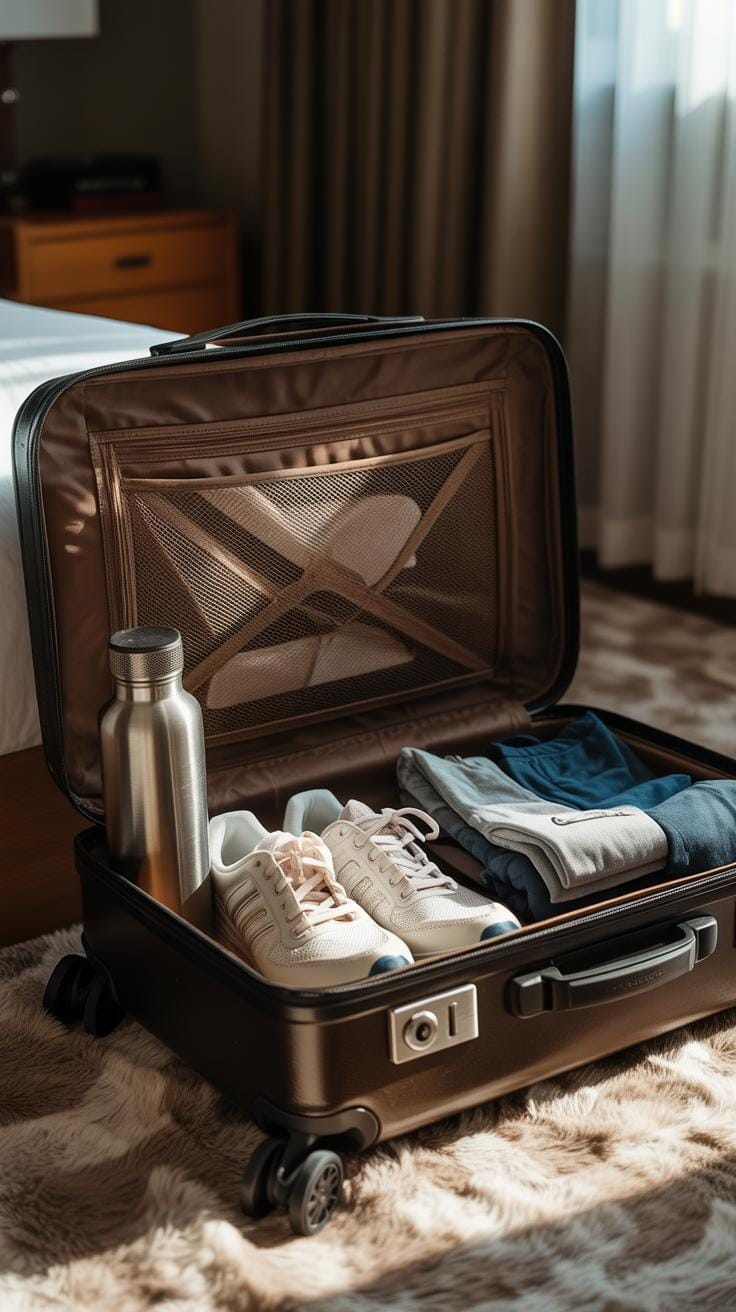
- Prepare by packing minimal gear like resistance bands or running shoes.
- Set a gentle daily goal rather than an intense regimen—this lowers the mental barrier.
By making small adjustments, staying active becomes manageable despite a tight travel schedule.
Overindulging on Vacation Foods
When away from home, it’s tempting to overeat. You’re in a new place, trying unusual dishes, or simply relaxing—this often leads to consuming more than usual. Sometimes it’s boredom or a need to “treat yourself.” Sometimes it’s just confusing unfamiliar menus. What’s tricky is that a couple of indulgent meals can undo progress, leaving you frustrated.
Enjoying your food without overdoing it might mean:
- Sampling smaller portions rather than full plates.
- Sharing dishes so you can taste more without excess.
- Balancing indulgent meals with lighter options like salads or fruits.
- Focusing on the experience and flavors instead of quantity.
It’s not about strict rules but awareness. You can still savor vacation foods without feeling like you sacrificed your fitness efforts. Have you noticed how sometimes when you eat slowly, you enjoy the meal more? Little things like that can make a difference.
Checklist to Stay Fit When Traveling

Packing Essentials for Fitness:
- Comfortable workout clothes that dry quickly—sometimes you might skip laundry longer than planned.
- A pair of good running shoes or versatile sneakers, because you never know when a stroll turns into a trek.
- Resistance bands—small, light, and perfect for quick workouts in your hotel room or outdoors.
- A reusable water bottle to stay hydrated—airports and unfamiliar places often make drinking enough water easy to forget.
- Basic fitness gadgets, like a jump rope or a fitness tracker, if they help keep you accountable.
Daily Actions to Keep Fitness on Track:
- Start your day with a short stretch or mobility routine—even five minutes helps wake up your body.
- Walk whenever possible. Exploring a new city by foot doubles as exercise and sightseeing.
- Choose protein-rich snacks or meals to keep energy steady. Sometimes restaurants offer better healthy options than you expect.
- Set a small, realistic goal each day, like 10 minutes of movement or drinking a set amount of water.
- Remind yourself why staying active matters to you—sometimes motivation fades fast but reconnecting with your “why” can pull you back.
Maybe packing those bands won’t guarantee a full workout routine, but having them often nudges you in the right direction. And deciding to move a little each day feels achievable, even during busy travel moments. What small step could you try tomorrow?
Conclusions
Keeping your fitness motivation alive while traveling takes planning and the right mindset. Setting clear, simple goals makes it easier to stay focused. Carrying out short workouts and planning meals ahead helps you stick to your routine. Remember, small efforts add up to big results over time.
With the right approach, you can enjoy your travels and maintain your health. Use the tips from this article to stay active, eat well, and feel good wherever you go. Your fitness journey continues with each choice you make, even on the move.