

The Pre Trip Reconnaissance Protocol
Site Selection Beyond Pretty Pictures
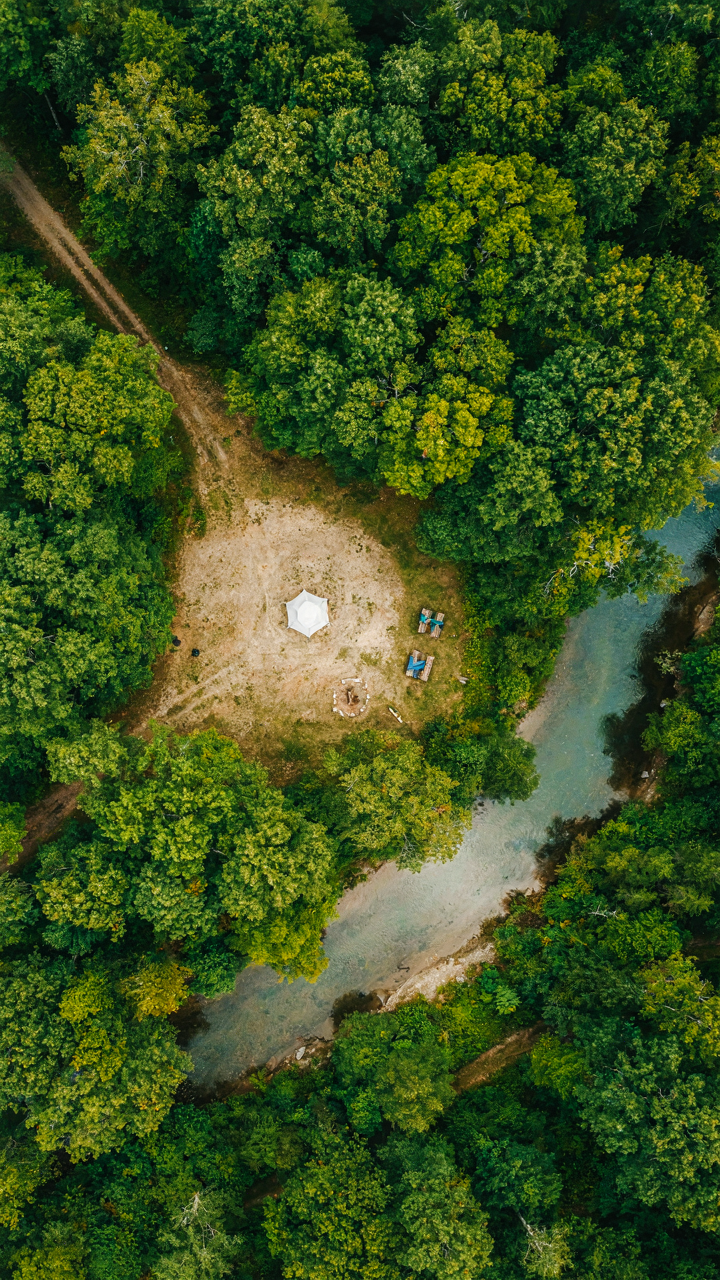
You want to look good posting photos from a campsite that doesn’t actually work for your family. That impulse kills trips faster than bad weather. Real site selection uses military reconnaissance logic: you’re mapping terrain for operational feasibility, not aesthetic appeal.
Most camping guides tell you to check amenities and read reviews. That’s incomplete. You need to physically understand the campground layout before arrival. Elevation matters because temperature drops three degrees per thousand feet gained. Distance from water source determines how far kids walk for bathroom trips at night. Shade patterns shift by season, so a sunny site in June becomes useful in August.
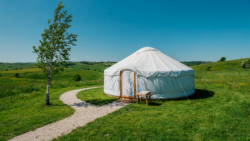
Pull up satellite imagery on Google Maps before booking anything. Look at tree density, proximity to water features, and proximity to other campsites. Call the ranger station directly and ask about recent site conditions, not what the website says. Ask specifically about drainage patterns after rain, insect populations in that season, and whether cell service exists at each loop.
The mechanism is simple: eliminate variables that produce conflict and discomfort. A site that looked good in photos but has inadequate drainage becomes a mud problem by night two. A site too far from facilities turns hygiene into resentment. The best campsite solves problems before you arrive, not after kids are already upset.
Weather Warfare Intel Gathering For Survival
Weather prediction is supply chain management applied to atmosphere. You’re not trying to guess perfectly. You’re reducing the number of contingencies your family must handle simultaneously.
Standard advice is to check a weather forecast three days out and pack accordingly. That misses the actual work. You need microclimate data specific to your campground’s elevation and geography, not the town twenty miles away. Weather patterns shift dramatically over terrain. A valley campground fifty miles from a city forecast station experiences different conditions entirely.
Check the National Weather Service site for the specific county and elevation of your campground. Review historical weather data for that exact week in past years using NOAA archives. This shows you typical conditions, not predicted conditions. Call the ranger station four days before departure and ask what they’ve observed that week. Ask about wind patterns, precipitation timing, and temperature swings between morning and night.
Pack for the worst reasonable condition, not the forecast condition. If historical data shows temperature swings from forty-five to seventy-five degrees in that season, you need layers and insulation. If that week typically produces afternoon thunderstorms, your shelter strategy changes entirely. The mechanism is having answers before the first raincloud appears, not scrambling for solutions when your tent lacks proper drainage setup.
The Minimalist Family Camping Checklist Manifesto

Gear That Earns Its Weight
You want a checklist that makes you feel prepared. That’s not preparation. That’s anxiety cosplaying as planning. The mechanism is simple: every item you pack either solves a real problem or it’s dead weight that crowds your car and your mind. The difference between a functional camping trip and a chaotic one isn’t the number of items. It’s ruthless elimination. Keep only what prevents failure or enables core function.
- Shelter and sleep system: Tent rated for your climate zone, sleeping bags matched to season temperature ratings, sleeping pads for insulation and comfort. Non-negotiable foundation.
- Water and cooking: One reliable water container, camp stove or fire grate, one pot, one pan, utensils. Redundancy kills flexibility.
- Light and fire: Headlamp with extra batteries, matches or lighter in waterproof container. Dual purpose saves space.
- Navigation and safety: Map of the area, first aid kit with blister treatment, multi-tool. These prevent escalation.
- Weather protection: Rain fly, extra clothing layers in compression bags, tarps. Climate variability is your only guaranteed variable.
Everything else is negotiable. Most families pack three times what they actually use. The constraint forces you to think through each meal, each activity, each contingency before you leave home. That pre-trip clarity is where the real value lives. Stop asking what you might need. Ask what breaks the trip if you don’t have it.
The Meltdown Prevention Layer
Kids don’t melt down randomly. They melt down when boredom, hunger, overstimulation, or physical discomfort stacks on top of each other. Anticipation means mapping the exact moments where these factors converge and building a protocol, not just packing snacks. The real kit isn’t items. It’s a timeline of interventions designed before the trip starts. You’re running triage, not hoping nothing goes wrong.
The mechanism is sequencing. Pack a small activity rotation that rotates on schedule, not on demand. A coloring book for hour three, a magnetic game for hour five, a new small toy revealed at dinner. Hunger prevention beats hunger management by hours. Pack meals that actually fill kids, not sugar that spikes and crashes. Include one genuinely interesting thing they’ve never seen before. The novelty buffer buys you credibility when the real frustration hits. Build comfort stations into your plan: a specific time for a bath in the creek, a specific fire time for s’mores, a specific quiet hour in the tent. Structure prevents chaos more reliably than flexibility ever does.
Erecting Your Command Center: The Family Tent Strategy

Buy Bigger Than You Think You Need
You want to believe a four-person tent fits four people comfortably. It doesn’t, and you know it. The real motive here is denial about how much space humans actually occupy when they stop moving. Tent sizing operates on the same principle as real estate: usable square footage determines quality of life, and compressed space creates friction between people who are already tired.
A family of four needs a tent rated for six. This isn’t overcompensation. It’s accounting for gear stored inside, the fact that someone will need to sit upright without touching fabric, and the psychological reality that closeness breeds irritation after hour six of rain. The difference between a cramped trip and a functional one is often two extra feet of floor space. Measure your family’s actual bodies laid down, add fifty percent, then buy that tent.
Pitch Site Selection Beats Tent Quality
Speed matters less than where you plant the stakes. The mechanism here comes from military positioning strategy: terrain dominance determines survivability. A mediocre tent on high ground with wind protection outperforms a premium tent in a low spot that collects water or funnels wind directly at your entrance.
Scout for flat ground first, then elevation, then natural windbreaks like tree clusters or rock formations. Avoid low areas where water pools after rain, dead trees that might drop branches, and exposed ridges that catch every gust. Pitch your tent ten feet from the fire pit minimum and away from where people walk between the bathroom and camp center. The tent that stays dry and warm matters infinitely more than the one with better stitching.
Culinary Logistics: Fueling The Family Unit

Meal Planning: Combat Hunger Meltdowns
You want meal planning to solve the real problem: your kids losing their minds at 5 PM because nobody ate since breakfast. The mechanism is blood sugar stability under stress. When a child’s glucose drops in an unfamiliar environment with minimal routine, their nervous system treats it like a threat. Their behavioral collapse isn’t weakness. It’s biology executing its design.
Plan meals around protein and fat, not carbs and convenience. Pack eggs, cheese, nuts, and cured meat as your anchor foods. These stabilize energy for six to eight hours, which covers the gap between breakfast and dinner or lunch and the post-hike crash. Pre-portion everything. Decide what gets eaten when before you leave home. Improvisation at a campsite with hungry children teaches you that preparation isn’t control. It’s mercy.
Camp Kitchen Hacks: Efficiency Under Duress
Most camping food advice skips the real constraint: you have no counter space, no clean hands, and someone is always asking when food will be ready. Military field kitchen doctrine calls this “throughput under constraint.” Your throughput is limited by surface area, fuel access, and water availability, not creativity.
Use a cast iron Dutch oven over a campfire or camp stove. It cooks one meal, serves the whole family, and requires one cleaning step. Boil water once at the start of your trip. Store it in food-grade containers. This eliminates the hidden time killer: waiting for water to boil repeatedly. Prep all ingredients at home in labeled containers. At camp, you assemble, not prepare. This collapses setup time by 70 percent and cuts decision fatigue when energy is already depleted.
The Unscheduled Playbook: Activities Beyond Screen Time

Nature’s Distractions
You want your kids engaged so you can actually relax, not because nature is magical. The real mechanism is competition. Kids aren’t bored by their environment—they’re bored by lack of novelty combined with no clear objective. A scavenger hunt creates both instantly.
Structure a hunt around what exists at your specific campsite: pinecones of different sizes, animal tracks, rocks with three colors, specific tree bark patterns. Give kids a list and a time limit. The hunt works because it forces them to observe their surroundings with purpose instead of wandering aimlessly. Exploration follows naturally once they understand the game has rules and an endpoint.
When Boredom Becomes The Real Problem
Generic advice says “bring games and activities.” That’s incomplete. Boredom at camp stems from overstimulation withdrawal and lack of structure, not lack of options. Kids used to constant input hit a wall when placed in an environment with limited triggers.
The fix isn’t more activities—it’s predictable rhythms with built-in transitions. Establish a daily schedule: morning exploration hour, midday quiet time with specific allowed activities, evening group task. When kids know what comes next and what the boundaries are, they stop looking for stimulation through complaint. Anticipation replaces restlessness. Assign one evening task everyone participates in—fire building, meal prep, tent setup—so boredom has no room to form.
Mastering The Elemental Threats: Camping Hacks For Comfort

Sleeping Bag Strategy Beats Guessing
You care about this because a cold night breaks the trip before it starts, and you don’t want to be the parent who failed at the basics. The mechanism is simple: a sleeping bag works through dead air space, not material thickness. Loft—the vertical distance between layers—traps warm air your body radiates. A bag rated for 20 degrees doesn’t keep you warm at 20 degrees; it keeps you alive at 20 degrees. Temperature ratings measure survival, not comfort.
Most families buy one bag and use it year-round, then wonder why September feels fine but April feels brutal. The answer is ground insulation, which camping gear companies barely mention. Your body loses more heat downward than upward because you compress the bag’s bottom layers against the earth. Use an insulated sleeping pad rated for R-value 3 or higher in cold months—this is non-negotiable. A quality pad costs less than replacing a bag that doesn’t work. Layer the sleeping bag on top, match the bag’s temperature rating to the season’s low, and add a thin liner for versatility across seasons.
Biological Warfare Principles Applied
Mosquitoes and biting insects operate on stimulus-response biology, not intelligence. They locate hosts through carbon dioxide detection, heat sensing, and skin odor markers. Most families default to DEET because it’s the standard, but the mechanism matters: DEET doesn’t repel insects—it masks your chemical signature so they can’t land accurately. Permethrin works differently; it’s a neurotoxin that disrupts the insect’s central nervous system on contact.
The tactical layer: apply DEET to skin, permethrin to fabric only, never skin. Treat tent seams, sleeping bags, and clothing before the trip. Reapply DEET every four to six hours if you’re sweating or swimming. Tuck pants into socks, wear long sleeves during dawn and dusk when insects feed, and camp away from standing water where mosquitoes breed. Timing beats chemistry—avoid peak insect hours rather than relying entirely on repellent. Camp upwind from brush and low vegetation where insects shelter.
The Art Of Delegation: Chores For Tiny Humans

Match Tasks To Actual Capability
You want your kids to contribute so you feel less like a pack mule. Here’s what actually works: stop assigning chores based on age charts you found online. Capability varies wildly between kids. A seven-year-old with fine motor skills can handle fire-tending duties. Another seven-year-old still drops things constantly. Observe what your specific child can execute without constant correction, then build the roster from there, not from some generic age guideline.
The mechanism is simple. Kids fail at chores for two reasons: the task exceeds their physical or cognitive ability, or they’ve never been shown the exact sequence. Most parents blame laziness when they should blame instruction. Teach the task once in detail. Then assign it. A child who can follow a three-step process to organize firewood will do it. A child who gets vague instructions to “help set up” will wander and underperform. Specificity beats motivation every time.
The Economics Of Earned Privileges
Game theory applies here directly. You’re building a small economy where contribution earns access, not where access is free. This isn’t about payment or rewards. It’s about scarcity and leverage. When every kid gets dessert regardless of effort, dessert holds no value. When dessert appears only after the dinner setup is complete, suddenly the task becomes worth doing because the outcome matters.
The protocol is this: identify three privileges your kids actually want during the trip. Extra screen time. First choice of activities. A special snack. Then attach completion of specific chores to each privilege. No negotiation mid-trip. Announce the system before you leave. Kids operate within constraints when constraints are clear and fair. Don’t frame it as punishment. Frame it as the cost of admission to what comes next. A child who understands the exchange acts faster than one waiting for external praise.
Emergency Preparedness: Mitigating Catastrophe
When Injury Happens In The Field
You want to read this section because you’re afraid something will go wrong and you won’t know what to do. That fear is rational. What matters is applying triage logic—the military medical framework that prioritizes treatment by severity, not urgency of noise. In camping, you assess airway, breathing, and circulation first. Everything else waits.
Most first-aid advice treats symptoms instead of mechanisms. A child falls on a rock. You panic about the bleeding. The real question: is the child breathing normally? Can they move their limbs? Severe bleeding matters only after you confirm the person can survive the next five minutes. Carry a proper first-aid kit with tourniquets, gauze, and a CPR face shield. Know how to use each item before you camp.
Reaching Help When You’re Unreachable
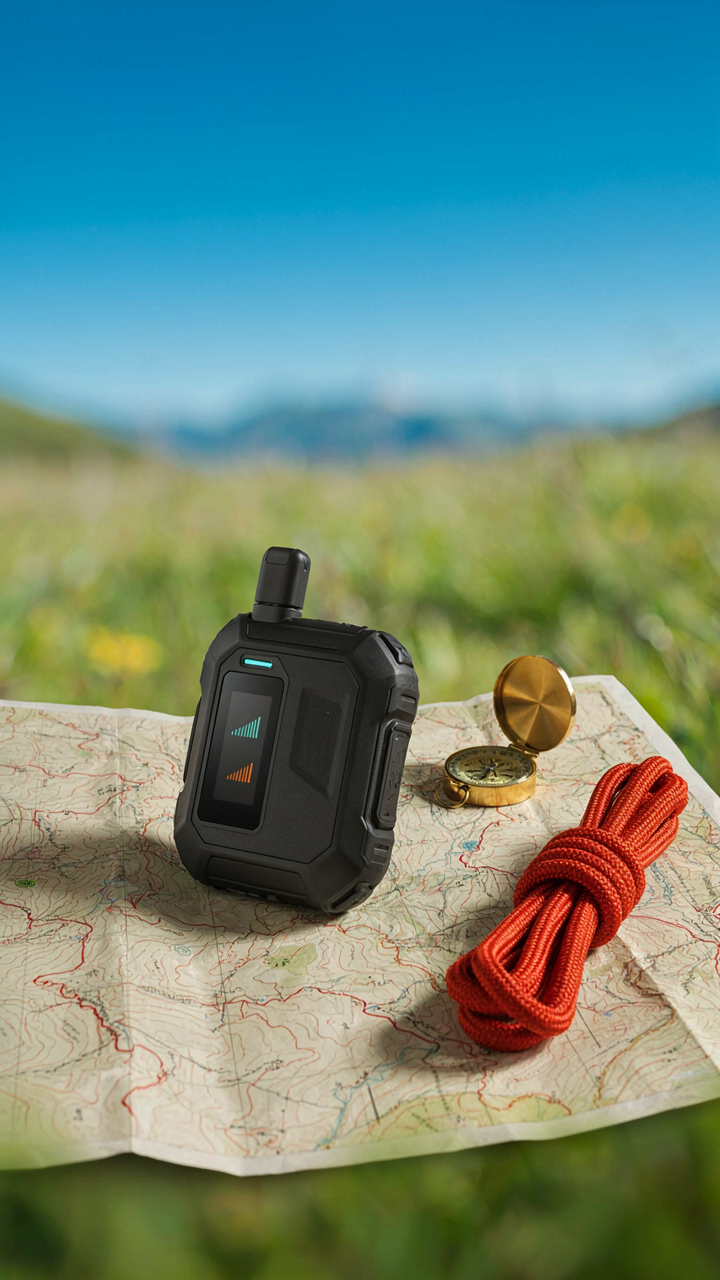
Cell service dies the moment you need it most. Don’t count on your phone as your communication strategy. Satellite messengers or personal locator beacons send distress signals through satellites, not towers. You buy one, register it, and carry it. That’s not paranoia. That’s mechanics: you’ve removed dependency on infrastructure that doesn’t exist where you’re camping.
Tell someone not in your camping party exactly where you’re going and when you’ll check in. Give them real coordinates or a named trailhead, not “somewhere in the mountains.” If you don’t contact them by a specific time, they call search and rescue. This works only if that person actually expects your call and acts when you don’t make it. Make the agreement explicit before you leave.
Post Camping Debrief: Learning From The Field
Clean And Store Gear Properly
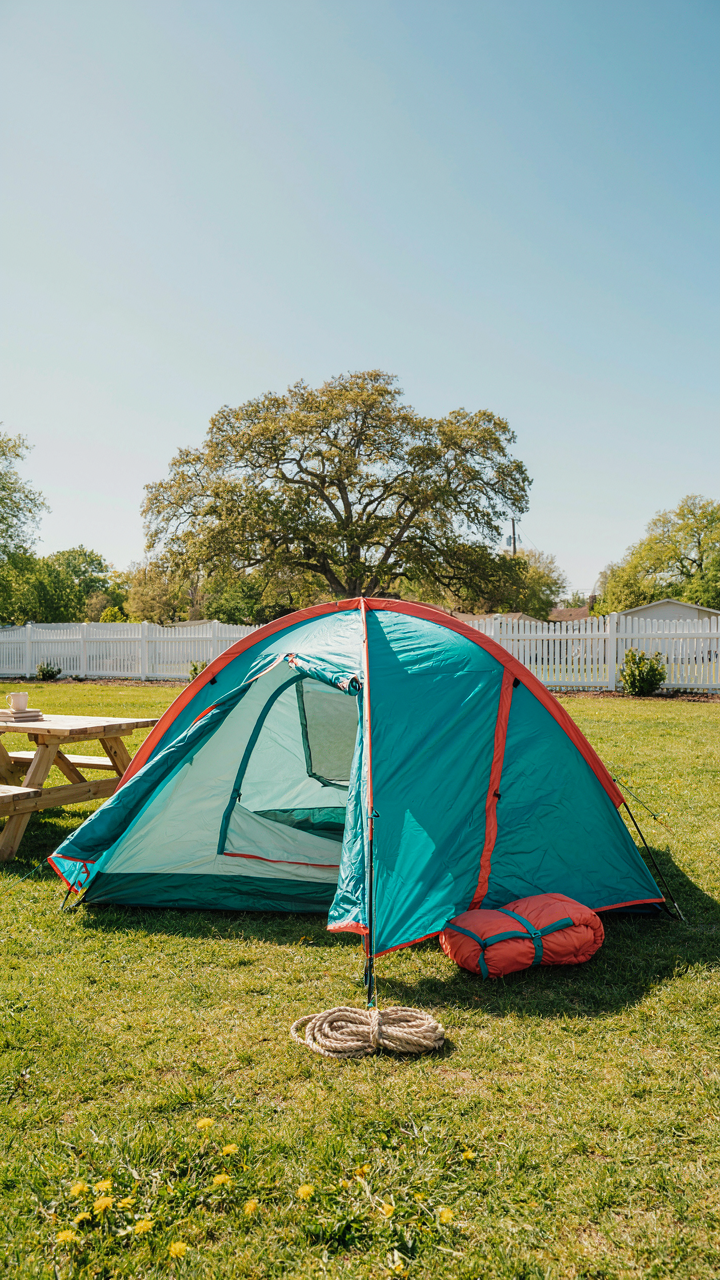
You want to believe your tent will last forever if you just throw it in the garage. It won’t. Equipment degrades fastest when wet, dirty, or stored wrong. The mechanism is simple: moisture breeds mold and mildew, which destroy fabric. Dirt particles trap moisture against materials, accelerating rot. You extend lifespan by reversing these conditions immediately after every trip.
Dry all gear completely before storage. Set up the tent in your yard or garage with doors open for full air circulation. Wipe down sleeping bags, pads, and cooking equipment with a dry cloth. Store batteries separately and remove them from flashlights. Keep everything in cool, dry spaces away from direct sunlight. Check stored items monthly during off-season to catch early mold or pest damage before it spreads.
Identify What Actually Failed
Most people skip this step and repeat the same mistakes on the next trip. You actually need to write down what broke, malfunctioned, or frustrated you before you forget. This is a feedback loop borrowed from engineering and manufacturing: the data you collect becomes your optimization input for future expeditions. Without documentation, you’re running blind.
After you get home, spend thirty minutes listing specific failures: did the tent stake bend, did the stove clog, did sleeping bags feel inadequate, did kids complain about specific foods? Rate each item by severity and frequency. Then decide: replace it, upgrade it, or swap it for something else. This becomes your shopping list for the next trip. You’re not improving by instinct. You’re improving by tracking what actually happened in the field.
The Only Real Obstacle To Adventure Is Your Willingness To Tolerate Discomfort
Most families don’t camp because they’ve built a fantasy of perfection in their heads. No bugs. No dirt. No bored kids. That fantasy doesn’t exist. The families that actually go pick a weekend, book a site, and drag their stuff into the woods knowing it’ll be messy. They win because they moved first. Stop researching your ideal camping trip. Buy a tent this week. Your kids won’t remember the perfect conditions. They’ll remember you were brave enough to try.