

The Unseen Enemy: Why Most Fall Hiking Advice Fails You

The Algorithm Dressed As Advice
You want to look competent on the trail without admitting you’re scared of looking incompetent. Most fall hiking outfit guides exploit this fear by selling aesthetics instead of function. They showcase Instagram-ready layers and color coordination because those images perform better than unglamorous truth. The advice isn’t wrong so much as it’s inverted: it prioritizes how you appear to others over how your clothes perform when the temperature drops ten degrees in an hour and your sweat won’t dry.
Fall weather operates like a system where inputs cascade unpredictably. One variable shifts and your entire thermal equation fails. Generic advice treats outfit selection like fashion curation rather than engineering. It names fabrics and silhouettes without explaining why specific materials shed water faster, retain heat longer, or allow vapor to escape before it becomes sweat that chills you. This gap between appearance and performance kills comfort before mile two.
Function Divorced From Form

The mistake everyone makes: believing a fall hiking outfit is primarily a visual statement. It isn’t. Your outfit is a temperature management system that must respond to four independent variables: wind, precipitation, exertion level, and altitude gain. Instagram-optimized advice focuses on the color palette and layering count while ignoring the materials underneath. A wool base layer performs differently than synthetic at the same price point, but saying “synthetic base layer” generates less engagement than showing someone in a fashionable top.
Real-world trail demands are unforgiving about this choice. You’re not in a climate-controlled space where aesthetics matter. You’re in a system where moisture-wicking speed determines whether you stay warm or spend three hours damp and progressively colder. Stop asking if an outfit looks cohesive. Start asking if each piece solves a specific thermal or weather problem on its own. That distinction is where most guidance completely fails you.

The Layering Protocol: Your Thermal Regulation System

Start With Sweat, Not Warmth
You’re buying base layers because you think they keep you warm. They don’t. That’s the gap between what you believe and what actually works. Thermoregulation isn’t magic—it’s physics. Your body produces heat and moisture during exertion. If that moisture stays on your skin, it kills your core temperature faster than cold air alone. Base layers pull sweat away from skin and move it outward. That’s the entire mechanism. Cotton fails because it absorbs moisture and holds it. Synthetic materials and merino wool wick it away.
Merino wool works year-round in fall conditions because it regulates temperature bidirectionally—it wicks sweat when you’re moving hard uphill and retains warmth when you stop. Synthetic bases like polyester or nylon dry faster and cost less, making them practical for repeated washing. Neither is wrong. The choice depends on your tolerance for maintenance and budget. Your base layer job is singular: remove moisture from skin before it becomes a liability.
Insulation You Can Strip Mid Trail
The common advice says wear puffy jackets or fleece mid-layers. That’s incomplete. What you actually need is adaptability. Fall weather shifts fast—you climb into sun and temperature drops, or you stop for water and your sweat cools instantly. A mid-layer that you can’t remove or stash becomes dead weight or a liability. Fleece works well because it traps air and dries relatively fast if you need to rewear it after stuffing it in a pack. Down jackets compress small but lose insulation when wet and take hours to dry. Synthetic insulation splits the difference—it insulates when damp and compresses for pack storage.
Wear your mid-layer loose enough to layer over your base without bunching. Bunching creates pressure points where air escapes and defeats the insulation. The protocol: start with mid-layer on, remove it ten minutes after you begin climbing, stash it accessible in your pack, put it back on during descents or breaks when your core temperature drops. This single cycle prevents both overheating and hypothermia.
Outerwear: The Shell Game Of Elemental Defense
Hard Shells Versus Soft Shells
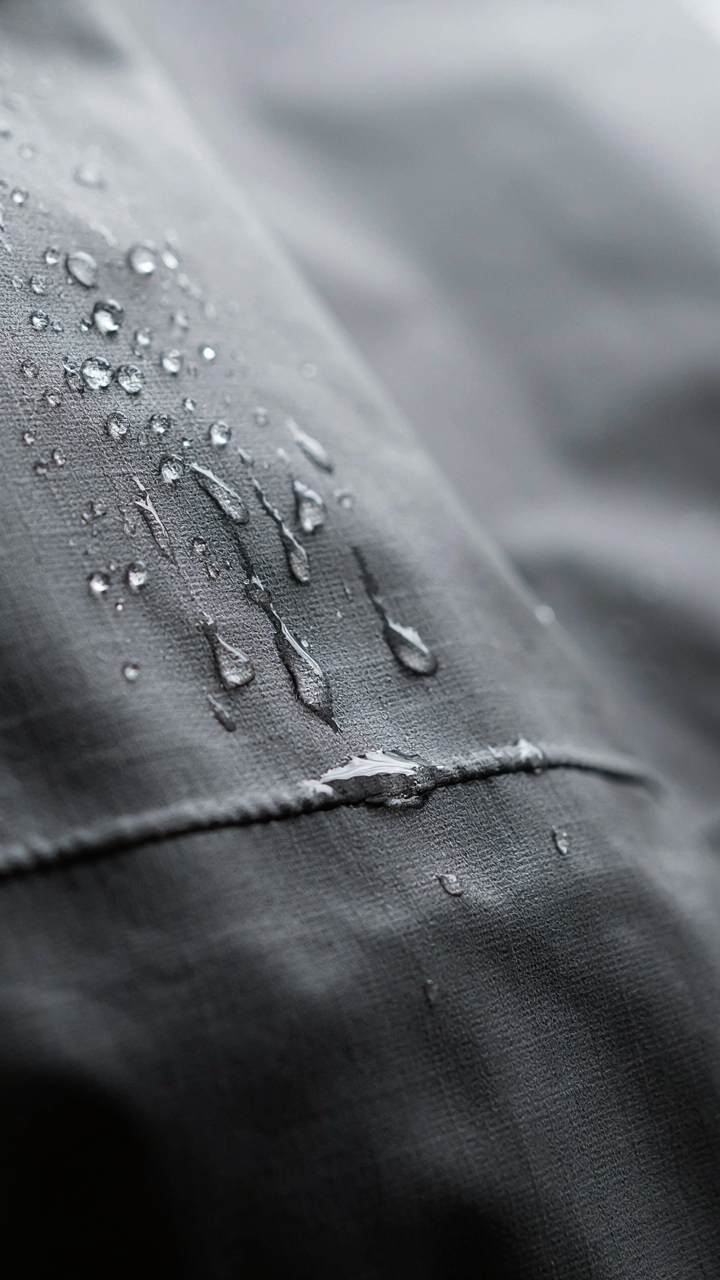
You want the right shell because you’re afraid of looking unprepared, but the real issue is that most people buy based on brand reputation instead of the actual physics at play. Hard shells use laminated membranes like Gore-Tex that block wind and rain through microscopic pore size, but they sacrifice breathability because those same pores trap your body heat and sweat. Soft shells use stretchy fabrics treated with durable water-repellent coating, which lets vapor escape faster but won’t handle sustained downpour.
Hard shells win in genuine storms and extended exposure to heavy rain. Soft shells win on moving days when you’re generating consistent body heat and need unrestricted range of motion. The trap is choosing one for all conditions. Fall hiking demands both: wear the hard shell as your emergency layer, the soft shell as your active layer. This means you’re not buying one perfect jacket—you’re buying two tools for different jobs.
Packability And Weight For Changing Weather
The common advice is to “layer strategically,” which sounds smart and tells you nothing useful. What matters is that fall weather swings 30 degrees in six hours, so your outerwear must compress small enough to stash without consuming half your pack space, yet stay accessible for rapid deployment. A hard shell that packs to the size of a water bottle costs under a pound. A bulky insulated jacket costs two to three pounds and eats real estate.
Build this sequence: lightweight hard shell in your pack at all times, soft shell worn or tied to your pack waist during active hiking, down or synthetic jacket added only if temperatures drop below 45 degrees or you’re stopping for extended periods. Check the weather window before you hike, but pack for the worst 20 percent chance anyway. Your shell combination should total under three pounds and fit in a space smaller than a loaf of bread.
Footwear Fallacy: Why Your Boots Betray You
The Sole Carries Everything
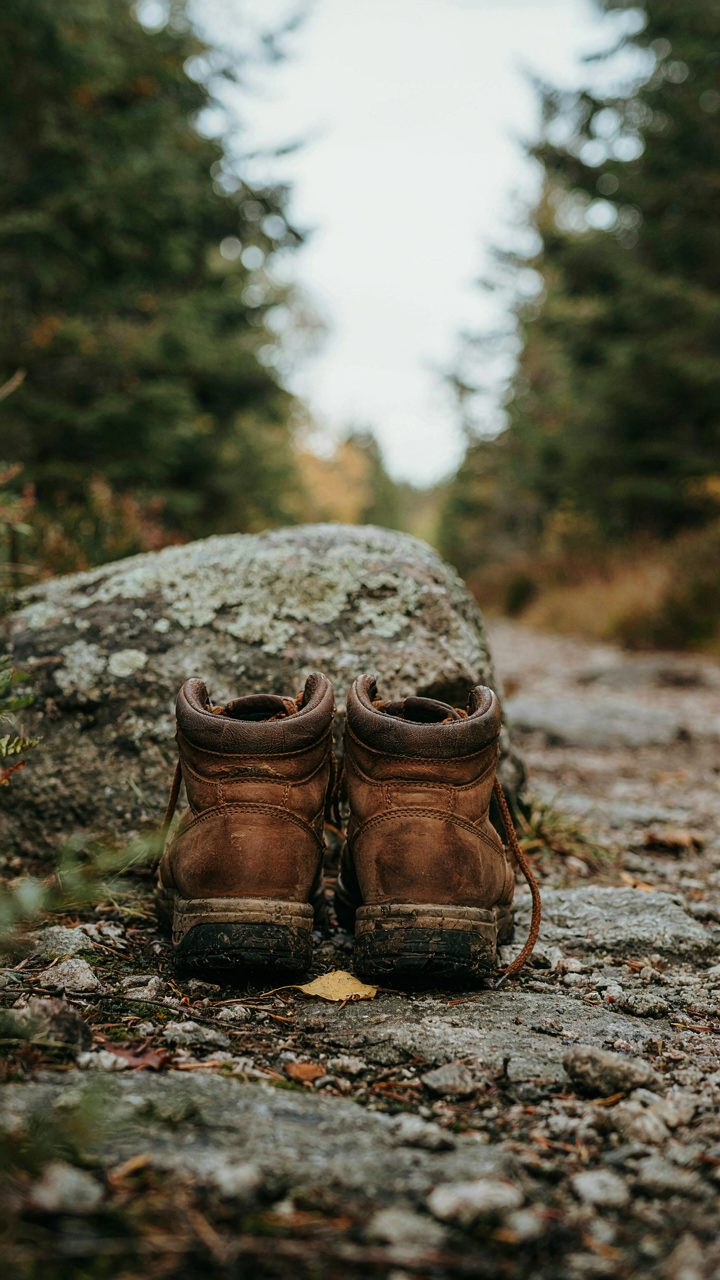
You want boots that look capable because capable-looking gear signals you know what you’re doing. Here’s what actually matters: the sole, shank, and upper work as a load-bearing system, and most women’s hiking boots compromise on shank rigidity to reduce weight. The shank—the stiff insert running under your arch—prevents your foot from flexing excessively on uneven terrain. A weak shank forces your calf and ankle stabilizers to compensate, burning energy and inviting injury on rocky descents.
The sole’s lugs grip, but their depth and rubber compound determine how long they stay functional. Fall terrain—wet leaves, loose scree, mud-slicked rocks—demands aggressive tread patterns that bite without clogging. The upper’s job is simple: contain your foot and manage moisture without creating a sauna. Leather stretches and conforms but needs conditioning. Synthetic uppers dry faster but don’t mold to your foot’s unique pressure points. Neither is wrong, but neither handles moisture the way marketing claims. Test boots on actual fall conditions, not gym floors.
Socks Win Or Lose The Hike
Blister prevention isn’t about padding, it’s about friction management and moisture transport. The sock’s fibers pull sweat away from your skin faster than they evaporate from the boot interior, creating a dry micro-environment. Merino wool does this better than synthetic blends because wool absorbs up to 30 percent of its own weight in moisture before feeling damp, while acrylic hits saturation faster. Thickness matters less than fiber quality—a thin merino sock outperforms a thick cotton sock that retains moisture.
Blisters form where your foot slides against the boot, not where pressure sits. Your sock needs enough cushioning to absorb impact without compressing so much that it bunches inside the boot. Wear two pairs of socks only if your boots fit loose—most women’s boots already account for socks, and doubling up just creates pressure points. Change socks at the halfway point on long hikes, especially in wet conditions. Damp feet in cold fall air cool rapidly, turning comfort into pain within miles.
The Kinematics Of Comfort: Movement And Material Science

Fabric Stretch And Joint Architecture
You care about this because a poorly fitting jacket makes you feel incompetent on the trail, and competence matters. Biomechanics teaches us that joints require specific ranges of motion. Your shoulders need 180 degrees of flexion when reaching uphill. Your hips need lateral abduction when stepping over logs. Most fall hiking tops fail because they’re cut for static posture, not dynamic load bearing.
Four-way stretch fabric moves with your body instead of against it. Nylon blended with spandex (typically 85/15 or 90/10 ratios) gives you the elasticity you need without pooling or sagging after repeated movement. The key tension points are the underarm, across the shoulder blade, and along the side seam. Brands that articulate panels at these exact locations eliminate the binding sensation that makes you shorten your stride. Test this by raising your arms overhead and doing lateral lunges before you buy.
Friction Reduction Through Material Selection
The common advice says “moisture-wicking prevents chafing.” That’s incomplete. Chafing happens when two surfaces create sustained friction under load. Your skin against wet cotton generates heat faster than your skin against dry synthetic. But material also matters at the microscopic level.
Smooth polyester maintains a lower coefficient of friction than brushed or fleece-backed fabrics. This is why inner thigh chafing stops when you swap cotton-blend leggings for nylon tights. Seam placement determines whether friction concentrates on one pressure point or distributes across a wider area. Flat-lock seams scatter force instead of creating a hard ridge. When you sit in your fall hiking outfit for two minutes before hitting the trail, you should feel zero catching or pinching anywhere your body contacts the fabric.
Accessories That Aren’t Optional: Hiking Essentials For Fall

Your Head Needs Strategy, Not Just Coverage
You care about this section because you’re afraid of looking unprepared. The real mechanism is thermal regulation: your head controls core temperature because it contains major blood vessels close to the surface. Lose heat there first, and your body pulls blood inward to survive, killing dexterity in your fingers and decision-making in your brain. Fall’s temperature swings demand headwear that adapts, not just insulates.
Beanies solve one problem and create another. A wool or synthetic blend beanie traps heat, but it traps sweat too, which cools you faster when you stop moving. A baseball cap protects from sun and wind without overheating, but leaves your ears exposed to the cold. The real answer is layered thinking: start with a moisture-wicking headband that sits under a removable beanie. When effort heats you up, drop the beanie into your pack. Sun exposure still happens in fall—UV rays reflect off water and bounce off ground—so a cap brim handles that without adding bulk.
Gloves Are About Stopping Before You Fail
Glove choice determines how long you actually stay on the trail. This is thermodynamics applied to your hands: your fingers lose heat fastest because they have the highest surface area relative to mass. Once they go numb, you can’t adjust gear, hold poles, or grip rocks. Most hikers buy gloves that feel warm while stationary, then sweat through them during the climb and freeze during the descent.
Fall demands gloves you can shed mid-hike without losing them. Touchscreen-compatible synthetic gloves let you handle your phone and map without bare hands. Wear lightweight merino-wool blend gloves (not cotton, which holds moisture) under a windproof shell glove you can remove and clip to your pack strap. When you climb hard, drop both into a hip pocket. When you stop, pull the shell back on. This system keeps your core temp stable and your hands responsive across a 40-degree temperature range without requiring constant decisions about what to wear.
The “Wander Outfit” Illusion: Aesthetic Vs. Practicality

When Instagram Wins Over Your Knees
You want the outfit to make you look like you belong on the trail, not like you’re actually going to hike it. The mechanism is simple: social proof has higher currency than survival comfort. Fashion algorithms reward visual harmony and color coordination, not moisture wicking or weight distribution. Women internalize this gap and choose pieces that photograph well over pieces that perform well under real conditions.
The cost compounds fast. A color-matched outfit that looks cohesive on screen often means cotton blends instead of synthetic bases, oversized cuts that catch wind and snag branches, or shoes chosen for the Instagram profile pic instead of ankle support on uneven ground. Performance gets sacrificed for the narrative you’re building about who you are on the trail, not who you need to be.
Functional Pieces Actually Have Constraints
Function isn’t a style choice. It’s the output of specific problems that need solving. A truly functional fall hiking piece has narrow tolerances: your base layer must stay dry and move moisture away from skin, your mid layer must insulate without bulk, your outer shell must shed water while allowing vapor to escape. These requirements eliminate most “hiking aesthetic” pieces because aesthetics and performance occupy different design spaces.
The real filter: pick pieces that announce their purpose through visible engineering. Reinforced seams at stress points. Tapered cuts that fit your actual proportions instead of a model’s. Zippers with storm flaps. Pockets positioned for trail access, not symmetry. These details look different from Instagram-optimized outfits because they solve problems Instagram outfits don’t have to solve. Wear the engineering.
Debunking The “Outfits For Mountains” Myth

Weather Changes Demand Vertical Thinking
You’re buying the idea that one outfit works across elevation because you want to believe planning is simpler than it actually is. Mountains don’t behave like flat terrain. Temperature drops roughly 3.5 degrees Fahrenheit per 1,000 feet of elevation gain—this is physics, not opinion. Think of elevation gain as your vertical axis of control. A trail starting at 3,000 feet and summiting at 8,000 feet doesn’t just get colder. Wind speed increases, humidity drops, and your body’s heat loss accelerates. The outfit that works at the trailhead becomes inadequate within hours.
Weather in mountains shifts on compressed timescales because air masses collide and change direction faster at height. Rain can arrive in minutes. Temperature swings of 20 degrees between sun and cloud cover are normal. This means your outfit must have built-in redundancy, not just style. You need layers that adjust independently, not a single “perfect” piece. Base layer, insulating mid-layer, and windproof shell must work alone or stacked. Most women’s hiking guides skip this mechanic entirely and just say “dress in layers,” which tells you nothing about why or how to actually execute it.
Essential Gear That Changes Outfit Decisions
Most fall hiking outfits ignore what you’re actually carrying because writers treat gear as separate from clothing. It isn’t. Trekking poles, navigation tools, and emergency kits add weight and change how your body heats and cools. Poles reduce leg strain and control descent impact, which means your lower body works differently than on flat hikes. You don’t need as much quad protection from chafing, but you need more shoulder and torso stability from your pack setup.
- Trekking Poles: Reduce lower body exertion by 25 percent, which lowers heat generation and changes when you’ll need to remove layers during climbs.
- Map and Compass or GPS Device: Adds 2-8 ounces to your pack; this shifts your center of gravity and how your pack straps distribute load across your shoulders.
- Emergency Kit: Requires accessible pocket placement or external attachment; dictates where your jacket needs reinforced seams and secure closures.
- Headlamp or Flashlight: Fall hikes have shorter daylight windows; extra weight in your pack changes your posture and core engagement, affecting when you overheat.
- First Aid and Repair Supplies: A 6-ounce kit adds bulk; your outer layer needs pockets that don’t shift contents into your spine or shoulders during technical terrain.
Your outfit needs to work with your gear system, not against it. Jackets that don’t accommodate pack straps cause chafing. Pants with poor pocket design force you to carry items in your pack longer, delaying when you can access layers. Choose pieces with reinforced attachment points and accessible storage before worrying about color or brand name.
Investing In Durability: Beyond Fast Fashion Fall Hiking
Cost Per Wear Beats Initial Price Tag
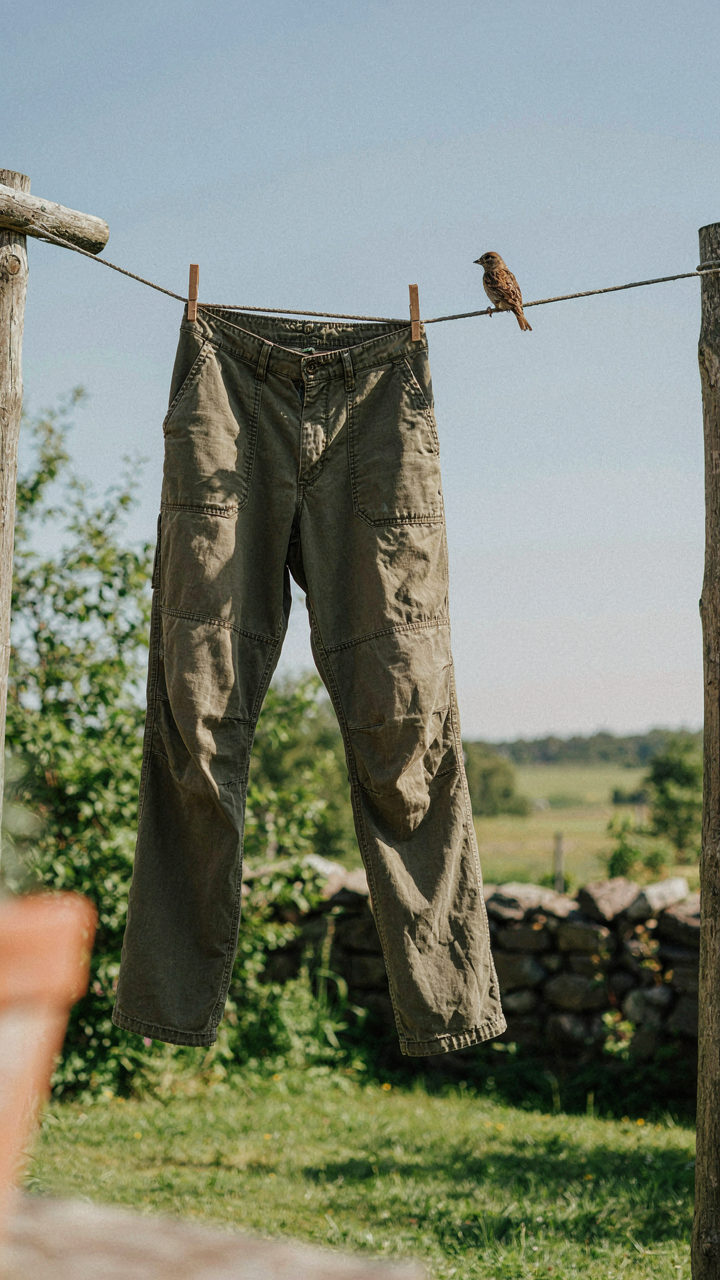
You’re worried you’ll look broke if you don’t buy the premium gear. That’s the actual problem here, not the price. Economics calls this “unit cost analysis”—you divide total price by total uses to find true expense. A $200 jacket worn 80 times costs $2.50 per wear. A $60 jacket worn 5 times costs $12 per wear. Fast fashion fall hiking gear fails in cold, wet conditions because manufacturers cut corners on seam sealing and fabric weight to hit a price point.
The math flips when you track wear honestly. Synthetic shells from established outdoor brands hold seams under repeated compression and moisture cycles. Budget alternatives separate at stress points within one season. Calculate this yourself: count realistic autumn hikes per year, multiply by seasons you’ll actually use the piece, then divide purchase price by that number. If you hike fall weekends, a durable base layer worn 30 times over three years costs less than replacing cheap versions annually.
Materials Matter More Than Brand Story
Environmental impact is just cost externalized to someone else. The fashion industry avoids naming this plainly. Polyester microfiber sheds particles into water systems and soil. Nylon production releases laughing gas, a greenhouse gas 300 times more potent than CO2. Cotton requires pesticide volume that contaminates groundwater. Merino wool, the actual durable choice for fall hiking, biodegrades and requires less processing intensity per wear cycle because the fiber lasts longer before replacement.
Real sustainability means buying once and using it hard for a decade, not buying “eco-friendly” gear that fails in two seasons. Merino base layers resist odor through natural properties, so you wash less frequently and extend fiber life. Recycled polyester still sheds and still requires frequent replacement. Pick materials engineered for durability first. The environmental argument only works if the item survives multiple seasons and multiple users through resale or hand-me-down.
The Unspoken Truth About Hiking Outfit Women
Marketing Disguised As Choice
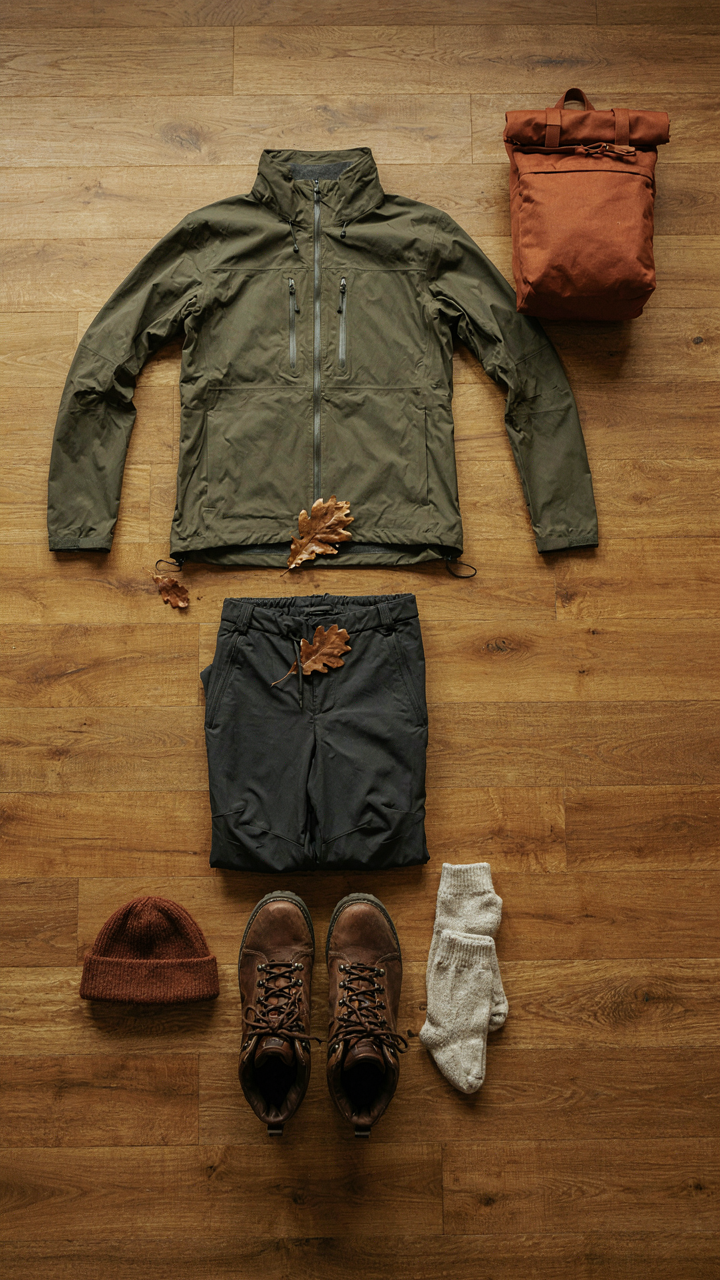
You care about this section because you’re tired of looking wrong. The real mechanism: the outdoor industry segments women’s gear not by biomechanics or performance needs, but by profit margins and market positioning. Women’s-specific hiking gear exists primarily because companies discovered they could charge more for the same functionality with different colors and narrower cuts. This isn’t utility driving design. It’s economics.
The distinction matters because it changes how you evaluate what you actually need versus what marketing tells you to want. A men’s hiking jacket and a women’s hiking jacket perform identically in rain if they fit your body correctly. The performance difference is zero. The price difference is real. Brands use “women’s fit” language to justify markup, not to solve a technical problem that didn’t exist before they named it a market segment.
Performance Over Labels
Stop treating fit categories as identity statements. The economics of apparel production created two supply chains where one would suffice: one sized for wider shoulders and longer torsos, one for narrower shoulders and shorter torsos. Neither is inherently superior. Neither is “for women” or “for men” by design law. They’re simply different proportions.
Your task is straightforward: find garments that fit your actual measurements, then test their material performance in conditions you’ll face. Ignore whether the tag reads “women’s,” “men’s,” or unmarked. Ignore the marketing story. A synthetic or wool blend that wicks moisture, insulates when wet, and resists wind works the same regardless of cut. The fit that doesn’t bunch at your shoulders or gap at your waist is the fit that matters. Buy accordingly.
The Actual Obstacle Isn’t Finding The Right Outfit; It’s Overcoming Your Fear Of Practical Competence

Most women don’t fail on the trail because they picked the wrong layers. They fail because they never actually tested their outfit before committing to it. You already know what works. You’re just avoiding the small discomfort of proving it to yourself. Go hike one steep trail this week in whatever you think might work. Stop theorizing and start gathering data. The only outfit that matters is the one you actually wear.