

The Layering Imperative: Not Just “Cute Hiking Outfits”
Start With Skin Contact First
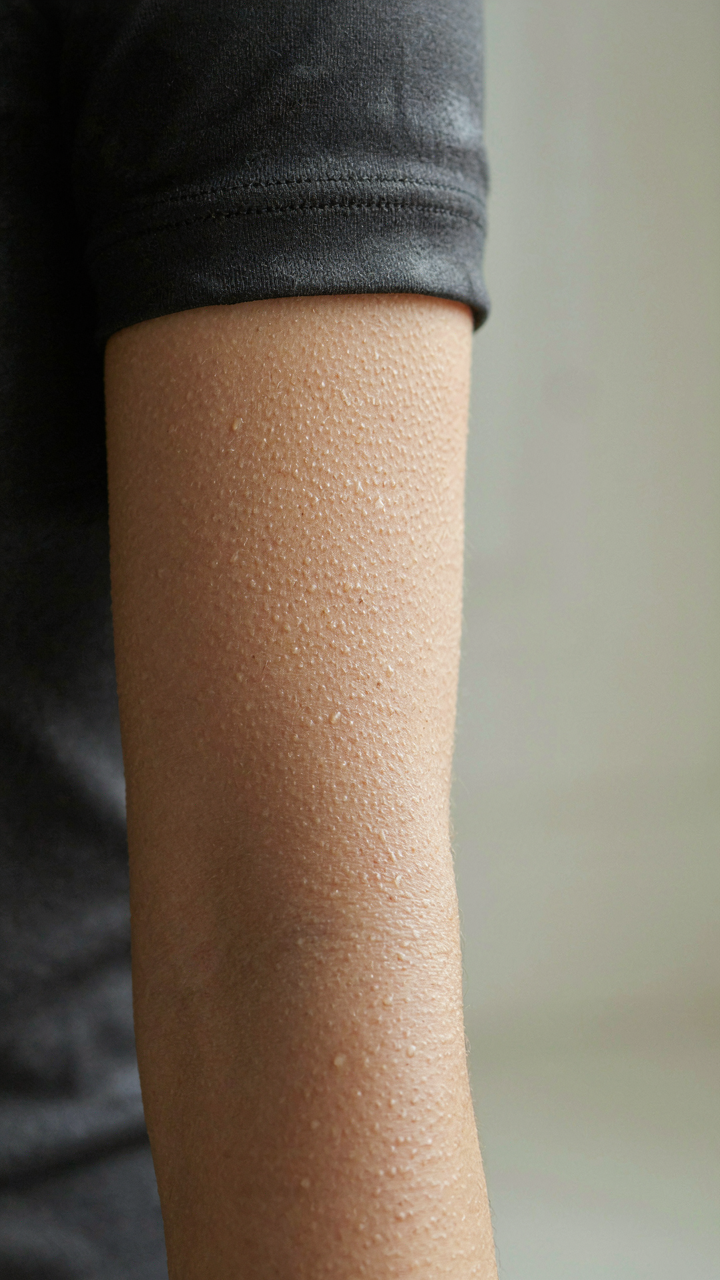
You want to look put-together on the trail. That’s not shallow—it’s a signal to yourself that you’re serious, which matters when you’re alone. But here’s what actually happens: your skin sweats, moisture sits against your body, and your core temperature drops fast. This is thermodynamics, not preference. Your base layer is the first line of defense in the heat transfer equation between your body and the environment.
Merino wool or synthetic materials like polyester pull sweat away from skin rather than absorbing it. Cotton traps moisture and loses insulating power when wet—this is non-negotiable physics, not opinion. A fitted base layer (not baggy) maintains consistent contact with your skin so moisture moves through it efficiently. Wear a long-sleeve top and leggings in fall, even on warm days. You can roll sleeves up initially; you cannot add fabric once it’s packed away.
Insulation Stops Heat Loss

The mid layer creates dead air space. This is the only job insulation does, and every other property people talk about (breathability, packability, weight) stems from how well a material traps that air. Fleece, synthetic insulation, or down all work on the same principle. Down compresses more efficiently but fails when wet. Synthetic holds insulation value when damp, which matters in fall’s unpredictable moisture.
A fleece or synthetic jacket worn over your base layer blocks wind and retains warmth without adding bulk. Choose a zip-up rather than a pullover—you control heat release by opening the chest without stripping off entirely. In fall, this layer stays on most of the hike. Remove it only when you’re actively moving uphill and generating excess heat, then put it back immediately when you stop or the pace drops. Pack a second insulation layer if your hike exceeds four hours or includes elevation gain above 2000 feet.

Outer Shell Protocol: Defying The Elements
Waterproof Vs Water Resistant
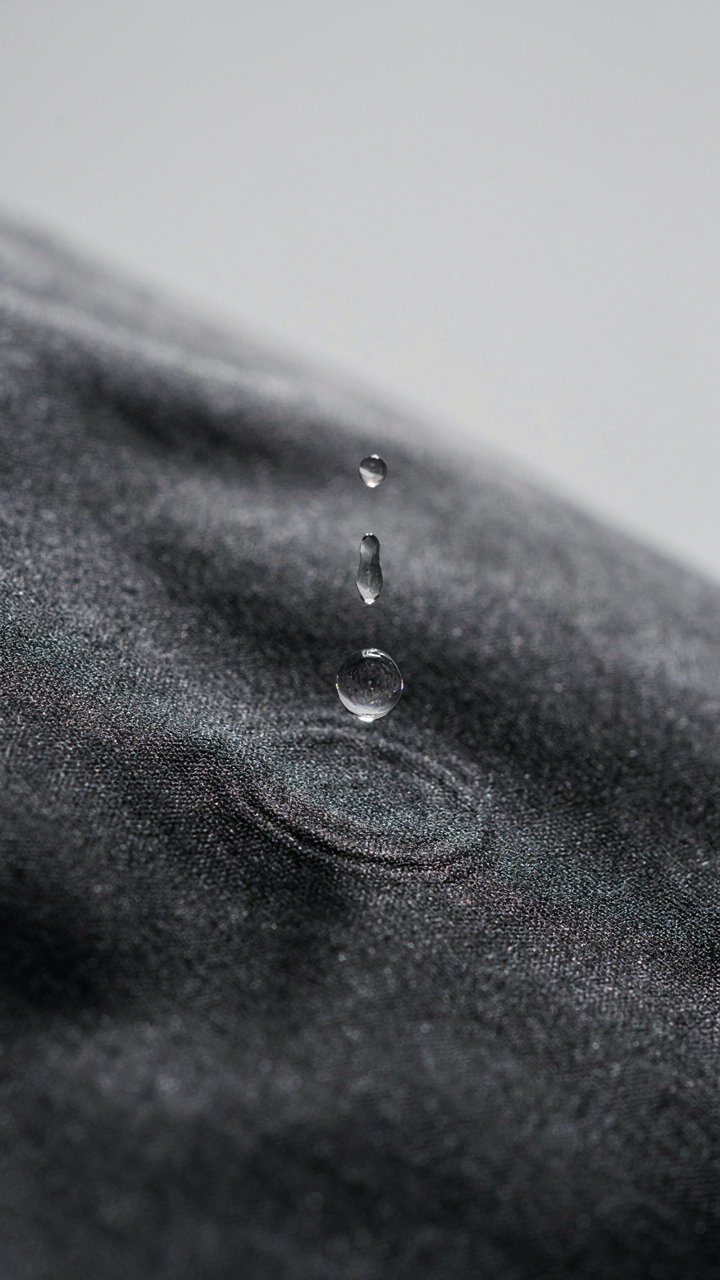
You want to believe one jacket solves everything because buying gear is friction. It doesn’t. The distinction matters because physics doesn’t negotiate. Waterproof means zero water penetration under pressure—sealed seams, impermeable fabric, designed to shed water actively. Water-resistant means fabric sheds water until conditions overwhelm it. Fall on exposed ridges brings wind-driven rain that tests fabric relentlessly. A water-resistant shell works for light drizzle during calm conditions. Once weather turns hostile, water-resistant becomes a slow leak masquerading as protection. Choose waterproof for solo hiking where you can’t rely on a partner to notice when you’re hypothermic.
The mechanism is simple: pressure plus saturation defeats water-resistant coatings. Waterproof jackets use laminated membranes like Gore-Tex that block water molecules while releasing body vapor. Fall conditions—temperature swings, wet leaves, stream crossings—create sustained moisture exposure. Waterproof jackets cost more because they require sealed seams and premium membranes. Solo female hikers carry their entire margin for error alone. Invest in genuine waterproof shells with taped seams for fall solo trips.
Wind Resistance On Exposed Terrain
Wind steals heat thirty times faster than still air does. On exposed fall ridges, wind doesn’t just cool you—it disrupts your thermoregulation entirely, which is the mechanism that keeps your core functional during sustained exertion. Most hikers treat wind like a discomfort rather than a metabolic threat. A wind-blocking shell stops convection losses that ordinary fleece can’t counteract. Fall transitions between tree line and open ridge expose you to gusts that drop perceived temperature by twenty degrees or more. Dense fabric layers stop wind at the source instead of letting it strip warmth from your skin and core.
Wind resistance means two things operationally: tight weaves that block air penetration, and construction that covers gaps at wrists, collar, and waist. Mesh-backed shells fail on exposed terrain because wind moves through them. Solid-front shells with elastic cuffs and hem drawstrings hold heat where it matters. Solo female hikers can’t warm up faster by hiking harder with a partner—you generate your own heat or you manage it deliberately through layering choices and shell design.
Footwear Foundation: Stability And Traction
Why Ankle Support Actually Matters On Uneven Ground
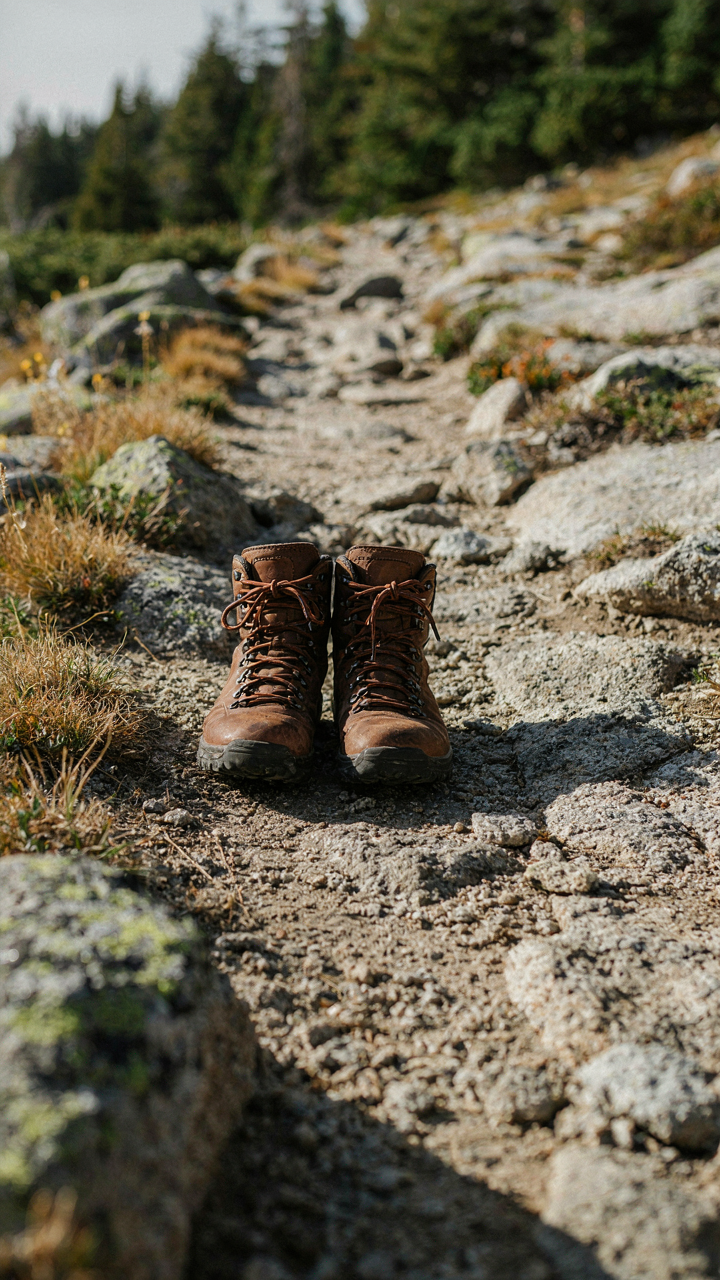
You want ankle support because you’re afraid of rolling your ankle alone in the woods with no one to call. That’s not weakness, that’s physics. Biomechanics teaches us about “inversion stability”—the shoe’s ability to resist your foot rolling inward on slopes. Solo female hikers face a specific constraint: you can’t afford an injury that limits mobility. A twisted ankle doesn’t just hurt; it removes your option to self-rescue quickly.
High-cut boots with stiff midsoles transfer the work from your ankle ligaments to the shoe structure itself. The ankle collar needs to sit snug without cutting circulation. This means measuring your boot fit in the afternoon when your feet swell, not in the morning. Lacing matters too: snug across the midfoot, slightly loose at the toes, firm at the ankle. You’re not looking for a boot that prevents all ankle movement. You’re looking for one that prevents the specific rolling motion that causes injury on technical terrain.
Grip On Wet Leaves Requires Different Rubber Than Dry Rock
Wet leaf litter is deceptive. It looks stable, feels dry to touch, and slides like ice under weight. The rubber compound on your sole determines traction more than the tread pattern does. Vibram and similar high-quality outsoles use rubber formulations that actually grip wet organic matter instead of skating across it. Cheaper rubber compounds harden in cold fall temperatures and lose grip entirely.
The tread pattern should have angular edges, not smooth rounded lugs. Look for sipes—the tiny cuts in each lug that create edges. When the sole compresses on wet ground, the sipes bite into the surface instead of hydroplaning. Test this on wet pavement before the hike: press your boot sole into wet asphalt and twist. If it slides, it will slide on the trail. Replace boots when the lugs wear smooth. Worn traction kills more solo hikes than anything else.
The Minimum Viable Kit (Hiking Outfits And Gear)
Navigation Tools Vs. Phone Reliance
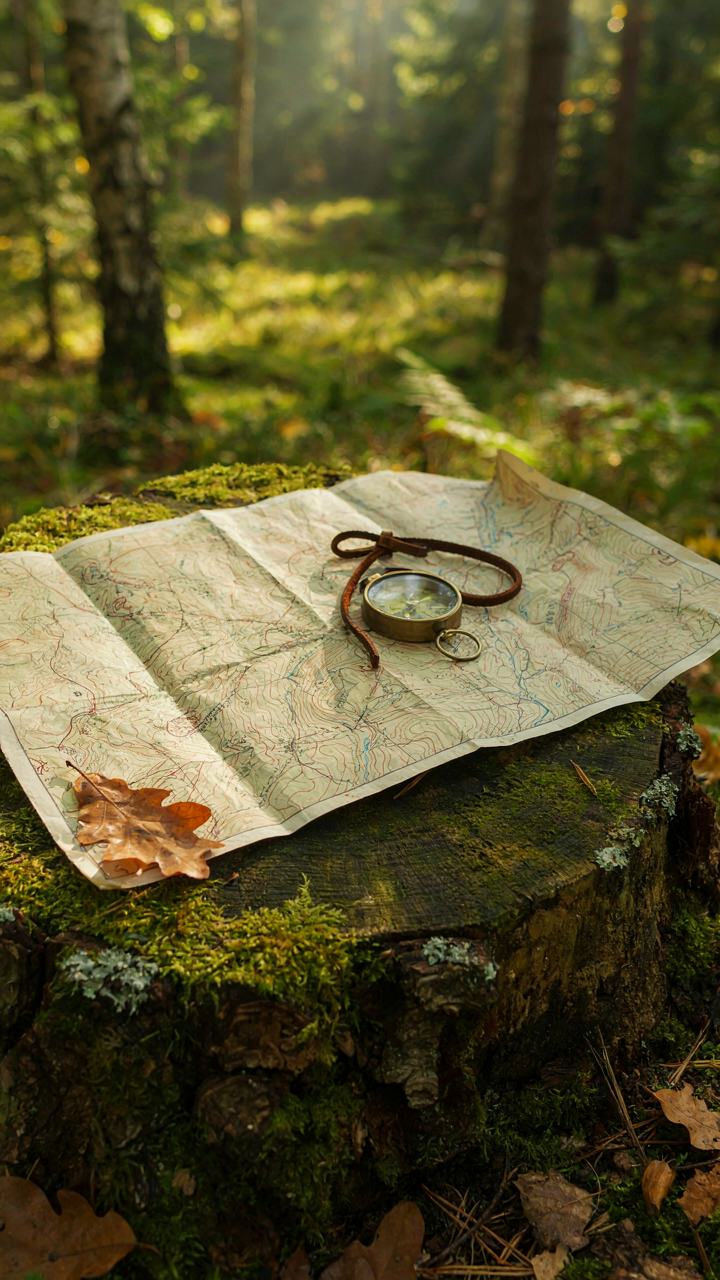
You want to believe your phone is enough because carrying a map feels like admitting you’re not competent. The mechanism is simple: your phone dies, loses signal, or gets damaged. Then you’re navigating by memory or guessing. Navigation in the field follows a redundancy principle from aviation: never trust a single system. A paper map and compass weigh nothing. They don’t fail when the battery drains at mile four.
Your phone is a tool, not a replacement for tools. Carry a waterproof topographic map of your specific trail. Download an offline GPS app like AllTrails or Gaia GPS before you leave service. Keep your phone in airplane mode during the hike to preserve battery. The compass goes in an accessible pocket, not buried in your pack. When you reach a junction, you navigate without burning through your phone’s power supply or waiting for signal to lock.
Emergency Essentials Beyond Clothing
Most advice lists first aid supplies and water like they’re interchangeable across all scenarios. They’re not. A female solo hiker in fall faces dehydration, minor cuts from sharp branches or rocks, and hypothermia risk if weather shifts. Your emergency kit scales to the specific failure mode. Carry a two-liter hydration system, not a water bottle. Include an insulating layer you can add fast if temperature drops fifteen degrees in thirty minutes. Add a headlamp with fresh batteries. Blood clotting gauze matters more than a full first aid kit for most fall hikes.
Bring a whistle, not for morale but for actual rescue protocol. Three blasts is the distress signal. A small emergency bivy sack or space blanket takes up the volume of a water bottle. Pain relievers, blister treatment, and tweezers cover most real incidents. Test your entire kit before the hike. Know where every item sits in your pack so you can access it in poor light or stress. Before you step onto the trail, run through the sequence: pull the item, use it, return it to position.
Beyond The Instagram Aesthetic: Real Fall Hiking Outfits
Durability Over Fleeting Trends
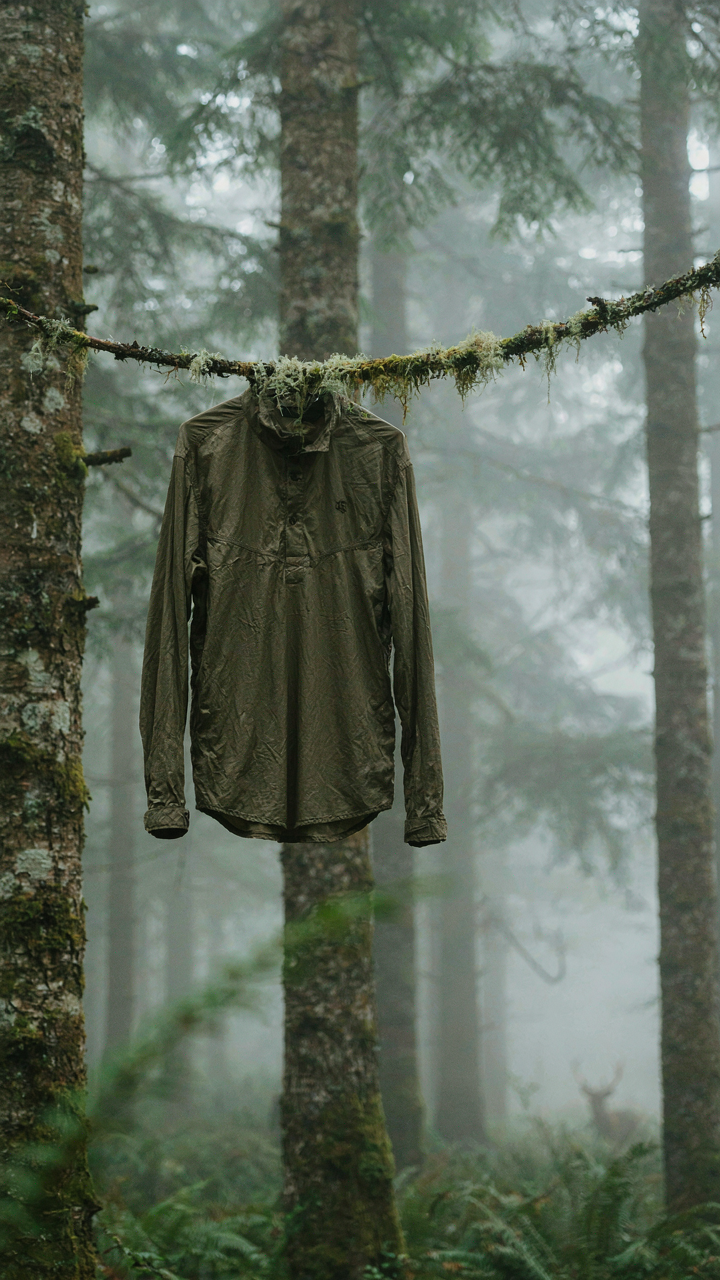
You want to believe your outfit choice matters because it signals something about you to others on the trail. Here’s what actually matters: a garment either survives repeated use in wet, abrasive conditions or it doesn’t. Engineering determines this, not design language. Fall hiking demands fabrics that resist pilling, maintain stretch after dozens of washes, and don’t degrade when wet. Merino wool, nylon blends, and polyester from established outdoor brands outperform fast-fashion alternatives because their fiber structure tolerates friction and moisture cycling. Buy pieces that last three seasons minimum, not items designed for a single Instagram post.
The mechanism is simple: cheap synthetics break down faster than their cost justifies. A thirty-dollar fleece from a department store loses elasticity within ten washes. A hundred-dollar merino base layer from an outdoor brand lasts two years of weekly use. When you hike solo, equipment failure becomes a real problem, not an inconvenience. Your outfit must handle repeated stress without degradation, which means choosing materials and construction methods that prioritize longevity over visual novelty.
Performative Style Blocks Real Function
Most hiking outfit advice treats clothing as personal expression first and protection second. That’s backward. Your outfit exists to regulate temperature, manage moisture, and let you move freely across uneven terrain. Tight silhouettes look intentional in photos but restrict your stride and trap sweat. Oversized layers create bulk and reduce sensitivity to your surroundings. The real constraint isn’t aesthetic preference—it’s physics. Layering works through air pockets and moisture wicking, not through how the ensemble photographs.
Solo female hikers face a specific pressure: looking competent while avoiding either extreme of appearing “too masculine” or “trying too hard.” This split attention costs you. Drop the performance. Wear what your body needs. Fitted but not tight base layers, mid-weight insulation that compresses small, a rain shell that fits over everything without binding. Neutral colors work better than patterned pieces because they don’t distract your own visual field and they perform identically in all conditions. Pick function first, then choose within the functional options that exist.
The Thermal Regulation Matrix Fall Hiking Outfits For Women

Your Body Is A Feedback Loop
You want to believe one outfit works for the whole hike. It doesn’t. Your body is a thermostat running a continuous feedback loop, and fall conditions exploit every gap in your system. Cybernetics—the study of feedback loops and self-regulating systems—maps directly onto how your core temperature stabilizes during hiking. You sweat, humidity builds, wind cools you, exertion heats you, and elevation changes the entire equation. Miss one variable and you oscillate between overheating and chilling in ways that drain energy faster than the climb itself.
The common advice is to layer. That’s incomplete. You need to layer with active management. Your base layer wicks moisture but only if you adjust it when sweat accumulates. Your mid layer insulates but only when it stays dry. Your shell blocks wind but only when you strip it before you overheat. Most solo female hikers wear static outfits and let the system fail. The mechanism is this: temperature regulation isn’t about what you wear—it’s about when you wear it and how quickly you respond to your body’s signals.
The Cost Of Friction In Every Layer
Layering inefficiently burns calories you need for the hike itself. Every extra ounce of fabric you carry but don’t use, every layer you leave on too long and sweat through, every time you stop to adjust creates metabolic waste. Your body expends energy to cool itself when you’re overdressed and energy to maintain warmth when you’re underdressed. The physiological cost compounds across a four to six hour fall hike. Solo female hikers often weigh less than solo male hikers, which means less metabolic heat production and less tolerance for poor layering strategy.
The efficiency variable matters more than material choice. A woman generating 300 watts of exertion while wearing three layers of inefficient fabric loses more energy through poor regulation than through inadequate insulation. Your base layer should be synthetic or merino wool, not cotton. Your mid layer should compress small enough to stuff in a pack, not create bulk that traps sweat. Your shell should open at the sides and pit zips to release heat before you stop moving. Test your outfit on a day hike before committing it to a full fall hike, adjusting each layer off and on every 20 minutes to find your true transition points.
Accessory Advantage: Small Gear, Big Impact
Keep Your Head Warm First
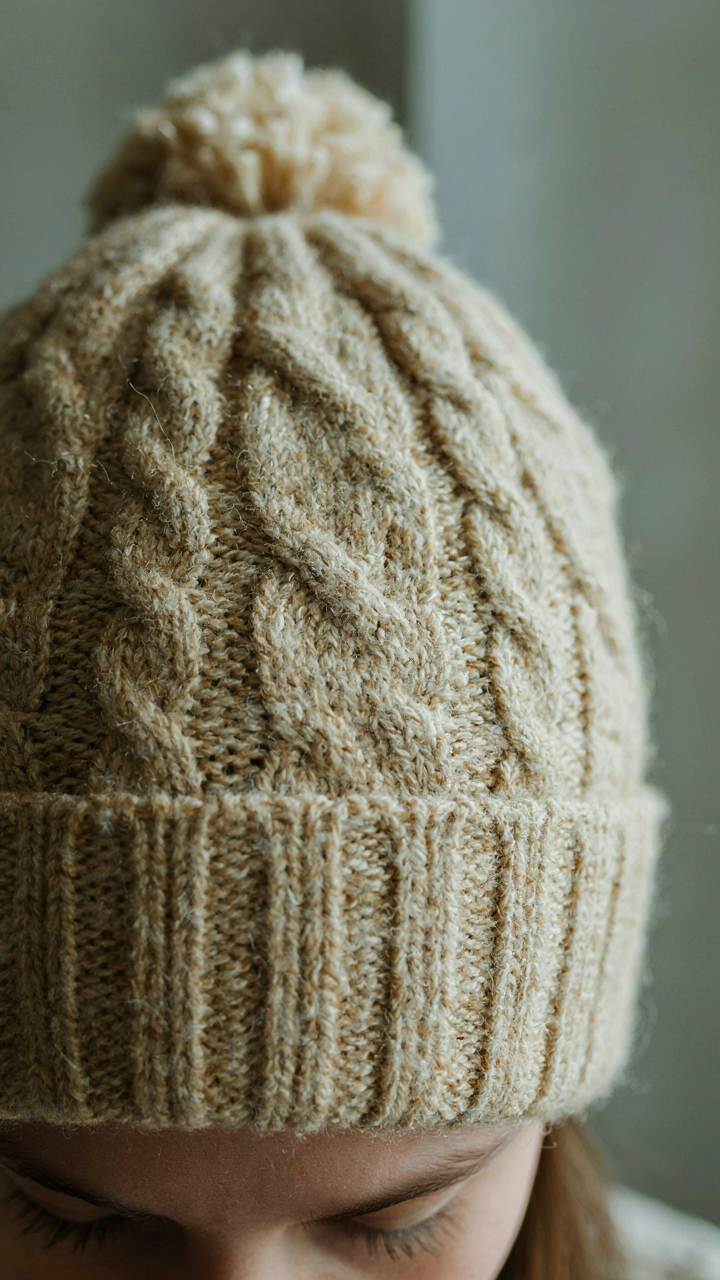
You want accessories that make you look prepared without the bulk. That’s the real driver here. But thermodynamics doesn’t care about aesthetics. Your head bleeds heat faster than your torso because it has high surface area and minimal insulation compared to your body. Lose head temperature, lose decision-making ability. A beanie isn’t decoration on a fall hike—it’s a cognitive tool.
Fall temperatures shift fast, especially at elevation or near water. You need headwear that layers under your main hood without trapping sweat. Merino wool beanies manage moisture better than cotton. They breathe when you’re moving uphill and retain warmth when you stop. Bring one that compresses small enough to fit in your jacket pocket so you don’t leave it behind. Temperature control decides whether your hike stays safe or turns into a survival situation.
Choose Gloves That Don’t Trap You
Dexterity dies in fall cold faster than most hikers admit. Common advice says wear thick gloves for warmth, but that trades away your ability to adjust straps, handle your phone, tie knots, or grip rocks if you slip. Physics calls this the strength-flexibility trade-off, and fall hiking outfit decisions live on that axis constantly. You need gloves that stay warm without removing your tactical ability.
- Merino Wool Liner Gloves: Thin, tactile, retain warmth when damp. Layer under heavier gloves or wear solo when temps are mild. Most solo hikers keep these as backup in their pack.
- Hybrid Softshell Gloves: Synthetic palm with stretchy back. Waterproof palm lets you grip wet rocks and handles while maintaining dexterity. Popular for active hiking rather than static camp time.
- Convertible Mittens With Flip Fingers: Top half folds back to expose fingertips when you need precision, covers again for warmth during breaks. Works for unpredictable temperature swings throughout a fall day.
- Leather Palm Gloves: Durable against brush and rock. Less insulation than wool but superior grip and longevity. Trade warmth for reliability if your route involves scrambling or hand-over-hand movement.
- Touchscreen Gloves With Reinforced Palms: Let you navigate without removing them completely. Look for versions with actual grip texture, not just conductive thread that fails after three months.
Pack two different glove systems into your accessory kit. One for active movement, one for rest stops. Switch when your hands cool down or when you need precision. This protocol prevents the trap of choosing between warmth and function.
Pre Hike Gear Reconnaissance Trekking Outfit
Weather Prediction Vs Microclimates
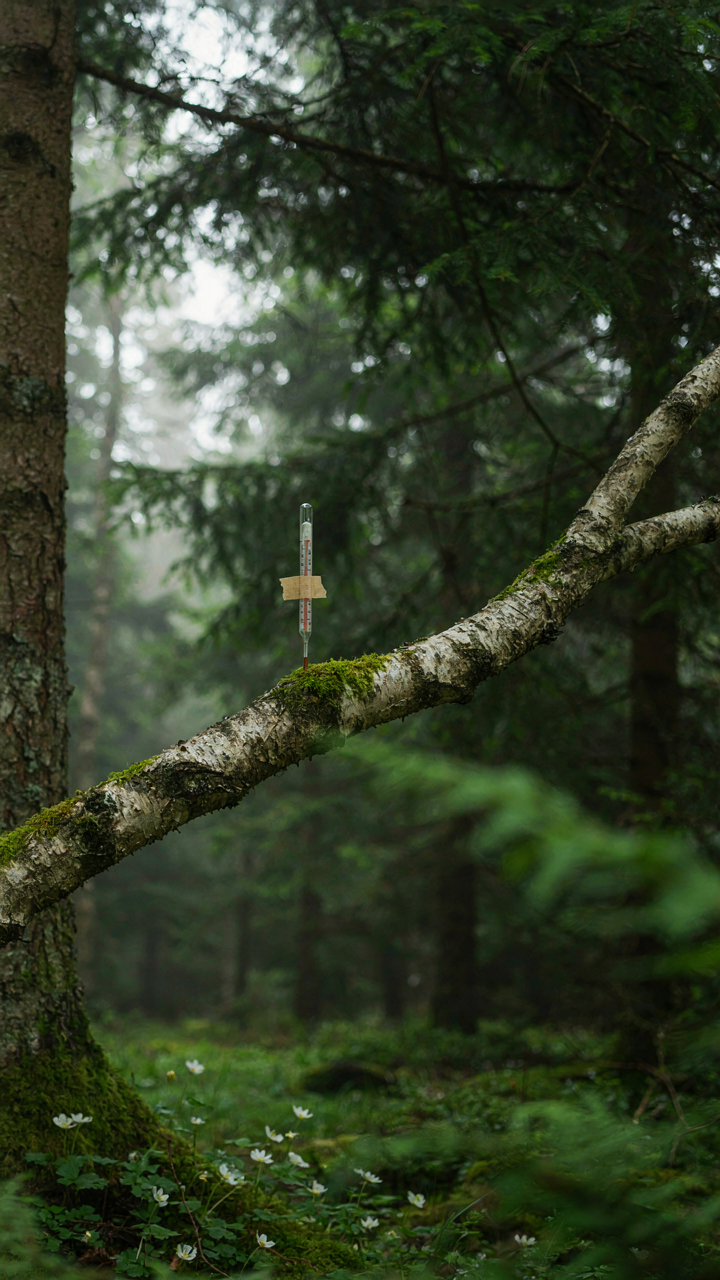
You want to look prepared so you don’t feel stupid on the trail. That’s not the real problem. The real problem is that weather apps show you one temperature for your trailhead while the actual conditions shift dramatically based on elevation, tree cover, and wind exposure. Meteorology calls this the “lapse rate”—temperature drops roughly 3.5 degrees per thousand feet of elevation gain. A solo female hiker needs to weaponize this fact, not ignore it.
Check the forecast, yes, but treat it as a baseline, not gospel. The trail itself generates its own microclimate. Open ridges run 15 to 20 degrees colder and windier than sheltered valleys. Dense forest blocks wind but traps moisture. Streams create localized cooling. Download the elevation profile of your specific route and cross-reference temperature predictions at multiple elevations. Your outfit should account for a 20-degree swing between trailhead and summit, which means layering flexibility matters more than picking the perfect single piece.
Trail Conditions And Terrain Assessment
The standard advice here is useless: “Check the trail report.” People do. Then they show up in cotton leggings because the report said “moderate” and their brain interpreted that as “mall walk.” Terrain assessment means matching your outfit’s mobility and grip to actual ground conditions, not difficulty ratings.
Wet leaves, loose scree, and muddy descents demand different footwear and pant choices than dry packed earth. Steep elevation gain requires breathable upper layers and pack compatibility. Rocky terrain punishes exposed skin. Before you dress, study the last three days of weather and whether moisture has accumulated on the trail. Call the ranger station if recent rain has hit the region. Then choose your base layer, insulation, and outer shell based on that specific combination of grade, ground type, and current moisture state. This takes 15 minutes and eliminates 90 percent of outfit failures.
The Unseen Threat: Why Your Outfit Matters (Outfits For Mountains)

Temperature Drop Kills Faster Than You Think
You’re reading this because you want to feel safe alone on a trail, and the real mechanism behind outfit choices is thermal regulation, not aesthetics. Fall weather doesn’t warn you before it shifts. A 15-degree temperature drop happens in hours, and your body loses heat through convection, radiation, and evaporation simultaneously. Your outfit is the only barrier between a pleasant hike and hypothermia.
Cotton holds moisture and loses insulation when wet. Merino wool and synthetic base layers wick sweat away from skin, preserving core temperature even when damp. Mid-layer fleece traps dead air space. Outer shells block wind. Solo hikers can’t afford the luxury of a group member catching their decline. You notice symptoms last. Dress for the temperature you’ll face at peak elevation in late afternoon, not the temperature at the trailhead at 9 a.m.
Friction Points Break Skin Before Altitude Does
The common advice says wear comfortable shoes and call it done. That’s incomplete. Blister formation follows a mechanical pattern: repeated friction creates heat, raises blister fluid pressure, and ruptures the skin layer beneath. On a solo hike, a blister on your heel doesn’t stop at pain. It compounds into a gait change that stresses your ankles and knees, and now you’re managing multiple injury sites in isolation.
Fit matters more than brand name. Your hiking boots need a thumb’s width of space at the toe box and snug heel contact without rubbing. Moisture management prevents the maceration that softens skin and accelerates blister formation. Merino wool or synthetic blend socks wick faster than cotton. Trekking poles distribute load and reduce downhill impact force through your feet by up to 25 percent. Before your first solo fall hike, break in your entire outfit on a day hike with full pack weight.
Your Real Obstacle Isn’t Finding The Right Outfit; It’s Acknowledging The Harsh Realities Of Solo Wilderness Exposure

Most women obsess over gear because it feels controllable. The jacket color. The layer count. The boot brand. But the real work happens before you hit the trail. You need to stop treating solo hiking like a aesthetic project and start treating it like a survival decision. Pick your outfit today based on weather, terrain, and honest self-assessment of your skill level. Not Instagram. Not comfort. Not what sounds romantic. The women who come back from solo hikes aren’t the ones with the best outfits. They’re the ones who respected the wilderness enough to prepare like their life depended on it, because sometimes it does.