

The Unseen Enemy: Why Most Fall Hiking Outfit Men Fail
The Layering Trap
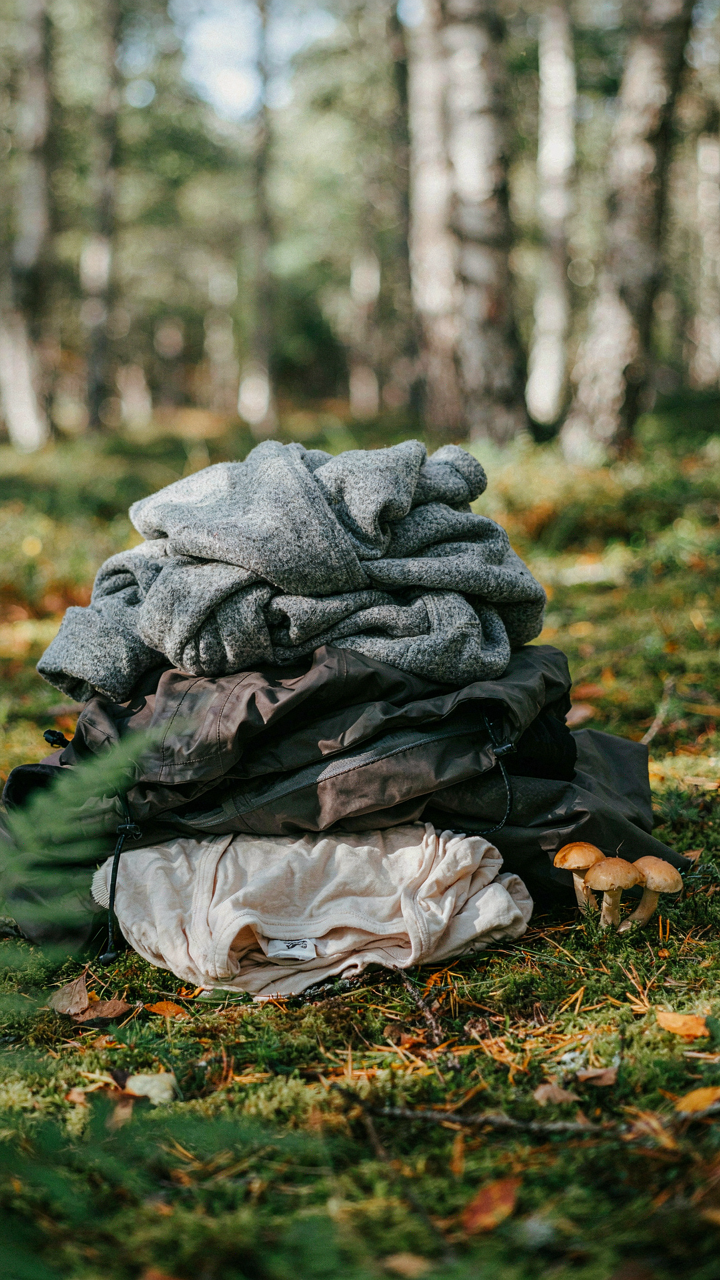
You want to look competent without overthinking it. The truth is layering fails because men treat it as addition instead of subtraction. Most advice says “wear three layers.” That’s not a system. It’s a guess. The real mechanism comes from thermodynamics: you need to trap dead air, manage moisture, and shed heat on demand. Stack the wrong fabrics and you trap sweat instead of warmth. Cotton against skin kills you in fall. Merino wool or synthetic base layers wick. Mid-layers need loft without bulk. Outer shells must breathe or condensation builds inside your jacket faster than outside rain penetrates it.
The standard move is to buy whatever REI recommends and assume fit. Wrong. A base layer that’s too loose defeats the purpose of moisture transfer. A mid-layer that’s too tight compresses insulation and reduces air pockets. Your jacket needs room for arm movement on steep terrain but not so much that cold air channels develop at the wrists. Fall temperatures swing 30 degrees between sun and shade. You need to open vents or unzip strategically, which only works if each layer sits right. Test your setup on a short hike before committing to an all-day push.
The Conditions You’re Ignoring

Fall hiking attracts the outfit aesthetic crowd chasing Pinterest stills instead of reading a weather report. Temperature and humidity matter more than the brand on your tag. A 50-degree morning with high moisture is drastically different from 50 degrees with low humidity. Elevation amplifies this. A 2000-foot climb in fall means temperature drops roughly 3.5 degrees per 1000 feet. You shed altitude, temperature rises, and your layering strategy either adapts or fails. Wind chill is a real calculation, not poetry. Ten miles per hour of wind at 40 degrees feels like 30 degrees. Your outfit doesn’t account for this and you’re suddenly underdressed.
Trends tell men to wear heritage brands or muted colors. Conditions tell you to wear whatever keeps you functional. If you’re hiking in morning fog that clears by noon, that jacket needs pit zips or you’ll start your descent overheated. If weather turns and clouds roll in, you need a shell. If you’re hiking above treeline in fall, you need wind protection. Check the forecast. Check the elevation. Check the time you’ll summit. Then build your outfit backward from those facts, not forward from what looks right.

The “Adaptive Shell” Protocol: Mastering Your Outer Layer

Hard Shells Versus Soft Shells
You want the shell to look intentional rather than reactive, but that’s not why it matters. In materials engineering, we call this “selective permeability”—the ability to block what you don’t want while letting through what you need. Hard shells do this through rigid barriers. They stop wind and heavy rain dead. Soft shells trade some water resistance for breathability and mobility. Hard shells are the right call when conditions turn hostile. Soft shells work when you need to move fast and sweat control beats waterproofing.
The mistake most men make is buying one and treating it like the answer. Hard shells compress poorly and trap heat in mild conditions. Soft shells leak if you sit in steady rain for hours. Fall weather doesn’t stay consistent. You layer hard shells over soft shells, or you choose based on the forecast and pace of your hike. If you’re moving fast uphill in light rain, soft shell first. If you’re traversing exposed ridge in a front moving in, hard shell goes on top. The protocol is simple: check conditions at trailhead, pick one, adjust if you misjudged within the first hour.
Function Over Aesthetic Choices
Most fall hiking outfit advice treats aesthetics and performance as equals. They’re not. Camouflage patterns don’t help you move. Muted colors don’t regulate temperature. Brand logos on your chest don’t improve fit. The mechanism here is opportunity cost—every design choice that isn’t functional takes up real estate on fabric that could be working for you. A chest pocket on a shell exists to hold navigation. A dropped back hem on a base layer exists to stay tucked during heavy movement. A reinforced cuff exists to seal out debris.
Pick shells and layers that fit snugly enough to layer without bunching but loose enough to move through a full range of motion. Test the fit in-store by raising your arms fully overhead and bending forward. If you can’t complete either motion smoothly, the cut is too tight. Tapered fits feel modern but restrict breathing during sustained effort. Straight cuts through the torso give you the room you actually need. Your outer layer’s only job is to stop weather and stay out of your way. Everything else is distraction.
The Insulation Fallacy: Beyond Down And Fleece

When Climate Chooses Your Layer
You want the gear that makes you look like you know what you’re doing. Here’s the mechanism everyone skips: insulation doesn’t work the same way twice because humidity and temperature aren’t independent variables. Thermodynamics tells us that heat transfer happens three ways—conduction, convection, and radiation—and fall hiking exposes you to all three simultaneously. Synthetic insulation traps air but sheds moisture faster. Down traps air and compresses under load but holds moisture like a sponge. Your climate determines which trap works.
Fall in the Northeast means wet air and temperature swings between 50 and 70 degrees. Synthetic wins here because damp conditions render down useless and you need quick-dry performance. Fall in the Southwest means low humidity and stable cold. Down wins because the air stays dry and compression isn’t your enemy on a day hike. Pick based on your actual conditions, not brand loyalty or what other people wear.
Matching Insulation To What Your Body Actually Does
Common advice says wear a fleece layer under a shell. That’s incomplete. Physics borrowed from exercise science applies here: metabolic heat production scales with intensity. A slow 2-mile ridge walk generates 300-400 watts. A steep 5-mile climb with elevation gain generates 600-800 watts. Your insulation needs change mid-hike because your output changes.
Wear a lightweight synthetic for the approach. Remove it before the climb. Stash it in your pack where you access it on the descent when your sweat cools and your exertion drops. This isn’t about comfort. It’s about preventing the gap between when you stop moving hard and when you get cold enough to act. That gap kills efficiency and kills your day. Test this protocol on a local hike before committing it to terrain where you can’t bail out fast.
The Base Layer Blueprint: Your Skin’s Best Defense
Moisture Wicking Synthetics Versus Merino
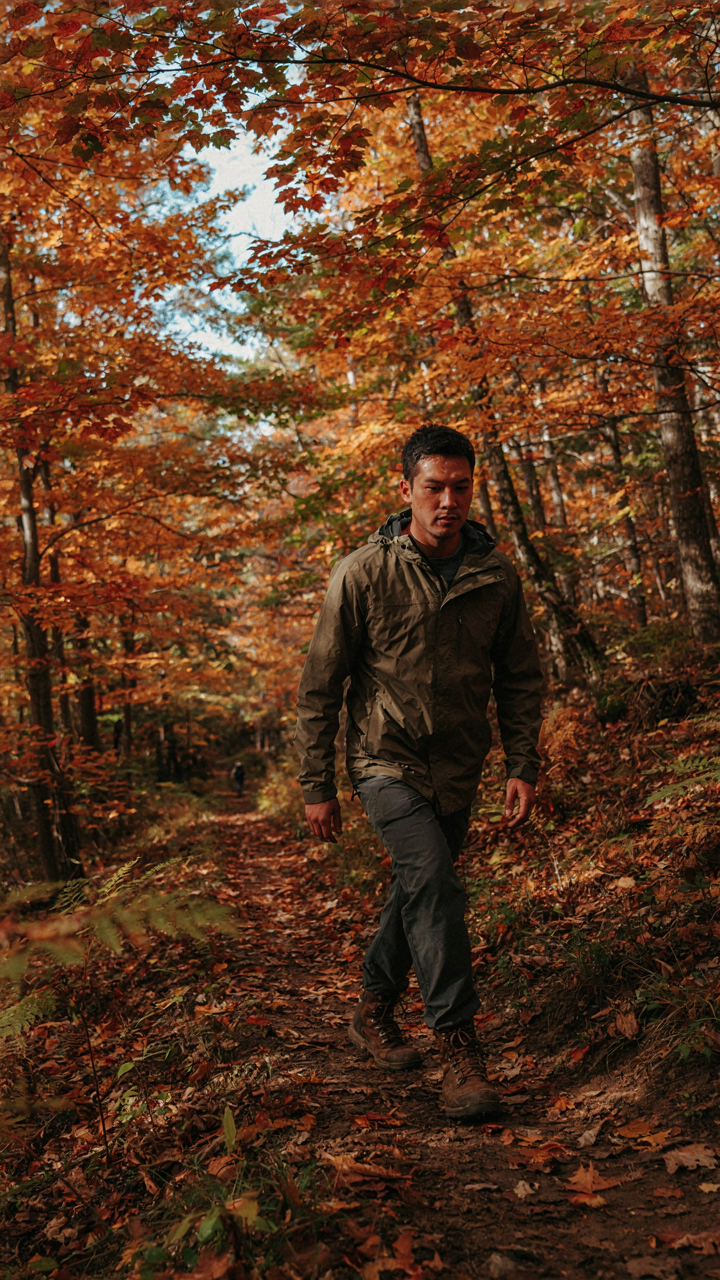
You’re worried that the wrong base layer will make you look like you don’t know what you’re doing. Here’s the mechanism: sweat cools your body through evaporation. In thermodynamics terms, you need a material with high vapor transmission rate to move that moisture away from skin before it pools and kills your core temperature. Cotton absorbs and holds water. Synthetics and merino push it outward. That’s not preference. That’s physics.
Merino wool handles temperature swing better than synthetics. It regulates whether you’re climbing or sitting. Synthetics like polyester dry faster and cost less. For fall hiking where temps fluctuate between morning chill and afternoon warmth, merino performs in that exact zone. Synthetics work too, but you’ll feel dampness longer if you stop moving. Pick based on your activity level and budget, not brand reputation.
Why Cotton Will Sabotage Your Day
Everyone says avoid cotton. Nobody says why it actually matters on a trail. Cotton fibers swell when wet and trap moisture against your skin. That trapped water becomes a heat sink. Your body temperature drops. You get cold even though you’re moving. This is the opposite of what you want in fall conditions where temperature already drops as sun angles lower.
Cotton takes hours to dry once soaked with sweat. A synthetic or merino base layer sheds that same moisture in 30 to 45 minutes of activity. On a four-hour hike where conditions shift, cotton becomes a liability by hour two. Wear merino or synthetic. Nothing else touches your skin.
Footwear As Foundation: Beyond Hiking Boots Outfit Men

What Your Boot Actually Does
You care about boots because you’re afraid of looking incompetent on the trail. The real mechanism is load distribution. In structural engineering, load path determines where stress concentrates and where it disperses. Your boot’s job is to spread the force of your body weight and a loaded pack across your foot so no single point bears too much pressure. A quality boot has a rigid midsole that doesn’t flex excessively, a heel counter that keeps your ankle centered, and a tread pattern that grips specific terrain angles, not just any angle.
Most boot advice ignores the fit variable. A boot with perfect specs performs like garbage if it doesn’t match your foot shape. The heel should sit snug without sliding. Your toes need a thumb’s width of space at the toe box. The arch support should align with your arch, not force your foot into an artificial curve. Test boots with the socks you’ll actually wear. Pressure points on the trail compound over hours. Get this wrong and you’re managing blisters instead of distance.
Socks That Keep You Moving
Blister prevention starts underground where most hikers look last. Moisture management isn’t mystical. Wet skin generates friction. Friction becomes heat. Heat plus pressure becomes a blister. Merino wool or synthetic blends (like nylon-polyester) wick moisture away from skin faster than cotton. The fiber structure matters. Merino has crimp that traps air, creating insulation and vapor transport. Synthetic fibers like acrylic don’t absorb water like cotton does, so they dry faster. Thickness determines cushioning. Midweight socks (around 1500 grams per pair) absorb impact without creating excess bulk that compresses inside your boot.
Double-layer sock systems work because they reduce friction between skin and boot. The inner thin layer wicks to the outer thicker layer. The outer layer stays drier longer. Replace socks if they get visibly damp during your hike. Wet socks accelerate blister formation. Bring a spare pair and swap halfway through if conditions demand it. The protocol is simple: start with dry socks, monitor moisture levels, and change before saturation hits.
The Kinetic Energy Principle: Outfit Hiking Hombre

Heat Transfer Mechanics Drive Layer Selection
You want to look competent without sweating through your base layer and freezing on the descent. Here’s what actually matters: physics treats your body as a heat engine, and your outfit is the insulation system managing that energy loss. Conduction, convection, and evaporation are the three mechanisms draining core temperature. Most hikers obsess over insulation thickness and ignore the real culprit: moisture management.
Fall hiking demands you understand vapor transfer, not just warmth. A merino wool base layer works because it absorbs moisture while maintaining thermal resistance. Synthetic alternatives manage sweat faster but lose heat when damp. Cotton fails catastrophically in both scenarios. Your mid-layer traps dead air space. Your outer shell blocks wind convection but must allow vapor escape, or you build internal humidity and lose the insulation’s effectiveness. This is why expensive jackets with breathable membranes exist. The mechanism is straightforward: regulate moisture, and you regulate temperature.
Work Output Versus Heat Retention Strategy
Hiking uphill generates intense metabolic heat. Your body produces far more warmth climbing than resting, creating a dangerous mismatch with static insulation. The tradeoff is brutal and nobody states it plainly: more insulation during ascent becomes a liability during descent when work output drops but exposure remains.
Layer strategically around exertion phases, not just temperature. Remove your insulating mid-layer during steep climbs when sweat production spikes. Stash it accessible for descent when core temperature plummets fast. Overdressing at the trailhead is a beginner mistake disguised as caution. Start the hike slightly cool. Your body reaches thermal equilibrium within 10 to 15 minutes of climbing. This prevents the sweat accumulation that kills you during the downhill when you can’t generate enough heat to compensate.
Accessories That Actually Matter: Not Just For Show
Where Heat Actually Leaves Your Body
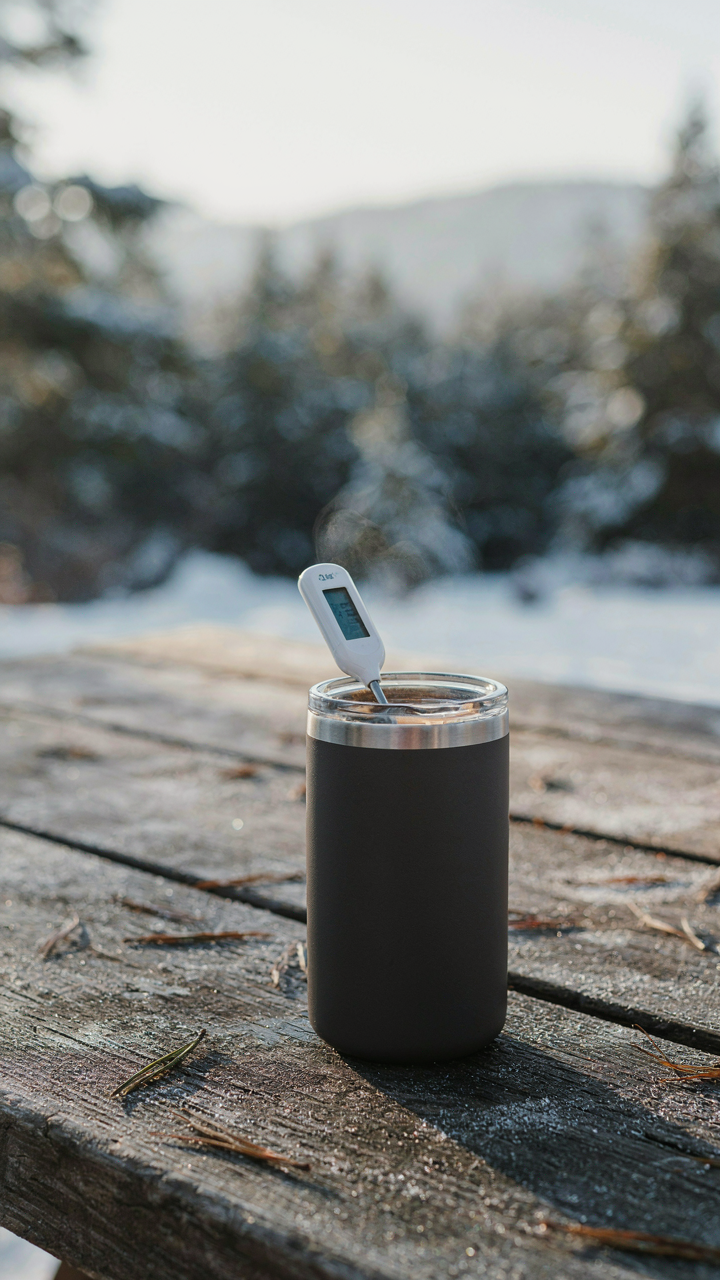
You’re reading this because you want to look like you know what you’re doing on the trail. The real reason you need to understand heat loss is that your body doesn’t care about your outfit’s aesthetic. Thermodynamics doesn’t negotiate. Your head and hands account for roughly 40% of heat loss when exposed, which is why most hikers freeze their extremities while their torso stays warm. It’s not random. It’s physics.
- Beanie or wool hat: Covers the scalp where blood vessels sit close to skin surface. Merino wool regulates temperature better than cotton because it manages moisture without trapping sweat against your head. Essential in fall when temperatures drop fast at elevation.
- Gloves with grip: Thin synthetic gloves designed for dexterity work better than heavy mittens for hiking because you need to handle trekking poles and adjust gear. Neoprene or fleece-lined options maintain dexterity while insulating. Swap them out if they get wet.
- Neck gaiter: Functions as a modular layer for your neck and lower face where skin is exposed. You can pull it up or down depending on exertion level without removing hats or jackets. Acts as a buffer between wind and your respiratory system.
- Liner gloves: Thin base layer underneath outer gloves lets you regulate temperature without carrying multiple pairs. Remove them if you overheat during steep climbs, keep them on during breaks when core temperature drops fast.
- Wool socks: Fall hiking demands moisture management more than pure warmth. Merino wool prevents blisters by wicking sweat away from skin and maintains insulation even when damp. Synthetic blends work too but wool performs better in variable conditions.
Don’t buy expensive branded versions of these. The mechanism is the material and fit, not the logo. Merino wool works because of its fiber structure. Synthetic gloves work because they dry faster than cotton. Your extremities dictate whether you quit the trail early or finish strong.
The Backpack As Risk Management
Your backpack isn’t storage. It’s a decision system that keeps you functional when conditions shift. Most hikers pack wrong because they optimize for comfort at the trailhead instead of survival at the summit. That’s backwards thinking. Fall weather changes rapidly, which means your pack must handle that volatility with zero negotiation.
Carry a lightweight emergency layer even if you don’t think you’ll need it. A packable rain jacket weighs ounces but prevents the core temperature drop that ends hikes. Include a basic first aid setup focused on blister management and minor cuts, not every possible scenario. A headlamp adds negligible weight and becomes critical if you misjudge daylight. Keep energy dense snacks separate from your main pack compartment so you can grab them without unpacking everything. A multi-tool handles gear failures and food prep. Water capacity matters more than you think in fall because dehydration accelerates heat loss, which seems counterintuitive but happens because your body can’t regulate temperature efficiently when depleted. Pack what solves problems. Strip everything else.
The Minimalist’s Men Hiking Outfits: Less Is More

Gear That Earns Its Weight
You want to believe one outfit solves everything because buying less feels smart. The real mechanism is constraint. In military logistics, they call it “load carrying efficiency”—the ratio of essential function to total weight. Apply this to fall hiking: every piece must deliver across temperature ranges, weather shifts, and terrain changes without redundancy.
Most men pack backup layers that never leave the pack. A mid-weight merino wool base layer under a versatile shell jacket handles 45 to 65 degrees. Add convertible pants with zip-off legs and you’ve eliminated the need for separate bottoms. Your base layer works for sweat management on the climb and insulation during rest stops. One piece doing multiple jobs is the only math that works on a trail.
Carrying Only What Works
The standard advice is to “pack light and layer.” That’s incomplete. Real essentialism means cutting items that serve only one condition. Fall weather demands preparation, but preparation doesn’t require duplication.
Start with a three-layer system: merino wool base, fleece or wool mid-layer, wind and water resistant shell. Choose neutral colors that match across pieces. Tan, gray, or olive consolidates your choices and eliminates coordination problems mid-hike. Your pack weight drops when you stop second-guessing what goes on your body. End the day by documenting what you actually used versus what stayed compressed at the bottom of your pack, then remove the unused items entirely from future trips.
Post Hike Recovery: The Unsung Hero Of Outfit Hiking Hombre

Immediate Gear Care And Body Maintenance
You’re reading this section because you want to believe your gear will last forever if you just ignore it. It won’t. Think of your fall hiking outfit like a machine with moving parts: moisture, salt, and dirt are friction. You remove friction or the system degrades faster than you can replace it.
Strip off your base layers and outer shell immediately after the hike. Sweat dries into fabric and creates an acidic environment that breaks down synthetic fibers. Air out your boots in direct sunlight if possible, never forced heat. Salt stains on merino wool or synthetic shells require fresh water rinses before they set permanently into the material structure.
Preparing Your Mens Hiking Outfit For Next Adventure
The common advice is to wash everything and hang it dry. That’s incomplete. Your fall hiking outfit for men requires targeted maintenance based on which pieces actually got used hard. Boots need their insoles removed and dried separately because moisture trapped inside accelerates mold and odor, not because of some vague hygiene principle.
Store your gear in a cool, dry place with adequate airflow, not in a plastic tote where humidity collects. Check your base layers for pilling after washing and brush them smooth before storage to prevent matting. Inspect your shell jacket’s DWR coating by pouring water on the fabric; if it beads, you’re good; if it spreads, reapply DWR treatment before your next outing.
The Real Obstacle Isn’t The Trail Or The Weather, But Your Addiction To Superficial Solutions

You don’t need another gear list. You need to stop waiting for the perfect outfit before you move. Most men buy their way around discomfort instead of experiencing it. Go outside this week in what you own. Layer wrong. Get cold. Get sweaty. Learn what actually works on your body, in your climate, on your specific trails. The outfit reveals itself through repetition, not research. Your job is to start moving and pay attention.