

The Unspoken Truth About Couple Photos And Hiking Aesthetic
Aesthetic Versus Function
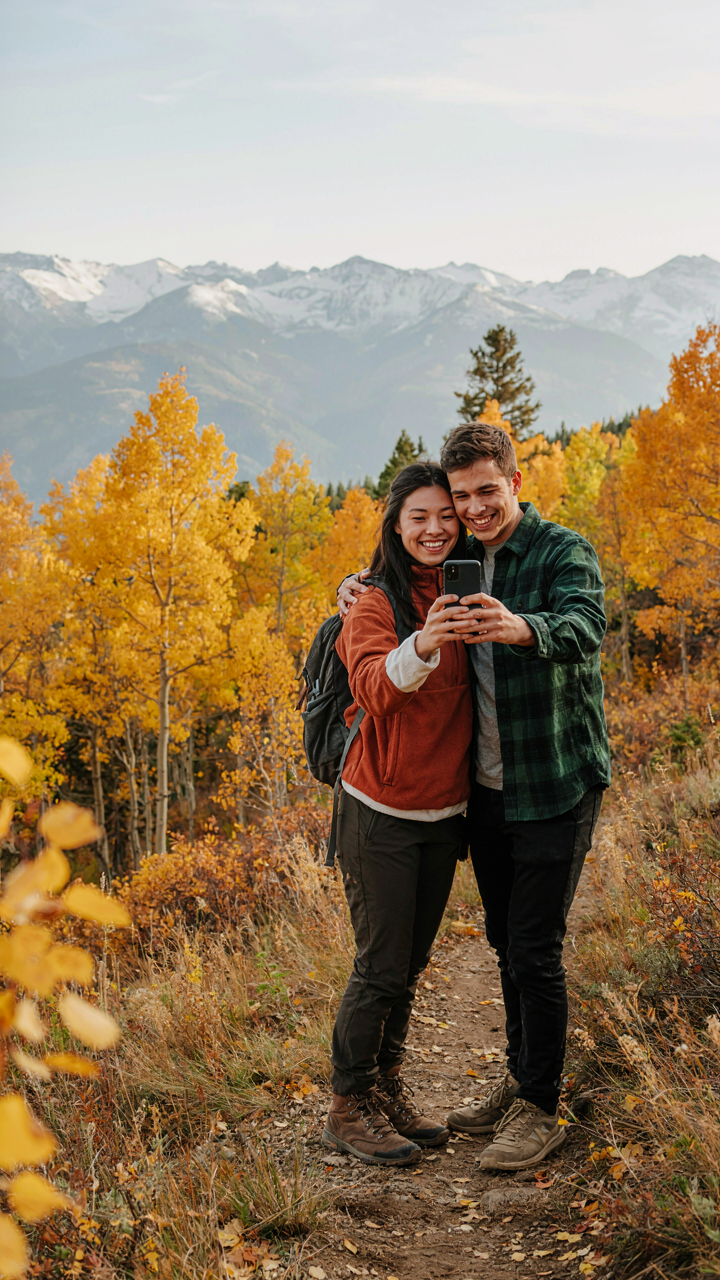
You want the photo to prove something happened. That’s the real driver here. The outfit choice isn’t actually about staying warm or moving efficiently on a trail. It’s about the visual record you’ll post later. This creates an immediate conflict that most couples never name, so they fail at both goals instead of choosing one deliberately.
Fashion and performance operate on opposite incentives. A fitted flannel looks sharp in a still image but restricts shoulder movement during a steep climb. Technical base layers regulate temperature but photograph as formless and generic. The mistake isn’t pursuing aesthetics—it’s pretending you can maximize both simultaneously without trade-offs. You can’t. Pick your priority before you pick your clothes.
Looking Good While You Actually Move

Layering isn’t decoration. It’s a mechanical system, borrowed from engineering, where each component has a specific load to carry. Your base layer manages moisture transport. Your mid layer traps dead air. Your outer shell blocks wind and rain. Treating this as a styling puzzle instead of a performance stack is why couples either freeze or overheat and blame the clothes.
The real play is building a look that works in motion. Choose fitted base layers in solid colors—they regulate sweat and photograph clean without bulk. Add a contrasting overshirt or lightweight fleece that moves with your body and reads well in photos. Finish with a technical shell that performs without screaming “I’m in technical gear.” Wear this system for actual hiking. The photos will capture genuine movement and comfort, which always beats staged posing.

The Layering Protocol: Fall Hiking Edition
Start With Sweat Management, Not Warmth
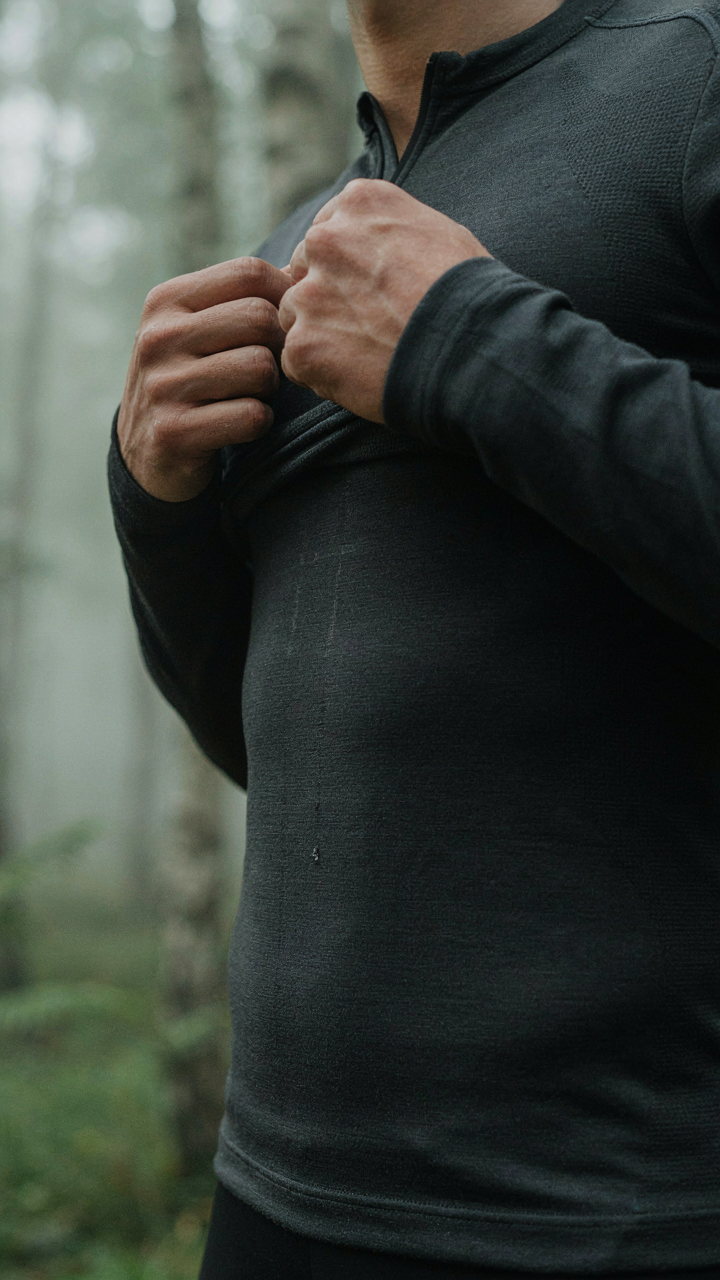
You care about this section because you want to look put-together on the trail without freezing or overheating. The real mechanism is simple: base layers regulate moisture, not temperature. Thermoregulation is borrowed from physiology, and your body’s core temperature works like a thermostat that needs feedback. Cotton holds sweat against skin and crashes your temperature when you stop moving. Merino wool and synthetic blends wick moisture away and maintain stability regardless of effort level.
Fall conditions demand base layers that perform across wide temperature swings and activity levels. Choose merino wool or polypropylene blends over cotton. Merino handles temperature regulation better than synthetics alone and resists odor even when damp. For couples hiking together, matching base layer colors under visible layers creates visual coherence without looking coordinated in a costume way. The fit matters more than the material: snug enough to wick, loose enough to move.
Mid Layer Strategy For Variable Conditions
Most people treat mid-layers as extra insulation, which wastes money and pack space. Mid-layers trap air while allowing moisture to pass through them. They’re the buffer between your body’s output and the environment’s demands. Fleece and lightweight wool work because they maintain loft when slightly damp, unlike down. Fall hiking requires mid-layers that adjust quickly to changing effort and temperature without adding bulk.
Bring one mid-layer per person, not two. A 100-weight to 200-weight fleece or wool mid-layer handles the temperature range of most fall days. Zip-front designs let couples regulate heat independently without removing the entire layer. Stash your mid-layer in a pack pocket when not in use, accessible in under ten seconds. Stop and add or remove your mid-layer before you feel cold or hot, not after.
Outerwear: Your Shield Against The Elements
Waterproof Versus Water Resistant
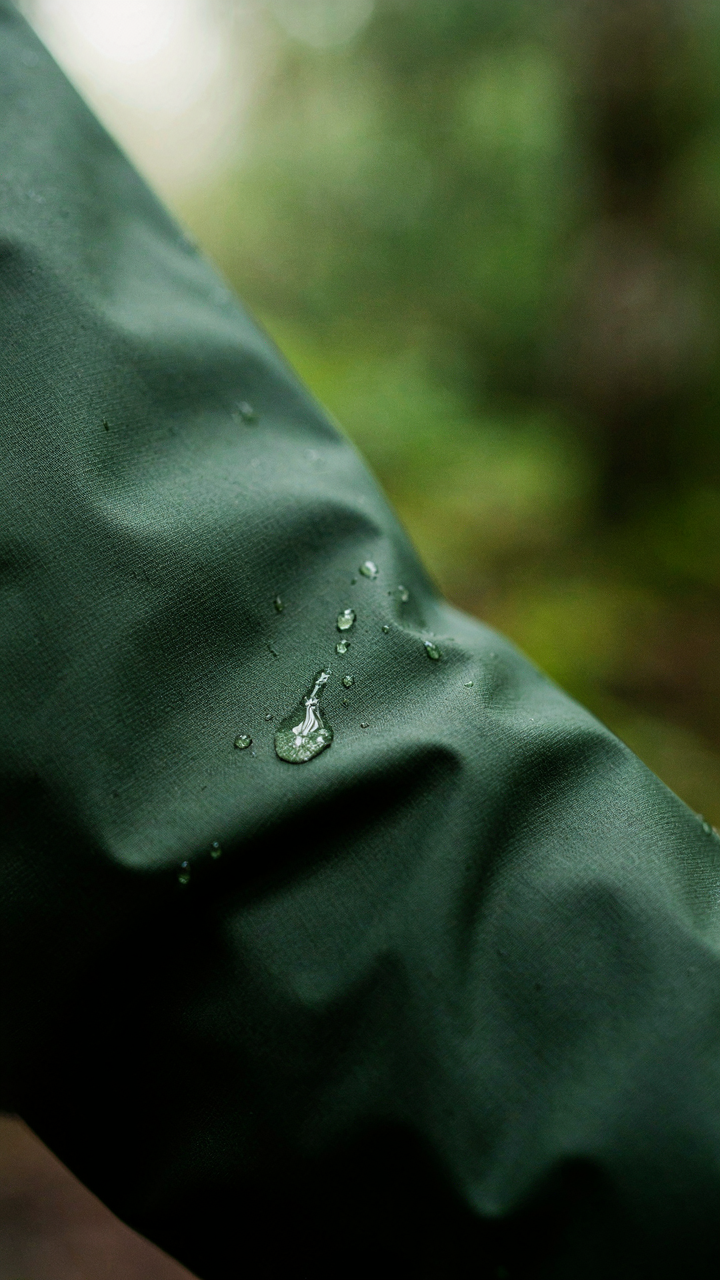
You want your gear to work so you don’t look stupid standing wet on a trail with your partner. Here’s what matters: waterproof means water cannot penetrate the material under pressure. Water-resistant means it delays water entry but eventually fails. Fall hiking demands waterproof outerwear because you’ll encounter rain, mist, and wet brush. Your jacket needs a membrane or coating that stops water transmission entirely, not just slows it down. Cheap gear brands blur this distinction in marketing language. Most “water-resistant” jackets fail within an hour of steady rain. Your core temperature drops when moisture reaches your skin, and that’s not negotiable in 40-50 degree conditions.
The mechanism here is simple: waterproof fabrics use microporous membranes like Gore-Tex or sealed seams that block water molecules while allowing vapor to escape. Water-resistant jackets use DWR coatings that bead water off the surface initially, but saturation happens fast. Test this yourself before the hike. Pour water directly on the fabric. If it beads and rolls off, it’s resistant. If it sits there without soaking through, it’s waterproof. Buy accordingly, or you’re gambling with hypothermia risk in mixed weather.
Wind Resistance Maintains Core Temperature
Wind steals body heat through convection, the same thermodynamic principle that makes wind chill dangerous in winter. Fall wind can drop perceived temperature 15-20 degrees below the actual reading. Your outer layer must block wind while remaining breathable during exertion. A dense weave or fleece backing stops airflow without trapping sweat that will cool you faster when you stop moving. Most hikers ignore wind resistance and focus only on waterproofing, which is incomplete thinking. You need both.
Pair your waterproof shell with a mid-layer that blocks wind and wicks moisture. Merino wool or synthetic fleece under a shell jacket creates the only setup that works in fall conditions. Check the fabric weight and weave tightness when selecting gear. Heavier fabrics with tighter knits provide better wind resistance. Test your outfit by hiking into headwind for ten minutes, then stop for five. If you’re cold after stopping, your wind resistance is inadequate. Adjust your mid-layer thickness or upgrade your shell before the full hike begins.
Footwear: The Foundation Of Every Hiking Couple
Ankle Support And Sole Grip
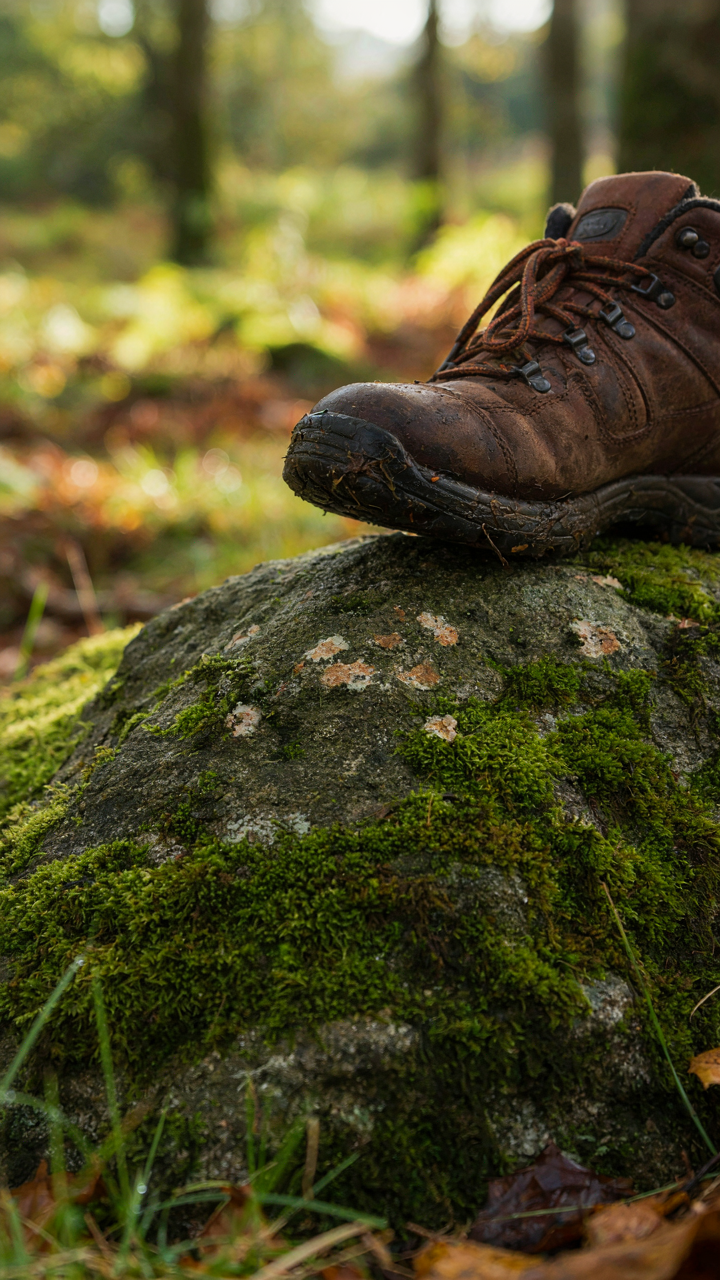
You care about this because you’re afraid your partner will judge you for rolling an ankle on a public trail. Get over that. The real issue is physics. Traction operates on coefficient of friction—the ratio between the surface you’re on and what’s touching it. Fall leaves create a wet, deceptive layer that kills grip. Your sole needs texture depth, not just rubber brand name.
Hiking boots outperform sneakers because the sole pattern channels water away and the ankle collar distributes load across a wider base. On wet leaves, a boot’s lugged tread maintains contact points that a smooth running shoe loses instantly. The collar doesn’t prevent rolling entirely, but it reduces lateral ankle flex by stabilizing the foot’s connection to the leg. Choose boots with aggressive tread patterns and genuine ankle cuffs, not padded marketing. Both partners need identical support levels—mismatched footwear creates speed friction when one person moves slower due to foot instability.
Sock Material And Blister Prevention
Most hiking advice about socks is incomplete. Merino wool works better than synthetics because it manages moisture differently—it absorbs sweat without feeling wet, maintains grip inside the boot, and resists bacterial growth that causes odor and blistering. Cotton fails because it holds moisture against skin, creating the exact conditions for friction damage. Synthetic blends dry faster but often slide inside the boot, causing the rubbing that generates blisters in the first place.
Blister formation is a mechanical problem, not a comfort problem. Friction plus moisture plus heat equals damaged skin. Merino eliminates the moisture variable while maintaining consistent tension against your foot. Wear midweight merino socks on fall hikes—thick enough to cushion without bunching, thin enough to feel boot feedback. Both partners should use identical sock specifications. Test them on a short trail before committing to a full-day hike. If either person feels hot spots forming, stop immediately, dry feet, and adjust boot tightness before damage occurs.
Accessories: More Than Just Hiking Fashion
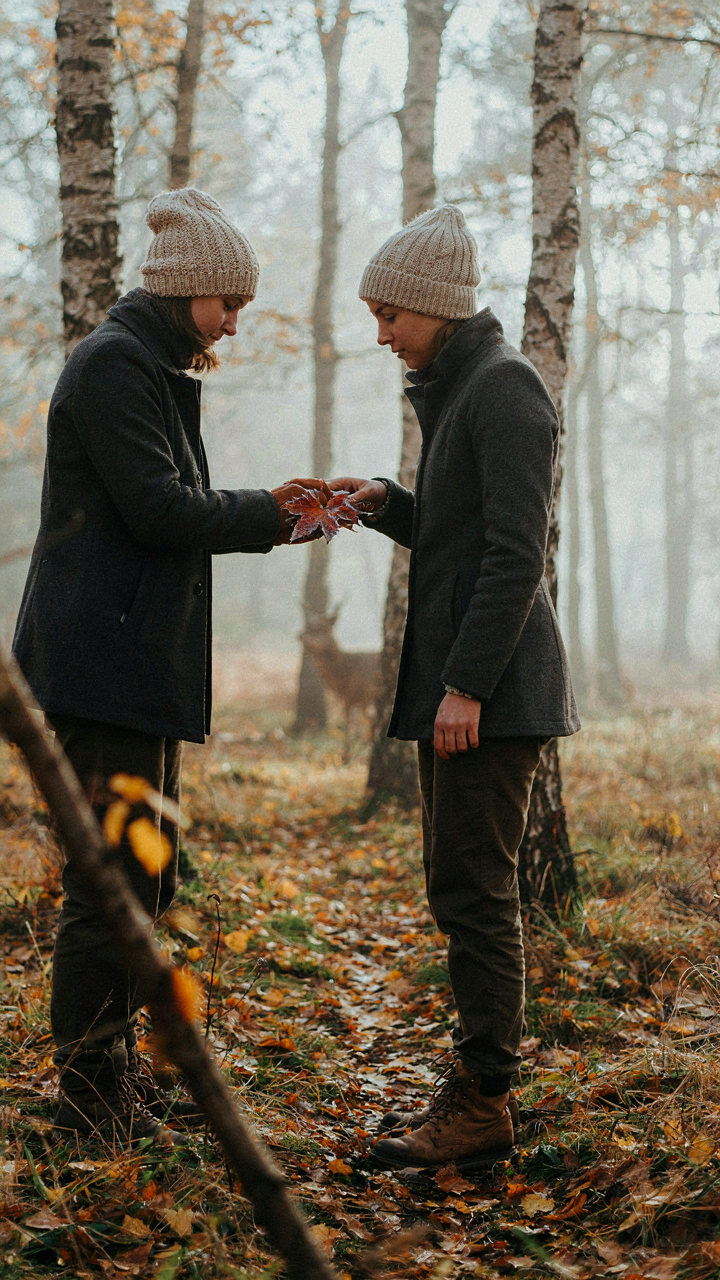
Where Your Heat Escapes First
You care about this section because you want to look competent on the trail without freezing. Here’s what actually matters: your head and hands control your core temperature through thermoregulation. Physics governs this. Lose 40 percent of your body heat through your head and neck when exposed. A hat isn’t fashion. It’s survival infrastructure you wear on your skull.
Fall temperatures swing 30 degrees between sun and shade. Your couple dynamics matter here because one partner often runs cold while the other overheats. A beanie solves this asymmetry. Gloves work differently. You need them in early morning, then stuff them in a jacket pocket by noon. The mistake most couples make: buying matching sets that look good in photos but don’t match actual temperature swings on the trail.
Backpack Fit Changes Everything
Load distribution operates on the same lever principle as a crowbar. Your spine doesn’t care about the pack’s brand or color. It cares about where the weight sits relative to your hips. A poorly fitted pack shifts load to your shoulders, which creates strain by mile three. A properly fitted pack transfers 80 percent of weight to your hip belt, not your back.
- Hip Belt Placement: The belt should sit on your hip bones, not your waist. Measure your torso length from the base of your neck to your hip crest before buying.
- Shoulder Strap Angle: Straps should angle slightly backward, not straight down. This keeps the pack close to your body and prevents swing and bounce.
- Sternum Strap Height: Position this strap across your chest at armpit level. It stabilizes the pack and prevents shoulder strap slippage during movement.
- Weight Distribution: Pack heavier items close to your back and centered between your hips. Keep light gear on the outer pockets away from your spine.
- Capacity Matching: Choose a pack sized to your actual load, not a larger one you might fill. A 20-liter pack for both partners prevents overpacking and forces intentional choices.
When two people hike together, pack weight imbalance creates tension. One person shouldn’t carry significantly more than the other for the same duration. Test the fit on a short trail before committing to a full day. Adjust straps mid-hike if discomfort emerges. A backpack that fits one body rarely fits another without customization.
Color Theory For Fall Hiking: Blending In, Standing Out
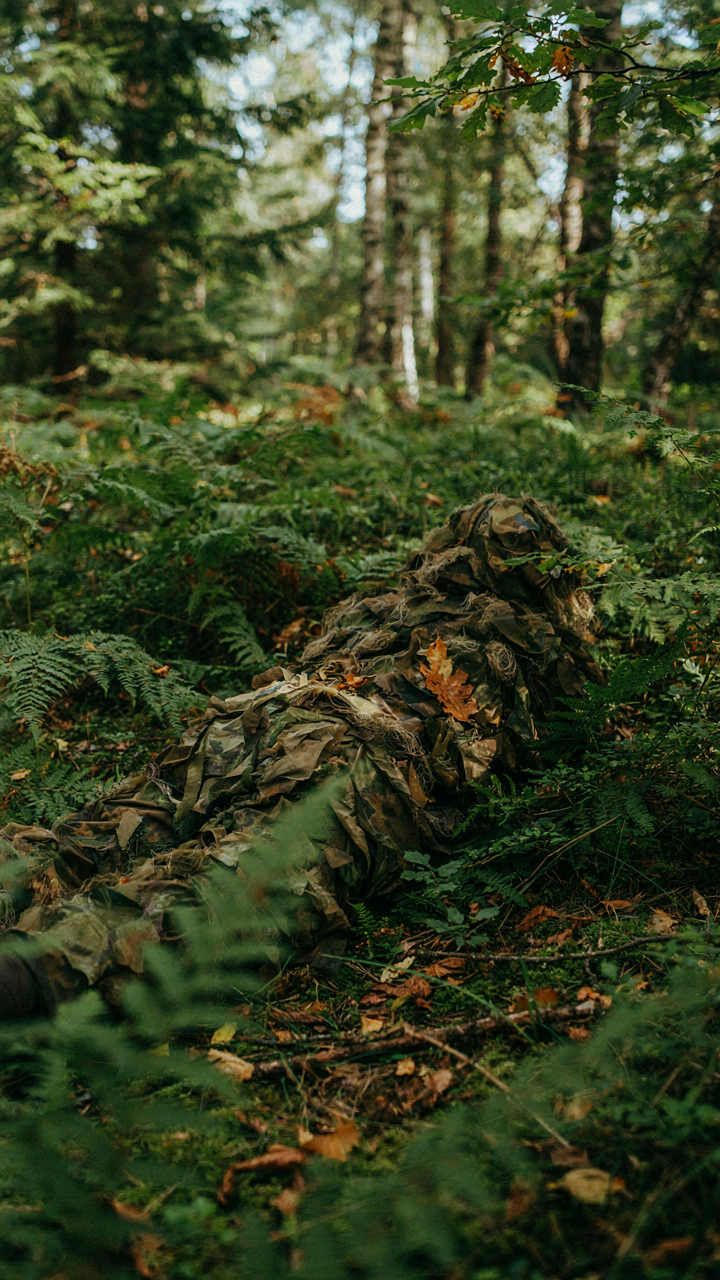
Natural Palettes Work Because They Mirror Habitat
You want to look intentional as a couple on the trail, and that means dressing in earth tones so you don’t stand out like neon signs. This borrows from camouflage theory in military strategy: the goal isn’t invisibility but reducing your visual contrast against the background. Fall hiking demands rust, olive, tan, and charcoal because those colors already exist in the environment. Leaves, bark, and soil don’t change their palette in October. Your outfit should occupy the same visual space, not compete with it.
Most hikers get this wrong by treating fall colors as permission to wear anything warm-toned. That’s sloppy. Olive works because it reads as vegetation from a distance. Rust reads as leaf litter. Charcoal reads as shadow and stone. Pair these deliberately on your partner’s outfit as well, not as matching outfits but as complementary choices that create a unified visual block on the trail. When one person wears olive and the other charcoal, you signal that you’re a unit without looking staged. The real mechanism: cohesion through constraint.
Visibility Wins When It’s Strategically Placed
Bright accents exist to solve a real problem, not to make you feel safer. A blaze orange hat, a yellow backpack, or a neon band on one partner serves a tactical purpose: hunter visibility. During fall hunting seasons in most regions, this is a legitimate risk. The common advice says “wear bright colors for safety,” which is incomplete. You don’t need your entire outfit neon. One high-contrast piece per couple, worn by the person who walks closer to the trail edge or natural shooting lanes, handles the exposure.
The mechanism works because contrast against natural backgrounds triggers detection. A neon yellow trim on a pack shows up faster than a fully neon jacket, and it doesn’t sacrifice the coherent outfit aesthetic. Discuss with your partner who wears the visibility accent based on trail position and terrain. If you’re hiking where hunting is active, this isn’t optional. Place the accent deliberately, not everywhere.
Durability Vs. Disposable: The Investment Mindset For Hiking Ootd

Cost Per Wear Beats Price Tag
You’re worried you’ll look cheap on the trail with your partner. That’s the real concern nobody states. But cost per wear kills that anxiety the moment you do the math. Economics borrowed from apparel manufacturing shows you this: divide total garment cost by number of wears before retirement. A 200 dollar merino wool base layer worn 80 times costs 2.50 per wear. A 40 dollar synthetic worn 8 times costs 5 dollars per wear. One lasts four seasons. One dies in autumn.
Most hikers buy wrong because they count dollars at purchase, not across time. A $180 pair of hiking boots worn 40 times costs $4.50 per outing. Budget cotton from a big box worn 5 times before pilling and fading costs $12 per outing. You pay more upfront to pay less over the lifespan. Track this: every fall hike you two take, note what failed and what held. After three seasons, your cost per wear tells you exactly which brands punish you on repeat.
Rejecting Trend Cycles In Fabric And Fit
Fast fashion hiking apparel is designed to feel outdated within one season. The industry manufactures obsolescence by shifting color palettes, sleeve cuts, and pocket placements annually. Your couple’s aesthetic doesn’t matter if the garment physically degrades. Sustainable choices mean rejecting this cycle entirely by choosing timeless construction over trend compliance.
- Merino Wool Base Layers: Temperature regulation works the same in 2024 as it did in 2010. Neutral colors like grey and black never signal “last season.” Merino resists odor and holds shape through dozens of washes without pilling if you choose quality density.
- Mid Weight Fleece Jackets: Polartec and similar synthetic fleeces from major outdoor brands maintain consistent performance. A navy or charcoal fleece from a reputable manufacturer works identically in year one and year six. Avoid branded seasonal collections that prioritize visual novelty.
- Softshell Pants: Construction quality matters more than color. Four way stretch fabrics from established outdoor manufacturers resist degradation. Tapered fits remain functional regardless of whether tapered silhouettes trend. Choose brands known for repair services, not seasonal restocks.
- Wool Blend Socks: Merino and wool blend socks outlast cotton 10 to 1. Thickness and density are permanent attributes. Buy two identical pairs and replace them only when compression fails, not when marketing convinces you of a new need.
- Hard Shell Jackets: Gore Tex and equivalent membranes maintain waterproofing based on coating integrity, not style trends. Solid colors in black, grey, or earth tones never read as dated. Manufacturer warranty length indicates confidence in durability.
The mechanism is this: every dollar spent on trend susceptible gear is a dollar that won’t recirculate through your fall hiking budget next year. Shop seasonal collections once, then stop shopping for that category for 18 months minimum.
The Couple Goals Illusion: True Sync In Hiking

Matching Gear Versus Complementary Function
You want to look unified because you fear appearing mismatched signals something wrong about the relationship. The mechanism is simple: matching gear doesn’t create sync, function does. In systems engineering, “redundancy” means duplicating critical components. Most couples build redundancy by wearing identical jackets and boots. Wrong move. Real sync means each person runs the right tool for their body, role, and the trail conditions you’ll actually face.
Identical outfits create friction. One partner generates more heat during exertion. Another has circulation issues in cold. One person navigates while the other manages pace. Forcing both into the same insulation weight, boot stiffness, or pack volume means at least one person is uncomfortable and working against their own physiology. Discomfort breaks focus. Broken focus kills the experience. Choose gear that fits each person’s actual needs, not your Instagram narrative.
Shared Experience Over Coordinated Appearance
The real bind isn’t visual matching. It’s rhythm. You’re both on the same trail at the same pace, noticing the same transition when aspens shift from green to gold. That synchronization comes from preparation, not costume. Most couples spend energy color-coordinating their base layers and miss the actual work: knowing each other’s threshold for cold, pace tolerance, and break frequency before you start.
One concrete step: do a short shakedown hike one week before your main fall outing. Wear the exact outfit you plan to wear. Note what your partner adjusts, complains about, or modifies mid-hike. That data point matters more than any recommendation. Then remake one specific choice based on what you learned. Shared experience isn’t built on matching. It’s built on knowing your partner won’t bonk at mile six because their socks are wrong.
Your True Obstacle Isn’t Fashion, It’s The Illusion That Comfort And Capability Are Mutually Exclusive
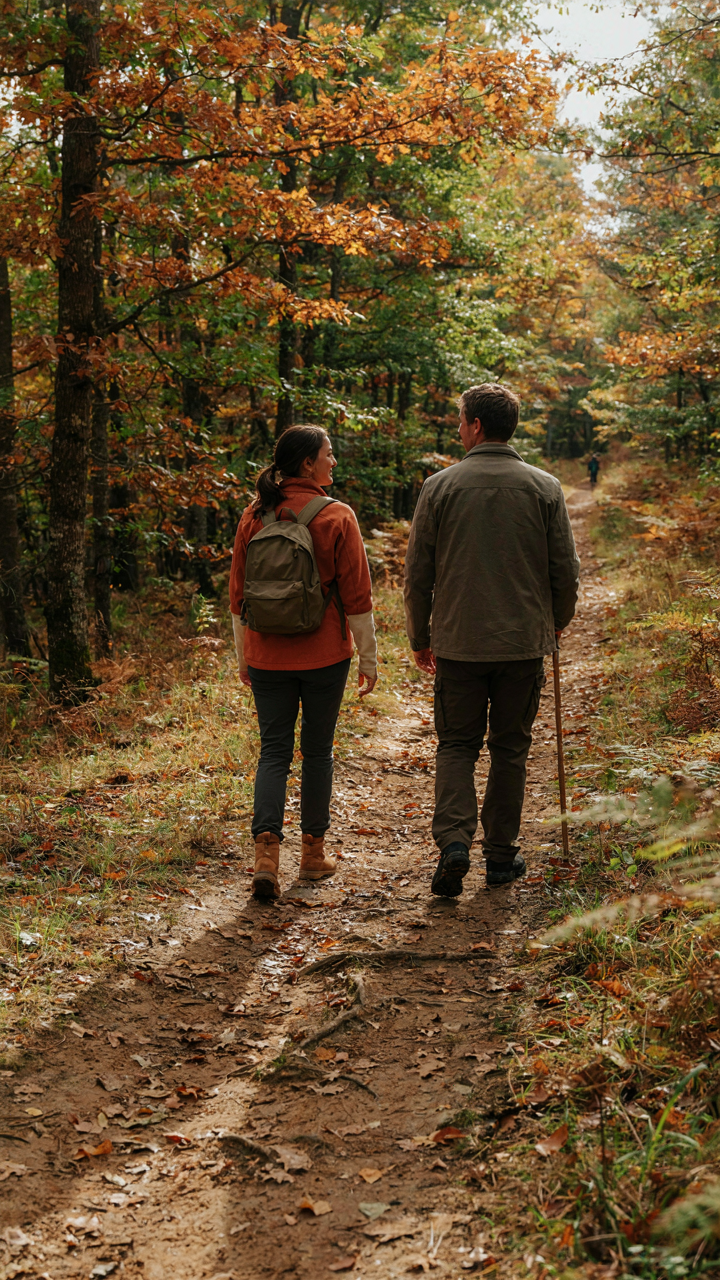
Most couples sabotage their hikes before they start. They choose between looking good and moving well, treating the two as enemies. They’re wrong. The real play is building a shared wardrobe that does both. Pick one layering piece today that works for both of you. Test it this weekend. You’ll realize comfort and style aren’t competing forces, they’re the same thing dressed differently.