

The Unspoken Truth About Fall Hiking Outfits
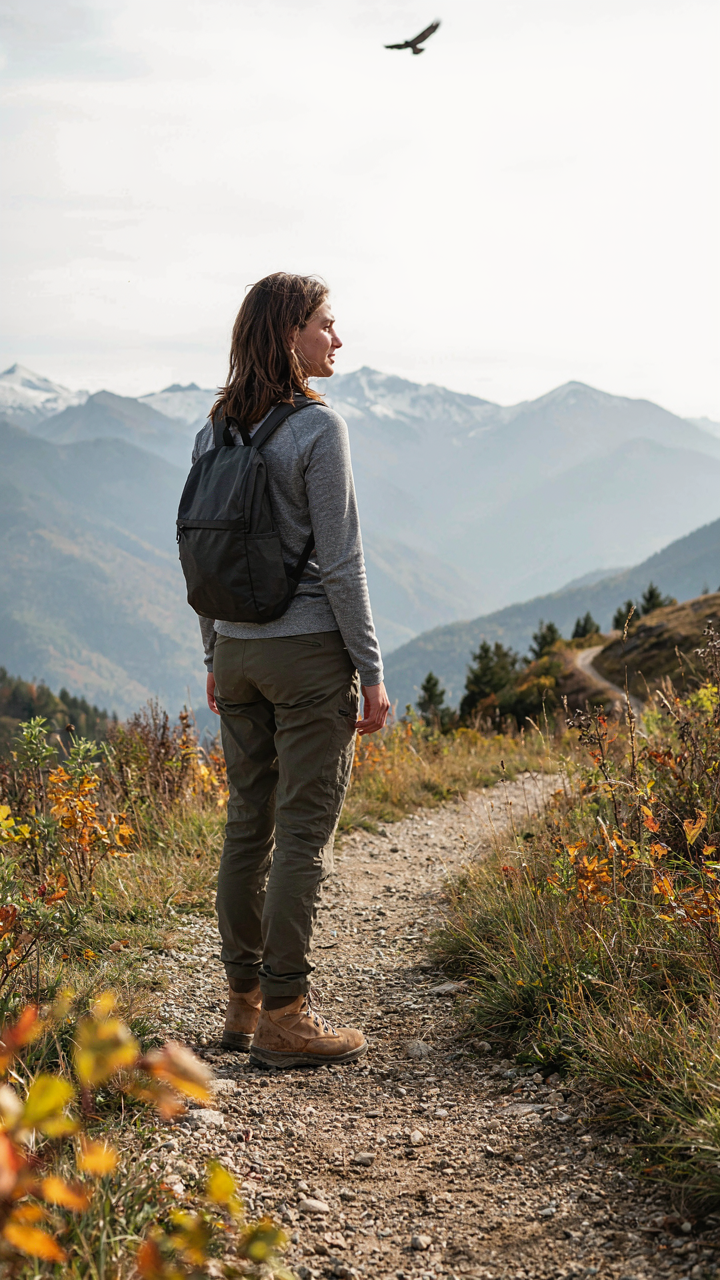
You Don’t Need Permission To Dress Wrong
You’re afraid of looking incompetent on the trail. That fear makes you vulnerable to buying gear you don’t understand, thinking expensive equipment signals competence. The real mechanism is simple: beginners conflate visibility with capability. You see experienced hikers in branded outfits and assume the brand does the work. It doesn’t. A $300 jacket keeps you warm the same way a $80 one does if both materials are functional. The difference isn’t performance—it’s marketing narrative and social proof.
Most beginner advice tells you to buy “technical fabrics” without explaining what they do or why cotton fails in specific conditions. Merino wool, polyester, and nylon all manage moisture differently because of molecular structure, not because outdoor companies say so. Fall hiking doesn’t demand exotic materials. It demands understanding that cotton holds water against your skin, and anything else doesn’t. Start there. Skip the brand mythology.
Specialization Is Marketing Masquerading As Science

Economics teaches the concept of diminishing returns—each additional unit of input produces less output. Apply this to fall hiking gear: the jump from regular clothes to synthetic base layers delivers 80% of the performance benefit. The remaining 20% comes from incremental upgrades that cost 10 times as much. Brands exploit this by making you believe you need the final 20%. You don’t.
A “hiking-specific” jacket is a shell designed to shed water and allow airflow. Your rain jacket from five years ago does this. A “hiking-specific” pant is durable fabric with functional pockets. Jeans fail because they absorb moisture, not because they’re morally wrong for trails. The mechanism isn’t complexity—it’s that beginners assume more expensive means more necessary. Buy functional pieces. Ignore the rest.

The Layering Protocol For Autumn Hiking Outfit

Start With Skin Contact First
You want to look like you know what you’re doing without actually having to think about it. Here’s the mechanism: your skin dumps moisture constantly, and cotton absorbs it, holds it, and turns into a heat sink. Synthetic fibers and merino wool wick that moisture away from your body instead of trapping it against your skin. Physics calls this vapor transmission. Start with a base layer that moves sweat outward, not inward.
Fall temperatures swing hard. Morning might be 45 degrees, noon hits 62. Cotton stays wet through all of it. Synthetic materials like polyester or merino wool dry fast enough that you stay regulated when conditions change. This is non-negotiable. Your base layer isn’t about warmth. It’s about creating the first barrier between sweat and cold air.
The Insulation Layer That Actually Adapts
Most beginners buy one mid-layer and wonder why they overheat or freeze. The real strategy is borrowed from military load-bearing: you want modularity, not a single thick piece. A fleece jacket or synthetic puffy gives you adaptable warmth because you can add it or strip it without committing to all-in insulation.
Fleece works because it traps dead air. A synthetic puffer does the same thing more densely. In fall, you don’t need down. Down compresses easily and loses insulation when damp, and fall trails have variable humidity. Synthetic insulation bounces back faster and handles moisture better. Wear your mid-layer over your base, under your wind shell, and remove it the moment you start generating serious heat on a climb.
Outer Shells: Your Defense Against October Hiking Outfit Conditions

Wind And Water Resistance Essentials
You want this section to confirm you’re buying the right thing so you don’t look unprepared on the trail. Here’s the mechanism: wind strips heat from your skin through convection, and water accelerates that loss. A shell blocks both. Most beginners buy jackets rated for three-season use and wonder why they still get cold—they’re confusing DWR (durable water repellent) coating with actual waterproofing. The coating beads water off nylon for maybe two to five hours of light rain before it fails. Real waterproofing requires a membrane like Gore-Tex or eVent laminated between fabric layers.
October conditions demand a shell that handles both wind gusts and the unpredictable rain that arrives without warning. Hard shells with sealed seams stop wind completely and shed rain indefinitely. Soft shells trade some water resistance for stretch and breathability, which works for dry days but fails fast in heavy rain. Pick hard shell as your primary layer—nylon or polyester construction, sealed seams, pit zips for dump venting. Your shell stops the loss; everything under it manages the sweat.
Temperature Regulation Through Ventilation Design
Physics calls this evaporative cooling, and your body runs a constant battle between generating heat through work and shedding it through air movement. A sealed shell traps moisture against your skin, which stops heat loss completely—you overheat, sweat more, then chill when you stop moving. Ventilation breaks this trap. Pit zips open directly to skin and dump core heat fast. Back vents let warm, damp air escape without stripping off the entire jacket. Half-zip chests give granular control without committing to full removal.
Most beginners skip pit zips because they look awkward or add cost, then suffer through overheating on climbs or hypothermia during rest breaks. The real cost is wasted energy and higher risk. Your shell needs functional venting design, not just theoretical airflow. Test pit zips before buying—they should open wide enough to expose full armpit area and close completely without friction. Size your shell to fit over a insulation layer while still allowing arm movement. This setup lets you climb hard without sweat buildup, then seal up instantly when you stop.
Footwear: The Foundation Of Any Fall Hiking Adventure
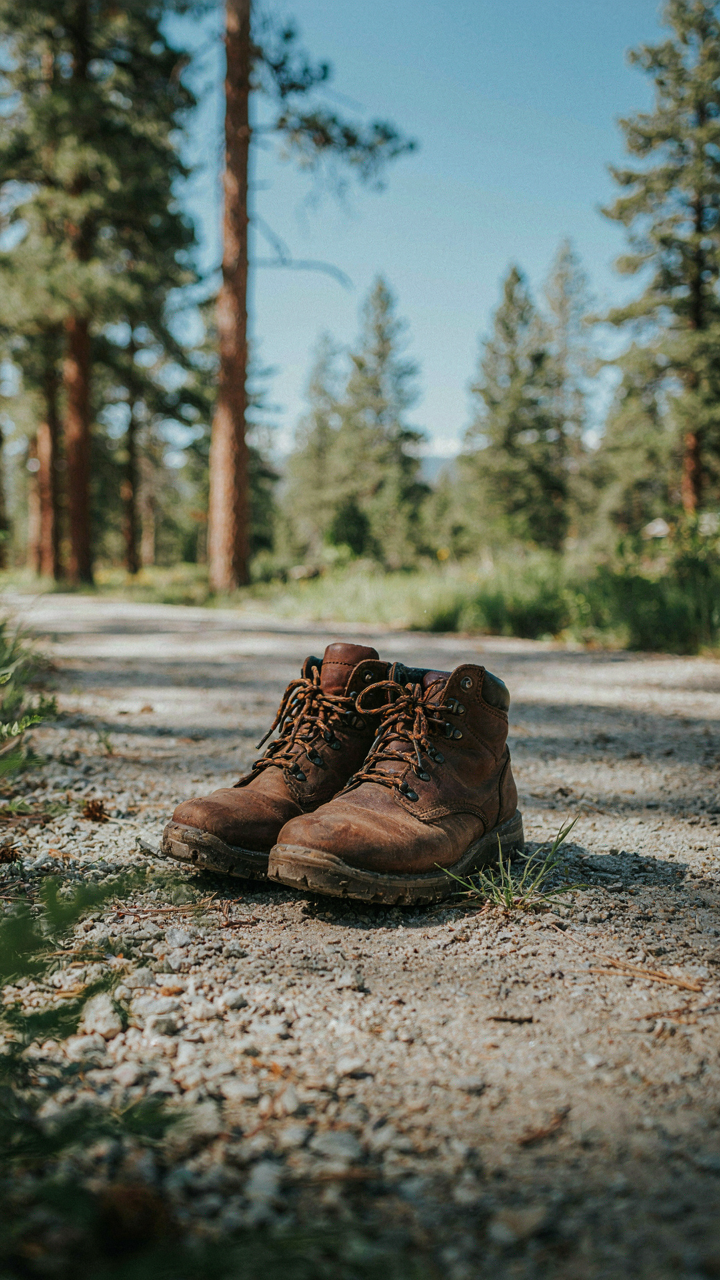
Grip That Works On Wet Ground
You want boots that won’t fail you because a slip costs time, money, and credibility on the trail. Military strategy teaches us about supply lines—the principle that victory depends on reliable logistics. Hiking applies this directly: your traction is the supply line between intention and execution. Wet leaves and damp rock are the enemy terrain. Rubber compounds matter more than brand names. You need Vibram soles or equivalent aggressive treads with deep lugs that bite into slick surfaces rather than glide across them.
Fall moisture changes ground conditions hourly. Morning dew, afternoon rain, and evening frost all reduce friction. The common advice to just “pick waterproof boots” misses the actual mechanism: tread pattern determines whether your foot stays planted or slides. Test grip by pressing your boot sole against wet tile before buying. If it doesn’t grip tile, it won’t grip a moss-covered rock at elevation when you need it most.
Ankle Support As Load Distribution
Ankle injuries on trail aren’t about weakness—they’re about load vectors your joint wasn’t engineered to handle sideways. Your ankle joint bears vertical force well but fails fast under lateral pressure from uneven ground. High-cut boots transfer that sideways load to your calf and shin muscles, which are built for this role. Low-cut shoes leave the ankle isolated and exposed. A twisted ankle ends the hike and costs weeks of recovery.
Fall terrain shifts constantly between solid footing and loose rock. Boots with rigid midsoles and ankle collars distribute weight across a wider structure instead of concentrating force on one joint. The mechanism is simple physics: increase the surface area absorbing shock, reduce injury risk. Lace boots snugly around the ankle—not your toes. Ankle tightness matters; toe tightness cuts circulation and causes blisters.
Beyond Apparel: Essential Hiking Outfit Fall Accessories

Keeping Your Head Warm Without Overheating
You want to look competent on the trail, but the real reason you’re thinking about hats is fear that cold will force you down the mountain. Here’s the mechanism: your head doesn’t generate more heat than your torso, but it has minimal insulation and massive blood vessel density. In fall conditions, wind chill accelerates heat loss from exposed scalp faster than from covered limbs. A beanie or merino wool cap stops this bleeding by trapping the still air layer directly above your skin. Choose a hat that covers your ears and allows you to remove it without fumbling or losing it to your pack.
Most hikers grab whatever hat they own, which is tactical garbage. Fall temperatures shift ten to twenty degrees between trailhead and ridgeline. Your hat needs to pack down to fist-size and tuck into your jacket pocket for quick stashing. Merino wool outperforms cotton because it regulates moisture and doesn’t clump when damp. Start with a lightweight beanie around fifty grams. Test it on a short climb to confirm you can remove and stow it without breaking rhythm.
Gloves That Don’t Strangle Your Dexterity
Your hands lose function before they go numb, and numb hands end the hike. Glove selection is pure economics: you’re spending marginal warmth dollars to buy back finger mobility. Fall hiking demands gloves that let you grip trekking poles, adjust straps, and operate a phone or map. Thin synthetic or merino gloves solve this better than puffy mittens because they preserve tactile feedback while still blocking wind. The trade-off is simple: accept slightly colder fingertips or accept paralyzed hands that can’t execute basic tasks.
Bring two pairs. One stays in your pack as backup. Wear the first pair loose enough that blood still circulates to your fingertips. If your fingers go white or tingle, remove the gloves immediately and let them warm in your armpits. On warmer sections of the trail, shove both pairs into your jacket pockets rather than your pack so you can retrieve them in thirty seconds when the wind picks up at elevation.
The Material Science Of A Wander Outfit
Synthetics Versus Natural Fibers
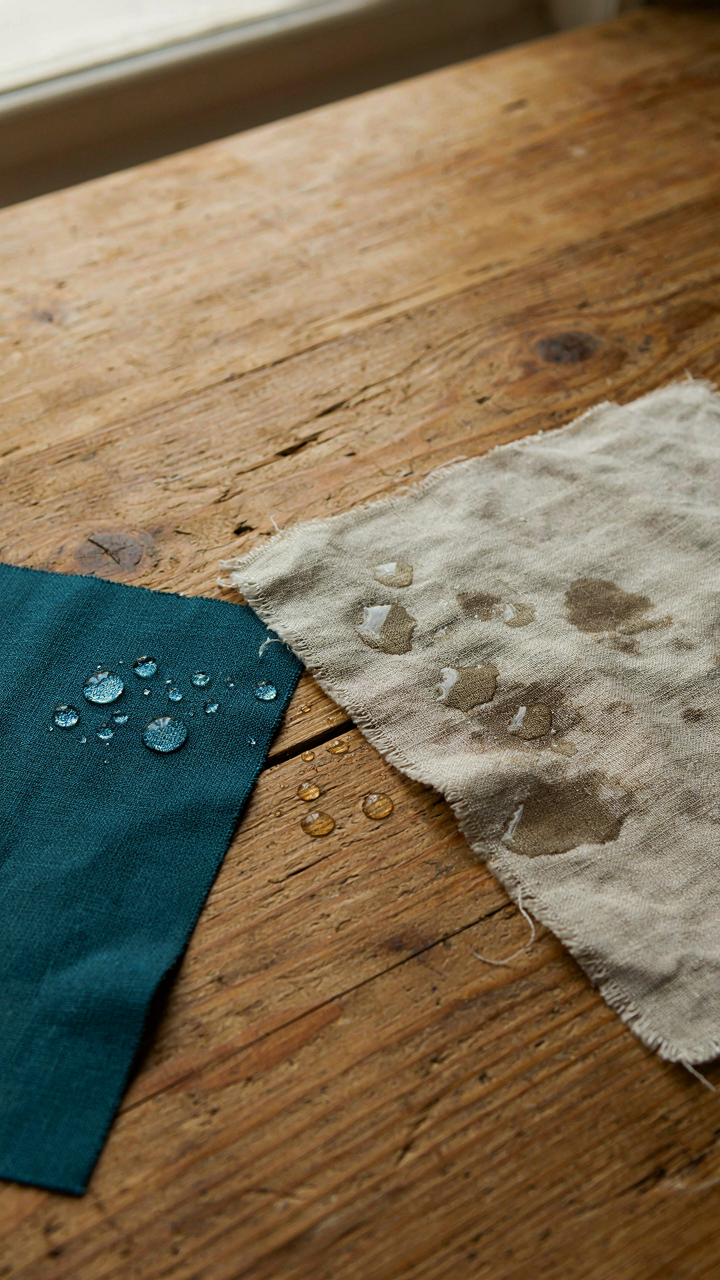
You want to believe natural fibers are superior because they feel like the “right” choice, but that narrative sells gear, not solutions. The real mechanism is this: synthetics dry fast because they don’t absorb water into their fiber structure. Cotton absorbs moisture and holds it against your skin. Wool absorbs moisture but releases it faster than cotton. Polyester and nylon don’t absorb water meaningfully, so they shed it or dry through evaporation alone. Fall hiking demands speed of moisture management, not moral purity about materials.
Natural fibers win on one axis: breathability when dry. Merino wool regulates temperature better than most synthetics at moderate exertion levels because it’s permeable to air and vapor simultaneously. But the moment you sweat hard or encounter rain, this advantage collapses. Synthetics trap less moisture against skin and recover faster. For beginners on fall trails where weather shifts rapidly, the synthetic base layer under a wool insulation layer outperforms an all-natural stack. The trade-off is durability: synthetics pill and degrade under UV exposure faster than wool, but you’ll notice this after two seasons, not immediately.
Durability Metrics, Not Marketing Terms
Marketing says “premium” and “technical” to justify price. What you need to measure is pilling resistance, seam failure points, and water repellent lifespan. These are testable. Pilling happens when short fibers work loose from the yarn during friction and ball up on the surface. Lower denier synthetics pill faster. Seams fail when the thread degrades or the fabric pulls away at stress points. Reinforced stitching at the shoulder and armpit matters more than thread count. Water repellent coatings degrade with washing and UV exposure, typically lasting 20 to 40 washes on mid-range gear before noticeably weakening.
A coat is durable when its seams outlast its water repellency, not the other way around. Check for taped seams on fall jackets, which add genuine waterproofing lifespan. Test fabric weight in ounces per square yard: 100+ ounces signals a durable outer layer for beginning hikers. Cheap jackets fail at the shoulders first because that’s where your backpack straps concentrate load. When you’re buying, ignore brand prestige and ask the retailer whether seams are sealed and what the DWR coating is. This gets you gear that survives two seasons of regular use without falling apart.
Budgeting For A Functional Cute Hiking Outfit Fall

Start With The Non Negotiables
You want to look good on the trail without dropping a thousand dollars, and that fear of looking wrong is exactly why most beginners waste money on the wrong items first. Think in terms of load-bearing capacity: in structural engineering, you build the foundation before the facade. Your outfit foundation is base layer, insulation layer, and outer shell. These three categories do the actual work of keeping you alive. Everything else is decoration that only matters if the fundamentals are already in place.
Start with a merino wool base layer (fifty to eighty dollars) because it regulates temperature in fall’s unpredictable swings and doesn’t smell after one wear. Add a fleece or synthetic insulating layer (forty to seventy dollars) that packs down small. Buy a water-resistant shell jacket (sixty to one hundred dollars) that breathes. Then add hiking pants or leggings with real pockets (fifty to eighty dollars). These four pieces are non-negotiable. Skip anything else until these work flawlessly on a test hike.
Hunt Quality Where Others Ignore
Thrift stores are where beginners find deals, but they hunt in the wrong sections. Most people grab anything labeled “outdoor” without checking construction. You’re looking for technical pieces that already wore out someone else’s budget, not their durability. Check REI clearance sections, Patagonia’s Worn Wear resale program, and local outdoor consignment shops before thrift stores. These places verify condition and material quality.
A used technical jacket with a known brand costs twenty to thirty dollars and beats a brand new cheap synthetic at full price. Fleece layers, base layers, and even hiking pants hold up through seasons of use, so previous ownership means nothing about remaining lifespan. Look for brands like Arc’teryx, The North Face, and Patagonia at consignment first, then expand to thrift stores. Spend thirty minutes checking seams, zippers, and fabric integrity before you buy anything, then move on.
Packing Smarter: The Camping Look For Day Hikes
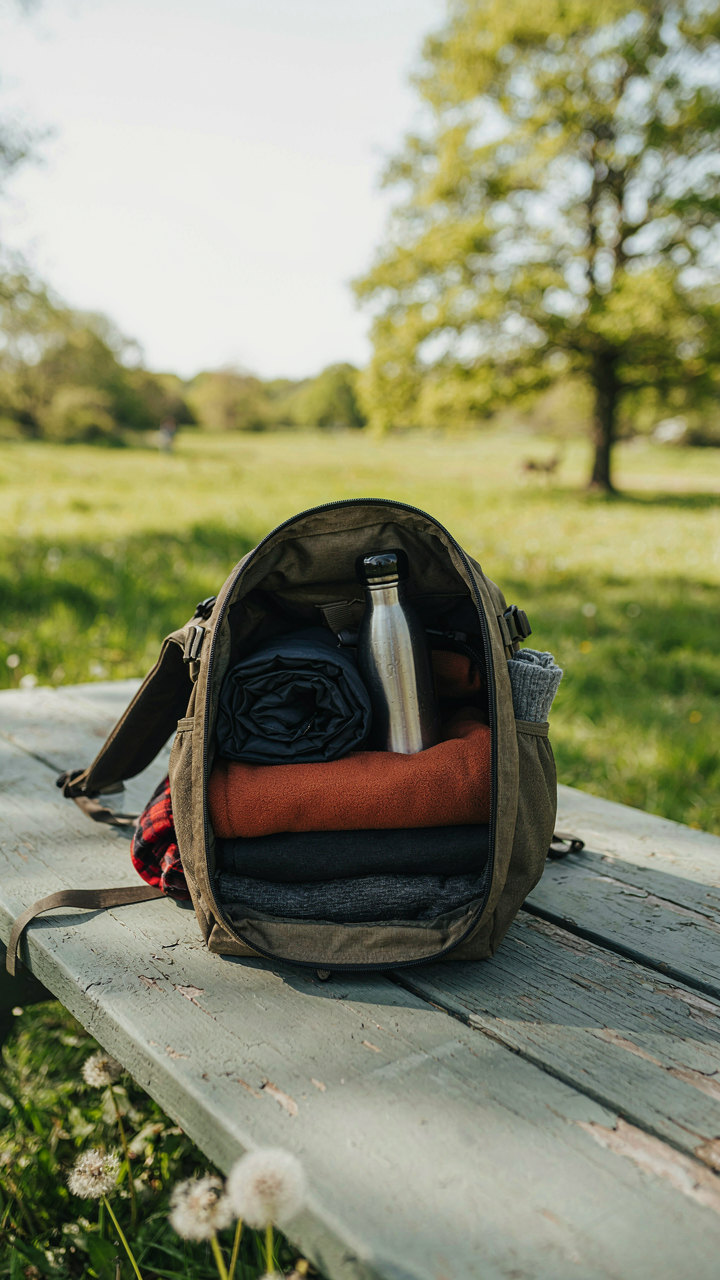
Layers Without The Bulk
You want to look like you know what you’re doing without actually carrying a backpack that weighs 40 pounds. The mechanism is simple: air traps heat, but most beginners pack redundant pieces instead of strategic ones. One base layer, one insulating mid layer, one wind shell. That’s the stack. Everything else is anxiety masquerading as preparation. Fall temps shift fast, so you need pieces that work in combination, not pieces that work alone.
The trick borrowed from thermodynamics is redundancy elimination: systems fail when every component duplicates the last one’s job. Your base layer wicks moisture. Your mid layer retains warmth. Your shell blocks wind. Each has a single function. Merino wool or synthetic base layers handle sweat better than cotton. A fleece or light down jacket provides insulation without waterlogging. A hardshell or softshell keeps wind from stripping that heat away. Wear these three, not seven random jackets stuffed in your pack.
What Actually Stays In Your Pack
Emergency kits fail because people either carry nothing or carry everything. Here’s what prevents a day hike from becoming a problem: the items that address the actual failure modes you’ll hit in fall.
- First aid supplies: Blister treatment, athletic tape, antibiotic ointment, pain relief. Blisters end hikes. Everything else is secondary.
- Navigation backup: Paper map and compass. Your phone dies or gets no signal. This doesn’t.
- Fire starter: Waterproof matches or a lighter. One tool, proven to work in wet conditions.
- Emergency warmth: Space blanket or emergency bivy. Weighs almost nothing. Prevents hypothermia if you get stranded past sundown.
- Water purification: Portable filter or tablets. Dehydration accelerates poor judgment faster than cold does.
The test is simple: can you use this item in the dark, with cold hands, alone? If the answer is no, it doesn’t belong in your kit. Pack these five categories and nothing more. Everything else is theater.
Seasonal Adaptations For Fall Hiking Outfits For Women
The Layering System That Actually Works
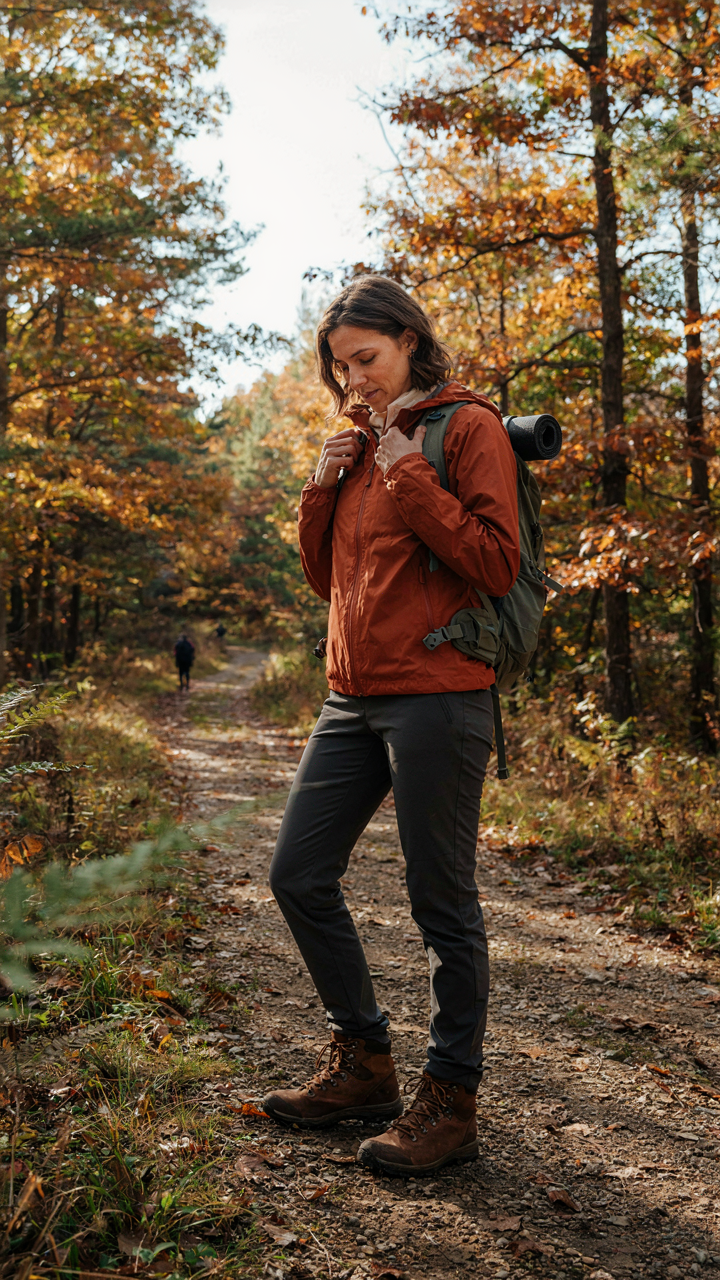
You want to look competent on the trail without overheating or freezing, and that matters because stumbling through discomfort signals you don’t know what you’re doing. Fall layering isn’t about owning more clothes—it’s about understanding thermal regulation as a stacking problem. Your base layer moves moisture off skin. Your mid layer traps dead air. Your outer layer blocks wind and rain. Each layer has one job. Most beginners pile on random jackets and wonder why they sweat or shiver.
Start with a synthetic or merino wool base layer, not cotton. Cotton holds moisture and kills your insulation. Add a fleece or lightweight down mid layer that compresses into a pack pocket. Wear a water-resistant shell on top. The mechanism is simple: remove or add layers as your effort level and temperature change, not based on how you feel standing still. You’ll feel cold before you start moving. That’s normal. Start hiking. Adjust within ten minutes.
Changing Into Dry Clothes Post Hike
Staying in damp workout clothes after the hike ends is the move that actually ruins your recovery and invites chafing or skin irritation for days. The problem isn’t the hike. It’s what you do in the hour after. Your sweat-soaked base layer drops your core temperature as wind evaporates moisture off your skin, and you mistake the chill for needing more insulation when you actually need to stop the evaporative cooling immediately.
Pack a complete dry change in your car or trailhead bag: dry shirt, dry socks, dry underwear. Strip the wet base layer within five minutes of finishing. Put on the dry clothes. This isn’t optional recovery protocol—it’s the difference between heading home comfortable and spending the next four hours fighting chafing and muscle soreness amplified by temperature dysregulation. Bring a small plastic bag for the wet gear so it doesn’t contaminate your other belongings.
The Mental Game: Confidence In Your Gear
Run Your System Before You Need It
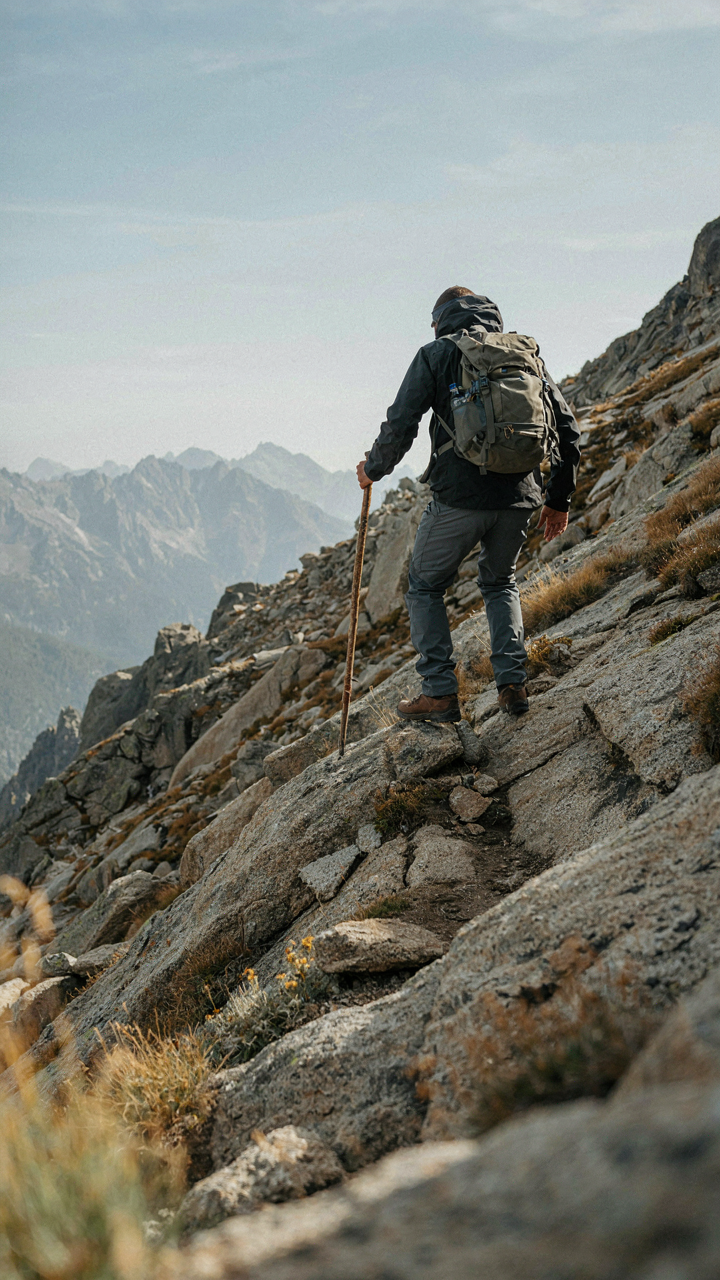
You want to feel like you know what you’re doing. That’s not vanity—it’s the only real hedge against panic on the trail. The mechanism here comes from systems thinking: a system untested under load fails exactly when it matters. Your fall hiking outfit isn’t just clothes. It’s a system of layers, transitions, and decisions you’ll make while tired and cold.
Take your full outfit on a short hike before committing to a longer one. Wear the base layer, mid layer, and shell you’ve chosen. Walk for two hours in mild conditions. Notice where straps dig, where fabric bunches, where you sweat too much or freeze. This isn’t overthinking—it’s data collection. You’ll catch problems that reading never reveals.
Preparation Kills The Noise
Most beginners mistake anxiety for intuition. They second-guess their gear choice the entire hike, burning mental energy that should go toward navigation or pace. This is where preparation converts fear into baseline confidence. You’ve already decided your outfit works. That decision is locked in by evidence, not feeling.
Before you step on the trail, write down your outfit choice and why you chose each layer. Include your expected temperature range and what conditions would force a change. This sounds mechanical because it is. When doubt creeps in mile three, you reference your notes instead of spiraling. Your outfit choice becomes a fact you verified, not a hypothesis you’re testing in real time.
Your Biggest Obstacle Isn’t The Weather; It’s Believing Marketing Hype Over Fundamental Principles
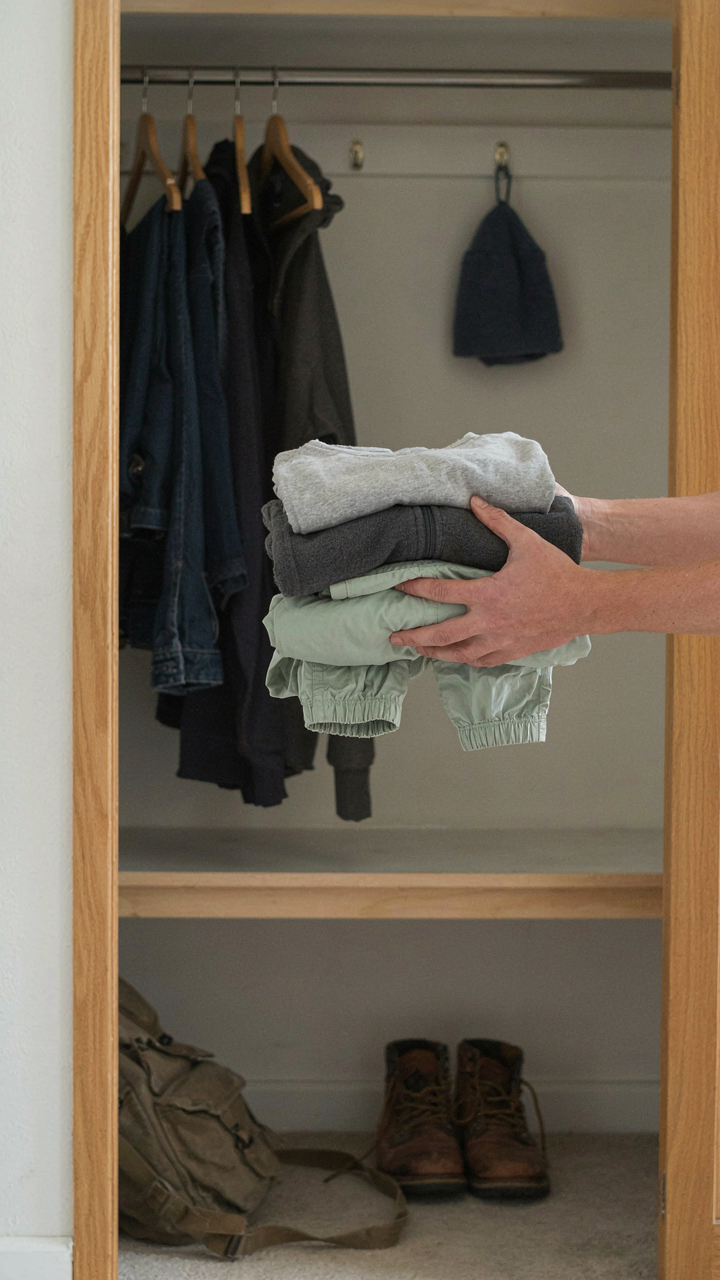
Brands sell you $300 jackets when layers work. They sell you gear you don’t need when basics win. Stop waiting for the perfect outfit and hike in what you own right now. Grab three pieces from your closet today, get outside, and learn what your body actually needs. Everything else is noise designed to separate you from money, not from cold air.