
Beyond The Leaf Peeping: The Strategic Advantage Of Autumn Camping Trip Ideas

The Crowd Arbitrage Window
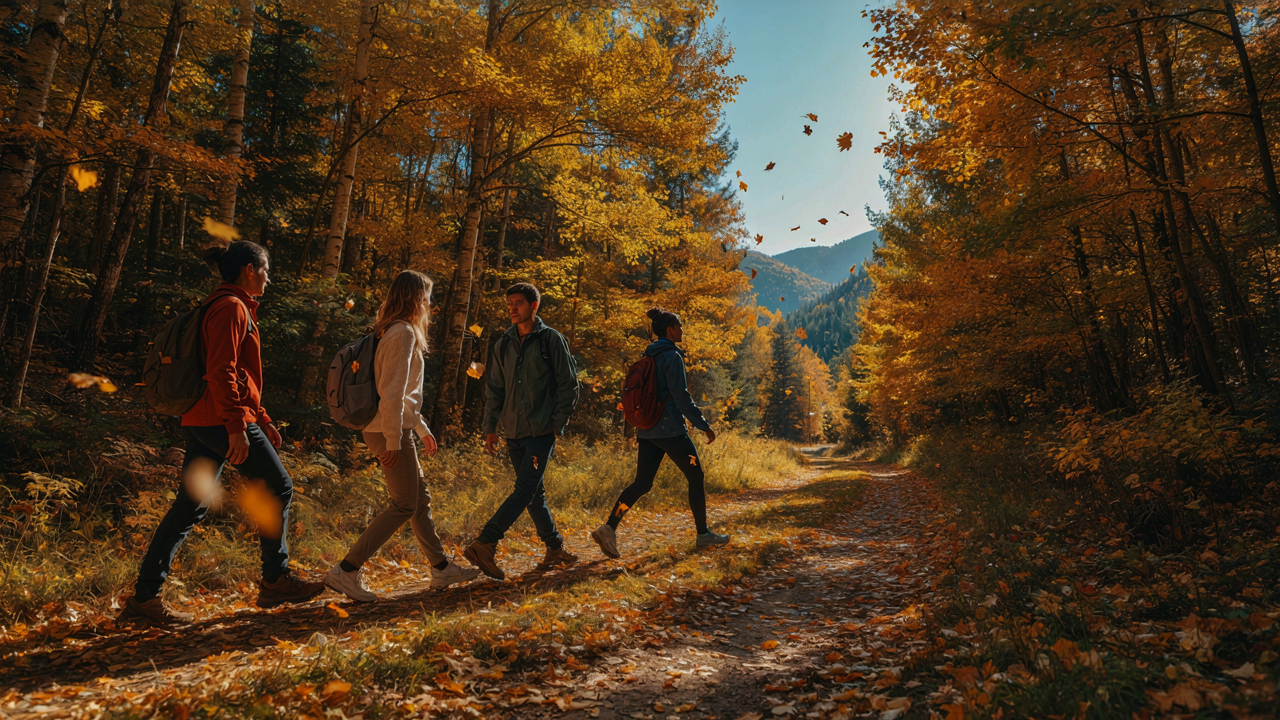
You want to feel like you discovered something before everyone else ruined it. That’s the real draw here, and it matters because scarcity drives experience quality. Fall camping operates on an inverse demand curve: peak beauty arrives the moment summer tourists leave and winter crowds haven’t materialized. Late September through early November creates a narrow window where trailheads sit empty while conditions remain stable.
Most campers treat fall as a shoulder season, something to tolerate between summer and winter. They’re wrong. Temperatures drop enough to eliminate bugs and heat stress, water sources remain reliable, and the psychological shift means fewer families on weekends. The mechanism is simple: fewer bodies competing for the same land equals genuine solitude, which is what people actually pay for when they book “experiences.”
Technical Difficulty As Skill Filter
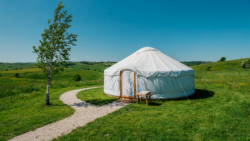
Weather serves as a natural selection tool in outdoor recreation. Fall camping demands you actually know how to read conditions, manage layering, and secure gear against wind rather than just showing up with gear you bought. Early frost, sudden temperature swings, and morning fog separate people who camp from people who think they camp.
The real advantage isn’t the challenge itself. It’s that mastering fall conditions makes summer camping feel trivial by comparison. You learn tent anchoring under stress, water management when sources start freezing at night, and fire-building when everything’s damp. These skills transfer directly to every other season. Plan your first fall trip for early October in a region where you can expect temperature drops of 20-30 degrees between day and night, then build your gear checklist around that specific stress test.
The Cold Weather Crucible: Essential Fall Camping Gear For The Unprepared
Layering Like A Pro: System Overview
You’re reading this because you don’t want to look stupid or get hypothermia, and rightfully so. The mechanism is simple: clothing works through air traps, not material magic. Fall temperatures swing 40 degrees between noon and midnight. You need three functional layers, not seven random jackets.
Base layers pull moisture from skin. Mid layers trap dead air space. Outer shells block wind and rain. Merino wool and synthetic fibers both work. Cotton fails catastrophically in cold and wet conditions. Start with a moisture-wicking base, add an insulating mid-layer like fleece or down, then seal it with a breathable shell. Test this system before your trip, not during it.
Shelter And Sleep Systems For Survival
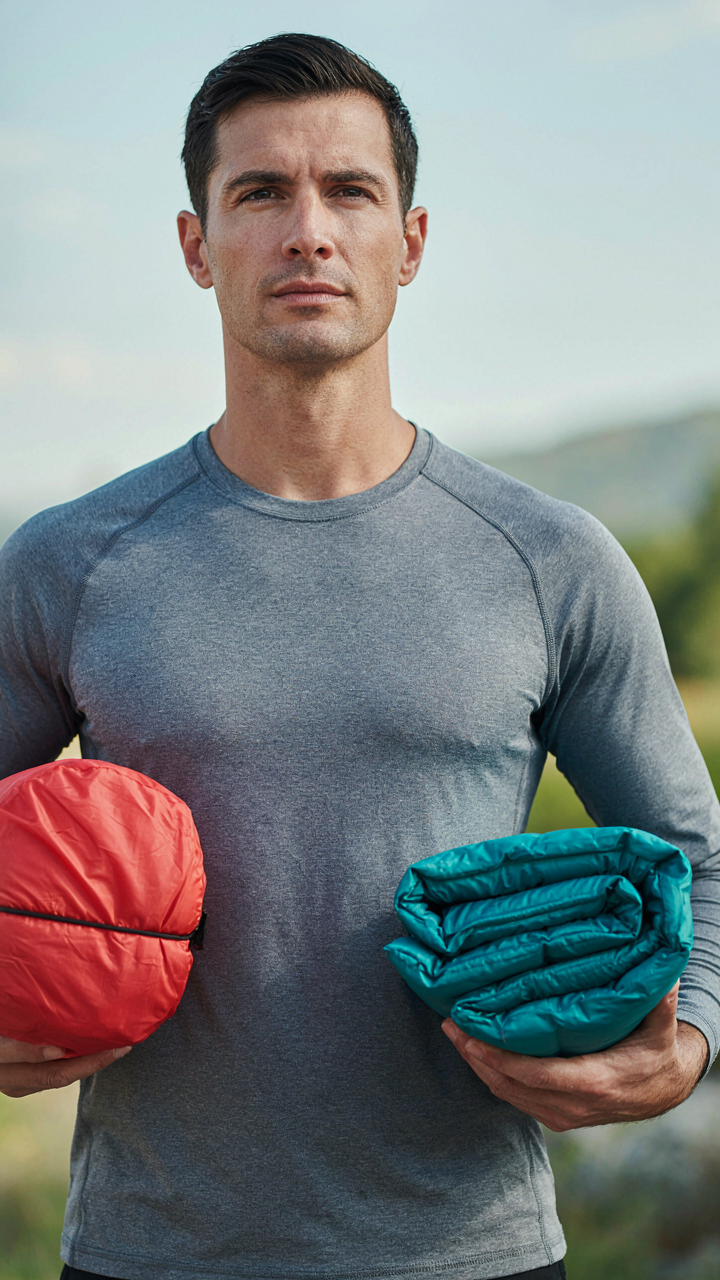
Most people choose sleeping bags wrong because they ignore the actual temperature swing that happens on fall camping trips. Physics calls this the dew point, and it’s the difference between comfort and waking up at three in the morning. A 20-degree bag rated for winter won’t help you in 45-degree fall weather when you need something rated for 30 degrees or lower to account for ground loss and body heat variance.
Your tent traps warmth but adds negligible insulation. The real barrier is your sleeping system. A quality sleeping pad under your bag does more work than the bag itself. Use an insulated pad rated R3 or higher in fall. Pair it with a bag that matches your destination’s actual low temperature, not the average. Arrive at camp early enough to set up before dark and test your system works before you need it to save your life.
The Thermoregulation Protocol: Mastering Body Heat In The Wild

How Your Body Loses Heat
You want to feel prepared so you don’t panic in the cold. That’s the real reason you’re reading this. Here’s the mechanism: physics defines three ways your body hemorrhages heat in the field, and fall camping exploits all of them simultaneously. Conduction transfers heat directly to cold ground, rock, or wet fabric touching your skin. Convection strips warmth as wind moves across exposed surfaces. Radiation bleeds heat into the atmosphere constantly, accelerating as air temperature drops. Most camping advice obsesses over insulation and ignores the order these losses occur. That’s wrong.
Fall temperatures drop fast at night, and your body can’t outsource the math. You lose heat fastest through conduction first because contact is direct and relentless. Wet gear accelerates conduction by a factor most people never calculate. Convection becomes your second killer once wind picks up after sunset. Radiation happens all night, every night, but you can’t stop it completely. What you can stop is panic by understanding the sequence and stacking defenses accordingly. Insulate from below first, block wind second, layer for radiation third.
Feed The Engine Constantly
Your core burns fuel to generate heat, and most fall campers dramatically underestimate caloric need. Cold air increases metabolic demand by 20 to 50 percent depending on how hard you’re working and how low temperatures drop. Carbohydrates convert to heat fastest, which is why they’re not optional in fall camping. Fats provide sustained energy over hours, and protein repairs muscle damage from exertion and cold stress. Hydration matters because dehydration thickens blood and reduces circulation, which cuts heat distribution to your extremities before you feel thirsty.
Eat before you’re hungry. Drink before you’re thirsty. Your body’s warning signals lag behind actual depletion by 30 to 90 minutes in cold conditions. Pack calorie-dense food like nuts, nut butter, and dense grains. Bring warm drinks in an insulated container because your body spends energy heating cold liquid internally, an inefficiency you don’t need. Build a schedule: eat something every two hours during active hours, and consume a high-calorie meal before bed so your metabolic furnace runs through the night.
Primitive Comfort: Fall Camping Trip Ideas That Build Resilience
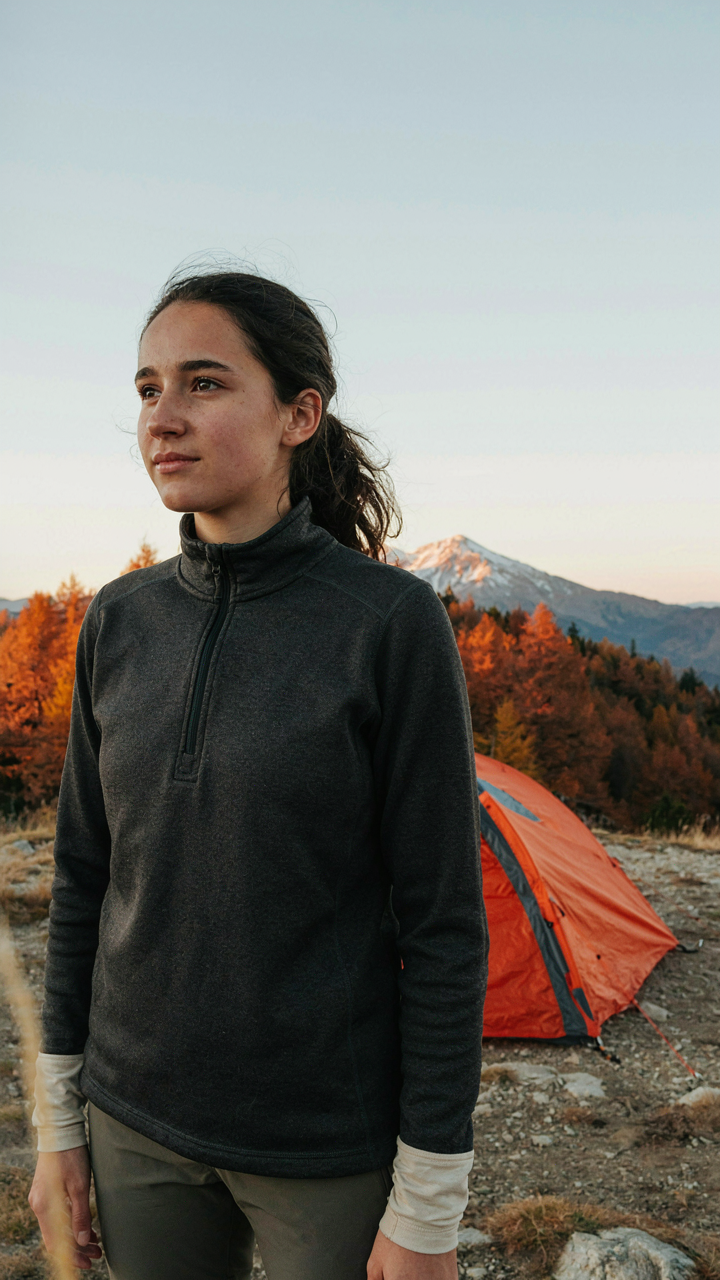
Pack Light, Move Faster
You want to feel capable without gear doing the thinking for you. That’s the real draw here. The mechanism is simple: every item you bring becomes a decision tax during the trip. Weight compounds into fatigue, fatigue compounds into poor judgment, and poor judgment kills the actual experience you paid for.
Strip your fall camping setup to what solves immediate problems: shelter, sleep system, water, fire. A good backpacking tent weighs four to six pounds. A quality sleeping bag rated for 20 degrees Fahrenheit runs two to three pounds. Cook on a single-burner stove, not a full camp kitchen. This constraint forces intentionality into every choice and reveals what genuinely matters versus what you thought sounded good at the outfits store.
Discomfort Is The Curriculum
Biology calls it hormesis: small stressors trigger adaptation. Fall camping in minimal conditions triggers the same response. You sleep cold enough to engage your body’s thermoregulation. You carry weight enough to feel your legs work. You navigate terrain without GPS enough to sharpen spatial reasoning.
The common advice says “start small” and “camp close to home.” That’s backwards. The growth happens when you’re far enough that returning early costs more than pushing through. Pick a ridge camping trip in the high country where the temperature drops below freezing at night, or a backcountry loop that requires real route finding. The discomfort becomes the entire point. Set a specific target like “sleep outside for five consecutive nights without a car nearby” and treat it like a protocol, not a vacation.
The Logistics Of Liberty: Planning Your Fall Camping Expedition

Site Selection For Wind And Sun Exposure
You want to feel like you’ve made a smart decision without doing the actual work. Here’s what matters: wind direction and solar angle operate like vectors in physics, and your campsite exists at their intersection. In fall, the sun sits lower and weaker than summer, so south-facing slopes trap heat longer into evening. North-facing sites stay colder but shelter you from afternoon wind gusts that strip body heat fast.
Scout your site the afternoon before setup. Identify trees that block wind but don’t create dense shade. Check the ground for water runoff patterns, dead branches overhead, and natural windbreaks. Position your tent perpendicular to prevailing winds, not parallel. Test your chosen spot by standing there at dusk and feeling the temperature drop and wind intensity. This five-minute observation beats guessing.
Beyond The Basics: Real Emergency Readiness
Most fall camping checklists are incomplete because they treat emergencies as uniform events. They’re not. Fall’s specific threats demand specific responses that generic lists skip. Temperature swings, early dark, and isolation combine differently than summer risks. Your emergency prep needs to map directly to what can actually kill you in October, not what camping blogs repeat annually.
- Hypothermia management kit: Includes hand warmers, an extra insulating layer sealed in a waterproof bag, and high-calorie dense foods. Hypothermia starts in the fifties, not just freezing temps.
- Navigation redundancy: Paper topographic map, compass, and GPS device. Fall cloud cover and shorter daylight hours make getting turned around easier than summer.
- Communication backup: Satellite communicator or personal locator beacon if cell service gaps exist. Fall storms can isolate areas faster than you expect.
- Injury stabilization: Elastic bandages, pain relievers, and a compact splinting option. Early darkness means you won’t hike out injured; you’ll shelter in place.
- Fire redundancy: Waterproof matches, a lighter, and a ferro rod. Fall dampness kills fire-starting attempts faster than dry seasons.
Pack these in a marked bag separate from your main supplies. Rehearse accessing it before you need it. The mechanism that saves lives isn’t having gear, it’s knowing where it is and how to deploy it when adrenaline and cold cloud your thinking.
Winter Is Coming: Advanced Fall Camping Trip Ideas For The Adventurous
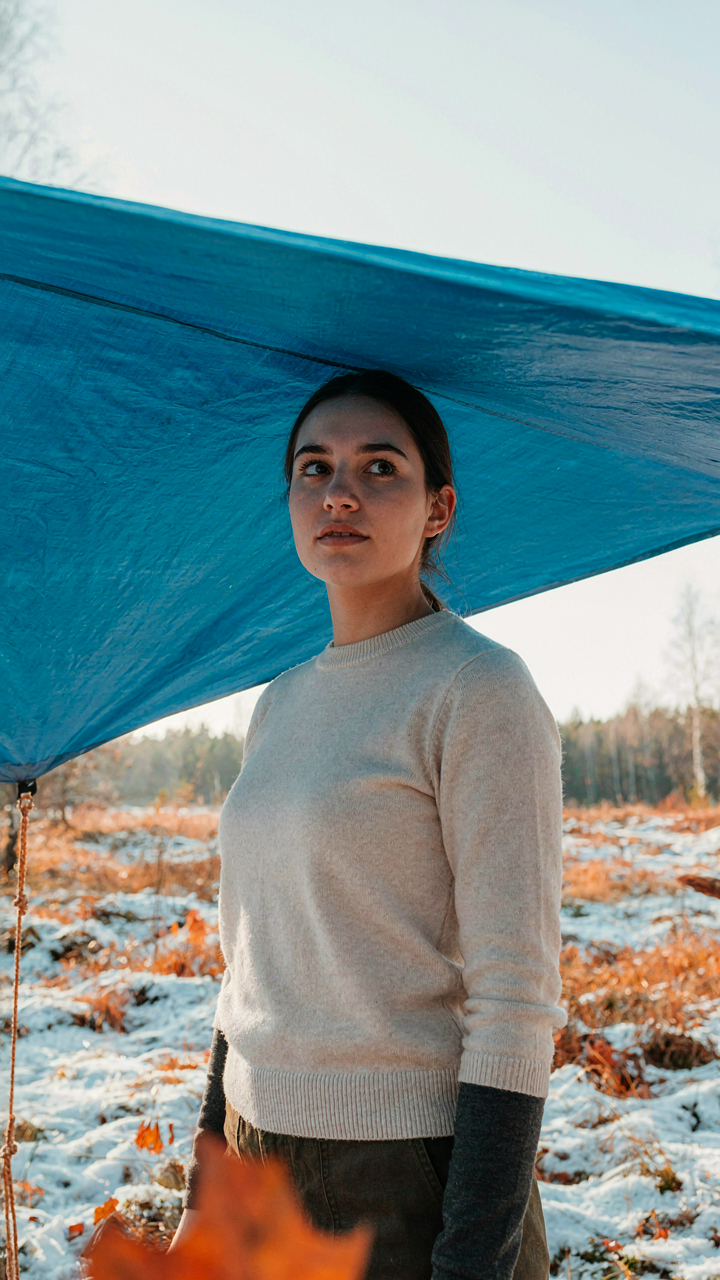
When Snow Arrives Unannounced
You’re reading this because you want to feel prepared, which really means you want to avoid the specific moment where conditions turn and you realize you’re not. Here’s the mechanism: snow in fall arrives on temperature collapse, not gradual cooling. September warmth masks elevation gain and ridge exposure. By October at higher altitudes, a 20-degree drop overnight converts rain into ice, and your gear selection becomes immediately wrong.
The real problem isn’t snow itself—it’s that fall campers miscalculate timing and elevation. A 3,000-foot elevation climb changes seasonal timing by two weeks. Your escape route freezes before your descent plan accounts for it. Carry a tarp rated for snow load, not just rain. If temperatures dip below 32 degrees and precipitation starts, move to lower elevation immediately or establish a static camp with insulation under your shelter. Don’t rationalize staying put because conditions “might improve.”
Fire Starting In Wet Conditions
Thermodynamics governs fire starting: combustion requires heat, fuel, and oxygen in specific sequence. Fall moisture eliminates the fuel component before you strike a match. Most camping guides say “gather dry wood.” That’s incomplete advice born from desert camping, not fall conditions where everything touching ground stays damp for hours after rain stops.
Split wood vertically using a hatchet, not a knife. The exposed interior dries faster than bark. Carry fatwood or split pine kindling in a waterproof bag. Start with the thinnest material first, add progressively thicker pieces only after sustained flame. If your initial bundle won’t catch within 90 seconds of consistent heat, you chose damp material. Switch to a different location or move to higher ground where airflow dries fuel faster. Test fire viability before darkness locks you into a failed attempt.
The Mental Edge: Cultivating Grit On Your Camping Trips
Nature Doesn’t Negotiate With Your Preferences
You want grit to feel earned and rare, a marker that separates you from the soft masses. But here’s the mechanism: grit isn’t built through heroic suffering. It’s built through repetition of small discomforts you can’t escape. Stoicism, the ancient Roman framework, teaches that you control your response to events, not the events themselves. Fall camping forces this exact transaction. Rain, wind, temperature drops, and gear failure happen regardless of your plans.
The real work isn’t mental toughness theater. It’s the practice of distinguishing what you control from what you don’t, then acting only on the first category. Your campsite floods. You didn’t cause that. You did choose to camp in fall. You can’t control wet gear, but you can control whether you pack a dry sleeping bag in a waterproof sack. When you apply this repeatedly across a weekend trip, you stop resisting reality and start operating within it. That’s where actual resilience forms.
The Comfort Trap You’re Walking Into
Most camping advice tells you to stay warm and comfortable, as if comfort is the goal of outdoor trips. It’s not. The moment you’ve solved every friction point, you’ve removed the only environment where your nervous system actually recalibrates. Fall temperatures between 40 and 55 degrees create the optimal discomfort zone: challenging enough to demand adaptation, survivable enough to be safe.
The desire for constant warmth is a signal your body sends when it’s bored. Overriding that signal teaches your system that exposure is manageable. Don’t layer excessively. Don’t huddle by the fire all evening. Instead, sit outside in moderate cold for periods. Wear a base layer and a midlayer, not four jackets. Your body will warm the space between layers. When you return to town, that thermal resilience stays with you. The mechanism is simple: controlled stress builds capacity. Eliminate stress and capacity atrophies.
Post Trip Debrief: Integrating Lessons From Your Fall Camping Activities
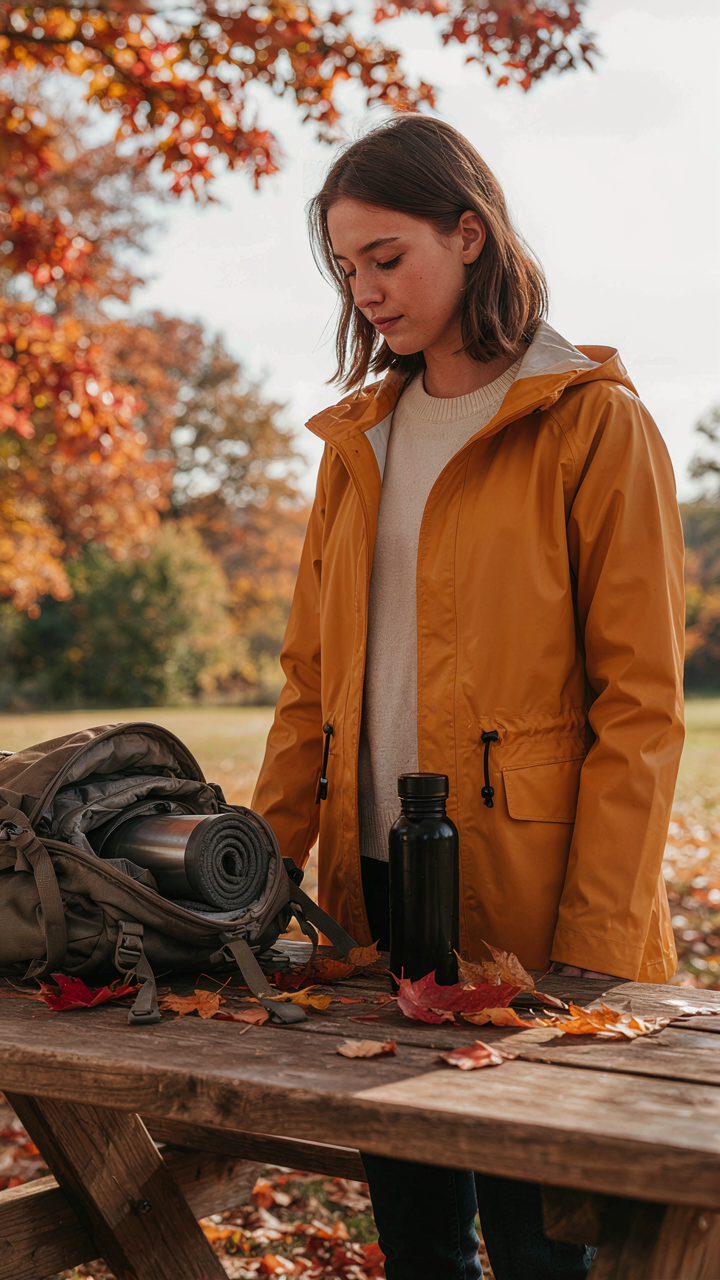
What Your Gear Actually Taught You
You’re hoping this section validates your gear choices so you don’t feel stupid about what you bought. Here’s the mechanism: your gear only reveals its real performance under stress, and you were stressed. Every piece either solved a problem or created one. The difference between marketing claims and field behavior is where you learn what to keep and what to dump.
Document three things before you forget them: what failed, what exceeded expectations, and what you didn’t use at all. Unused gear is money that’s still sitting in your pack mentally. Rate each piece on one axis: did it solve the problem it was supposed to solve? Not whether it’s nice. Not whether it’s expensive. Whether it actually worked. Your tent’s rain coverage, your sleeping bag’s temperature rating at 3 AM, your stove’s reliability in damp conditions, your boots’ blister pattern—these are data points. Write them down immediately after the trip while conditions are fresh.
Where The Wild Lessons Actually Land
Psychology uses the concept of transfer of learning: skills developed in one context transfer to another only when you deliberately map the connection. Fall camping teaches you how to operate under resource constraints, but you have to name that lesson explicitly or it disappears. The wilderness doesn’t care about your comfort or timeline. Neither do real problems.
Build a specific protocol: for each major decision you made in camp—route planning, when to set up, rationing supplies, managing fatigue—identify the exact parallel in your work or relationships. Cold fingers teaching you to batch tasks before conditions degrade. Figuring out water logistics teaching you infrastructure thinking. Night navigation teaching you when to stop moving and reassess rather than push forward blind. Your body remembers these lessons faster than your brain. The action: write one lesson per day for one week after returning, then identify which one you’ll apply this month.
The Real Obstacle Isn’t The Cold; It’s Your Comfort-seeking Mind
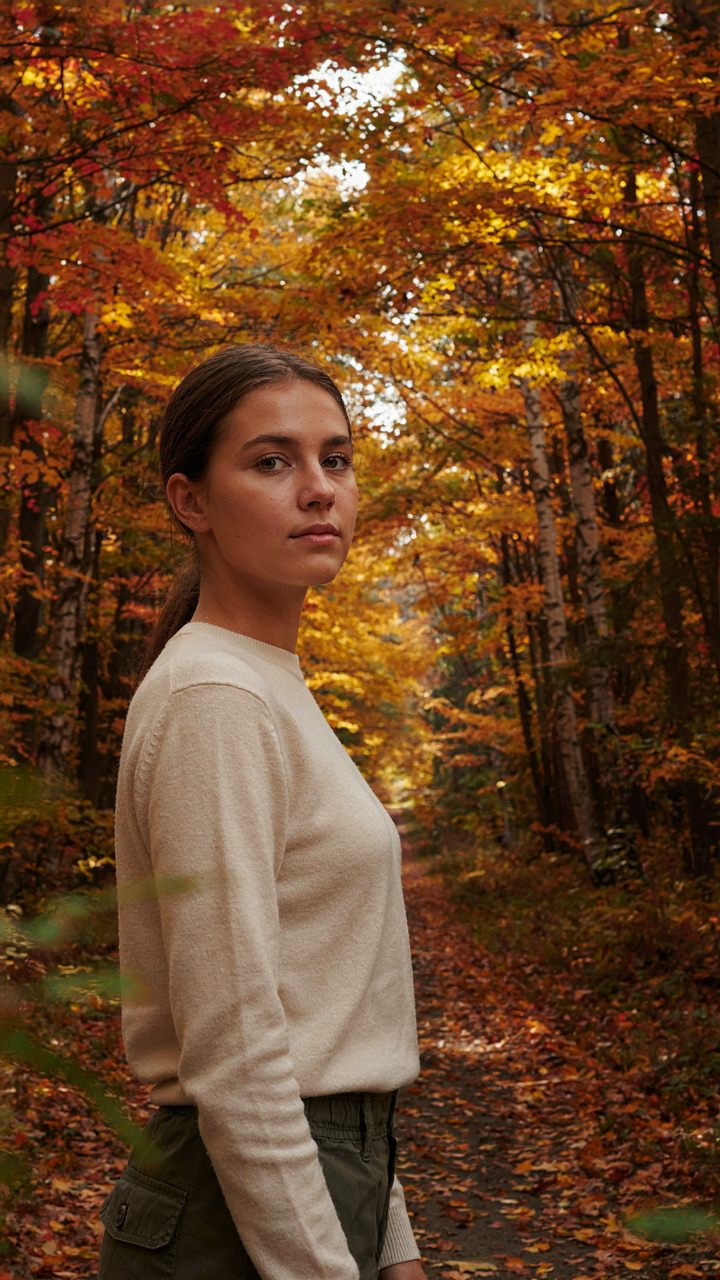
Every fall camping trip idea fails the same way: you plan it perfectly, then cancel it. Not because of weather. Because your brain whispers that the couch is warmer. The only antidote is committing before the doubt arrives. Pick a date this week. Book the campsite today. Tell someone you’re going. Your future self won’t thank you for staying home, but the person you become by going will thank you for shutting down the noise.