

The Myth Of Instant Adrenaline: Why Your First Attempt Fails
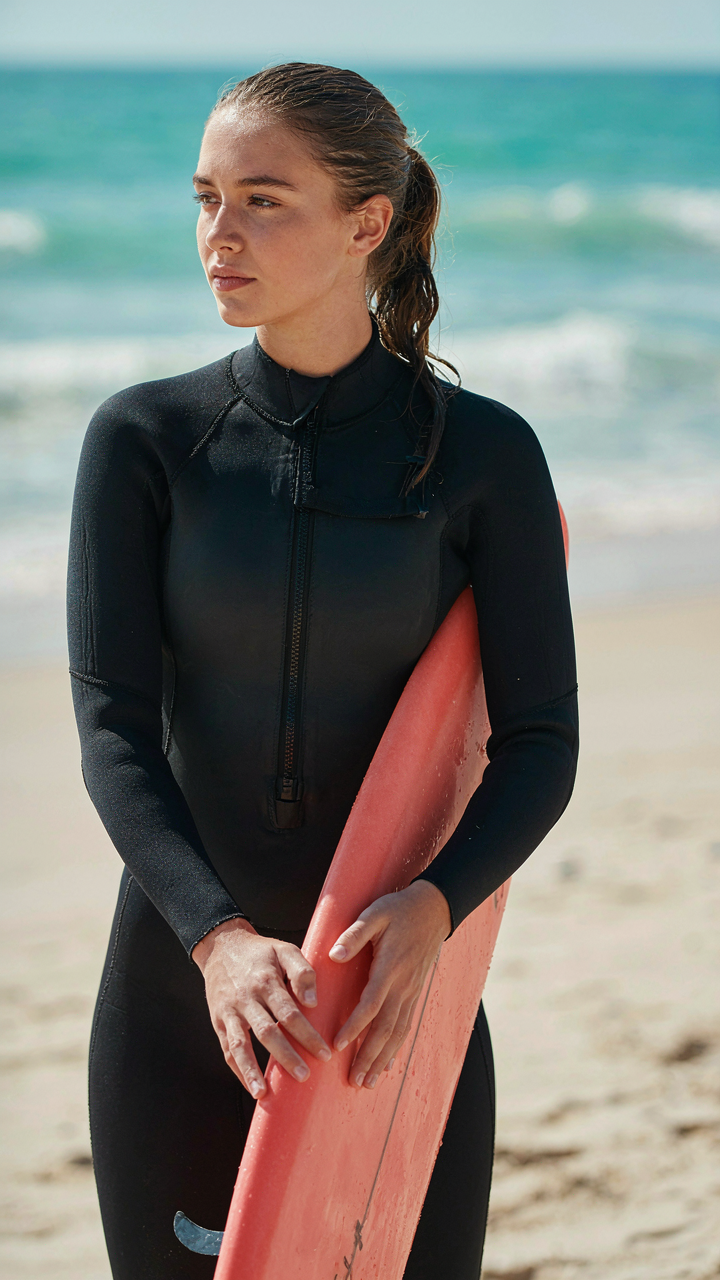
Hollywood Didn’t Tell You Fear Is Information
You want to believe the movie version: you show up, you’re nervous, you do it anyway, and then you’re transformed. That’s not what happens. The real reason you care about this section is you’re afraid you’ll freeze, and you want permission to be brave. Here’s the mechanism: fear isn’t a barrier to override. Fear is data from your nervous system telling you something specific is wrong with your setup, your skill level, or your readiness. Ignore it and you don’t get adrenaline. You get injury.
The difference between experienced athletes and first-timers isn’t courage. It’s signal detection. Experienced athletes distinguish between nervous system noise (normal pre-activity jitters) and legitimate warnings (poor equipment, inadequate instruction, unstable conditions). A beginner surfer feels fear in the water and thinks “I need to be braver.” A veteran surfer feels the same fear and checks if the board is waxed properly or if the tide shifted. One person ignores data. The other person reads it.
The Pattern Nobody Names Out Loud

Everyone tells you “start small.” That’s lazy advice because it doesn’t explain what small means or why most first-timers ignore it anyway. The predictable failure sequence is this: you underestimate the learning curve, you overestimate your adaptability under stress, and you skip the unglamorous repetition phase that builds unconscious competence. Then you hit a moment where your conscious mind can’t keep up with the demands, and your body shuts down. That’s not a character flaw. That’s biology hitting a cognitive load limit.
The mechanism is attention allocation. Extreme sports demand you split focus between external threats, body position, equipment management, and decision-making simultaneously. A first-timer hasn’t automated any of these. Your brain is running everything on manual. You have maybe two minutes before fatigue and overwhelm force a mistake. Experienced athletes automated most tasks years ago, so they have attention left over for adaptation. Respect this gap. Your protocol on day one is to deliberately practice one micro-skill until it requires zero conscious thought. Then add the next one. That’s how you build the foundation that actually holds.

Deconstructing The Rush: Your Brain On Extreme Sports
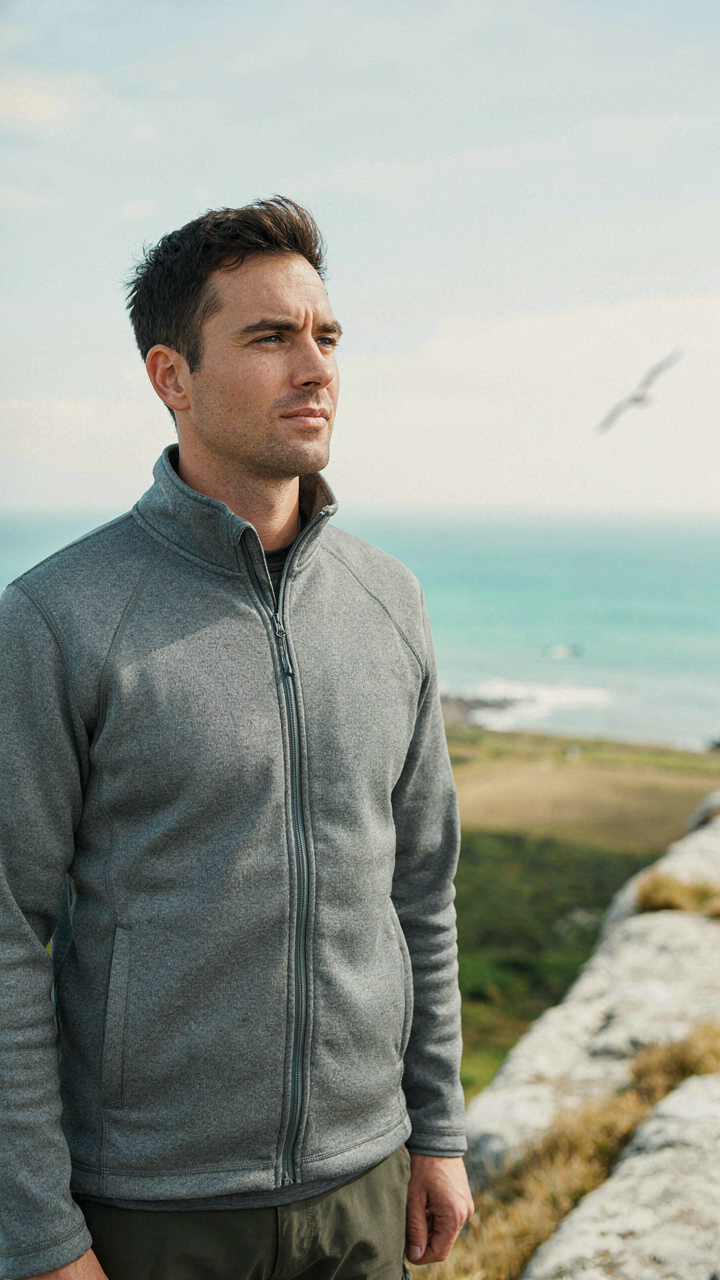
Why Your Body Floods With Dopamine First
You want to know this because you’re trying to figure out if you’re actually brave or just chasing a chemical high—and whether that matters. Here’s the mechanism: extreme sports trigger a neurochemical cascade that starts with dopamine, not serotonin. Dopamine fires during novelty and uncertainty. Your brain floods it when you’re about to drop into something unpredictable. This is the reward prediction signal, not the reward itself. It keeps you locked in.
Serotonin comes after, during the integration phase. That’s the calm-down chemical that arrives once the threat has passed and you’ve survived. Most people confuse these two roles. They think the high is one feeling. It’s actually two distinct phases running in sequence. Dopamine gets you to the edge. Serotonin lets you land safely and feel good about it. Timing matters because if you bail before serotonin hits, you don’t get the closure loop—you just chase dopamine again.
The Override That Makes You Commit
Neuroscience borrowed the concept of gate control from information theory, and your prefrontal cortex is the gatekeeper deciding what signals get through to action. When you’re standing at a cliff or a drop, your prefrontal cortex receives competing inputs: fear from the amygdala, rational cost-benefit analysis, social pressure, prior experience. The override happens when one signal becomes so dominant that it bypasses deliberation entirely. That’s not bravery. That’s the prefrontal cortex switching from decision mode to execution mode.
The common advice says you need mental toughness to override fear. Wrong. You need to structure the decision so there’s no override required. This means removing variables before you commit. Scout the line first. Watch someone else do it. Practice the exit strategy until it’s automatic. When you reach the edge with incomplete information, your prefrontal cortex has to choose between competing uncertainties—and it defaults to the signal that’s been rehearsed most recently. Execution beats willpower because execution requires no decision at all.
The Competence Protocol: Your First Adrenaline Bucket List
Build Before You Burn
You want the story, not the work. That’s why this section matters to you. The real mechanism is this: competence builds in layers, and skipping layers kills you or breaks your confidence permanently. Borrowing from motor learning theory, your nervous system has a “progression window” where it adapts to controlled stress. Rush past it and you don’t graduate to the next level—you regress or quit.
Most beginner advice says “start small.” That’s correct but incomplete. Small doesn’t mean safe if it’s unstructured. You need deliberate repetition at the edge of your current ability, feedback loops that tell you what failed, and recovery time between attempts. A surfing beginner who catches waves on a waist-high beach break for two weeks straight builds real skill. A beginner who tries overhead waves on day three because “small” bores them builds fear and scar tissue.
The Adjacent Possible For Adrenaline
The concept of adjacent possible comes from complexity theory: you can only move to the next state of capability from where you currently stand, not from where you wish you were. Your adrenaline bucket list works the same way. Each sport unlocks the next one because the skills stack, not because you’re “tough enough.”
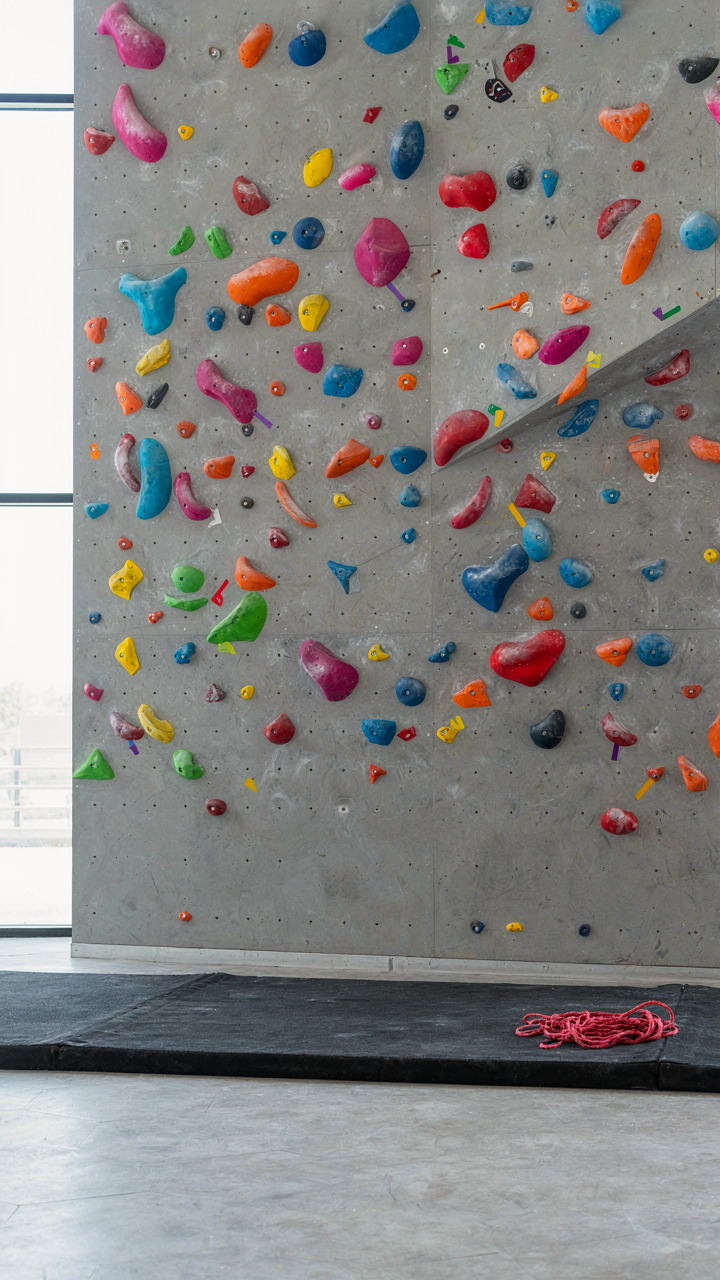
- Rock climbing to ice climbing: Wall climbing teaches anchoring, rope management, and reading terrain. Ice adds tool technique and steeper physics, but your safety foundation transfers directly.
- Skateboarding to snowboarding: Both require edge control, weight distribution, and commit timing. Skateboarding builds confidence on how your body responds when locked into a moving board.
- Whitewater kayaking to sea kayaking: Paddling mechanics, water reading, and roll recovery are identical. Sea kayaking adds endurance and navigation, not fundamental new skills.
- Surfing to bodyboarding to windsurfing: All three share wave selection, pop timing, and line reading. Windsurfing layers in sail control as an added variable, not a new category.
- Bouldering to lead climbing to trad climbing: Movement stays the same. Lead adds rope management. Trad adds anchor placement. Each step builds on what your hands and feet already know.
Build your bucket list by working backward from what genuinely pulls you. Find the adjacent entry point, not the flashy peak. Your first jump shouldn’t be skydiving—it should be the activity that makes skydiving feel like the natural next step, not a leap into the void.
Beyond Gear: The Minimalist Toolkit For Adventure Sports
Separating Signal From Marketing Noise
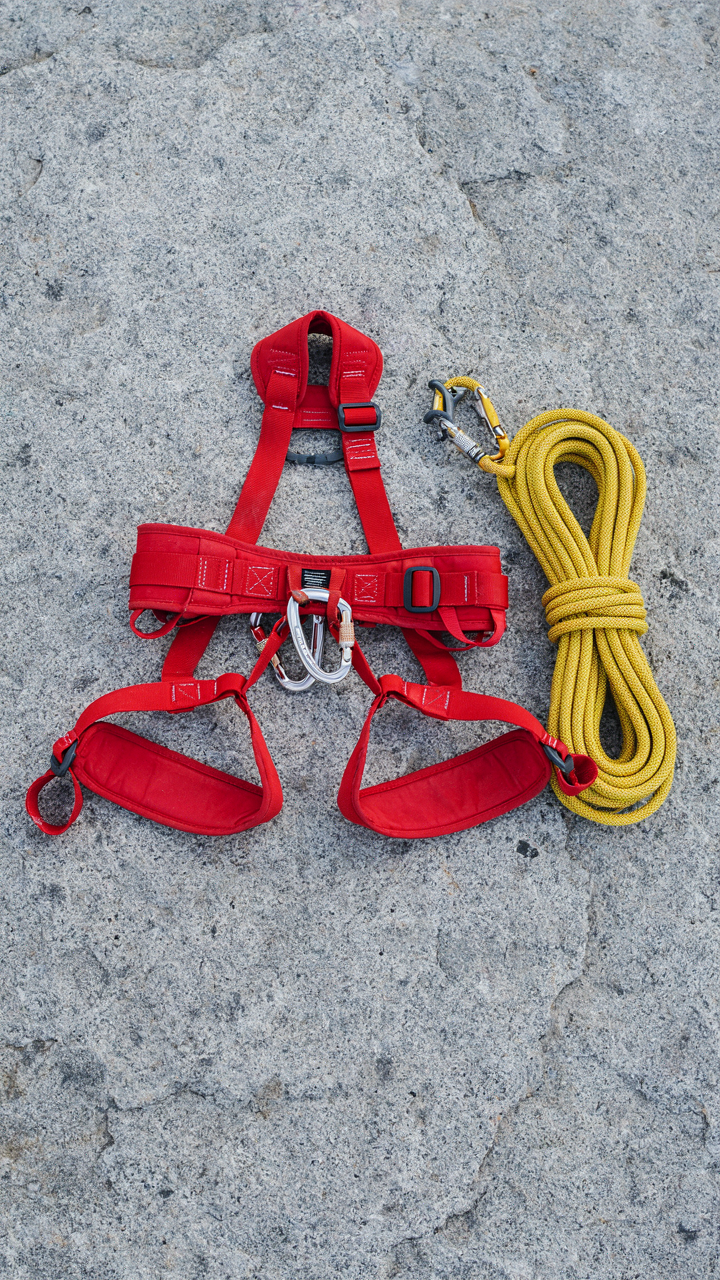
You’re worried that buying the wrong gear will either get you hurt or make you look unprepared. Here’s what actually happens: most beginners buy equipment that solves problems they don’t have yet. The mechanism is simple—gear companies profit from your uncertainty, so they bundle features into “starter packages” that you’ll never use. A beginner rock climber doesn’t need a harness with four gear loops. They need a harness that fits.
The separation between essential and status is brutal once you see it. Essential gear does one thing: it either keeps you alive or lets you execute the sport’s core skill. A climbing harness is essential. A premium harness with extra padding is not. Your first skateboard deck doesn’t need branded graphics. Your first surfboard doesn’t need a custom paint job. Strip away everything that exists for brand recognition or social proof, and you’re left with maybe 40 percent of what marketing suggests you need.
The Constraint As Competitive Advantage
Military logistics uses the concept of “minimum viable force”—the smallest resource allocation needed to accomplish the mission without waste. In extreme sports for first timers, this translates directly: the least amount of gear forces you to develop actual skill faster. You can’t compensate with equipment. A climber on a basic rope learns rope management through repetition, not through owning premium gear. A skier on modest equipment learns edge control because they have less forgiveness.
This creates an unexpected edge. Beginners who start minimal learn the sport’s mechanics instead of learning their gear’s features. They build competence, not dependence. When you eventually upgrade, you’ll know exactly what the premium feature solves because you felt the problem firsthand. Start with the absolute baseline for your chosen sport. Document what fails or limits you after ten sessions. Only then does buying the next tier of equipment make sense.
Risk Calibration: Not All Thrills Are Equal For Adrenaline Junkies
The Gap Between What Feels Dangerous And What Actually Is
You’re reading this section because you want permission to do something that scares you without admitting you’re afraid of dying. The mechanism that matters is this: psychology and physics don’t align in extreme sports. Your nervous system fires the same way watching a 50-foot cliff as it does standing on one. Perceived risk and actual risk operate on different scales entirely. A sport can feel terrifying but carry minimal fatality risk. Another can feel manageable while hiding systemic failure points. This gap kills people who confuse sensation with danger.
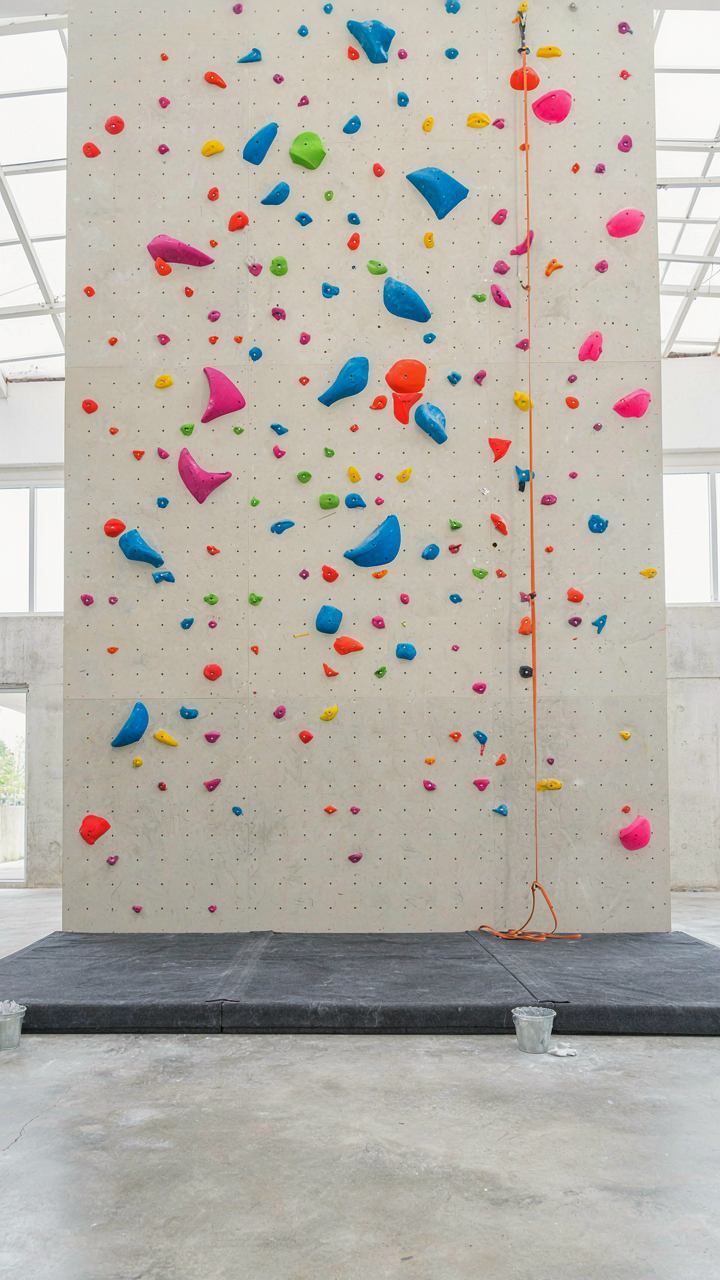
Mountaineering has a fatality rate around 1 to 4 per 100,000 participant-days depending on the peak. Indoor rock climbing sits closer to 0.01 per 100,000 participant-days. Both trigger genuine fear. One is substantially more lethal. The difference isn’t how scared you feel in the moment. It’s the number of variables outside your control. Climbing indoors means equipment checked by professionals, routes certified, walls inspected. Mountaineering means weather systems, altitude sickness, rockfall, avalanche terrain. Your amygdala can’t detect this difference. Your brain treats both as threats of equal magnitude.
Why Marketing Sells You The Wrong Gateway Sports
Every listicle about adrenaline rushes recommends skydiving first, bungee jumping second, then base jumping. This is backwards and expensive. Marketing targets the activities with the best video footage and rental revenue, not the ones that build the actual competency you need. Base jumping has a fatality rate of roughly 1 in 2,300 to 1 in 500 depending on the study and population sampled. Skydiving with a tandem instructor sits around 0.0007 fatalities per 1,000 jumps. The marketing algorithm doesn’t care. It sells the narrative of maximum adrenaline regardless of whether you’re prepared for the mechanics underneath.
Skydiving feels extreme because you’re falling from altitude. The reality: an instructor handles all variables. You’re a passenger experiencing sensation. This builds zero decision-making muscle for actual high-risk environments. A beginner should start with sports that teach risk assessment under low stakes. Rock climbing teaches you to evaluate holds, routes, and equipment failure modes. Whitewater kayaking forces you to read water conditions and commit to decisions. Mountaineering teaches expedition logistics and weather interpretation. These build the pattern recognition you need before your choices actually matter. Start with the sport that teaches you to think in conditions of uncertainty, not the one that feels the most like dying while someone else manages the outcome.
The 3 Stage Progression Method For Adrenaline Fueled Travel Ideas
Start With The Easiest Version First
You want to skip ahead because you think you’re different, but you’re not. Everyone overestimates their tolerance for fear and underestimates how quickly technique breaks down under stress. The mechanism is simple: your nervous system needs calibration, not motivation. Start with the beginner variant of the sport, not a watered-down version of it.
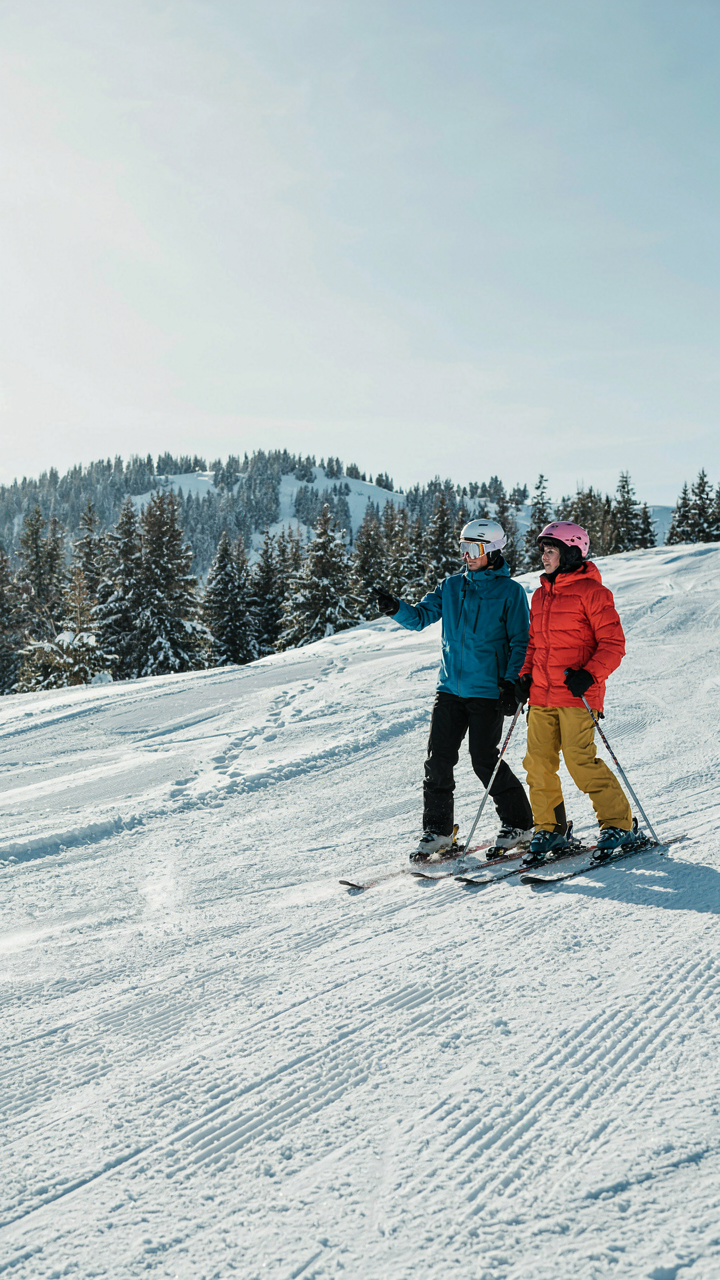
Rock climbing gyms exist for a reason. Tandem skydives have an instructor. Beginner ski slopes aren’t for kids only. These aren’t soft options. They’re controlled environments where your body learns the core movement pattern without information overload. Your brain can only process so many variables before it shuts down and makes poor decisions. Remove variables first, add them later.
Build Complexity One Layer At A Time
Military training uses progressive overload for a reason: stress inoculation. You add one new stressor, let adaptation happen, then add the next. Never stack three new variables at once. If you’re learning to surf, nail the pop-up on flat water first. Then add small waves. Then add crowd navigation. Then add current awareness. The sequence matters more than your fitness.
Each progression step should feel slightly uncomfortable but not chaotic. You should be able to focus on one specific skill, not survive. This is why rental gear and guided tours work for first attempts. They handle logistics so your attention stays on learning the movement. The final step: before moving to the next stage, repeat the current stage until you stop thinking about it and start reacting.
Training Your Gut: Prepping For Adrenaline Rush Travel Ideas

The Unglamorous Work Before The Rush
You want to feel invincible on camera. You want the story. But your body will betray you if it can’t move the way the sport demands, and that’s the real bottleneck nobody admits. Functional conditioning isn’t about looking strong—it’s about teaching your nervous system to stabilize under load in the exact positions the sport forces you into. Rock climbing demands shoulder stability in overhead positions. Kiteboarding requires core tension while your legs absorb rotational force. Skydiving puts compression stress on your spine during landing. The mechanism is specificity: your muscles only strengthen in the ranges of motion you train them in.
Most first timers assume they need gym strength. Wrong. You need mobility and stability in positions that feel unnatural. This means loaded stretching, single-limb work, and practice with unstable surfaces. A rock climber doesn’t need bench press numbers—they need shoulder blade control and finger tendon resilience. A mountain biker needs hip stability and ankle mobility, not deadlift records. Train the exact movement patterns the sport demands, under controlled stress, for 4 to 6 weeks before attempting it. Your connective tissue hardens slower than your muscles adapt, so rushing this phase guarantees injury.
Discomfort Is Data, Not A Warning Sign
Psychology borrowed the concept of “stimulus tolerance” from physiology, and it applies directly to adrenaline management: your nervous system adapts to stress the same way your muscles adapt to load, but only if you expose yourself to graduated doses. People confuse fear with inadequate preparation. Fear is usually just unfamiliar sensation. You build tolerance by sitting in discomfort regularly, not by avoiding it until the real event forces your hand. Start small. Take ice baths. Run in the cold. Practice controlled falls on a rope. Embrace nausea during training. Each exposure raises your threshold.
Mental resilience isn’t confidence—it’s the ability to execute technique while your amygdala fires. The skill you’re building is compartmentalization: telling your nervous system “this input is normal” through repetition. Spend one week doing one uncomfortable thing daily before your trip. Sit in a sauna for 15 minutes. Do cold plunges. Hang upside down. Simulate the physical sensation the sport will create, minus the actual danger. By the time you’re at altitude or on the water, your nervous system has already labeled these feelings as survivable. That’s the difference between panic and performance.
The Unspoken Rules Of The Extreme Sports Tribe
The Hierarchy Isn’t Written Down
You want to know the order so you don’t embarrass yourself. Here’s the mechanism: extreme sports communities operate on a merit-based social ladder, similar to military rank structures where advancement depends on demonstrated competence rather than seniority alone. You can’t fake your way up. Experienced athletes can read your movement quality within seconds. They spot hesitation in your body, sloppy technique, and whether you’re still thinking about what comes next instead of committing to it. This isn’t judgment. It’s pattern recognition.
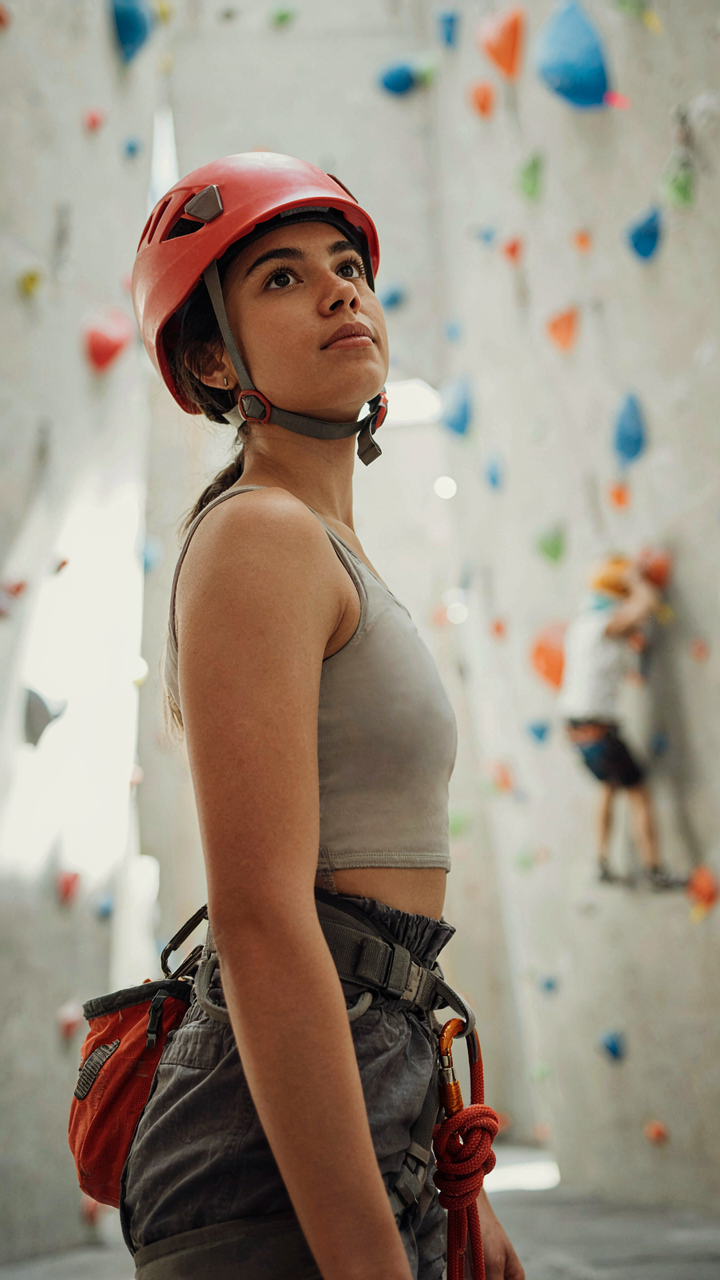
The code is simple: watch before you act, ask before you assume, and prove competence before asking for advice. Veterans don’t resent newcomers. They resent people who skip the learning phase and demand shortcuts. When you show up to a rock climbing gym or a skate park, the experienced climbers and skaters aren’t keeping score against you. They’re evaluating whether you respect the sport enough to move slowly through it. Demonstrate this respect by staying in beginner zones, asking specific questions about technique rather than throwing vague concerns at someone, and never positioning yourself in a spot where your mistake becomes someone else’s problem.
The Cost Of Carrying Your Ego
Humility is the difference between walking away and being carried out. This is self-preservation, not philosophy. Your ego narrows your vision at exactly the moment you need peripheral awareness to stay alive. Climbers who ignore spotters, skateboarders who refuse to wear protective gear because it’s not cool, and surfers who paddle out in conditions beyond their ability all operate from the same delusion: that their self-image matters more than their safety.
The experienced athletes in your chosen discipline aren’t more fearless than you. They’re less convinced of their invincibility. They take advice from people who have failed at harder versions of what they’re attempting. They wear protection without argument. They ask for form checks before attempting new progressions. Build your tribe around people who admit mistakes immediately and extract lessons from them ruthlessly. Your first extreme sport teaches you something critical: arrogance is the variable that converts a learning experience into an injury.
Your True Obstacle Isn’t The Mountain, It’s The Weakness Of Your Internal Operating System

You don’t need better gear or perfect conditions. You need to rewire how you respond to discomfort. Every extreme sport first timer hits the same wall: the gap between what your body can do and what your mind allows. Close that gap today by committing to one small action that scares you, not the massive one. Show your nervous system it survives discomfort. Everything else follows from that single win. Your fear isn’t protecting you anymore, it’s just collecting dust.