
Introduction
Extreme sports and adventure sports attract many outdoor enthusiasts looking for adrenaline and challenge. These two categories often overlap but also have distinct characteristics. Understanding the differences can help you choose activities that suit your preferences and skills.
This article compares extreme sports and adventure sports. It covers their definitions, common activities, safety considerations, and how to get started safely. Whether you are trying to pick a new sport or curious about the terms, this guide will give you practical and clear information.
Differences Between Extreme And Adventure Sports
Defining Extreme Sports
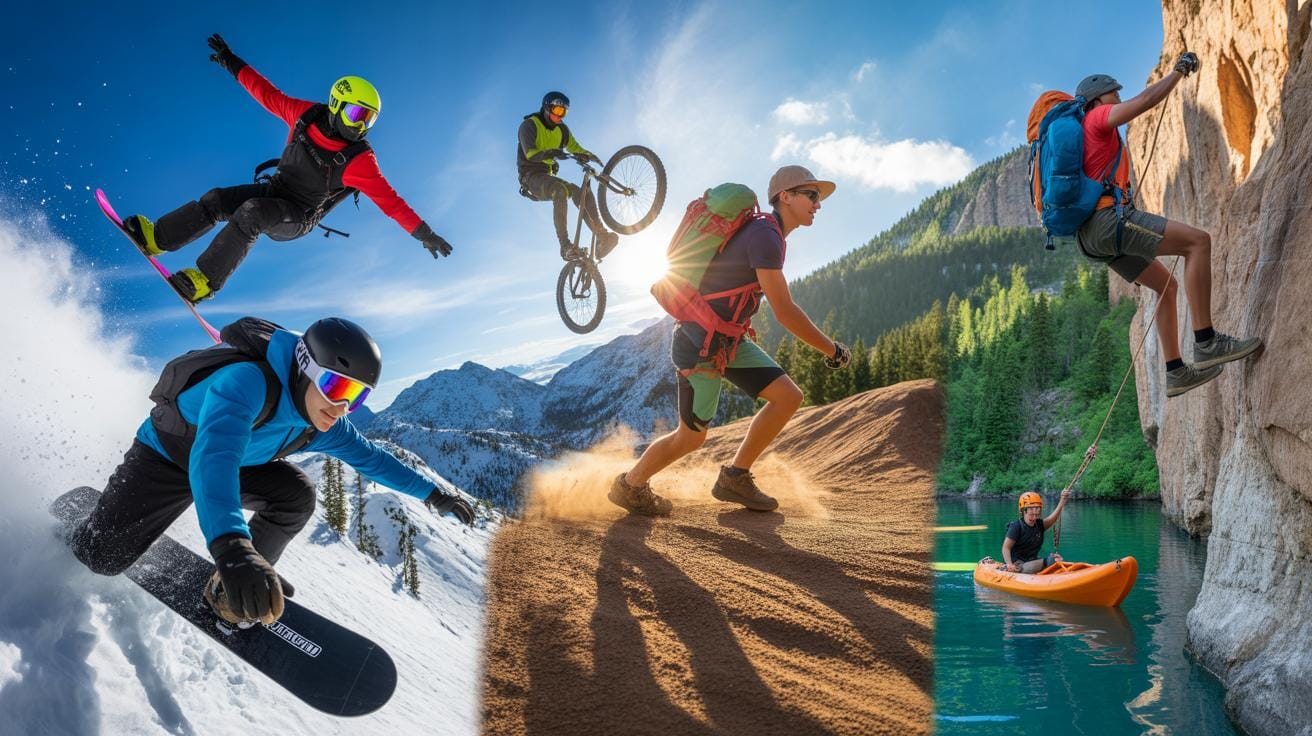
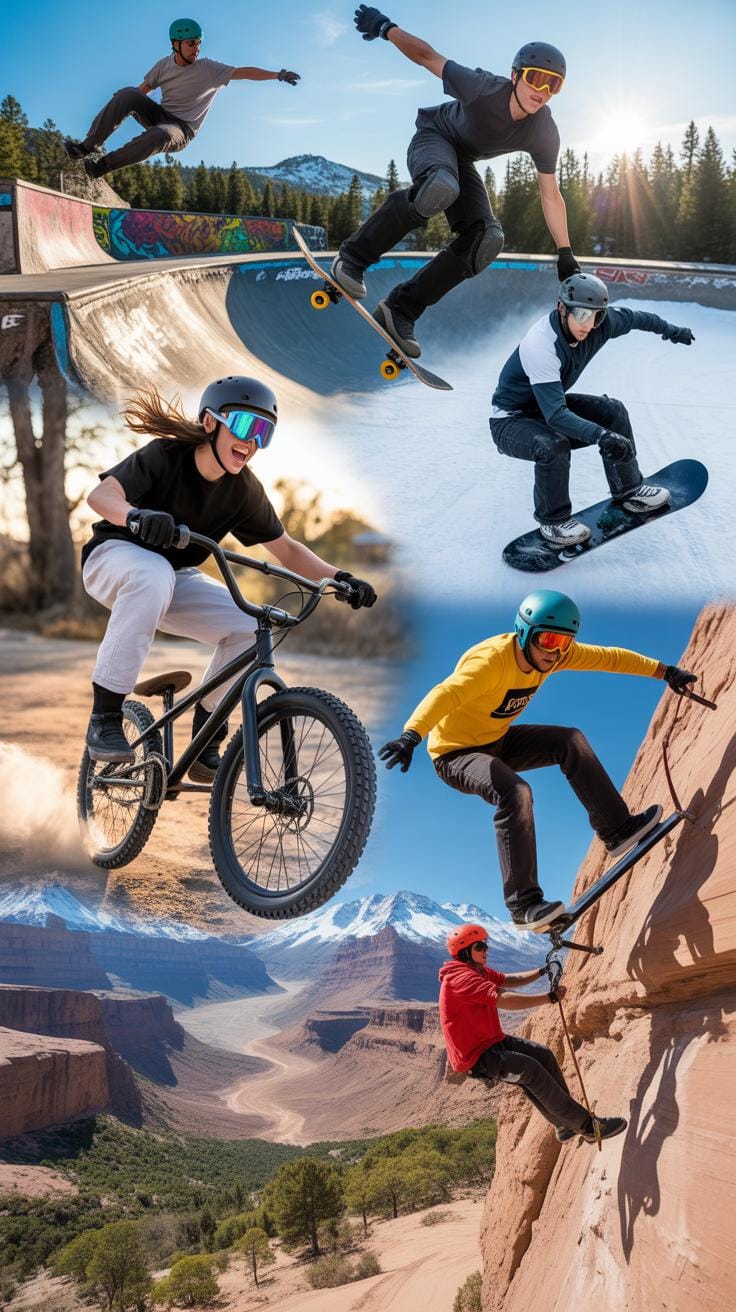
Extreme sports focus heavily on high-risk, intense physical exertion, and specialized gear. They often involve unpredictable natural elements like wind, water, or terrain that you can’t control. Think of skydiving, where you free fall from thousands of feet, or bungee jumping, where you jump off a platform with just a cord attached. Snowboarding involves speed, balance, and responding to changing snow conditions. These sports demand quick, precise mental and physical reactions, alongside courage — sometimes bordering on recklessness.
What’s really striking is how these sports aren’t just about competition; they’re about pushing boundaries where an element of danger makes the experience thrilling yet precarious. Unlike traditional sports, where settings and rules are fixed, extreme sports are shaped by natural surroundings and constantly changing factors.
Defining Adventure Sports
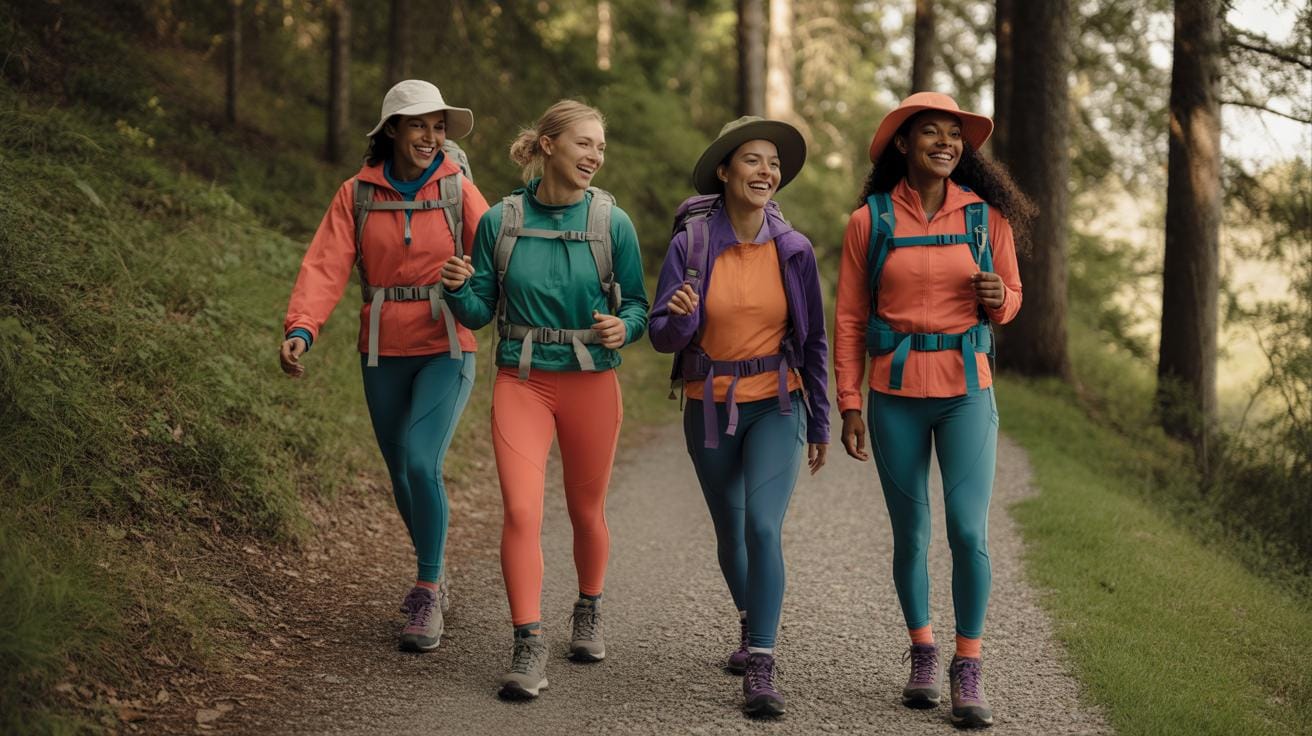
Adventure sports share the physical challenge but usually at a lower risk level. They emphasize exploration and endurance — hiking rugged trails, paddling through rivers in a kayak, or biking over mountain paths. These activities ask for stamina and skill but generally avoid the acute danger present in extreme sports.
Adventure sports invite you to immerse yourself in nature and test your limits progressively. They let you enjoy the journey and the environment more than just the adrenaline rush. So, if you prefer a steady challenge with a chance to discover new landscapes, adventure sports might suit you better. The risk isn’t absent, but it’s typically more manageable.
Common Activities In Both Sports Categories
Popular Extreme Sports
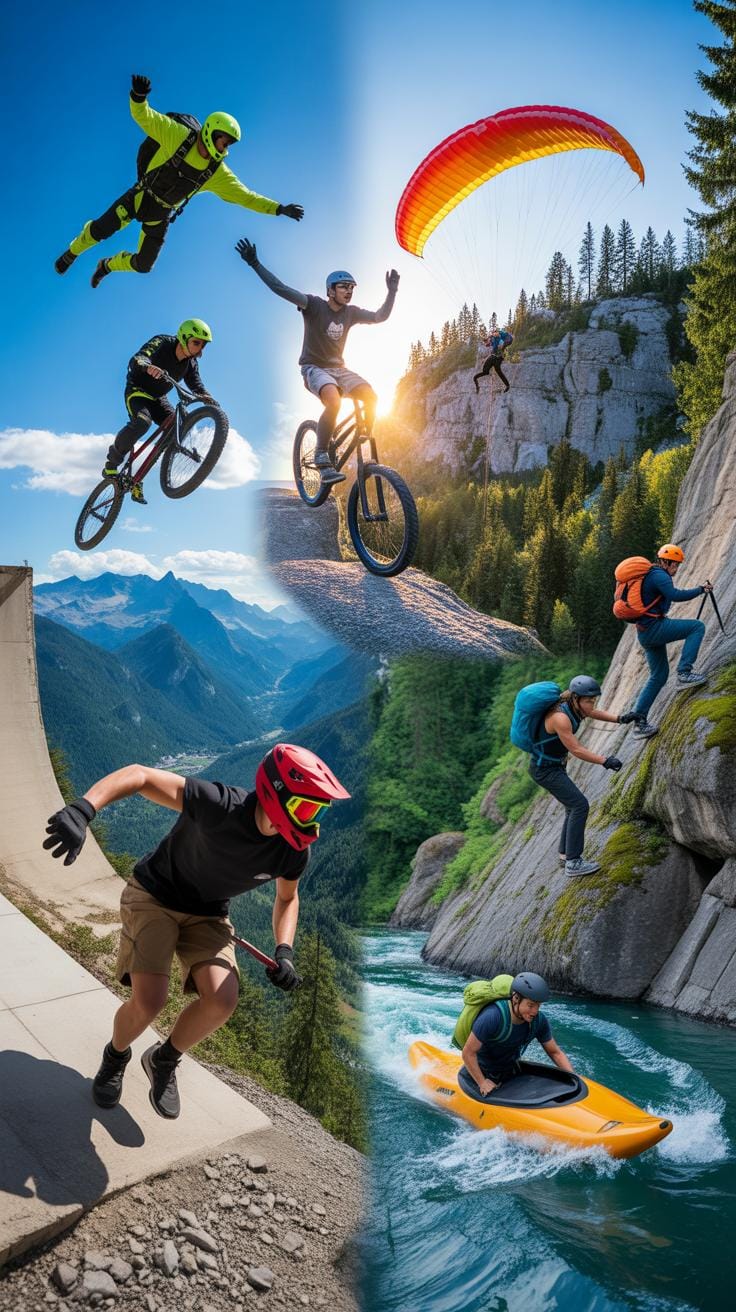
Extreme sports are often about pushing limits, typically involving speed, height, or risk. Think about sports like skydiving or base jumping. You leap from planes or cliffs, hurtling through the air with gravity as your fierce companion. The danger element feels very real here, and honestly, that’s what pulls many into the sport.
Snowboarding, especially in big mountain terrains or half-pipes, fits here too. It’s not just the chill of the snow but the risk of falling from steep slopes at high speeds. Or take motocross—riding motorcycles over rough tracks with jumps and sharp turns requires skill and nerve. The speed and height combined with the unpredictable terrain make these sports stand out.
Then there’s surfing. Though it might seem more “relaxed,” extreme surfing happens on giant waves that only a few dare to challenge. The risks of wipeouts and drowning make it extreme. It’s like these sports demand not just physical skills but a mental readiness to face real danger.
Popular Adventure Sports
Adventure sports lean more towards exploration and endurance rather than raw adrenaline bursts. Things like trekking or backpacking are great examples. You’re out in the wild, sometimes in remote places, with physical endurance as the key. The challenge is less about sheer speed or height and more about navigating and surviving.
Others include white-water rafting or kayaking, where teamwork and skill help you maneuver through turbulent river rapids. The thrill is there, sure, but with a somewhat controlled risk, supported by safety gear and guides. Rock climbing fits here too, especially when it’s about ascending natural rock faces over long routes, which tests endurance and planning rather than sheer speed.
Subtle overlaps exist, like climbing—some forms are extreme because of the height and exposure; others feel more adventure-oriented thanks to the experience of exploration it offers. You might find yourself wondering—where do we draw the line between adrenaline and endurance? Maybe it’s not so clear-cut after all.
How Environmental Factors Affect Extreme Sports
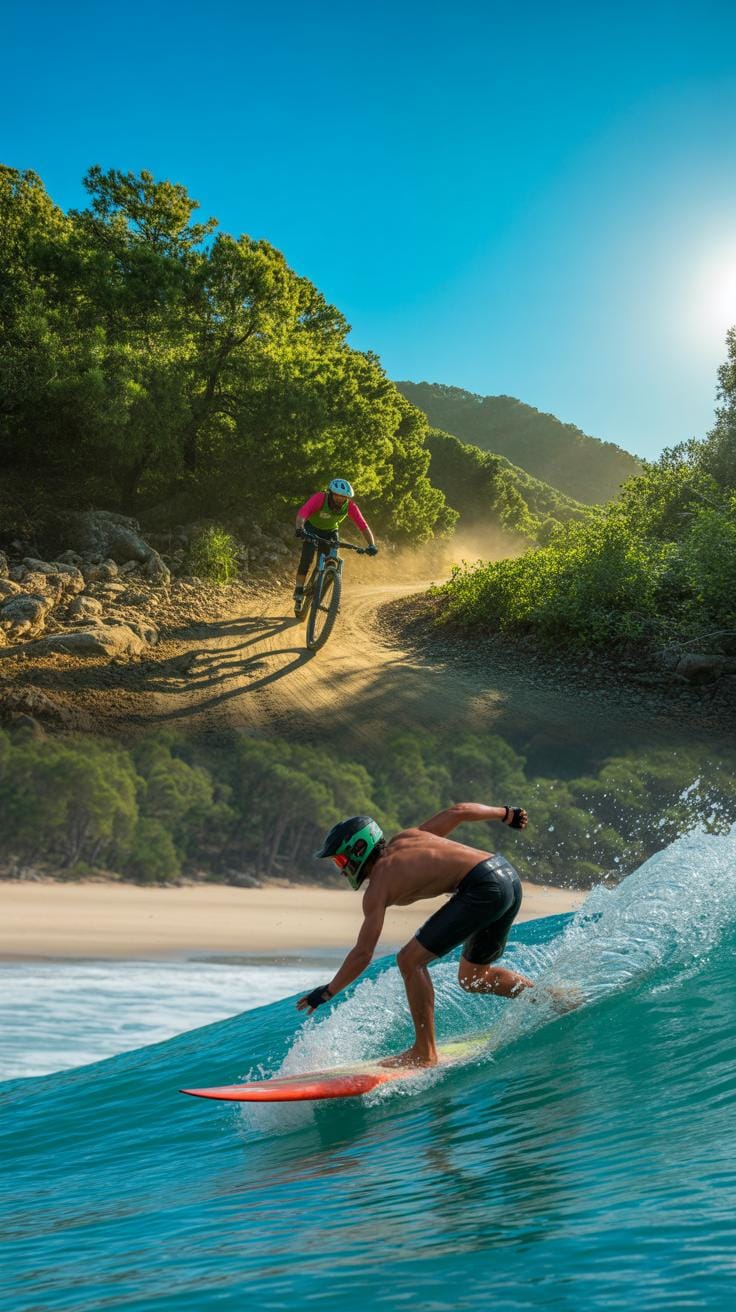
Extreme sports are deeply tied to their environment. Weather, terrain, and natural conditions shape how these activities unfold, often in unpredictable ways. Think about snowboarding — changes in snow texture, from powdery to icy, can mean the difference between landing a trick or wiping out hard. Similarly, surfers rely on waves, which vary with tides and wind. A slight alteration in these factors can boost performance or turn the session into a struggle.
Weather Impact On Performance
Wind, rain, and temperature don’t just add atmosphere; they alter safety and technique. Wind gusts can throw off a base jumper’s trajectory or a kiteboarder’s control. Rain can make climbing holds slick, testing grip beyond usual limits. Cold or heat taxes your body differently, affecting stamina and focus. You might start strong but fatigue faster under harsh conditions. It’s not just about skill; it’s about adapting on the fly.
Terrain Challenges In Extreme Sports
Terrain adds layers of complexity. Mountains challenge climbers with sudden rockfalls or unstable ice. Rivers and oceans present currents and wave shapes that constantly shift. Urban environments bring their own hurdles — unpredictable ledges or gaps for parkour athletes. These elements ensure that no run or attempt feels exactly the same. They require not only physical preparedness but quick mental adjustments to navigate risks and seize the moment.
Safety Equipment And Precautions For Extreme Sports
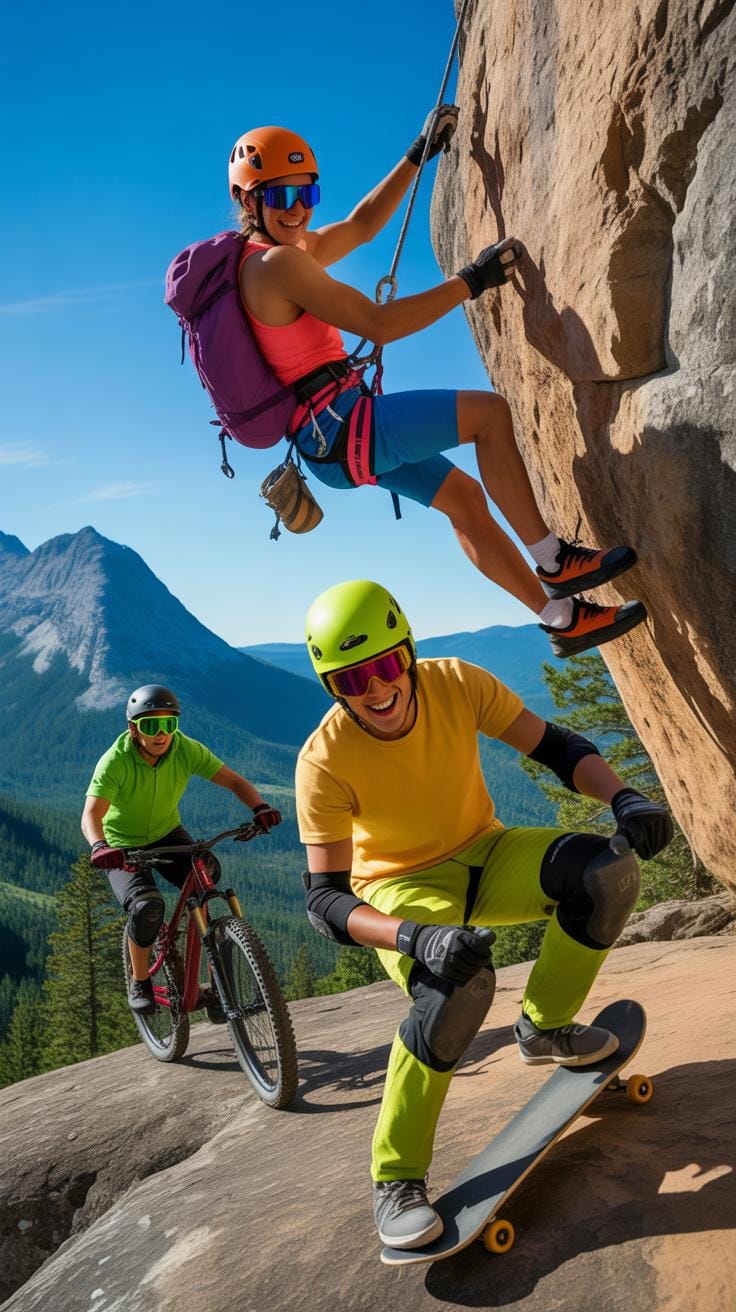
When you dive into extreme sports, the first thing to realize is that safety gear isn’t just a nice-to-have; it’s a need-to-have. Helmets, harnesses, and specialized clothing form the backbone of minimizing risk. Helmets protect your head from impacts—something you might underestimate until you’ve faced a hard fall or a sudden knock.
Harnesses, especially in climbing or aerial sports, aren’t just straps; they’re your connection to survival. Then there’s specialized clothing designed to protect you against abrasions, bad weather, or rapid temperature changes—think waterproof jackets for kayaking or padded suits for mountain biking.
Without the right gear, you increase injury risk substantially. It might feel cumbersome or over the top to wear all this, but that hesitation can cost dearly.
Common Safety Gear
Different extreme sports demand different sets of equipment, but there’s often overlap:
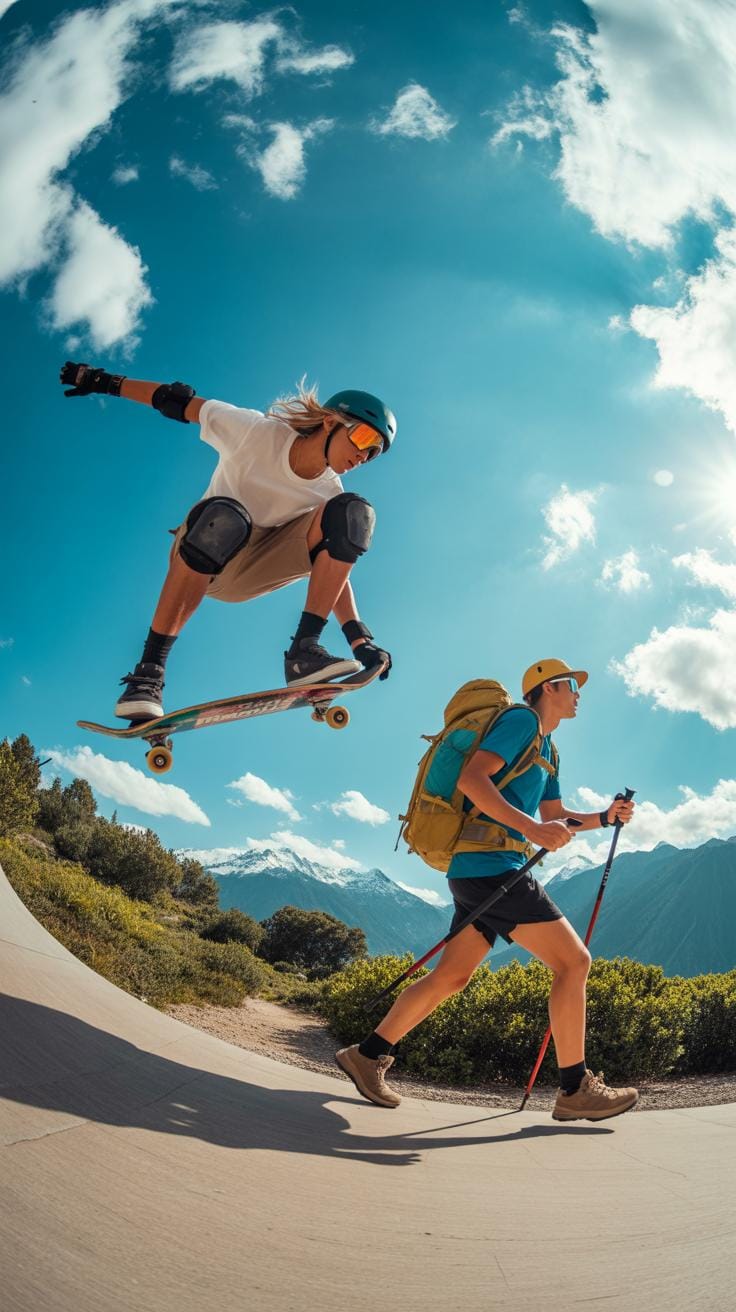
- Helmets: Used in mountain biking, skateboarding, and skiing to prevent head trauma.
- Harnesses: Essential in rock climbing, bungee jumping, and zip-lining to secure you properly.
- Protective Pads: Elbow, knee, and wrist guards in sports like BMX biking and skateboarding.
- Specialized Clothing: Wetsuits for surfing or diving, and padded, moisture-wicking clothes for skydiving or snowboarding.
- Gloves: Provide grip and protection in sports such as rock climbing or motocross.
Specific examples matter too. Rock climbers won’t just grab any harness; they look for one with strong buckles and padding. Skydivers rely heavily on their parachute harness systems, where failure is literally not an option.
Pre-Activity Safety Checks
It’s not just about having gear but making sure it’s in top shape. Before you start any activity, a thorough inspection is crucial:
- Check helmets for cracks or dents; even small damage can reduce effectiveness.
- Inspect harnesses for frayed straps or loose stitching that could fail under stress.
- Verify that buckles and clips function properly, locking tightly without slipping.
- Test specialized clothing for tears or worn-out insulation, especially in cold or wet conditions.
- Ensure gloves fit well and don’t restrict movement or grip.
Many athletes overlook or rush these checks, but a split-second failure due to overlooked gear damage can lead to serious injury. Ask yourself—have you thoroughly inspected all your safety equipment today? Keeping this habit could make all the difference.
Health Benefits Offered By Extreme And Adventure Sports
Physical Fitness Gains
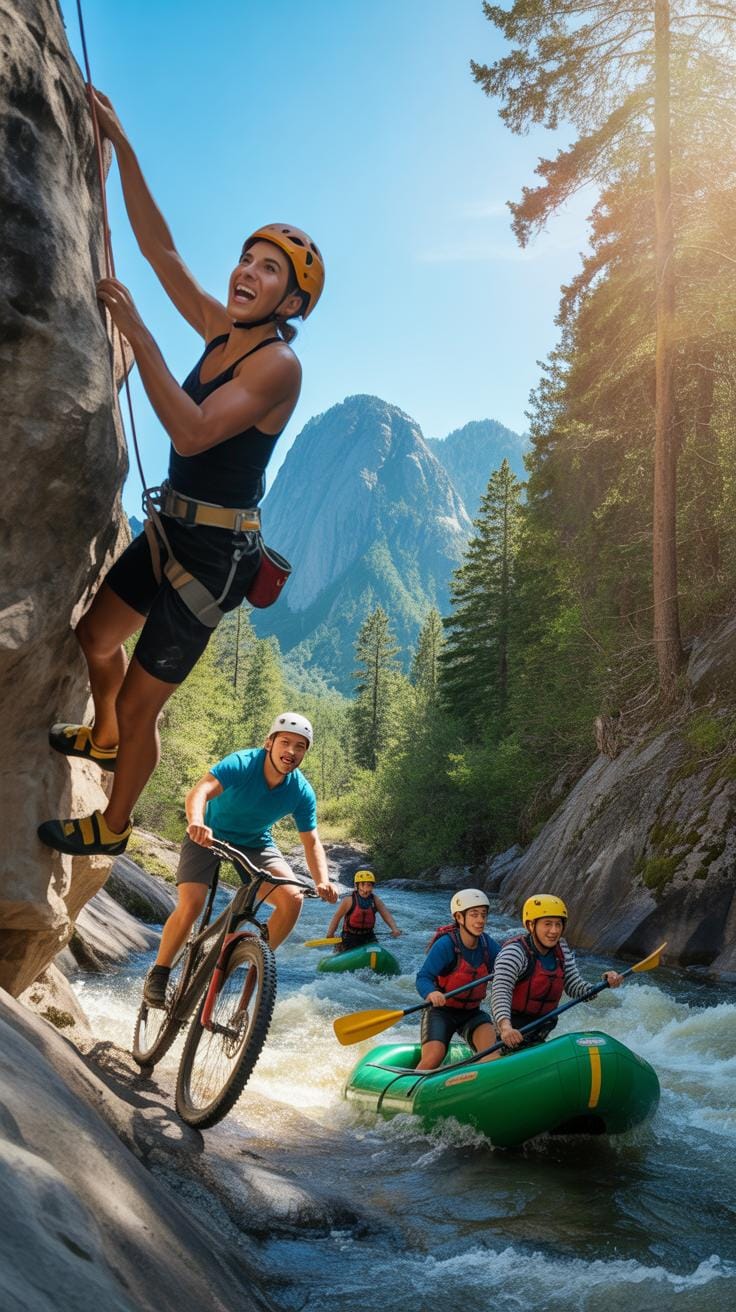
Engaging in extreme sports challenges your body in ways that regular workouts simply don’t. Your strength gets tested—lifting your own weight during rock climbing or balancing intensely on a mountain bike demands muscle power you might not realize you have. Endurance is another key gain; say, when you spend hours white-water rafting or hiking through difficult terrains, your cardiovascular system pushes harder. Coordination improves because you constantly have to adjust to unpredictable environments, like reacting swiftly to wind shifts when skydiving or adjusting your posture during snowboarding. You might feel sore afterward, but it’s a thorough workout for your whole body.
Mental Health Improvements
The mental benefits can be just as significant, maybe even more surprising. Stress reduction happens naturally—when you’re focusing on the climb or the next wave, other worries fade into the background. This intense focus pulls you away from stressors better than typical relaxation techniques sometimes. Your confidence gets a boost each time you conquer a new challenge or push your limits. That feeling of ‘I did it’ is unique to activities that test both mind and body. Your ability to concentrate sharpens as well; navigating fast decisions while balancing risk improves mental sharpness in daily life too. Yet, I wonder if the thrill might sometimes mask deeper anxieties rather than erase them—but perhaps that’s part of the appeal.
How To Choose The Right Sport For You

Choosing an extreme sport can be a bit tricky because of the nature of these activities. They often involve a mix of speed, height, and natural elements — things that can be unpredictable. So, understanding your personal limits is key.
Start by assessing how much risk you are genuinely comfortable with. This is not about bravado but about being realistic with yourself. If you have any doubts about how you’d react under pressure or in risky situations, factor that in.
Begin with options that allow you to safely build your skills. For instance, if you’re curious about climbing but worried about heights, indoor climbing gyms are a great way to start. They offer controlled environments that can ease you into the sport.
Consider these steps:
- Research the sports thoroughly. Watch videos, read about the gear, and understand the physical demands.
- Try trial sessions whenever possible. Many places offer introductory classes or rentals, so you can get a feel without heavy investment.
- Consult professionals or experienced enthusiasts. Their insights can reveal what you might not consider initially.
Remember, some sports may appeal due to their thrill, but if they don’t match your fitness level or interest, sticking with them could lead to frustration or injury. The right sport for you is one that challenges yet feels right—something you feel drawn to and can progress in gradually.
Where To Find Training And Support

Local Clubs And Schools
If you’re serious about extreme sports, local clubs and sports schools often offer the most direct route to getting started or improving your skills. These places typically provide structured programs tailored to different skill levels — beginners get to learn basics safely, while seasoned athletes find advanced workshops. You’ll often see coaching sessions focused on technical skills, safety training, and sometimes even physical conditioning specific to your chosen sport.
What struck me when I first checked out a local climbing gym was how community-oriented these clubs were. They don’t just train you; they try to connect you with others who share your passion. Some clubs organize regular outings, which can be an ideal way to experience the sport in real conditions — something you can’t quite replicate indoors or solo. Schools often align with certified instructors, ensuring that you learn correct techniques from the start, which is crucial to avoid injuries.
Online Resources And Communities
Haven’t got a club nearby? Online platforms offer surprising depth. Websites, forums, and video tutorials can give you access to expert advice otherwise hard to find. You might find step-by-step guides on mastering specific tricks or overcoming common challenges. Even if you’re skeptical about learning a hands-on sport online, these resources often fill in vital gaps between in-person training sessions.
For example, forums dedicated to extreme sports host discussions where users share experiences, gear reviews, and safety tips. Watching videos repeatedly lets you break down moves at your own pace. Though nothing replaces real-world practice, online communities can boost your confidence and provide ongoing motivation. Curious if online training can suffice alone? Opinions vary, but blending both online tips with in-person practice tends to work best.
Costs And Equipment Needed For Popular Sports

When it comes to extreme sports, gear costs can jump quickly. Think about skateboarding or snowboarding—boards or snowboards alone can range from a few hundred to over a thousand dollars. Then there’s safety gear like helmets and pads, which you definitely don’t want to skimp on. For something like rock climbing, harnesses, ropes, and shoes add up, with a good harness often sitting around $100 or more. And let’s not forget specialized gear like wingsuits or paragliding can easily push costs higher.
Training isn’t always cheap either. Expert instruction often means booking certified guides or trainers, which might be out of reach if you’re just getting started. But here’s a trick: many local clubs and community centers offer group sessions or even discounted lessons. Online tutorials can fill in some gaps too, though they can’t replace hands-on guidance entirely.
Buying used gear is another practical way to save money, especially since extreme sports equipment is often durable and well maintained. Sometimes, rental options make sense if you’re testing the waters or only do the sport occasionally.
In the end, budgeting for extreme sports requires some juggling. Prioritize essentials, keep an eye out for deals, and remember that sometimes investing a bit more upfront in quality gear can mean fewer replacement costs down the line. What gear would you consider absolutely necessary for your sport? And where might you cut corners without risking safety?
Notable Athletes And Their Impact On Extreme Sports
Pioneers In Extreme Sports
When exploring extreme sports, it’s difficult to overlook the sheer influence of pioneers like Tony Hawk and Laird Hamilton. Tony Hawk, for instance, didn’t just skate; he redefined skateboarding. Born in 1968, Hawk’s journey began on a modest skateboard gifted by his brother. By 14, he turned pro, dominating competitions and inventing over 100 tricks. His landmark achievement, landing the “900” trick in 1999—a mid-air 2.5 rotation—captivated global audiences. Hawk’s tenacity put vert skateboarding in the spotlight and inspired countless young athletes.
Laird Hamilton, a big-wave surfer born in 1964, innovated surfing in a completely different dimension. Far from conventional contests, he respected the art of surfing over competition. Hamilton dared to push limits, co-inventing tow-in surfing, enabling surfers to conquer previously unattainable giant waves. His blend of courage, creativity, and athleticism shaped big-wave surfing’s development profoundly. Both Hawk and Hamilton illustrate how individual pioneers do more than compete; they transform sports into cultural phenomena.
Inspirational Stories
The human stories behind these athletes motivate anyone passionate about extreme activities. Tony Hawk’s early hyperactivity and academic challenges didn’t halt his drive; instead, skateboarding became his outlet. Landing the 900 took twelve tries—a testament to persistence. Imagine the frustration, yet his resolve never wavered. On the other hand, Laird Hamilton’s unconventional upbringing and rebellious spirit fostered a unique approach to sports. He wasn’t interested in traditional competition but rather in mastering the raw power of nature’s waves.
For newcomers, these tales serve as fuel during tough times. Success in extreme sports isn’t just about physical skill; mental endurance matters. Both athletes faced setbacks yet chose to innovate and inspire. You might find their approaches challenge your perspectives—pushing beyond fear, redefining limits, and embracing creativity in your own passions.
Conclusions
Extreme sports include higher risk elements with more specialized gear and often need quick decisions in unpredictable environments. Adventure sports offer adrenaline through exploration and physical challenge but may have less intense risk factors.
Choosing between the two depends on your appetite for risk, fitness level, and the kind of excitement you want outdoors. Both types promote physical health and mental resilience. Trying several types gradually will help you find what fits best.