
Introduction
European summer offers a rich aesthetic that blends vintage charm with modern-day travel, food, and fitness trends. The vintage influence creates a distinct style seen in the way people dress, the places they visit, and how they enjoy their food and fitness routines. This article looks closely at how this aesthetic shapes summer experiences across Europe.
You will discover how vintage travel styles inspire modern journeys, how traditional food choices connect to summer culture, and the unique ways fitness routines adapt to warm European climates. Each section presents practical insights to help you embrace your own European summer with vintage flair.
Vintage Travel Styles To Try
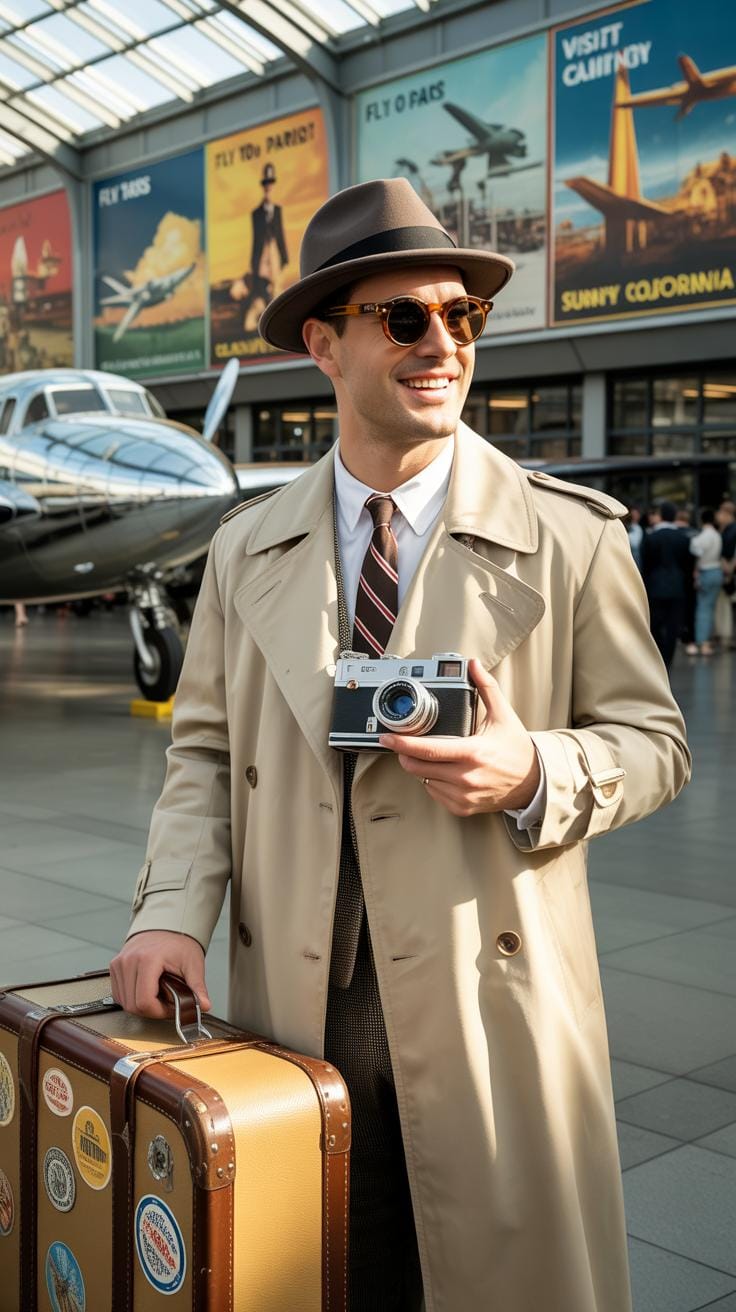
European summers seem to invite a return to classic travel styles—think 1950s linen trousers, full skirts, and soft cotton blouses. These looks don’t just shape what you wear; they also guide your choice of accessories, like wide-brim hats, cat-eye sunglasses, and wicker baskets. Travelers often favor pieces that feel both comfortable and purposeful, capturing a sense of nostalgia while staying practical for warm days. You might find yourself drawn toward outfits that look like they belong in old postcards—loose, airy fabrics with modest prints and muted colors.
When adopting these vintage trends, consider mixing eras: pair a retro scarf with a modern sundress or swap leather sandals for classic canvas sneakers. The key is to keep things simple but distinctive. Also, choosing pieces that breathe is essential, since Europe can get surprisingly warm. Try to avoid over-accessorizing—sometimes less makes the vintage vibe clearer. Don’t be afraid to incorporate a small leather satchel; it adds charm without bulk and keeps your hands free for exploring or snapping pictures.
How To Pack Vintage
Packing for a vintage-style European summer trip means balancing the old and the new. Start with foundation pieces like a pair of high-waisted shorts or a midi skirt in breathable fabric. Add a few blouses with subtle details like puff sleeves or Peter Pan collars. Scarves or headbands work wonders—not just style-wise but also for keeping your hair in check.
Bring a lightweight cardigan or a tailored blazer for cooler evenings. Don’t forget your vintage-inspired footwear: loafers, ballet flats, or slip-on espadrilles are good bets. To avoid looking overdone, blend these with modern items like a durable backpack or a versatile travel belt. Lastly, pack a neutral palette to make mixing and matching effortless. Keeping space for souvenirs always feels wise—those little antique shops call to you in unexpected ways, and you may want room for that perfect vintage find.
Top Vintage Destinations
Some European spots seem made for vintage lovers, especially in summer. Think the French Riviera’s old-world glamour, where seaside cafes spill out onto sunlit boulevards lined with art deco buildings. There’s also Portofino in Italy, a small fishing village whose pastel houses and classic yachts echo decades past.
Head north to Copenhagen, which blends Scandinavian minimalism with vintage market culture, offering unique finds and stylish streetwear inspired by past eras. Then there’s Prague, whose cobbled streets and baroque architecture give a gothic yet romantic backdrop to vintage fairs during summer weekends.
Each place carries a distinct mood. Some lean more toward high-class elegance, others carry casual bohemian flair. But all offer chances to wear your vintage best, explore charming boutiques, and savor a slower, more intentional vacation style that almost makes the modern world pause for a while.
Classic European Summer Foods
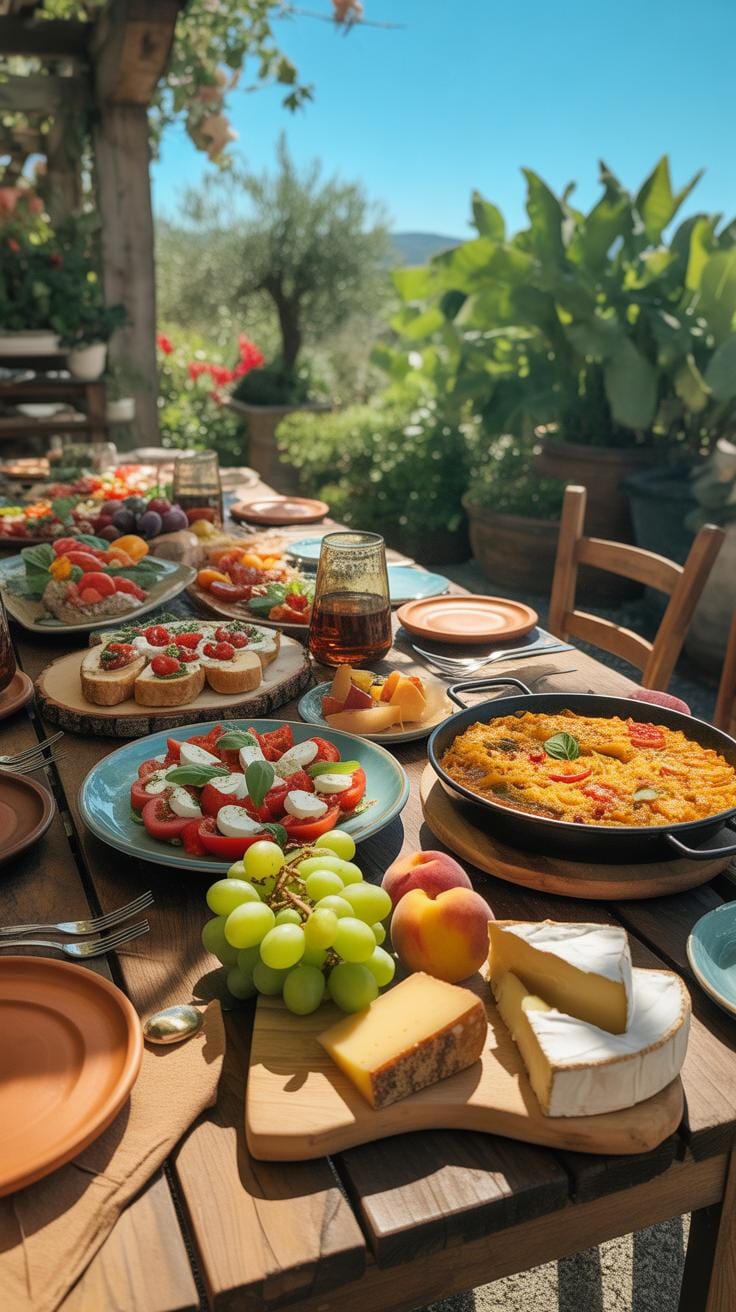
Summer in Europe has long shaped the way people eat, pushing for lighter, fresher dishes that celebrate the season’s bounty. Many traditional recipes you’ll come across have roots that stretch back decades, sometimes centuries, reflecting both local ingredients and cultural customs tied to summer’s rhythm. Take, for example, the Italian caprese salad—tomatoes, mozzarella, and basil—simple, yet it tells a story of Mediterranean access to ripe tomatoes and fresh cheese, perfect for beating the heat.
Or consider Spain’s gazpacho, a cold tomato-based soup, which dates back to Andalusian farmers needing a refreshing, nourishing meal. These dishes often balance seasonality with practicality, using what’s abundant and easy to prepare without heavy cooking. You might find these recipes vary slightly from region to region, shaped by tradition but adapted over time, which makes the food world of European summers feel alive and personal.
Summer Food Checklist
If you want to taste authentic summer in Europe, there are a few must-try dishes worth seeking out. Here’s a small guide, and why each food matters:
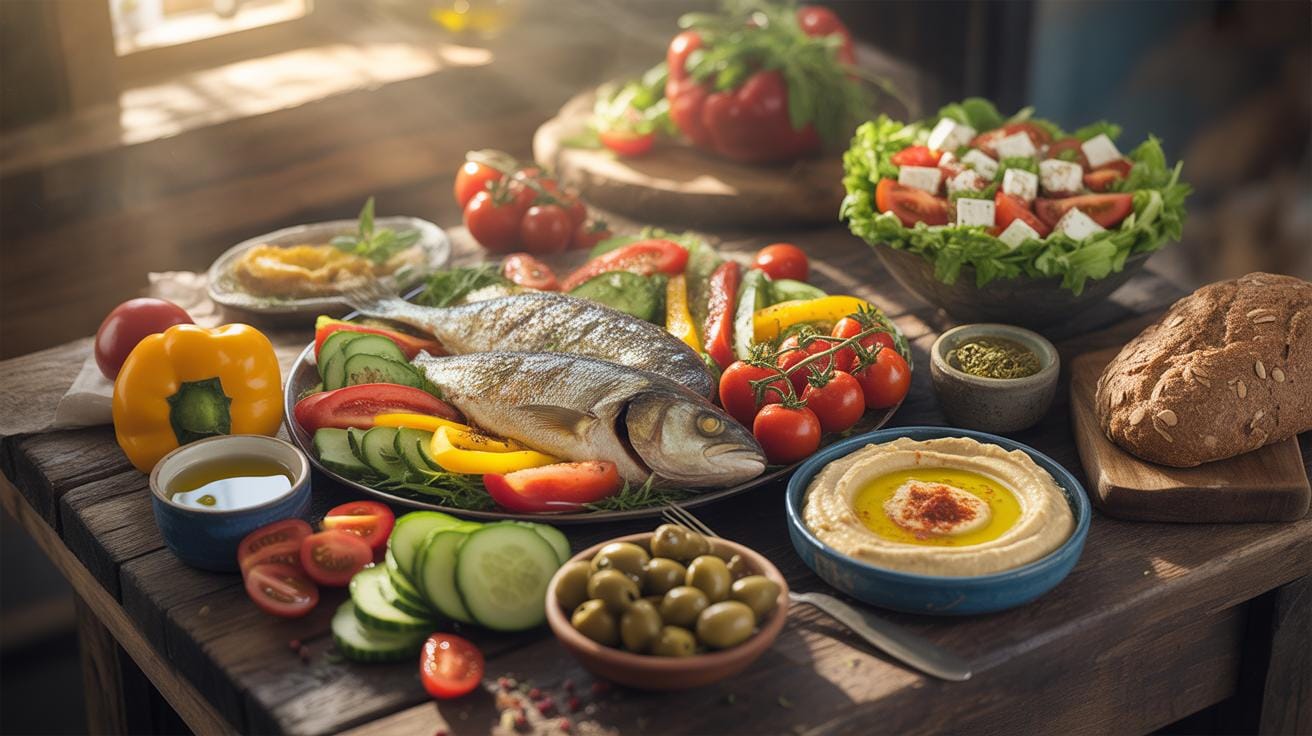
- Fresh seafood from the Mediterranean coast: In places like Greece and southern France, the fresh catch is often grilled or served simply. It’s about freshness and connection to the sea.
- Ratatouille (France): A vegetable stew using summer’s harvest. Perfect for those who want warmth but with lightness and earthiness.
- Panzanella (Italy): Bread salad with tomatoes and herbs, originally a way to use stale bread—reminding us how summer food can be resourceful.
- Paella (Spain): Though often considered a festival dish, its ingredients mirror summer’s abundance, especially fresh seafood and local vegetables.
- Cold cured meats and cheeses (Central Europe): These fuel long summer days but offer tastes shaped by centuries of preservation techniques.
Trying any one of these offers a glimpse into how foods reflect local culture and summer’s demands.
Food Markets To Visit
Walking into a European summer food market feels like stepping back in time in just the best possible way. These markets put vintage flavors and seasonal ingredients front and center, showcasing deeply rooted culinary traditions.
Take La Boqueria in Barcelona, for instance. The energy there? A mix of locals and tourists around stalls bursting with ripe fruit, fresh fish, and cured hams. Or the Marché Provençal in Nice, where vendors sell herbs and sun-dried olives alongside colorful vegetables grown in the nearby hills.
Every market has its own vibe—sometimes lively, sometimes laid-back—but all offer an opportunity to taste and touch what defines the local summer palate. The colors, smells, and sounds might overwhelm you at first, but that’s exactly why these markets give you a real connection to the food traditions cherished through generations.
Fitness Routines In Warm Weather
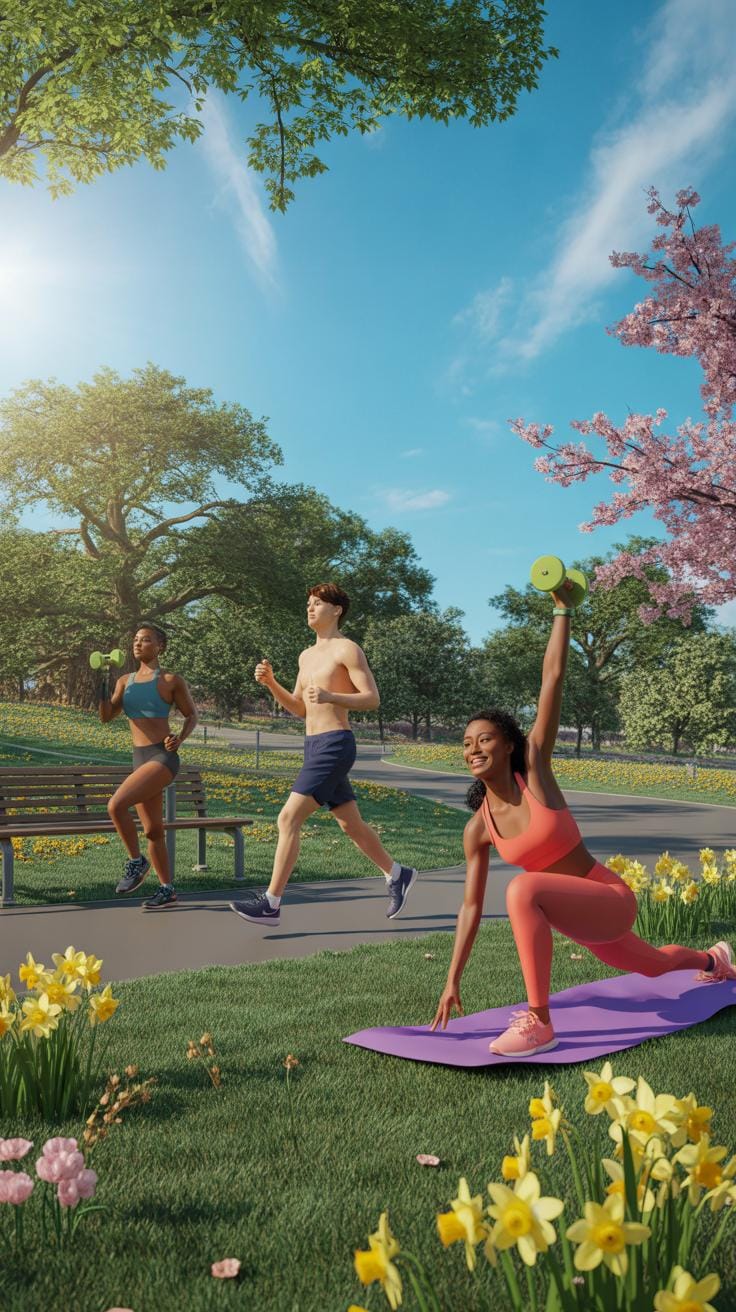
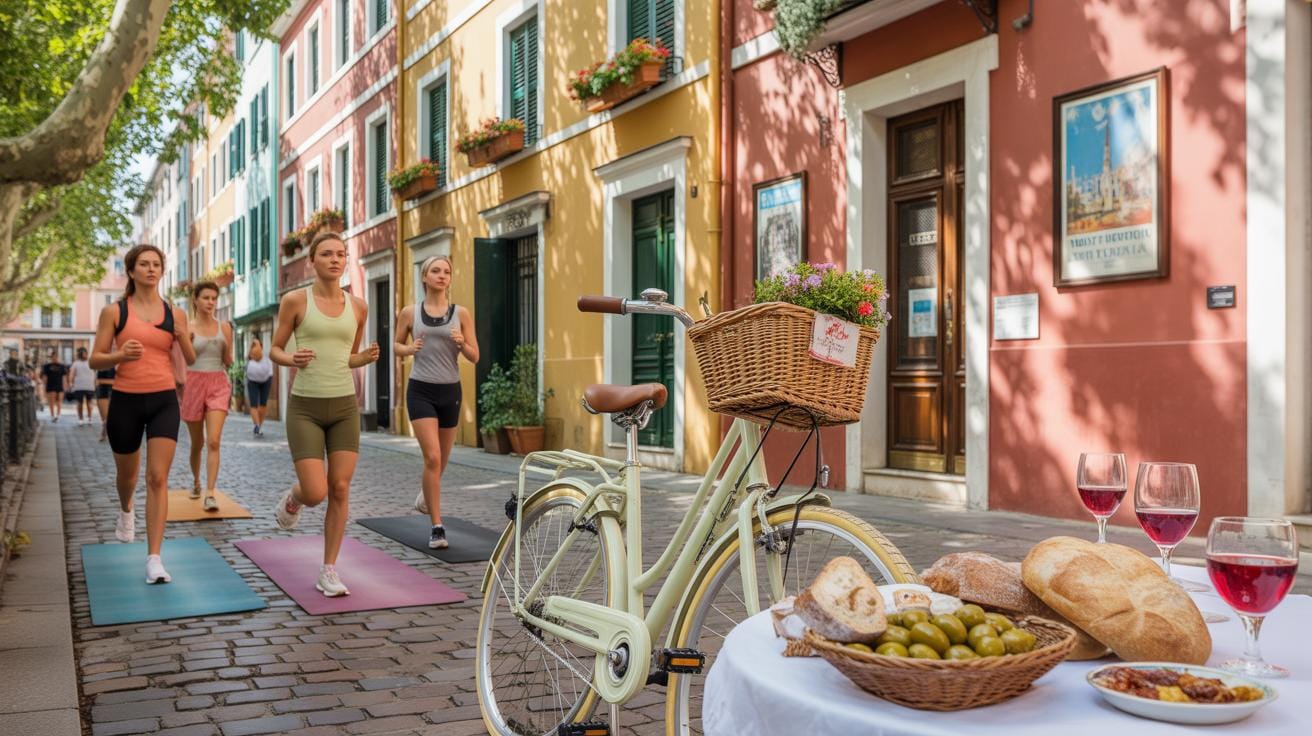
Summer in Europe invites you outside, and your fitness routines should follow suit. Warm weather encourages activities that use fresh air and natural light—swimming in open lakes, running on seaside promenades, or even long bicycle rides along historic cobblestone paths feel just right. You might find yourself sweating less because breezes often cool the intense sun, yet the heat still pushes you to move efficiently.
Vintage fitness styles like calisthenics and classic boxing fit well here. These methods don’t rely on heavy equipment and can be done anywhere—a park bench becomes your step, a low wall your push-up station. The old-school boxing footwork drills, for example, sharpen balance and agility without wearing you out under the summer sun. Throw in some modern approaches, like interval training or yoga flows, and you have routines that feel both fresh and familiar.
Here are a few suggestions to try during your European summer:
- Morning jogs along scenic paths followed by bodyweight exercises—think squats, lunges, and planks.
- Shadowboxing in open spaces to build coordination and endurance, tapping into vintage boxing techniques.
- Swimming in natural bodies of water, combining classic strokes with light resistance training using your own body weight.
- Sunset yoga sessions in quiet parks to stretch out muscles heated by the day.
Ever notice how these routines blend tradition and present-day fitness trends almost effortlessly? It’s a balance that feels right—not too rigid but still purposeful, much like European summers themselves.
Combining Vintage And Modern Fitness
Vintage fitness methods often stress fundamentals—movement, balance, and body control—without the gimmicks we sometimes see today. Classic boxing, for instance, emphasizes footwork, timing, and hand speed. Meanwhile, calisthenics hones strength through simple movements. The beauty lies in their simplicity; they require minimal gear but deliver solid results.
Today’s trends bring in technology, high-intensity intervals, and new training concepts. Mixing these with vintage practices creates workouts that respect tradition yet feel contemporary. For example, you might do rounds of old-school jump rope drills broken up with bursts of sprinting or push-ups. This combo sharpens cardiovascular health while building muscle endurance.
This blend can also make training more engaging. If you grew bored with your typical workouts, introducing music from the ’50s during your shadowboxing or using timers inspired by old boxing gyms can spark fresh motivation. It’s kind of odd, but somehow vintage touches keep you anchored, while modern tweaks push you forward.
Outdoor Fitness Spots
Europe offers parks and public spaces where outdoor fitness thrives, often with a hint of vintage charm. Take Paris’ Jardin du Luxembourg, with its orderly lawns and turning stone paths. Locals do tai chi and jogging early mornings here, embracing a calm that feels quite timeless.
In London, Regent’s Park attracts both runners and yoga practitioners. The park’s classical design, with its terraced flower beds and wrought-iron benches, adds a subtle vintage vibe. Imagine doing your warm-up amid these historic scenes—there’s something quietly motivating about it.
Barcelona’s Parc de la Ciutadella combines fountains and shaded groves; people often cycle or do group calisthenics in open spaces. The park feels lively but maintains a certain 19th-century charm in its architecture and layout.
Some might find these vintage aesthetics distracting or old-fashioned, but I think they remind us that fitness isn’t just a modern obsession. It’s been part of life—and style—for ages. Before you plan your workout, maybe check out a local hotspot and see if the environment itself adds a little something extra to your routine.
Plan Your VintageInspired Trip
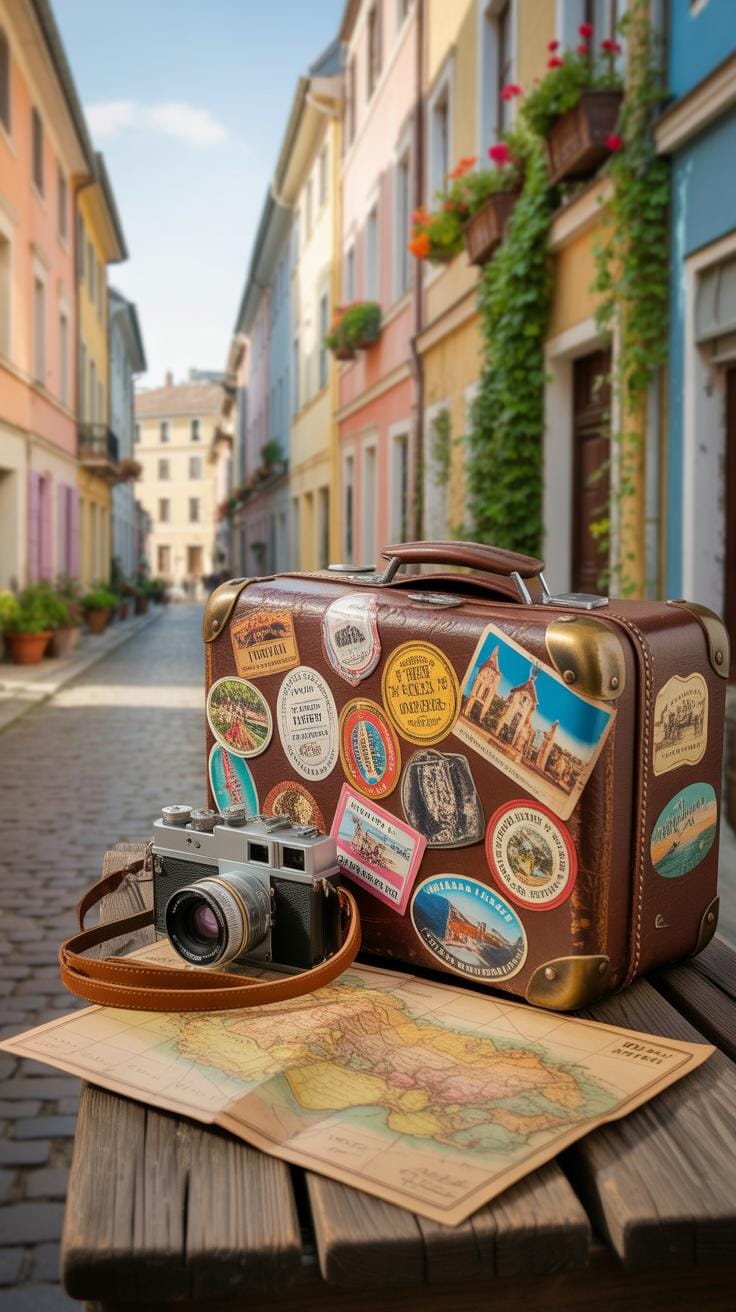
Start by narrowing down your destinations—think beyond popular cities to towns that carry a slower pace and preserved charm. Places like Aix-en-Provence in France or Lucca in Italy often keep their historic feel alive, making them perfect for vintage aesthetics. You might want to pick spots where vintage culture spills into everyday life, not just on postcards.
When it comes to travel logistics, trains still hold a certain romance. Booking regional or scenic routes lets you soak in the landscape at a gentle pace, fitting a vintage vibe better than rushed flights. Don’t forget to check local transport options; bicycles or classic car rentals can enhance the experience.
Booking Vintage Accommodations
Locating the right place to stay can set the entire tone of your trip. Look for hotels or inns that boast historic architecture—think wrought iron balconies, wood paneling, or old-world decor. Websites specializing in heritage hotels might surprise you with hidden gems like a 19th-century guesthouse in Vienna or an art deco pension in Berlin.
Vacation rentals can be ideal too, particularly those in restored townhouses or countryside cottages full of antique furniture. Sometimes a simple bed and breakfast with period details offers more authenticity than a polished hotel.
Creating Authentic Itineraries
Try to weave vintage elements naturally into your days. Visit markets where local artisans sell handmade crafts reminiscent of earlier times. Explore cafés unchanged by decades—ordering a classic espresso while watching the world pass feels almost like stepping back in time.
For vintage-inspired fitness, look for ballet classes, rowing clubs on historic canals, or guided walks through old neighborhoods. These activities connect you with more than just sights—they touch on a lifestyle.
Plan for flexibility, though. Some of the best moments happen when wandering without a strict schedule, discovering unexpected pieces of the past that might not appear on conventional guides. What parts of history do you want to feel, not just see?
Compare Vintage Versus Modern Travel
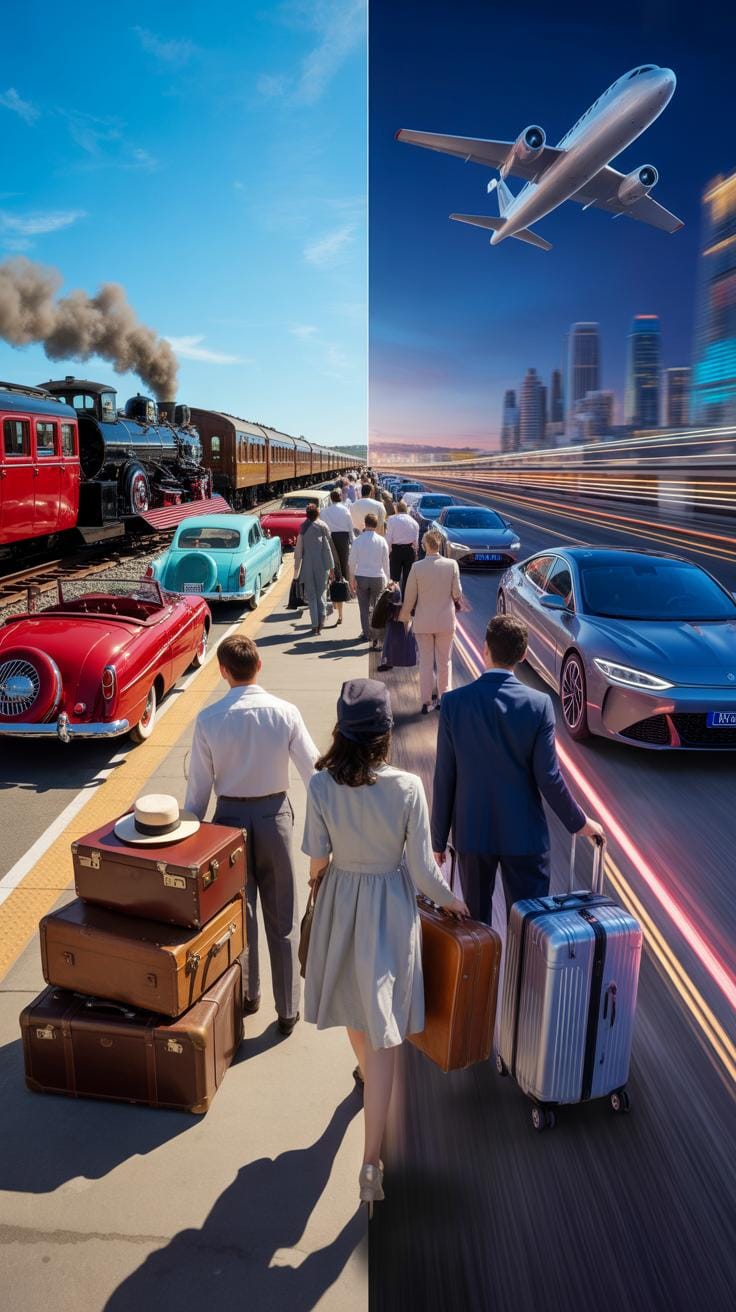
Traveling through Europe in summer can feel quite different depending on whether you lean toward vintage or modern travel styles. Vintage travel tends to embrace a slower pace. Think trains chugging through countryside, long walks under warm sunlight, and stopping at small cafes that seem untouched by time. It invites you to soak up local culture deeply—hours spent chatting with locals or lingering in town squares where history breathes. This approach can make summer trips feel richer, more connected. Yet, it’s arguably less convenient; schedules can be long, and sometimes you rely heavily on luck or local knowledge.
Modern travel, on the other hand, prizes speed and ease. Flights whisk you from city to city within hours. Apps guide you to the best spots and offer instant bookings. It’s comfortable and flexible, especially when the summer heat pushes you to seek AC or quick shelter. But there’s a trade-off. This method might skim the surface, offering snapshots but not always the depth vintage travel invites. You might trade moments of real connection for efficiency.
Still, both styles share a love for discovery and adapting to summer’s charms, whether that’s through lingering over a gelato or catching a quick sunset on a rooftop terrace. Do you prefer immersing yourself slowly in the moment, or grabbing what you can in the time you have? Probably, the best summer travel lies somewhere between these two approaches.
Avoid Mistakes In Vintage Travel
Packing Errors To Skip
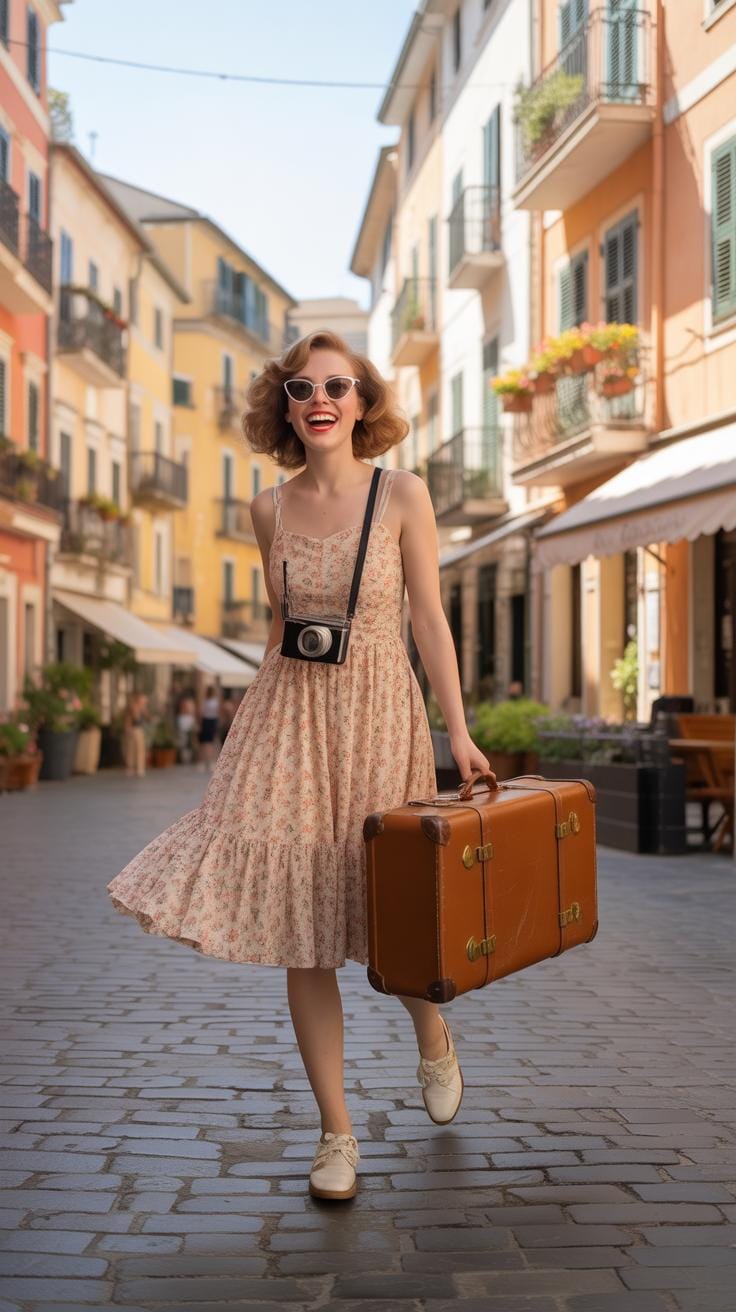
Many vintage travel enthusiasts make the mistake of overloading their luggage with heavy, bulky items. It’s tempting to bring every piece that fits the vintage vibe, but it quickly becomes impractical, especially when navigating cobbled streets or public transport. Instead, focus on versatile, lightweight fabrics that still capture the essence of your chosen era. Linen dresses or cotton blouses work well, balancing style and comfort. Another common error is neglecting the weather—Europe in summer can be unpredictable. Don’t forget a light jacket or shawl that pairs with your vintage look but prepares you for a cooler evening. Packing smart means planning each outfit with layers and avoiding duplicates.
Planning Pitfalls
Choosing the wrong season or location can ruin the vintage travel mood. Some travelers mistakenly opt for overly touristy spots or off-season periods when many shops or restaurants are closed. Vintage shopping and cultural events often peak in late spring to early autumn. If your itinerary is too rigid or overly ambitious, you might miss chance encounters, like a flea market or an outdoor concert, which add to the authentic experience. Sometimes, less is more—don’t cram your trip with too many cities. Spending quality time in places with rich vintage culture, like Paris’s Marais district or Rome’s Trastevere, often leads to better discoveries. Remember, planning isn’t just about where you go but when and how you engage with the local scene.
Equip Yourself For A Vintage Summer
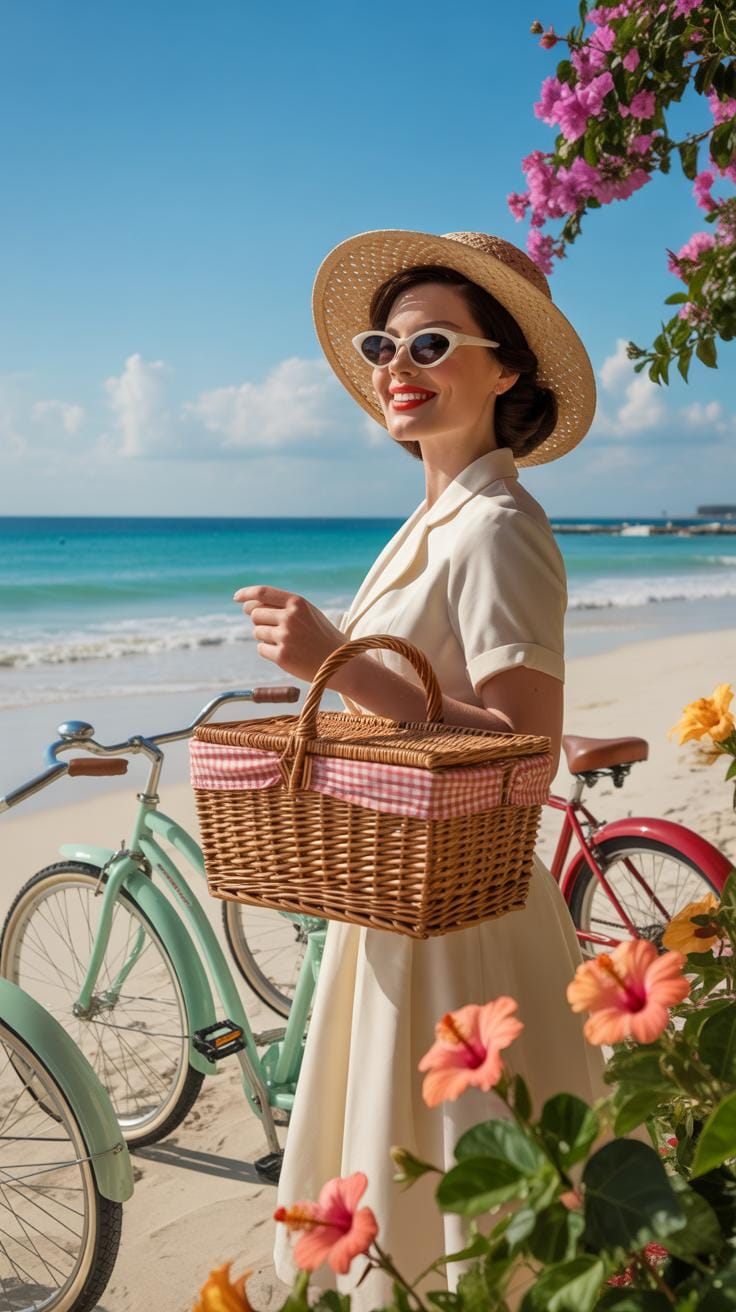
When you think about a European summer with a vintage touch, it’s not just the scenery that sets the tone, but what you carry with you. Travel gear that feels like it belongs in a different era, yet works well in today’s world, can really enhance the experience. Imagine a leather suitcase with brass clasps—classic but sturdy enough for those cobbled streets. Or perhaps a canvas tote that’s seen a few summers, perfect for market trips and picnics.
Here are some essentials that blend style and function:
- Retro-inspired sunglasses—not too flashy, just enough to shield your eyes and boost your look.
- A wide-brim straw hat that breathes, guarding you from the afternoon sun without making you sweat buckets.
- A compact, leather-bound travel journal or sketchbook—because you might want to jot down a fleeting thought or draw that perfect little café scene.
- Classic wristwatch with a simple design, helping keep track of time during long, lazy days without feeling like you’re checking notifications constantly.
For food and fitness, certain accessories deserve a spot in your bag, too. A reusable glass water bottle with a vintage metal cap can keep you hydrated and reduce plastic waste—a small nod to mindfulness while vacationing. Maybe a collapsible picnic basket, sturdy but charming, for those impromptu meals by the river or park bench.
And when it comes to staying in shape, a jump rope with wooden handles or a simple set of resistance bands in a canvas pouch can fit into your retro vibe, while allowing quick workouts that don’t scream “tourist gym.” Plus, packing a small container for olive oil or herbs lets you recreate that simple, fresh Mediterranean food style on the go. Does that sound doable? It might seem a bit much, but these little touches make your summer feel truly one-of-a-kind.
Costs Of Living Vintage In Europe
Adopting a vintage-inspired lifestyle during a European summer often means expenses come from different places—travel, accommodation, food, and activities all add up in their own ways. Flights or trains can be surprisingly affordable if booked early, but last-minute plans tend to bite your budget. For instance, a ticket to Paris or Rome might set you back between 50 and 150 euros when you catch deals, but prices often climb quickly in high season.
When it comes to places to stay, vintage vibes don’t always mean expensive boutique hotels. You might find charming guesthouses or budget hostels with old-fashioned charm for 30 to 70 euros per night. These are ideal if you want to immerse yourself in local culture without blowing your wallet. Yet, don’t expect a classic look everywhere; some vintage style lodgings come with added costs for the atmosphere.
Food can be simple and still feel vintage if you shop in local markets selling fresh produce, cheeses, and breads. Expect to spend around 10 to 20 euros a day if you eat like the locals rather than dining out at tourist spots. For fitness, outdoor activities like morning jogs along the Seine or yoga in a city park provide low-cost, authentic ways to stay active without a gym membership, which can range from 20 to 50 euros a week.
Budget Travel Tips
To keep costs down during your vintage-inspired summer, timing is key. Traveling early in the season or during weekdays often means cheaper fares and quieter spots. Booking train tickets in advance through regional rail passes can shave quite a bit off transport costs. Consider traveling by bus between smaller towns—this adds to the vintage vibe and saves money.
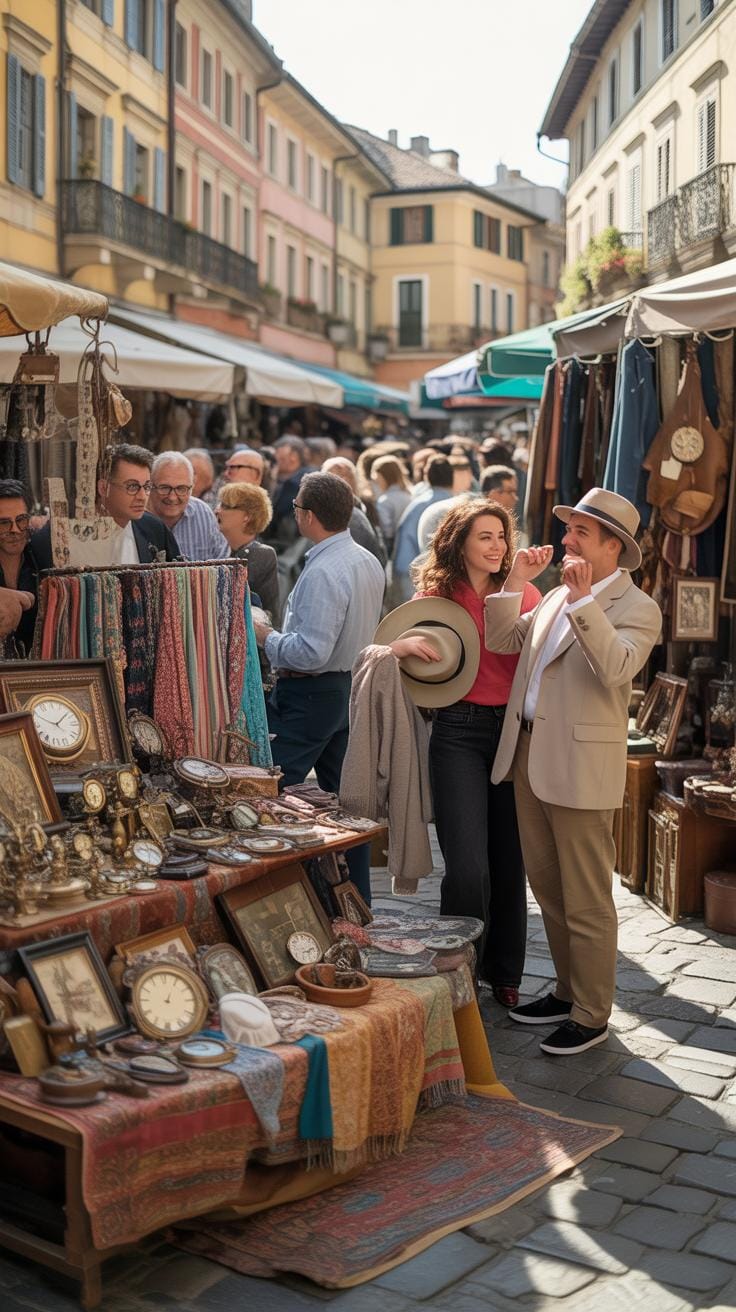
Exploring local flea markets rather than pricey boutiques also helps maintain budget while staying true to vintage style. And don’t hesitate to walk or rent a bike instead of taxis; it’s economical and connects you with the city’s character more deeply, making every journey part of the experience.
Affordable Food And Fitness
For vintage food experiences on a budget, focus on street food or small family-run cafes rather than upscale restaurants. Sampling traditional dishes like Spanish tortillas or Italian gelato from neighborhood vendors often costs less and feels more authentic. Markets like Barcelona’s Mercat de Sant Josep or Rome’s Campo de’ Fiori are perfect for assembling picnic lunches that you can enjoy in a sunny park.
In terms of fitness, outdoor group classes held in parks or along the beach during summer are often donation-based or free. You might find vintage-themed dance workshops or retro cycling clubs too—activities that tie fitness with a nostalgic flair without demanding steep fees. Even just a stroll through historic neighborhoods can count as a workout if you embrace it as part of your vintage summer rhythm.
Track Your Progress And Enjoyment

Measuring how much you’re soaking up the vintage European summer vibe isn’t always simple. Still, it helps to have some ways to keep tabs on what you’re doing—and what sticks with you later. For travel, try marking memorable spots with old-school postcards or sketching scenes in a small notebook. Sometimes photos tell one story, but a quick drawing or written thought can capture the moment’s true feeling better.
For food, you could rate dishes on texture, flavor, and how they make you feel—like jotting down if the rustic bread in a tiny café made you pause for more than just hunger’s sake. When it comes to fitness, tracking your walks through cobbled streets, bike rides along the coast, or morning yoga stretches in a sunlit square adds a subtle rhythm to your days. Note times, distances, or even moods before and after sessions.
Travel Diary Ideas
A travel diary doesn’t have to be a daily task. Maybe you prefer snippet journaling—quick lines on receipts, tickets, or bits of found paper—that later become a patchwork of your trip. If writing is a chore, a voice recorder app works, especially when thoughts come fast, between exploring sun-dappled alleys or tasting new flavors.
Some find keeping a vintage-style scrapbook satisfying, combining photos, dried flowers, or hand-drawn maps. You could even write letters to yourself, dated and sealed, opening them in future summers to relive those moments. Blogs work well too, but sometimes the immediacy of paper and pen feels closer to the time, more personal.
Fitness And Food Journals
Tracking fitness alongside food feels like tracing the dance of summer living. A simple notebook noting miles walked or swims in the sea pairs well with a page listing local fruits tried or homemade versus restaurant meals. Write honestly—not just what was eaten, but your body’s reaction, energy levels, or little surprises, like discovering a love for Mediterranean olives.
Rustic charm suits these journals—think hand-stitched, slightly messy, humble. They keep you connected to the vintage spirit, reminding you that it’s not about perfection but the story unfolding through every step, bite, and breath taken under the European sun.
Conclusions
European summer is more than just a season; it reflects a lifestyle influenced by vintage tastes in travel, food, and fitness. This style brings a nostalgic and charming quality to modern experiences that many people appreciate. By integrating classic elements with today’s preferences, summer in Europe becomes a unique celebration of culture and wellness.
You can apply these concepts to your own summer plans by embracing vintage travel preparations, enjoying traditional foods, and adopting fitness routines suited for warmer days. This approach enhances your connection to European summer’s heritage and makes your experience both enjoyable and meaningful.