
Introduction
Ethiopian cuisine is unique and rich, featuring many distinct ingredients famous for their flavors and health benefits. Known for dishes served with injera, a sourdough flatbread made from teff flour, Ethiopian food combines vegetables, spices, and meats in a way that sustains both culture and health.
This article highlights the key ingredients in Ethiopian cooking and explains how these components contribute to well-being. You will learn about the nutritional value and health advantages of staples like teff, lentils, and spices that form the foundation of Ethiopian meals.
Overview Of Ethiopian Food Culture

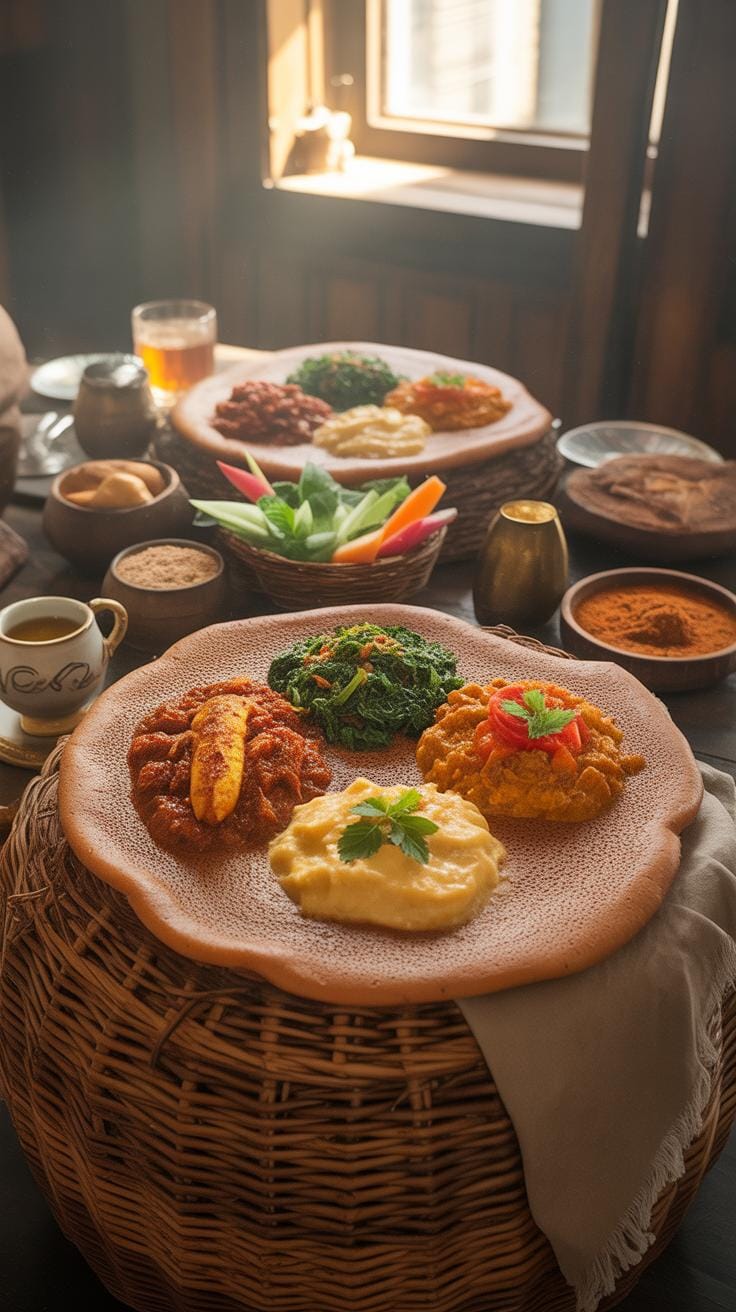
Ethiopian food culture revolves around sharing meals in a communal setting. People typically gather around a large platter, eating together from the same dish. This practice strengthens social bonds and creates a sense of unity, which feels quite different if you’re used to eating alone or in small clusters.
At the heart of this experience is injera, a large, spongy flatbread made from teff flour. It’s not just a side; it acts as both a plate and utensil. You tear off pieces of injera to scoop up stews and salads. The act of feeding one another or sharing from the same platter carries cultural significance, symbolizing hospitality and respect.
Traditional dishes, often slow-cooked and rich in spices, complement injera. The food is meant to be savored collectively, which means your meal is also about the people around you, not just the taste.
What Makes Ethiopian Food Unique
One striking feature of Ethiopian food is definitely the use of injera. Its sour, slightly tangy flavor and soft texture make it unlike any bread you might have tasted before. But injera is more than taste—it’s practical, acting as a scoop and base for everything else.
Spicy stews, called wat, also stand out because of their depth and complexity. Berbere, a spice mix loaded with chili, garlic, ginger, and other warm spices, powers these stews. Eating with your hands, while it may feel strange at first, actually improves the experience since you engage more senses and control every bite.
This interplay between flavor, texture, and tactile enjoyment is unique. It’s food that invites you to slow down, be present, and connect—not only with the meal but also with those sharing it with you.
Typical Dishes Served With Injera
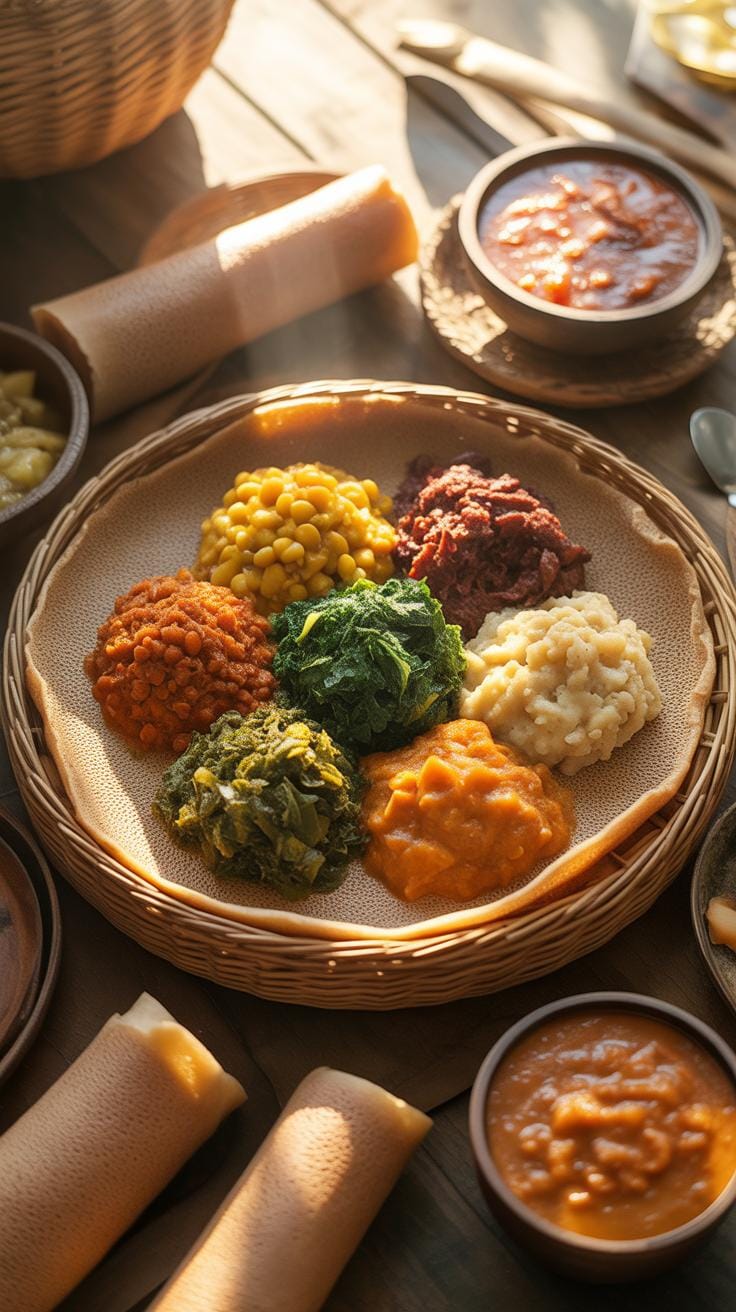
Many traditional dishes on injera come from both meat and vegetarian traditions. Here are some common ones you might encounter:
- Doro Wat: A spicy chicken stew simmered in berbere sauce with hard-boiled eggs—rich and intense.
- Kitfo: Minced raw beef seasoned with spices and clarified butter; some prefer it lightly cooked.
- Shiro Wat: A chickpea or broad bean stew, creamy and thick, often enjoyed by vegetarians.
- Misir Wat: Red lentils cooked in a spicy broth, providing a hearty texture.
- Atkilt Alicha: A milder dish with cabbage, carrots, and potatoes steamed with turmeric.
The contrast of spicy and mild, meat and vegetable, all resting on injera, makes each meal a balanced exploration of flavors and textures. It’s an experience that’s, maybe, hard to replicate elsewhere without the full cultural context.
Essential Ethiopian Food Ingredients
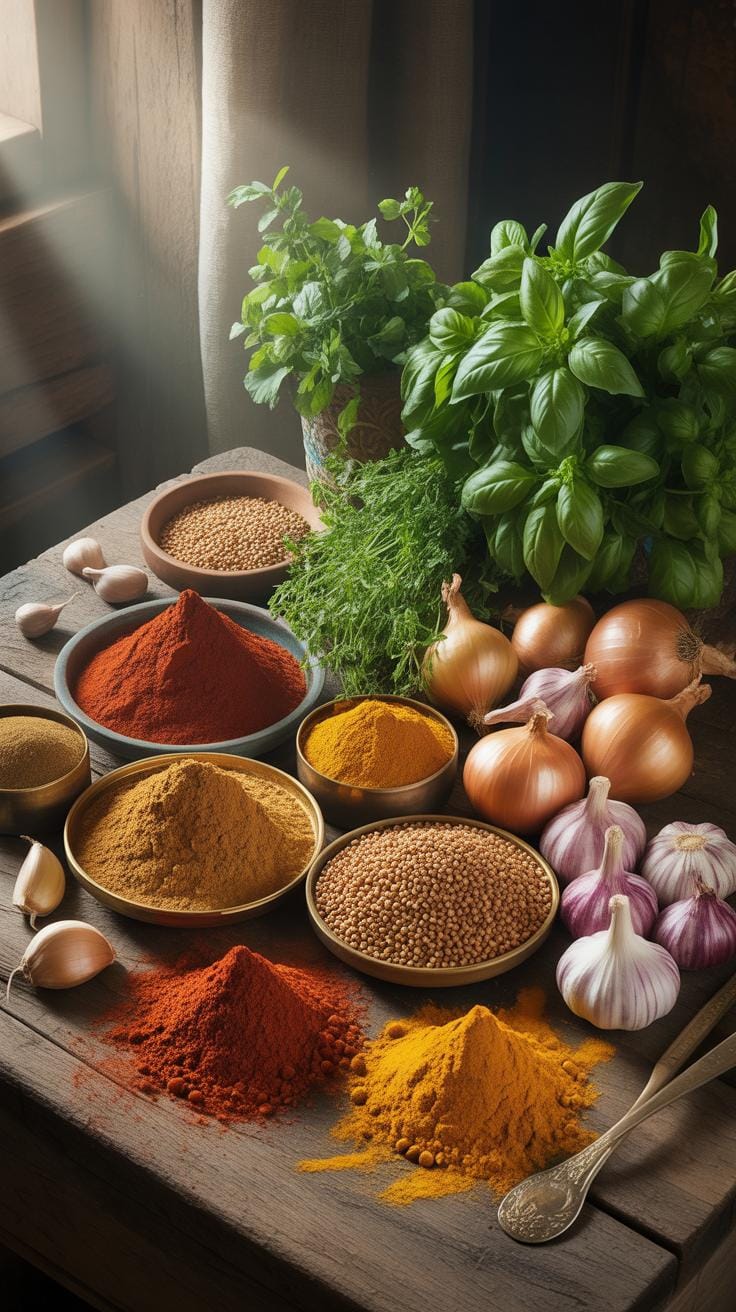
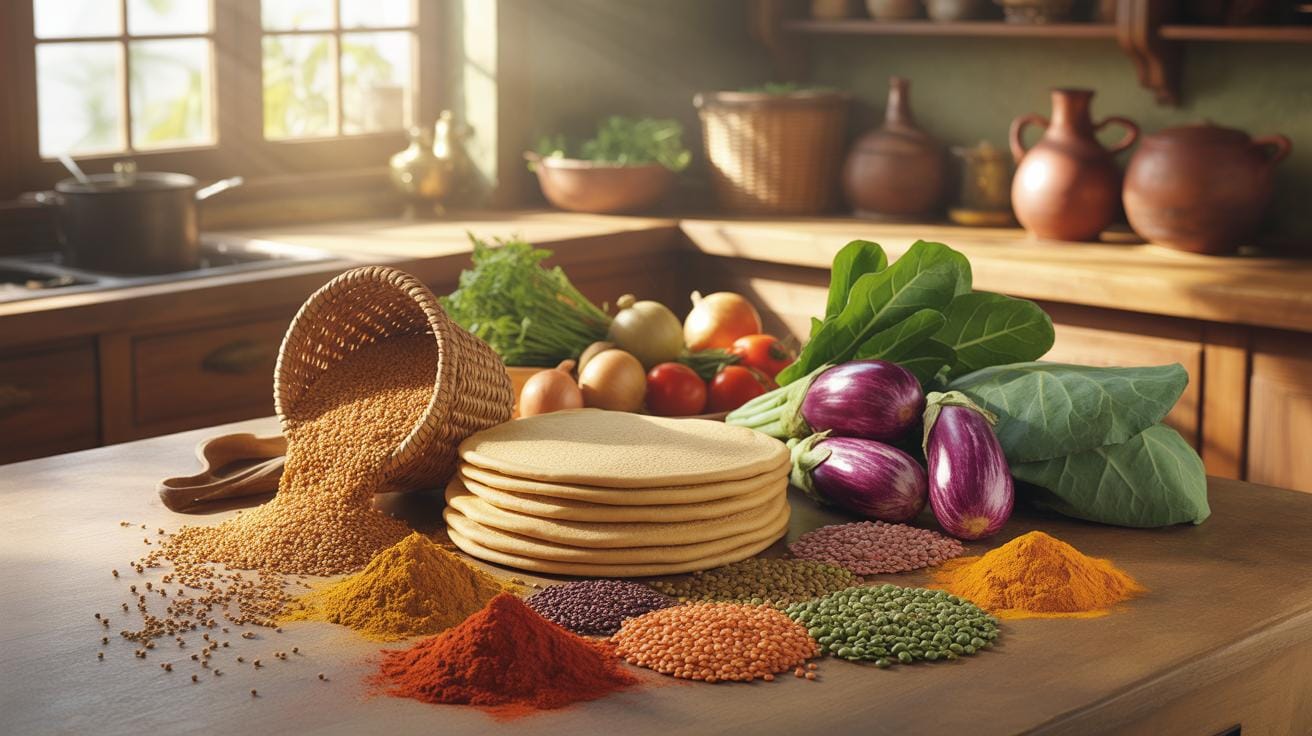
Ethiopian cuisine centers around a handful of core ingredients that shape its distinctive flavors and textures. The star, of course, is teff—a tiny ancient grain that forms the base of injera, the spongy, sour flatbread that almost always accompanies meals. Beyond teff, legumes like lentils and chickpeas play a big role in providing both substance and nutrition, appearing in hearty stews and sides.
Spices deserve attention, too. Berbere—a blend with chili, garlic, ginger, and more—adds heat and depth. It’s quite something how these spices transform simple ingredients into complex dishes.
Vegetables also contribute significantly: onions, garlic, and a variety of greens create layers of flavor and nutrition. Sometimes you’ll find cabbage, carrots, and potatoes simmered alongside lentils, making the dishes richer and heartier. I’ve noticed that these vegetables aren’t just fillers; they balance the spices and hold up well next to the bold flavors.
What fascinates me is how these basic elements come together and create a cuisine that feels both humble and surprisingly sophisticated. Have you ever wondered how such modest ingredients yield such memorable meals?
Importance Of Teff In Ethiopian Cooking
Teff’s role goes beyond mere sustenance. It’s the foundation for injera, which is not just a food but almost a utensil—used to scoop up stews and vegetables. You could say teff shapes the whole eating experience in Ethiopia.
Teff is packed with nutrients: high in fiber, iron, and protein. It’s gluten-free, which means it’s suitable for people with gluten sensitivities, a fact that has expanded its popularity outside Ethiopia. I remember trying teff bread once—it felt dense at first, but it kept me full far longer than expected.
The grain’s natural fermentation process during injera preparation creates that signature tangy flavor and helps increase its digestibility. This method isn’t just practical but seems to enhance the nutritional profile too.
Common Legumes And Their Uses
Legumes hold a special place in Ethiopian food. Lentils, for example, come in red and brown varieties and often star in dishes like misir wot—a spicy lentil stew that can be surprisingly fiery. Chickpeas appear in shiro, a smooth, spiced chickpea puree that’s almost comforting in its simplicity.
These legumes aren’t just protein sources but really set the texture and heartiness of many meals. They’re often cooked slowly with aromatic spices, soaking up flavors in a way that makes each dish distinct.
Have you tried Ethiopian meals where legumes steal the spotlight? They manage to feel both familiar and novel, depending on the spice mix and preparation. You could say legumes add substance without weighing things down excessively.
Nutrition Benefits Of Teff And Legumes
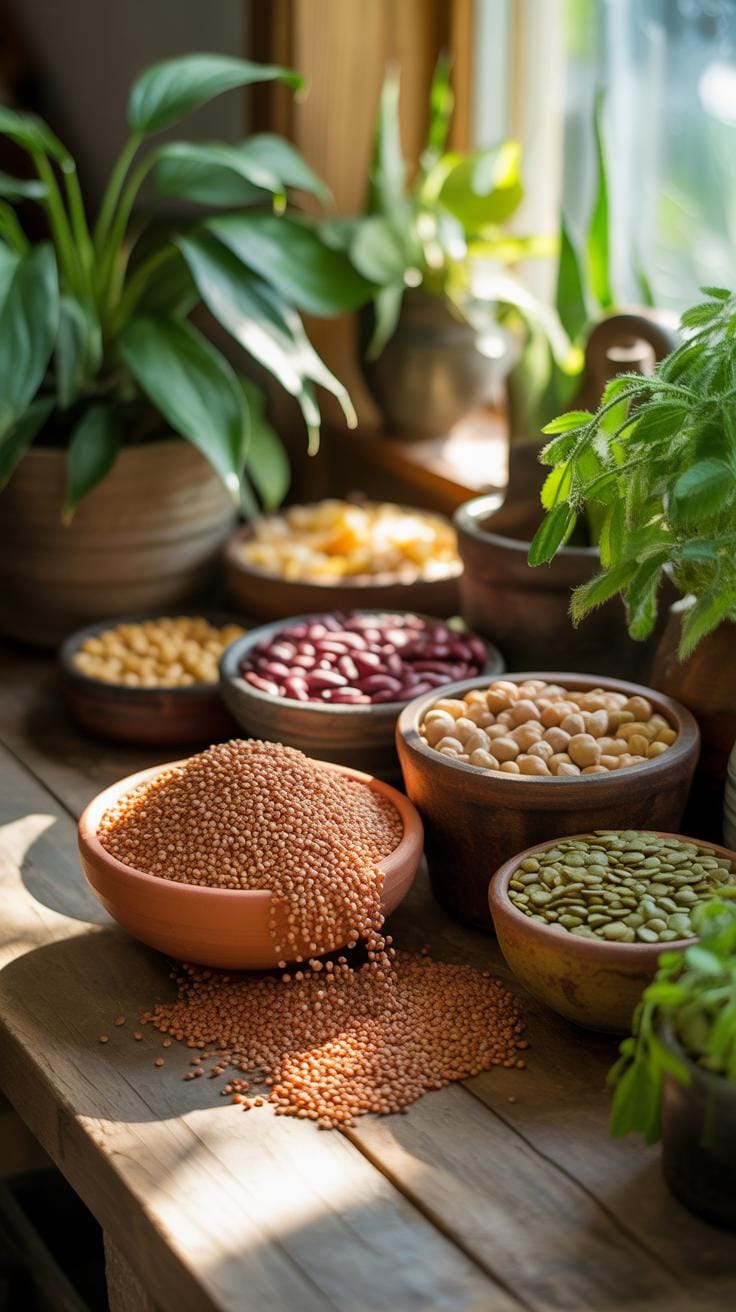
Teff, a tiny grain native to Ethiopia, packs a surprising nutritional punch. It contains a good amount of fiber, which helps keep your digestion moving smoothly. You might not realize it, but teff is also loaded with vitamins like B-complex and minerals such as iron, calcium, and magnesium. These nutrients support everything from energy production to bone health. Eating teff regularly could help fill gaps people often miss in their diets.
Legumes, like lentils and chickpeas, are another staple in Ethiopian meals. They provide ample protein, which is crucial especially in diets where meat isn’t consumed daily. But legumes aren’t just about protein; they carry important micronutrients such as folate, zinc, and potassium. These contribute to cell function, immune defense, and fluid balance. What’s interesting is how legumes and teff together create a complementary nutritional profile, something both vegetarians and meat-eaters can appreciate.
How Teff Supports Digestive Health
Teff’s fiber content is quite impressive, roughly comparable to whole wheat but with a different mix of soluble and insoluble fibers. This matters because fiber feeds the gut flora — the community of bacteria in your intestines that plays a huge role in digestion and overall health. I’ve noticed people often overlook how much better they feel when they include fiber-rich foods like teff in their diet. It can reduce constipation and may even help regulate blood sugar levels.
While fiber is generally praised, it can sometimes cause bloating for those unaccustomed to it. So perhaps starting slowly with teff-based foods is wise. Over time, your gut adapts, and the benefits become clearer. Plus, the unique type of fiber in teff could contribute to longer satiety, which might be why Ethiopian meals feel so satisfying even without excess fat or sugar.
Protein And Nutrient Content In Legumes
Legumes serve as a main protein source in Ethiopia, especially where meat is scarce or costly. Their protein quality isn’t the same as animal protein, but when combined with grains like teff, it provides a more complete amino acid profile. This is crucial for muscle repair and general maintenance. Think of it as a natural nutritional teamwork.
Alongside protein, legumes offer significant amounts of minerals like iron and magnesium, alongside B vitamins. These nutrients support energy and cognitive functions. I once read a study showing that regular consumption of legumes can lower cholesterol levels, which adds a heart-healthy angle. Sometimes, legumes are underestimated but they really hold their own as a nutrient powerhouse in Ethiopian dishes.
Role Of Spices In Flavor And Health
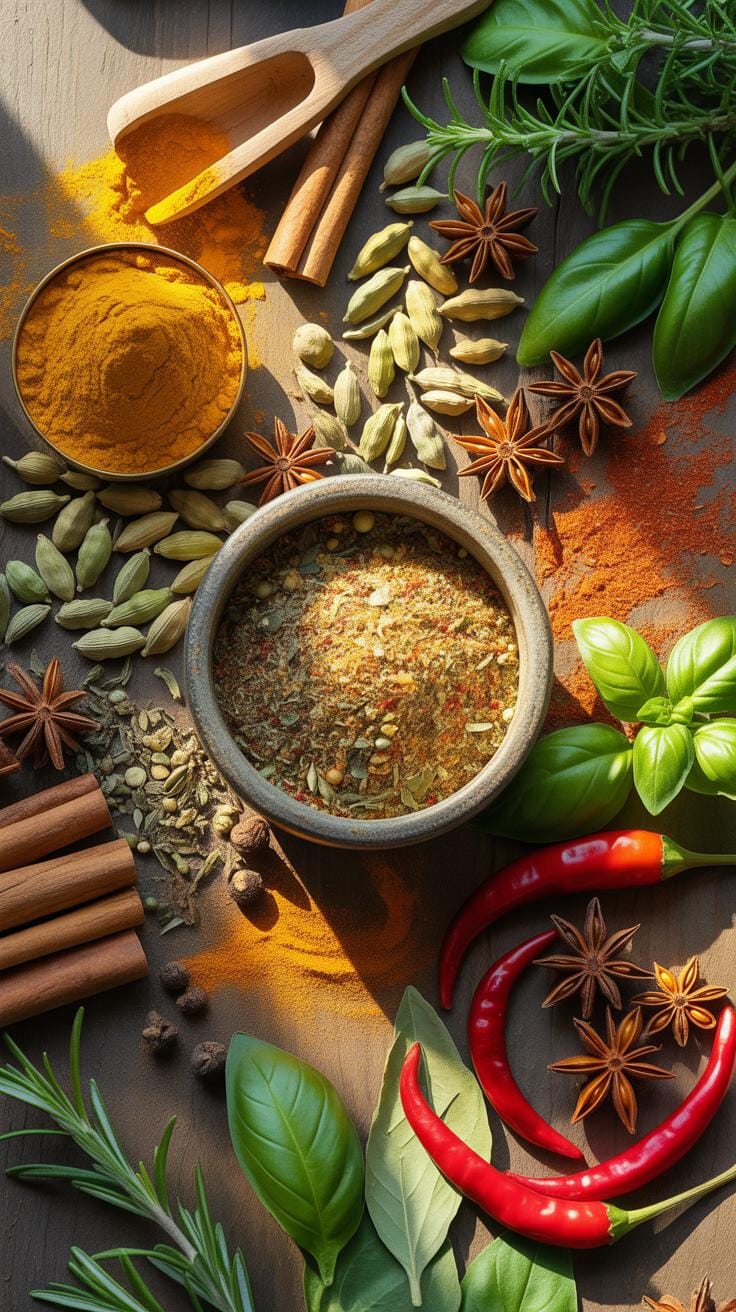
Ethiopian cuisine is often defined by its spices, which do more than just add heat or aroma. Take berbere, for example—this blend isn’t just spicy; it has layers of warmth, earthiness, and a hint of sweetness, creating a complex backbone for many dishes. Then there’s mitmita, which might catch you off guard with its sharp, intense heat. Both are essential but serve different purposes. Berbere builds flavor slowly, while mitmita punches quickly.
Beyond taste, these spices carry potential health perks. Many claim they can help with digestion or inflammation, and some studies back this up. It seems the compounds in these spices act like antioxidants, protecting cells. But it’s not always clear-cut; the exact effects depend on how much you use and who’s eating. Still, it’s hard to ignore how these spices make a meal both vibrant and possibly healthier at once.
Key Ethiopian Spices And Their Uses
When you start exploring Ethiopian food, certain spices stand out:
- Berbere: A mix of chili peppers, garlic, ginger, coriander, and fenugreek. It flavors dishes like Doro Wat (chicken stew) and lentil stews.
- Mitmita: A fiery powder with bird’s eye chili, cardamom, and cloves. Often sprinkled on raw beef dishes or used as a finishing spice.
- Nigella Seeds (Niger): Adds a peppery, slightly oniony taste. Used in bread like injera or sprinkled over vegetable dishes.
- Cardamom: Both sweet and medicinal. It’s present in many spice blends and some coffee ceremonies too.
Each spice has a role, shaping texture and flavor, sometimes subtly, sometimes boldly. Their careful use often defines the dish’s character.
Health Effects Of Typical Ethiopian Spices
The spices common in Ethiopian cuisine hold interesting health credentials, even if they’re not magic bullets. Here’s what they bring:
- Antioxidant Properties: Spices like berbere contain chili and ginger, known to fight oxidative stress. This may support overall cellular health.
- Anti-inflammatory Effects: Fenugreek and cardamom might ease inflammation, something many chronic illnesses involve. Though the impact might be mild, it’s a nice bonus.
- Digestive Aid: Many of these spices stimulate digestion. For example, nigella seeds are thought to soothe the stomach.
Still, it’s tricky to say how much these benefits matter in daily life. Ethiopian dishes blend these spices in varied amounts, so your meal’s health impact probably changes each time. But what’s clear is that these spices don’t just flavor your food—they might nudge your health in small, interesting ways.
Comparing Ethiopian And Other African Cuisines

Ethiopian cuisine stands out when you look at African food traditions as a whole. One of the biggest differences is in the staple grains. While maize or cassava dominate many African regions, Ethiopia relies heavily on teff. This tiny grain powers most traditional dishes, including injera, the spongy flatbread that you won’t really find anywhere else in quite the same form or importance.
Preparation methods often contrast too. Many African cuisines favor grilling or frying, but Ethiopian meals revolve around slow-cooked stews called wats and the unique fermentation of teff for injera. This creates distinctive textures and flavors that feel more complex and layered.
Then there’s enset, known as the “false banana.” This plant is really unique—found mainly in Ethiopia—and it plays a huge role in local diets, providing a starch source unlike the usual grains or tubers elsewhere. Enset’s use isn’t just nutritional; it’s cultural, too, and adds a kind of depth to Ethiopian eating habits that you don’t see in other parts of Africa.
When you compare spices and sauces, Ethiopian cuisine uses blends like berbere and mitmita with a focus on warming spices. Other African regions often rely on fresh herbs or different chili varieties, so the flavor profile shifts noticeably.
So, if you’re exploring African food, Ethiopian dishes might feel both familiar and strange, inviting you to rethink what a meal can be based on ingredients and how they are prepared.
How To Prepare Ethiopian Meals At Home
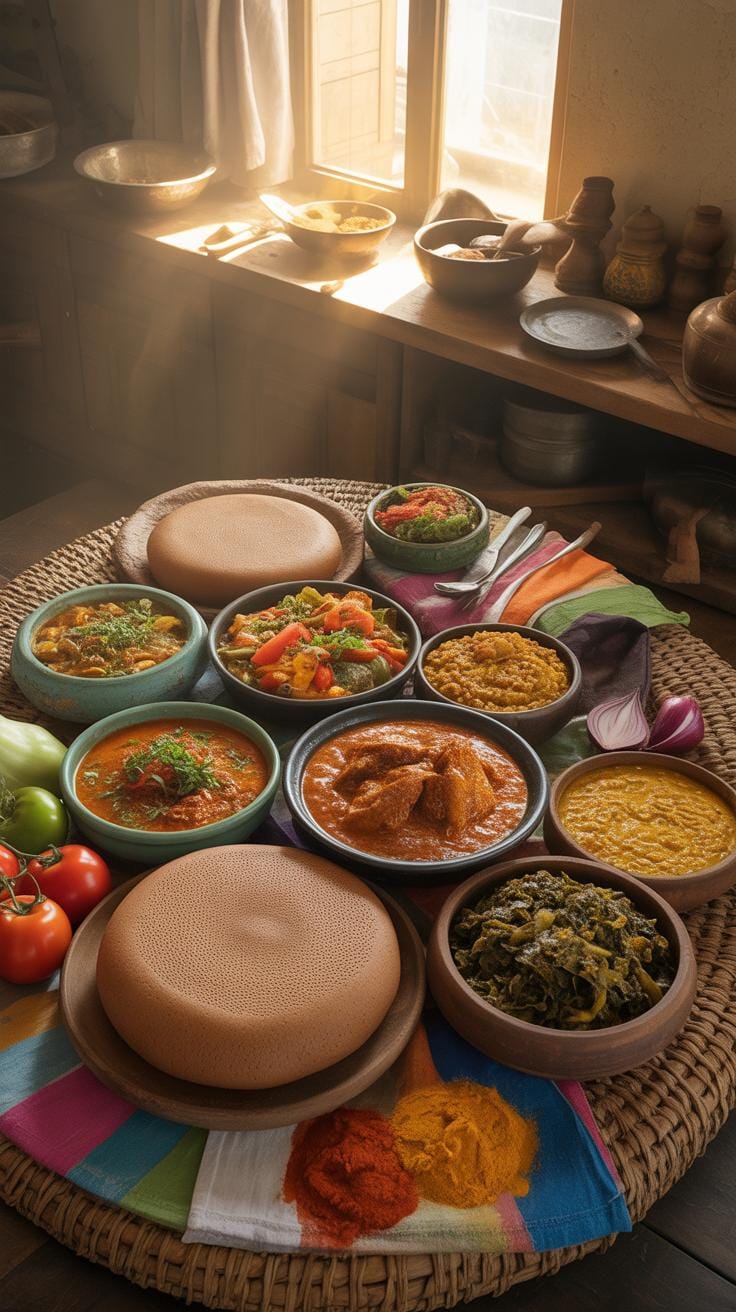
Cooking Ethiopian food at home can seem daunting at first, but with a few key ingredients and simple steps, you’ll get the hang of it faster than you might expect. Most traditional Ethiopian meals revolve around injera — a type of sour flatbread — and various stews called wat. Having teff flour handy opens up a path to authentic flavors, though it’s okay to mix in other flours if pure teff isn’t available.
When making injera, start by mixing teff flour with water to create a thin batter. Let it ferment at room temperature for a couple of days — patience is key here. The batter should smell slightly sour, which is good. Cooking injera requires a non-stick pan or a cast iron skillet. Pour a thin layer, cover, and let bubbles form before peeling it off. It’s a bit like making crepes but thicker and more spongy.
For wat, the base often includes berbere spice, onions, garlic, and sometimes niter kibbeh — a spiced clarified butter. To keep it simple, try making a lentil wat. Sauté onions and garlic, add berbere and lentils, then simmer with water or broth until tender. Chicken wat follows a similar path but with added protein. The slow cooking really lets flavors deepen, which I think is part of the charm.
Do you find yourself curious about how to balance spices or adjust textures? Start small and taste along the way. It’s less about precision, more about feel. Over time, you’ll learn when the injera bubbles are just right or how spicy you prefer your stew. Cooking Ethiopian food at home might take a bit of trial, but it’s worth every step.
Ethiopian Food And Religious Practices

Ethiopian cuisine is closely tied to the Orthodox Christian traditions followed by many in the country. Fasting periods—like Lent or Wednesdays and Fridays throughout the year—play a huge role in shaping what people eat. During these times, animal products are generally avoided, pushing meals towards plant-based options. This creates a distinct rhythm in the kitchen; dishes emphasize legumes, vegetables, and grains more heavily.
The fasting rules often influence ingredient choices. Oil, dairy, eggs, and of course meat are omitted, leading cooks to rely on pulses such as lentils and chickpeas, alongside greens and spices for flavor. This isn’t just about avoiding certain foods; it’s about inventiveness within limits.
Meat is generally reserved for non-fasting days, and even then, cultural and religious norms steer clear of some types. Pork is usually off the menu given religious prohibitions, and some communities also avoid certain fish or shellfish according to local customs. Chicken and beef appear more commonly but are eaten with respect and usually not daily.
Have you ever wondered how such fasting could make a cuisine so rich and varied? It’s fascinating how restrictions can spark creativity, resulting in vegan-friendly dishes that can surprise anyone unfamiliar with Ethiopian food traditions.
Coffees Cultural And Nutritional Role

In Ethiopia, coffee is more than just a drink—it’s a thread woven into daily life and social fabric. You might find it surprising how a simple cup of coffee carries centuries of history and tradition here. Often shared among family and neighbors, coffee moments invite connection and conversation that go beyond just tasting the brew.
The ritual surrounding coffee, the time it takes, the careful preparation—all of these signal respect and hospitality. It’s like the whole room pauses, focusing on the pour, the aroma, the steamy cup. That experience shapes not only relationships but a sense of belonging.
From a health perspective, Ethiopian coffee, known for being strong and sometimes brewed lightly sweetened, can offer moderate benefits. Drinking it in moderation might help improve focus, boost metabolism, and even offer antioxidants. Yet, too much can cause restlessness, so the balance is key.
Have you ever wondered how something so common can hold so much meaning and subtle power?
Traditional Coffee Ceremony Explained
The Ethiopian coffee ceremony is a slow, deliberate process that invites you into a unique cultural moment. It starts with roasting fresh green coffee beans over an open flame, filling the air with a smoky, rich scent that can almost be intoxicating. Then, the beans are ground by hand, often with a mortar and pestle.
Once ground, the coffee is brewed in a special clay pot called a jebena. The hot brew is poured into small, handleless cups, sometimes through a filter made of horsehair or cloth. You might notice the server—usually a woman—pouring the coffee from a height, creating a small stream without spilling.
This ceremony isn’t just about drinking coffee; it’s about the shared time and respect. People sit together, sometimes in a circle, talking, laughing, or simply enjoying the quiet. The ritual may be repeated up to three times, with the coffee getting weaker each round, signaling a progression of the moment.
It’s interesting how this simple act serves as a space for both celebration and reflection, isn’t it?
Health Benefits Of Ethiopian Coffee
Enjoying Ethiopian coffee in moderation offers several notable health perks you might not expect. For starters, coffee contains antioxidants that help combat free radicals, which could reduce cellular damage over time.
Here are some possible benefits:
- Enhanced alertness and concentration thanks to moderate caffeine levels
- Potential to improve metabolic rate, which might aid in weight management
- Reduced risk of certain neurodegenerative diseases, like Parkinson’s and Alzheimer’s, according to some studies
- May lower the risk of type 2 diabetes when consumed regularly but moderately
- Improved mood, possibly because caffeine triggers dopamine release
That said, coffee’s effects vary between individuals. Some may feel jittery, others perfectly fine with multiple cups. It’s a reminder that something so routine can interact with your body in a personal way.
Would you be curious to explore how your own body reacts to Ethiopian coffee?
Common Health Benefits Of Ethiopian Diet
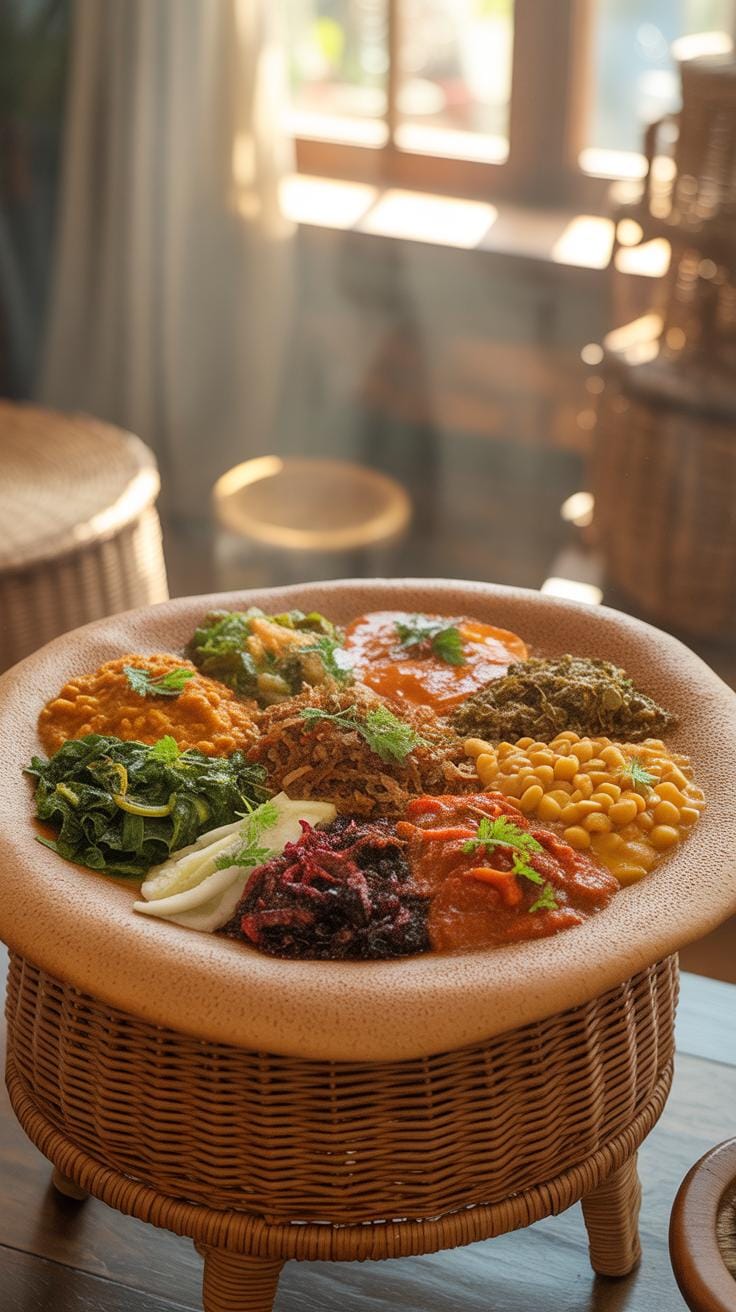
The Ethiopian diet leans heavily on whole grains like teff, an ancient grain packed with fiber and essential nutrients. Pair that with an abundance of legumes, such as lentils and chickpeas, which bring a load of plant-based protein and minerals to the table. Then there are the spices—besides flavor, they carry unique properties that might surprise you. When you combine these elements, you get a diet that’s naturally rich in fiber, complex carbs, and antioxidants.
Eating this way might not only improve digestion but could also help keep blood sugar levels steady. I mean, it makes you wonder how such a simple mix of ingredients has supported populations for centuries. Of course, this doesn’t guarantee miracles, but there’s something in the balance and variety that seems to encourage overall wellness. You might notice more energy or less of those mid-afternoon slumps.
So, if you’re seeking a diet that feels wholesome and grounding, the Ethiopian style’s emphasis on natural, unprocessed foods could be worth exploring. It’s maybe less trendy and more a matter of tradition—but that longevity counts for something, doesn’t it?
Impact On Heart Health And Weight
If you’re thinking about heart health, you might find the Ethiopian diet interesting. The heavy use of fiber-filled grains and legumes tends to help lower cholesterol levels. Plus, most dishes aren’t drenched in fat but focus on plant-based ingredients, which often means fewer unhealthy fats creeping in.
And weight management? It might sound surprising, but these foods can make you feel full longer without loading up on calories. That’s partly because of the high fiber and protein combo. Eating this way could reduce the urge to snack endlessly—though, of course, it depends on portion sizes and how you prepare the meals.
You could say it promotes a sort of natural balance—energy in, energy out—without too much fuss. Maybe the slow eating customs tied to Ethiopian meals also play a role here. I’m not entirely sure, but it’s something you might want to think about if you struggle with overeating.
Anti-Inflammatory And Antioxidant Effects
Spices like berbere and turmeric don’t just make Ethiopian dishes vibrant; they bring anti-inflammatory and antioxidant benefits too. These compounds help to reduce oxidative stress, which is linked to aging and several chronic diseases. Lentils and beans contribute as well, packing polyphenols and other nutrients that fight inflammation quietly but effectively.
What’s interesting is how the combination of these ingredients creates a sort of natural defense system. It’s like each meal nudges your body toward healing, without you having to think much about it. Have you noticed how some seasons or diets just seem to make you feel more robust? Ethiopian spices and legumes might explain part of that.
Of course, everyone’s body reacts differently, and you can’t expect instant results. But if inflammation’s been an issue for you, incorporating these foods might offer steady, subtle relief. It’s worth a try, at least.
Where To Find Ethiopian Ingredients
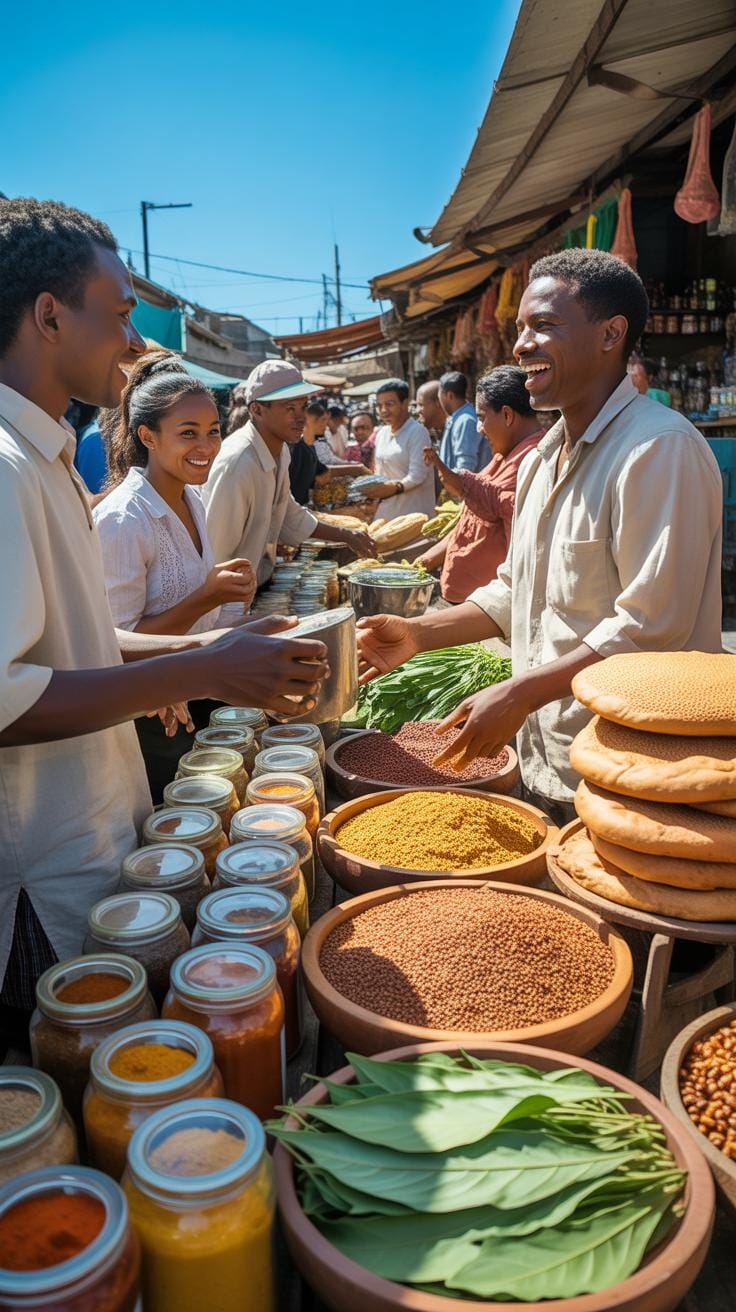
Finding authentic Ethiopian ingredients can feel tricky at first, especially if you don’t live near a large city with a bustling international market. But it is possible. Many specialty stores and markets carry key staples like teff flour and berbere spice, though you might have to search a bit.
Look for African or East African grocery stores—they often stock teff flour, injera mix, lentils, and genuine berbere blends. Sometimes, Middle Eastern markets have what you need too, since there’s some ingredient overlap. Health food stores can be a hit or miss for teff flour, since it’s popular among gluten-free shoppers.
If you prefer online shopping, a few trusted websites specialize in Ethiopian products. Places like Addis Trader and Kaldi’s Coffee sell essentials like teff flour and spices. Amazon also offers packaged berbere and niter kibbeh from reliable sellers, but quality can vary, so reviews help.
Have you tried scouring local markets or websites? It might take some patience, but once you get the hang of where to look, cooking Ethiopian dishes at home becomes a lot more feasible. Plus, there’s something satisfying about hunting down those authentic ingredients yourself.
Conclusions
Ethiopian cuisine uses natural, wholesome ingredients like teff, legumes, and spices that provide essential nutrients and promote health. Its plant-based dishes and unique fermented foods offer antioxidants, fiber, and vitamins beneficial to your body.
Understanding the ingredients and their benefits can inspire you to try this cuisine and incorporate some of its healthy components into your diet. Ethiopian food stands as a tasty example of how tradition and nutrition can go hand in hand.