

The Illusion Of More: Why Most Hiking Gear Is A Crutch

Minimalism As A Performance Enhancer
You want the gear list because it feels like control. Here’s what actually happens: every item you pack is a decision tax on your cognitive load. Borrow from systems design—load capacity isn’t just physical weight, it’s mental bandwidth. A hiker carrying fifteen gadgets spends energy managing inventory instead of reading terrain, pacing effort, or noticing weather shifts. The best hikers I know carry half what beginners think they need. Less gear forces competence. You learn to read a map without a GPS unit constantly correcting you. You develop weather intuition instead of relying on a fancy barometer.
The performance gain isn’t from adding tools. It comes from removing the false safety net that makes you sloppy. A compass and map require attention. A GPS lets your attention atrophy. Strip everything down to genuine utility, and you move faster, tire slower, and notice more. The gear that survives your pack is gear that solves a real problem on the trail, not gear that solves a problem in the marketing copy.
The Hidden Costs Of Over Packing

The common advice is wrong: people don’t over-pack because they’re cautious. They over-pack because they haven’t hiked enough to know what they actually use. Watch a first-timer versus a veteran at the trailhead. The veteran has nine items. The beginner has a list of twenty-three. The beginner’s pack weighs eighteen pounds before water. The veteran’s weighs seven. Over time, every extra pound multiplies into pain. An extra two pounds means two additional calories burned per mile, compounded over eight miles, becomes real suffering. Most hikers quit early because they’re exhausted, not because the trail is hard.
Start with a core set of proven essentials. Hike the same route twice in different seasons. Note what you actually grabbed versus what stayed untouched. Delete the untouched items for your next trip. This isn’t minimalism as ideology. It’s minimalism as a feedback loop. Keep only what the trail teaches you to keep.

The Survival Triad Protocol: Your True Hiking Pack Essentials

Navigation: Mastering The Map, Not The App
You want your phone to work so you don’t have to think. That’s the real reason most hikers skip paper maps. But here’s the mechanism: your phone dies when the temperature drops below freezing, when you cross into a dead zone, or when you simply miscalculate battery drain. Navigation is a system with redundancy built in, not a single point of failure. Your map and compass don’t require satellites, towers, or charge cycles. They require you to learn one skill: triangulation. A topographic map shows terrain elevation through contour lines. A compass aligns you to magnetic north. Together they give you position and direction without dependency. Carry both. Your phone is a backup tool, not your primary navigation system. The moment you treat it as primary, you’ve already made the mistake that strands hikers every season.
The physical act of map reading transfers spatial awareness to your brain in a way screen-swiping never does. You develop a mental model of the landscape before you enter it. You spot hazards, elevation changes, and water sources that GPS skips over in favor of the fastest blue line. This is not nostalgic thinking. This is systems engineering: redundant inputs create better decision-making. Pack a waterproof map case. Learn to use your compass before the hike, not during it. Store both items in a pack pocket you can reach without removing your backpack. Verify you know how to orient the map to your surroundings before you depart.
Shelter And Fire: Primitive Skills First
The advice tells you to pack a tent and matches. That’s incomplete and backwards. What actually matters is understanding heat loss and fuel scarcity before you ever leave home. Shelter is about stopping wind and retaining body heat. Fire is about creating heat when your body can’t generate enough. A lightweight emergency bivy or space blanket works because it reflects radiant heat back to your body, not because it’s a full shelter solution. If you’re counting on your tent to save your life in an unplanned overnight, you’re depending on perfect deployment in low visibility and cold fingers. That fails. The real protocol starts with a fire-starting system that works when wet: waterproof matches, a ferro rod, or both. Carry tinder that ignites reliably—not dry leaves you hope to find, but prepared material in a sealed bag.
Primitive fire-building skill is the layer most hikers skip. You can carry the best gear and still fail to produce fire because you’ve never actually practiced building one from kindling to sustained flame. The progression matters: tinder catches spark, kindling catches tinder, fuel wood sustains it. This sequence doesn’t change whether you’re using matches or friction. Understand deadfall wood classification—wet bark burns poorly, dense dead branches burn hot. Before your next hike, build a fire in your yard and let it burn down completely. Document what worked and what didn’t. Pack a lightweight emergency shelter (bivy or space blanket), a proven fire-starting method with backup, and prepared tinder in a waterproof container. Test everything at home first. Execution speed matters when the sun is setting.
Beyond The Buzzwords: Real Backpacking Gear For Extreme Conditions
Layering: Adapting Like A Desert Organism
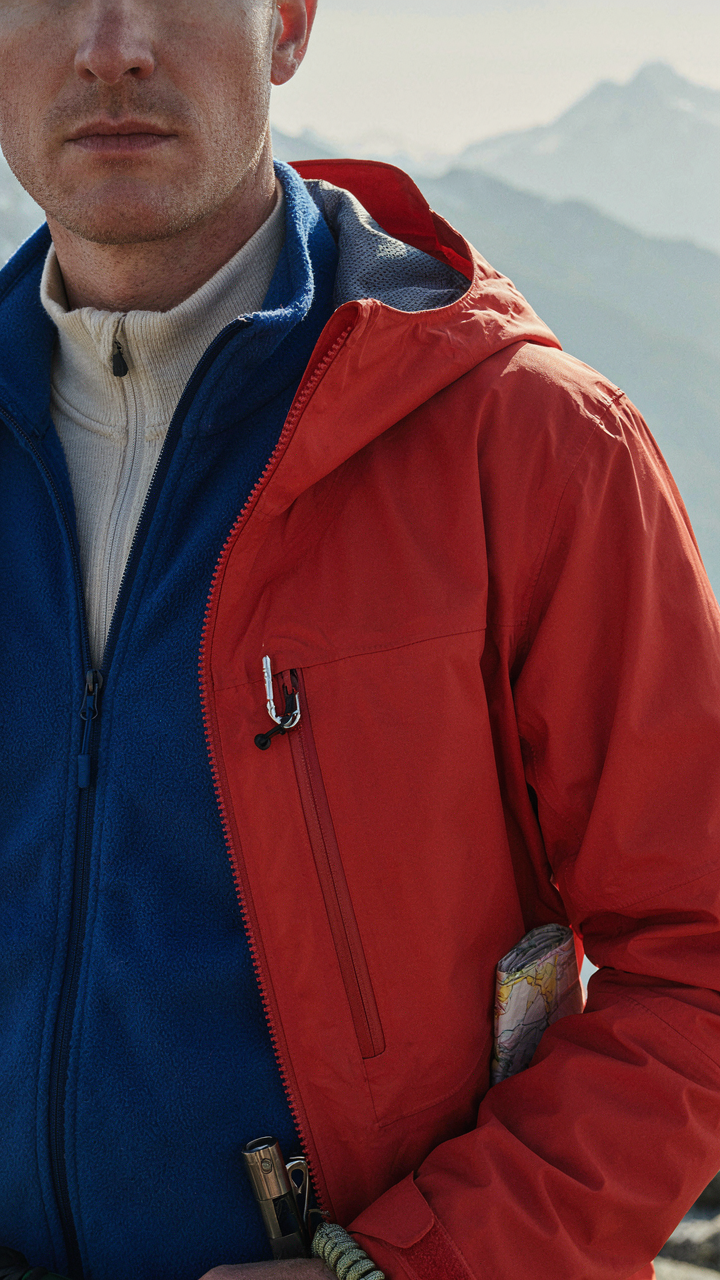
You want permission to buy expensive gear without admitting you’re afraid of being uncomfortable. Here’s what actually matters: biology teaches us that organisms survive extreme environments through insulation strategy, and your clothing system works the same way. The mechanism is vapor pressure differential, not brand names. Moisture moves from warm skin outward. Your base layer doesn’t insulate—it manages this movement. Your mid layer traps dead air. Your shell blocks wind and rain. Each layer has one job.
Most hikers get this backwards. They pack one heavy jacket and assume it handles everything. Then they sweat in it during climbs and freeze when they stop. Real extreme conditions require you to shed and add layers constantly. Merino wool base layers work because they regulate temperature across a wider range than synthetics. Fleece mid layers compress small and dry fast. A lightweight hardshell stays in your pack until you need it. The gear isn’t about looking prepared—it’s about responding to conditions without stopping to make decisions.
Hydration: Engineering A Closed Loop System
Engineering reveals why most hydration systems fail: they treat water storage as separate from water consumption. You carry a bottle. You drink from it. You refill at a stream. This approach wastes time, weight, and cognitive load. A closed-loop system eliminates friction at every step. Your container attaches directly to a filter. Water moves from source to storage to consumption in one gesture, not three.
A lightweight collapsible reservoir with an integrated intake line attached to a gravity filter or squeeze filter removes the bottleneck. You fill directly from the source without transferring between containers. The reservoir clips to your pack. You drink through a tube or bite valve on demand. No bottles rolling around. No multiple containers to track. No time spent at each water source fumbling with different tools. The mechanism is simplicity through integration: one system, one motion, continuous availability.
The Prepper’s Paradox: Backcountry Camping Essentials You Actually Need
When Signal Dies, Everything Changes
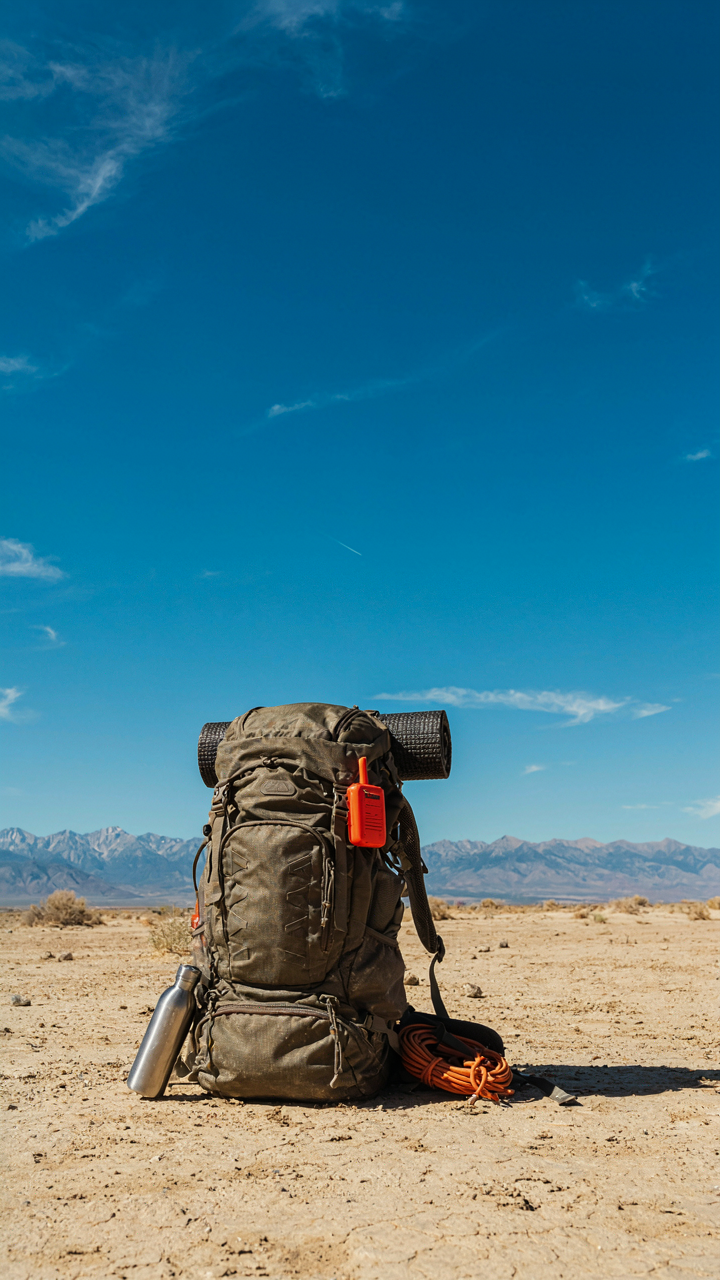
You want a satellite communicator because you’re terrified of being unreachable, and that fear is rational. But here’s what people won’t say plainly: a personal locator beacon and a two-way satellite messenger serve opposite functions. A PLB broadcasts “I’m dying, send help” to rescue services. A Garmin inReach or similar device lets you send arbitrary messages and confirm receipt. One is insurance. One is a false sense of control. Most hikers grab the two-way device thinking they’ll text their way out of trouble, then discover the backcountry doesn’t care about your messages.
The real mechanism is this: satellite devices work on the Iridium network, which has polar coverage. Cell boosters and extenders do not. If you’re in a canyon, under heavy tree cover, or anywhere the horizon is blocked, neither technology penetrates. Assume no signal below 30 degrees of open sky. A PLB costs less and does one job perfectly. A two-way communicator costs more and creates false confidence. Choose based on your actual hiking pattern, not on what sounds more capable.
Wounds Don’t Wait For Google
Most first aid guidance treats injury as a knowledge problem. Bring a manual, memorize tourniquets, you’re covered. That’s incomplete. Field medicine is about flow rate and pressure, the same physics that governs hydraulics in engineering. A leg wound bleaks out in minutes. Your knowledge means nothing if you can’t apply force fast enough. The standard first aid kit treats blisters and minor cuts. It does not address what actually kills backcountry hikers: arterial bleeding, severe hypothermia complications, or crush injuries from falls.
Stock your kit around mechanisms, not scenarios. Pack a modern tourniquet, not a strip of fabric you’ll fumble with under stress. Include a hemostatic gauze or similar agent that actually stops bleeding through coagulation acceleration. Carry a space blanket rated for active rewarming, not decorative insulation. When you hit the trailhead, you’ve already decided whether you’ll survive the next emergency through what you packed, not through what you remember.
Summer Hiking Essentials: Heat, Humidity, And Human Resilience
Electrolyte Management On The Trail
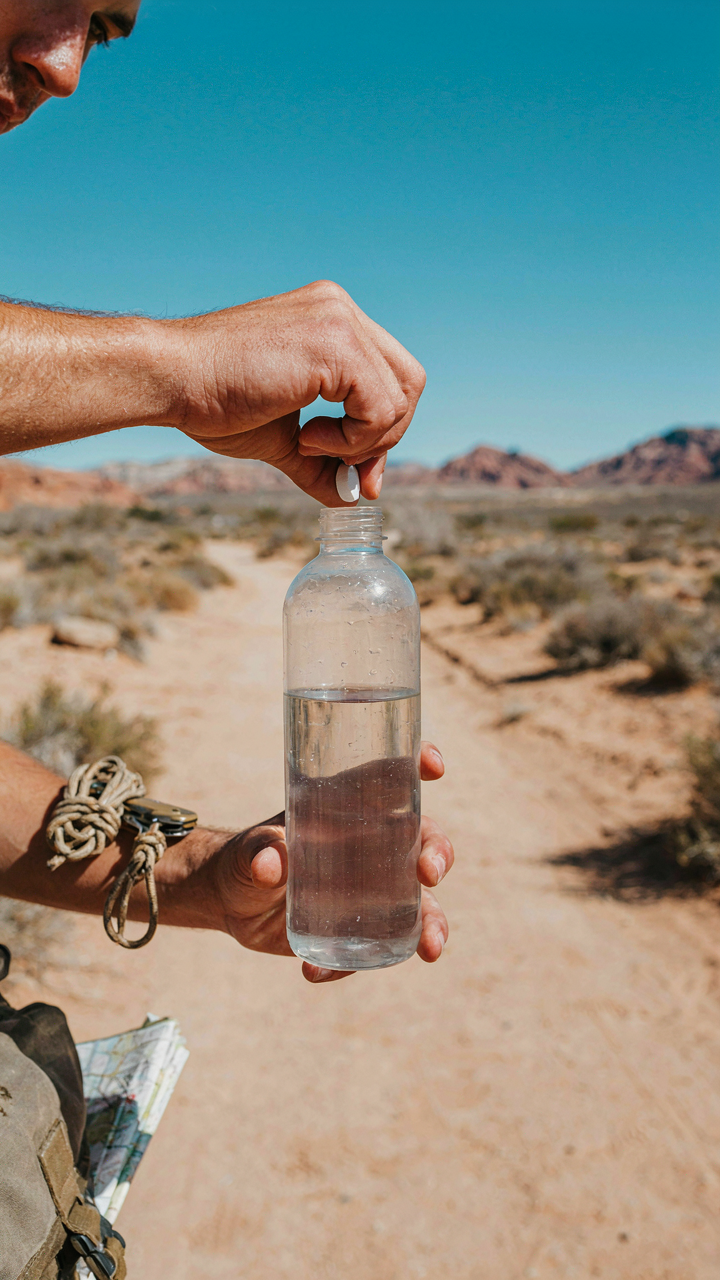
You want to believe sweat is just water leaving your body. It’s not. You’re hemorrhaging sodium, potassium, and magnesium at rates that depend on heat, exertion, and genetics. Think of electrolyte balance as a supply chain problem from operations management: your body runs a just-in-time system that fails catastrophically when inputs stop arriving. Dehydration is the visible symptom. Electrolyte depletion is the mechanism that kills performance before you notice.
Heat and humidity force a choice: carry electrolyte replacement or run a deficit that compounds hourly. Most hikers ignore this entirely and rely on water alone, which actually worsens the problem by diluting remaining electrolytes. You need sodium intake during exertion to maintain plasma volume and signal thirst accurately. The gadgets that matter are the ones that make electrolyte intake frictionless, not the ones with the best marketing.
- Electrolyte tablets or powder packets: Dissolve in water to replace sodium, potassium, magnesium without added sugar. Lightweight, shelf-stable, and dose-controlled. Brands like Liquid IV or Nuun work, but generic sodium chloride plus potassium citrate is cheaper and identical.
- Collapsible water bottles with flavor additives: Makes consistent electrolyte consumption easier on longer hikes. The collapsible design saves pack space when empty. Flavor reduces the mental friction of drinking strategically.
- Electrolyte-specific hydration pack bladder: Some packs integrate electrolyte compartments or mixing chambers. Lets you sip continuously without stopping to mix. Worth considering if you’re on routes longer than six hours.
- Sodium stick or salt capsule dispenser: Pre-portioned sodium for athletes who prefer food-based intake. More palatable than drinking salt solution. Use when you’re eating solid food at rest stops.
- pH test strips or refractometer: Overkill for most hikers, but tells you exactly when your hydration status has shifted. Urine color alone is unreliable in heat. Useful data if you’re training or recovering from previous depletion.
Electrolyte timing matters more than quantity. Start intake 20 to 30 minutes into exertion, not at the trailhead. Your body’s absorption capacity is finite, so frequent small doses outperform occasional large ones. On a summer day hike over four hours, you should consume 300 to 600 milligrams of sodium per hour depending on sweat rate and heat exposure.
Sun Protection By Strategic Layering
Everyone knows sun protection matters. What they miss is that consistent coverage beats reapplication every two hours. Strategic layering means wearing UPF fabric from the start instead of gambling on sunscreen compliance and sweat washout. The real mechanism is simple: physical barriers compound over distance; chemical ones erode.
A lightweight UPF long-sleeve shirt and neck gaiter solve the coverage problem you didn’t know you had. Your shoulders, ears, and the back of your neck accumulate damage on routes where you’re exposed for six-plus hours. Sunscreen works, but it requires discipline and reapplication that most hikers skip. UV-blocking sunglasses protect the eyes and surrounding skin at the cost of minimal weight. The trade-off is worth it because damage is cumulative and silent until it surfaces years later as melanoma risk you can’t reverse.
The Preparedness Grid: Your Essential Hiking Checklist
Gear Vs. Skill: The Competence Dividend
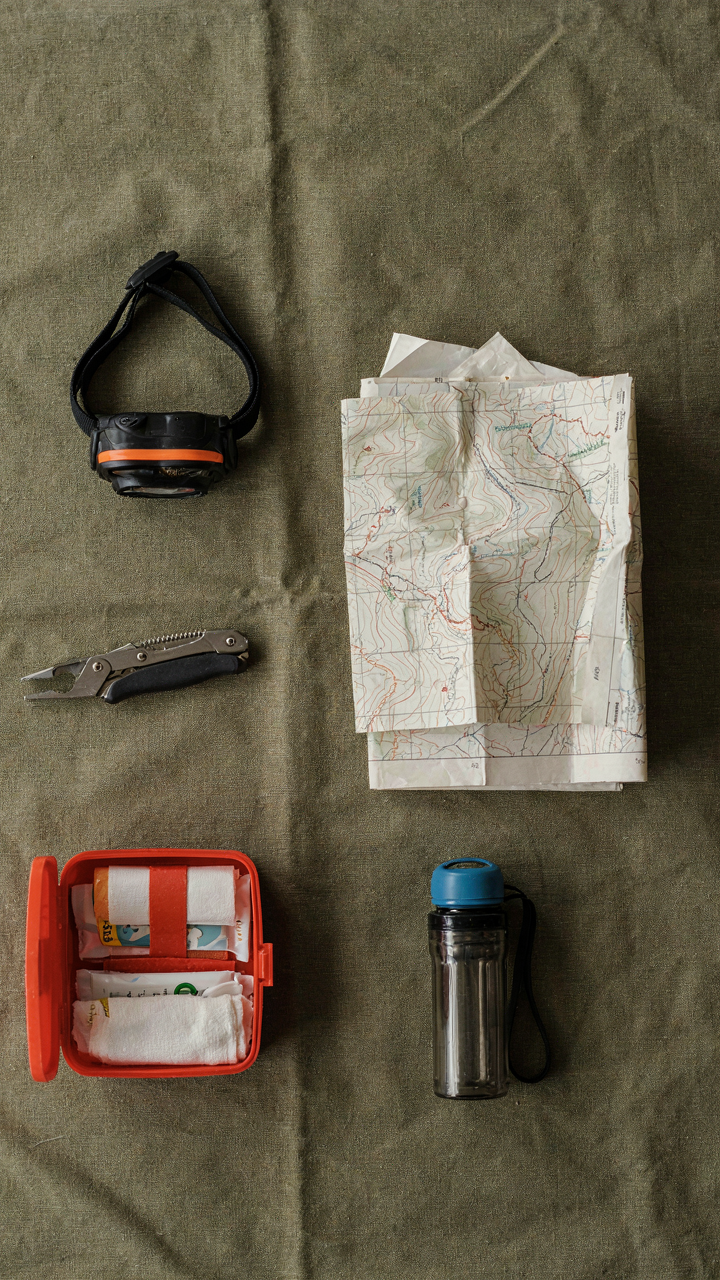
You want gadgets to feel in control. That’s the real reason you’re reading this. Here’s the mechanism: skill makes gear optional, but gear never makes skill unnecessary. In risk management terms borrowed from engineering, gear functions as redundancy in your system. A map and compass require navigation literacy. A GPS device reduces that requirement but still needs battery awareness and basic orientation sense. The competence dividend comes from understanding what each gadget actually solves versus what it merely delays.
Most hikers buy more gear hoping it replaces judgment. It doesn’t work that way. A satellite communicator handles emergencies, but only if you know when to trigger it. A water filter prevents illness only if you recognize contaminated sources. The gadgets that matter are the ones that extend your existing competence rather than paper over its gaps. Start by identifying what you can’t do yet, then add gear that lets you do it safely. Gadgets without skill create false confidence, which kills people on trails.
Pre Trip Assessment: Risk Mitigation Framework
Risk mitigation requires you to map terrain, weather, and your own limitations before packing anything. A topographic map shows elevation gain, water sources, and escape routes. A weather history for that region in that season shows what conditions actually occur, not what you imagine. A personal inventory reveals your weaknesses: navigation skills, fitness level, tolerance for cold, reaction time in stress. Only after this assessment do you know which gadgets transfer from optional to required.
Different routes demand different gear. A day hike on marked trail in spring needs less than a remote alpine route in late fall. Building your checklist from worst-case scenario thinking leaves you with 40 pounds you’ll never need. Building it from actual terrain and weather conditions gives you the right tool set. Start with terrain type and season, map the specific risks those create, then select gadgets that address only those risks. This prevents both under-preparation and the bloated pack that turns a hike into a suffering expedition.
The Myth Of “Basic”: Rethinking Your Hiking Things To Bring

Footwear: Foundation Of Your Outdoor Machine
You want to believe expensive boots signal competence. They don’t. What matters is ground contact. In biomechanics, the foot is your kinetic chain’s base. Every misstep upstream traces back to ankle stability. A worn sole causes your body to compensate for hours, wasting energy your legs need for distance.
Most hikers buy boots then wonder why their knees hurt by mile four. The issue isn’t the boot. It’s that they never tested it on actual terrain before committing to a full day. Your feet swell on trail. Blisters form from friction that boots marketed as “broken in at the factory” never account for. Wear your chosen footwear on progressively longer walks, wet grass, and rocky ground before you depend on it.
Fuel: Eat For Output, Not Instagram
The common advice here is dead wrong. Hiking nutrition is not about variety or balanced meals or what looks good in photos. It’s about caloric density and digestion speed. Your body burns two to three times normal calories on trail depending on gradient and pack weight. A granola bar with ten grams of sugar hits your system fast but leaves you empty in ninety minutes.
- High-fat energy bars: Nuts, nut butter, and fat digest slower than carbs alone, sustaining you across long stretches without the crash that pure sugar creates.
- Dried fruit: Lightweight, shelf-stable, and calorie-dense. Apricots and dates deliver sustained energy without the bloat of fresh fruit.
- Salted nuts: Combination of fat, protein, and sodium prevents electrolyte depletion on warm days while providing sustained satiety.
- Jerky: Protein-forward, requiring minimal water for digestion. Stops the muscle depletion that pure carbs allow on long descents.
- Nut butter packets: Single-serving packets eliminate waste and decision fatigue. Two tablespoons contain enough fat to keep hunger silent for hours.
Pack food by calories per ounce, not by what sounds good. Calculate your burn rate based on pack weight and elevation gain, then multiply that by your planned hours on trail. That number is your minimum fuel load. Anything less is a gamble you’ll regret at mile eight when your blood sugar dips and every step becomes negotiation.
Tech Vs. Tenacity: When Gadgets Become A Liability
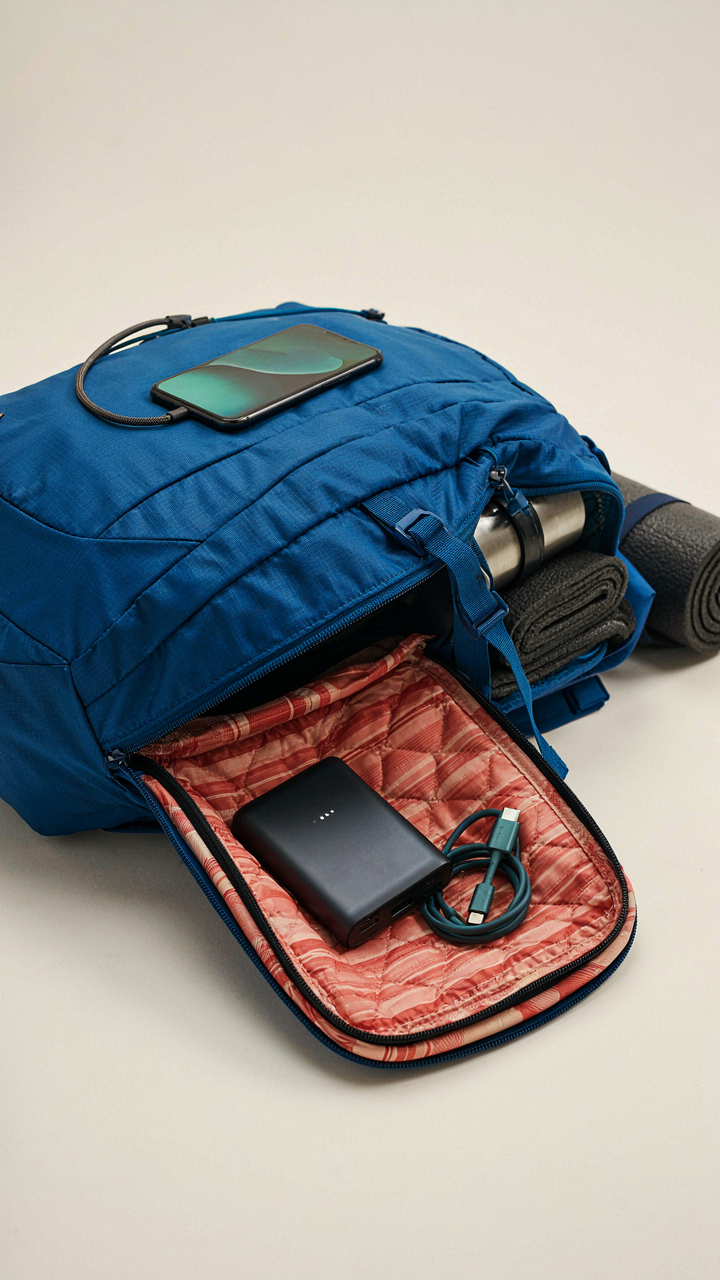
Battery Life: Anticipating Power Decay
You want the gadget to save you, not become dead weight at mile eight. That’s the fear driving this question, and it’s legitimate. But most hikers misunderstand battery decay as a linear problem when it’s exponential. Cold temperatures don’t just reduce capacity; they compress the chemical reaction rate inside the cell itself. A lithium battery rated for 20 hours at 70 degrees drops to 12 hours at 40 degrees and 6 hours at 20 degrees. Your GPS unit, headlamp, or satellite communicator doesn’t fail because you miscalculated. It fails because you ignored thermodynamics.
Plan for worst-case conditions, not rated conditions. Carry a power bank only if the hike duration plus contingency time stays within 60 percent of its stated capacity in your expected temperature range. Keep electronics inside an insulated layer of your pack, not exposed to air. A dead gadget is cargo. A gadget that dies mid-emergency is a liability that burned mental energy and added weight.
Single Points Of Failure: The Redundancy Principle
Engineering distinguishes between “single points of failure” and “fail-safes.” A headlamp is a single point of failure. Your night vision is the fail-safe. Most hikers pack one of each critical tool and call it done. That’s incomplete thinking. Systems fail in sequence, not isolation. If your primary navigation tool malfunctions, your backup becomes your single point of failure unless it operates through an entirely different mechanism.
Redundancy means backup through a different method, not duplication. Don’t pack two GPS units. Pack a GPS and a paper map with a compass. Don’t pack two headlamps. Pack a headlamp and chemical glow sticks or a backup light powered by a different battery type. This isn’t overcautiousness. This is recognizing that a mechanical failure or battery incompatibility won’t cascade into total system collapse. Test each backup system independently before the hike. A tool you’ve never used under pressure is just dead weight.
The Self Reliance Algorithm: Mastering The Hiking Essentials List

Build Your Feedback Loop On The Trail
You want this section to validate that you’re already doing it right. That’s the real fear underneath. The mechanism is simple: hiking gadgets only matter if you extract data from each use, then adjust. Most hikers repeat the same setup infinitely without interrogating why. They pack what worked once and never question it again.
Real mastery requires a feedback system. After each hike, document what you actually used versus what sat dead weight. Track conditions, distance, and terrain difficulty. Note which gadgets solved problems you didn’t expect and which you grabbed out of habit. This isn’t journaling for therapeutic value. This is systematic refinement. Your gear list improves only when you treat it as an experiment with measurable results.
The Operating System Comes First
Your mindset determines which gadgets matter more than the gadgets themselves. Most advice puts cart before horse by listing items instead of naming the principle that decides what to carry. The real essential is this: you must accept that self reliance is a choice to solve problems with what you bring, not a promise that nothing will go wrong.
This shifts everything. A compass becomes useless if you believe GPS will always work. A repair kit feels optional if you think help is always nearby. The gadgets don’t create competence. Your decision to carry them as backups, paired with actual skill, creates it. Pack redundancy for critical functions. Carry a map and compass even if you use your phone. Bring a backup light source and first aid basics. The gadget itself is secondary. Your willingness to own the outcome is primary.
The Real Wilderness Isn’t Outside; It’s The Unprepared Mind Seeking Comfort In Retail Solutions

Most hikers buy gadgets to feel ready. They confuse gear with competence. The real shift happens when you stop treating your backpack like a security blanket and start treating it like a decision. Pick three tools that solve your actual problems, not the problems the internet invented for you. Test them on a short trail this week. You’ll learn more in two hours than scrolling REI reviews for two months. Gear doesn’t make you a hiker. Decisions do.