
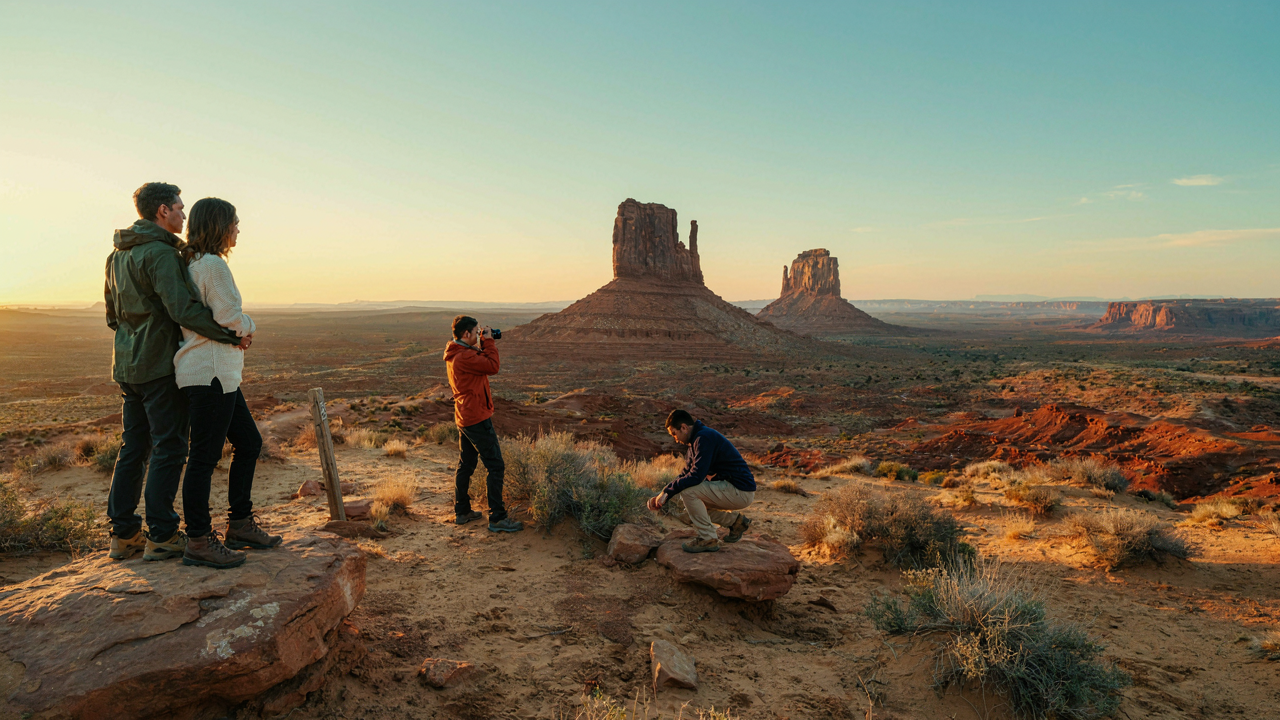
The Arid Aesthetic Fallacy: Why Your “Desert Vibes” Are Missing The Point

Instagram Sold You A Lie
You want the desert to confirm you have taste. That’s the real driver here. The problem is you’re experiencing it through a filter designed to flatten depth into texture. Using thermodynamic language, most visitors treat deserts like closed systems: stable, pretty, finished. They’re not. Deserts operate as open systems where every visible element—rock formation, plant spacing, animal behavior—responds to extreme resource scarcity. You see a sunset. The ecosystem sees a temperature drop that triggers nocturnal feeding patterns. One is aesthetic consumption. The other is mechanism.
The desert doesn’t perform for Instagram because it never evolved to please humans. It evolved to survive where water arrives maybe once a year. When you visit Moab or Death Valley expecting beauty, you’re actually paying to observe a place that solved problems you’ve never faced. Most visitors leave having photographed surfaces without understanding the constraint that created them. The constraint is the entire story. Skip this layer and you’ve wasted the trip.
What The Desert Actually Teaches

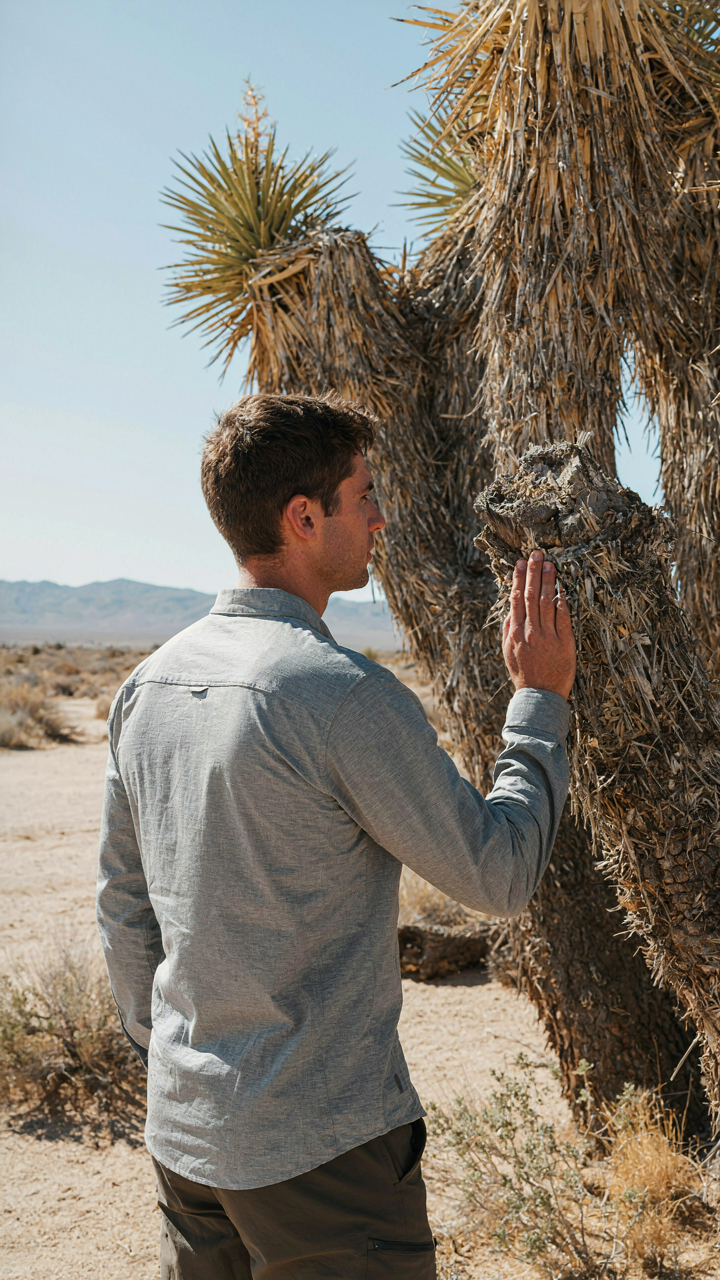
Deserts reveal hostile design through efficiency. Nothing in a desert park exists for decoration. A saguaro’s waxy skin isn’t texture—it’s a water retention system. Creosote bushes space themselves exactly far enough apart to avoid competing for moisture that won’t return for months. The Joshua tree’s twisted branches aren’t character—they’re a structural adaptation to wind load in soil that can’t support conventional root systems. You stand there calling it beautiful, and yes, it is. But not because it’s decorative. It’s beautiful because every single form solves a real constraint.
This changes how you move through a desert park. Instead of collecting photos, you start reading the landscape like an engineer reads a bridge. Why does vegetation cluster only in certain arroyos? Because that’s where water collects during flash floods—the only reliable water event. Why are rock formations striped and layered? Different mineral deposits compressed over millions of years, each layer a record of climate shifts. When you understand the mechanism driving the form, the place stops being a backdrop and starts being a text. Your job is learning to read it.

The Scarcity Protocol: Maximizing Impact In Minimalist Landscapes
One Experience Over A Checklist
You want the Instagram validation of “I went to a desert park” without admitting you’re terrified of wasting a vacation day on nothing. The mechanism is simple: desert parks punish tourists who treat them like buffets. The landscape offers no filler. You either engage deeply with what exists or you leave empty.
Most desert parks reward compression over coverage. Pick one major formation, one water source, one wildlife pattern to track. Joshua Tree’s rock formations demand climbing and observation, not drive-by parking lot visits. Death Valley’s salt flats require dawn arrival and specific light angles to read the geometry. The constraint forces attention. Depth converts a location into memory.
The Gradient Method
Strategic engagement means matching your body and schedule to the park’s actual operating logic. Slot canyons in the American Southwest demand early morning entry to avoid flash flood risk and crowding. Petrified Forest’s painted badlands require midday sun angles to reveal color saturation in the rock layers. Carlsbad Caverns’ cave ecosystems function on thermal cycles that shift throughout the season. You don’t choose what to do. The park’s mechanism chooses for you.
Plan your visit around one non-negotiable feature that has specific conditions. Arrive when that condition peaks. Skip everything else. This removes decision fatigue and eliminates the shallow tourist trap of trying to see every named vista. Your presence becomes active rather than passive. You extract value because you’ve aligned your timing to the landscape’s constraints, not your preferences.
Beyond Instagram: Cultivating Authentic Travel Aesthetic Moments

Golden Hour Isn’t The Whole Story
You want proof that you were somewhere worth being. That’s the real thing driving this. Here’s what matters: desert light operates on physics, not sentiment. The sun’s angle determines contrast ratio—the difference between shadow and highlight your camera can actually capture. In deserts, this ratio peaks twice daily, but not equally. Morning light hits lower, creating longer shadows that reveal terrain texture. Afternoon light flattens everything after 11 a.m. until the hour before sunset. Most visitors shoot midday and wonder why their footage looks dead.
The mechanism is atmospheric thickness. Desert air is dry and clear, so light travels through fewer particles. This means shadows hold detail longer than they do in humid environments. A canyon wall at Joshua Tree at 6 a.m. reads in five distinct tonal layers. The same wall at noon reads as two. Your phone’s sensor captures this difference automatically. Timing isn’t romantic. It’s a technical requirement.
Composition Before The Camera Exists
Everyone says “frame what matters.” That’s incomplete advice because it skips the hard part. Real framing means deciding what your viewer’s eye should move toward first, then second, then stop. In desert parks, the landscape does the work for you if you position yourself correctly. Slot canyons create natural leading lines. Rock formations cast shadows that divide the frame into thirds without you doing math. The problem isn’t finding good compositions. It’s recognizing them before you raise your phone.
Scout locations during dead hours—midday when light is harsh and tourists thin out. You’ll see the bones of a place without distraction. Notice where water has carved channels. Mark where one color abruptly changes to another. Identify foreground objects that sit between you and the main subject. When you return during valid light, you’re not hunting. You’re executing. Position your eye at ground level, waist level, and raised high. Each angle changes what the frame contains. Pick one. Shoot it. Move on.
Desert Landscape Architecture: Nature’s Masterclass In Design
How Water Moves Through Silence
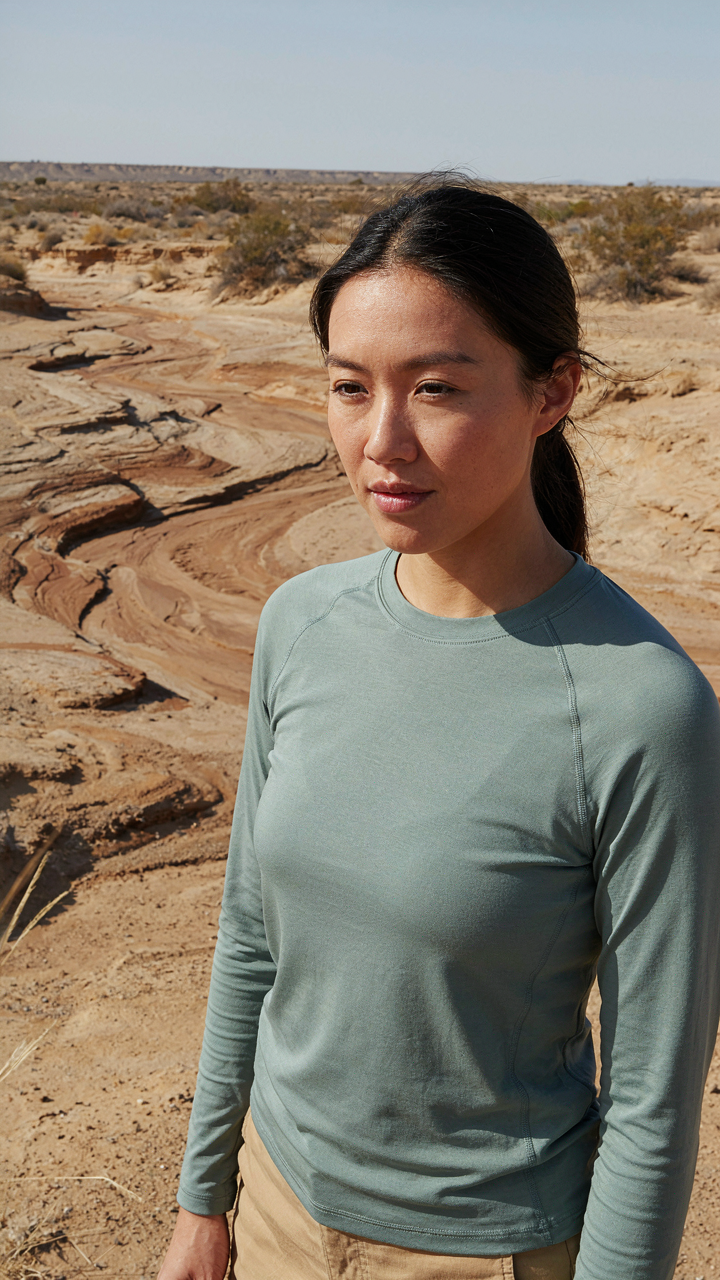
You’re reading this because you want to feel like you understand something most people miss. Here’s what actually matters: deserts aren’t empty. They’re hydraulic systems operating on a timeline measured in years between rain events. Hydrology, the study of water movement, governs desert parks like topography governs a city. The visible arroyos and wadis you see carved into sand aren’t decoration. They’re infrastructure that concentrates water, shapes vegetation patterns, and determines where life clusters. Parks like Anza-Borrego and Death Valley show this clearly through their drainage networks.
Wind operates the same way. Dunes don’t form randomly. They respond to prevailing wind direction with geometric precision. The saif dunes (linear formations) and barchan dunes (crescent-shaped) at parks across the Mojave and Sonoran deserts follow wind patterns you can predict without instruments. Visitors who understand this read the landscape like a map instead of seeing static scenery. The design lesson is blunt: work with force distribution, not against it. Park trails and structures that ignore these patterns fail faster.
Creatures Built The Answers First
Most landscape design borrowed from nature after the fact. Desert life solved these problems millions of years before architects had names for them. Biomimicry isn’t new thinking dressed up in modern language. It’s recognizing that a kit fox’s den, a barrel cactus’s spine structure, or a rattlesnake’s heat sensors represent optimization problems already solved. The cooling systems in tortoise shells and the water-harvesting geometry of desert plants demonstrate engineering principles that parks now intentionally expose to visitors.
When you visit Saguaro or Joshua Tree, the architecture you notice—the trail grades, the shade structures, the water systems—succeeds because designers copied, not invented. The angle of vegetation on slopes, the depth of root systems, the spatial distribution of shade trees: these aren’t suggestions. They’re constraints that work. Parks that fail ignore them. The mechanism is straightforward: observe what survives, replicate the system, then test it across seasons. This is how you move from guessing to building things that last.
The Erosion Principle: A Geologic Time Perspective On Beauty

Reading The Landscape: Millions Of Years Sculpted
You want to feel like you’re standing in front of something permanent and timeless, but the truth is you’re looking at a crime scene. Every canyon, butte, and slot in a desert nature park exists because stone lost a battle it couldn’t win. The landscape you visit today is the physical record of what water and wind removed, not what remains. Most people see a pretty rock formation. Geologists read the subtraction.
Desert parks expose geological layers like pages in a book you can actually touch. The Vermilion Cliffs show Jurassic sandstone sitting directly on Permian limestone because millions of years of erosion stripped away everything in between. Each visible stratum marks a different climate, different sea level, different life. You’re not observing beauty. You’re observing time made visible through loss. When you hike through these parks, you’re walking through the physical evidence of what the planet has shed.
Wind And Water As Designers
Physics treats erosion as a simple input-output system: apply force over time, material diminishes. Desert parks operate on the same principle, but at scales that break human intuition. Wind doesn’t carve slowly. Wind follows the path of least resistance and exploits every crack and weakness until stone fails. Water does the same, but faster and with more precision. Flash floods in slot canyons like The Narrows at Zion carve walls with hydraulic force that no tool can replicate. The designer here isn’t human intention. It’s differential hardness and the relentless application of force to the soft points.
The visible formations in desert parks show you exactly where erosion worked most efficiently. Hoodoos in Bryce Canyon stand because the softer layers around them eroded first, leaving harder caprock on top. Arches in Moab form where water found grain boundaries in sandstone and exploited them until the stone separated. You don’t need to imagine the process. The landscape shows you the mechanism. When you visit, locate the softest material and the hardest stone nearby. That’s where the next phase of erosion will strike.
Utah National Park Scenery: Deconstructing The “Iconic” View
Where Most Visitors Never Go
You want the Instagram shot without the crowd of 200 people in the frame. That’s the real reason you’re reading this section. Here’s the mechanism: Utah’s most photographed formations sit at trailhead endpoints by design. The National Park Service routes foot traffic to specific viewpoints to manage erosion and protect fragile geology. This concentration creates the illusion that those spots are the only ones worth seeing. They’re not.
The Park Service publishes detailed maps and backcountry permit data showing usage patterns. These show massive gaps between trailheads. Island in the Sky at Canyonlands has dozens of named formations visible only from rough access points or technical routes. Zion’s West Rim Trail draws thousands weekly, while Observation Point offers nearly identical views with a fraction of the people. The difference isn’t the scenery. It’s the access cost in time and effort.
What The Rocks Actually Tell You
Geological cross-section analysis applies to reading desert formations. Think of it like layered information: each stratum reveals a different chapter. Utah’s Navajo Sandstone tells a story of an ancient sea, but most visitors see only the shape, not the narrative encoded in grain size and color variation.
The red layers at Arches tell you about iron oxidation. The white bands in Zion mark periods when the environment shifted from wet to dry. The Entrada Formation in Monument Valley shows crossbedding patterns created by wind, not water. When you learn to read these patterns, you stop seeing static monuments and start seeing time compressed into stone. This shift changes how you move through the landscape. You begin asking which walls face which direction, which creeks run through which canyons, which formations reveal the deepest history. Access becomes strategic instead of random.
Arid Landscape Navigation: The Mindset Of The Prepared Explorer
Gear Selection For Survival, Not Instagram
You want the gear list because you think it signals competence. It doesn’t. What signals competence is understanding why each item exists and what happens when you don’t have it. Desert nature parks operate on a scarcity principle from supply chain management: redundancy in critical systems keeps you alive when one fails. Your pack isn’t a collection of items. It’s a failure prevention strategy.
- Water storage containers: Carry 3-4 liters minimum per person for parks like Death Valley or the Mojave. Desert air evaporates sweat before you feel it, masking dehydration. Rigid bottles prevent collapse from pressure changes and temperature swings.
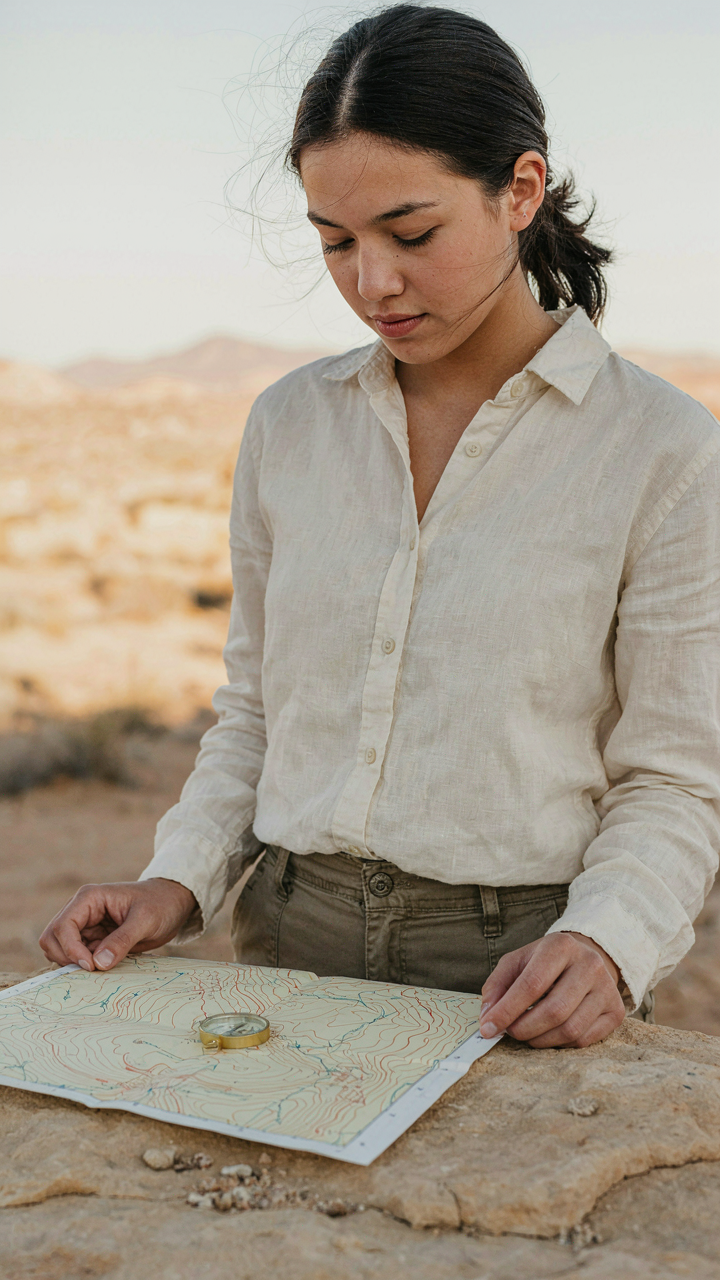
- Navigation tools: Paper topographic maps plus a compass work when batteries fail. GPS units rely on charge and signal. Maps don’t. Know your park’s water sources and emergency bailout routes before entry.
- Sun protection layers: Long-sleeve shirt, hat with neck coverage, and high-SPF sunscreen. UV intensity increases at elevation and reflects off sand and rock. Burns compromise your body’s cooling system within hours.
- Emergency shelter: Lightweight tarp or emergency bivy. Desert temperatures swing 40-50 degrees Fahrenheit between day and night. Exposure kills faster than dehydration in winter visits to parks like the Chiricahua or Sonoran Desert regions.
- First aid with blister management: Moleskin, athletic tape, and antibiotic ointment. Blisters end trips early. Pain management compounds poor decision-making in heat, so prevention outweighs treatment.
Minimalist packing means removing items with single purposes. A multi-tool replaces five separate tools. A lightweight tarp handles sun, wind, and emergency shelter. Your pack weight directly impacts water consumption and exhaustion speed. Every ounce you carry is an ounce of water you don’t carry. The math is brutal and non-negotiable in desert nature parks.
Psychological Endurance In Heat Stress
Heat stress degrades decision-making through a biological mechanism: your body prioritizes core temperature regulation over cognitive function. As core temperature rises, the prefrontal cortex loses executive capacity. You stop thinking clearly before you feel hot. This is why experienced desert explorers break trips into early morning and late afternoon sessions, abandoning the midday illusion that they’re building toughness.
Mental fortitude in deserts isn’t about pushing through. It’s about systematic adherence to time-based protocols that prevent the conditions where willpower becomes relevant. You don’t navigate by motivation in the Chiricahua or Gila Wilderness. You navigate by timetable. Start before sunrise. Stop by 11 AM. Resume at 4 PM. Stop at dark. This removes the negotiation that leads to poor judgment. Your schedule makes your decisions for you, which is exactly when the human mind performs best in extreme conditions. Build trips around water locations and shade, not distance targets.
The Desert’s Immutable Laws: What Arid Lands Teach About Resilience

How Plants Survive With Almost Nothing
You want this section because you think observing desert life will make you feel more resilient without actually changing anything. The mechanism is different: biology operates on constraint, and constraint forces adaptation at the cellular level. Desert flora don’t “inspire” resilience—they demonstrate it through verifiable trade-offs. Creosote bushes in places like Death Valley or the Sonoran Desert shed leaves during drought, not metaphorically but chemically, dropping 90 percent of their biomass to survive. This isn’t motivation. It’s resource allocation under scarcity.
Animals respond identically. Bighorn sheep in desert nature parks concentrate around seeps and hidden water sources, traveling miles on memory rather than exploration. They’ve evolved kidneys that conserve water at metabolic levels humans can’t replicate. Their strategy isn’t about willpower—it’s about structural adaptation. When you visit these parks and observe this directly, you see systems optimize for one variable: survival in the presence of shortage. Everything else gets cut.
Scarcity Forces Honest Prioritization
Applying biological principles to growth means stealing the desert’s operating system: ruthless elimination of the non-essential. In ecology, organisms in harsh environments don’t diversify their efforts—they specialize or die. The principle translates directly. You claim you want to grow, but you’re splitting attention across six directions. Desert organisms can’t afford this. A barrel cactus spends zero energy on reproduction until conditions justify it. Most people spend decades on activities that don’t move their actual needle.
The real protocol is inversion: list everything you’re doing, then ask which of these would survive if resources dropped by 80 percent. Keep only those. Desert parks teach this viscerally because nothing there wastes motion. Every adaptation serves a mechanistic purpose. When you return from visiting Arches or the Mojave, the task isn’t inspiration—it’s audit. Identify your activities’ true resource cost, then eliminate the ones that don’t map to your single highest constraint.
The Real Obstacle Isn’t Finding A Park; It’s The Shallow Gaze You Bring To Its Ancient, Arid Wisdom

Most people visit desert nature parks and see rocks. They see heat. They see emptiness. You’ll see what actually matters: patterns of survival, silence as a teacher, time moving differently. The shift happens when you stop treating these spaces like Instagram backdrops and start treating them like living classrooms. Today, pick one park within driving distance and commit to four hours there without your phone. The desert doesn’t care how many parks you check off, only how deeply you let it change you.