
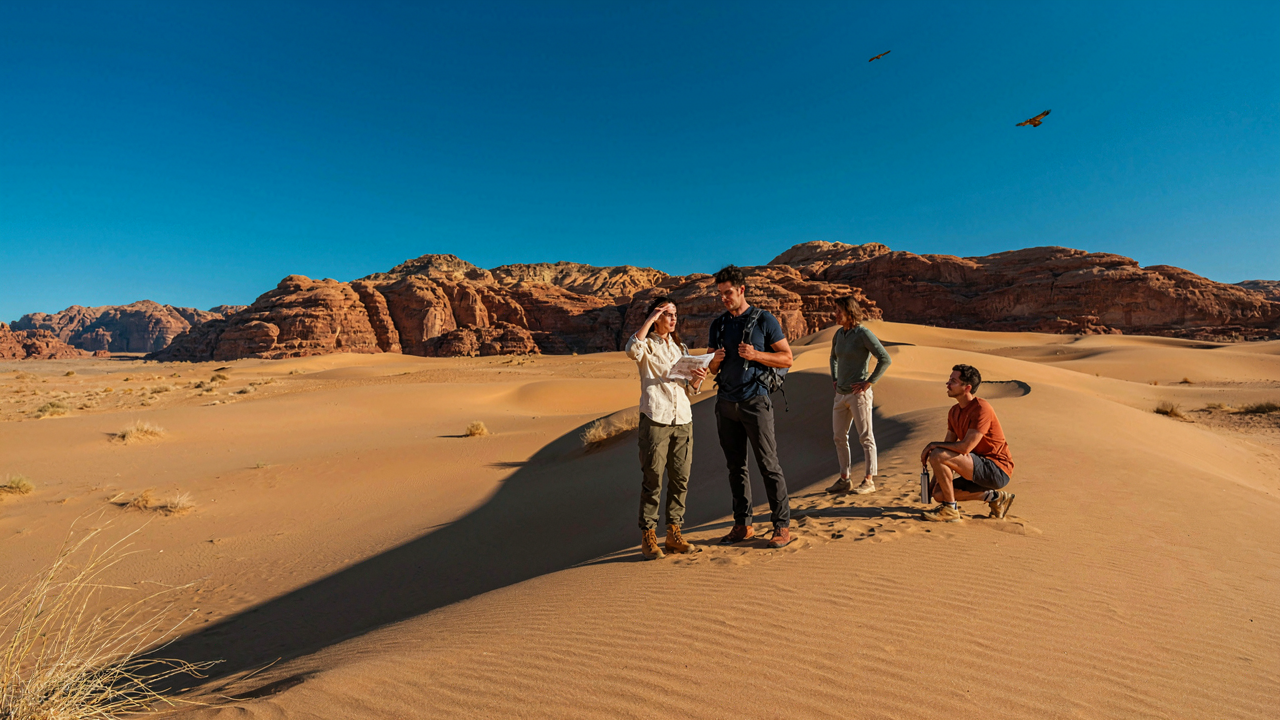
The Sand Trap Of “Bucket Lists”: Why Generic Activities Fail
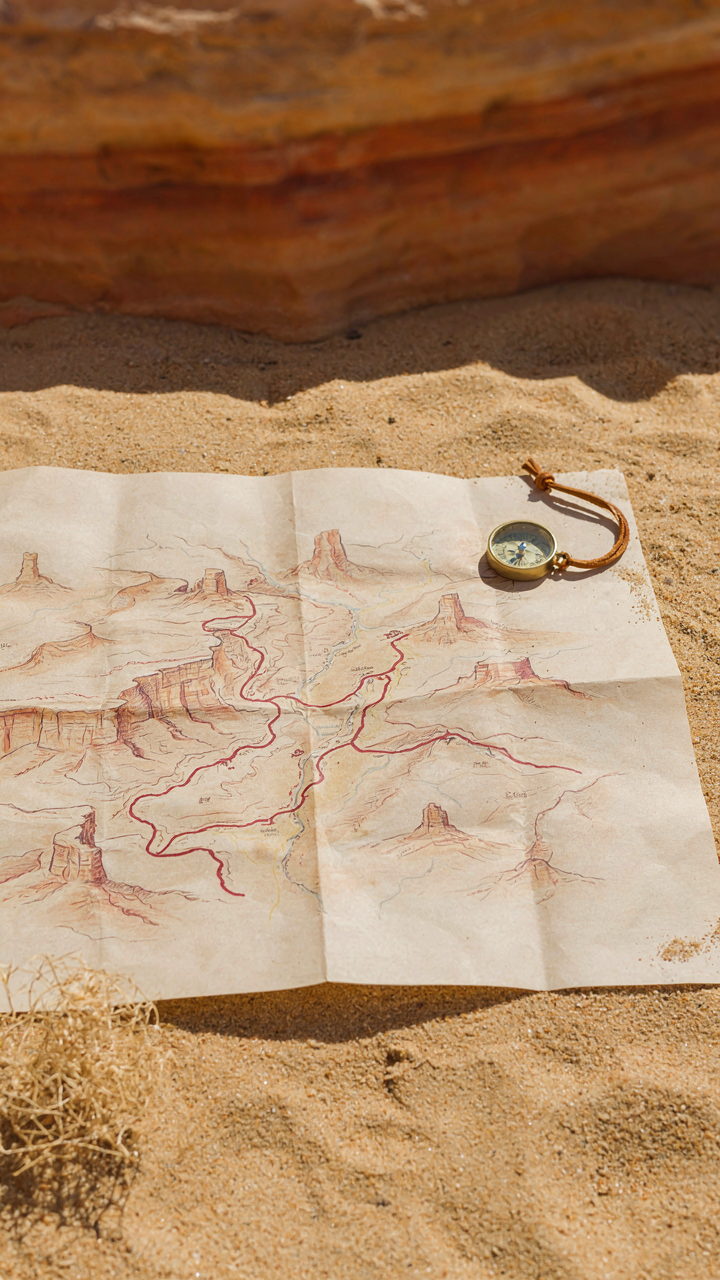
Manufactured Excitement Versus Real Resistance
You want the story more than the experience. That’s the mechanism here. Bucket list culture sells you the narrative—the Instagram moment, the “I did it” validation—not the actual challenge that makes a desert activity worth your time and money. Most desert tours are designed to eliminate friction, not create it. They flatten difficulty into comfort.
This is borrowed from economics, specifically the concept of diminishing returns. A camel ride hits hard the first time. By the fifteenth camel ride across identical dunes, you’re no longer gaining edge or competence. You’re consuming repetition. Real desert activities demand progressive difficulty: sand dune driving requires line choice and vehicle control that improves with deliberate practice. Sandboarding demands technique adaptation as conditions shift. Tourism packages eliminate this progression entirely.
Recognize The Locations Built For Volume

The common wisdom says “visit popular spots.” That’s incomplete. Popular spots exist because they’re profitable, not because they’re difficult or rewarding. Monument Valley, parts of the Grand Canyon, and standardized dune tours in places like Dubai funnel thousands through the same routes at the same pace with identical narratives. You pay for crowd management, not challenge.
Tourist infrastructure in deserts follows one pattern: maximize throughput, minimize liability. This means controlled environments, predetermined timings, and zero room for the variables that actually build competence. If you want genuine desert navigation experience, you avoid the designated viewpoints where buses unload. You instead identify remote canyons, off-route dune systems, or technical rock formations that require map reading, route finding, and real decision-making under uncertainty. This is where the actual activity lives.

The Scarcity Principle Of Desert Exploration

Routes Nobody Talks About
You want to feel like you discovered something. That’s the real reason you’re reading this. The mechanism is scarcity economics applied to experience: when fewer people have done something, the signal value of doing it increases. Desert exploration works the same way. The most documented routes—Moab, Joshua Tree, the Grand Canyon overlooks—are crowded not because they’re objectively better, but because guidebooks made them reference points.
The untapped routes exist because they require research, local knowledge, or willingness to fail. A canyon system off Highway 95 in Nevada. A slot canyon accessible only after a dry season. Ancient petroglyph sites that aren’t on park maps. These routes demand you become a scout instead of a tourist. You navigate by terrain reading, not trail markers. The experience registers as genuine because you earned the uncertainty.
Gear That Actually Scales Back
Everyone preaches “pack light” without explaining why it matters in the desert. Minimalism in harsh environments isn’t virtue signaling—it’s a load management principle from military operations. Less gear means faster movement, lower heat load on your body, and clearer decision-making when conditions turn. You stay sharper.
The real constraint is water. Strip everything else. A good navigation tool. One layer system that handles temperature swings. A repair kit. A way to signal. Everything else is negotiable. Most people overpack because they’re managing anxiety, not survival. Once you move through a desert day carrying only what functions, the experience changes. You notice terrain differently. You move with intent. You stop treating the environment as a problem to overcome and start treating it as information to read.
Beyond The ATV: Mastering Desert Mobility

Navigation Without The Network
You want to believe GPS makes you competent in the desert. It doesn’t. The mechanism is simple: technology creates dependency, and dependency creates blindness to ground truth. Before satellites, desert travelers read terrain the way a pilot reads instruments. They tracked shadow angles, understood how wind sculpts sand patterns, and knew which rock formations signaled water sources.
Navigation in the desert demands what military strategists call “terrain dominance.” You don’t move through the landscape. You read it first. Study topographic maps before you leave pavement. Learn to identify bajadas, playas, and wash systems on paper. Recognize that a wash runs downhill toward water and settlement. Understand that ridgelines offer vantage points but trap you in visibility. Your phone’s GPS fails when you need it most. Your eyes and a paper map never do.
The Right Vehicle Changes Everything
Vehicle choice isn’t about horsepower or tire size. It’s about ground clearance, weight distribution, and recovery capability. The common advice treats all off-road vehicles as equivalent. They’re not. A stock SUV on all-terrain tires will get you into terrain you can’t exit. A properly set up dune buggy or purpose-built off-road truck gives you mobility without catastrophic risk.
High-clearance vehicles designed for sand maintain momentum without digging. Lower vehicles bog down and demand recovery equipment you may not have. Weight matters because heavy vehicles compact sand and sink faster in soft terrain. Carry a recovery kit: maxtrax, a winch, and a shovel. These aren’t luxury items. They’re the difference between a breakdown and a stranding. Test your vehicle on known terrain before attempting remote sections.
The “Predator Prey” Dynamics Of Desert Survival

Reconnaissance And Evasion
You want to feel like you’ve mastered something unpredictable, so you’re drawn to survival frameworks that sound strategic. The mechanism is borrowed from military doctrine: reconnaissance is about information asymmetry, and evasion is about controlling who sees you first. In the desert, this translates directly. Before committing to a route, you move deliberately through terrain to identify water sources, shade patterns, and escape routes. You’re not wandering. You’re mapping threat vectors—exposure, dehydration, disorientation—and positioning yourself ahead of them.
The mistake people make is treating the desert as a static opponent. It isn’t. Conditions shift with time of day, weather, and season. Military strategists call this “tempo control”—the ability to dictate rhythm before the enemy does. On a multi-day trek or expedition, you establish camp positions with sightlines to approaching hazards. You move during cooler hours when visibility of landmarks matters most. You avoid traveling when heat distortion peaks, which destroys your ability to judge distance and spot obstacles. Your reconnaissance arm is binoculars and topographic maps used before you set foot. Your evasion arm is choosing routes that maximize your reaction time to changing conditions.
Water, Shelter, And Communication
Resource scarcity in the desert isn’t a survival story element—it’s the actual constraint that determines outcome. You manage three variables: water depletion rates, shelter effectiveness, and communication window timing. The common advice tells you to “ration water” and “stay calm.” That’s incomplete. What matters is the rate of consumption against the rate of depletion from your body, which shifts based on exertion, temperature, humidity, and acclimatization. A person crossing open sand at noon loses fluids faster than someone moving at dawn through shaded canyons. Your water management isn’t equal distribution. It’s dynamic allocation tied to exertion intensity and environmental conditions.
Shelter in the desert serves a single function: reducing radiant heat absorption and slowing evaporative water loss from your skin. Natural features work faster than constructed ones. A rock outcrop or canyon wall provides immediate shade. An emergency bivy reduces nighttime heat loss. Communication windows matter because satellite messengers, GPS devices, and cell signals depend on line of sight and battery life. You establish a check-in schedule before departure and position yourself in high terrain during designated windows. Your shelter strategy is: minimize exposure during peak heat, maximize shade surface area, confirm battery reserves before communication attempts, and never assume redundancy in your gear will function when needed.
Nightfall’s True Face: Decoding The Desert’s Secrets

When The Sky Becomes Legible
You want stargazing to feel profound because it promises transcendence on a budget. Here’s what actually happens: your brain processes light pollution as a signal, and the desert removes that signal. This is basic neurobiology. The mechanism is contrast. Away from artificial light, your pupils dilate fully, rhodopsin regenerates faster, and your eyes detect roughly 2,000 stars instead of 200. That’s not poetry. That’s physics. The desert doesn’t reveal the universe differently. It reveals what was always there, hidden by your normal environment.
Bring minimal gear because equipment becomes a liability in low light. A red headlamp, a planisphere, and notes on seasonal constellations are enough. Skip the telescope initially. Naked-eye observation teaches you to read the sky’s structure, to recognize patterns, and to understand scale without magnification distorting your depth perception. Spend three hours on one patch of sky rather than sweeping aimlessly. This focused attention is where the insight actually lives, not in seeing fainter objects or collecting data.
After Dark: The Activity Most Visitors Miss
Desert nocturnal wildlife reveals behavior that daylight predators never show you. Borrowing from ethology, the field studying animal behavior, think of the desert as operating under two distinct operating systems: diurnal and nocturnal. Each species occupies different temporal niches to avoid competition. At night you observe genuine predator-prey dynamics, foraging patterns, and communication you cannot access during daylight hours. Most desert adventure guides skip this entirely because darkness feels like a liability rather than an asset.
- Scorpions under UV light: Certain species fluoresce under ultraviolet wavelengths due to fluorescent compounds in their exoskeleton. Bring a blacklight headlamp to spot them on rocks and sand without handling.
- Kangaroo rats and pocket mice: These rodents emerge in late evening to forage. Their bipedal hopping pattern and extreme hearing sensitivity make them efficient nocturnal hunters adapted to predator avoidance.
- Desert kit foxes and coyotes: Primarily active from dusk through dawn. Listen for vocalizations near dawn rather than approaching. Their calls establish territory and coordinate pack movement.
- Nocturnal insects and beetles: Desert beetles emerge at night to feed and mate. Many species navigate using polarized light patterns. Observe their movement without light sources to see natural behavior.
- Owls and nightjars: Barn owls and common poorwills hunt insects and small mammals in darkness. Position yourself downwind near rocky outcrops before dusk to hear territorial calls and observe silent flight.
Position yourself downwind of likely movement corridors and remain stationary for 45 minutes minimum before moving. Movement detection is the predator’s primary sense at night. Most animals flee motion before they process your form. Silence your headlamp, let your eyes adjust to moonlight, and document what you observe through sound and notation rather than photography. This discipline forces actual attention instead of screen mediation.
The “Desert Zen” Protocol: Finding Inner Stillness In The Void
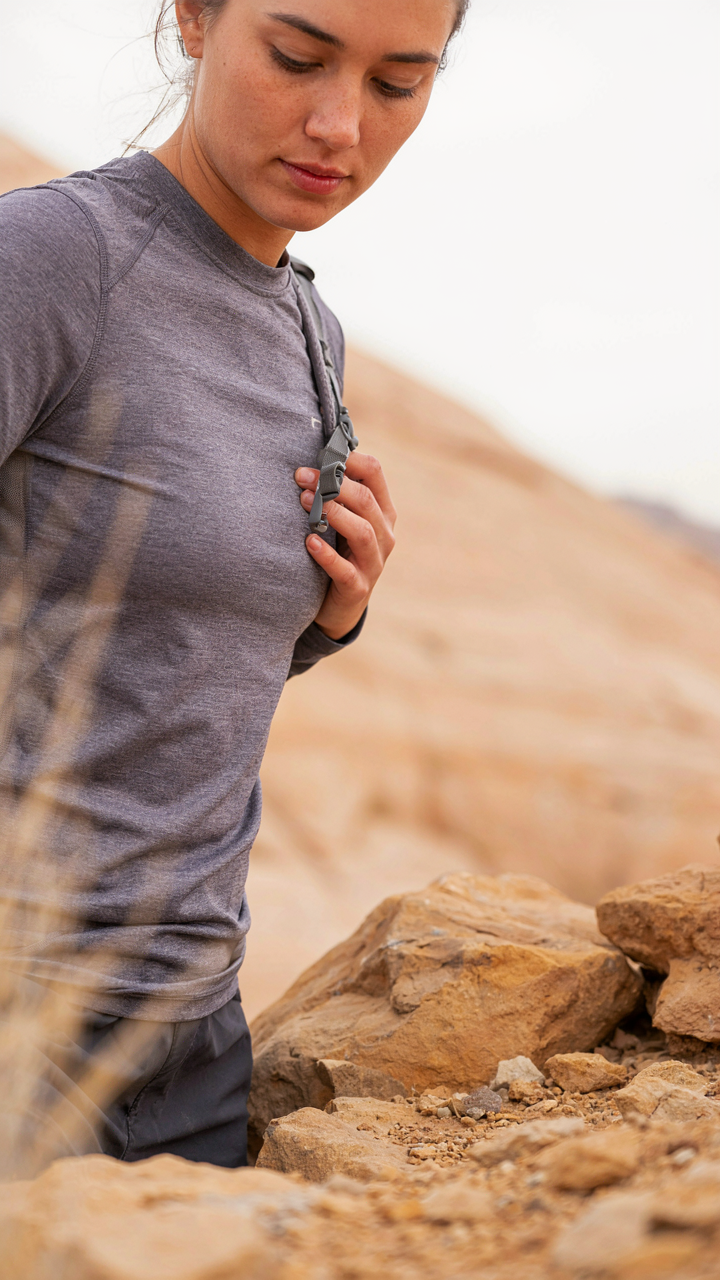
Mindful Movement Through Technical Terrain
You want to believe silence fixes you. The mechanism is different. Desert hiking and climbing demand technical precision that forces your nervous system into the present moment because mistakes have real consequences. Borrow from neurobiology here: your brain enters a state called “flow” when task difficulty matches skill level exactly. Desert terrain provides that match naturally. Loose rock, elevation gain, route-finding, heat management—each demands immediate decision-making. Your mind cannot wander into status anxiety or regret when it’s solving actual problems.
The specific practice works like this. Choose a route that challenges your current ability without exceeding it. Navigation by map and terrain features, not GPS. Move slowly enough to place each foot with intention. Notice breath changes as gradient shifts. Track how your body responds to heat and exertion without judgment. This isn’t meditation with eyes closed—it’s meditation through movement where the desert itself becomes the feedback mechanism. After 4-6 hours of this, the mental chatter stops not because you forced it but because your cognitive resources are fully allocated to staying upright.
Solitude As Unfair Advantage
Everyone preaches the spiritual benefits of being alone in wilderness. That’s incomplete. Solitude in the desert works because it removes the performance context that dominates normal life. No audience means no persona. Without external validation signals, your brain defaults to pattern recognition and genuine problem-solving. This is where most people find clarity—not in the quiet, but in the absence of social calibration overhead.
The tactical application: schedule desert time when you face a decision that requires honest thinking. A solo 24-48 hour desert trip removes enough friction that your mind naturally processes the problem. Bring minimal gear. Solo navigation adds cognitive load that prevents rumination. The mechanism isn’t magical. It’s environmental design. When you eliminate social performance requirements and add task-specific demands, your brain allocates resources differently. The answer you need emerges not from revelation but from basic neurology.
Capturing The Unseen: An Adventure Aesthetic

The Desert Light Problem
You want proof you were there. You want the image that validates the experience happened, that it mattered. This need drives most people to grab their phone and miss what they actually came for. The real mechanism comes from photography itself, not the gear. In the desert, light operates on extremes. Harsh midday sun flattens terrain and erases shadows. Early morning and late afternoon create contrast that reveals form. Golden hour isn’t poetic language—it’s optical fact. The sun’s angle below 45 degrees stretches shadows long enough to show texture, depth, and structure that noon light destroys entirely.
Composition in desert terrain works against instinct. Centered subjects and flat horizons feel safe and produce forgettable frames. Leading lines work. A ridge, a wash, a track draws the eye inward. Foreground-subject-background layering creates depth without tricks. The desert has brutal geometry—use it. Position yourself so rock formations, dunes, or canyon walls create diagonal tension. Move before you shoot. A 20-foot lateral shift changes everything because the desert is flat enough that angle matters more than distance.
The Raw Record
Journaling isn’t nostalgia work or motivational reflection. It’s data capture. The moment you leave the desert, your nervous system normalizes. Temperature extremes fade. Exhaustion softens. Real details evaporate. You write because you need the entry point back to what you actually experienced, not what you remember it felt like. Write during the activity when possible, not after. Note physical sensations precisely: altitude, temperature, wind direction, muscle fatigue location, hydration state. Write what surprised you, what was harder than expected, what felt wrong. Record navigation details—distances, time markers, where you miscalculated. This builds pattern recognition for the next trip.
The entries become a feedback loop you can’t get from memory alone. You notice the dunes you thought were simple actually had multiple wind-carved ridges. You spot the exact point exhaustion shifted your decision-making. You see where you overestimated water consumption or underestimated distance. Reread these notes before your next desert trip, not after. That pre-trip review is where the data converts to skill. You stop repeating the same mistakes because you have the written evidence of what happened.
Future Travel: Engineering Your Next Desert Odyssey
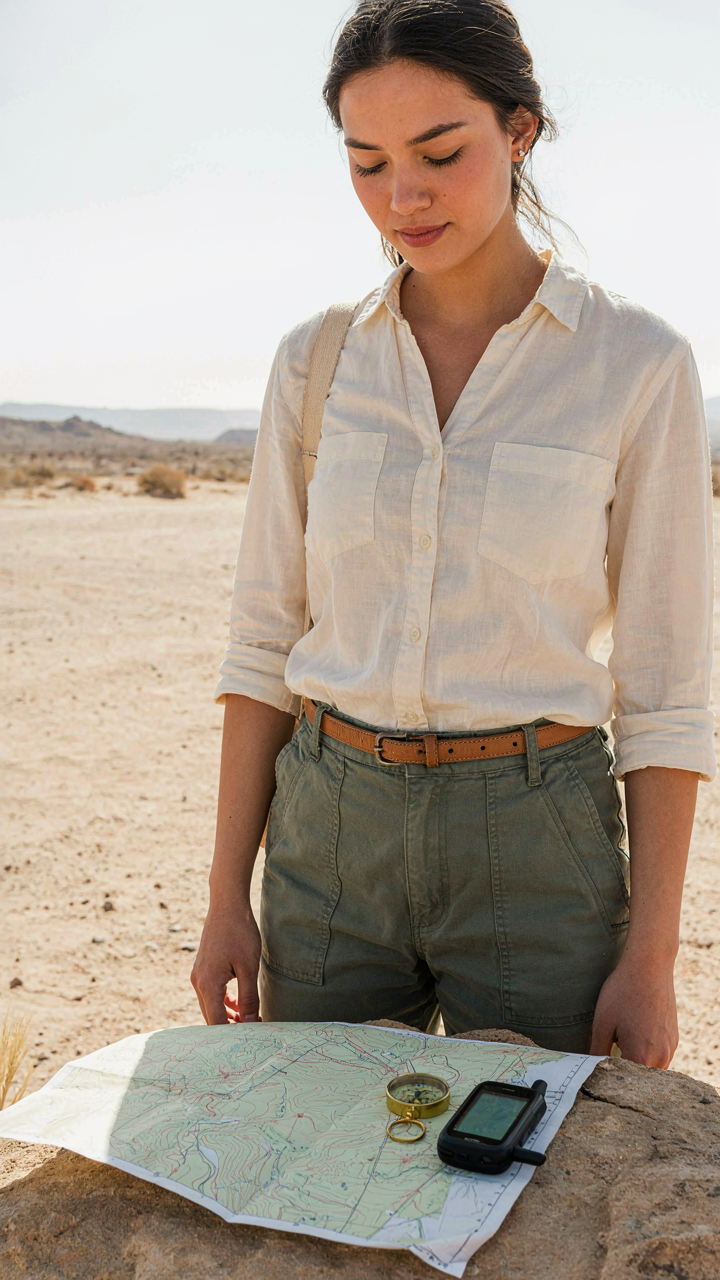
Plan Your Progression Before You Book
You want to feel like you’ve earned something—not just paid for it. The real mechanism here is progressive difficulty: desert activities stack prerequisites. Navigation in sand dunes requires map reading and GPS competency. Rock climbing in desert canyons demands rope skills. Without sequencing your skill development, you spend money on experiences you’re not equipped to extract value from.
Start by mapping what you can do now against what appeals to you. Most people skip this step entirely, then hire guides for activities they could self-lead in two trips. Build your foundation with these competencies first:
- Desert Navigation: Learn topographic map reading, compass work, and GPS operation. Practice on day hikes in familiar terrain before attempting multi-day trips through blank expanses.
- Sand Movement Technique: Train on dune slopes to understand how sand behaves under load. Understand the mechanics of sinking, slab formation, and efficient footwork before backcountry sand travel.
- Heat Adaptation and Water Management: Run timed exercises in desert heat to know your sweat rate and caloric burn. Don’t guess about hydration needs in an actual expedition.
- Climbing Anchors and Rappelling: Master anchor placement in sandstone and limestone. Practice rappelling on real rock in controlled settings before canyoneering in slot canyons.
- Vehicle Maintenance in Remote Conditions: Learn basic repairs, tire patching, and fuel management if you’re driving into the backcountry. Breakdowns in the desert demand self-sufficiency.
Build your 18-month timeline around these skills, not around destination photos. Each skill compounds into the next one. A navigator with poor heat adaptation fails on multi-day treks. A climber without anchor knowledge doesn’t survive slot canyon descents. The progression isn’t optional—it’s the difference between genuine experience and expensive tourism.
Circles With People Who Actually Go
Everyone talks about community. Nobody explains why most desert adventure groups fail: they treat participation like membership instead of shared output. Real networks form around a specific constraint: people who’ve committed to the same activity in the same region. You don’t network in a Facebook group. You network on a trail by doing the work alongside someone repeatedly.
Identify the actual practitioners near your region’s best desert zones. This means finding local climbing gyms in towns adjacent to desert canyons, joining ranger-led hikes to understand where the real traffic flows, or connecting with off-road clubs in cities bordering dune fields. These aren’t glamorous starting points, but they’re where the people with genuine skill actually congregate. From there, you move into harder trips with smaller groups. Relationships built under mild difficulty don’t survive hard conditions. Start easy enough that you can talk, hard enough that you see who has discipline. That’s where real network building begins.
The Desert Doesn’t Lack Adventure; You Lack The Clarity To See Beyond Curated Experiences
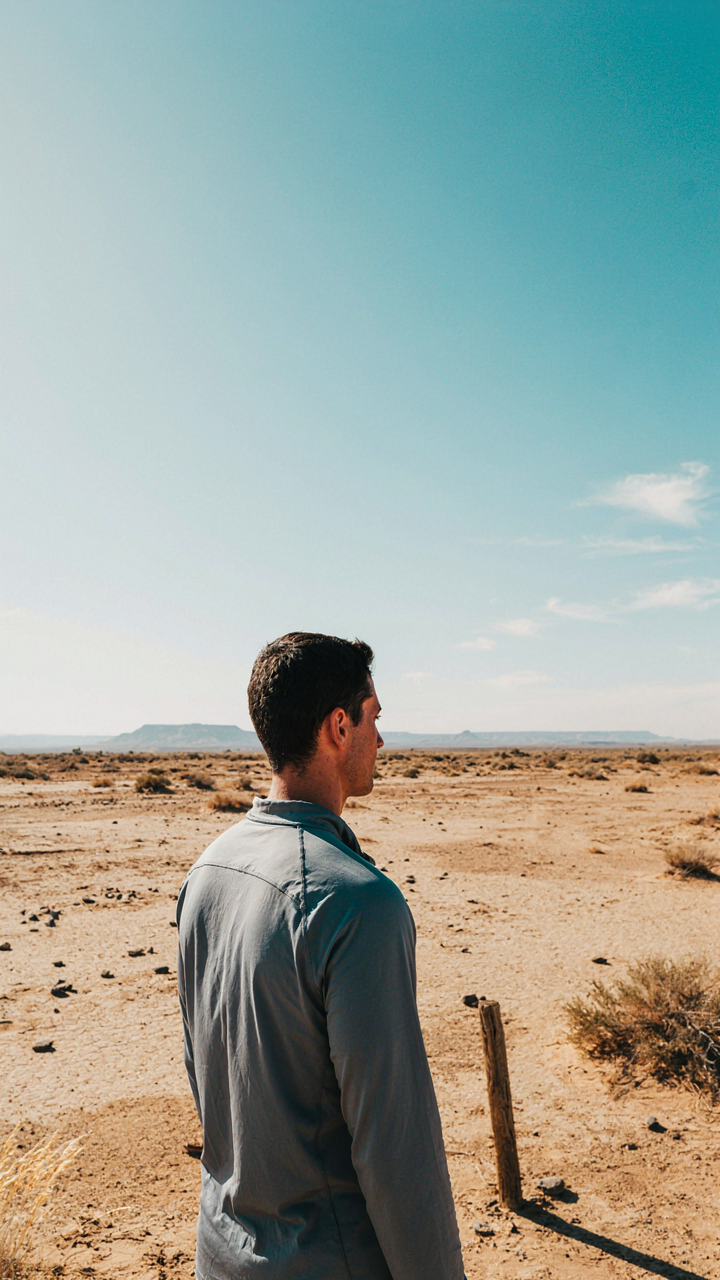
Most people visit the desert and follow the script. They hike the same trail, snap the same photo, leave unchanged. The real desert adventure activities aren’t waiting for you in guidebooks. They live in the gaps between what’s popular and what actually tests you. Pick one activity this week that scares you slightly. Not the Instagram version. The version that makes you question your fitness, your nerve, your limits. The desert rewards the specific, not the curious.