
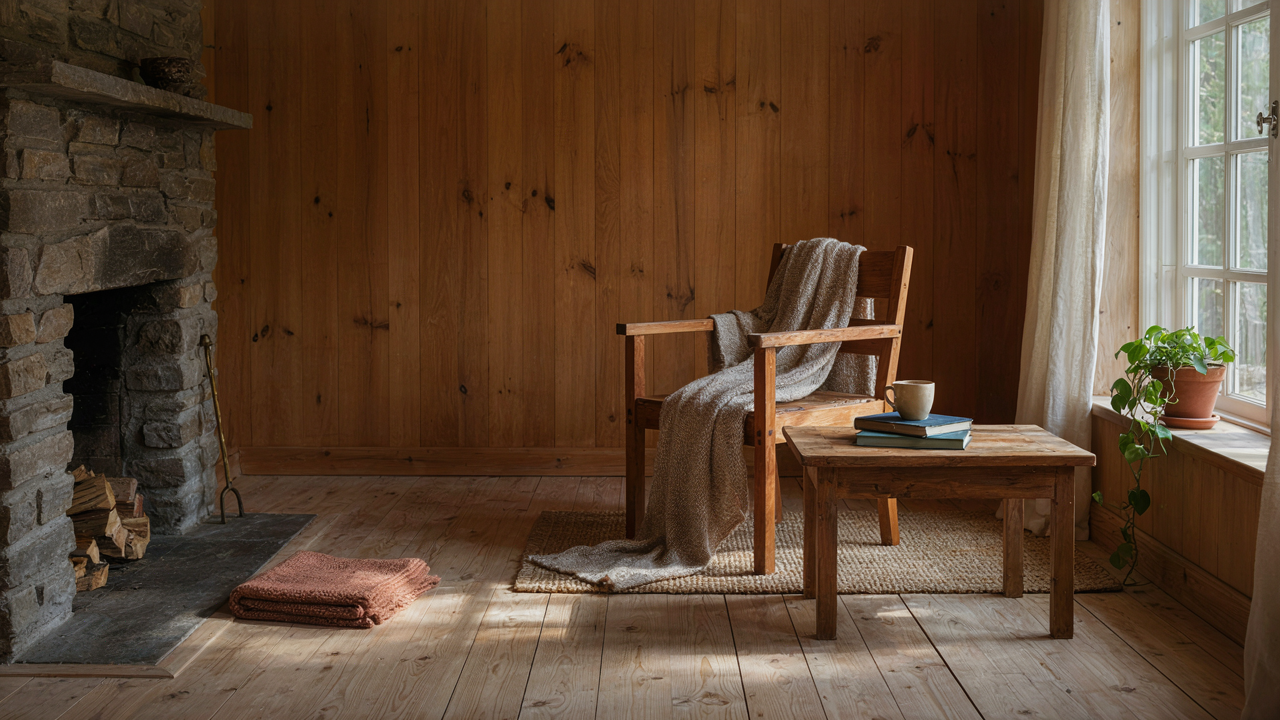
The Anti Aesthetic Manifesto: Stripping Away The Superficial

What Actual Coziness Requires
You want to feel like you belong somewhere that isn’t yours, and Instagram convinced you that belongs is a mood you can buy. Here’s the mechanism: coziness isn’t a visual property. It’s a thermal and acoustic state. Your nervous system responds to temperature stability, sound dampening, and restricted sightlines because these conditions historically meant safety. A cabin becomes cozy when it controls its environment, not when it photographs well.
Real coziness demands materials that work, not materials that look abandoned on purpose. Think stone that actually retains heat, wood that doesn’t off-gas synthetic smells, textiles with actual insulation value. The Scandinavian design tradition got this right not because Vikings were aesthetic philosophers but because they needed to survive winters. Every element solved a problem first and looked intentional second. That order matters.
Design Traps That Kill The Effect

Most cozy cabin advice tells you to layer textures and add throw pillows until the space feels lived in. That’s backward. Excessive layering creates visual noise, which triggers the same alertness your nervous system fights against in chaotic urban spaces. You’ve just transported the problem you paid to escape.
The specific trap: treating coziness like decorating, not like engineering comfort. People pile on rustic elements, vintage finds, and “character” until the space demands attention instead of offering rest. A functional wood stove matters. A decorative wood stove that doesn’t heat anything wastes the principle. Strip the space to what actually functions. Then add only what solves a real need. That’s the difference between a cabin and a museum exhibit.
First Principles Of Small Wood Cabin Interior Design: Function Over Form

Windows Before Walls
You want the cabin to feel open without admitting you’re claustrophobic. That’s the real driver. Here’s the mechanism: light controls mood faster than any object you place in the room. In architectural terms, this is daylighting—the strategic use of natural light to define space and reduce the psychological weight of enclosed areas. Small cabins need windows positioned on opposing walls when possible, forcing light to traverse the entire interior instead of pooling in one corner.
Ventilation operates on the same principle. Stagnant air makes small spaces feel smaller. Install windows that open fully, position them to create cross-ventilation, and avoid blocking them with heavy curtains during the day. The cabin breathes, and so does the person inside it. This isn’t decoration. It’s the difference between a room that feels inhabited and one that feels trapped.
Surfaces That Earn Their Weight
The common advice here is wrong: don’t fill a small cabin with furniture. The real move is to demand that every piece does at least two jobs. A wooden bench with storage underneath. A dining table that folds against the wall. Shelving that doubles as room dividers. This isn’t about being clever with space—it’s about removing the constant mental friction of objects that exist for only one purpose.
Wood works best here because it absorbs and reflects light differently than metal or plastic, and it naturally insulates the space thermally. A cabin with five multi-functional pieces feels less cluttered than one with ten single-purpose items. Start by identifying the activities that will happen in the cabin. Then design backwards to the furniture that must support them. Build nothing else.
The Stoic Cabin: Minimizing Distraction For Maximum Focus
Essential Items Only
You want to feel productive and meaningful without admitting you’re running from your actual life. The mechanism is simple: every object in a space either demands attention or grants it. Cabin minimalism isn’t about poverty aesthetics. It’s about removing the cognitive tax of visual clutter so your brain has bandwidth for what matters.
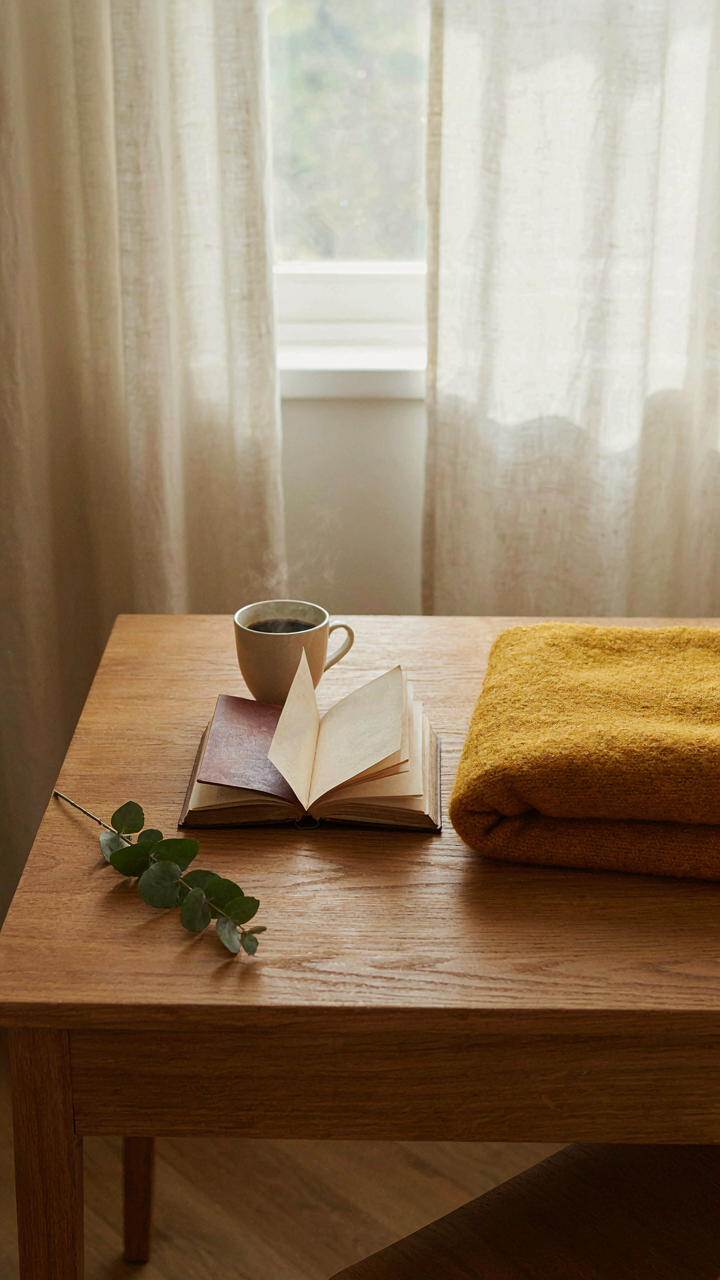
Stoic design borrows from military logistics, where every item serves a function or leaves. A cabin stripped to essentials forces intentionality. That wool blanket on the chair isn’t decoration. It’s there because you’ll use it. The book stack isn’t styled for Instagram. It’s what you’re reading this week. Remove everything that requires maintenance, explanation, or justification to yourself.
Digital Noise Eliminated
Most cabin advice tells you to unplug. That’s incomplete and misses the real problem. You don’t need to abandon technology. You need to remove the devices that fragment your attention without purpose. One phone on silent in another room beats a cabin full of smart speakers, tablets, and screens you’ll check reflexively.
The stoic cabin uses technology as a tool, not a presence. Bring a speaker if you want music. Leave the WiFi unstable on purpose if it reduces compulsive checking. The practice isn’t asceticism. It’s removing the choice architecture that pulls you toward distraction. When your environment doesn’t offer constant input, you stop expecting it. That shift happens on day two.
Applying Biomimicry To Cozy Woodland Cottage Interior: Nature’s Blueprint
Raw Materials Over Finished Surfaces
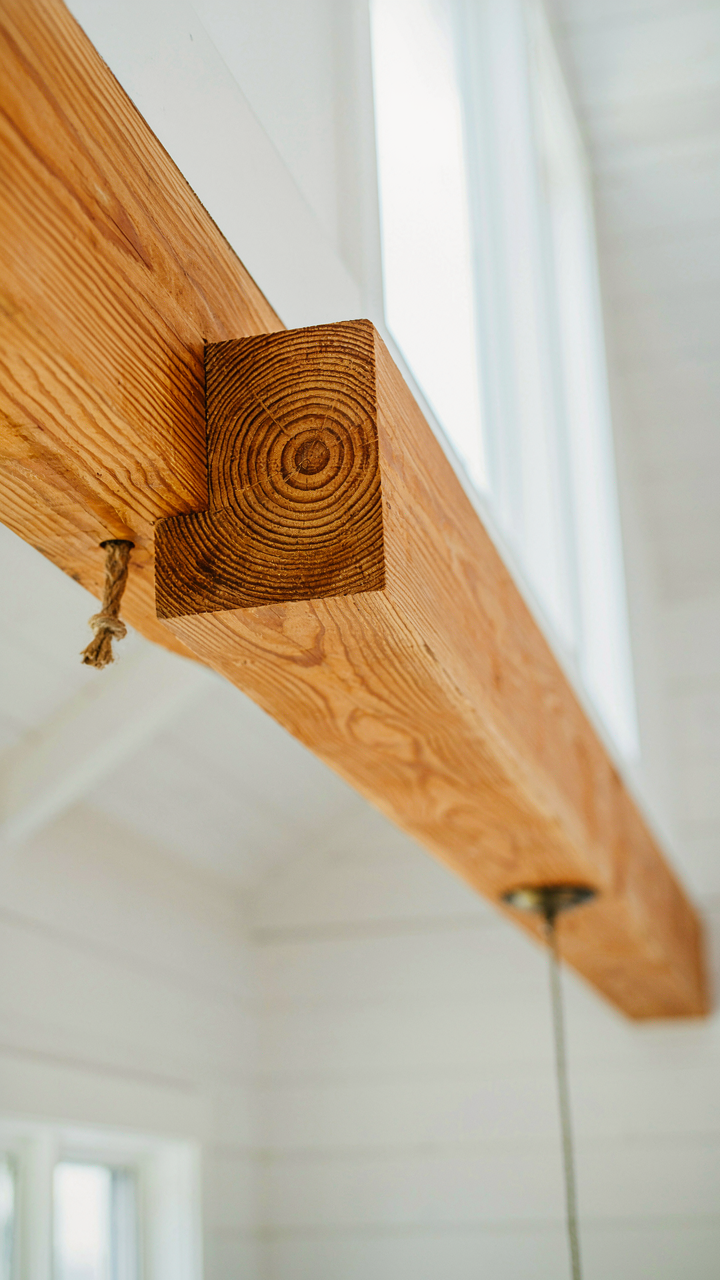
You want this space to feel authentic because you’re tired of the gap between Instagram aesthetics and actual comfort. The mechanism is simple: biomimicry in interior design means copying how nature organizes materials, not just copying what nature looks like. Unfinished wood, exposed stone, and raw textiles work because they retain their structural logic. A beam shows its grain pattern because that pattern is the wood’s load-bearing system made visible. Your brain recognizes this honesty and stops working to decode the space.
Most cabin advice tells you to slap some reclaimed wood on the walls and call it done. That’s lazy. The real application is understanding material hierarchy. Use materials in their functional state: rough linen that still has visible weave, stone without heavy polish, wood with its growth rings exposed. This isn’t about rustic decoration. It’s about letting materials communicate their actual purpose through their appearance. The texture becomes the information system.
Daylight Patterns That Sync Your Nervous System
The guidance here borrows from chronobiology, the study of biological timing. Your circadian rhythm operates on light cycles, not on electric switches. A cabin achieves coziness partly because natural light follows predictable patterns that your body recognizes as safe. Morning light from the east, afternoon light from the west, deep shadows at dusk. This is the actual mechanism driving the feeling, not soft lighting alone.
Stop using warm bulbs as your primary tool for coziness. That’s incomplete. Instead, position seating and work areas to track with seasonal and daily light patterns. North-facing windows provide steady, indirect light ideal for reading. South-facing areas collect warmth in winter. East-facing spaces wake you naturally. The cabin feels restful because you’re not fighting your own biology throughout the day. Arrange furniture to follow these light paths, not against them.
The Cabin House Ideas Protocol: Building Psychological Fortresses
Where Objects Touch Ground
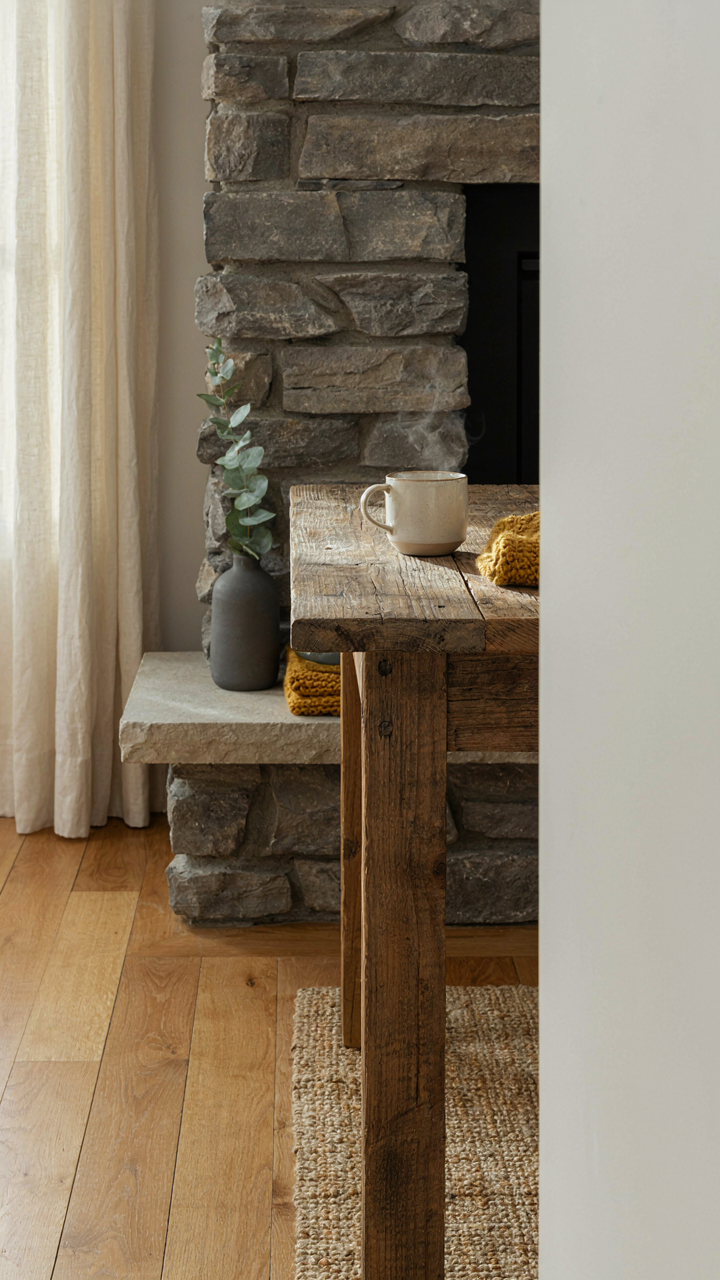
You want this section to work because you suspect your cabin doesn’t feel grounded yet, and you’re right. Grounding in cabin design pulls from physics: load-bearing. Objects need visual weight distribution, not floating meaninglessness. Heavy furniture anchors space. Stone, thick wood, and iron don’t apologize for their mass. They sit. They stay. They make the room feel intentional instead of borrowed.
Placement strategy starts with corners and walls. Never center a couch in an open room unless the room exists only as a pass-through. Push substantial pieces against structural elements: fireplaces, load-bearing walls, window frames. This creates visual stability. A side table made from reclaimed barn wood next to a window reads differently than the same table floating in the middle of the room. The proximity to something fixed transfers that fixedness to the object. This is mechanical, not mystical. Your brain recognizes load paths and settles when they make sense.
Separating The Work From The Rest
The mistake everyone makes is thinking cozy means undifferentiated. You need friction between states, not a single vague energy. A corner with a desk, reading lamp, and one chair functions as a work zone even in a 400-square-foot cabin. The mechanism is behavioral activation: your nervous system knows what the space demands when it recognizes the props and geometry.
Rest zones operate differently. A seating area facing a window or fireplace, positioned away from sight lines to work surfaces, signals permission to stop producing. The separation doesn’t require walls or distance. It requires intentional removal of work objects from the rest area. No laptop. No papers. No visual reminder that something waits. The protocol: establish two distinct sight lines. From the work zone you should not see the rest zone. From the rest zone you should not see work materials. This single rule reshapes how your cabin actually functions.
Dream Home Cottage: Investing In Quality, Not Quantity

Natural Materials That Actually Last
You’re afraid your cabin will look cheap. That’s the real driver here. The mechanism is simple: natural materials have replacement cycles built into their physics. Wood moves with humidity. Stone doesn’t. Wool breathes. Synthetics trap moisture and degrade. Cozy cabin aesthetics rely on materials that age visibly but predictably, which costs less long-term than replacing degraded fake materials every three to five years.
- Reclaimed wood flooring and beams: Sourced from deconstructed barns and old structures, already weathered and stable. Adds authentic patina without the waiting period new wood requires.
- Natural stone for hearths and foundations: Slate, granite, and fieldstone don’t rot, warp, or require refinishing. Regional stone ties the cabin visually to its landscape.
- Wool area rugs and blankets: Resists staining better than synthetics, develops character over time, and regulates temperature naturally without off-gassing chemicals.
- Linen and canvas textiles: Softens with use rather than pilling like polyester. Dyes from natural sources fade gracefully instead of washing out flat.
- Untreated or oil-finished hardwoods: Surfaces you can repair locally instead of replacing. Scratches and marks tell the story of actual use.
The math shifts when you stop comparing year-one cost. A wool rug from a regional mill costs more upfront than a synthetic equivalent. But it survives twenty years of cabin traffic while the synthetic becomes matted, stained, and worthless in eight. Calculate total cost per year of use, not purchase price.
Handmade Decor Over Factory Repetition
The consensus says mass production gives you more for less money. That’s incomplete. Mass production gives you speed and uniformity. But a cabin aesthetic demands individuality because uniformity signals you didn’t choose—you ordered. Artisan-made pieces, whether pottery, metalwork, or textiles, carry the signature of their maker’s decisions. You can see where hands shaped them. Factories can’t replicate this without erasing the entire value proposition.
The real cost advantage of handmade isn’t lower prices. It’s lower replacement frequency. A hand-thrown ceramic mug from a local potter breaks once in a decade and you buy another from the same person. A mass-produced set breaks, you buy another set that looks almost identical but different enough to notice. Artisan work also scales differently—a maker takes commissions, you get exactly what you specify. No algorithm deciding your aesthetic for you. When you populate a cabin with pieces made by specific people for specific reasons, you stop needing to add more to feel complete.
The Green Aesthetic House Design Framework: Sustainable Serenity

Build Systems That Lower Your Bills
You want this because it signals you have your life together. The real mechanism is thermodynamics. A cabin loses heat through walls, windows, and air gaps. Seal those gaps first. Then upgrade insulation. Then replace old windows. Thermal resistance compounds. You hit diminishing returns fast, so prioritize in that order.
Wood stoves work because they burn fuel directly in the space you occupy. They’re 80 percent efficient at converting wood to heat. Modern electric heat pumps are more efficient overall but require consistent power. A cabin combines both: the stove handles peak cold, the pump handles baseline. Programmable thermostats waste money on empty cabins. Manual controls force you to think about when you actually need warmth.
Materials That Speak Local Language
Bring the surrounding landscape inside through material choices, not decoration. Ecology teaches niche specificity. A cabin in the Sierra Nevada uses different materials than one in Vermont because the local ecosystem shapes what’s durable and what fails fast. Stone from nearby quarries costs less to transport. Wood from regional mills acclimates to local humidity patterns. Moss and lichen won’t grow on materials incompatible with the local climate.
Source materials within a 50-mile radius when possible. This isn’t virtue signaling. Transportation costs money. Local suppliers understand regional weather patterns and material longevity. A cabin built with materials evolved for that specific climate requires less maintenance and fewer repairs. Find a local builder who sources from the region. Ask what materials failed in the last five years. That data matters more than any design trend.
Cabins And Cottages Interior Cozy: The Sensory Deprivation Advantage

Silence As A Design Material
You want to feel like you’ve escaped without actually leaving your life behind. That’s the real motive. Quiet operates like signal-to-noise ratio in engineering. Lower the noise floor, and everything else becomes perceptible. Most cabin design advice treats silence as an accident. It’s not. You build it.
Sound dampening starts with material selection. Thick curtains, wool rugs, and cork flooring absorb frequencies instead of bouncing them. Stone and concrete amplify. Wood absorbs selectively. Windows are your leak point. Double-pane windows with air gaps eliminate outside noise without creating that muffled, dead feeling single panes produce. The goal is environmental silence, not acoustic deadness.
The Weight Of Natural Fiber
Texture hits faster than you think. Your nervous system reads fabric composition before your brain registers what you’re touching. Linen, wool, and canvas trigger different tactile responses because of their fiber structure. Cotton creates a neutral baseline. Linen produces slight resistance that feels intentional. Wool delivers warmth through insulation density. These aren’t mood generators. They’re physiological signals that your environment is genuine.
Source your fabrics from manufacturers who specify fiber content plainly. A cabin throws wool blankets, linen sheets, and canvas upholstery at you deliberately. Synthetic blends trigger a subconscious mismatch because your skin recognizes the difference. Rotate textures by room. Heavy wool in bedding. Lighter linen in living areas. Canvas for seating. The cabin aesthetic demands tactile variety because monotony kills the escape effect.
The Real Obstacle Isn’t Finding The Right Decor; It’s Confronting Your Aversion To True, Unadulterated Solitude
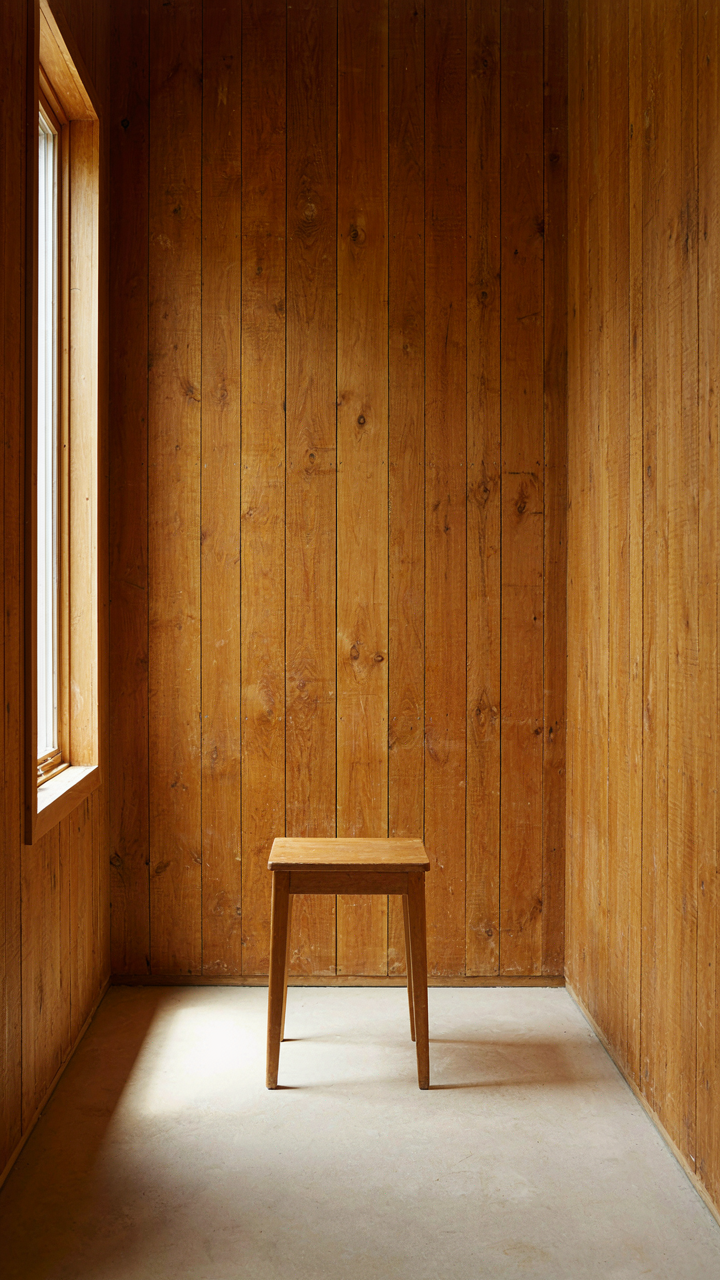
You don’t need a better cabin aesthetic. You need to stop treating solitude like a luxury and start treating it like a skill. Most people flee cabins faster than they arrived because silence terrifies them. They panic. They scroll. They text. Pick one room in your home this week and strip it bare. No phone. No music. Sit there for two hours and actually feel uncomfortable. The cozy cabin aesthetic only works if you’re willing to show up to your own life without distraction. Everything else is just furniture arranging the deck chairs on a sinking ship.