

The Layering Fallacy: Why More Isn’t Always Better
Sweat Management: Internal Climate Control
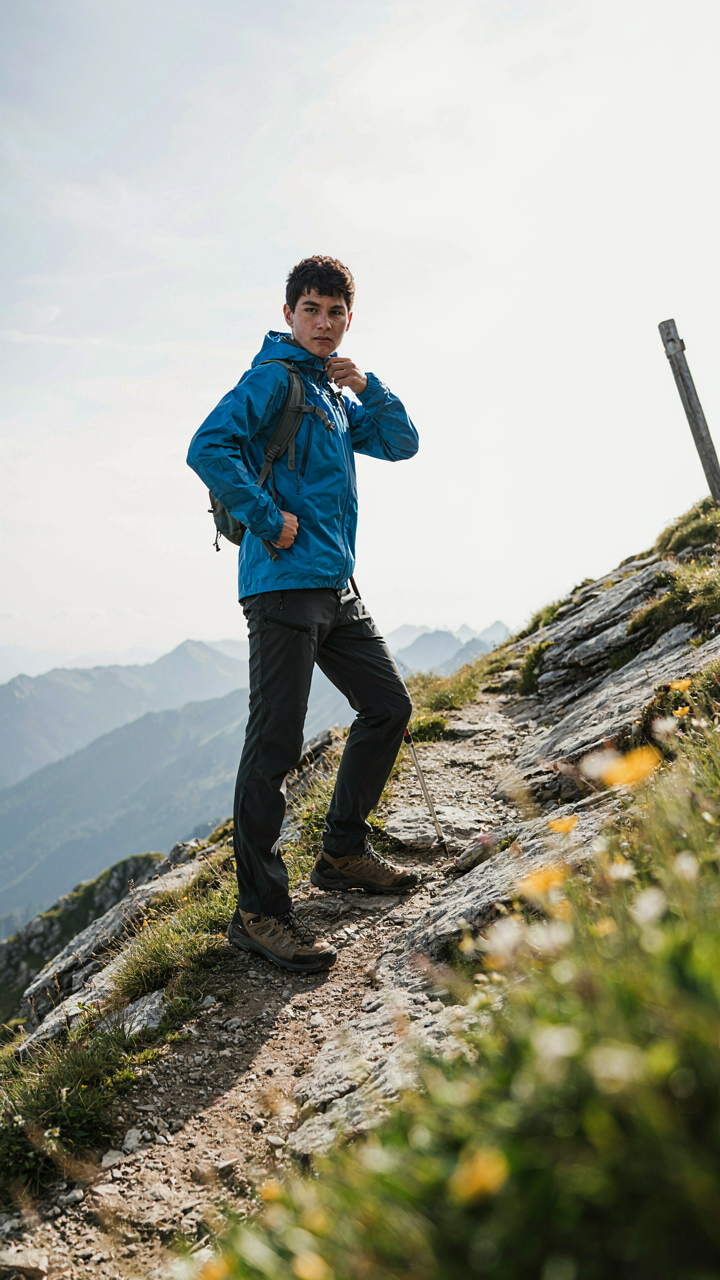
You think adding layers keeps you warm. That’s half the story, and the incomplete half gets you cold. Thermodynamics matters here: your body generates heat through movement, and that heat must escape or it traps moisture against your skin. Wet skin in cold air is your actual enemy, not the temperature itself.
Most teens layer wrong because they don’t regulate. You start moving, sweat builds up inside your system, and now you’re thermally compromised. The mechanism is simple: moisture reduces insulation by 90 percent. This means you need to strip a layer before you sweat, not after. On steep climbs, remove your outer layer early. Add it back before you stop moving.
Insulation Types: Know Your Battlefield

Common advice says “wool and synthetics are better than down.” That’s incomplete. Down compresses when wet and loses all insulating value. Synthetics retain some function when damp, which is why they work in maritime climates. But wool doesn’t fail either way—it insulates even at 30 percent moisture, a property no other common material matches. The physics here borrowed from material science: thermal conductivity is your battlefield metric.
Pick your material based on humidity, not preference. If you’re hiking in dry cold, down under a shell wins every time. If there’s moisture in the air or you can’t regulate sweat perfectly, synthetic or merino wool beats down. Teens often grab whatever looks right instead of matching material to condition. Run the swap test: if your insulation layer gets damp and you can’t dry it in two hours, it’s the wrong choice. Pick one insulation type for your region and commit to it.

Beyond “Cute Hiking Outfit Fall Cold Weather”: The Material Mandate
Cotton Is Death: Synthetic Vs. Natural Fibers
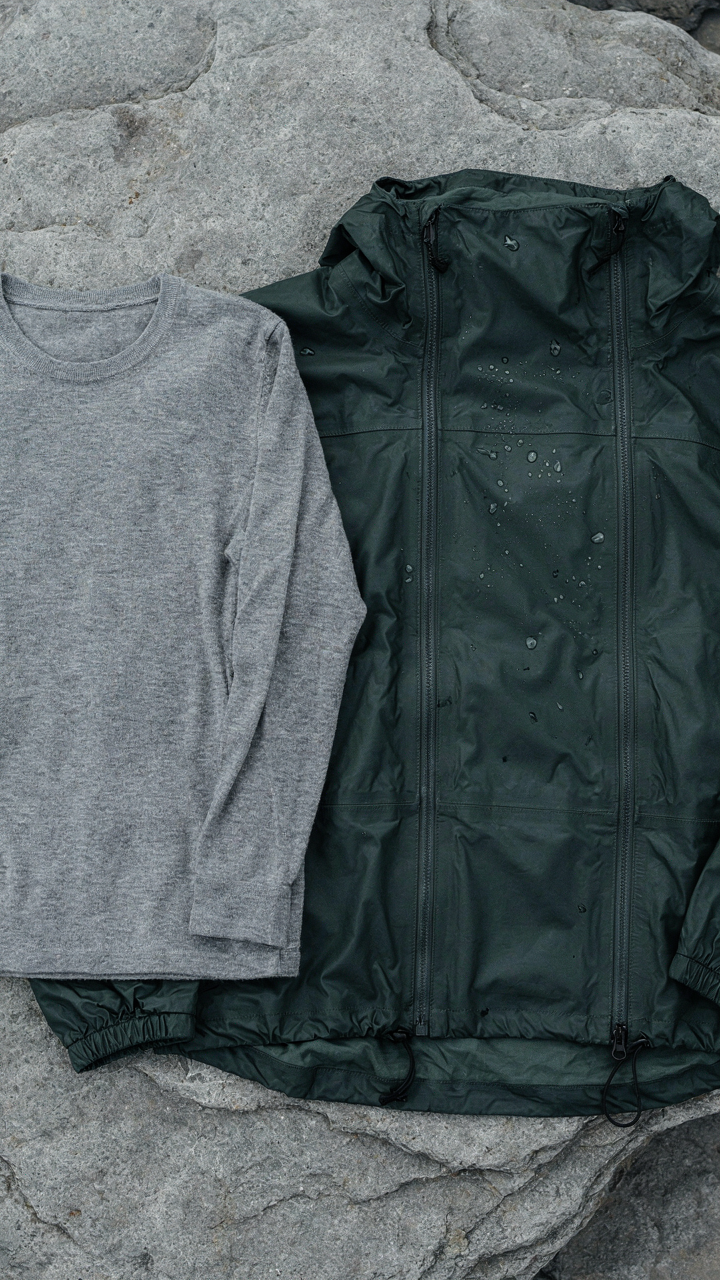
You want to look good on the trail without freezing, and that’s why you’re tempted to wear what feels soft against your skin. The mechanism is simple: cotton absorbs moisture, holds it against your body, and converts your sweat into a cooling system that works against you in cold air. Physics calls this hygroscopic behavior. In cold weather hiking, hygroscopic fabric is a liability, not a feature.
- Merino wool: Regulates temperature by trapping air pockets while wicking moisture away from skin. It resists odor naturally and maintains insulation even when damp, making it the closest thing to a performance fabric that feels natural.
- Synthetic polyester: Pushes moisture outward through capillary action rather than absorbing it. Dries fast and costs less than merino, but offers no temperature regulation advantage on its own.
- Nylon blends: Adds durability and stretch to base layers without sacrificing moisture management. Common in modern hiking base layers because it balances performance with comfort for extended wear.
- Wool-synthetic blends: Combines merino’s temperature control with synthetic’s durability and cost efficiency. Mid-range option that performs well for most teen hikers without premium pricing.
- Polypropylene: Oldest synthetic wicking fabric, still used in budget base layers. Effective but less comfortable than modern alternatives and can retain odor over time.
The real tell is what happens in your armpit after two hours of climbing. Merino and synthetics wick and dry. Cotton stays wet. On a cold day, that’s the difference between discomfort and hypothermia risk.
Waterproofing Wisdom: DWR Vs. Full Membrane
DWR is a surface treatment that makes water bead off fabric without blocking breathability. Full membrane involves a barrier layer bonded inside the shell that stops both water and air. The confusion here is that teens get sold expensive three-layer shells with full Gore-Tex membranes when a DWR-treated synthetic outer with good sealing performs nearly as well at half the price.
DWR works because water sitting on fabric accelerates heat loss through conduction. By repelling moisture before it soaks in, you extend the dry layer’s effectiveness. Full membranes matter only if you’re in sustained rain for hours or moving through wet brush constantly. Most cold weather day hikes don’t hit that threshold. A shell with sealed seams and DWR-coated nylon does the job for 90 percent of teen hiking. Test this yourself: spray water on both surfaces and feel which one stays drier to the touch after five minutes. The DWR shell will shed faster. That speed translates to staying warmer when moisture is the enemy.
The “Winter Camping Outfit” Protocol: Engineering Personal Warmth
Core Temperature Keeps You Alive, Everything Else Is Secondary
You want to look like you know what you’re doing on a cold trail. Here’s the real mechanism: your body abandons your limbs to protect your core. This is thermoregulation—the biological priority system that decides what stays warm and what gets sacrificed. Your brain, heart, and lungs are non-negotiable. Everything else is negotiable. When core temp drops, blood vessels constrict and pull heat inward. Your hands numb first. Your feet follow. Your core stays defended until it can’t anymore.
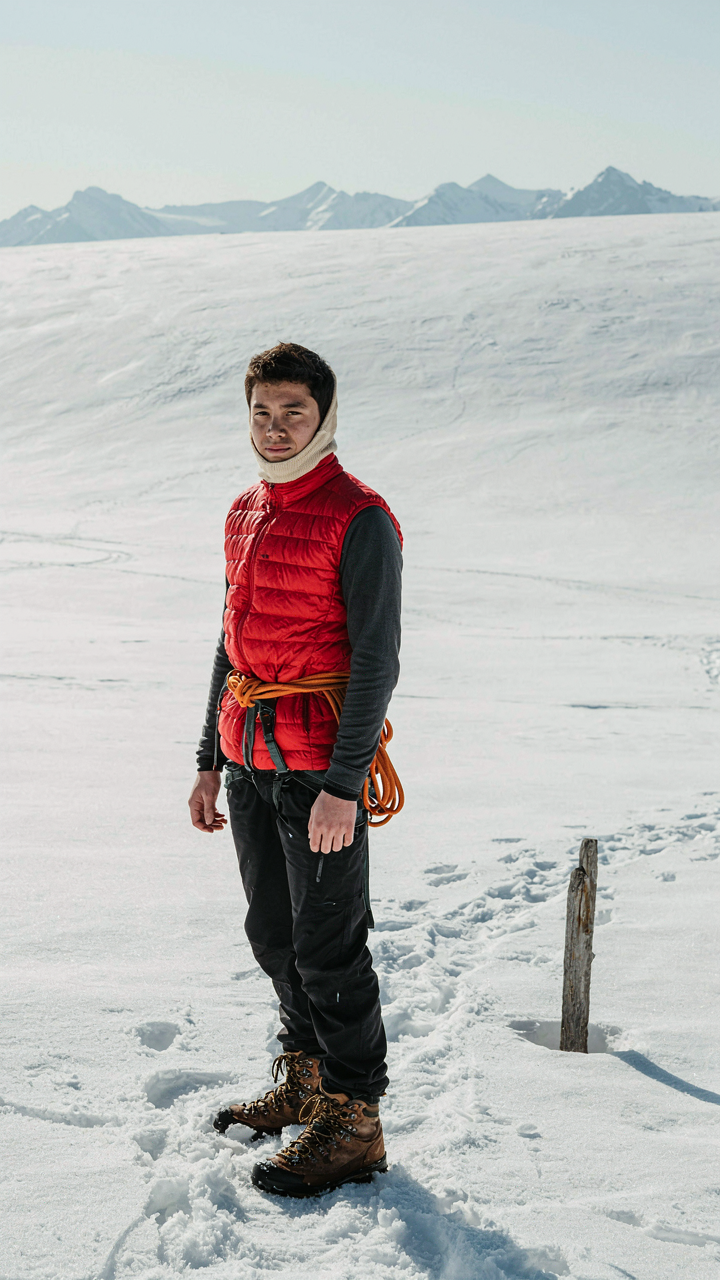
Base layers matter more than the jacket you’re wearing. Merino wool or synthetic materials trap warmth even when wet, unlike cotton. Mid-layers add insulation without bulk. A down or synthetic puffy vest goes over everything to create a sealed thermal zone around your torso. The outfit works as a system, not individual pieces. If your core stays at 98.6 degrees, your body has resources to defend your fingers and toes. If your core drops to 95, nothing else matters because you’re already in trouble.
Extremities Die First, So You Protect Them Last
This sounds backwards because common advice treats hands and feet as afterthoughts. They’re actually the canary in the coal mine. Numb fingers and toes signal that your whole thermal system is failing. Gloves must allow dexterity on a phone or map while providing genuine insulation. Mittens are warmer than gloves because they pool heat around all five fingers together instead of isolating each one. Wool or synthetic blend mittens with a leather or silicone palm grip let you handle gear without losing sensation.
Feet demand two things: insulation below and moisture management above. Insulated winter hiking boots with a rated temperature rating give you a real floor to your warmth. Thick wool socks trap air and wick moisture, but stacking six layers of socks is a lie people tell. Two quality wool socks are standard. A balaclava or neck gaiter protects your face and head because you lose more heat through your head than any other body part. The protocol: insulate the core first, then lock down the extremities before you leave the trailhead.
Outdoor Education Outfits: The Military Strategy Of Cold
Fuel Your Core, Not Your Ego
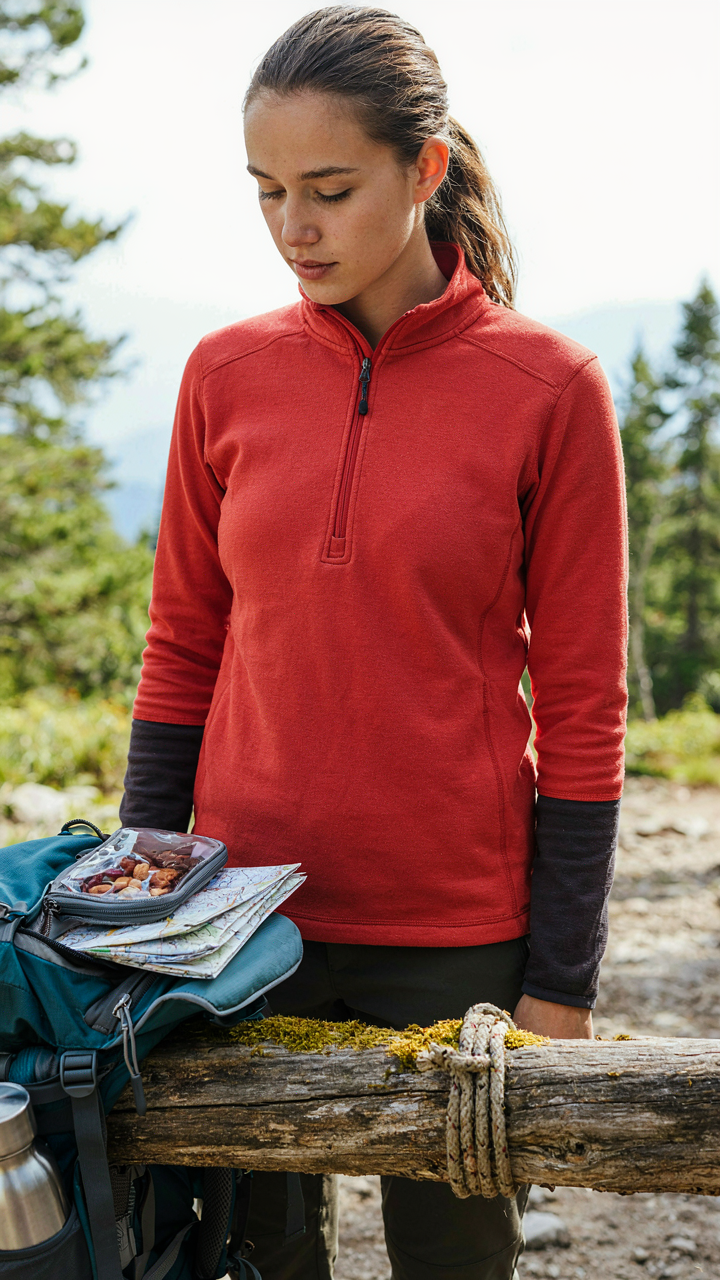
You want to look competent on the trail without shivering like you’re failing. Here’s the mechanism: your body burns calories to generate heat, and that fuel runs out faster than most teens realize. Biology calls this thermogenesis. A hiker’s outfit strategy is thermogenesis management. You don’t dress to look warm. You dress to preserve the calories your body needs to stay warm.
Most advice says “layer up,” which is incomplete. The real move is eating enough before and during the hike so your metabolism has material to work with. A teen burning 300 extra calories per hour in cold terrain needs to front-load carbs and fat before departure. Your outfit only works if your engine has fuel. Skip the caloric buffer, and no jacket saves you.
Read Conditions Before They Read You
Military strategists call this intelligence gathering. You call it checking the forecast, but most teens check it wrong. They look at the high temperature and call it done. That’s not intelligence, that’s laziness. You need wind speed, humidity, precipitation timing, and elevation changes for your specific route because each one changes how cold actually hits.
A 35-degree hike at 2,000 feet with 15 mph wind and dry conditions demands different gear than 35 degrees in fog at 8,000 feet with moisture saturation. The second scenario will strip heat from your body in minutes. Your outfit plan starts with this data, not with what worked last time. Check the forecast for your exact trailhead elevation, then cross-reference wind chill numbers, then build your layer system backward from that number.
Footwear: The Overlooked Foundation (Not Just A “Mountain Outfit”)
Insulation Strategy Beats Boot Marketing
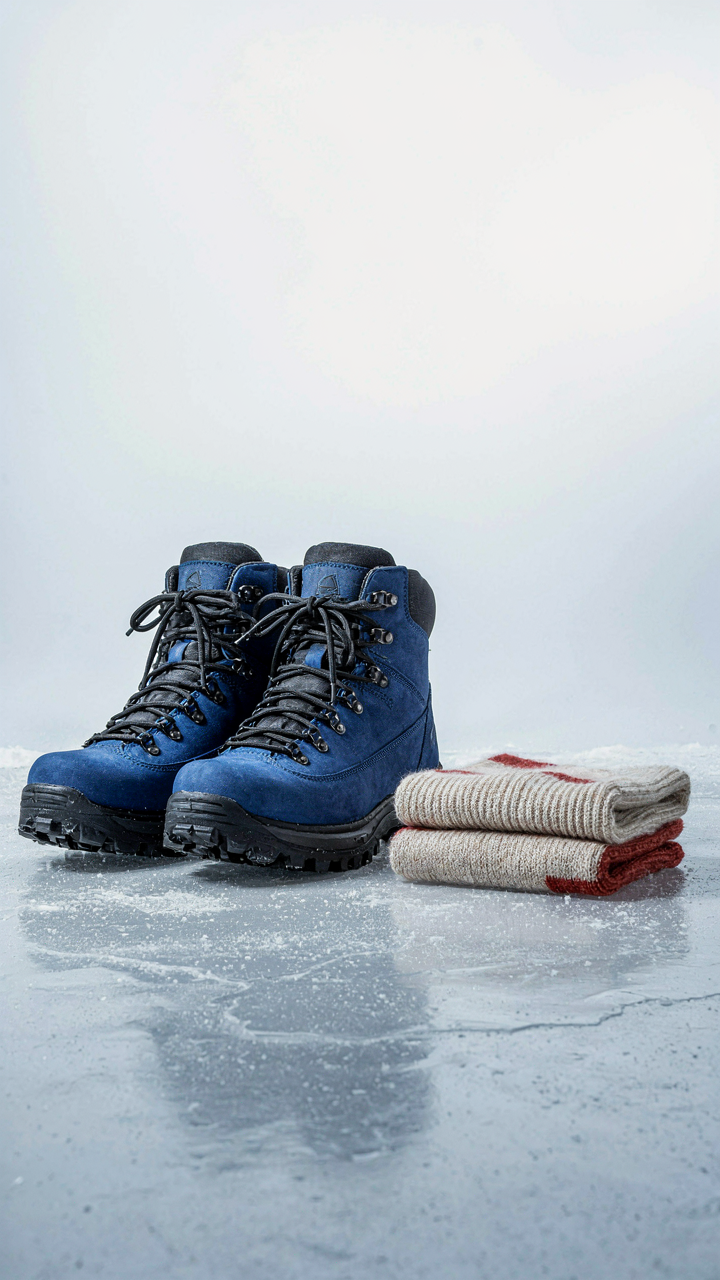
You care about this section because you want to buy one expensive boot and call it solved. The real mechanism is thermodynamic layering, borrowed from thermal engineering: heat loss happens through conduction, convection, and radiation. Your boot’s insulation rating is a single variable in a system. A 200-gram insulated boot with wet socks loses heat faster than a minimal boot paired with a deliberate sock system that stays dry and traps air effectively.
Insulation inside the boot matters less than moisture management outside it. Most teens wear cotton or thin synthetics that absorb sweat and freeze. A insulated boot with the wrong sock system becomes a heat sink. Start with a merino wool or synthetic base layer sock, add a thicker insulation sock on top, then keep both dry by choosing boots with breathable membranes and aggressive tread that sheds snow. Your sock system is the primary heat retention tool, not the boot’s R-value alone.
Sole Geometry Controls Grip And Fatigue
The lugs on your boot sole are micro-machines doing mechanical work. Aggressive tread with deep spacing between blocks bites into ice and hard snow, but trades rolling efficiency on flat terrain. Shallow lug patterns feel faster on packed trails but skate on slopes. Teens slip because they choose boots with marketing appeal instead of matching sole geometry to the actual terrain they hike.
Examine the sole before buying. Winter hiking demands boots with lugs at least 4-5mm deep and spacing wide enough that ice can’t pack and smooth the surface. The heel needs a defined edge, not a rounded transition, to catch on downslopes. Test the sole’s stiffness by hand: a flexible sole lets your foot torque and roll on uneven frozen ground. A moderately stiff sole keeps your ankle stable and transfers power efficiently to the frozen surface below.
Leggings & Base Layers: The Unsung Heroes Of Warmth
Thermal Base Layers: Material Science Explained
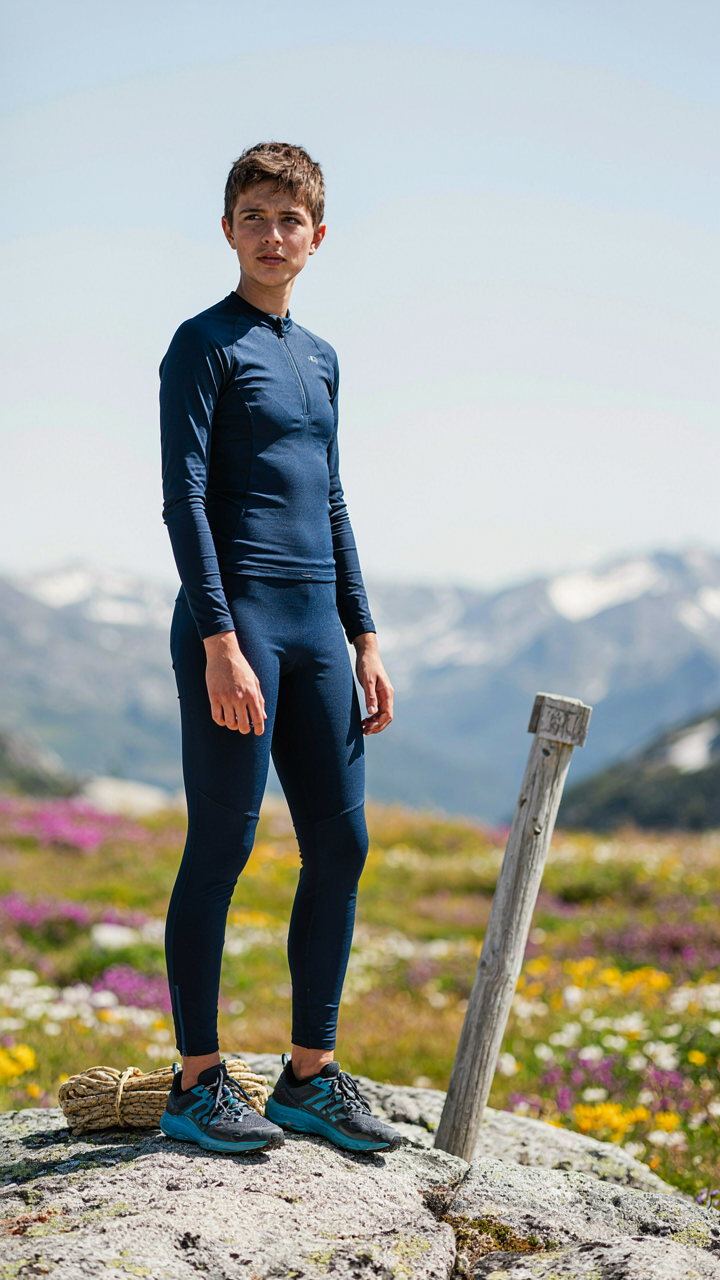
You care about this section because you want to look like you know what you’re doing without actually having to think hard about it. Here’s what matters: thermal base layers work on a physics principle called heat retention through air trapping. The material doesn’t warm you. It stops you from losing heat.
Merino wool, synthetic polyester, and nylon all trap air in different ways. Merino wool retains heat even when wet because the fiber absorbs moisture without feeling damp. Synthetic base layers wick sweat away from skin faster but lose their insulating properties once saturated. Nylon blends split the difference, offering decent moisture management with acceptable warmth trade-offs. Base layer thickness and fiber density determine how much dead air space exists between your skin and the outer layer.
Compression Versus Comfort In Cold
The advice that “compression improves blood flow and keeps you warmer” is incomplete. Compression does increase surface blood circulation, but it also restricts movement, which teens notice immediately and then refuse to wear the layer ever again. The real mechanism: tighter fit means less air gap between layers, so less wind penetrates through to your skin.
Comfort matters because a teen won’t hike in something that feels restrictive. A moderately snug base layer that moves with the body outperforms a compression layer that creates visible friction points. Test fit matters before the hike. If the base layer rides up, bunches at joints, or restricts arm movement, it won’t stay on through the entire outing. Buy one size up from compression sizing, then layer a mid-layer on top to create the air pocket you actually need.
The “Snowdonia Outfit” Paradox: Adaptability Over Aspiration
Weather Volatility Demands Reversible Choices
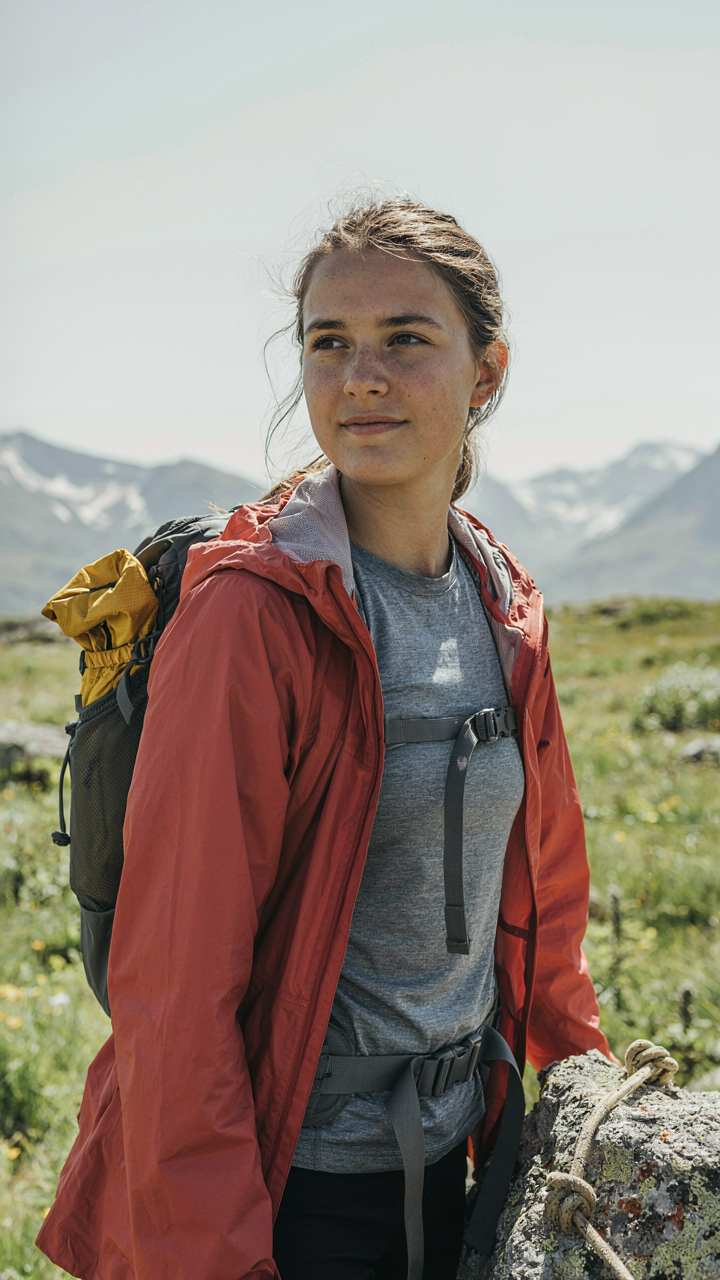
You want to look prepared without overpacking, which means you’re hoping one outfit solves everything. It won’t. Mountain weather doesn’t follow the forecast you read at breakfast. Temperature swings of 20 degrees between trailhead and summit are normal in ranges like Snowdonia or the Rockies. The mechanism here is altitude and exposure: every 1,000 feet of elevation drops temperature roughly 3.5 degrees Fahrenheit, and wind compounds this exponentially. A teen in cotton or a single insulating layer hits the wall halfway up.
The real move is building a reversible system, not a complete outfit. You layer synthetic or merino base layers that work wet or dry. You add an insulating mid-layer that compresses small enough to stuff in a pack if the hike warms up. You carry a windproof shell separate from your insulation so you can deploy either one independently. Weather volatility means you’re not dressing for conditions you see now, you’re dressing for conditions you’ll encounter in three hours when you’re at elevation with nowhere to descend quickly.
Efficiency Through Strategic Subtraction
The advice to “bring layers” misses the real constraint: weight multiplies effort, especially for teens on long trails. Physics calls this power output, and hiking physics is simple arithmetic. Every pound in a backpack requires additional caloric burn and forces earlier fatigue. A teen carrying 8 extra pounds of unnecessary gear burns through energy reserves that matter on the descent, when mistakes happen.
Stop packing redundant pieces. Choose one base layer, not two. Choose one insulating layer that serves your expected conditions, not a heavy jacket plus a fleece for “just in case.” Choose a shell that handles both wind and light precipitation so you don’t carry separate rain gear. The protocol is this: hike in base layer plus mid-layer, stuff the shell in the pack’s upper pocket. If temperature drops or wind picks up, deploy the shell over the mid-layer. If you overheat, shed the mid-layer and move it to the pack. That’s the complete system.
The Real “Cute Camping Outfits Winter”: Durability & Practicality
Buy Once, Use Always
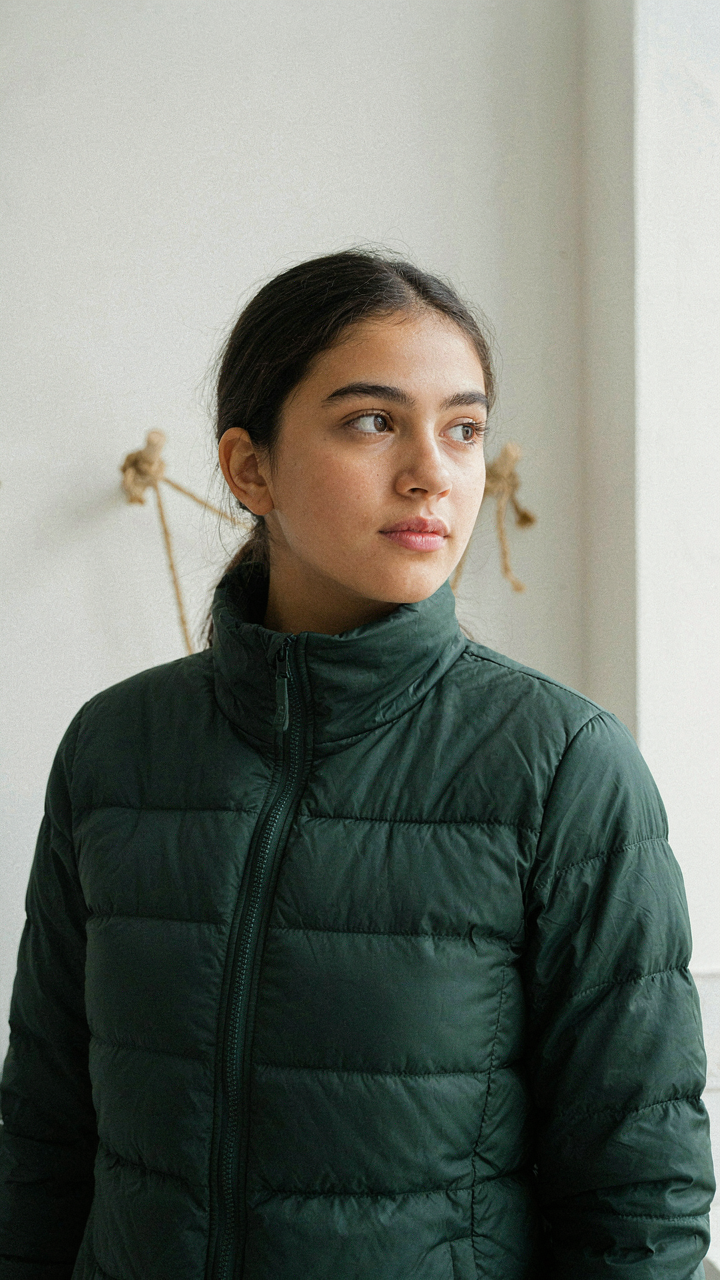
You want gear that photographs well because you think cute outfits matter more than function. They don’t. What actually matters is that you stop replacing the same item every season because you chose cheap insulation or thin fabric. Investment pieces work because the materials and construction handle repeated cold cycles without degrading.
A quality down jacket, merino base layers, and solid hiking boots cost more upfront but perform identically in year three as year one. Cheap synthetic insulation compresses after twenty washes. Thin shells crack in freeze cycles. You notice this only after you’ve already bought the replacement. The mechanism is simple: expensive gear uses better raw materials that resist degradation. Buy that instead, and the cost per use drops below budget alternatives within two seasons.
Wash Your Gear Like You Mean It
Most teens never read care labels, so their winter gear fails prematurely from improper cleaning. This is the single biggest waste of money in cold weather hiking. Down jackets need specific washing temperatures. Merino requires cold water. Technical shells need gentle detergent designed for hydrophobic coatings, not regular laundry soap.
Set a protocol: after every muddy or sweaty hike, rinse gear in cold water same day. Once monthly, wash technical layers with purpose-made detergent. Dry down gear flat or in a low-heat dryer with tennis balls to redistribute insulation. Treat this as maintenance, not optional. Your jacket will outlast three seasons of peers who treat washing as punishment for getting dirty.
The Real Obstacle Isn’t The Cold; It’s Your Impulse To Conform
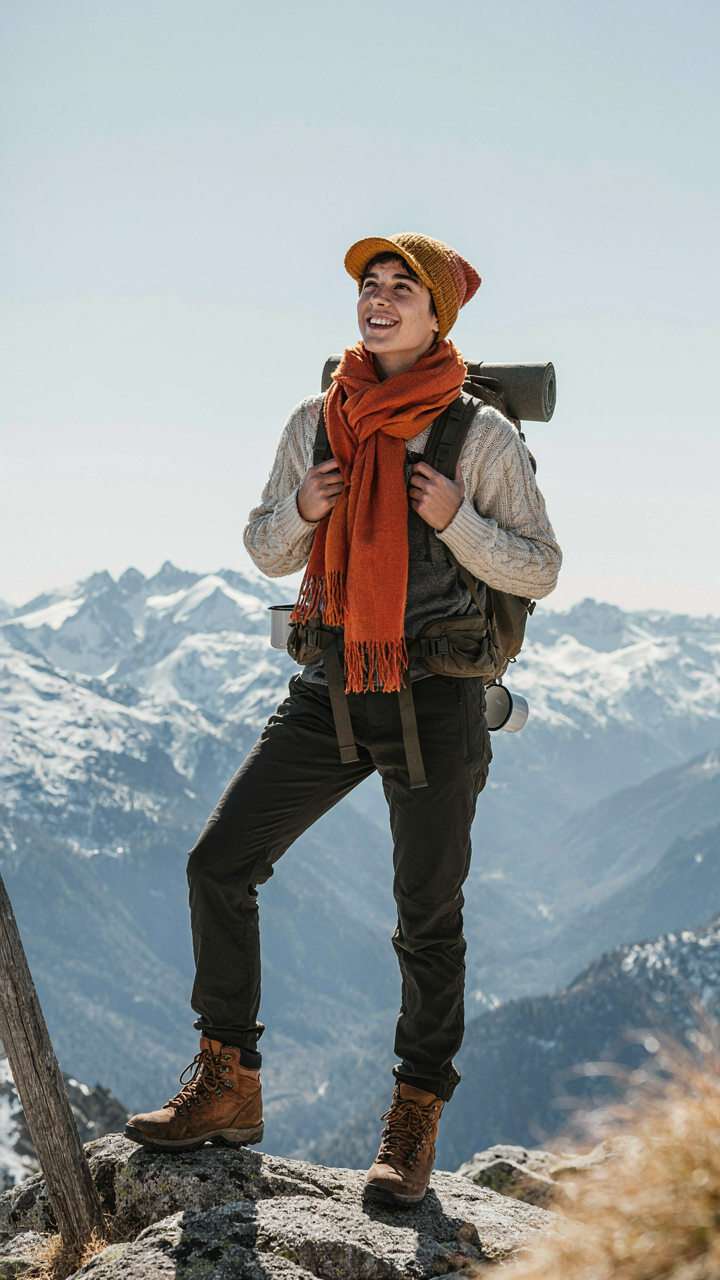
Your teen won’t freeze because they chose function over fashion. They’ll freeze because they picked what Instagram hikers wear instead of what actually works. The cold weather hiking outfit teens actually need looks nothing like the gear catalogs promise. Stop waiting for permission to dress weird on the trail. Open your closet today and pull out the least “outdoorsy” looking warm layer you own. Comfort always beats the image you’re trying to project.