
The Unseen Threat: Why Generic Advice Fails
Layering Doesn’t Work The Way You Think It Does
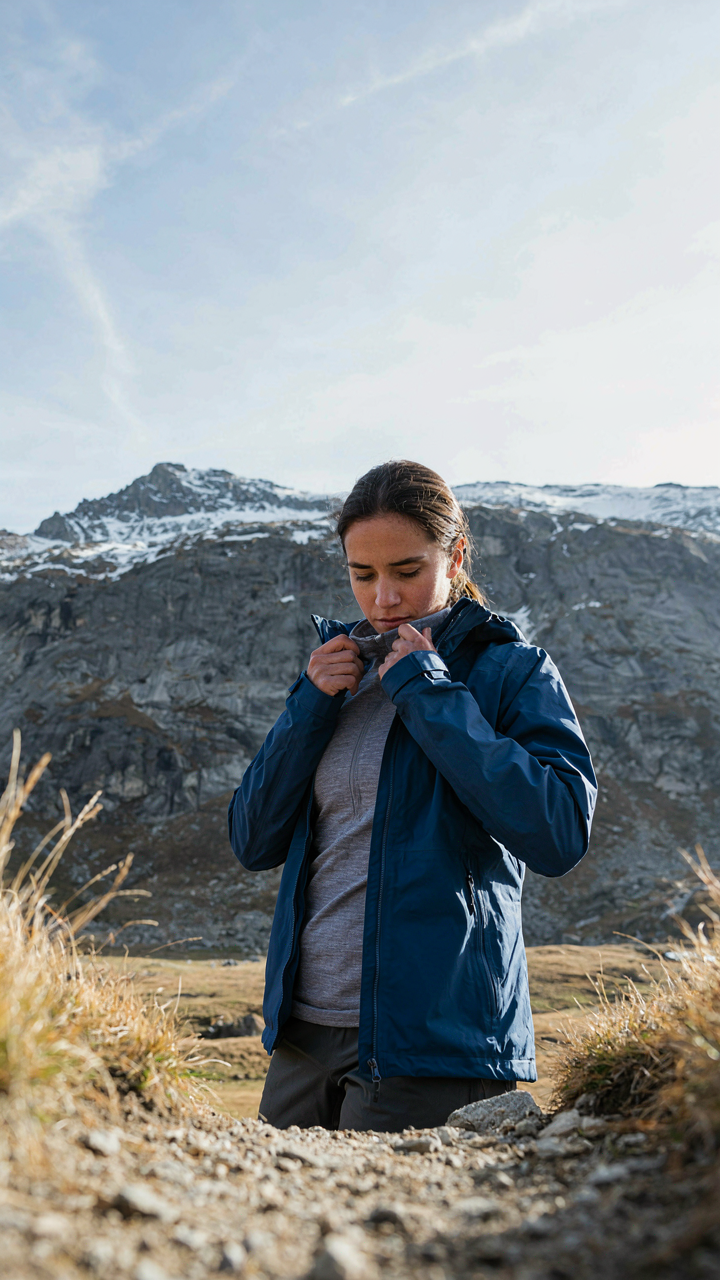
You want to believe that stacking three shirts keeps you warm the same way every time. It doesn’t. Thermal physics governs insulation, and the mechanism is simple: trapped air holds heat, not fabric. The gap between layers matters more than the layers themselves. Most advice bundles “merino wool” and “synthetics” as interchangeable options. They aren’t. Merino regulates moisture vapor actively through fiber structure. Synthetics don’t. One works when you’re moving and sweating. One fails.
The real failure happens when hikers treat layering as a sequence instead of a system. You add a jacket because you feel cold, but coldness is already damage in progress. Your core temperature dropped before you noticed. By then, a layer is recovery, not prevention. The protocol is different: start with base layer selection tied to your actual sweat rate on that terrain, not generic assumptions. Know your output before you leave the trailhead.
Solo Exposure Creates Different Failure Points

Hiking alone in cold means you can’t redistribute body heat through proximity. It also means you can’t spot the early signs of hypothermia in yourself the way a partner can. You’re flying blind on your own condition. Most cold weather advice assumes a group. It warns about frostbite on exposed skin and wind chill, both real threats. But it misses the psychological and logistical trap specific to solo movement: you’re managing pace, navigation, and physical awareness with zero external feedback. One mistake compounds faster.
The actual danger isn’t the cold itself. It’s the delayed response. Solo hikers often push through discomfort longer because stopping means sitting alone in deteriorating conditions. The decision threshold shifts. A partnered hiker quits early. A solo hiker keeps moving until she has to stop, which is later and worse. Your outfit needs redundancy built in, not flexibility. Carry extra insulation you don’t expect to use. Carry a second hat. The spare prevents the cascading failure that happens when your first line of defense fails and you’re three miles from the car with no backup.

The “Minimum Viable Kit” Protocol: Salkantay Trek Outfit Lessons

What Actually Keeps You Alive In Cold
You want to feel prepared without looking like you’re compensating for inexperience. Here’s what nobody says plainly: most solo female hikers pack for the hike they imagine, not the hike they’re doing. Thermal regulation is a physics problem, not a gear problem. Your body loses heat through convection, conduction, and radiation. The outfit that works solves heat loss, not style points. Three layers beat seven layers when the three are chosen right.
The Salkantay Trek forces this clarity. At 15,000 feet in the Andes, you cross from jungle to alpine in one day. Your kit has to handle 70 degrees at dawn and 30 degrees by afternoon without a resupply. This teaches the non-negotiable: base layer that moves moisture away from skin, insulation that traps dead air even when damp, and a shell that blocks wind without trapping sweat. Everything else is cargo weight masquerading as safety.
Gear That Earns Its Place
Every item you carry must solve two problems or solve one problem better than what you’d replace it with. Most hikers fail this test. They bring a heavy insulated jacket that’s useless in rain and a rain shell that offers no warmth. That’s duplication, not preparation. A hardshell with insulating properties built into the fabric beats both.
The protocol is ruthless: wear it on day three of the hike, in the conditions you fear most, and decide if you’d carry it again. If the answer is no, it stays home next time. A merino wool base layer, a synthetic mid-layer that works wet, and a hardshell that breathes are what you actually need. The rest is psychological comfort disguised as strategy.
Beyond “Layering”: The Thermodynamic Imperative

How Your Body Actually Loses Heat
You want to know layering because you’re afraid of getting cold alone in the backcountry and looking incompetent or, worse, needing rescue. Here’s what actually matters: physics identifies four mechanisms of heat loss, and your outfit either blocks them or it doesn’t. Conduction pulls warmth directly into cold objects you touch. Convection strips it away through moving air. Radiation beams it out into space. Evaporation converts sweat into vapor and takes your heat with it. Most advice obsesses over conduction and ignores the other three, which is why solo female hikers end up hypothermic in supposedly “warm” gear.
Conduction matters least on the trail. Your body contacts the ground through boots and maybe a sit pad. Wind causes convection damage in minutes. Radiation never stops, especially on clear nights above treeline. Evaporation is the silent killer most people refuse to name plainly: you sweat during exertion, and if that moisture stays on your skin or trapped in fabric, you’ll cool faster than if you’d worn nothing. Your outfit must address all four or you’ve built a false sense of security. Pick fabrics and construction that manage this, not marketers’ narratives about “premium insulation.”
The Moisture Protocol That Prevents Hypothermia
Controlling moisture isn’t about “staying dry.” That’s incomplete and misleading. Your body generates sweat during the climb. The question is where that moisture goes and whether it steals heat on the descent or during rest. Synthetic base layers and mid-layers wick moisture away from skin toward the outer shell. Merino wool does this too but slower. Cotton holds moisture against your skin and murders you thermodynamically. Your shell should shed external precipitation without trapping internal vapor, which means breathable materials like Gore-Tex or eVent, not waterproof coatings that turn your jacket into a sauna.
The mechanism is direct: swap out cotton entirely for synthetic or wool, add a breathable shell, and monitor your exertion rate on the ascent so you’re not drenched before the wind hits at the summit. Remove layers before you sweat heavily, not after. Wet gear conducts heat away from your core thirty times faster than dry gear. This is why you stop at a shelter to adjust, not when you’re already shivering. Your protocol: base layer that moves moisture, insulation that traps air, shell that breathes out while keeping wind out.
The Solo Female’s Risk Assessment Matrix: Military Strategy Applied To Hiking Outfit Women

Know Your Exposure Points
You want this section because you’re afraid of being underprepared and looking foolish, or worse, getting hurt. That fear is rational. Military risk assessment uses the concept of “exposure” to identify which variables create the highest casualty rate. In cold weather hiking, your exposure points are the body parts that lose heat fastest and the moments when you’re stationary. Fingers, toes, face, and core lose heat in sequence. Most solo female hikers dress for movement, then freeze during rest stops because they didn’t account for exposure variance.
The real vulnerability isn’t what kills you on the trail. It’s the gap between your activity level and your insulation. When you’re hiking uphill, you generate 300-400 watts of heat. When you stop to navigate or eat, you drop to 80 watts. Your outfit must handle both states, not just one. Most generic advice says “layer up,” which is incomplete. You need to isolate which layers prevent heat loss during high activity and which ones you’ll shed to avoid sweat accumulation that later becomes dangerous when you stop.
Strategic Gear Deployment
The common advice here is wrong. Most sources tell you to buy “quality gear” without explaining the mechanism. Gear deployment isn’t about having the best jacket. It’s about positioning insulation where heat loss occurs fastest and choosing materials that work when wet. Your core holds priority. Hypothermia starts there. A female hiker’s smaller core mass means you lose core heat faster than a male counterpart hiking at the same pace in the same conditions. That’s not theory. That’s thermodynamics applied to surface area to volume ratio.
Deploy your outfit in layers based on activity phase, not aesthetics. Base layer pulls sweat away. Mid layer (fleece or synthetic) traps dead air and insulates even when damp. Outer shell blocks wind. The gap most solo hikers miss is the contingency layer. Carry an extra insulation piece for static time. An emergency down jacket or synthetic vest weighs ounces but prevents the ten-degree core drop that happens when you stop for thirty minutes. Your deployment sequence starts before the hike: pack the contingency layer first so it stays dry.
Footwear Fallacies: Why “Waterproof” Isn’t Enough For Winter Hiking

The Real Boot Problem
You’re buying waterproof boots because you think they prevent wet feet. They don’t. Thermodynamics determines boot performance in winter: heat loss through the sole and sides kills your feet faster than water entry does. A waterproof membrane stops liquid but conducts cold straight into your skin. The insulation layer matters infinitely more than the waterproofing layer. Most hikers get this backwards and end up with boots that trap moisture while offering minimal thermal resistance. The mechanism is simple. Your feet generate heat. Boots either retain that heat or they don’t. Waterproofing is irrelevant to heat retention.
Insulation quality depends on material and thickness. Down insulation compresses under body weight, losing effectiveness inside a boot. Synthetic foam like PrimaLoft or closed-cell EVA resists compression and maintains R-value even when damp. Grip comes from sole rubber compound and tread depth, not boot height. Ankle support prevents rolling on uneven terrain but won’t stop you from falling if ice catches your edge. Solo hikers need boots that prioritize insulation first, then grip, then waterproofing as a distant third concern.
The Two Threats Nobody Names
Frostbite and trench foot attack different mechanisms. Frostbite freezes tissue when skin temperature drops below 32 degrees Fahrenheit. Trench foot damages tissue through prolonged cold and moisture exposure without freezing. You can get trench foot in 40-degree conditions. Most advice conflates them and recommends the same prevention for both, which is why solo female hikers often fail at preventing either. The real protocol requires two separate strategies.
Prevent frostbite through insulation thickness and vapor management. Keep foot temperature above freezing by wearing boots rated to the lowest temperature you’ll encounter, then add liners if needed. Prevent trench foot through moisture removal. Change socks at the first sign of dampness inside the boot. Carry spare socks in a waterproof bag. Remove your boots and air your feet during breaks, even if it’s uncomfortable. Swap wet socks immediately after each break. The action step is non-negotiable: if your socks are damp, your feet are degrading.
The “Granola Girl” Trap: Performance Over Aesthetic In Cold Weather Outfits Hiking

Materials That Earn Their Weight
You want your outfit to look intentional because you’re worried people will judge you for hiking alone. Here’s the mechanism: in cold weather, your fabric choice determines whether you survive the hike or spend energy fighting your own gear. This is basic thermodynamics applied to textiles. Merino wool, synthetic insulators, and technical shells aren’t trendy because Instagram made them trendy. They work because they manage moisture, regulate temperature, and resist degradation in freeze-thaw cycles.
- Merino Wool Base Layers: Naturally regulates temperature and resists odor accumulation over multiple days. Works when wet, unlike cotton. Weights range from 150g to 400g depending on conditions.
- Synthetic Insulation (Polyester): Retains warmth when wet and dries faster than down. Brands use different fiber structures, but the core function is trapping dead air without absorbing moisture.
- Hard Shell Jackets: Windproof and water-resistant, typically made from nylon or polyester with sealed seams. Allows vapor transmission so sweat doesn’t pool inside during exertion.
- Soft Shell Mid-Layers: Stretchy, breathable, and designed for active movement. Sacrifices some water resistance for better mobility and packability on steep terrain.
- Gaiters (Synthetic Fabric): Prevent snow and debris from entering boots. Nylon construction withstands repeated exposure to sharp ice and abrasion without tearing.
The wrong fabric choice costs you. Cotton holds moisture. Down fails when wet. Cheap synthetics compress and lose insulating value after one season. Test your layers before heading to the trail, not during the hike when you’re already cold and fatigued.
Gear Selection Without The Instagram Filter
The advice you’ll hear is “wear what makes you feel confident.” That’s useless. Confidence doesn’t keep your core temperature stable. Real solo female hikers reject the aesthetic-first mentality because form following function is the only reliable strategy in cold weather.
A puffy jacket that photographs well but uses low-quality down loses insulation value in damp conditions. Leggings that look sleek but lack windproof panels let cold air strip heat from your legs. Hiking boots with minimal ankle support might match your outfit’s vibe but increase injury risk on frozen terrain. The mechanism is simple: you’re choosing between looking a certain way and staying functional. One choice kills you. The other doesn’t.
Your jacket should fit over layers without compression. Your pants should move without bunching at the crotch or knees. Your boots should accommodate thick socks and have a stiff sole for icy traverses. Your gloves should allow fine motor control for gear adjustments. When you prioritize actual performance, your outfit stops being about you and starts being about the environment you’re walking into. That shift in thinking is where real safety lives.
Head, Hands, & Core: The Unspoken Hierarchy Of Warmth
Where Your Body Actually Loses Heat First
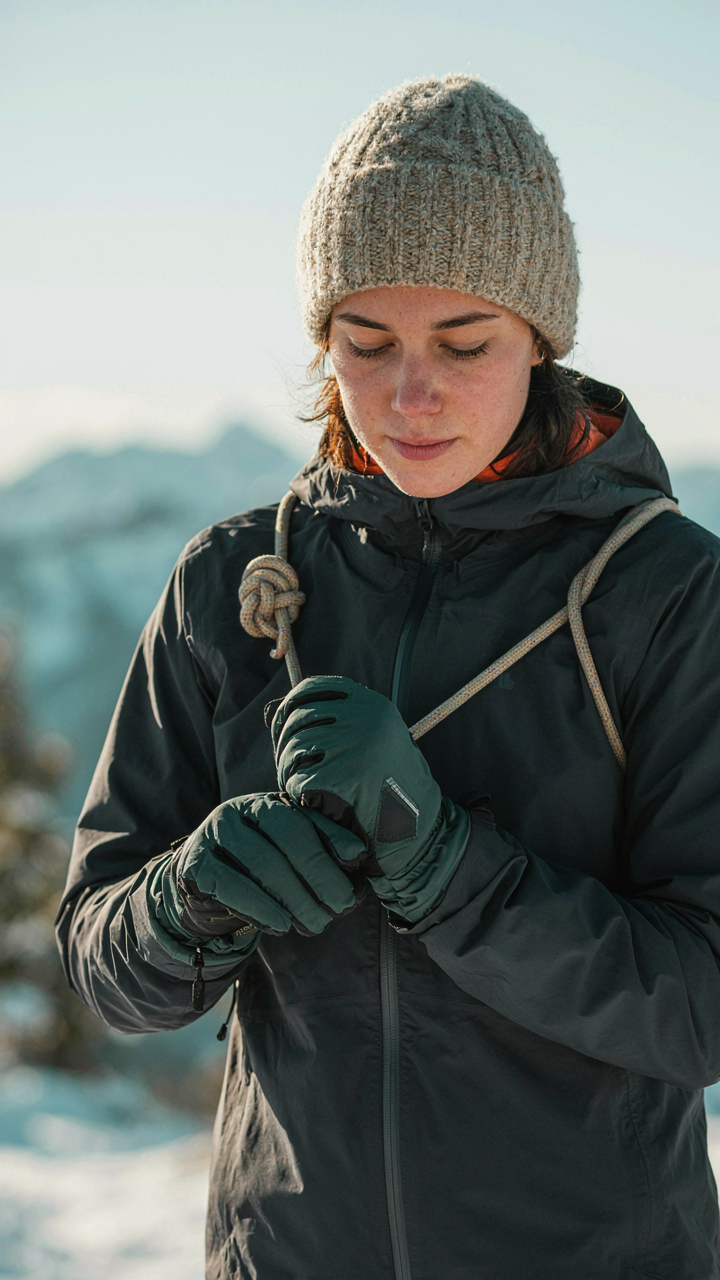
You’re worried about your feet going numb because it feels dramatic. The real mechanism is thermoregulation—your body prioritizes core survival over extremity comfort, which is biology, not preference. Your head, hands, and torso aren’t equally important. Your brain regulates core temperature first. Lose that battle and extremities don’t matter anymore. Solo hikers often waste insulation budget on legs when the order of operations is skull, then heart, then fingers.
The head accounts for roughly 10 percent of body surface area but loses heat fast because blood vessels sit close to skin there and your body routes warm blood to your brain before anywhere else. Hands betray you next—they’re thin-skinned, high surface area, and you use them constantly, breaking any static insulation layer. Core warmth sustains the whole system. Protect these three zones first or you’re managing decline instead of preventing it.
Layering For On Trail Adjustments
The standard advice about base layers and mid layers is incomplete because it treats hiking as static. You’re moving, stopping, sweating, cooling, and decision-making alone means you can’t wait for a partner to notice you’re shivering. Think of thermal management like a military supply line—you need resupply points, not one massive load at the start. You adjust before you crash.
Start with a synthetic or merino base that moves moisture away from skin. Add an insulation layer you can shed or deploy in seconds without removing your pack or stopping completely. Your outer shell handles wind and precipitation, but the real win is a mid-layer you access without undressing. A vest or lightweight puffy lets you regulate core temperature in fifteen seconds while standing still. This matters on solo hikes because you’re the only one noticing your pace drop or your breathing shift.
The Kyrgyzstan Outfit Principle: Adaptability In Extreme Cold
Layering For Conditions You Can’t Predict
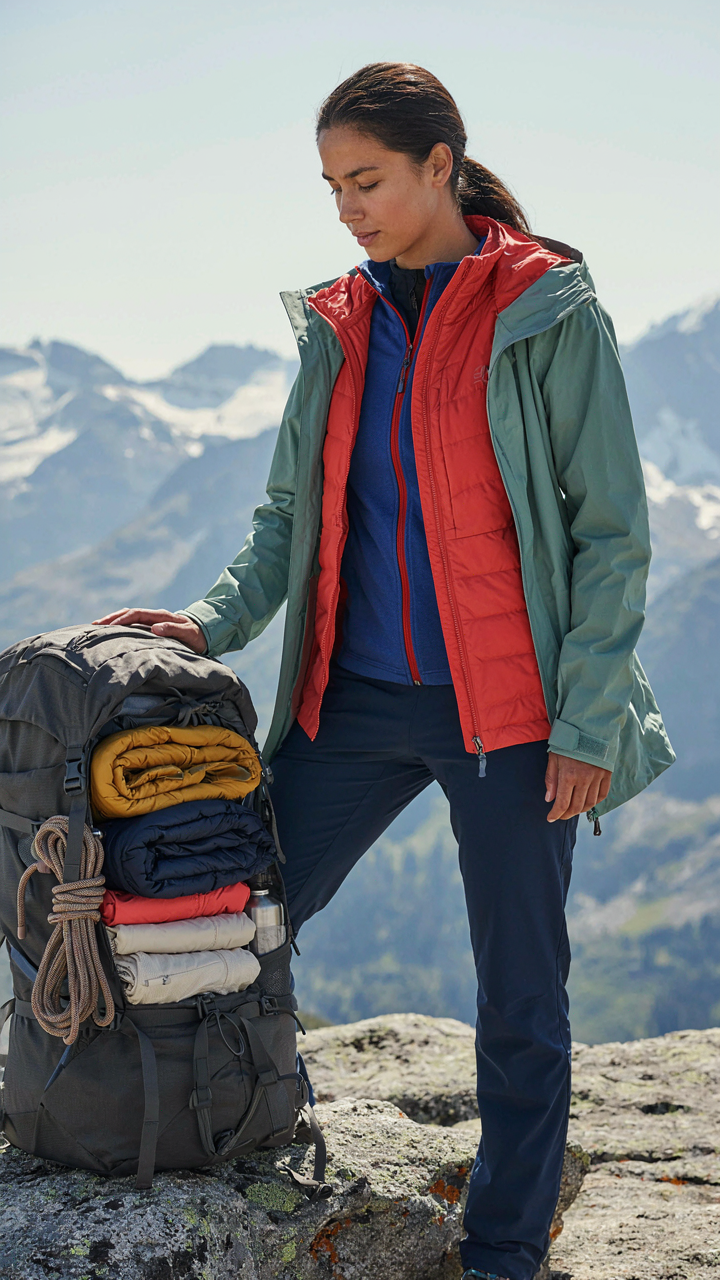
You want to believe one outfit works everywhere because buying and carrying less feels like competence. The real mechanism is thermal resistance: you’re not dressing for temperature, you’re dressing for the gap between your body heat and what the environment strips away. That gap changes every hour. Wind arrives. Snow melts on your skin. You climb and sweat, then stop and freeze.
Kyrgyzstan hikers learned this through necessity, not philosophy. They built outfits that subtract and add without stopping. Your base layer stays on. Your insulation layer comes off when you move, goes back on when you stop. Your shell adjusts to wind, not just cold. This isn’t layering theory from a blog. This is what happens when you’re alone in terrain where “I didn’t account for that” means a real problem.
Testing Gear Before You Need It
Common advice says “buy quality brands.” That’s incomplete. The real question is whether your gear fails in the specific cold you’ll face. A merino base layer that works at 20 degrees might trap sweat at 30 degrees and feel useless. Insulation that compresses well in a pack might not loft fast enough when you stop moving. Shells that breathe on a day hike might ice up during an overnight push.
Field testing means wearing your outfit on progressively harder conditions before you commit to it on a solo trip. Start with a day hike in 30-degree weather. Move to a full day in 15 degrees. Then an overnight in single digits if that’s your target. You notice which zippers stick when cold. Which materials make noise that breaks your focus. Which seams fail or chafe. You build adjustment protocols, not guesses. By trip day, your outfit has a track record, not a promise.
Emergency Preparedness In Your Trekking Outfit: Beyond The Obvious
Survival Essentials Built Into Fabric And Fit
You want emergency gear to feel like insurance you’ll never use, so you skip it. That’s the trap. The real mechanism is redundancy through integration: survival tools don’t belong in a separate pack you might leave behind. They belong woven into the outfit itself because your outfit is the one thing you’ll always wear.
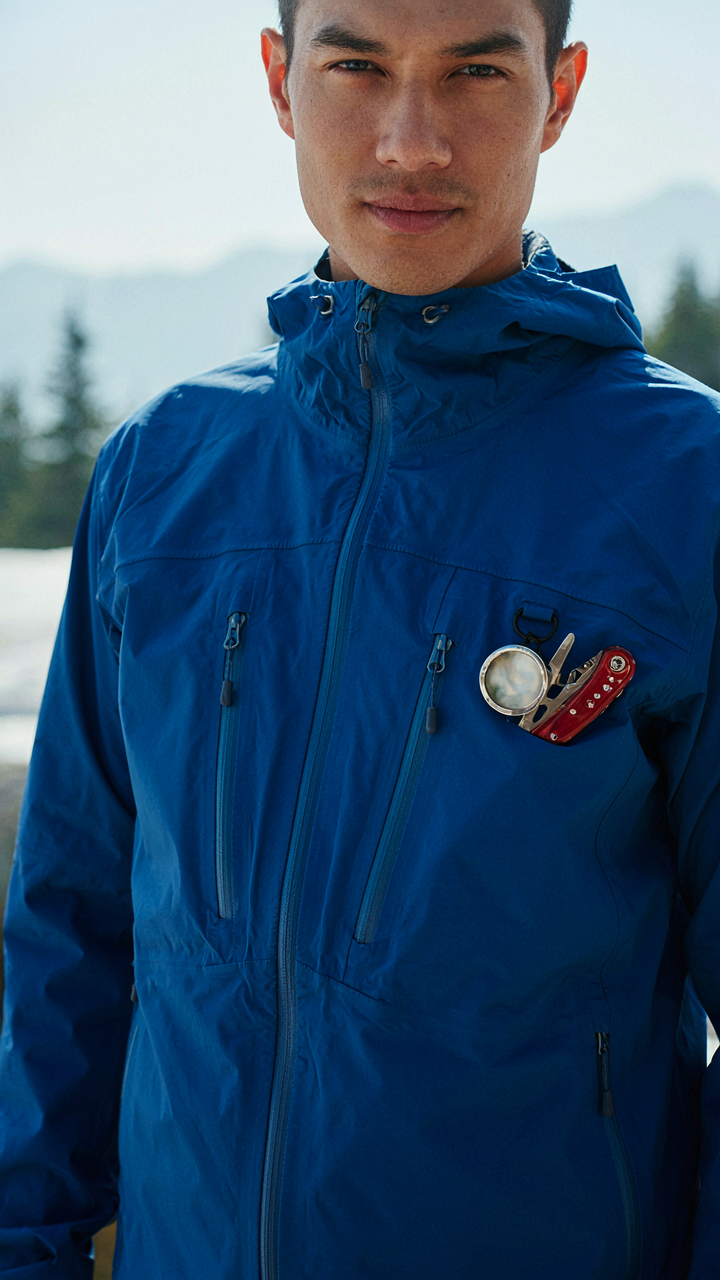
Cold weather hiking demands you think like a systems engineer, not a gear collector. Your base layers store heat retention. Your outer shell creates wind barriers. Your pockets hold fire-starting material, a knife, and a signal mirror. Your neck gaiter doubles as a face shield and tourniquet. Your gloves have grip for climbing out of trouble. Each piece pulls double duty: function plus survival. This approach eliminates the choice of what to grab when panic hits.
Self Rescue Through Gear Architecture
Solo hiking in cold terrain means you execute your own extraction, no exceptions. Mountaineering strategy teaches you about load paths, the designed routes that distribute force efficiently. Apply that to your outfit: every layer, pocket, and attachment point must support self-rescue mechanics like rappelling, climbing, or moving injured limbs without tearing or failing.
Your outfit needs a carabiner point on your harness loop or pack hip belt. You need a knife accessible with one hand while wearing heavy gloves, ideally on your chest or thigh strap. Your communication device stays in an inner jacket pocket where your body heat keeps batteries functional in sub-zero temps. Your signal mirror clips to an outer pocket. None of this works if you store it scattered across different bags or decide to leave it home. The outfit itself becomes your rescue architecture.
Your Biggest Obstacle Isn’t The Cold; It’s Your Reliance On Conventional Wisdom

Most solo female hikers fail because they buy what the internet sells them instead of trusting their own body. You already know what’s uncomfortable. You already know what restricts your movement. Stop waiting for permission from gear reviews and go hike in what you own. Test one outfit this weekend. Notice what actually bothers you versus what you think should bother you. Your discomfort is the only feedback that matters, and it’s free. The hiking industry profits when you believe you need new gear, not when you learn yourself.