
The Layering Fallacy: Why More Isn’t Always Better

The Bulk Trap Nobody Admits
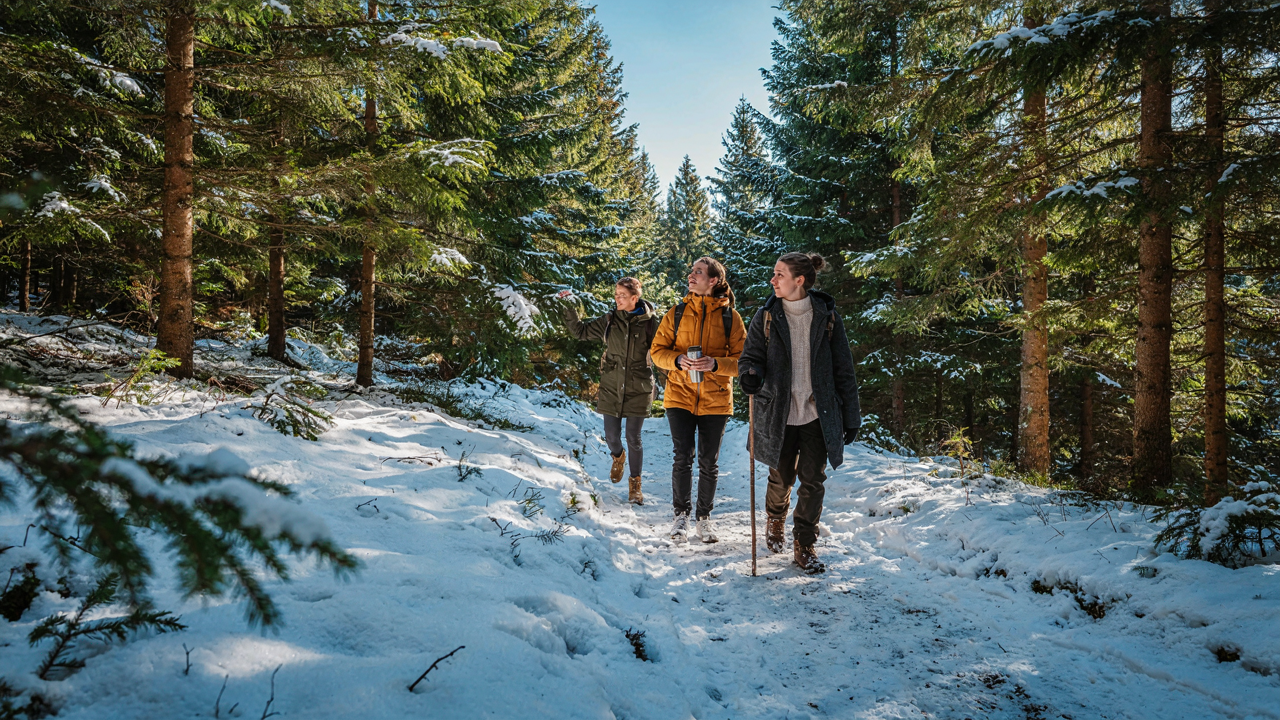
You want layers to sound like the answer because it feels like control. Here’s the mechanism: your body generates heat, and layers trap it. But most people layer until they can’t move, which kills the entire point. Restricted movement means reduced blood flow to extremities, worse circulation, and you freeze faster despite wearing more. The goal is insulation without immobility.
Too many layers also trigger premature sweating during exertion. Sweat soaks your base layer and then chills you on the downhill. You’ve created the exact problem you tried to prevent. Older adults hiking cold terrain need fewer, denser layers that move with the body, not against it. Quality beats quantity every time.
Temperature Regulation Through Subtraction

Think of this like a valve system in thermodynamics. You open and close flow to maintain equilibrium. Each layer should serve a single function: base removes moisture, mid layer traps dead air, outer shell blocks wind and precipitation. A third or fourth layer wastes real estate and range of motion.
The protocol is simple: start with a merino or synthetic base layer (avoid cotton), add one mid layer of fleece or wool, then your shell. Carry a spare base layer for when you stop moving. Stop dressing for the temperature. Dress for the effort level and plan to shed or add one piece based on your exertion rate, not the thermometer.

Beyond “Comfy Shoes”: The Footwear Foundation

Traction And Insulation Are Non Negotiable
You want to believe a good hiking shoe solves everything. It doesn’t. The real mechanism is simple: your feet are your only contact point with terrain that wants to betray you, and cold amplifies every mistake. Apply grip theory from physics here. Traction isn’t about looking like you came prepared—it’s about coefficient of friction between sole and ice. Older adults lose proprioceptive feedback in cold, meaning your balance system gets slower. A slippery boot doesn’t just feel uncertain; it forces your muscles to work harder to stay upright, burning energy you need for warmth and distance.
Insulation matters equally because cold feet trigger cascading failures. Numb feet make you miss obstacles. Numb toes kill your balance proprioception further. The mechanism works like this: insulation preserves blood flow to extremities, which preserves feedback, which preserves safety. Most people buy boots with thin liners and expect heavy socks to compensate. Wrong. The boot’s insulation needs to do the work from design. Waterproofing and insulation are separate problems—a dry but uninsulated boot leaves you hypothermic. Find boots rated for the actual temperature range you’ll face, not the marketing range.
Boot Mechanics For Terrain Variability
The common advice says pick one boot and stick with it. That’s incomplete. Different cold terrain demands different mechanical responses. Rocky, icy slopes need stiffer midsoles to distribute pressure and prevent ankle roll. Deep snow needs wider toe boxes and aggressive sole designs to climb without shin fatigue. A boot optimized for one fails at the other. The critical detail people miss: stiffness isn’t comfort—it’s protection. A soft boot feels pleasant indoors and destroys your joints on uneven ground because it doesn’t transfer force efficiently to your legs. Your body compensates for that poor mechanics by recruiting stabilizer muscles at higher intensity. At fifty-five or sixty-five, that compensation strategy bankrupts your energy reserve in hour three.
Fit matters more in cold than any other season because you can’t adjust on trail. Swelling happens differently in cold air. Blood vessels constrict, reducing circulation pressure, but friction from hiking and compression socks can trap fluid. A boot that fits perfectly in the store might cut off circulation mid-hike. Size up a half to full size in cold weather boots, then use thicker socks to fill the gap—this creates a buffer zone that prevents pressure points while allowing blood flow. Lace pressure points correctly: firm across the midfoot, looser at the ankle, even looser at the top. Test this lacing protocol on a short walk before committing to a full day.
The Adventure Outfit Protocol: Ditching Bulk For Mobility
Merino Wool Versus Synthetics For Core Warmth
You want to look like you know what you’re doing out there. That’s the real reason you care which fabric sits against your skin. The mechanism is simple: merino wool and synthetics solve the same problem differently, and older adults need to pick based on recovery, not trend.
Merino wool regulates temperature by absorbing moisture without feeling wet. It maintains warmth even when damp and naturally resists odor, so you wear it longer between washes. Synthetics like polyester and nylon dry faster but don’t insulate as well when wet. For cold weather hiking where sweat happens and drying time matters, merino wins on performance. You don’t need the synthetic speed advantage if you’re moving deliberately and layering right.
Freedom Of Movement: Critical Fabric Choices
Physics calls this “degree of freedom”—how many directions a material lets your joints move without resistance. Apply that to hiking: your shoulders, hips, and knees need fabric that stretches with you, not against you, on uneven terrain.
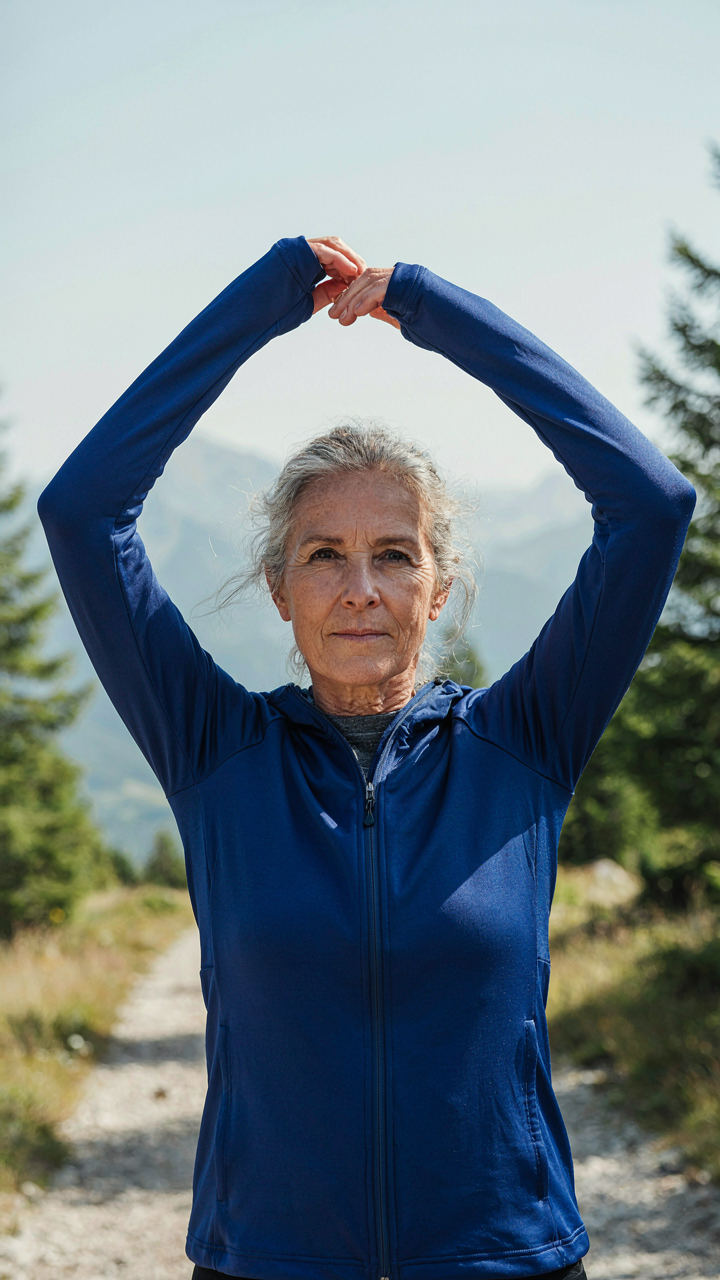
Most cold weather gear fails here because it prioritizes insulation over articulation. Stiff shells and rigid fleece restrict your natural gait, forcing compensation that exhausts your knees and hips faster. Look for four-way stretch fabrics or materials with nap weaves that give in multiple directions. Your outer layer should slide over your base and mid-layers without bunching. Test any jacket by raising your arms overhead and rotating your torso. If fabric pulls or rides up, it won’t work for six hours on a trail.
Fall Outfits To Winter Survival: Adapting, Not Replacing
Work With What Stops Working
You want to believe your current gear will carry you through winter because replacing it feels like admitting age caught up with you. The real mechanism is thermoregulation failure. Your fall layers worked because they trapped air in a narrower temperature band. Winter demands you stack those same pieces differently, not abandon them. The fabric doesn’t change. The strategy does.
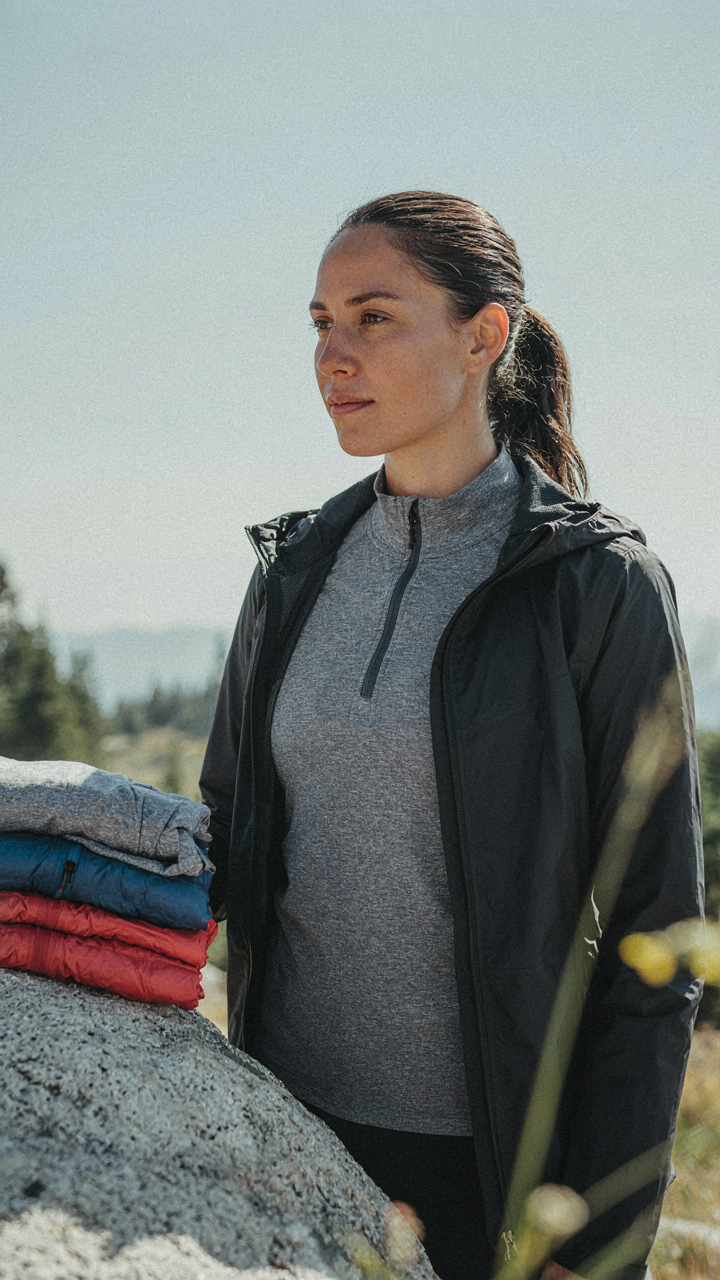
Start by auditing what you own. That fleece from last season still insulates. The wind shell still blocks gusts. The base layer still wicks. What fails is the gap between them. In fall, you layered for 45 to 55 degrees. Winter requires you to add depth between existing layers, not replace them outright. This keeps cost low and preserves what already fits your body.
The Insulation Gap Is The Problem
Winter hiking exposes a flaw nobody names plainly: fall outfits leave dead air space that cold penetrates. Think of it like load-bearing capacity in structural engineering. Your current layers hold a certain R-value, but cold doesn’t respect that ceiling at lower temperatures. You need intermediate insulation that sits between skin and wind shell without bulk. Most people either overstuff jackets or skip the middle layer entirely. Both strategies fail.
A mid-weight insulating layer solves this. Synthetic down or wool fills the gap your fall outfit created. Layer it over your base, under your existing wind shell. This adds 15 to 25 degrees of effective warmth without replacing anything you already own. The fit stays the same. The movement stays the same. Only the thermal capacity changes. Wear this stack on the approach, then peel it off if you heat up during steep climbing.
Camping Outfits For Day Hikes: Overdressing Is Underserved
The Weight Trap Nobody Names
You want to pack everything because you’re afraid of being cold and stranded. But the mechanism is simple: every gram you carry burns calories, raises core temperature, and forces you to strip layers mid-hike anyway. That’s the real tax on overdressing.
Physics calls this the “load burden” problem. In cold weather hiking, your outfit works against gravity and friction. Each extra insulation layer or backup item increases total load, which accelerates fatigue in older adults whose recovery capacity is already compromised. The goal isn’t feeling safe at the trailhead. It’s maintaining steady output for four to six hours without mechanical breakdown.
Layering Beats Loading
Strip the conventional advice about “just in case” items. Your outfit should compress into a compact system that transitions between activity levels without adding bulk. Most older hikers carry double what they need because they confuse coverage with protection.
A base layer, one insulation piece, and a wind shell accomplish everything. The secret is choosing pieces that serve dual purposes: a merino wool mid-layer that regulates whether you’re moving or stopped, not separate clothes for each state. Pack one backup glove and nothing else. Build your outfit around proven gear weights under five pounds total, which lets you hike with economy of motion rather than fighting dead weight.
The Utility Jacket Deception: When “Versatile” Means “Compromise”
Match The Jacket To The Actual Condition
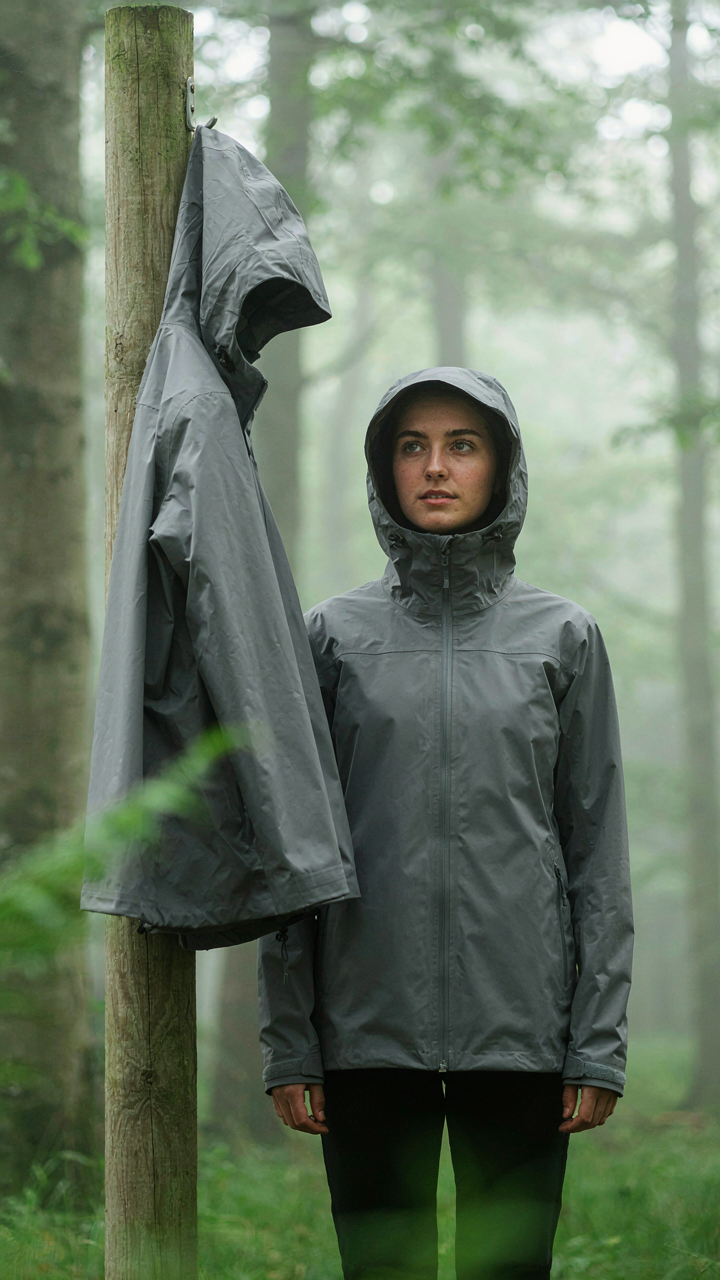
You want one jacket that handles everything because buying multiple pieces feels like waste. Here’s the mechanism: “versatile” jackets perform at 70% efficiency across five conditions instead of 95% in one. Cold weather hiking older adults face real physiological stakes—overheating leads to sweat, which kills insulation in freezing temps. Underinsulating causes shivering that exhausts energy reserves faster in aging bodies. The solution isn’t one magic layer.
- Insulated parka for stationary cold: Down or synthetic fill rated for your region’s low temps. Worn during breaks, camp setup, or sub-20°F ambient conditions when movement stops heat generation.
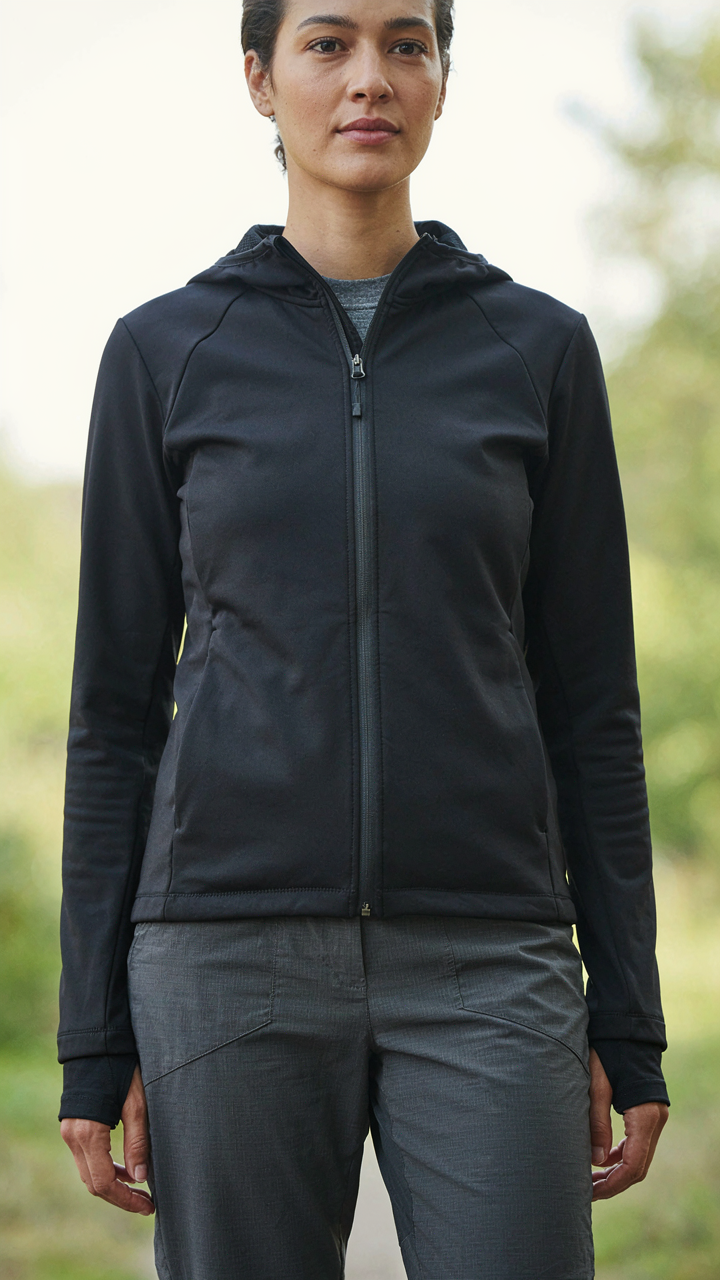
- Soft shell jacket for active movement: Stretches easily, sheds light precipitation, breathes during sustained hiking. Better range of motion for older joints climbing or descending uneven terrain.
- Hardshell rain jacket for wet conditions: Stops wind and precipitation but traps body heat. Pack separately, layer over insulation only during actual rain or sleet, not as your base layer.
- Fleece or wool layer for transition temps: Insulates when damp, regulates heat during variable efforts. Worn under your shell when temps hover around freezing and conditions shift mid-hike.
- Lightweight wind shirt for mild cold: Cuts wind chill at 35-45°F without overheating during steady movement. Compresses to vest pocket size, worn over base layer before cold deepens.
Most hikers own two jackets and rotate them by season or condition. This takes decision-making off the trail. You pack the insulated piece for December, the soft shell for November. No real-time guessing. No layering confusion under cold fingers.
The Shell System: Defense Against The Elements
Militaries solved this problem decades ago: separate your protection layers from your insulation layers. Your shell stops wind and water. Your insulation traps heat. They have different jobs, different failure modes, and different timings. Mixing them into one hybrid jacket forces you to trade coverage for breathability or pick one enemy to lose against.
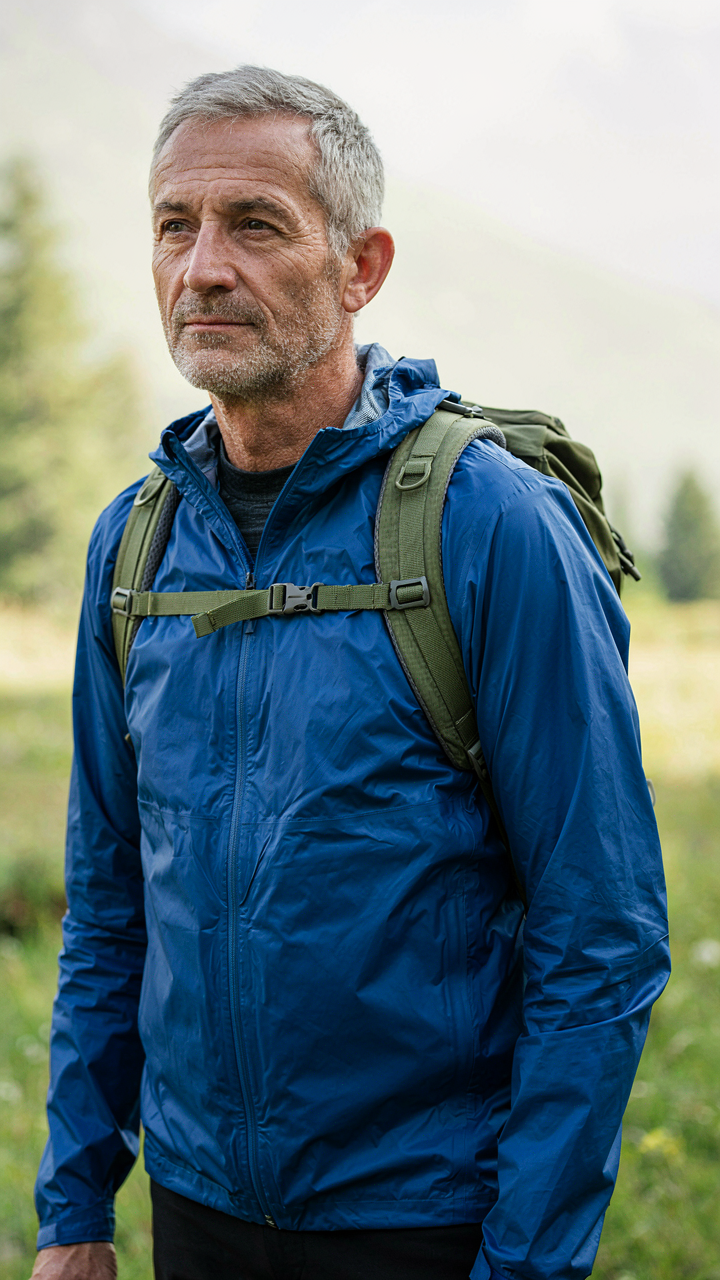
The sequence matters: base layer pulls moisture, insulation traps warmth, shell blocks external threats. Older adults hiking in cold lose core heat faster, so your shell must let internal moisture escape while stopping external moisture from entering. A true hardshell—Gore-Tex or equivalent—achieves this through membrane technology. A “soft shell” trades some waterproofing for better stretch and breathability, which works for light precipitation but fails in heavy snow or sleet. Know which weather you face most, then pick your shell. Carry it whether you wear it or not.
Cabin Weekend Outfit Vs. Trail Ready: Mindset, Not Fabric
Terrain Assessment Determines Your Gear Stack
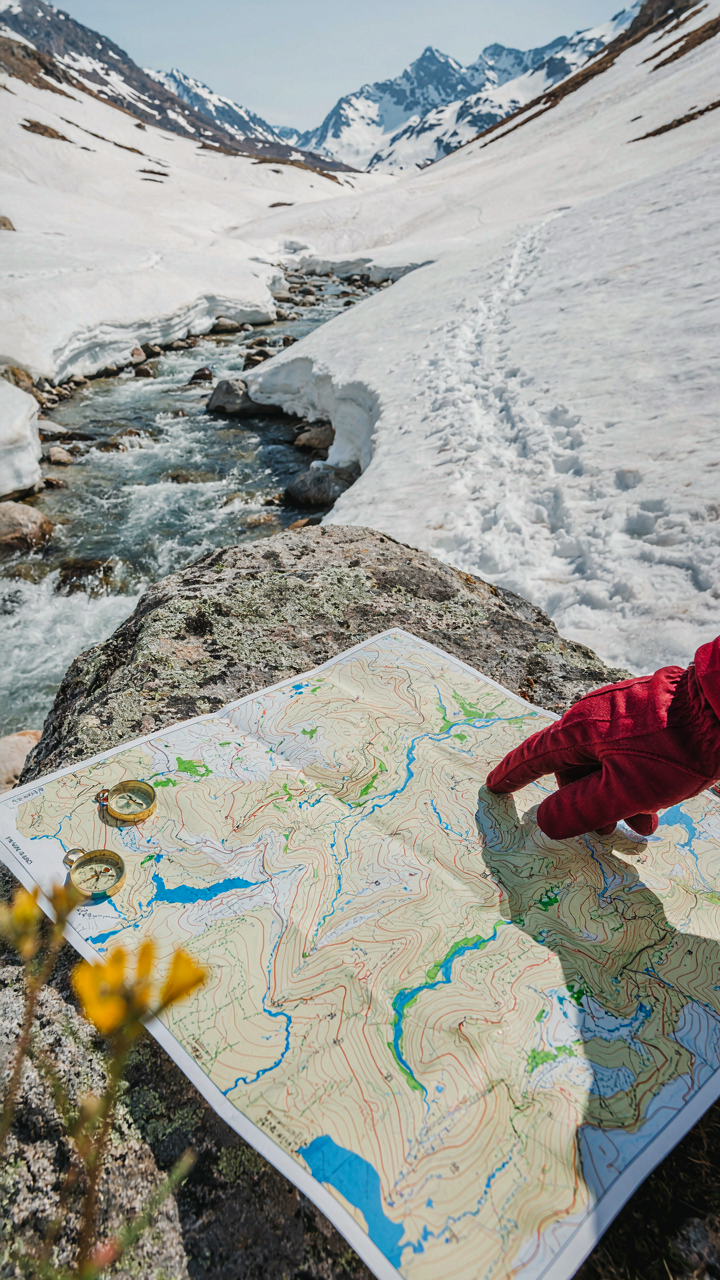
You want permission to buy cute outdoor clothes without actually committing to real conditions. Here’s the military term that matters: reconnaissance. In military strategy, reconnaissance means understanding the terrain before deploying resources. For cold weather hiking, terrain assessment means knowing elevation gain, wind exposure, water crossings, and ground temperature before choosing a single layer. Most older adults skip this step and buy a generic “winter hiking outfit” that works nowhere specific and fails everywhere real.
The difference between cabin weekends and trail ready isn’t the fabric brand. It’s whether you’ve measured the actual environment. A cabin stay in mild cold demands insulation and wind blocking. A trail hike at sustained elevation demands moisture management, pack weight distribution, and joint protection from impact. Start with the specific hike: elevation change, duration, wind direction, snow depth, and whether you’ll be moving or stationary. This information eliminates 80 percent of outfit confusion.
Environmental Variables You Can’t Guess Around
Stop assuming weather. Anticipating environmental variables means collecting data before departure, not hoping the forecast holds. Wind speed changes layering requirements dramatically. A ten-degree day in calm conditions plays nothing like a ten-degree day with twenty-mile-per-hour gusts. Snow depth affects boot insulation needs and ankle support demands. Humidity levels determine whether your base layer wicks or traps moisture against your skin.
Build a pre-hike protocol: check the forecast three days before, two days before, and the morning of. Note the wind direction and speed, ground temperature, precipitation probability, and humidity. Then cross-reference against your specific trail conditions from the last week. This removes guesswork and forces you to choose gear that matches reality, not assumptions. Your outfit succeeds or fails based on decisions made before you leave the parking lot.
Tailored Trousers On The Trail: The Overlooked Advantage
Built To Last Through Repeated Stress
You’re worried that cheap hiking pants will fall apart and leave you stranded, so you’re looking for permission to spend more. Here’s the mechanism: older adults hike slower and spend more total hours in their gear per outing, which means seams and fabric take cumulative abuse that younger hikers compress into half the time. A seam that survives eight hours intact might fail at hour twelve.
Look for pants with reinforced inseams and gussets that extend from crotch to knee. The gusset is industrial load-bearing geometry, not decoration. Nylon blends rated above 500 denier handle brush contact better than lightweight fabrics. Test the hem stitching before purchase by pulling firmly. If thread lifts away from the fold, skip it. Double-stitched seams hold longer than single passes under repeated flexion.
Water Stops, Wind Cannot
Thermodynamics governs cold weather clothing, and wind chill is the mechanism that matters most. Moving air accelerates heat loss exponentially, not linearly. A ten-mile-per-hour wind removes body heat faster than static cold alone. Trousers must block this mechanism or your insulation layer underneath becomes useless.
Ripstop nylon with DWR coating (durable water repellent) sheds light precipitation and blocks wind movement. This is different from waterproof, which traps moisture inside. DWR allows vapor to escape while repelling liquid water. Test by pouring water on the fabric. It should bead and roll, not absorb. On trail, this means you can hike through snow flurries without loading moisture into your legs, which then freezes when you stop moving.
Leggings As Base Layer: The Unsung Hero Of Warmth
Why Moisture Wicking Actually Works
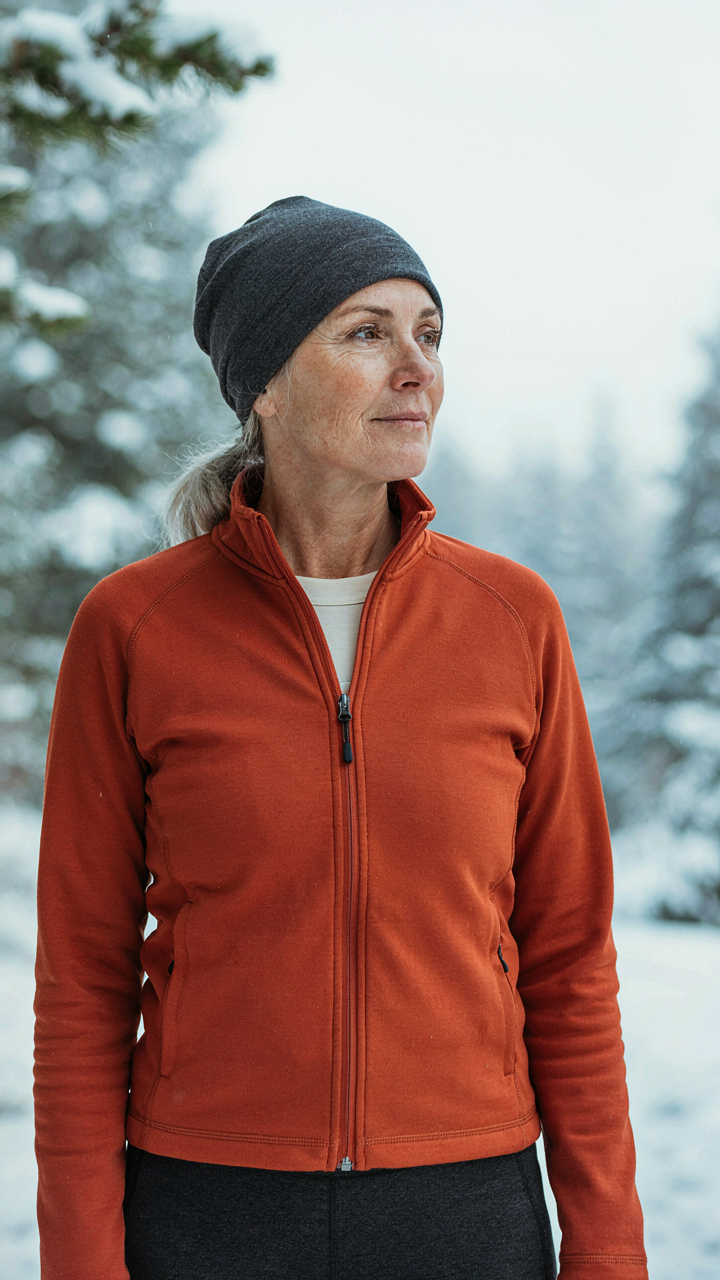
You want leggings because they solve the problem nobody admits: your body will sweat on a hike, and that sweat kills you in cold weather. Thermodynamics—the physics of heat transfer—treats moisture as a direct pathway for heat loss. Wet fabric conducts warmth away from your skin 25 times faster than dry fabric. The mechanism is simple: water has higher thermal conductivity than air, so sweat-soaked material becomes a heat drain.
Most people think any synthetic fabric works. Wrong. Material science matters here because fiber structure determines water behavior. Polyester, merino wool, and polypropylene all wick differently based on fiber hydrophobicity and capillary action:
- Polyester: Hydrophobic fiber that forces moisture up and away from skin through capillary channels, drying fastest in low-humidity cold environments.
- Merino Wool: Natural fiber with moisture-regulating capacity, absorbs up to 30 percent of its weight in water without feeling wet, self-regulates temperature.
- Polypropylene: Ultra-hydrophobic, used in heavy-duty base layers, repels water aggressively but can feel plasticky and traps odor easily.
- Nylon Blends: Medium wicking speed, adds durability and stretch, common in hybrid leggings for older adults needing mobility support.
- Cotton: Absorbs moisture like a sponge, holds wetness against skin, creates evaporative cooling that drops core temperature—avoid completely.
Leggings win because they cover the largest heat-loss surface area on your legs while staying thin enough to layer under insulation. Choose merino or polyester, never cotton. Test the fit before the hike: leggings should compress against skin without cutting circulation at the waist or behind the knees.
Managing Pressure Points And Blood Flow
Chafing happens when friction meets compression, and older adults face a specific risk: thinner skin and reduced collagen elasticity make abrasion injuries worse and slower to heal. Prevent this by addressing two separate mechanisms—pressure points and restricted circulation—at once.
Fit determines everything. Leggings that bunch at the groin or dig into the hip flexor cut off blood flow, and cold compounds the problem by narrowing vessels already. Wear leggings that sit snug but not tight: you should slide one finger under the waistband without resistance. The inner thigh seam should sit flat, not roll or create a ridge. During the hike, if your toes tingle or your feet feel numb after two hours, blood flow is compromised. Stop and adjust or remove a layer. Don’t ignore this.
Hiking Outfit Women: Beyond Pink And Pockets
The Mechanism Behind What Actually Works
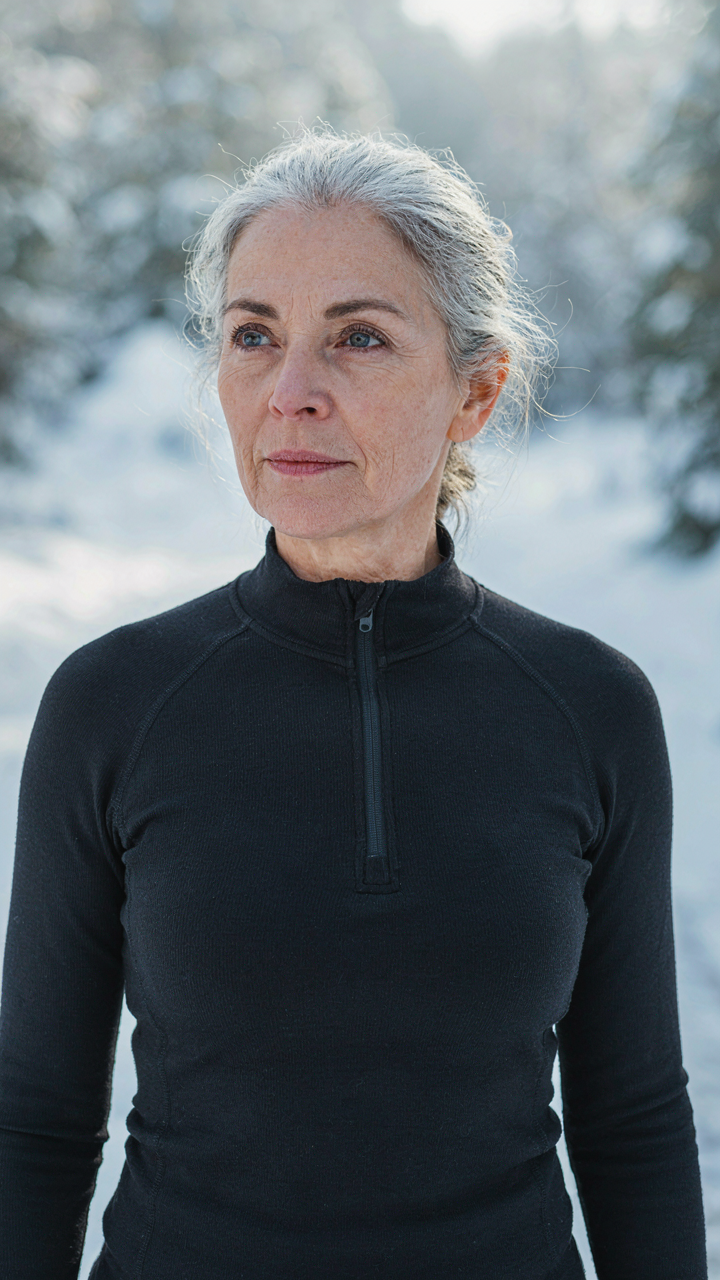
You want permission to ignore gendered marketing because you’re tired of paying more for worse gear. Here’s the mechanism: most women’s outdoor clothing exists to signal femininity first and perform second. Brands cut fabric differently not for biomechanics but because the market expects it. Function demands you ignore the color and the label. Start with the torso—women typically carry less upper body mass than men, so layering strategy shifts. Your base layer needs faster moisture transfer relative to body volume. Mid-layer insulation should sit closer to your core without excess fabric creating dead air pockets that trap sweat rather than heat. The outer shell matters less than how the inner two layers respond to your actual output.
Core temperature regulation is thermal physics applied to your body. Older adults generate less metabolic heat overall, which means the math changes entirely from what gear reviews assume about younger hikers. Your layering system must account for this deficit from the start. Don’t add bulk hoping it compensates—choose materials with higher insulation-to-weight ratios instead. Merino wool moves moisture faster than synthetic alternatives at lower exertion levels. Down insulation works until it gets damp, then fails catastrophically in the cold. Synthetic fills maintain 80 percent of their R-value when wet. The choice between them isn’t aesthetic—it’s a calculation based on conditions and your sweat rate.
Fit That Preserves Movement Without Compromise
The advice to size up for layering causes most cold weather hiking failures for older women. Oversized clothing creates gaps. Gaps become channels for convective heat loss. You’re not gaining warmth—you’re accelerating cooling. Proper fit means the base layer contacts skin with gentle pressure, the mid-layer sits without bunching at the armpits or lower back, and the shell doesn’t restrict shoulder rotation past 90 degrees. Test this by hiking your arms up as if climbing—if the layers ride up and expose skin at your sides, the fit is wrong. Smaller is almost always correct when the fabric actually stretches.
Mobility matters more than appearance because a restricted movement pattern changes how you distribute effort across muscle groups. Tight shoulders force you to compensate with your lower back. Tight hips lock your stride. Both patterns accelerate fatigue in cold conditions when your body already works harder just to maintain temperature. Women’s specific cuts should account for wider hip angles and narrower shoulders relative to torso length—not as marketing, but as geometry. If the fit accommodates your actual proportions without excess fabric, the layering system performs. Measure your range of motion before the trail, not after the first hour when you’re already losing heat.
Your Real Obstacle Isn’t The Cold, It’s The Paralysis Of Conventional Wisdom

Most older adults never hit the trail because they believe the gear industry’s lie that cold weather hiking requires special equipment and youth. You don’t need either. You need one decision: pick a trail this week and wear what actually works. Stop researching. Stop comparing. Pull your current clothes together, test them on a short hike, then adjust. The cold doesn’t care about your outfit plan. Action reveals what theory never will.