
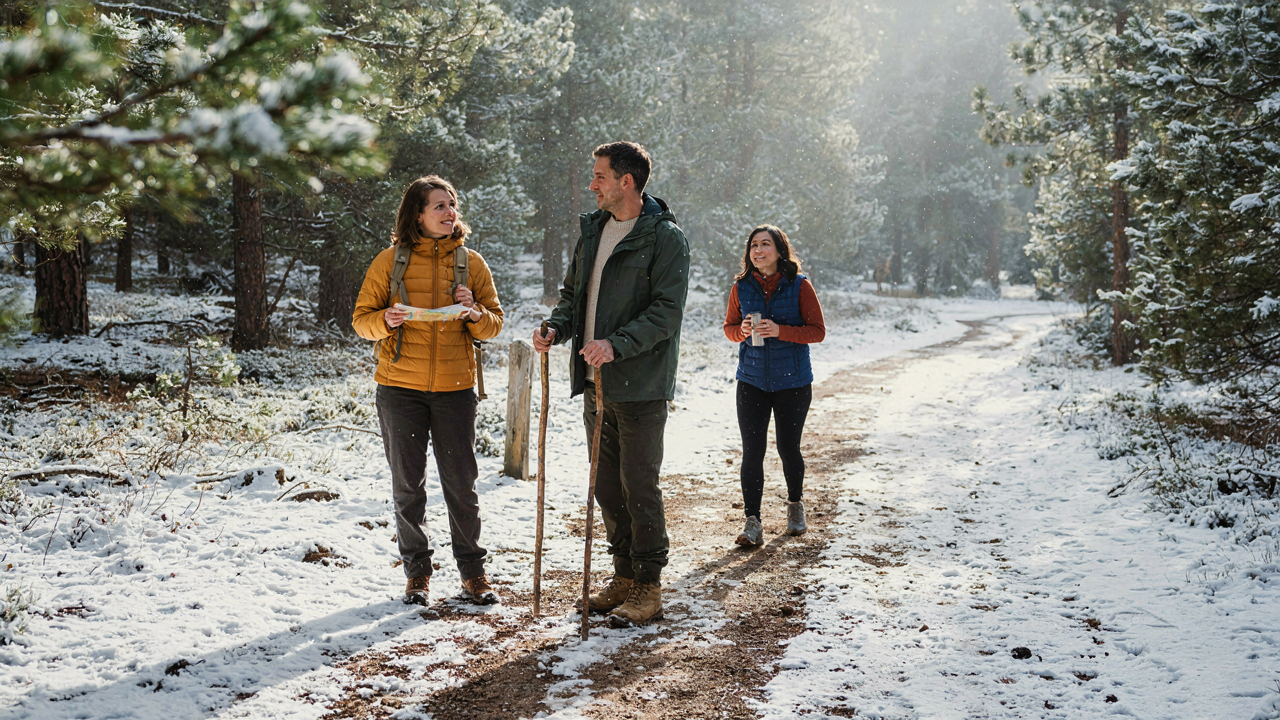
The Layering Lie: Why More Layers Aren’t Always Better

Sweat Is The Real Problem
You think more layers mean more warmth, so you’re hedging against failure by overstuffing your kid like a winter coat rack. That’s fear talking. The physics here is simple: sweat reduces insulation efficiency. Wet fabric loses 90 percent of its insulating value compared to dry fabric, regardless of thickness. Your kid generates heat during exertion. That heat turns to sweat. Sweat trapped against skin cools the body faster than cold air alone, which means he gets cold while sweating, the worst possible state.
Most parents get this backwards. They add layers thinking it prevents heat loss. It doesn’t. It traps moisture, then creates a cascade of problems. The real mechanism is moisture management, not accumulation. You need fewer, smarter layers that shed sweat faster than they retain it. This isn’t about comfort. It’s about keeping your kid’s core temperature stable so he doesn’t quit the hike halfway through or worse, develop early hypothermia while overheated and soaked.
Efficiency Over Stacking

Strategic layering means picking materials that move moisture away from skin, then away from the body entirely. Start with a synthetic or merino base that wicks. Add a mid-layer that insulates while still breathing, like fleece or a light puffy. Top with a shell that blocks wind and sheds snow without trapping condensation inside. That’s three layers. Most parents use five or six, which guarantees sweat buildup and defeats the purpose.
The protocol is simple: remove layers before your kid overheats, not after. Watch for heavy breathing or visible sweat on the neck. Strip off the insulation layer while moving, so he stays warm during descent but doesn’t bake on the climb. This requires paying attention instead of assuming more protection always wins. Your job is managing his temperature in real time, which means removing layers is as critical as adding them.

The Material Mandate: Ditching Cotton For Core Performance
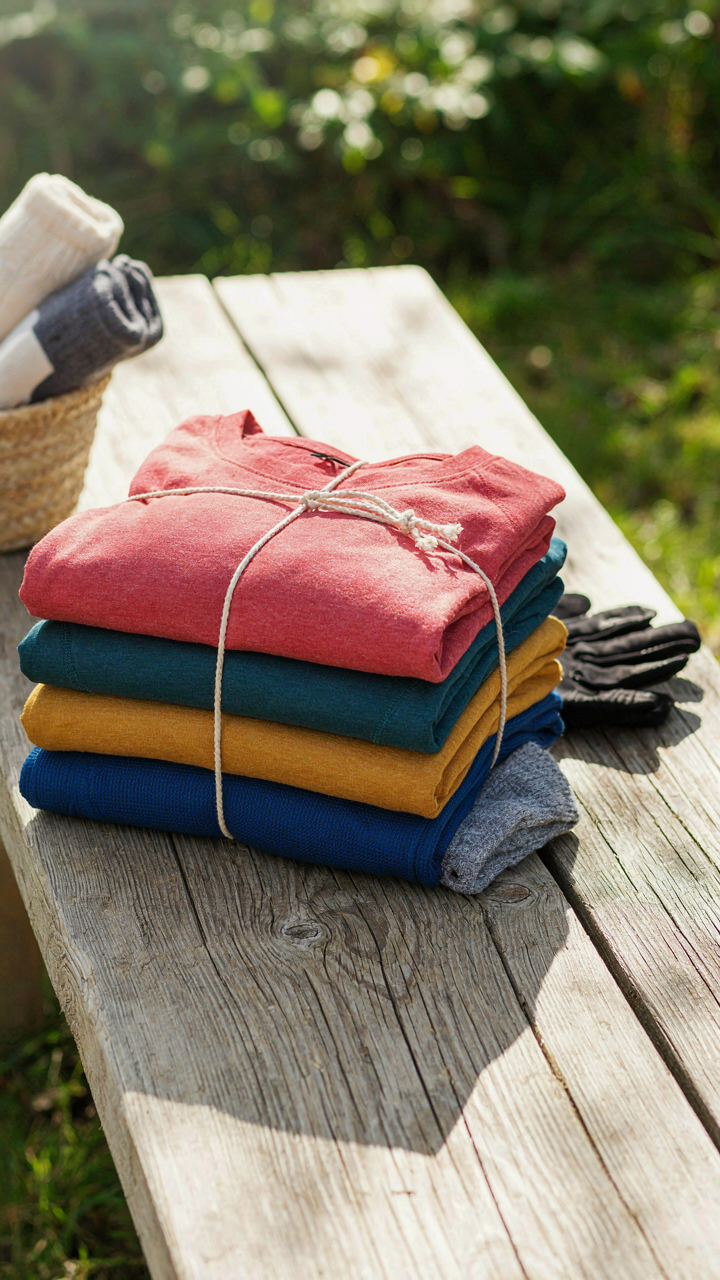
Why Synthetics Win Against Sweat
You want your kid to stay warm without looking paranoid about the cold. Here’s the physics: moisture is the mechanism that kills insulation. Cotton absorbs sweat and holds it against skin, dropping core temperature fast. Synthetics and merino wool wick moisture away from the body, keeping the insulating layer dry. Cotton doesn’t fail because it’s weak. It fails because it traps the enemy inside your defenses.
Merino wool outperforms synthetics in one specific way: it regulates temperature across a wider range and resists odor naturally. Polyester and polypropylene dry faster and cost less, which matters when kids grow out of gear annually. The real move is layering synthetics as base and mid layers, then adding insulation over top. Skip cotton entirely. Your kid will regulate temperature, not fight it.
Build The Base Layer Right
Base layers aren’t optional padding. They’re the foundation that determines whether your insulation works at all. A good base layer pulls sweat away from skin and into the next layer where evaporation happens safely, not at the body’s surface. Kids’ bodies cool faster than adults, so this mechanism matters more, not less. Merino wool or synthetic blends designed for cold weather outperform regular thermal underwear because they’re engineered for moisture movement, not just thickness.
Fit is the second critical variable most people ignore. Base layers must sit flush against skin with zero bunching under insulation. A loose base layer creates air pockets that break the moisture-wicking chain. Buy fitted synthetic or merino base layer sets one size up from normal clothing. Your kid wears them under everything else, and they stay on for the entire hike. Replace them when they lose elasticity, not when they tear.
The Microclimate Method: Engineering Warmth For Outdoor Kids
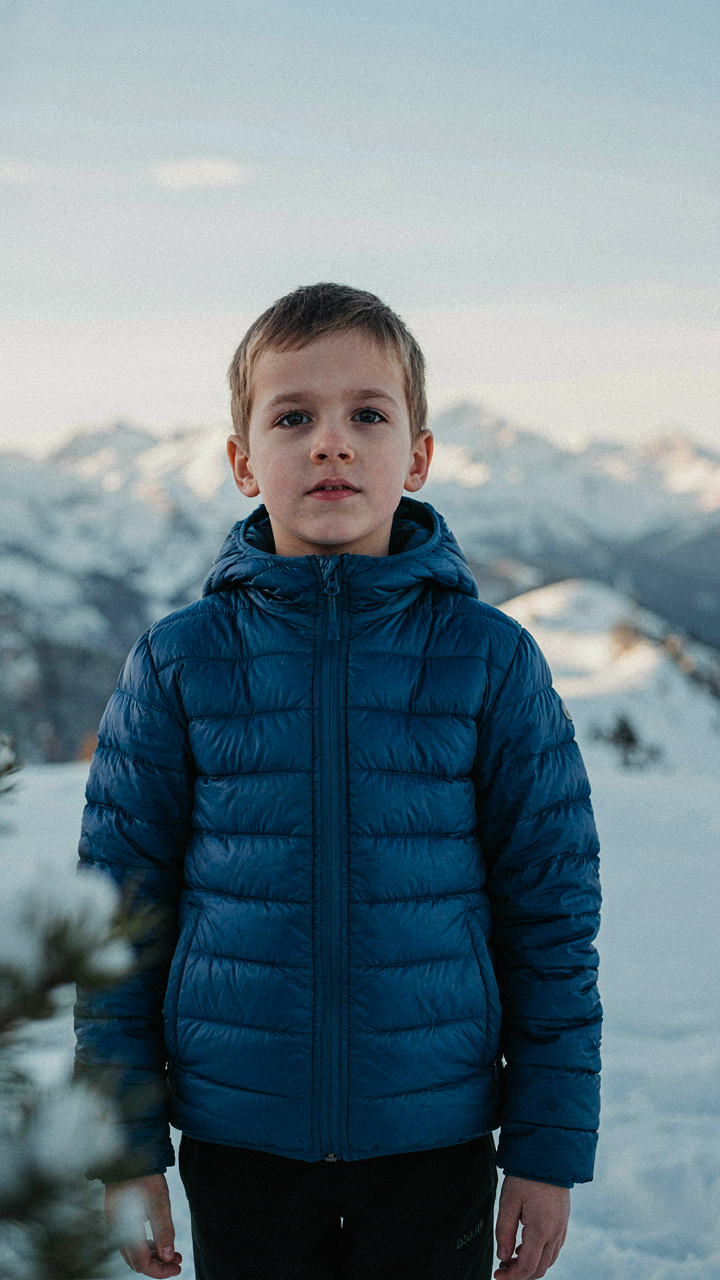
Build Insulation Zones, Not Just Layers
You want your kid warm without looking like a marshmallow, and you’re afraid if they get cold you’ve failed as a parent. Here’s what actually matters: biology borrowed from how animals regulate core temperature. Kids don’t warm themselves like adults do. Their surface-to-mass ratio works against them. You’re not layering for decoration. You’re building a sealed microclimate where trapped air does the work your kid’s metabolism can’t yet handle efficiently.
The standard advice about “three layers” misses the point entirely. Those layers only function if they work as a system, not as individual pieces. Air pockets between fabric and skin are where insulation lives. Tight gaps kill the mechanism. Your middle insulation layer needs density and loft. Down or synthetic fill traps air. Cotton and thin knits don’t. The outer shell must block wind without trapping sweat vapor, or you’ve built a sauna that cools your kid when they stop moving.
Stop Heat Leakage At Every Opening
Energy conservation in physics terms means preventing unnecessary loss from the system. For kids in cold weather, heat escape happens through gaps. The wrists, neck, ankles, and head aren’t afterthoughts. They’re the primary leak points where your entire insulation strategy fails if you miss them.
Close these gaps with fitted cuffs and properly sized hoods. A loose neck opening dumps warmth faster than you’d think. Mittens over sleeves, neck gaiters that seal, and socks that don’t bunch at the boot top matter more than the thickness of the main coat. Your kid’s core temperature depends on you stopping the small losses you can’t see happening. Check every transition point where skin shows between layers before you hit the trail.
Footwear Fallacy: Why “Warm” Boots Can Fail Your Toddler Hiking Outfit
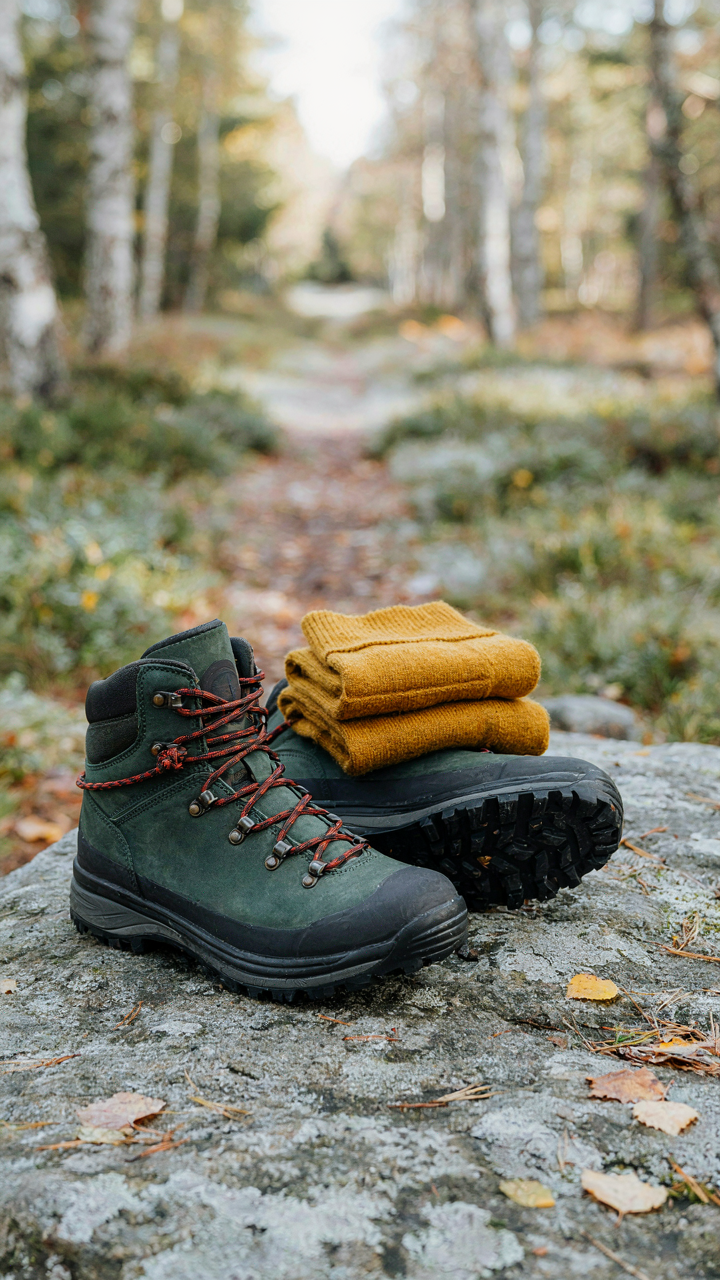
The Unseen Enemy Moisture And Insulation Compromise
You want to buy expensive insulated boots and call it done. That’s not how physics works. Thermodynamics reveals the real problem: the insulation itself becomes useless the moment moisture enters the system. Your kid’s foot sweats during the climb, that moisture saturates the insulation material, and the dead air pockets that trap heat collapse. A soggy boot at thirty degrees is worse than no insulation at all because it conducts cold directly into skin.
Most parents buy based on temperature rating alone, which is a incomplete metric. A boot rated for minus twenty degrees means nothing if your child’s foot generates sweat from exertion and the boot has no vapor management. The insulation fails not from cold air outside, but from vapor pressure building inside. You need boots designed to shed moisture actively, not just add thickness to the wall.
Socks Boot Fit And The Kids Hiking Outfit
Start with the sock, not the boot. Merino wool or synthetic blends wick moisture away from skin far better than cotton, which absorbs sweat and holds it against the foot. Boot fit matters more than insulation thickness because a loose boot allows foot movement that generates friction and heat loss. Your child needs a quarter inch of room at the toe and snug heel contact, nothing more.
- Merino wool blend socks: Pulls moisture away from skin through capillary action, maintains insulation even when damp, and resists odor buildup across multiple hikes.
- Two sock layering system: Thin merino liner under a thicker wool blend creates an air gap that traps heat while the inner sock wicks sweat outward.
- Boot sizing with thick socks on: Try boots in the afternoon when feet are slightly swollen, wearing the exact sock system you’ll use on the trail, to prevent heel slip.
- Gaiter integration: Boots with gaiter attachment points let you seal the boot shaft and prevent snow from entering, which eliminates the meltwater that saturates insulation.
- Insole replacement: Swap factory insoles for aftermarket merino or closed-cell foam that resists compression and maintains height inside the boot for better circulation.
The critical step happens before you leave home. Fit the boot with your child wearing the actual socks they’ll hike in, during afternoon hours when feet are at their largest. Then test the boot on a short twenty minute walk to confirm no rubbing occurs. Moisture management starts with the sock-boot interface, not marketing promises on the box.
Head, Hands, And Neck: The Unsung Heroes Of Cold Weather Hiking Outfit Kids

Where Your Body Actually Loses Heat
You care about this section because you don’t want your kid complaining halfway up the trail, and you’re afraid you’ll miss something obvious. Here’s the mechanism: your body uses thermoregulation to protect core organs. In cold weather, blood vessels constrict to redirect warmth inward, abandoning the extremities and exposed skin. The head, hands, and neck aren’t just cold first—they’re where your kid loses heat fastest because these zones have high surface-area-to-volume ratios and thin insulation layers naturally.
A hat rated for cold weather stops catastrophic heat loss before it cascades downward. Kids lose 40 percent of body heat through the head because of their higher surface-area-to-mass ratio compared to adults. A neck gaiter or balaclava seals the gap between coat and skin. Don’t leave these zones exposed. The hierarchy of protection is simple: head first, then hands, then neck—in that order.
Mittens Beat Gloves When Warmth Matters
Most advice treats mittens and gloves as interchangeable. They’re not. Mittens trap shared body heat between fingers, generating warmth gloves cannot match. Gloves isolate each finger, forcing your kid’s hands to generate individual heat. Pick mittens for stationary activities or summit stops. Pick gloves for kids who need to adjust straps, operate cameras, or handle snacks frequently. A girls hiking outfit or boys outfit faces the same tradeoff—dexterity costs degrees.
The practical move is mittens with a clip attached to the jacket. Your kid removes them to fiddle with gear, then clips them back on without losing them. Mittens with leather palms or rubberized grip prevent the useless slide that makes kids panic on rocks. The clip keeps them tethered to the jacket system so they stay accessible and warm. That’s the mechanism: proximity plus attachment plus minimal friction equals retained heat and functional hands.
The “Best Hiking Clothes For Kids” Illusion: Focus On Function, Not Brands
What Actually Keeps Kids Warm
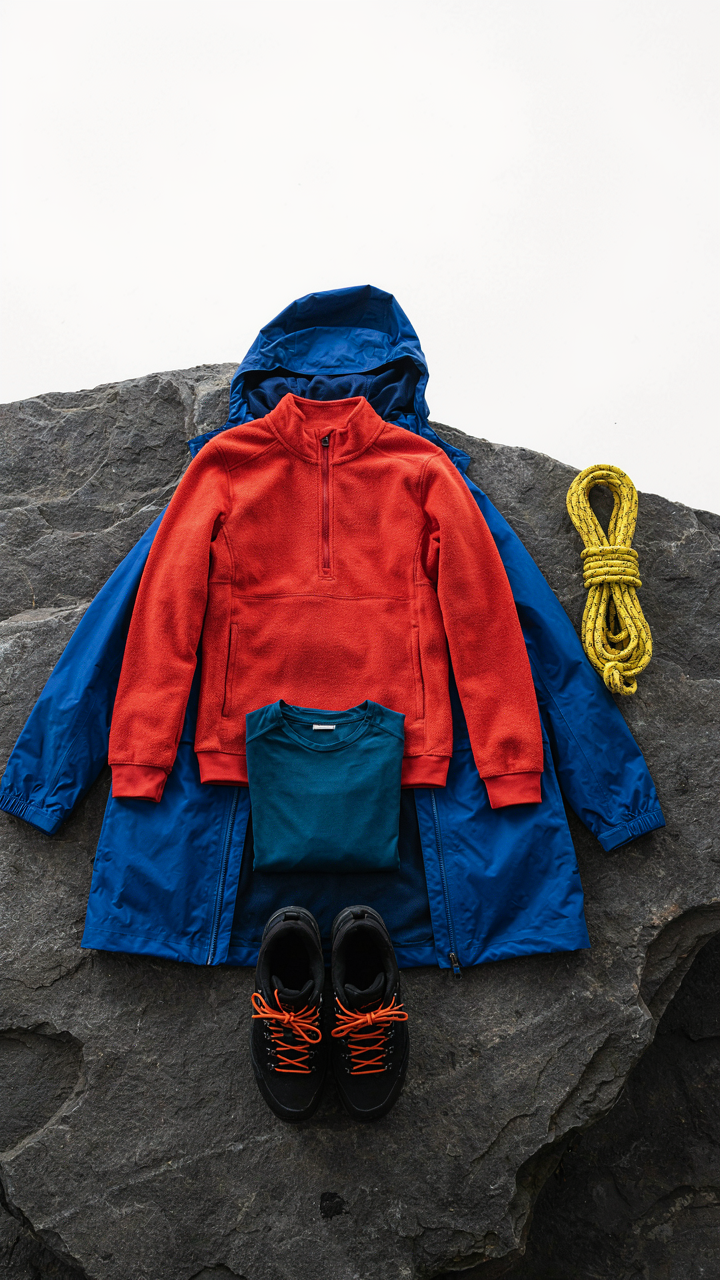
You want the right brand name so you can feel like you made the smart choice. Here’s what actually matters: layering systems work through thermodynamic principle of insulation, which traps dead air. The material doing the trapping determines performance, not the logo. Merino wool, synthetic insulators like polyester fleece, and down each trap air differently. Merino works best against moisture and odor. Synthetics dry faster. Down compresses smaller but fails when wet.
The hierarchy is simple. Base layer touches skin and moves moisture away. Mid layer traps dead air for warmth. Outer shell blocks wind and water. Most parents skip the base layer entirely and wonder why their kid shivers. That’s the real mistake. A cheap synthetic base layer outperforms an expensive shell without anything underneath.
Durability Pays, Weight Doesn’t
The tradeoff between durability and weight is pure economics: spend now or spend constantly. Kids destroy gear through friction, snagging, and repeated compression. A heavier synthetic jacket rated for 300 grams of insulation will outlast a 150-gram down jacket by years if your kid wears it hard. Down compresses permanently after repeated packing. Synthetics bounce back.
Weight matters only on longer hikes where your kid carries their own pack, which most kids under ten don’t. On regular day hikes, durability wins every time. Buy jackets with reinforced seams and ripstop panels on high-contact zones like shoulders and elbows. Test the fabric by pinching it hard. If it tears easily in your hands, your kid will tear it on the trail within weeks.
Emergency Prep: Beyond The Outfit, What Kids Hiking Gear Do You Need?
When Weather Turns On You
You want to believe your pre-hike forecast check protects you. It doesn’t. Temperature swings, wind acceleration, and precipitation shifts happen fast in elevation changes, and you’ll second-guess yourself when your kid is cold. The real mechanism is simple: weather systems move faster than hikers do, and forecasts are estimates made hours before you’re on the trail. A fifteen-degree drop or sudden wind gust isn’t a prediction failure—it’s a normal condition your gear protocol must handle, not your planning.
The nonnegatables aren’t about comfort. They’re about the window between “we need to turn back now” and “we’re in real trouble.” Your outfit layers handle expected conditions. Your emergency items handle the gap—the margin between what you packed for and what actually happens. Build that margin first, then hike inside it.
What Actually Stops A Crisis
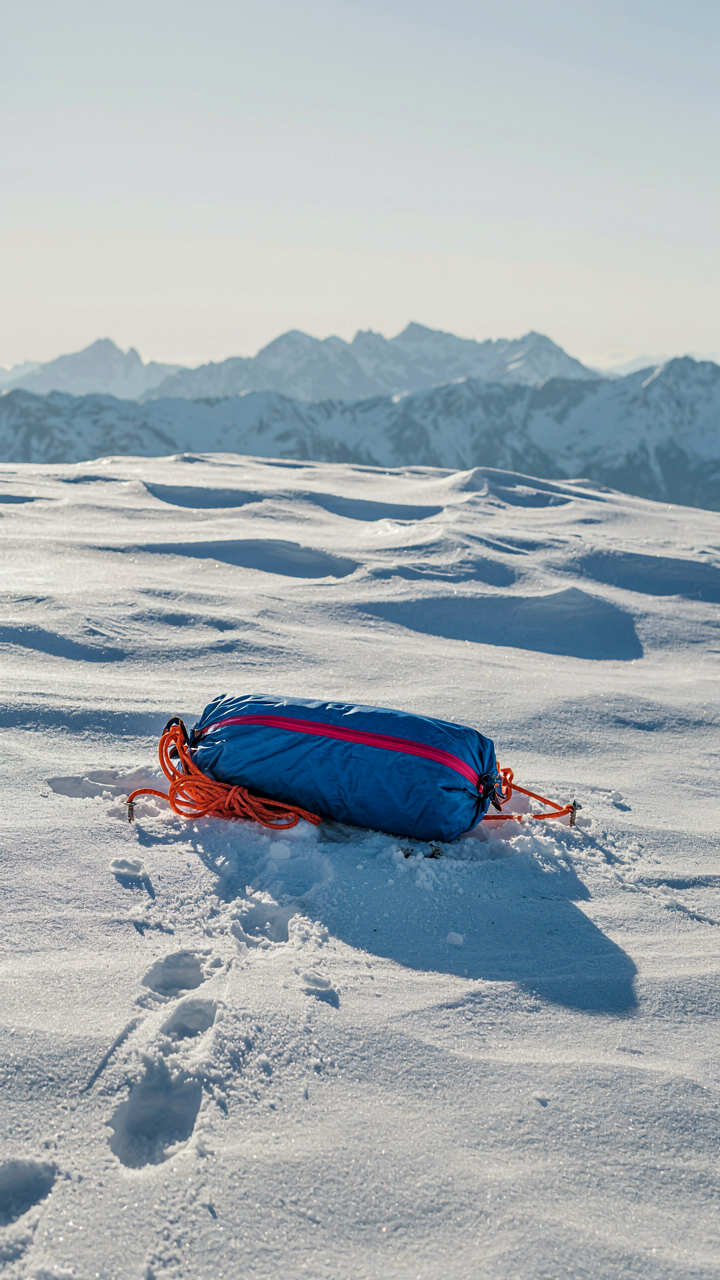
- Emergency shelter or bivy: A lightweight emergency bivvy or small tarp weighs ounces and buys you time if you’re stuck longer than planned. Wind and precipitation exposure kills faster than cold alone.
- High-calorie snacks: Kids burn energy fast in cold, and shivering depletes glycogen rapidly. Pack dense calories—nuts, nut butter packets, chocolate—not trail mix.
- Waterproof fire source: Matches in a waterproof case or a lighter inside a sealed plastic bag. Wet wood burns if you can get it hot enough. Fire is your backup heater.
- First aid for cold injury: Blister treatment, pain relief, and a basic understanding of how hypothermia and frostbite progress. Know the signs before you need to treat them.
- Navigation backup: A printed map and compass, not a phone. Batteries die. Maps don’t.
These items sit in a pack pocket untouched on ninety percent of hikes. On the tenth hike, one of them stops the day from turning into a night search. Your kid’s cold weather outfit handles the plan. Your emergency pack handles when the plan breaks.
The Dynamic Adjustment Protocol For Hiking Clothes For Kids
Reading The Child Before They Tell You
You want your kid to be safe, which means you’re terrified of missing the moment they actually need help. Here’s what nobody states plainly: kids won’t reliably report discomfort until damage is already happening. The mechanism is simple biology. Thermoregulation in children works differently than adults. Their core temperature drops faster, but they also generate heat through movement, which masks the problem until suddenly it doesn’t.
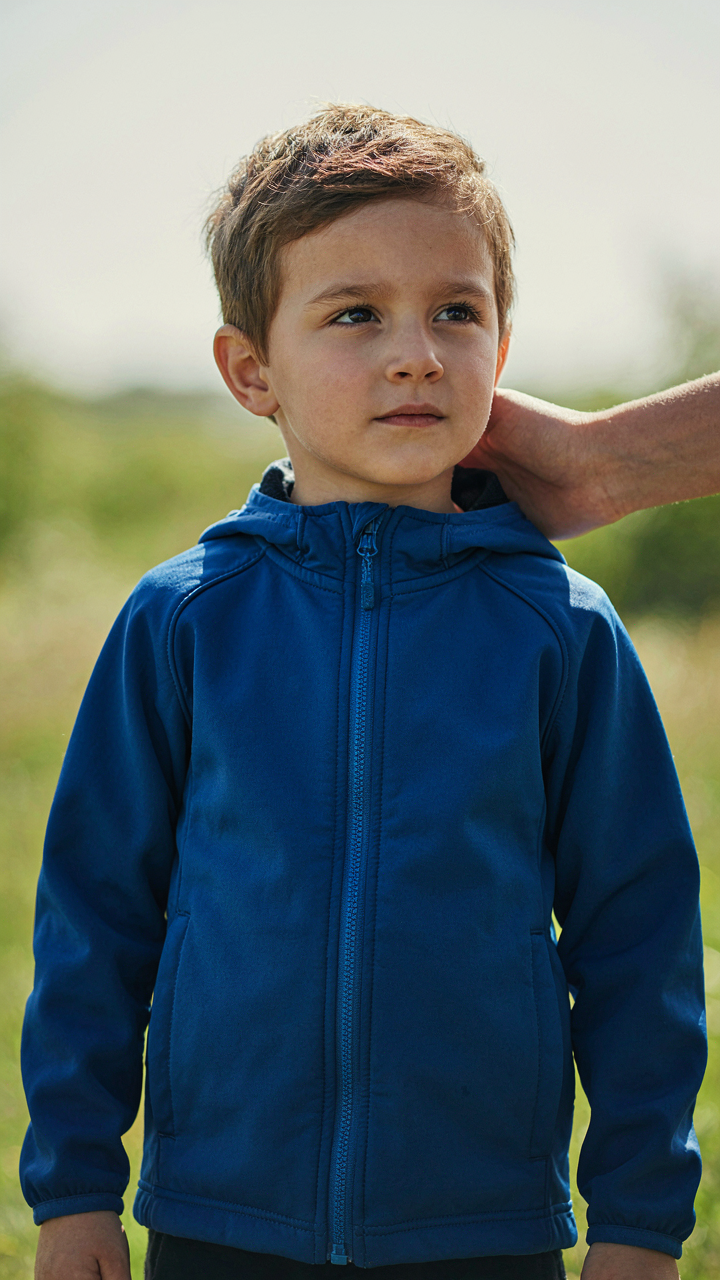
Watch for behavioral signals, not words. A child who goes quiet, moves slower, or stops complaining has shifted into conservation mode. Check the back of their neck and spine for cold skin through the jacket. Watch for shivering that stops—that’s worse than shivering that starts. Flushed cheeks in cold don’t mean overheating; clammy skin under layers does. Stop every 20 to 30 minutes on long hikes specifically to assess, not to rest.
Adjusting Layers As Conditions Change
The common advice says “dress in layers,” which is incomplete. The real protocol is removing layers before the child overheats, not after. Overheating in winter gear creates sweat, and sweat becomes dangerous when you stop moving. Kids generate heat through exertion, then get hammered by evaporative cooling during breaks.
Remove the outer insulating layer before ascending steep terrain. Unzip chest vents before the kid asks. If you see heavy breathing or flushed skin, shed a layer immediately—don’t wait for the summit. On descent or during rest stops, add the insulating layer back fast. Keep gloves accessible but not on if the child’s hands are warm from activity. The adjustment happens constantly, every 10 to 15 minutes on variable terrain, not once at the trailhead.
Dispelling The Myth Of The “Perfect” Kids Hiking Outfit
Flexibility Beats The Checklist Game
You want a formula so you can stop thinking about this. The mechanism is simple: cold weather hiking outfits fail not because of missing items but because they’re built on static assumptions about conditions that won’t stay static. Temperature swings fifteen degrees. Wind picks up. Your kid moves faster than expected and sweats through a layer. A checklist treats the outfit like a fixed thing. Adaptability treats it like a system that responds.
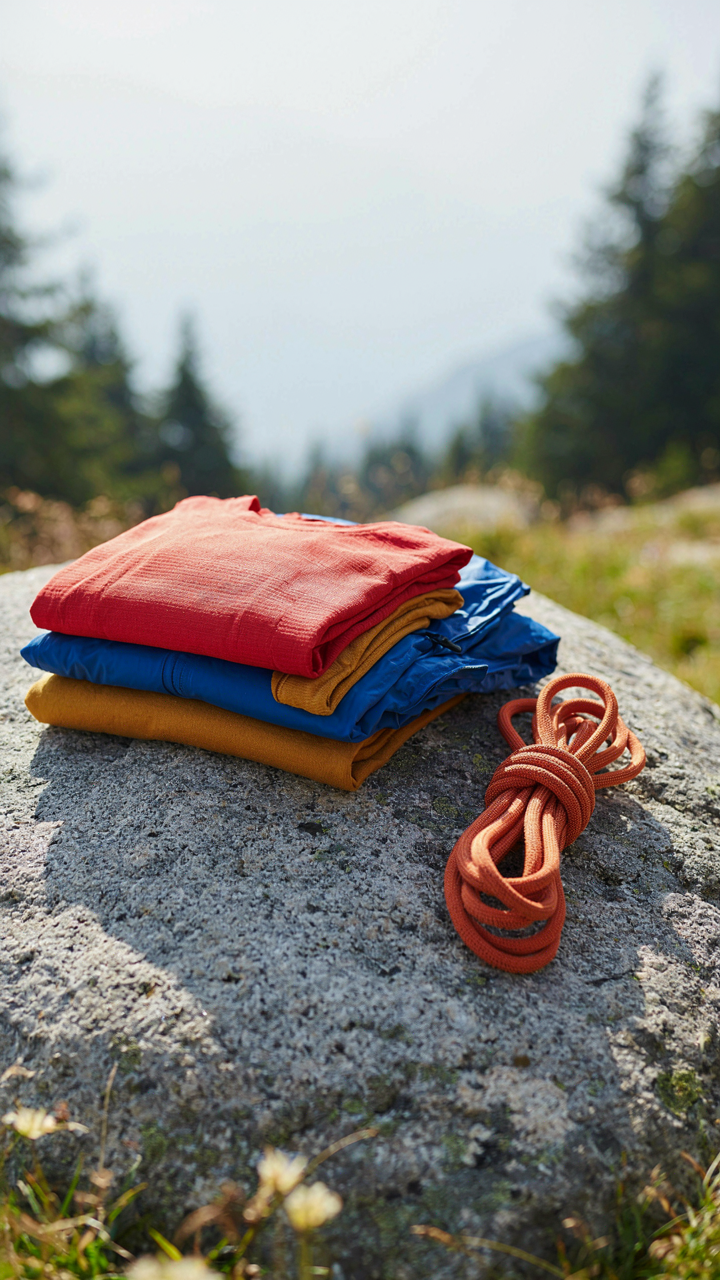
Think in layers like a pilot thinks in redundancy: each layer does one job, and if one fails, the next one compensates. Base layer pulls sweat away. Mid layer traps heat. Outer shell stops wind and water. Your kid’s outfit works when you can adjust it mid-hike without stopping for twenty minutes. Bring extra socks. Carry a spare hat. Pack a thin insulating layer they can shed. The goal isn’t perfection at mile zero. The goal is function at mile three when conditions shift.
What Your Kid Actually Teaches You
Experienced parents don’t follow outfit guides. They watch their kid on the trail and adjust in real time. Your child’s behavior tells you what the outfit is missing better than any article ever could. If they’re complaining about cold fingers, the gloves aren’t cutting it. If they’re removing their hat constantly, you chose wrong. If they’re shivering after exertion, something’s trapping moisture that shouldn’t be.
Most advice focuses on gear specs instead of the feedback loop that matters. Start with basics: moisture-wicking base layer, fleece or wool mid layer, windproof shell. Then actually hike with your kid and observe what happens. Does sweat stay on their skin? Are they overheating on climbs? Is the outer layer loud and restrictive? Let these problems surface early. Fix them on short hikes before committing to longer ones. The outfit evolves because you’re paying attention, not because you followed steps one through twelve correctly.
The Real Obstacle Isn’t The Cold; It’s Your Lack Of A System
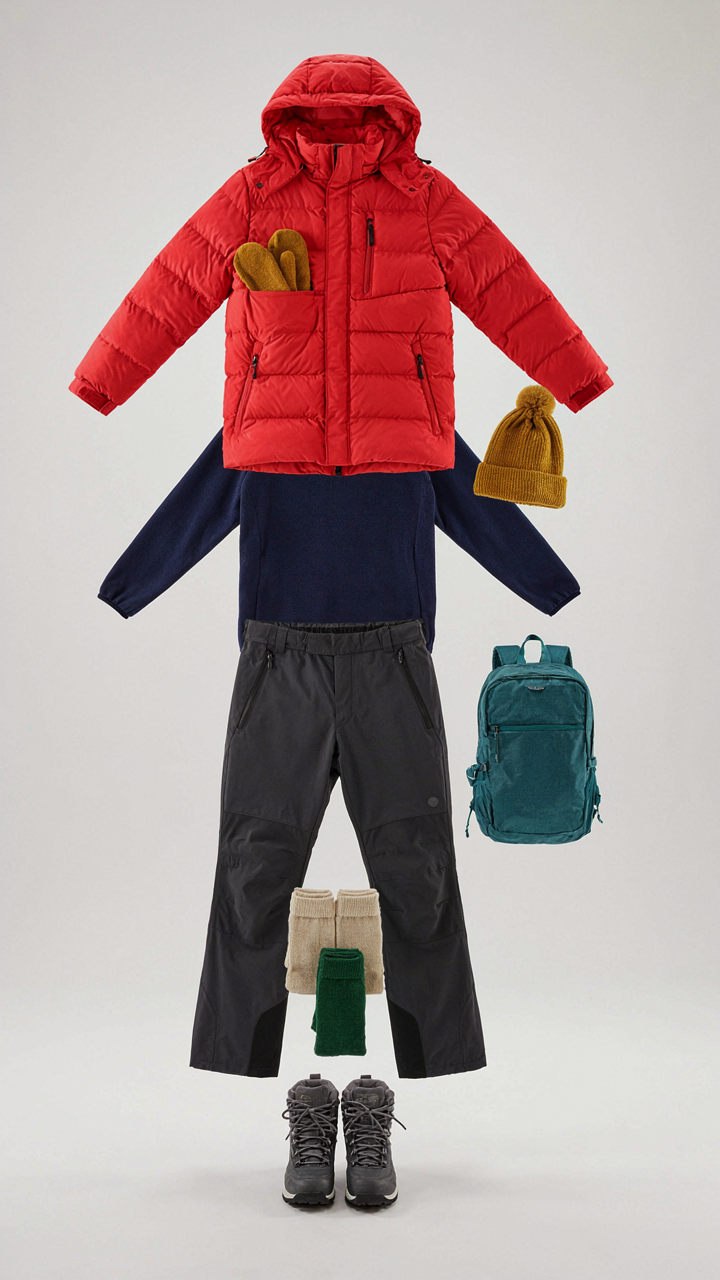
You don’t need better gear. You need a checklist you actually use. Print out what your kid needs before every hike, check it off, done. The cold doesn’t beat parents who prepare. It beats parents who wing it. Stop treating each trip like a new problem to solve. Make one decision now and reuse it forever. A system turns hiking from stressful to automatic, and your kid actually enjoys the trail instead of suffering through it.