
The Unseen Cost Of “Cute” Matching Outfits
When Aesthetics Override Thermoregulation
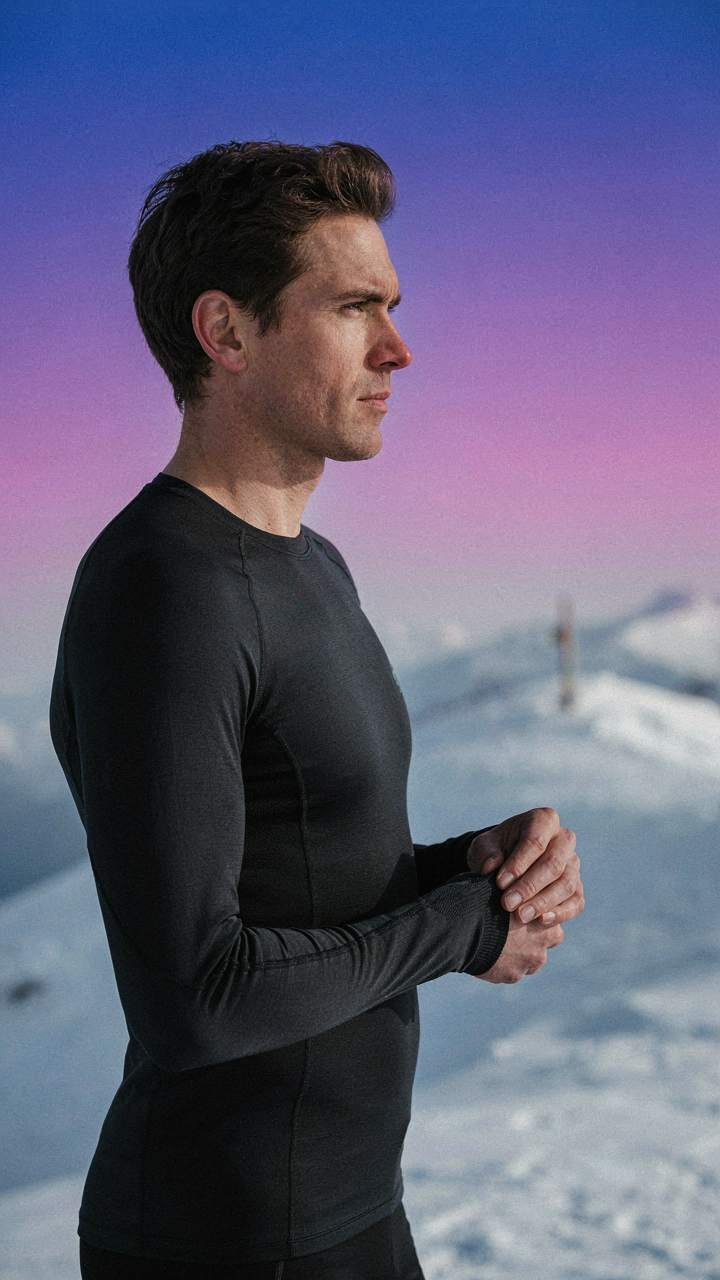
You want the Instagram moment. The synchronized outfits, the couple identity, the proof you planned this together. That desire is the enemy of staying warm. Thermoregulation is a biological system, not a fashion statement, and matching layers across two different bodies with different metabolic rates and sweat patterns creates a coordination trap that kills function.
Two people hiking together generate different heat levels. One person moves faster, carries more weight, or simply has a higher metabolism. Forcing identical base layers, mid layers, or insulation means one person overheats and sweats while the other stays cold. Sweat accelerates heat loss in winter. This is not theory. This is how bodies fail on mountains. The common advice says “just choose neutral colors and you’ll look cohesive anyway.” That’s incomplete. You need to choose different garments based on individual physiology, then align on a color palette only if it doesn’t compromise fit or material choice.
Individual Survival Comes Before Coordinated Imagery

The mechanism is simple: fit determines function. A jacket that fits your partner perfectly will either hang loose on you or restrict movement on them. Matching forces compromise on sleeve length, torso length, and shoulder width. Loose layers trap dead air inefficiently. Tight layers restrict circulation and compress insulation. Neither works. One person ends up underdressed while looking dressed. The other over-insulated and overheating. You don’t coordinate outfits. You coordinate strategy. Each person wears what keeps them alive in that specific cold and exertion level, then you choose non-negotiable baselines: insulation type, water resistance, color family. Buy separately. Fit your own body. Check your outfit on the trail before you leave the trailhead by moving your arms, bending, simulating the hike. This takes fifteen minutes and eliminates the entire problem.
The Layering Protocol: Your Personal Microclimate Engine
Base Layers: Where Sweat Becomes Your Enemy

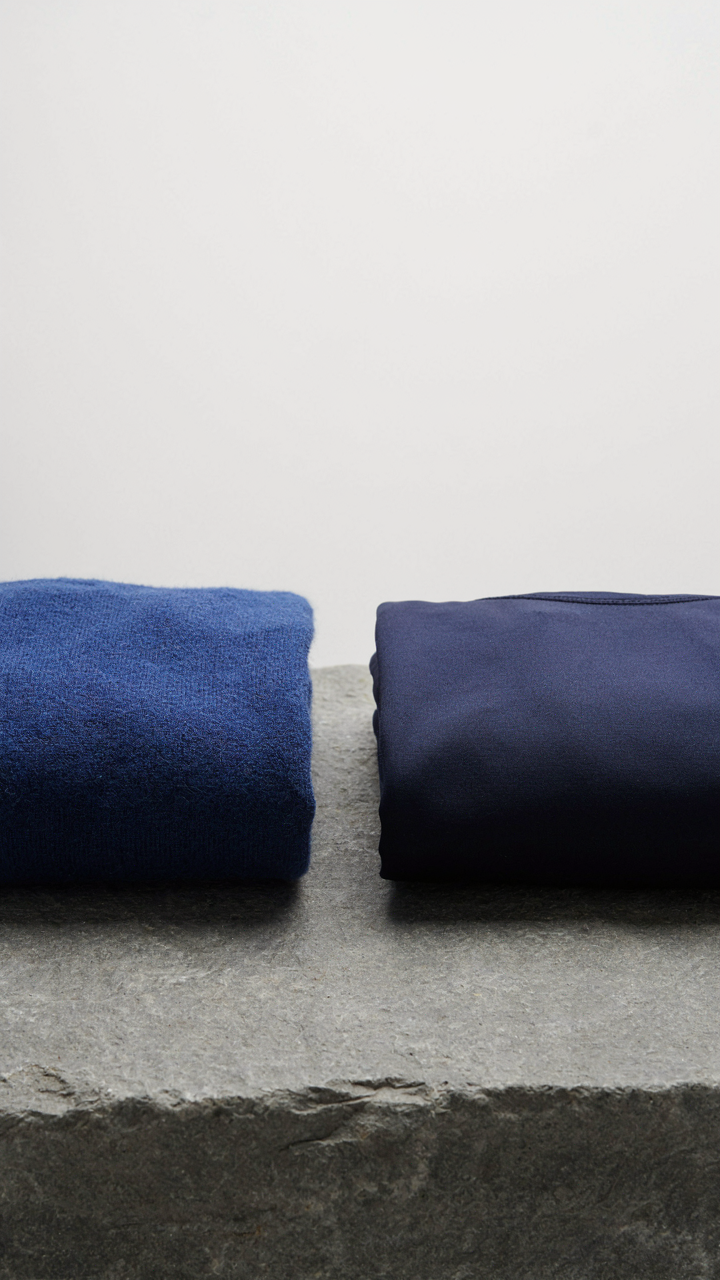
You’re buying base layers because you think warmth comes from thickness. It doesn’t. Warmth comes from managing the sweat your body generates during exertion, then controlling evaporative cooling when you stop moving. This is thermodynamics: your base layer’s job is moisture transport, not insulation. Cotton fails here because it absorbs water and holds it against your skin. Synthetic materials and merino wool move moisture away from your body to the mid-layer where it can dissipate.
Pick merino wool or synthetic polyester for base layers. Merino regulates temperature across a wider range and resists odor naturally. Synthetics dry faster and cost less. Both work for couples because they perform the same mechanism regardless of body size or gender. The mistake most people make: wearing base layers too thick. You want a snug fit that moves moisture, not dead air space that traps heat when you’re moving and fails to insulate when you’re stationary.
Mid Layers: The Adaptation Engine
Insulation physics uses the concept of trapped air pockets. Your mid-layer is the engine that adapts those pockets based on your exertion level. Unlike base layers, mid-layers need to shed heat when you’re climbing and retain it when you’re resting. Fleece and down serve opposite purposes. Fleece breathes easily, making it ideal for sustained high output. Down insulates efficiently but loses performance when compressed or damp, so it works best as a static layer you add only when stopped.
Most couples hike at different intensities. One person moves faster, generates more heat, needs breathability. The other moves slower, cools faster, needs retention. Stop treating mid-layer choices as one-size-fits-both. Bring fleece as your dynamic mid-layer that both of you can wear during movement, then add a down or synthetic insulation layer only when you stop for rest breaks. This protocol eliminates overheating from one partner and freezing from the other.
Outer Shells: The “Military Strategy” Of Weather Defense
Hard Shell Versus Soft Shell: Tactical Deployment For Conditions
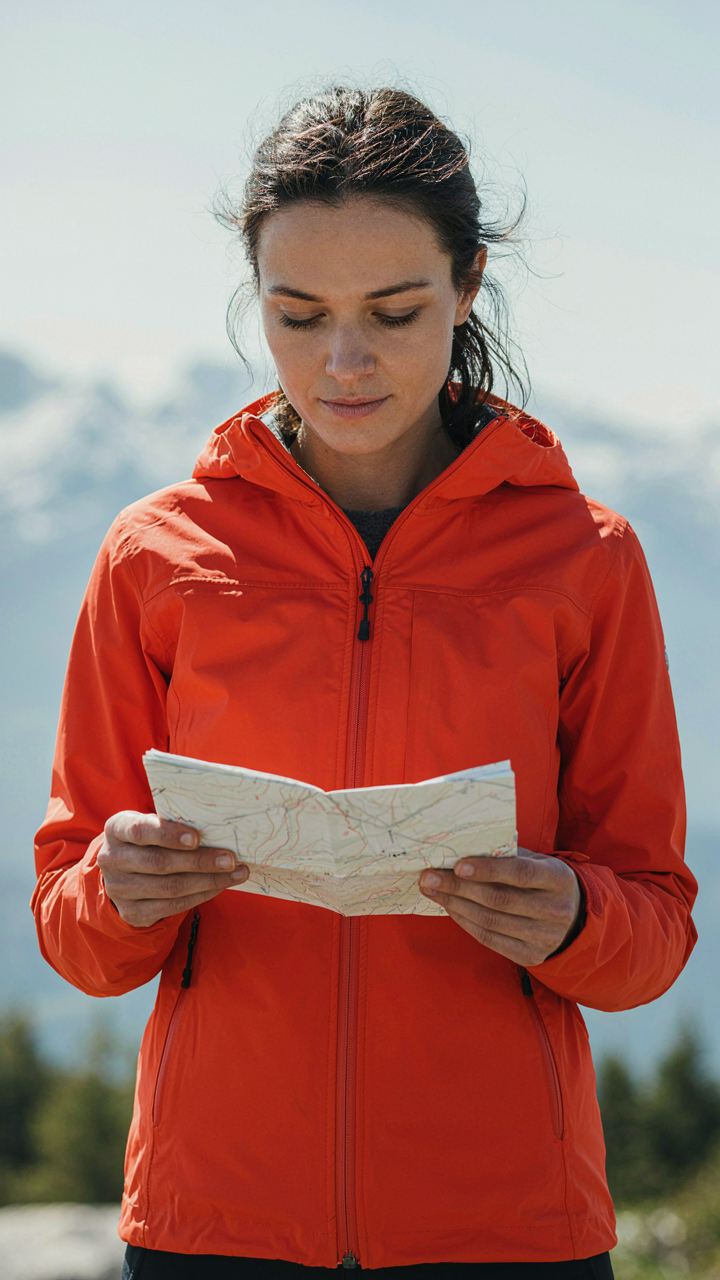
You want to look like you know what you’re doing without actually testing gear in real conditions. The mechanism is simple: shell choice determines how much moisture your insulation traps, which kills warmth faster than cold air ever will. Borrow from military doctrine and you see the principle immediately. Hard shells are your armor against direct attack. Soft shells are your scout unit. A hard shell stops rain and wind cold but traps sweat inside. A soft shell breathes but fails under sustained precipitation. Most couples buy one or the other and call it strategy. Real deployment means carrying both and switching based on conditions, not comfort preference.
Hard shells belong on the approach and descent when weather turns hostile. Soft shells belong on the climb when your body generates heat and wind is moderate. The distinction matters because a hard shell on an active ascent creates an internal sauna. Your base layers absorb that sweat. The sweat stays there because the shell won’t release it. You reach the summit feeling dry. Temperature drops. That sweat becomes a heat sink. You cool faster than someone in a soft shell who stayed drier the entire time. Swap shells at your high point and you reset the moisture equation entirely.
Zonal Protection: Defending Critical Heat Loss Areas
Your core, neck, and hands account for most heat loss. Ignore this and no amount of torso insulation matters. The body pulls blood from extremities to keep your heart functional. That’s not preference; that’s survival programming. Cold weather hiking couples fail not because their jackets are inadequate but because they don’t layer the zones differently. Your partner might need a neck gaiter while you need it around your wrist. One person’s torso stays warm at moderate exertion. The other person’s core temperature drops and their hands go numb. You’re wearing the same outfit. The difference is individual metabolic rate and position in the hike rotation.
Defend your neck first because it houses major blood vessels close to the surface. Layering a balaclava or merino neck gaiter adds almost no weight and prevents cold blood from cycling back to your core. Hands demand a dual-layer strategy: thin liners under mittens for dexterity on breaks, then seal the mittens tight when active. Your core needs one insulation layer that stays put during movement, not a puffer that shifts and leaves gaps. When one partner gets cold, they don’t add more clothing. They add insulation to the zones where heat actually leaves. That’s the mechanism. That’s the only move that works.
Footwear And Traction: Your Ground Control System
Insulated Boots: Guarding Against Conductive Heat Loss
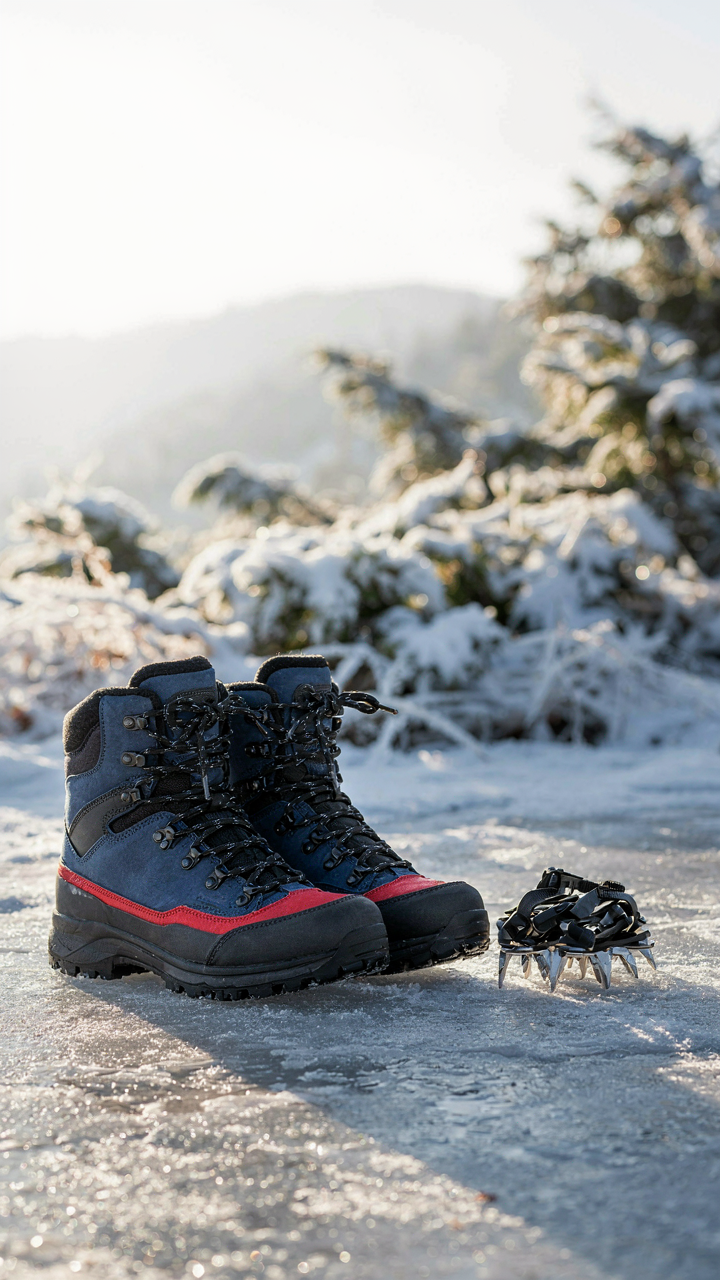
You care about this section because cold feet kill trips faster than any other failure, and admitting you need help choosing boots feels like admitting you’re not cut out for this. The physics here is straightforward: conduction is heat transfer through direct contact, and your boot sole is the only barrier between your feet and frozen ground pulling warmth away at a measurable rate. Insulation thickness matters less than the material’s R-value, which quantifies thermal resistance. Most insulated winter hiking boots use synthetic materials like Thinsulate or PrimaLoft because they maintain insulation when wet, unlike down. Your boot needs to handle sustained cold, not just brief exposure.
Real insulated boots isolate your foot from ground temperature, not air temperature. A 200-gram insulation rating works for brief outings; 400 grams handles multi-hour hikes in sub-20 degree conditions. Boot fit changes when you layer socks, so size your boots to accommodate a medium-weight merino wool sock without compression. Compression reduces insulation by restricting air pockets. Test fit boots with the exact sock weight you’ll wear on the trail, then do a short walk to confirm toe room and heel lock before committing to a full hike.
Traction Devices: When Microspikes Beat The Best Soles
Microspikes aren’t a luxury upgrade you consider after slipping once. They’re mandatory equipment on ice or packed snow, and pretending a good boot sole solves traction on frozen terrain is how couples spend hours fighting about who caused the fall. Boot soles rely on friction, but ice eliminates friction almost entirely. Microspikes add mechanical grip through small metal points that bite into frozen surfaces. Couples split the mental load: one partner carries the spikes, the other carries backup layers. Distribute gear weight to avoid one person managing all the technical equipment.
- Microspikes: Lightweight metal frameworks that strap onto boot soles with 12-15 steel points per unit, ideal for packed snow, ice, and frozen trail sections without adding significant weight.
- Crampons: Heavier full-foot systems with longer spikes, designed for alpine climbing or glacier travel, overkill for standard winter hiking but necessary for steep icy inclines above treeline.
- Yaktrax or cable traction: Elastomer coils that stretch over boot soles for light snow, cheaper than microspikes but less effective on solid ice and degrade quickly with heavy use.
- Traction pads: Adhesive rubber pieces stuck to boot soles, work temporarily on ice but don’t match microspike performance and require regular replacement between trips.
- Boot sole design: Aggressive lugged soles improve friction on rock and packed snow, but no tread pattern creates mechanical grip on blue ice—traction devices override sole design entirely.
Carry microspikes even on hikes you think won’t need them. Conditions change mid-route, and adding spikes takes 90 seconds. Both partners should know how to attach and remove spikes so one person isn’t dependent on the other’s expertise. Practice this setup at home before the hike so you handle it smoothly in cold conditions when fine motor control declines.
Accessory Arsenal: The Neglected Performance Multipliers
Headwear: Preventing Heat Loss At The Source
You’re reading this section because you want proof that gear choices matter, and you’re right to suspect most couples skip the real math. Thermodynamics doesn’t care about your preferences. Your head loses heat through radiation and convection, and the percentage varies by conditions, but the mechanism is identical whether you’re stationary or moving. Stop the misconception that you lose 40% of body heat through your head. That’s an urban legend born from misinterpreted military research. The actual loss is closer to 10-15% in most conditions, proportional to your head’s surface area relative to your body. What matters is that it’s concentrated loss. A bare head in cold wind accelerates core temperature drop faster than an uncovered torso would.
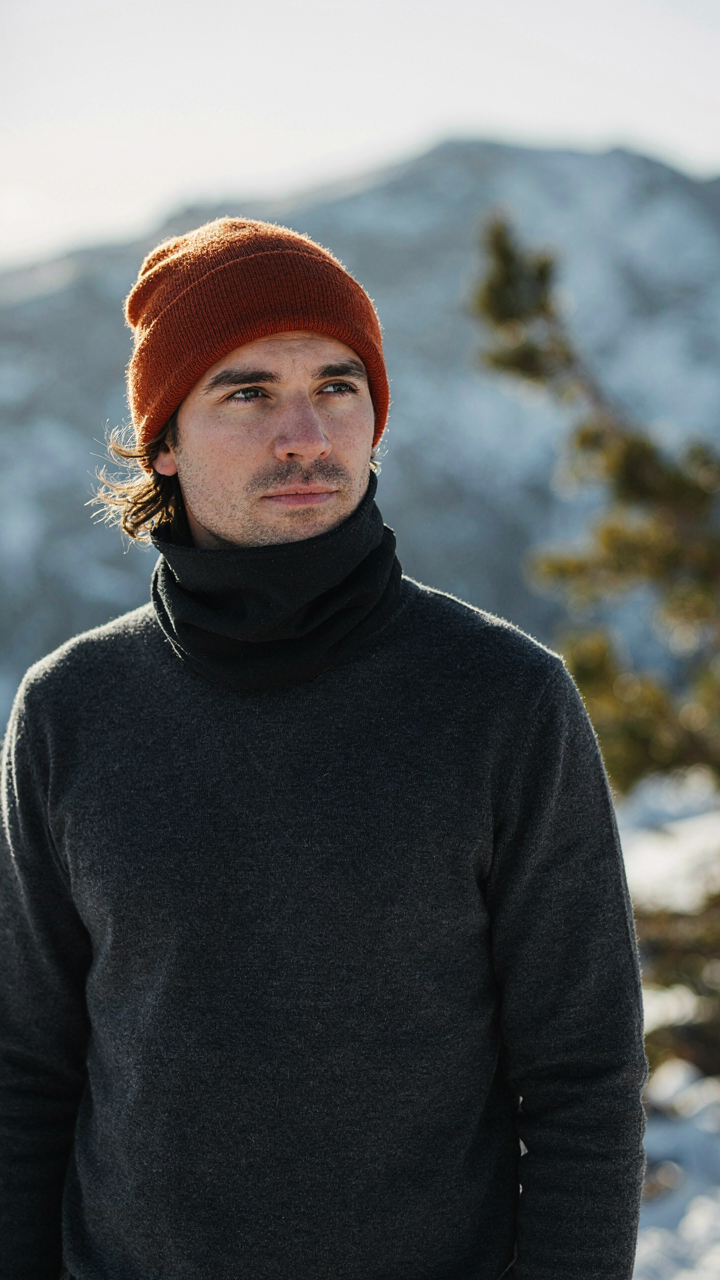
Choose headwear based on two variables: wind exposure and moisture management. A balaclava traps warm air around your face and neck but holds sweat. A wool beanie with a separate neck gaiter gives you modularity. You can shed the gaiter if you warm up without removing your hat. For couples hiking together, sync your headwear decisions before you start. One person overheating and removing their beanie while the other is still shivering creates asymmetric risk. Test your headwear choice on a short walk first, not on a full-day expedition.
Gloves Vs Mittens: Tactical Choice For Dexterity And Warmth
The tradeoff here is pure: mittens trap more air and keep hands warmer, gloves preserve finger mobility for tasks. Military researchers called this the dexterity penalty, and the principle transfers directly to cold hiking gear selection. You cannot have maximum warmth and maximum dexterity simultaneously. Most couples make the mistake of buying matching gloves for aesthetic reasons, then discovering mid-hike that one person needs mittens and the other needs gloves. Your hands have different metabolisms. Someone with slower circulation will freeze in gloves while their partner is comfortable.
Carry convertible mittens with pop-off finger caps. This solves the real problem: you need different gear at different moments. Start with mittens during the approach when you’re moving and generating heat through exertion. Switch to gloves if you stop to navigate, set up camp, or handle ropes. Keep both layers accessible in your pack, not buried. For couples, this means one pack carries both sets of mittens and both sets of gloves, reducing decision friction during the hike. When one person’s hands get cold, they don’t have to negotiate. The gear is there.
Beyond “Trekking Outfit”: Gear As An Extension Of Self
Your Clothes Are A Control System, Not A Fashion Statement
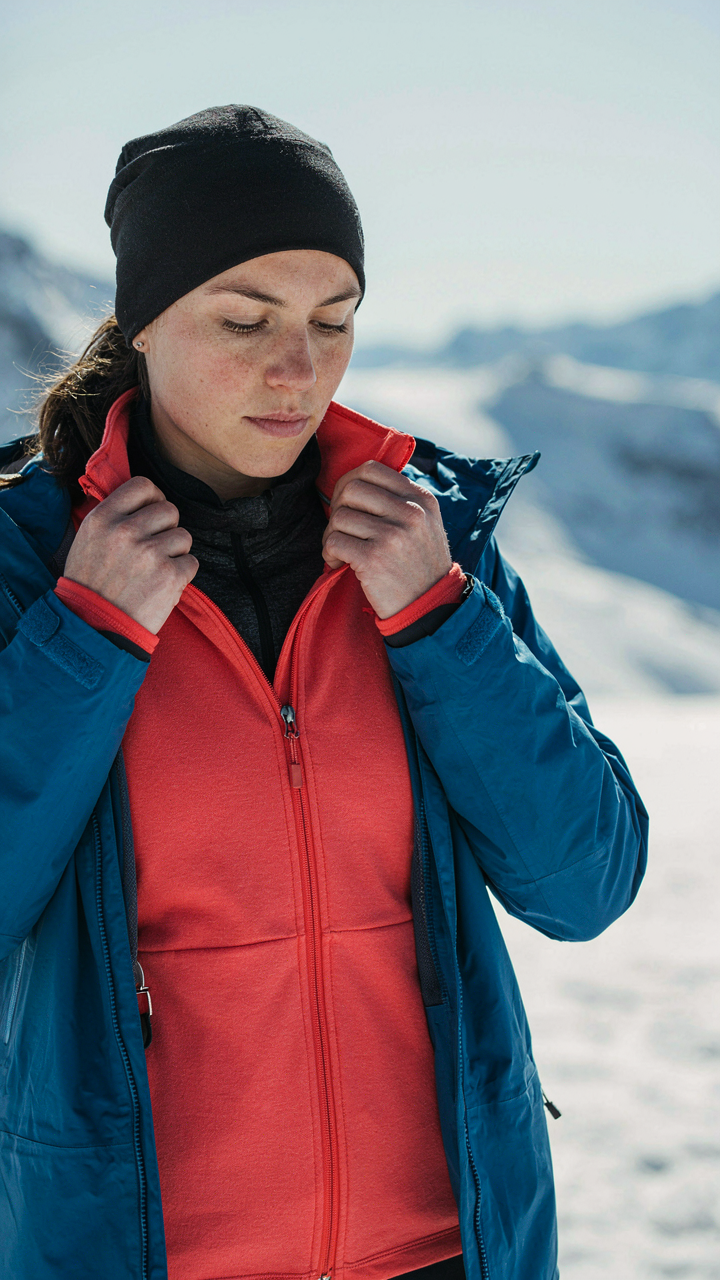
You want this section because you’re afraid your gear choices will make you look unprepared to your partner. Stop. Clothing in cold weather hiking operates as a biological feedback loop: your body generates heat, the layers trap or release it, and your nervous system reads the result and adjusts behavior accordingly. This isn’t aesthetic. It’s thermoregulation engineering. When your partner sees you shivering despite expensive gear, they’re seeing a control system failure, not a style failure.
The difference between amateurs and experienced couples is simple: amateurs chase insulation numbers and brand names. Experienced hikers match their layering to their actual metabolic output and the hike’s duration. Your base layer wicks sweat so your skin temperature stays stable. Your mid layer creates dead air space. Your shell blocks wind. Each component feeds information back to your body. If any layer fails its job, the whole system collapses, and both of you end up managing one person’s emergency instead of enjoying the hike.
The Efficiency Formula: Move Less Heat, Burn Less Energy
The thermodynamic principle here is straightforward: minimize the gap between your core temperature and your skin temperature, because your body wastes calories trying to close that gap. A couple hiking together has a tactical advantage most solo hikers miss. You can monitor each other’s actual heat output and adjust layers before the inefficiency becomes dangerous. One person overheating dumps sweat into their base layer and becomes a liability. One person underdressed burns calories fighting cold and drags pace. Synchronize your thermal state first.
Most couples default to identical or near-identical outfits. That’s wrong. Men and women metabolize heat differently at the same exertion level. Smaller body mass means faster heat loss. Higher muscle density means higher baseline output. The real move is building outfit flexibility into your system so each person can shed or add a layer independently without stopping the hike. Merino wool mid layers over synthetic bases give you that swap capacity. Before you start, establish a temperature checkpoint protocol: every 30 minutes, both partners report their thermal state honestly, and gear adjusts accordingly.
Emergency Prep: The Antifragile Hiker’s Checklist
Redundancy In Critical Gear, Not Just Layers
You want to feel prepared without carrying a house on your back. The real issue is that most hikers confuse layering strategy with survival strategy. They’re different problems. Layering manages comfort. Redundancy manages failure. When one system fails in cold, you need a backup that works independently. This isn’t about carrying duplicates of everything. It’s about identifying which gear does irreplaceable work and building a second path to the same outcome.
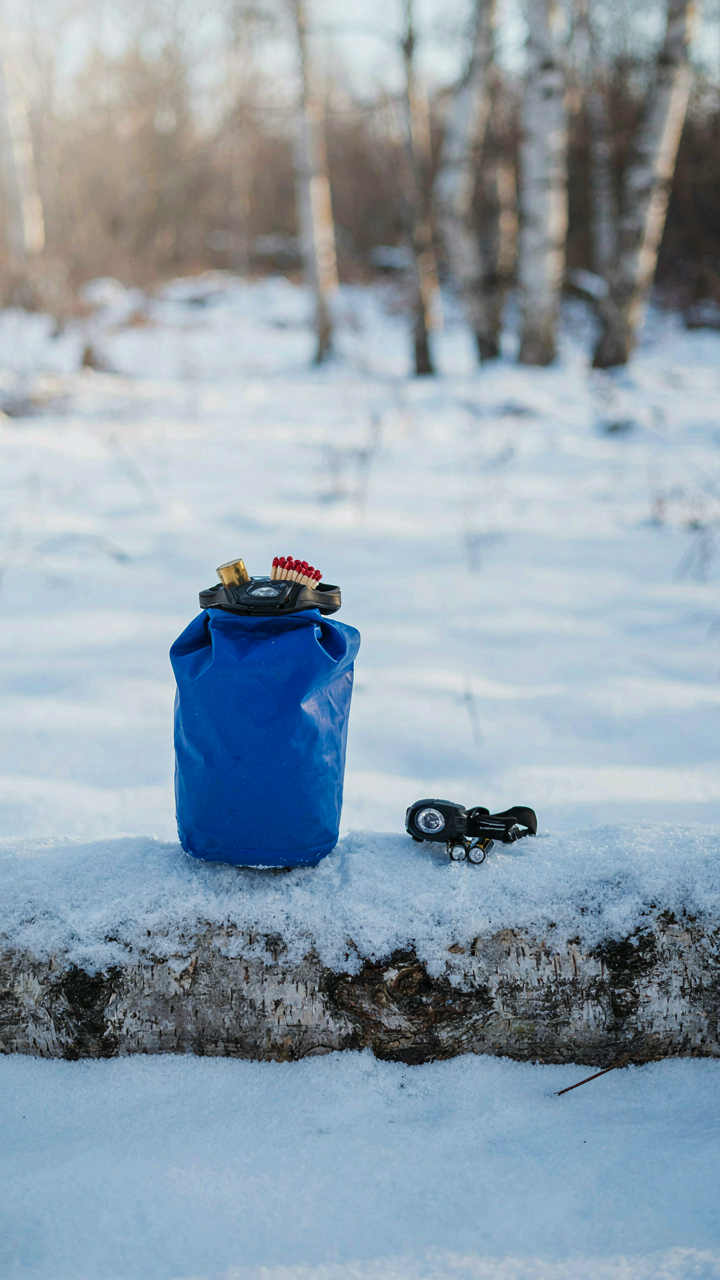
Start by categorizing your shared kit into critical and comfort. Critical gear keeps you alive or prevents injury: insulation, shelter, fire-starting, navigation. Comfort gear optimizes the experience. For couples, redundancy means each person carries independent capability in at least one critical category. One partner carries the map and compass. The other carries a GPS device and backup battery. One carries ferro rods and matches in separate waterproof containers. One carries the emergency bivy. If one pack gets lost or damaged, you don’t default to hoping the other person’s gear is enough.
Survival Essentials: Fire, Shelter, Navigation, Communication
The military doctrine of redundancy applies directly here: every critical system fails at some point, so build parallel paths to success. Fire creates warmth and psychological stability fast. Shelter stops wind and precipitation. Navigation prevents circles. Communication summons help. Each demands backup.
- Fire: Carry waterproof matches, ferro rod, and lighter on separate people in sealed containers. Cold reduces lighter reliability, so redundancy isn’t optional. Test all three before the hike.
- Shelter: One partner carries an emergency bivy sack rated to your expected low. The other carries a lightweight tarp and cordage. Together you can rig protection in under ten minutes.
- Navigation: Carry paper map plus compass on one person, GPS unit plus extra batteries on the other. Phone-based maps are tertiary only. Dead batteries end navigation fast.
- Communication: Satellite messenger or personal locator beacon covers zero-signal zones. Cell phone covers areas with coverage. Neither replaces the other. Cold drains batteries, so carry spares for any device.
- Insulation: Each person carries a lightweight insulation layer independent of the other. If one gets wet, the other still has working core warmth. Synthetic or down rated to your temperature floor.
When a system fails in cold, the window to recover shrinks fast. Hypothermia clouds judgment within hours. You act now or you improvise poorly. Pack redundancy, test it before the trailhead, and practice deploying each backup under conditions you’ll actually face. The couple that can build shelter and start fire with one person’s gear alone survives the mistakes the other one makes.
Capturing The Experience: Real Hiking Photos, Not Poses
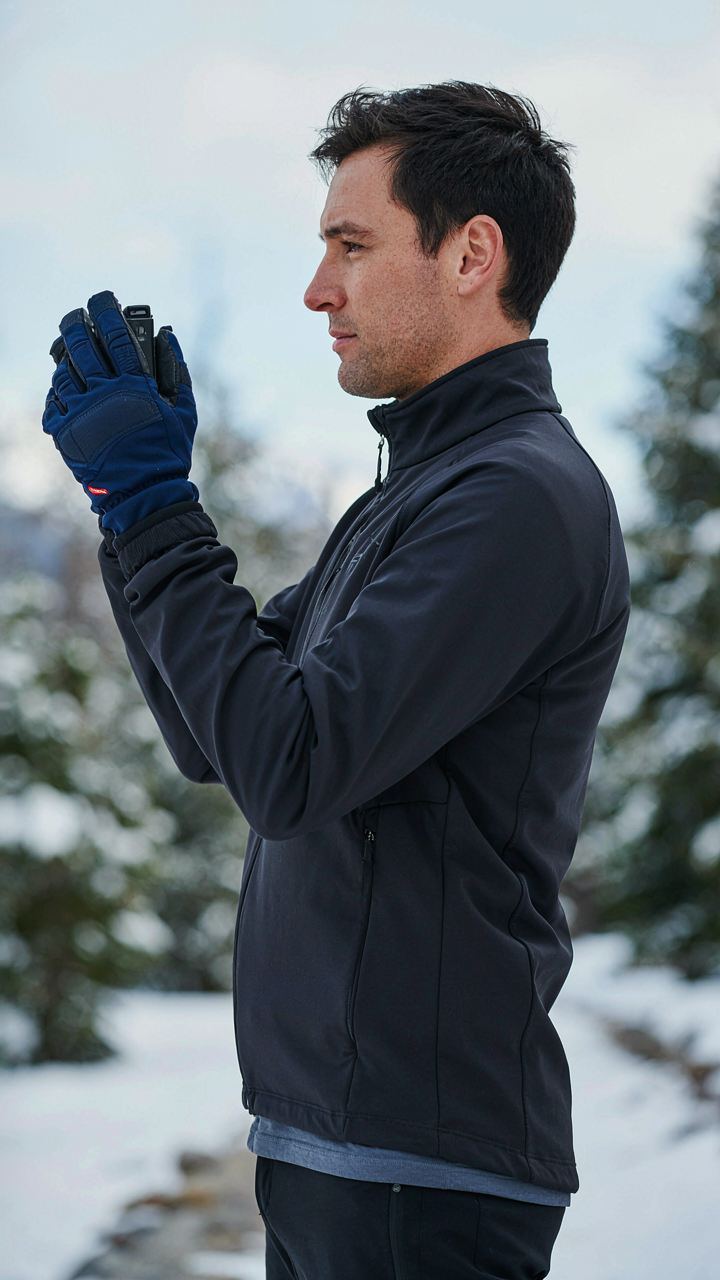
Stop Performing For The Camera
You want proof that you two actually did this together. That’s not vanity—it’s documentation of shared competence, and your brain knows the difference between a staged shot and evidence. The mechanism is simple: your nervous system recognizes authenticity. A forced smile in matching gear reads as theater. A photo of one person adjusting the other’s neck gaiter while moving uphill reads as collaboration under real conditions. The second one proves you function as a unit when stakes exist.
Most couples shoot from the same angle, same distance, same emotional register. Stop. The real narrative lives in the moments when someone is solving a problem—testing a fabric in wind, checking map orientation, eating at an exposed ridgeline with wind chapping faces. These aren’t pretty. They’re true. Shoot when movement happens, not when someone says “okay, now look natural.” Your phone’s burst mode exists for this reason.
The Visual Record Of What Actually Works
Every photo you take is data about your outfit system’s real performance. Layers that looked correct indoors reveal gaps when you see them compressed under a shell jacket at 8,000 feet. Hand positions show where gloves fail or succeed. Facial expressions expose whether a balaclava or neck gaiter is actually comfortable or just theoretically sound. You’re building visual feedback that no gear review can replicate because reviewers don’t hike as couples in the conditions you face.
Deliberately photograph problem zones. Shoot your wrists where base layer meets glove. Shoot ankles where boots meet socks. Shoot your partner’s hands after five minutes of exposure to see if that glove material actually performs. These aren’t Instagram moments—they’re maintenance logs. Review them before your next trip. Adjust layering or materials based on what the photos show, not what the manufacturer claims. This cycle of documentation and adjustment is how couples stop repeating gear mistakes.
The Underlying Obstacle Isn’t The Cold; It’s Your Failure To Adapt An Independent System For Survival
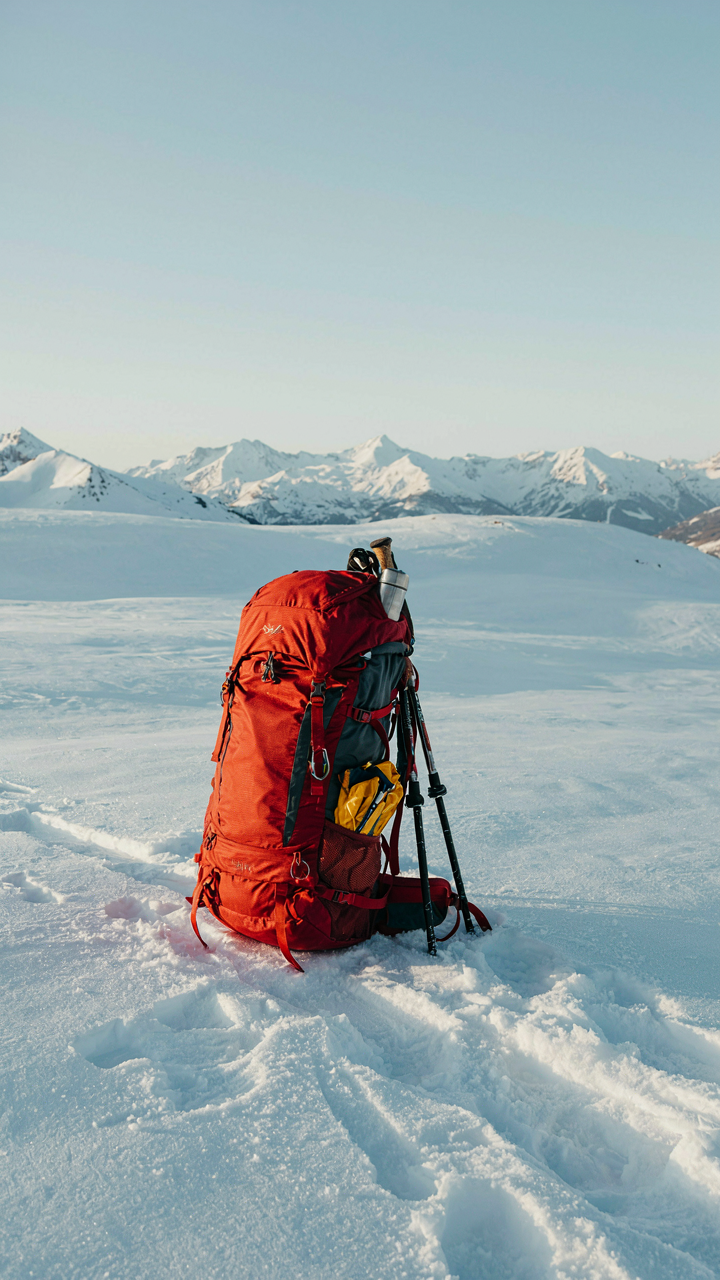
Most couples freeze because they treat cold weather hiking like a shared problem instead of individual survival. You need your own layering strategy, your own backup gear, your own pace. Stop mirroring your partner’s choices. Pick one hike this week, build your personal system before you go, then teach it to them. The couple that survives together is the couple that prepared alone.