
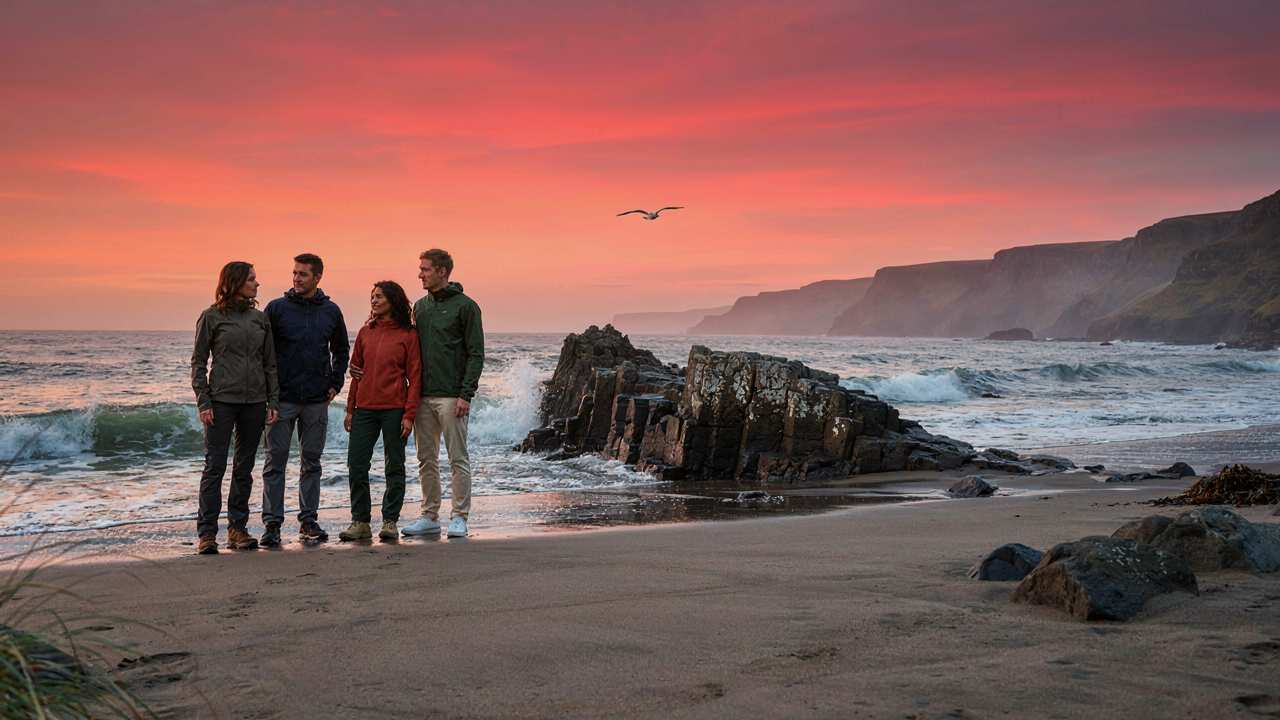
The Unfiltered Truth About “Pretty Nature Pictures”
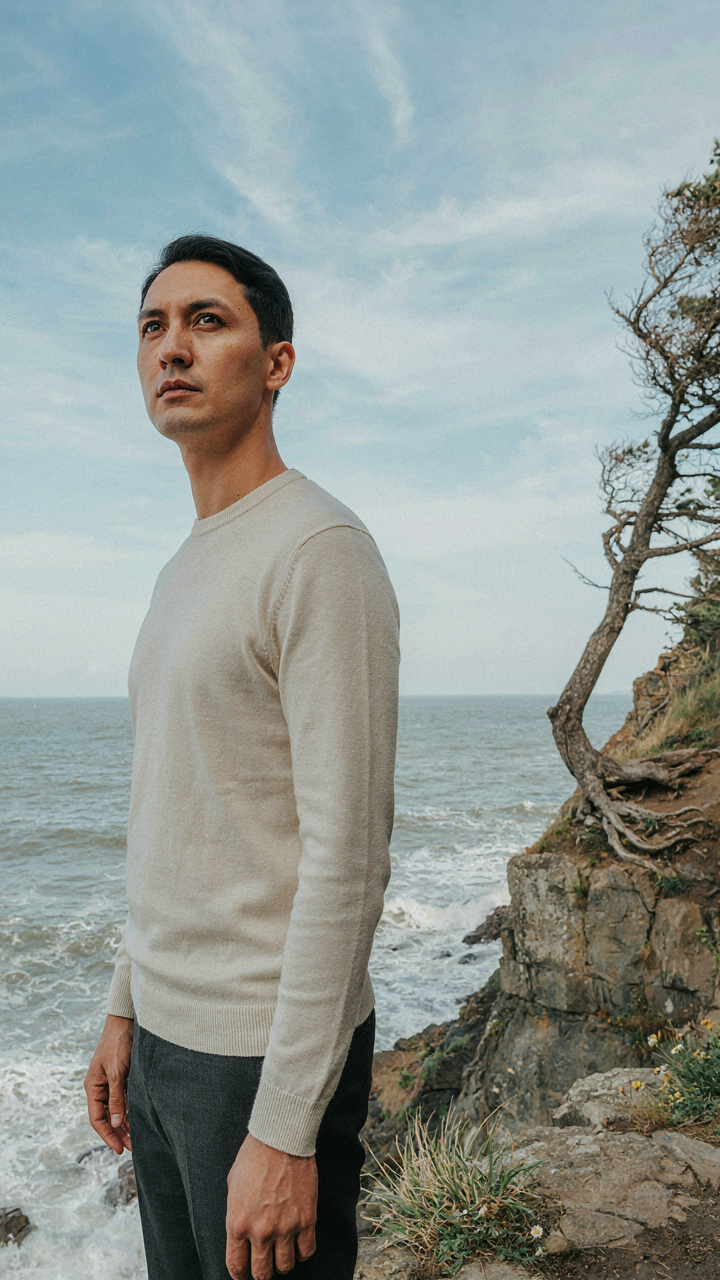
Instagram Didn’t Invent The Coastal Reserve
You want proof that you’re living right, and a coastal nature reserve gives you that in a single photo. The mechanism is simple: you’re outsourcing your sense of meaning to a location’s perceived rarity. But here’s what nobody says out loud. Most coastal reserves exist because humans destroyed the surrounding area first. A reserve is a fence around what we couldn’t kill fast enough. The Instagram shot obscures this entirely.
Real coastal reserves function like ecological triage units. They hold remnant populations of species that lost their original habitat decades ago. You’re not discovering untouched nature. You’re visiting a managed artifact. The quiet you feel there isn’t the sound of wilderness. It’s the sound of everything else having been removed. That matters because it changes what you’re actually seeking when you plan a visit.
What Raw Coastlines Actually Look Like

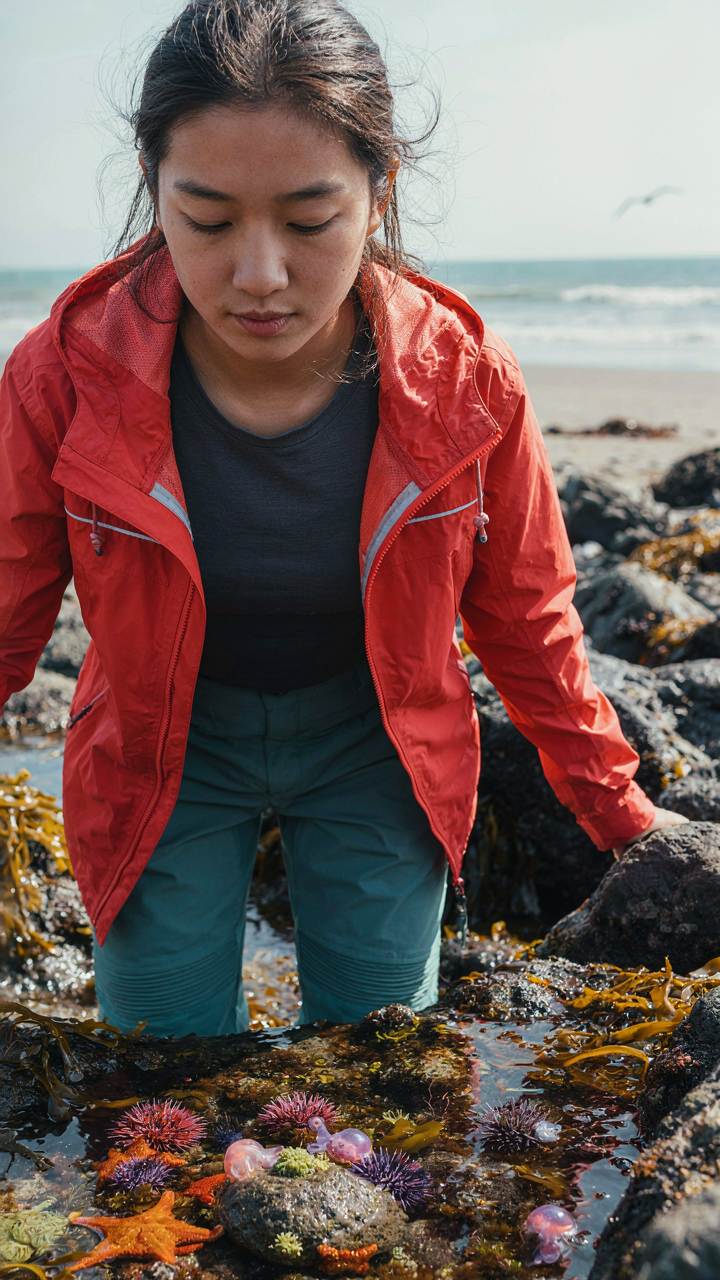
Most people expect coastal reserves to match the curated version they’ve seen online. They won’t. Real salt marshes smell like rot and sulfur. Rocky tide pools contain dead organisms, broken shells, and algae slime. Bird colonies are loud, smelly, and chaotic. The guides at reserves like Point Lobos in California or Cape May in New Jersey will tell you the same thing: people arrive expecting serenity and encounter harsh ecological reality instead.
This isn’t a flaw in the experience. It’s the actual value proposition. When you stop filtering for the photogenic angle and observe what’s actually happening, you see the reserve’s real function: a working system keeping specific species from vanishing. Mud flats sustain migratory birds. Kelp forests feed sea urchins that control algae. Your role is witness, not consumer. Plan your visit around tide schedules and species patterns, not lighting conditions.

Coastal Zones: Not Just Water, But A World Apart
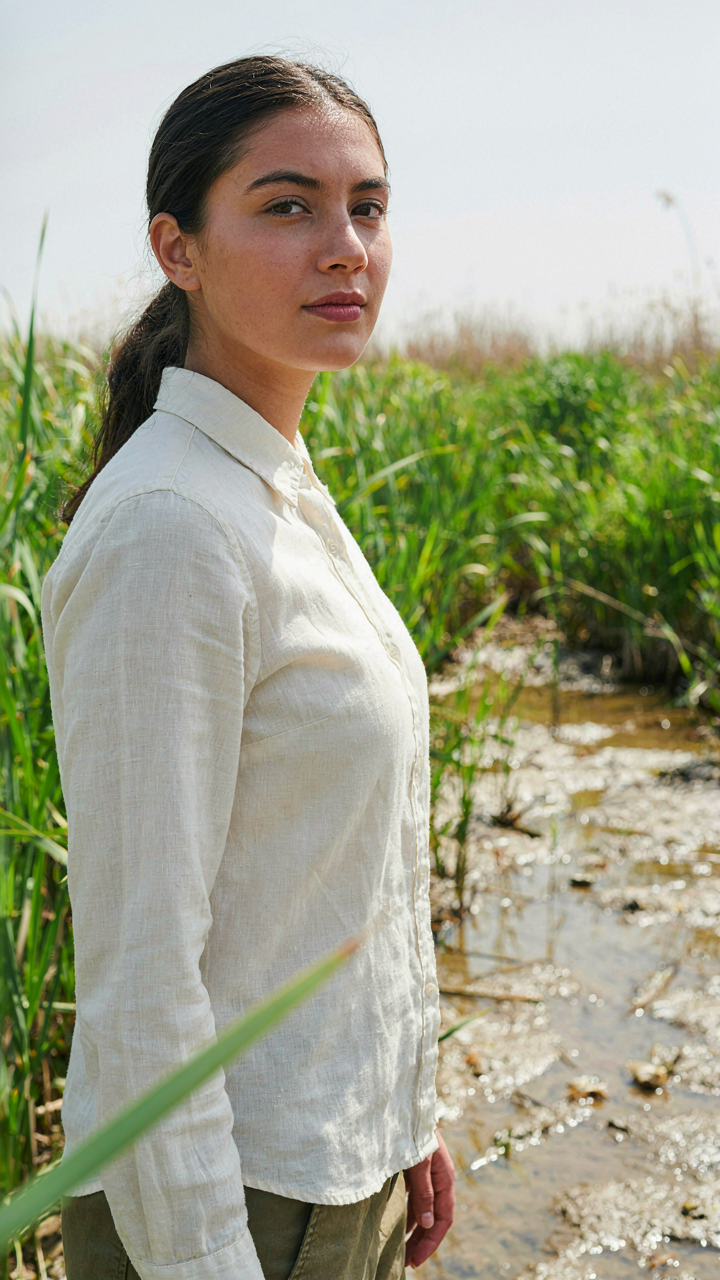
Where Ecosystems Stop Playing By Normal Rules
You want to feel like you’ve discovered something real, something untouched. That motive is fine. But the actual reason coastal nature reserves matter is mechanical: they’re tension zones where two systems collide, and that collision creates density of life nowhere else exists. Think of it as ecological edge effect in biology—the boundary where forest meets field always produces more species diversity than the interior of either. Coastal reserves operate the same way. Land and ocean don’t blend smoothly. They collide.
The USA’s coastal reserves contain ecosystems that simply don’t exist inland. Salt marshes in the Atlantic mid-Atlantic states function as nutrient processors and nurseries—they concentrate life because they concentrate resources. Mangrove systems in Florida operate as brackish filtration zones. The Pacific’s kelp forests and rocky intertidal areas follow completely different rules than both. Each reserve’s dominant ecosystem reflects its geography: tidal range, freshwater input, sediment type, temperature. You don’t choose a coastal reserve for escape. You choose it because its particular collision of systems produces something specific you won’t find elsewhere.
Beauty Operates On Scarcity, Not Sentiment
The common pitch about coastal reserves emphasizes calm and restoration. That’s incomplete framing. What actually happens is harder: these spaces show you how life works under real constraint. A shorebird doesn’t nest in a coastal reserve because the environment is peaceful. It nests there because the tidal zone offers food in a specific window, and failure to time that window means death. Predation, competition, and resource scarcity aren’t philosophies here. They’re daily conditions.
Understanding this changes how you experience the space. You’re not observing nature as backdrop. You’re observing a system in permanent negotiation with its limits. When you visit a reserve and see the actual mechanisms—substrate selection by crustaceans, predator-prey timing, plant tolerance thresholds—you begin to recognize which reserves justify your time. The ones with visible stress, with visible adaptation, with species density packed into small zones, are the ones doing real ecological work. Visit those. The rest are just water with a good marketing department.
The Adventure Inspiration Protocol: Beyond Guided Tours
Solo Exploration Strategies
You want permission to do this alone without feeling like you’re missing the “real experience.” The real mechanism is this: guided tours commodify discovery. They package the reserve into a narrative someone else already chose. Solo exploration works because you interact with the actual conditions of the place, not a curator’s interpretation of it.
- Study the reserve map before arrival: Identify water access points, trail junctions, and blind zones. Coastal reserves often have tidal zones that shift access. Knowing the topography lets you spot what guides skip over.
- Move against foot traffic: Trails peak at specific hours. Visit early morning or late afternoon when crowds thin. Reserve ecosystems reveal behavior patterns when human noise drops.
- Track one ecological relationship deeply: Pick a tidal pool, a nesting area, or a salt marsh section. Spend 90 minutes observing one zone instead of collecting surface observations across the whole reserve.
- Document baseline conditions: Photograph the same spot from identical angles on different visits. Seasonal shifts become visible. You build a personal dataset no guide provides.
- Navigate by question, not destination: Enter asking what you want to understand about coastal succession, predation patterns, or erosion mechanics. Purpose replaces the need for a guide’s script.
Your data becomes the foundation for actual learning. Repeated solo visits to coastal reserves reveal what one-off guided tours obscure: the rhythm of the place across time.
Embracing Discomfort For Growth
The standard advice says discomfort builds character. That’s motivational nonsense. Discomfort works because it forces you to pay attention. Your nervous system doesn’t drift when you’re navigating uncertainty. Coastal reserves demand this attention naturally.
Weather turns fast. Tides create genuine logistical problems. Terrain varies unpredictably. These aren’t manufactured obstacles. When you experience a reserve during unexpected conditions, your brain catalogues the environment with intensity a comfortable walk cannot match. You notice bird behavior during wind shifts. You see how organisms respond to pressure changes. Your senses sharpen because survival instinct activates them.
Discomfort also exposes your limits. You discover whether you can navigate mudflats alone. You learn how your body responds to salt spray and cold water. You stop performing for invisible audiences and start adapting to real conditions. This information matters because reserves test you in ways controlled environments never do. The growth isn’t philosophical. It’s neurological. Repeated exposure to manageable discomfort rewires how you process environmental information. After five solo visits in varying conditions, you stop needing orientation. You’ve built an internal map. Your next visit becomes exponentially more valuable because you’re not managing basic logistics. You’re observing. That’s when coastal reserves actually teach you something.
Forest Vs. Ocean: The Resilience Blueprint
How Forests Bounce Back
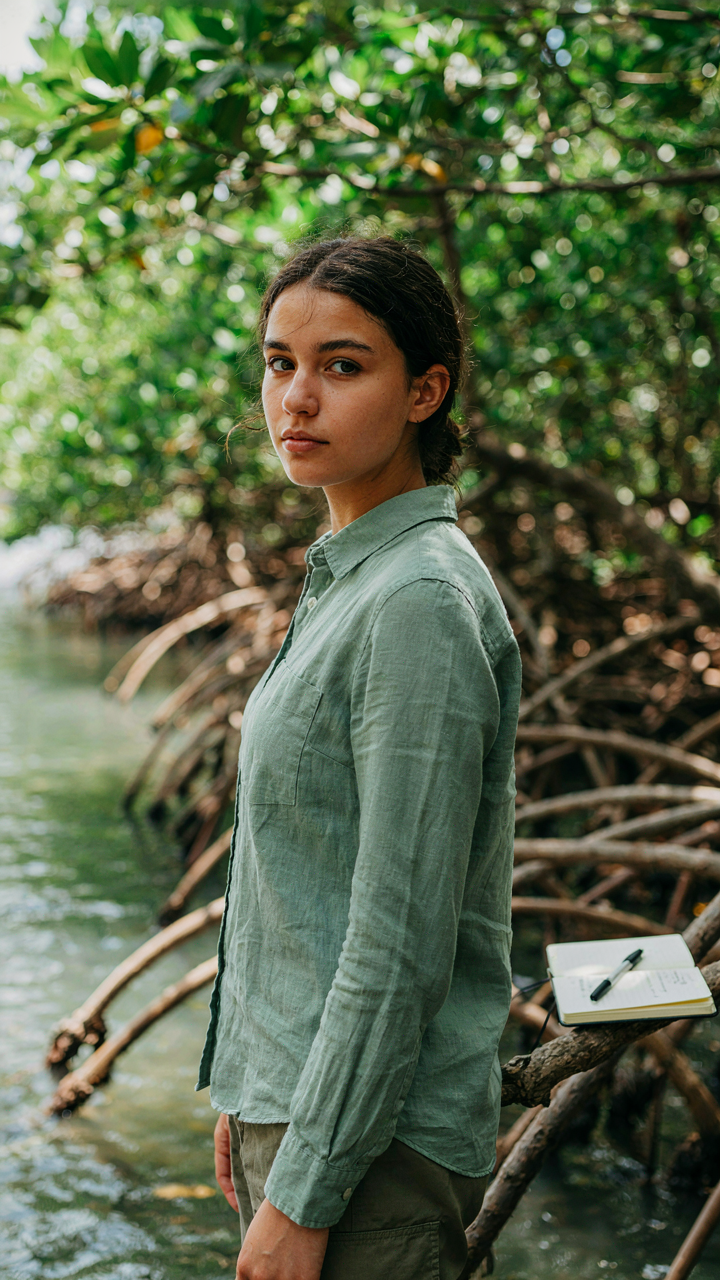
You want to feel like you’re choosing the intelligent escape, not just running away. Here’s the mechanism: forests survive catastrophe through redundancy, not perfection. Ecology borrows the engineering term “distributed systems”—no single tree holds the forest hostage. Coastal reserves with dense tree canopies apply this principle. When storms strip one layer, root networks, understory plants, and soil microbes absorb the shock. The system doesn’t collapse because it distributes stress across multiple pathways instead of channeling it through one point of failure.
Forest resilience isn’t about being unbreakable. It’s about recovering faster than the damage spreads. Coastal forests like mangrove stands and maritime oak woodlands rebuild root systems and foliage within seasons, not decades. Visitors who spend time in these reserves unconsciously absorb this pattern. You move through a landscape that visibly demonstrates how constraint produces strength. The quiet you feel isn’t absence of struggle—it’s the result of a system that handles pressure efficiently.
When Tides Teach What Forests Can’t
The ocean doesn’t fight change, it absorbs it. Marine ecosystems in coastal reserves demonstrate adaptive capacity that exceeds forest strategies because water itself acts as a buffer. Salt marshes, seagrass beds, and tide pools don’t resist wave action—they yield, then reestablish. This is the difference between rigidity and compliance. A forest roots down and holds. An estuary flexes and reforms. Visitors who watch tidal zones over multiple visits witness adaptation in real time, not as metaphor but as observable fact.
The practical mechanism: marine reserves survive because their species occupy multiple depth zones and salinity ranges simultaneously. When conditions shift in one layer, organisms in another persist and repopulate. Coastal nature reserves preserve this layered redundancy. Walking through a reserve at different tide states shows you systems that operate without crisis management. They’re built for flux, not stability. That’s the blueprint worth extracting—not “go with the flow,” but literally observe how a functioning ecosystem distributes resources and survival across zones so no single condition determines outcome.
Isle Of Skye Syndrome: The Allure Of The Untamed
What Remote Actually Means
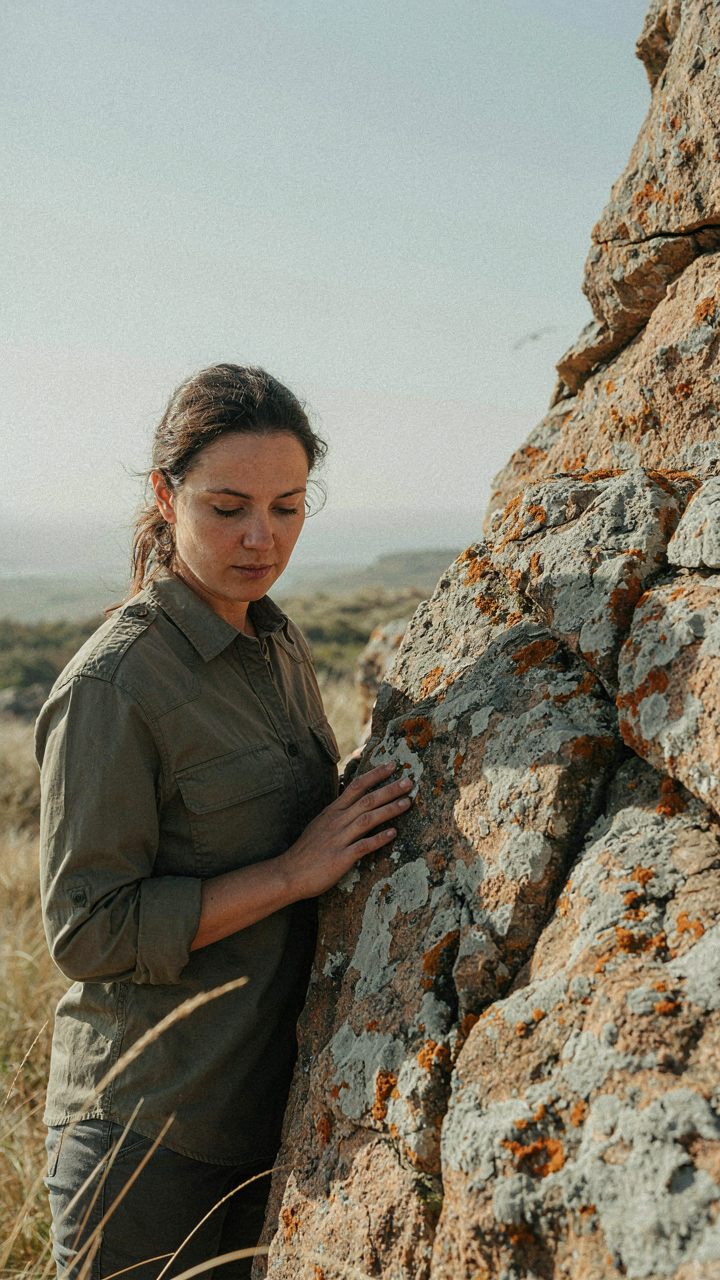
You want to believe that true escape exists somewhere beyond the mapped world, and that visiting it proves something about your taste or character. The mechanism is simpler: coastal reserves market remoteness as a product, but remoteness is contextual, not absolute. Isle of Skye, one of Scotland’s most visited reserves, receives over 500,000 tourists annually. What feels remote is often just underdeveloped infrastructure masking moderate crowds.
The gap between perception and capacity creates the illusion. Skye’s reputation rests on genuine geography: dramatic cliffs, sparse settlements, limited road access. But these features don’t equal solitude. Peak season transforms supposedly untamed terrain into a managed experience with parking queues, established trail systems, and defined viewpoints. The real remote reserves stay remote because they lack the marketing budget and highway access that make them famous.
The Neurochemistry Of Jagged Edges
Evolutionary biology explains why rugged landscapes trigger a distinct psychological response separate from flat, manicured spaces. Your nervous system reads visual complexity and unpredictability as stimulation, not threat, in environments where you’re safe. Coastal cliffs, rocky outcrops, and irregular shorelines provide high visual information density in a controlled setting. Your brain treats this as engagement without danger, releasing dopamine differently than it does in tamed landscapes.
This isn’t mysticism. The mechanism is contrast and novelty processing. Your prefrontal cortex expends energy decoding irregular patterns. This cognitive load, when mild enough, produces focus and temporary relief from decision fatigue. The moment you stop generating predictions about what comes next, you’ve habituated, and the effect fades. Spend time observing a specific geological feature rather than scanning for the next Instagram angle. Pick one rock formation, one tide pool, one stretch of shale and study how light moves across it for thirty minutes.
Beautiful Scenery Nature: A Catalyst For Clarity
Where Your Attention Actually Resets
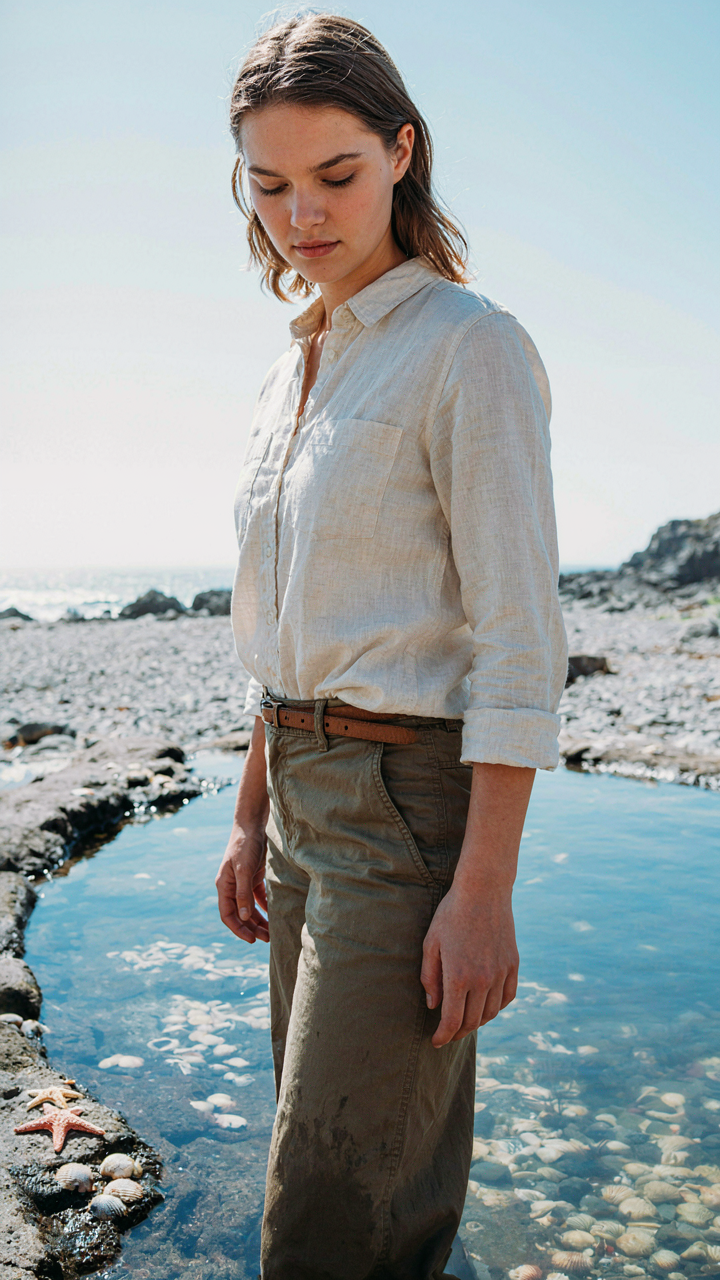
You think you need a break from screens. You don’t. You need a break from the constant demand to perform cognition on artificial timelines. Coastal nature reserves work because they operate on a different neurological frequency than human-built environments. Your brain doesn’t need pretty views. It needs stimuli that don’t require interpretation. A wave pattern, a tidal pool, a cormorant diving—these don’t trigger the same prefrontal demand as a Slack notification or a billboard. Neuroscience calls this “attention restoration theory.” In reserve terms, it’s the difference between managed coastline and working coastline: one demands your active processing, the other lets your nervous system downshift.
Most people believe scenery is passive consumption. It isn’t. When you move through a coastal reserve, your sensory load is high but your decision-making load collapses. You’re tracking multiple stimuli—salt air, sound direction, light reflection on water—but none of them require you to do anything about them. This is the mechanism. Your prefrontal cortex quiets because there’s no performance anxiety embedded in the environment. After two to three hours in this state, your default mode network activates differently. Clarity returns not because you’re rested, but because your brain stops treating every input as a threat requiring response.
The Discipline Of Looking Without Naming
Most people confuse observation with photography. They come to reserves to capture proof they were there, missing the actual reset that happens through sustained, unnamed attention. This is the real work. When you stop cataloging what you see and start tracking how it changes—water level across thirty minutes, light angle shift, bird behavior in response to tide—you’re using a different cognitive pathway. You’re not building knowledge. You’re practicing non-linguistic attention. Coastal reserves enforce this naturally. Tides wait for no one. You either watch or you don’t.
The mechanism is simple: your brain’s language centers quiet when observation becomes primary. You’re not narrating. You’re not comparing to other trips or other reserves. You’re not creating a story for later. This sustained, wordless tracking is what restores mental clarity. Most reserves have tidal pools, salt marshes, or rocky outcrops that demand this kind of attention if you spend time with them. Pick one feature during your visit—a specific tidal pool, a section of marsh grasses, a bird species you see repeatedly—and track only that. Forty-five minutes of unbroken observation produces measurable cognitive reset. This is the protocol.
The Coastal Calibration Method: Realigning Your Internal Compass
When Quiet Becomes Information
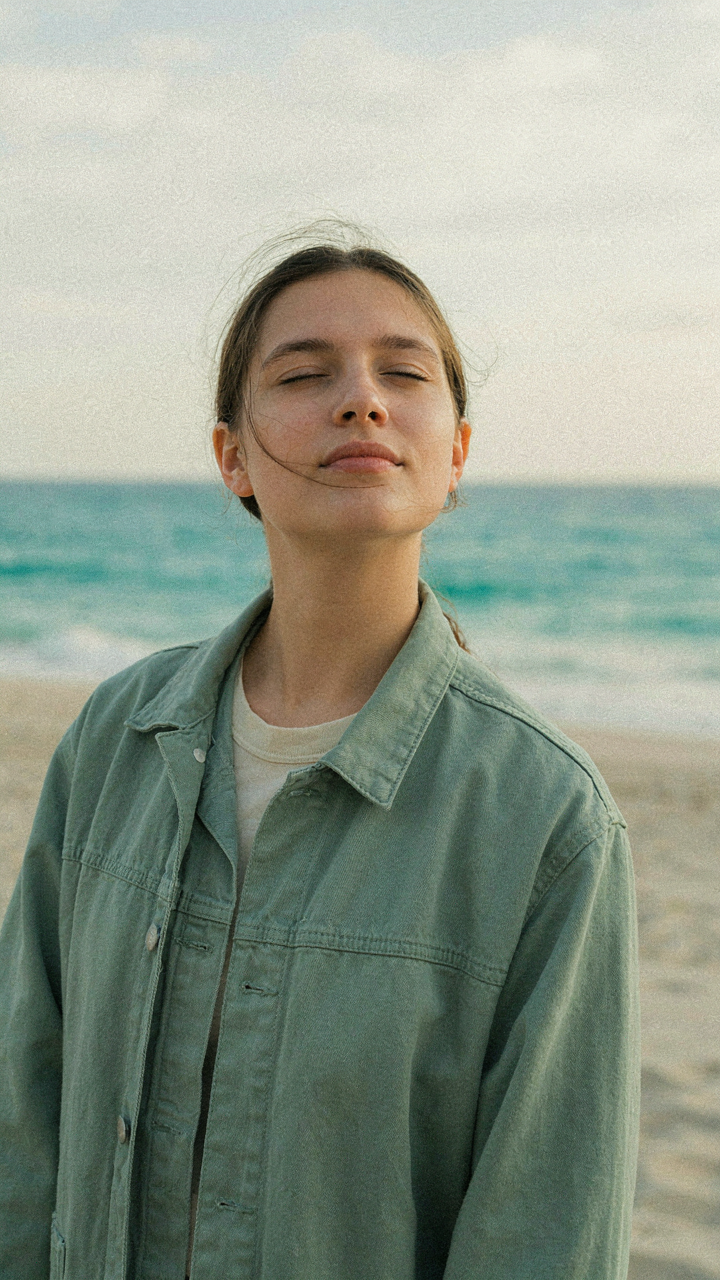
You want permission to stop producing. That’s the real reason you’re reading this section. The truth is starker: coastal nature reserves work because they force sensory deprivation in a world engineered for overload. Your nervous system isn’t broken. It’s being hammered by 10,000 stimuli per hour in urban environments. Coastal reserves strip that down to wind, water, bird calls, and texture. Your body recalibrates because it’s finally getting the signal-to-noise ratio it evolved for.
The mechanism borrowed from neurobiology is called downregulation. Your baseline anxiety doesn’t drop because you’re thinking happy thoughts. It drops because the environment demands less filtering. Urban spaces require constant threat assessment. Coastal reserves require almost none. You move from 95 decibels of competing inputs to maybe 60. Your cortisol doesn’t spike. Your parasympathetic nervous system stays engaged instead of surrendering to constant fight-or-flight readiness. This isn’t spiritual. It’s hydraulic.
The Rhythm Pattern Recognition System
Tides move on a cycle, not a whim, and your body has circadian machinery that recognizes cycles. Most people miss the actual utility here. Spending time in coastal reserves doesn’t make you “feel connected.” It teaches your nervous system to recognize predictable patterns again. Urban life is jagged. Tides are mathematical. Your body responds to rhythm because rhythm is information it can trust.
Sit in a coastal reserve for two hours on three separate days, ideally at different tidal phases. Track your energy levels, focus span, and sleep quality in the 24 hours after each visit. You’ll notice the pattern doesn’t depend on the weather or your mood. It depends on the reserve’s predictable structure. Pick one reserve you can revisit monthly. The consistency is what rewires your internal clock, not the novelty. Schedule these visits at the same time window each month to anchor your nervous system’s expectations.
Beyond Aesthetic: The Functional Beauty Of Natural Scenery
What Wetlands Actually Do For Your Body
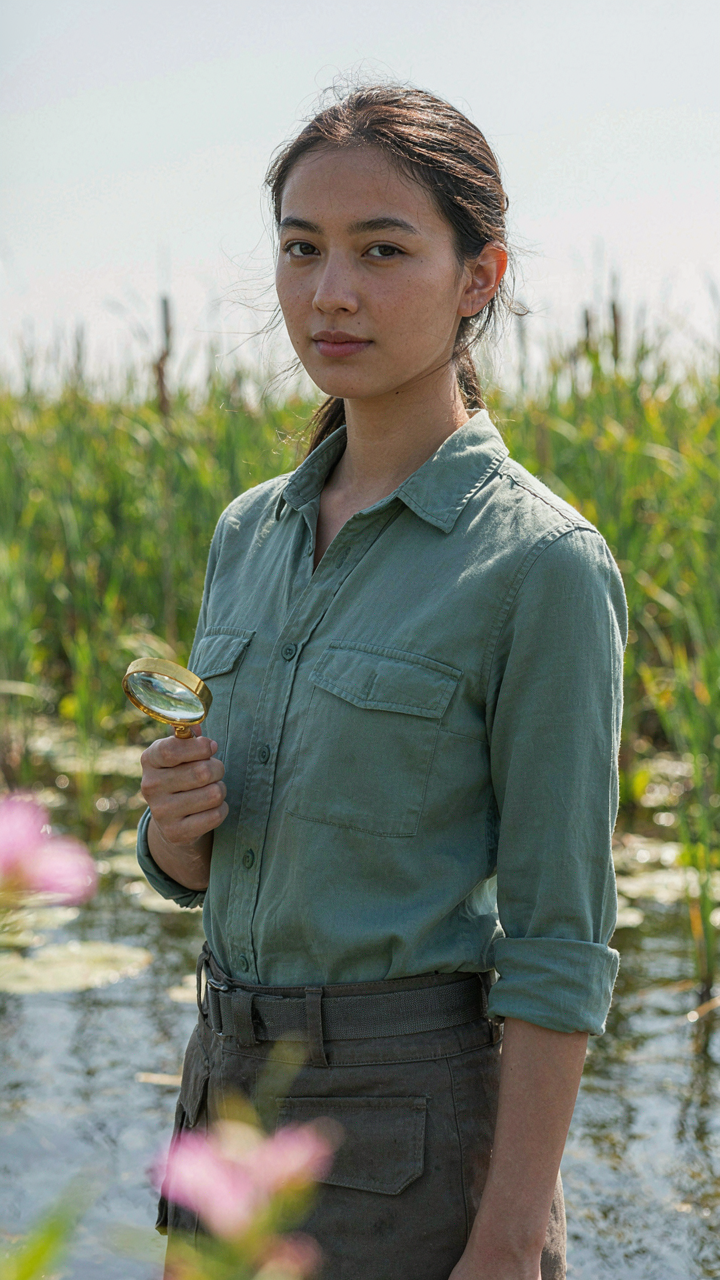
You want to feel better without admitting the real problem: your nervous system is broken. Coastal nature reserves work through a biological mechanism called parasympathetic activation. Wetlands and salt marshes, which anchor most reserves, emit volatile organic compounds that trigger measurable shifts in your cortisol and heart rate variability. You’re not paying for views. You’re paying for biochemistry.
Wetlands also filter water and stabilize coastal geology, but that’s secondary to why you show up. The moment you enter a reserve with dense vegetation and water features, your brain downshifts from sympathetic dominance into parasympathetic tone. This happens whether you believe in it or not. The mechanism fires because your ancestors evolved around these ecosystems. You’re not having a spiritual experience. You’re experiencing your own operating system working correctly.
Why Preservation Isn’t About Sentiment
The standard advice says protect reserves for future generations and biodiversity. That’s incomplete and misses the actual leverage point. Coastal nature reserves generate quantifiable ecosystem services that replace expensive infrastructure. A functioning salt marsh absorbs storm surge better than seawalls, filters pollutants better than treatment plants, and costs nothing to maintain compared to engineered alternatives.
When a reserve gets degraded or developed, municipalities pay millions to replace those services artificially. Restoration becomes three times more expensive than preservation. The math is ruthless. A reserve isn’t a luxury amenity for quiet escapes. It’s deferred infrastructure spending with co-benefits. Protecting reserves is the cheapest way to maintain coastal resilience and human access to the neurobiological reset that keeps your stress response from becoming chronic disease.
The Only Escape You Need Is From Your Own Expectations
Your Biases Are Louder Than The Waves
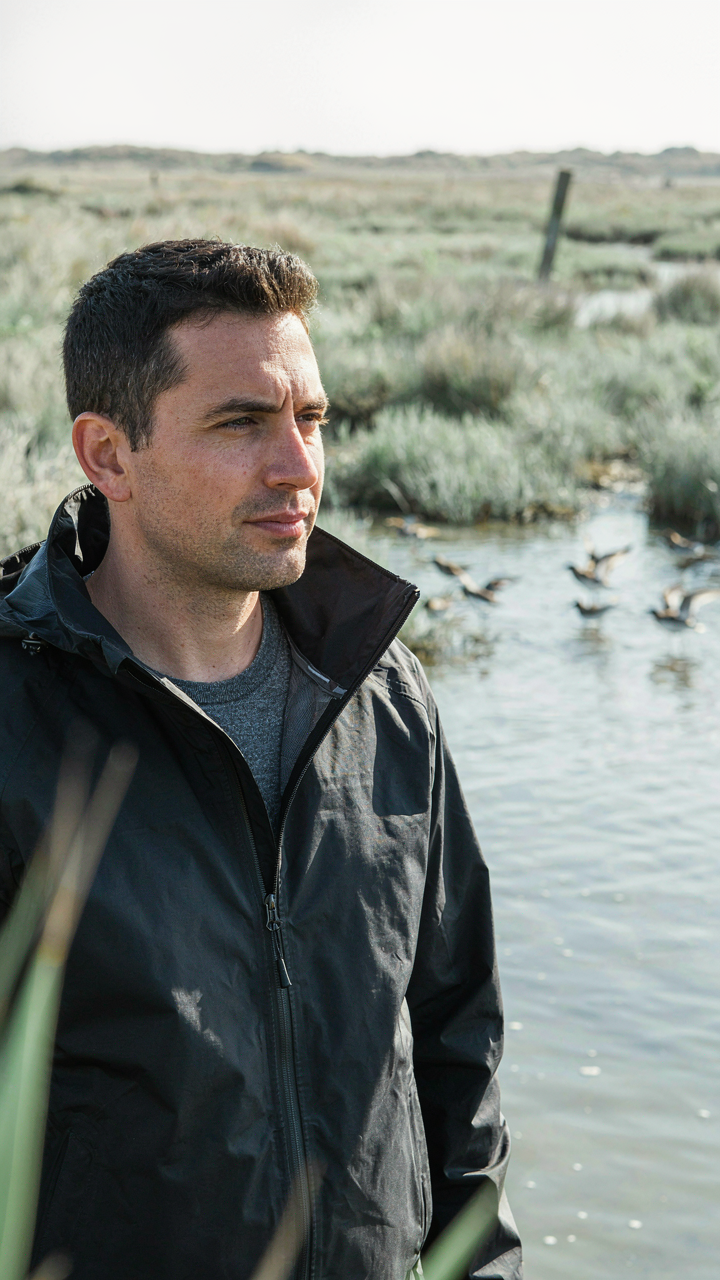
You want coastal nature reserves to fix something broken in you, and you’re betting the scenery will do the work. It won’t. Psychology uses the term “confirmation bias” to describe how we see only what we expect to see, and coastal reserves operate the same way: they reflect back exactly what you bring to them. Most people arrive with a fantasy of silence and leave disappointed because they ignored the actual ecosystem functioning around them.
The mechanism is simple. You’ve built a narrative about what escape should feel like before you arrive. Quiet means no people. Restoration means immediate peace. Natural means untouched. None of these are true at functioning coastal reserves. These spaces manage wildlife populations, control invasive species, and maintain public access simultaneously. Your expectation blinds you to what’s actually happening. The work starts when you drop the script and observe the real operation instead.
What Quiet Actually Means Here
Quiet isn’t the absence of sound. It’s the absence of demands on your attention. Most advice treats these words as synonyms, which is wrong. A coastal nature reserve produces constant noise: wind across salt marsh, tide cycles, bird calls, waves. But none of it is engineered to capture you. That distinction matters more than decibel levels.
Real escape happens when you stop measuring the experience against an ideal and start tracking what the reserve actually does. Salt marshes absorb wave energy and stabilize coastlines. Dune systems trap sand and prevent erosion. Tidal zones host feeding grounds for migratory species. The moment you understand the mechanism, the noise becomes information instead of interruption. You’re no longer waiting for peace to arrive. You’re watching a system work.
The Only Escape You Need Is From Your Own Expectations

You don’t need a perfect coastal nature reserve. You need to stop waiting for one. Most people browse reserves online for months, comparing reviews, checking weather forecasts, building it into something mythical. Meanwhile, the marsh an hour away keeps doing exactly what it does. Pick a reserve today. Go this weekend. The shift happens when you show up, not when conditions align.