
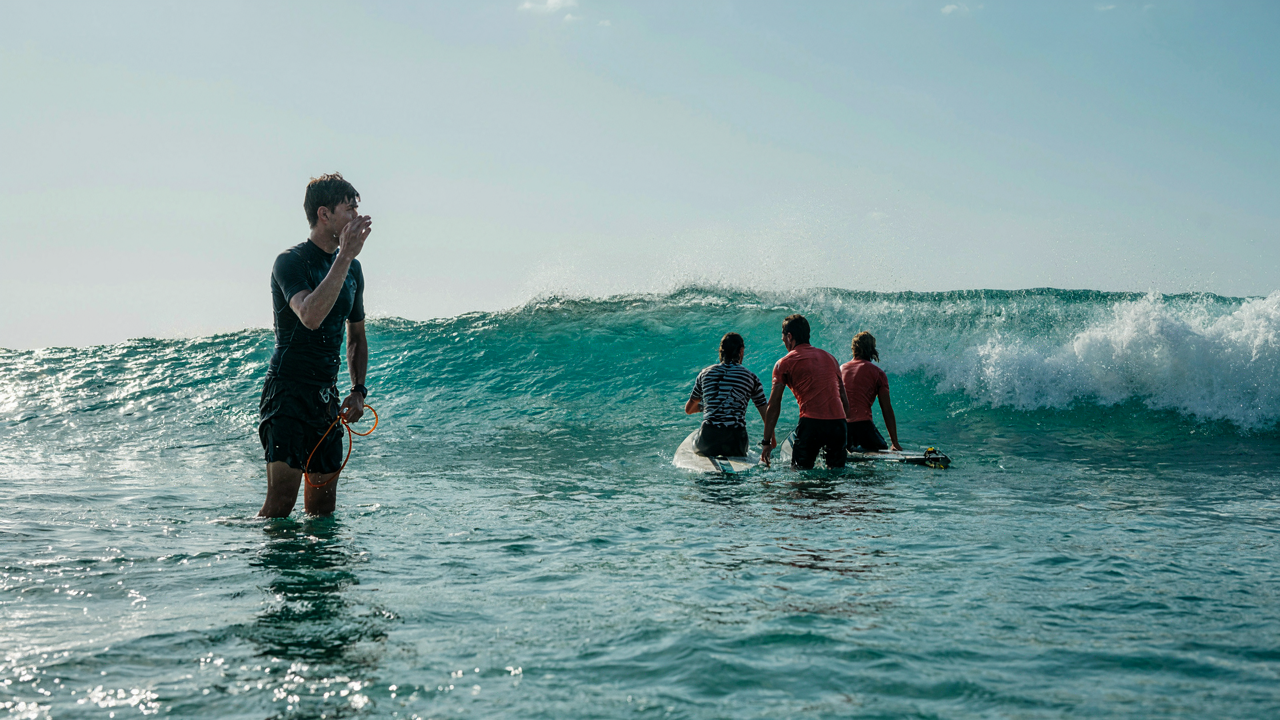
The Illusion Of Instant Thrills: Why Your “Adventure” Falls Flat
Instagram Sold You A Lie About Learning
You want to believe you can jump into something dangerous and look competent doing it. That’s the real draw here, not the activity itself. The mechanism is simple: social media curates the highlight reel, stripping away the 200 hours of failure that precede the five-second clip. You see someone charging a wave or launching off a cliff and assume the gap between watching and doing is smaller than it is.
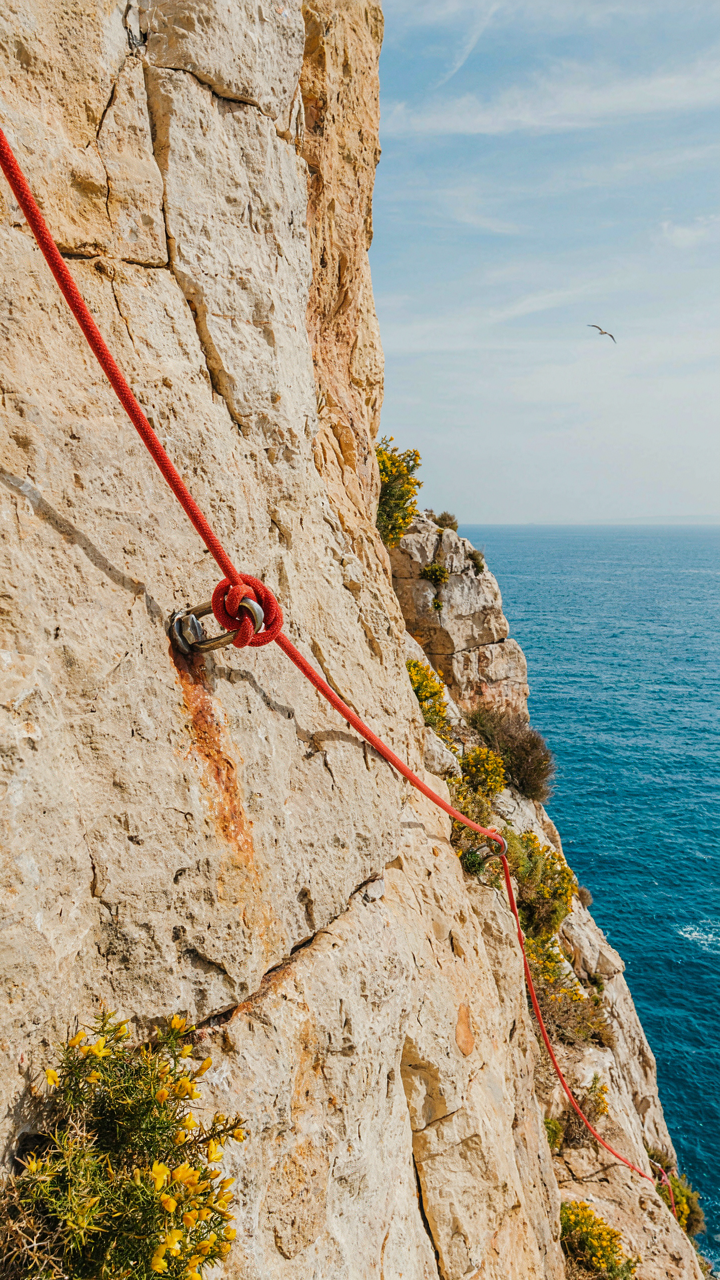
Skill acquisition in coastal sports follows a predictable curve nobody mentions because it’s not viral. Surfing requires months to read water. Rock climbing on sea cliffs demands specific rope systems and anchor knowledge. Kitesurfing means learning wind mechanics and body positioning before you generate any real power. The platforms that monetize your attention show you the peak, not the base camp. Your job is to invert this: assume every coastal activity requires double the practice time you imagine.
The Dopamine Treadmill Disguised As Adventure

Neuroscience calls this the hedonic treadmill: novelty triggers dopamine, but the hit fades as your brain adapts to the stimulus. Coastal sports exploit this perfectly. You chase the rush of paddling out in big water or the fear spike of a new break. Then your nervous system normalizes the experience. You need bigger waves, faster speeds, more risk to feel the same sensation you felt on day one.
This is where most people confuse activity with growth and quit when the neurochemical advantage disappears. The real players don’t chase the rush; they chase mastery, which is a different dopamine system entirely. Mastery requires depth over breadth. Pick one coastal discipline and go deep enough to solve technical problems that matter. That’s where the sustainable reward lives, not in rotating through every sport that looks cool online.

Beyond The Kayaking Aesthetic: The Unseen Grind
The Engine Stops When Your Grip Does
You’re attracted to coastal adventure sports because the highlight reel looks effortless, and you want to be the kind of person who moves like that. The mechanism nobody mentions: your forearms, shoulders, and core will fail before your mind quits. Paddling, climbing, and boarding all demand grip endurance that gym work doesn’t replicate. A kayak paddle stroke looks simple until hour three when your hands cramp and your shoulders burn in ways that feel unrecoverable. The body adapts slowly to repetitive strain on salt water. This isn’t motivation talk. This is why most people quit before they’re competent.
The training model borrowed from rock climbing applies here: progressive volume. You don’t build coastal sport capacity by doing one long session monthly. You build it through consistent, moderate exposure that stacks. Three short sessions per week on the water beats one epic weekend every month. Your connective tissue adapts on a specific timeline, and rushing it creates injury debt. Start with half the duration you think you can handle, then add fifteen percent weekly. This is the protocol that prevents shoulder impingement, tendonitis, and the creeping ache that makes you resent the sport.
The Sea Doesn’t Wait For Your Mental Prep
Coastal conditions shift in minutes, and the stress response you trained for in calm water vanishes when the ocean becomes unfamiliar. You’ll experience moments where the decision tree collapses and your training kicks in automatically, or it doesn’t. Most people confuse confidence with readiness. Confidence fades when the rip current appears or the swell doubles. Readiness is the nervous system’s ability to execute under load. Rehearsing failure scenarios builds this. Not visualizing success. Practicing what happens when the plan breaks.
The protocol is specific: identify one failure mode per session before you enter the water. Example: what do you do if you lose your paddle in two-foot shore break? What if you get separated from your group? What if your board or boat flips in cold water? Run the escape sequence mentally, then engineer a way to drill it without real danger. This rewires your autonomic response so your hands don’t freeze when the situation actually occurs. Your mind follows the path you’ve built repeatedly, not the one you hope exists.
The Current Mastery Protocol For Coastal Sports
Reading Water Like A Navigation Chart
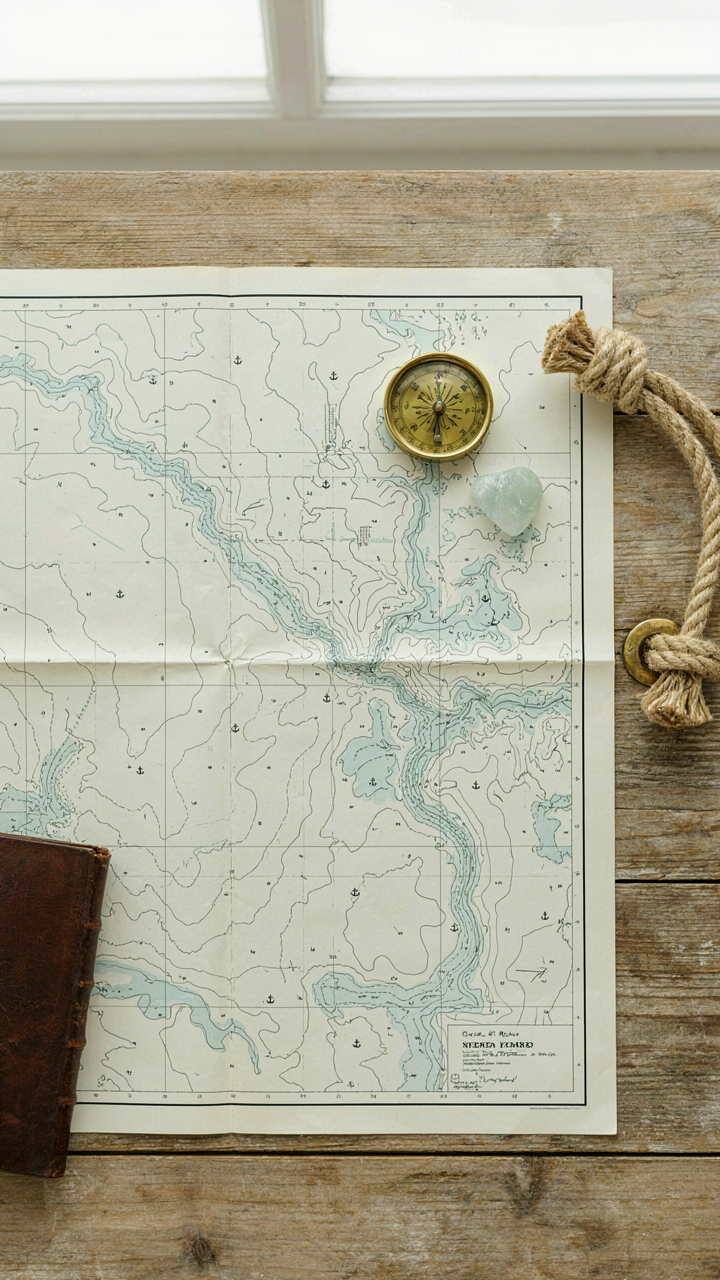
You want to feel competent in an environment that doesn’t care about your intentions. That’s the real draw. Ocean currents and tidal flows operate as a navigation system—military strategists call this “terrain intelligence,” the practice of mapping hidden forces that move through space. Most people treat tides as background noise. They’re actually the primary variable that determines whether a paddle-out, a surf session, or a kayak expedition becomes efficient or exhausting.
Tides shift water volume predictably based on lunar cycles and coastline geography. A rising tide floods into bays and estuaries, moving water inland. A falling tide drains it back out. Currents run fastest during the transition—the first and last hours of tide change. If you enter the water against the current, you’re burning 30 to 40 percent more energy for the same distance. Read a tide table before you commit. Most breaks and launch points shift in quality based on tidal state. You either work with the water’s movement or you work against it.
Anticipating The Shift Before It Arrives
Most coastal sports advice stops at conditions in the moment. That’s incomplete. Military planners use “environmental reconnaissance,” studying patterns to predict state changes before they happen. Apply this to coastal conditions. Wind direction changes. Swell direction rotates. Water temperature fluctuates with seasonal upwelling. These aren’t random.
Learn what your local break looks like across seasons, tide ranges, and wind patterns. Autumn swells arrive from different angles than summer groundswell. Spring brings cold-water upwelling that shifts fish behavior and water density. Winter storms reshape sandbars. The athletes who excel at coastal sports aren’t responding to conditions. They’re predicting them 48 to 72 hours in advance and positioning accordingly. Document what you see. Build a pattern library. The mechanism is simple: prediction beats reaction every single time.
White Water Rafting On The Coast: A Misunderstood Challenge
Tidal Forces Reshape What “Rapids” Actually Means
You want to think coastal rafting is just river runs that happen to end at the ocean. It isn’t. The mechanism driving coastal white water is tidal hydraulics, not gravity alone. Tidal bores, standing waves in estuaries, and rip current formations create rapids that reverse direction twice daily. These aren’t permanent features you can scout once and master.
Coastal rapids demand a different mental model than river systems. The same channel that produces Class III whitewater at peak flood tide becomes flat at slack water. Wave height and formation depend on tidal phase, wind direction, and seasonal swell. You cannot memorize a coastal run the way you memorize the Gauley. You adapt or you get humbled repeatedly.
Wetsuit Construction Changes Everything About Function
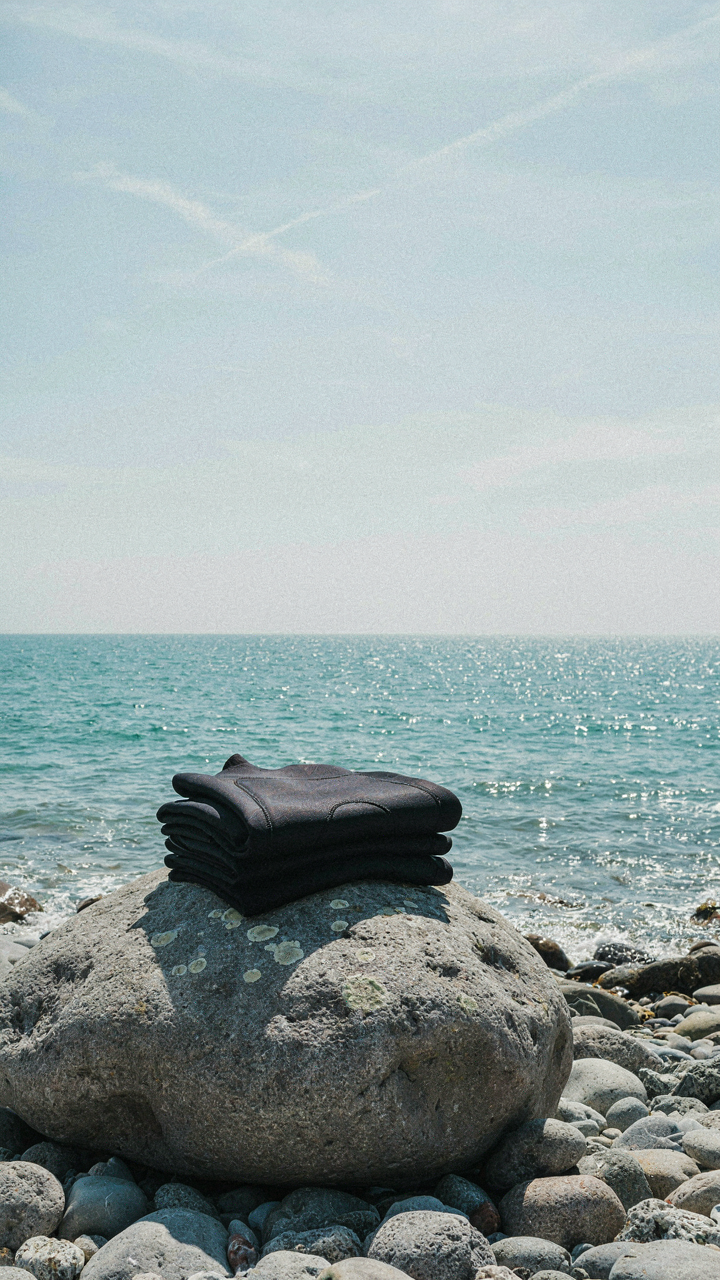
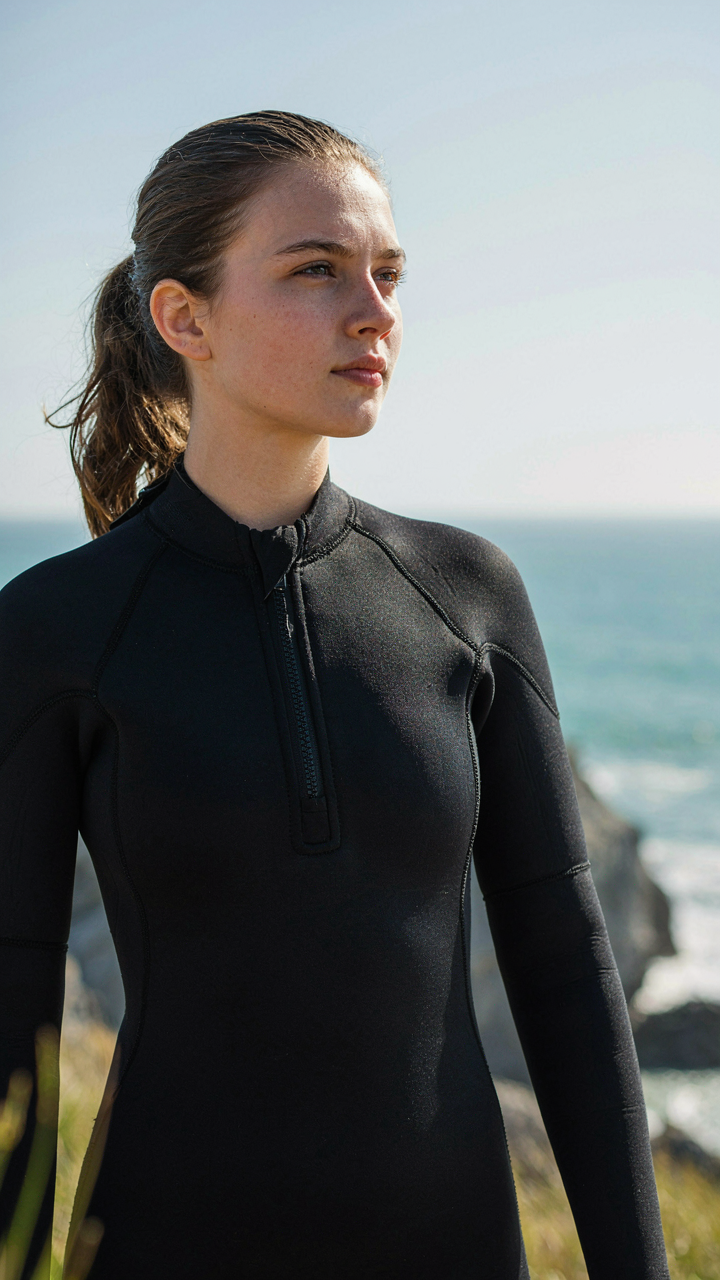
Coastal water temperature, wind chill, and extended exposure demand wetsuit selection that river runners often get wrong. A 3mm spring suit works on mild rivers. Coastal conditions require 5mm minimum in temperate zones and 7mm in cold water. The difference is neoprene density and thermal protection under continuous wind spray, not comfort aesthetics.
Seams matter more than brand. Sealed or glued-and-stitched construction prevents water flushing through joint stress points during high-impact sections. Your legs compress hardest against rocks and rapid transitions. Taped seams on the inner thighs, knees, and calves extend usability by three to six months per season. Buy based on seam type first, then fit.
The True Bucket List Activities: Skills, Not Checkmarks
Build Your Competence, Not Your Feed
You want the story to tell people at dinner, not the actual ability to survive in the water. That’s the real reason you’re reading this. Here’s what matters: coastal adventure sports separate into two categories. One teaches you nothing and leaves you dependent on guides forever. The other builds cumulative skill that compounds over years. The difference isn’t the sport itself—it’s whether you treat it as a transaction or a practice. Surfing, kiteboarding, rock climbing, and diving all follow the same pattern: initial instruction creates false confidence, but deliberate progression builds real competence. You either commit to the learning curve or you stay a tourist.
Most people skip this distinction because it’s harder to quantify on Instagram. You can’t post a photo of competence. You post the one perfect wave or the moment you peaked. But competence is what lets you make decisions alone in conditions that shift. Competence means reading water, understanding your limits, and knowing when to exit. It means investing in your own equipment instead of renting, taking lessons from the same instructor repeatedly instead of sampling different gyms, and showing up consistently during off-season when conditions are rough and crowds are gone. This is how you move from activity participant to actual practitioner.
Commitment Over Novelty
The economy of coastal sports runs on churn. Tour operators, rental shops, and Instagram-bait experiences all profit when you stay shallow. One kayaking expedition, one paddleboard class, one guided dive—each one feels novel, each one generates a story. But none of them compound. Your nervous system doesn’t retain learning from isolated experiences. Neuroscience calls this the spacing effect: repeated exposure to the same challenge, spaced over weeks and months, is what actually rewires your movement patterns and decision-making. A weekend kite school teaches you the basics. Showing up to the same beach every other week for six months teaches you the wind patterns, your equipment’s limits, and your own capacity to recover from mistakes.
The protocol is simple: pick one discipline. Commit for a full season minimum, ideally a year. Train with the same coach or mentor when possible. Use the same equipment long enough to know its behavior intimately. Track your progression in a format you’ll actually reference—video, notes, logged sessions, whatever works. You’ll know the shift has happened when you stop thinking about whether you should go out, and start thinking about what conditions you need to improve the specific skill you’re working on. That’s when the sport becomes a lens for understanding your own limits and expanding them deliberately.
Kayak Photography & Travel Aesthetic: Capturing Reality, Not Fantasy
Gear That Survives Salt Water And Actual Use
You want the shot that proves you were there—the one that makes people believe you’re capable. Here’s the mechanism: salt water destroys gear through oxidation, and most camera equipment fails not from impact but from corrosion you can’t see until it’s too late. The difference between lasting one season and five years is material science, not brand loyalty.
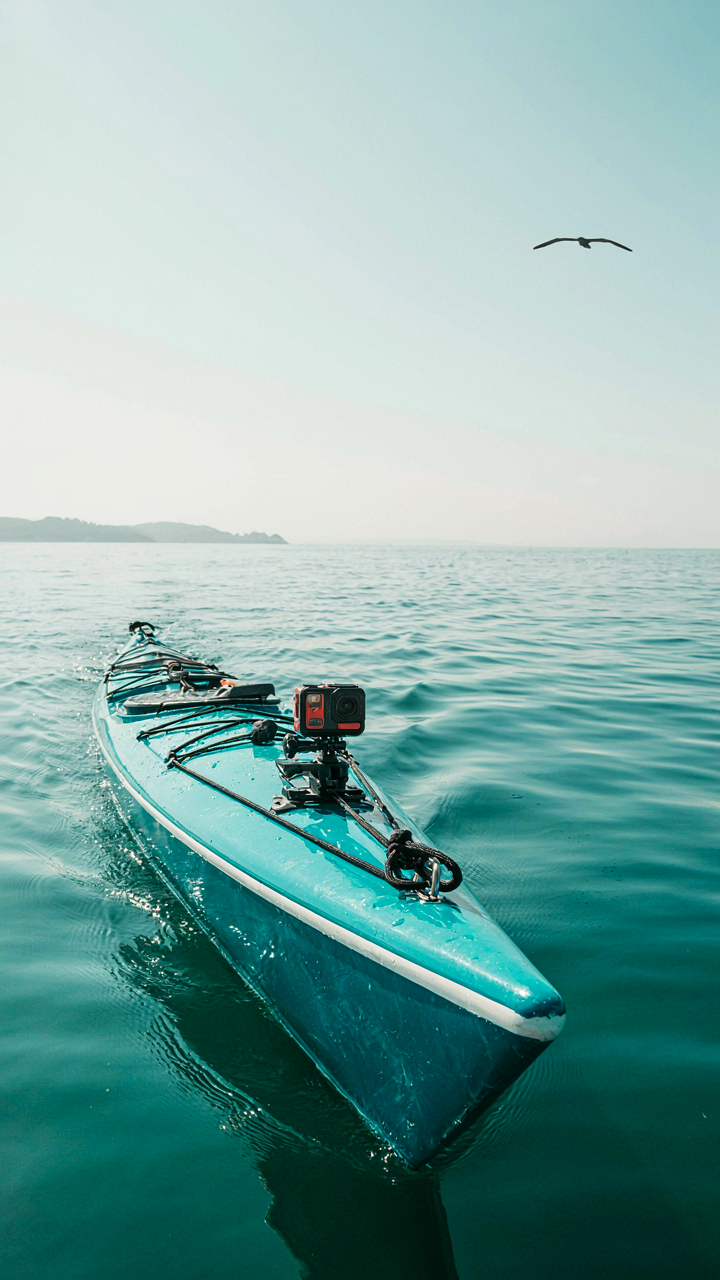
Sealed camera housings use marine-grade aluminum or polycarbonate rated for saltwater immersion. These aren’t waterproof casings you stuff your phone into. Real kayak photography requires either a mirrorless camera in a professional dry case with optical glass ports, or action cameras specifically engineered with conformal coating on internal circuits. The housing port must match your lens focal length precisely—a 35mm port on a 24mm lens introduces optical distortion that makes the image unusable.
The Photograph As Proof Of Observation, Not Performance
Most kayak travel photos are lies told through composition. They stage the moment instead of capturing what the sport actually demands from your body and attention. The real mechanism comes from neuroscience: your brain prioritizes threat assessment over aesthetics when you’re paddling in conditions that matter, so the best photos show that tension, not the absence of it.
Authentic kayak photography documents the work. This means shooting during transitions—loading gear, reading water conditions, recovering from mistakes. It means capturing the moment you realize a tide shift changed the break, or your paddle angle adjusted because wind gusted. The protocol is simple: take the photo that explains why you made a decision, not the photo that makes the decision look easy. Every frame should answer a tactical question about coastal conditions or paddling mechanics that someone trying this sport actually needs to understand.
Fotos De Verão: The Ephemeral Nature Of Coastal Joy
Prepare Or Miss The Window
You want the photo. That’s the real reason you’re reading this. You want proof you did something worth doing. The mechanism is simple: coastal conditions don’t wait for you to figure out your gear. Weather windows close. Swells fade. Tides shift. Most people show up unprepared and spend their time managing logistics instead of being present in the sport.
- Check tide tables and swell forecasts 48 hours prior: Wind direction, swell direction, and tidal range determine whether conditions are rideable. Magicseaweed and NOAA buoy data give you actionable predictions for your specific break.
- Test all equipment the night before: Boards, wetsuits, leashes, and safety gear need zero surprises. A loose leash or cracked board costs you the session.
- Arrive 30 minutes before the optimal window: Peak conditions last 2 to 4 hours. Early arrival means you’re in the water when conditions peak, not paddling out as they fade.
- Film or photograph during your second session, not your first: Your first time at a break teaches you the break. Your second time you know the currents, entry points, and hazards. Then you can move competently enough to capture it.
- Have a bailout plan for deteriorating conditions: Wind can shift. Tides can accelerate. Know your exit strategy before you need it.
Preparedness isn’t about overthinking. It’s about stacking the odds so you’re skilled enough to stay in the water when moments matter. The session where you nail it isn’t random. You engineered it.
Where Tourism Ends And Skill Begins
Most people experience coastal adventure sports as tourists. They book a lesson, follow instructions, post a photo, leave. Immersion is different. Immersion means understanding the ecosystem you’re entering, not just consuming it.
Tourists rent equipment and follow a guide. Immersed athletes own their setup, know their local break intimately, and can read conditions independent of anyone else’s input. The difference is decision-making authority. A tourist asks permission. An immersed athlete makes the call.
Beyond Kayak Aesthetic: Mastering Coastal Navigation

Reading Water Without Pretending You Know
You want to look competent in front of others without admitting you’re terrified of getting lost. Here’s the mechanism: coastal waters aren’t static. They shift with tide, wind, and the seafloor underneath. Map reading means understanding that your chart is a historical document, not a real-time feed. GPS gives you false confidence because it works until it doesn’t, and then you’re reading water like your ancestors did.
Carry a waterproof chart and a compass as your primary tools. GPS is backup only. Learn to spot current lines, color changes in water that signal depth shifts, and how wind shapes surface texture. A nautical chart shows depth contours, but you need to correlate those numbers with what you actually see. Practice in calm conditions first. When conditions matter, your hands should know the compass bearing without thinking.
When Conditions Turn Faster Than You Can React
The gap between “I’ve trained for this” and “this isn’t in my training” closes in minutes on the water. Military doctrine calls this the decision-action cycle, and in coastal sports it works the same way: observe, decide, execute, repeat. Most people fail because they observe too late. By then, the window to execute safely has collapsed.
Establish a personal limit before entering the water and honor it religiously. If wind exceeds your threshold or swell height climbs above your skill level, don’t paddle out. Bring a communication device and tell someone exactly where you’re going and when you’ll check in. Know the nearest exit point from any position you’re in. When conditions deteriorate, reverse course immediately. Hesitation is how people get separated from the coast.
Adventure Aesthetic: The Cost Of Chasing Instagram
The Real Price Of Looking The Part
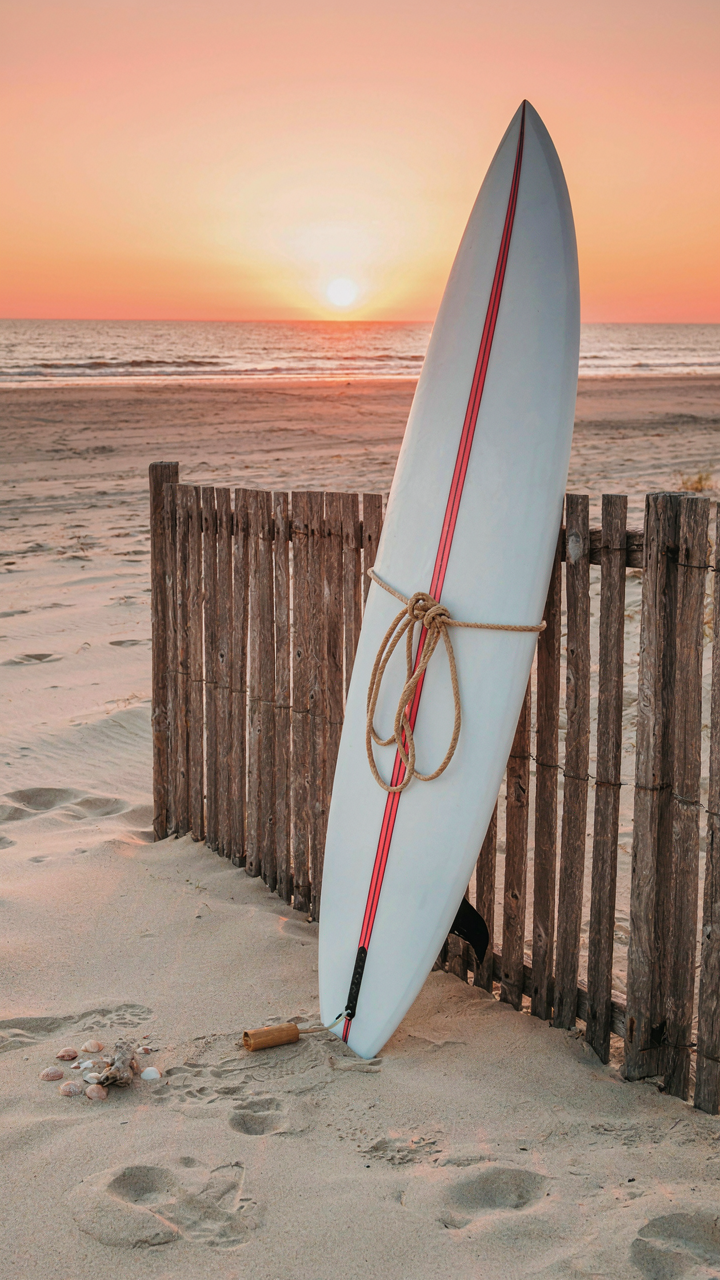
You’re worried you’ll spend money on coastal sports and look stupid doing them. Here’s what actually happens: the aesthetic sells the sport before you learn it, and you pay premium prices for gear that signals commitment before you’ve earned it. Economics calls this “signaling”—you’re buying status, not capability. Beginners drop 800 dollars on a wetsuit because pros wear that brand, then quit after three sessions. The mechanism is simple: social proof precedes competence, and your wallet funds the gap between them.
Coastal sports have visible equipment. Surfboards, paddleboards, climbing ropes, wetsuits—all of it photographs well. The industry knows this. Brands mark up entry-level gear because they’re not selling durability or performance. They’re selling the image of being someone who does the thing. You rent a kayak once, see yourself in the photo, buy a 1200-dollar paddle you don’t need. Gear costs spike hardest in your first month because that’s when you care most about appearing legitimate.
Time Spent Learning Versus Time Spent Looking
Real skill in coastal sports demands monotonous, invisible practice. Surfing takes 50 to 100 sessions before you generate consistent waves. Freediving requires strict progression protocols over months. Rock climbing needs weekly gym time plus route-specific training. Trends ask for none of that. A viral clip of someone doing something extreme lasts three minutes. The actual competence behind that clip took years. Most people chase the clip and abandon the process when they realize there’s no shortcut.
The cost isn’t just money—it’s attention. You can spend two hours a week for six months learning genuine paddling technique on flat water, or you can buy the outfit and post from a beach for engagement twice. One builds real capacity. The other builds a digital archive of yourself as a tourist in your own hobby. The protocol is direct: define what you want—status or skill—then commit your time accordingly. If you choose skill, don’t expect validation until month four.
The Only Obstacle Standing Between You And True Coastal Mastery Isn’t The Ocean; It’s Your Own Complacency
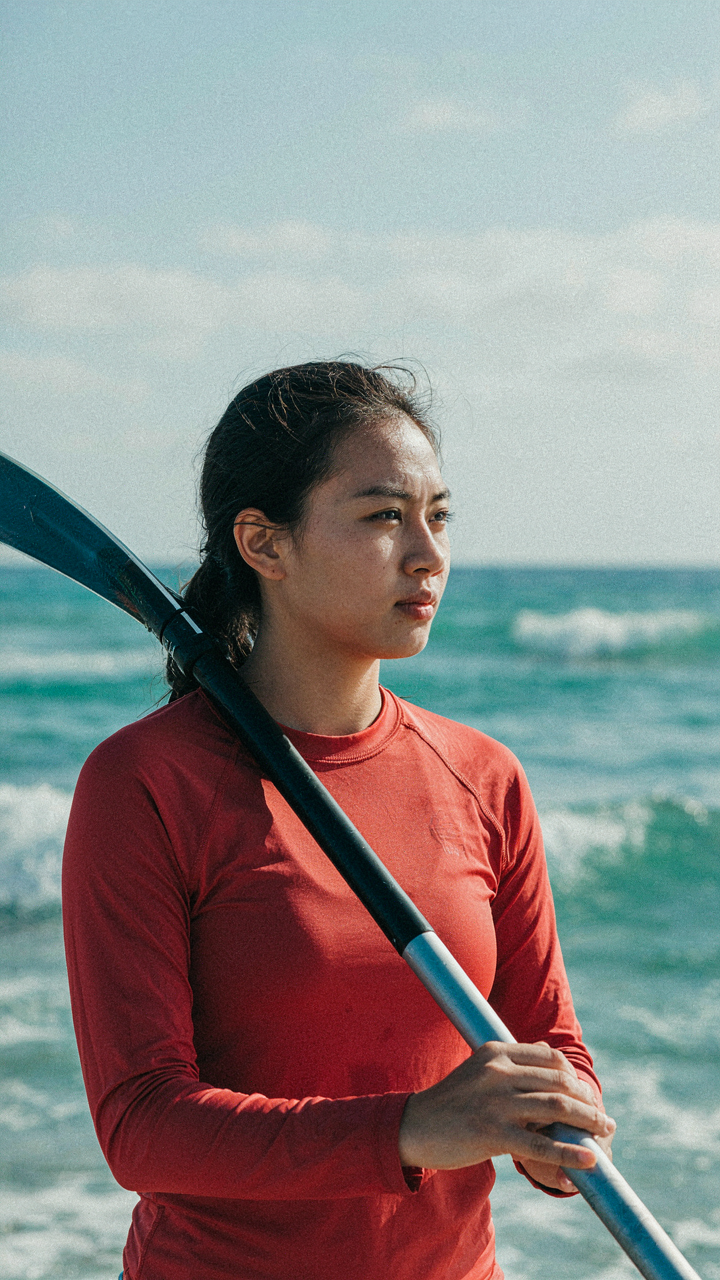
Most people treat the coast like a postcard. They visit, take photos, leave. You won’t. Pick one sport this week. Book it. Show up. The difference between those who master coastal adventure and those who don’t isn’t talent or money. It’s that one person decided the ocean was worth their actual time instead of their theoretical interest. Your fear of looking stupid for three hours is exactly what separates you from people who own their element.