
The Vertical Allure: Why We Crave The Edge
Elevation As Status Signal
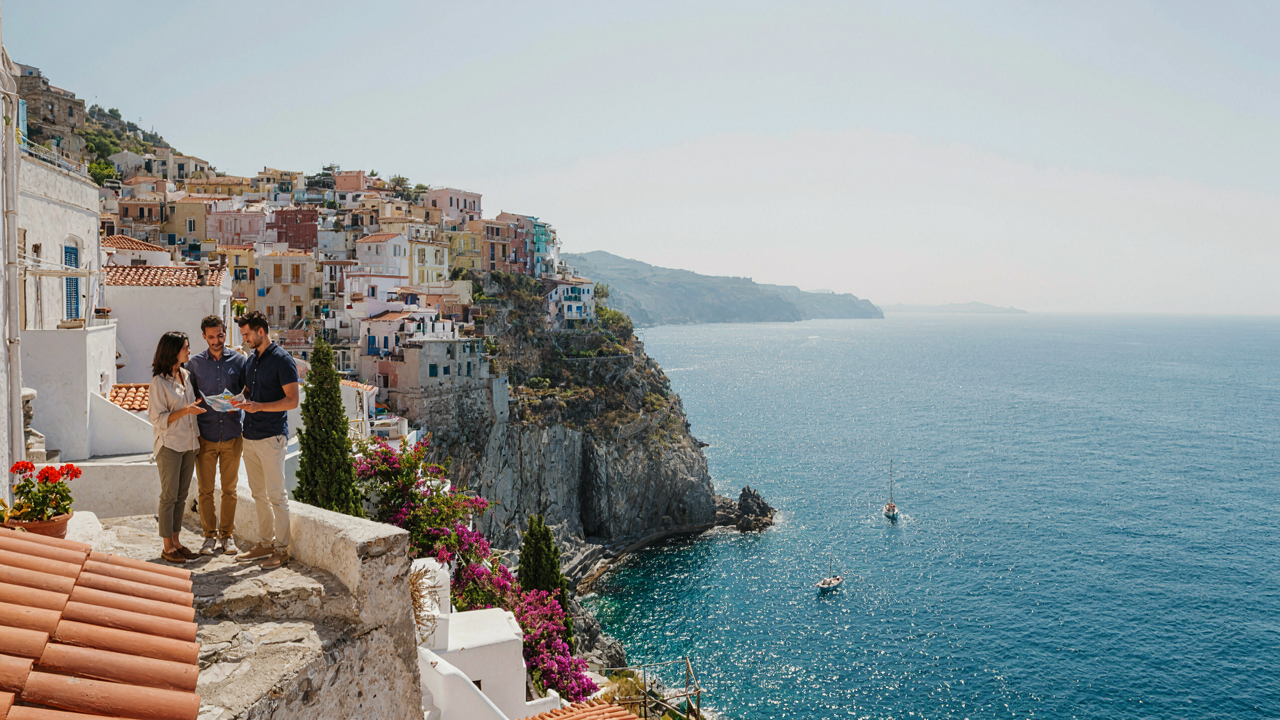
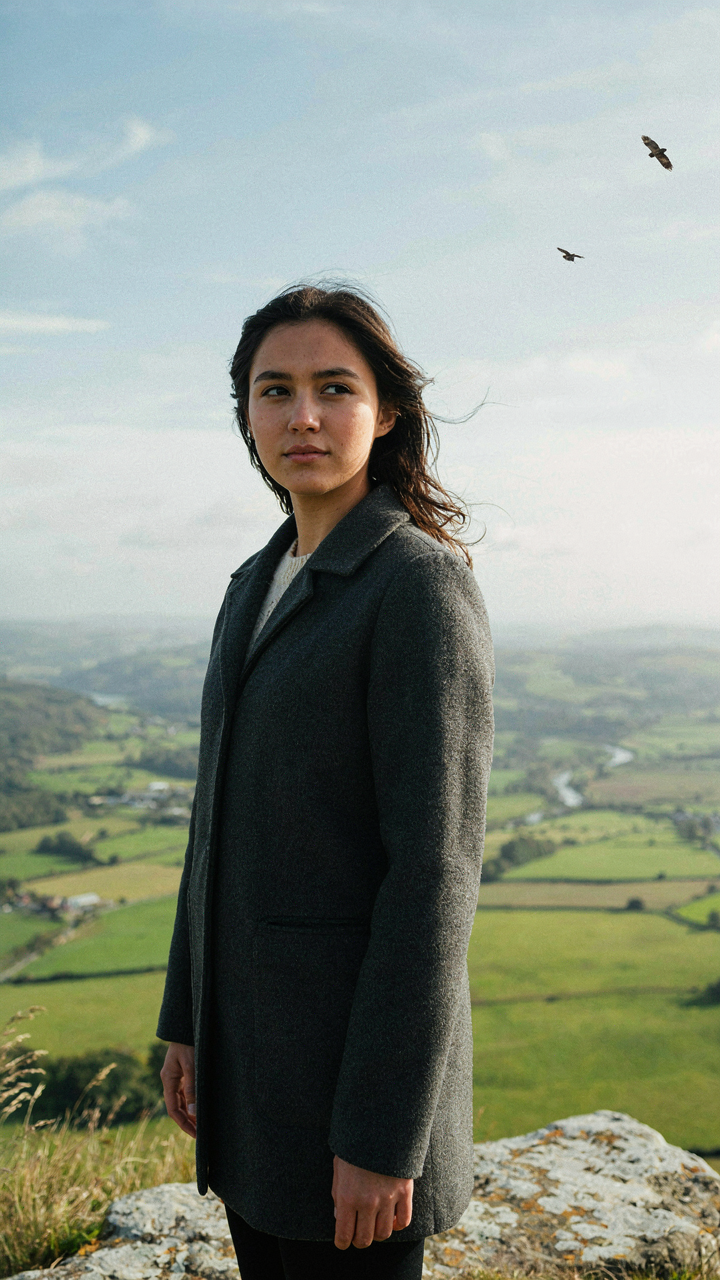
You want to tell people you’ve been somewhere most people haven’t. Elevation triggers a primal response: the higher you stand, the farther you see, the safer you are from predators. Our ancestors survived by occupying high ground. That instinct hasn’t left us. Cliffside villages exploit this directly. They sit where humans historically built settlements to avoid threats and maximize visibility. You’re not just visiting a location—you’re occupying a position that signals dominance, awareness, and survival advantage. The mechanism is biochemical. Standing at height releases cortisol and adrenaline differently than flat terrain. Your nervous system recognizes the vantage point as valuable real estate, which is why cliffside villages feel consequential.
The elevation preference appears across every human culture. Medieval settlements, Nabataean strongholds, Mediterranean villages, and Southwestern pueblos all follow the same pattern: high ground equals survival. This isn’t romantic sentiment. It’s architecture reflecting thousands of years of evolutionary pressure. When you visit a cliffside village, you’re not escaping modernity—you’re returning to the only settlement strategy that actually worked. Your body knows this before your mind does.
The Edge Between Control And Chaos

Psychology calls this the “tension between safety and risk,” but that’s vague enough to be useless. What matters is the mechanism: you experience two competing sensory inputs simultaneously. Your visual cortex registers a threat (exposure, height, vulnerability). Your prefrontal cortex registers control (solid ground beneath you, clear sightlines, defensible position). That tension is the actual attraction. Not the danger itself. Not the beauty. The specific discomfort of being safe while perceiving threat. Cliffside villages manufacture this tension structurally. Narrow pathways with sudden drops. Stone walls that are both protective barriers and reminders of the void beyond. Balconies overlooking vertical space.
Most travel writing misses this entirely. It sells you the “breathtaking views” and “dramatic vistas.” That’s marketing noise. The real draw is the cognitive dissonance resolved by your own survival instinct. Your amygdala fires. Your equilibrium system recalibrates. You feel hyper-alert because you are. Cliffside villages force your nervous system to make a decision: panic or trust the architecture. When you choose to trust, you feel a genuine sense of accomplishment that flat terrain never produces. That’s not sentimentality. That’s neurology doing its job.

Beyond Santorini: True Cliffside Gems (Greece Travel)

The Villages Nobody’s Heard Of Yet
You want the Instagram version of Greece without the crowds. That’s the real pitch here, and it won’t work the way you think. The mechanism is simple: Santorini got famous, prices tripled, authenticity died. The escape route isn’t finding a “hidden gem” three islands over—it’s understanding that cliff villages work on scarcity. Once they’re discovered, the economics change. Naxos has legitimate cliff settlements like Apiranthos and Filoti. Paros holds Naoussa, which sits on actual rock formations overlooking the Aegean. Antiparos has Kastro, a medieval fortified village built directly into cliffsides. These places still operate on local economics, not tourism pricing. The difference between Santorini and these villages isn’t location. It’s timing.
The common advice tells you to book a hotel and enjoy the view. Wrong frame. You’re not there for the view. You’re there to see how people actually live when tourists aren’t the primary income source. Apiranthos still has working marble quarries. Kastro still has narrow streets designed for defense, not photo ops. Local tavernas serve food made for locals, priced for locals, before the restaurant Instagram optimization happened. Spend three days minimum in any cliff village. Two days gets you the surface. Three days shows you the rhythm. You’ll notice when shops open, which streets stay quiet, where the real community gathers. That information is the actual product you’re buying.
Where Crowds Haven’t Destroyed The Signal
Tourist traps share one mechanism: they optimize for first-time visitors. The entire experience gets compressed into a 48-hour package. Everyone sees the same sunset from the same viewpoint at the same time. The signal gets buried in noise. Authenticity means the place still prioritizes residents over visitors. Naxos’s cliff villages maintain this because agriculture and fishing still matter economically. Filoti produces cheese and wine for the island’s consumption first, visitors second. The architecture reflects this priority too. Houses face inward toward courtyards, not outward toward view-maximization. Stairs narrow because they were built for locals carrying goods, not for comfortable tourist foot traffic.
Walk the streets at 8 AM, not 6 PM. You’ll see the actual economics working. Bakeries open for workers, not for the Instagram crowd. Tavernas prep lunch for people who live there. This is when you gather real information about what matters to the community. Visit in shoulder seasons: late April through early June, or September through October. You avoid both the summer surge and the winter closure. Prices stay reasonable. Locals aren’t burned out yet. The village functions as a place, not as a stage. Book accommodations with families who rent two or three rooms, not hotels. You’ll eat breakfast with people who know the area. They tell you which restaurants serve actual food versus tourist versions.
The Unseen Engineering: Defying Gravity Daily
How Ancient Builders Beat Physics
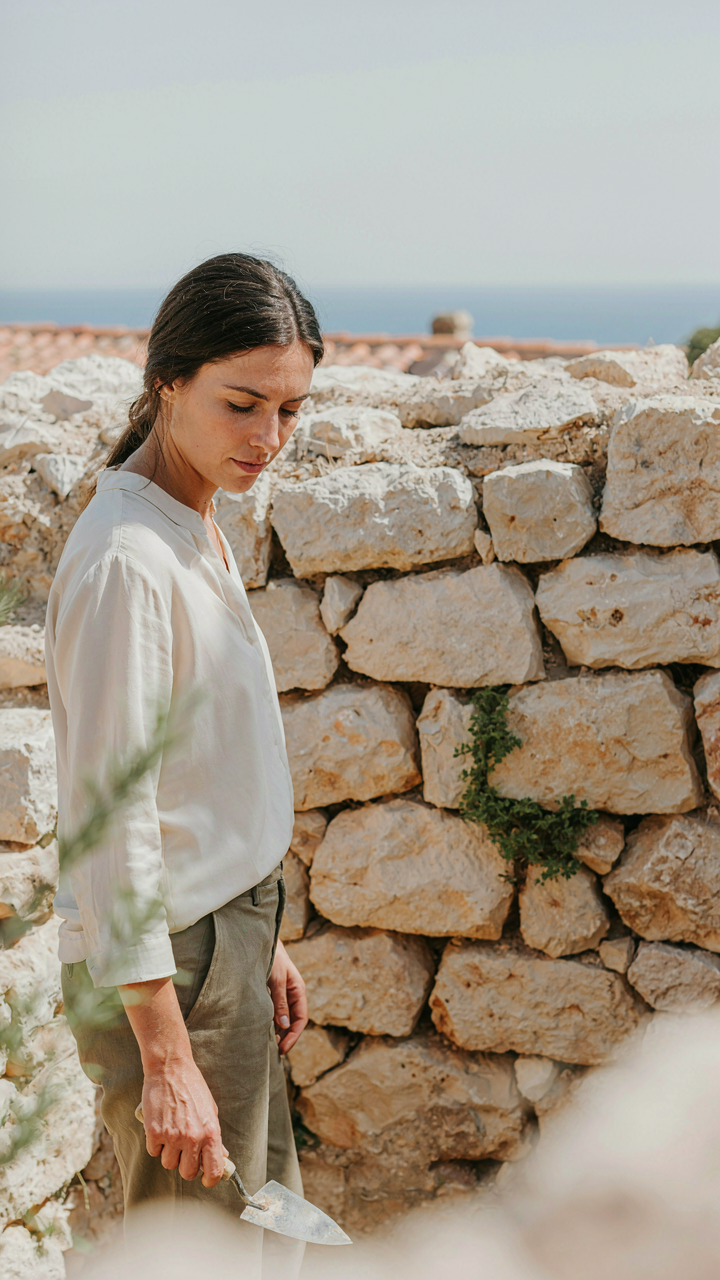
You want to believe cliffside villages are romantic accidents, but they’re actually solutions to survival problems you’ll never face. Medieval builders didn’t choose cliffs for views. They chose them because gravity does the defensive work. Steep terrain meant fewer invasion routes, easier water management through natural runoff, and natural drainage that prevented disease.
The mechanism was pure constraint engineering. Builders used dry stone stacking, a technique requiring no mortar, allowing structures to shift microscopically with ground movement instead of cracking. They carved dwellings directly into rock faces, distributing load across the entire cliff face rather than concentrating it on a narrow foundation. This wasn’t innovation born from abundance. It was innovation born from having no other option and needing to survive.
When Infrastructure Becomes The Problem
The common take is that old villages just weathered centuries fine, so modern ones will too. That’s incomplete. Modern cliffside villages face a single fatal pressure: water infiltration at industrial scale. Cars, plumbing, concrete patching, and acid rain create pathways that ancient dry stone never encountered.
Structural engineers now fight a compounding problem. Each repair cycle introduces materials with different expansion rates than original stone, creating stress fractures that spread inward. Villages like Civita di Bagnoregio in Italy lose meters of cliff edge annually because modern stabilization attempts often accelerate the breakdown cycle itself. The real protocol is periodic abandonment and relocation, not permanent defense. Some villages acknowledge this openly. Most don’t.
The Isolation Paradox: Community On The Brink
Why Cliffside Villages Stay Bonded
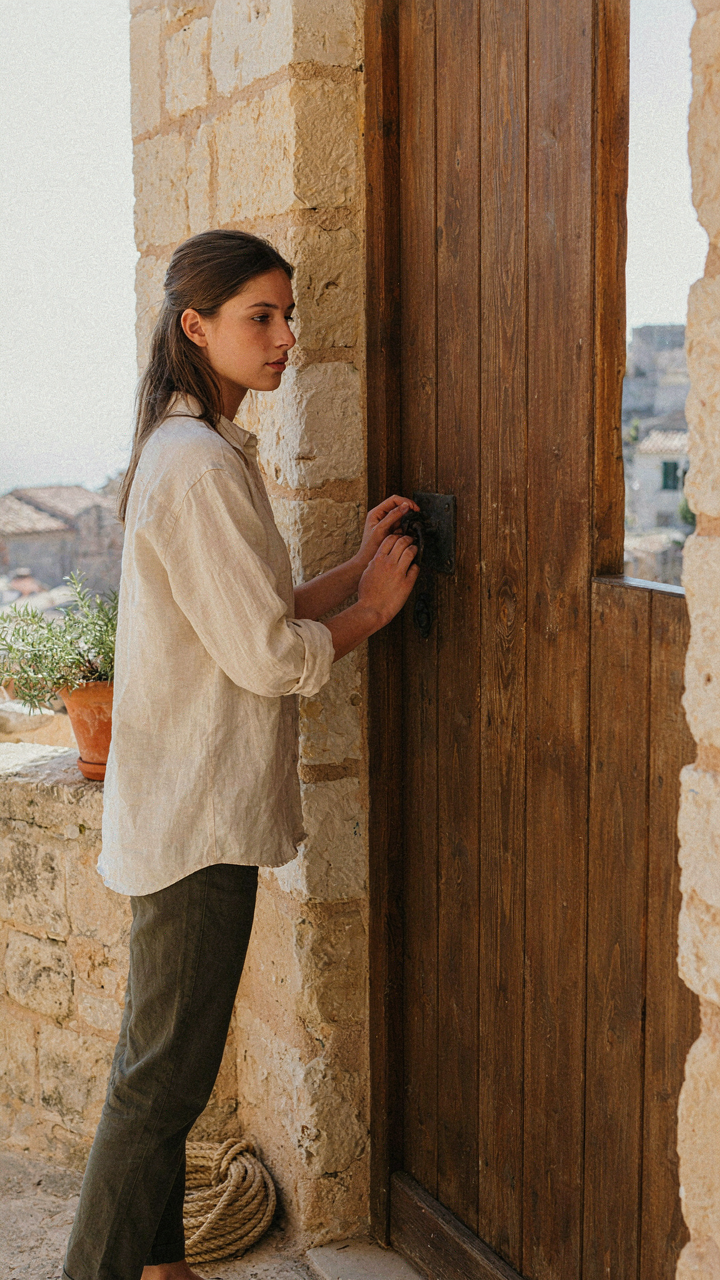
You want to believe isolation breeds authentic connection because it makes your digital detox feel noble. Here’s the mechanism: cliffside villages eliminate the exit option, forcing residents to solve problems locally or starve. When you can’t leave, you cooperate. Proximity plus constraint equals interdependence. Villages built on cliffs in regions like Andalusia, Greece, and parts of Italy developed survival systems where one family’s crop failure becomes everyone’s problem. The architecture itself enforces this—narrow streets force face-to-face conflict resolution. There’s no avoiding the neighbor you wronged.
Economic stress actually tightens social bonds in these communities. Young people leave for cities, which sounds like death but functions as a filter: those who stay choose it. They inherit not just property but a functioning social contract. Marriages last longer. Favors get repaid across generations. Business disputes settle through mediation, not lawyers. The village operates on reputation capital that money can’t buy or fake.
Revenue Without Becoming A Theme Park
Most advice about rural economics misses the key leverage point: cliffside villages fail when they optimize for tourism instead of residents. Positional economics—the field studying how value compounds based on location and status—applies directly here. Scarcity is the village’s only real asset. Once you brand it, photograph it, and advertise it, scarcity dies.
Villages that survive economically do three things simultaneously: they maintain housing costs locals can afford, they create work that doesn’t require leaving, and they price tourism high enough to discourage casual visits. Vernazza in Italy limits day-trippers. Civita di Bagnoregio in Umbria restricts access to foot traffic only. Both remained economically stable longer than villages that opened every piazza to Airbnb operators. The protocol is simple: decide if you’re building a living community or a museum, then price accordingly.
The “Edge Effect” Protocol: Maximizing Views, Minimizing Crowd

When Crowds Thin Out
You want the view without the Instagram pile-up. That’s the real ask here, and it’s not shallow—solitude at elevation changes how you actually process the landscape. Ecology calls this the “edge effect,” where two ecosystems meet and create distinct conditions. Cliffside villages operate on the same principle: the boundary between inhabited space and void creates concentrated intensity, but only if you time it right. Most visitors show up during daylight hours when buses unload. The mechanism is simple: arrive before sunrise or after the last tour group leaves, and you access the same physical location as a fundamentally different experience.
Dawn access requires logistics. You need accommodation in or directly adjacent to the village, not a hotel thirty minutes away. Positano, Oia, and Ronda all have guesthouses within the tight medieval streets. The early window spans roughly 5 AM to 7 AM depending on season and latitude. Late evening works better for accessibility—most tourists clear out by 7 PM, and you have until dusk to move around the cliff edges safely. The specific mechanism: you’re not avoiding crowds through a secret route; you’re using temporal arbitrage. The view doesn’t change, but the cognitive load drops to near zero.
Where Nobody Else Looks
The standard advice is find a less famous village. That’s incomplete and lazy. Fame matters less than sight lines. Most visitors stay within fifty meters of the main piazza or the designated viewpoint. They cluster where infrastructure exists: railings, benches, photo markers. The real uncrowded views sit one street back or on the far edge of the promontory where no path leads directly. In Civita di Bagnoregio, Italy, the northern cliff face gets a fraction of the traffic facing south toward the tourist entrance. You don’t need a lesser-known village; you need a different vector within the village itself.
Identify these spots using the map before arrival. Look for streets that dead-end at the cliff face. Mark locations where the settlement edge meets the drop without formal viewing infrastructure. These are always accessible, often paved, but psychologically filtered out because they lack the designation of “viewpoint.” In Manarola, Cinque Terre, the eastern edge beyond the main town square offers unobstructed views with minimal foot traffic. Walk the perimeter, not the center. The mechanism: exploit the fact that human attention follows marked paths. Unmarked edges with identical views remain functionally empty.
The Climate Calculus: Erosion And Endurance

Water, Wind, And The Cost Of Placement
You care about this section because you want to believe a cliffside home is timeless, that it sits above the chaos. It doesn’t. Water is geology’s primary weapon. Rain infiltrates micro-fractures in cliff faces. Freeze-thaw cycles expand that water, cracking stone from the inside. Coastal villages face salt spray that corrodes mortar and metal. Wind doesn’t erode cliffs directly, but it drives water into joints and accelerates moisture cycles. The dwellings survive only because builders understood water management as survival, not aesthetics.
Most cliffside villages in Mediterranean zones developed drainage systems centuries before modern engineering existed. Positano, Amalfi, and villages along the Dalmatian coast built sloped streets, guttered roofs, and water channels that funnel runoff away from structural foundations. Vernacular architecture solved a physics problem: moving water fast and far. Abandonment of these systems is why restoration costs explode. The mechanism is simple: neglect the water protocol, and the cliff eats the building.
Stone Type Determines Lifespan
Geological stability isn’t about whether a cliff looks solid. It’s about mineral composition and layering. Limestone cliffs fracture along bedding planes where softer layers weaken under stress. Granite resists differently: it fails through joint expansion when water penetrates deep cracks. Volcanic rock, common in Mediterranean villages, compresses well but fractures unpredictably. The villages that endure sit on rock that fails slowly and predictably, not dramatically.
Vernazza in Cinque Terre perches on Schist and slate layered tightly enough to shed water efficiently. The cliff doesn’t crumble in decades. Villages built on fractured limestone or poorly consolidated sediment require active reinforcement: netting, grouting, drainage tunnels. Before booking a stay or considering relocation, verify the cliff composition. Geological surveys map failure planes. The cliff’s age doesn’t matter. Its internal structure determines whether it will support human habitation for another century or fail within a generation.
Luxury Vs. Authenticity: What You’re Really Paying For

The Real Price Of Convenience
You’re reading this because you’re afraid you’ll miss the “real” experience if you don’t pay premium rates. That’s the mechanism: luxury operators exploit the anxiety that authentic moments require expensive gatekeeping. They don’t. The markup funds predictability, not access. A five-star hotel in Positano charges triple the rate of a family-run pensione fifty meters away because guests pay for removal of friction, not revelation. The village itself costs nothing extra.
The economic principle here mirrors supply and demand curves: as visitor volume increases, scarcity becomes the actual commodity. What you’re buying isn’t the cliffside village. You’re buying isolation from other tourists. The irony is brutal: spending more to experience authenticity typically means experiencing fewer locals and more international staff trained to serve your expectations rather than reveal theirs.
Where Real Value Actually Sits
Skip the conventional advice about “supporting local economies through tourism spending.” That’s incomplete. Supporting local economies means staying in accommodations locals would book themselves, eating where locals eat at the hours they eat, and arriving during seasons when the village functions without you. Oia, Santorini operates as a functioning place October through March. June through August it performs for cameras. The difference in what you observe and learn is categorical.
Genuine cultural immersion requires one protocol: extend your stay beyond the long weekend. Three days reveals postcard views. Two weeks reveals how residents solve problems you didn’t know existed. You witness the rhythm of work, of repair, of seasons changing the village’s actual needs. A cliffside village’s true character emerges only when you stop being an event and become a fixture, however temporary.
The Bio Dynamics Of Ascent: Your Body’s Adaptation

What Stairs Actually Cost You
You want to know if your body can handle cliffside villages without suffering. Here’s the mechanism: constant elevation gain taxes your cardiovascular system, leg muscles, and oxygen delivery in ways flat terrain doesn’t. Evolutionary biology maps onto vertical architecture like load on a structure. Your heart pumps harder. Your legs accumulate lactate faster. Your lungs work at higher capacity. Most people ignore this until they’re gasping halfway up a stone passageway in Positano or Ronda.
The real cost isn’t the climb itself. It’s sustained elevation. Your body needs three to five days to adapt to living at height, even modest height. Cliffside villages sit between 300 and 1,000 meters above sea level depending on location. At these elevations, oxygen saturation drops enough to trigger adaptation. Your red blood cell production increases. Your breathing deepens. You feel it most on day two, not day one, because your body hasn’t yet compensated for the constant demand.
Evolution Built You For Stairs, Then Broke The Deal
Humans evolved climbing. Our ancestors navigated vertical terrain daily. Our leg muscles, joint architecture, and aerobic capacity reflect that reality. Then we invented elevators and cars. We stopped climbing. Now stairs feel harder because deconditioning is real, not because evolution failed you. The mechanism is straightforward: muscle atrophy reduces force output and endurance capacity simultaneously.
Walking stairs for five minutes straight should not exhaust a healthy adult. If it does, your quadriceps and calves have lost contractile efficiency. Cliffside villages demand sustained stair work, sometimes for hours across multiple days. Your body adapts quickly if you train it, or it quits if you don’t. Start climbing before you visit. Twenty minutes of stair work three times weekly for four weeks rewires your cardiovascular response and builds the specific muscle endurance you need.
Curated Cliffs: The Illusion Of Discovery

Why Instagram Broke Your Travel Instincts
You want to believe you’re discovering something. That’s the real reason you’re reading this section. The mechanism is simple: Instagram algorithmically promotes the same fifteen cliffside villages to everyone simultaneously, then your brain mistakes repetition for authenticity. You see Positano or Ronda forty times across different accounts and assume they’re objectively worth visiting. They’re not objectively anything. They’re just algorithmically visible.
The distortion runs deeper than aesthetics. Instagram’s feed rewards extreme angles and golden hour lighting, which trains your eye to expect villages to look like edited versions of themselves. Real cliffside architecture—Civita di Bagnoregio’s eroded pumice towers, Monsanto’s boulder-integrated stone houses, Hallstatt’s Alpine positioning—gets compressed into two-dimensional geometry. You visit expecting the angle, not the place. The algorithm has weaponized your anticipation against your actual experience.
The Real Cost Of Consensus Travel
Conventional advice says research thoroughly and use travel guides. That’s incomplete. The actual problem is that travel consensus creates scarcity where none exists. Twenty thousand people now visit Oia, Santorini, daily during peak season because it ranked high on aggregator sites five years ago. The village becomes unusable by its own popularity. You end up in a crowd photographing a location you chose because crowds had already photographed it.
The mechanism comes from economics: information asymmetry collapses when everyone accesses the same sources. You need to reverse-engineer which villages get overlooked not because they’re inferior, but because they lack algorithmic momentum. Civita di Bagnoregio requires a thirty-minute walk across a footbridge and deliberate navigation. Monsanto sits in rural Portugal with no hotel infrastructure. These aren’t hidden gems. They’re simply unconvenient enough to stay off the algorithmic carousel. Your job is finding places that solve an actual problem—whether that’s solitude, specific architecture, or access—not chasing coordinated visibility.
The Descent: Leaving The Cliffside Mentality Behind

What The Experience Actually Changed
You visited cliffside villages hoping the trip would fix something about yourself. That’s the real reason this section matters. The mechanism is simpler: cliffside environments force you into a narrower decision space. Fewer distractions exist on a cliff. Fewer escape routes mean commitment. You can’t scroll or work around the actual moment. The village architecture and positioning strip away your ability to defer.
When you return to flatland, you notice the reverse problem immediately. You have unlimited directions to move in. The psychological weight lifts because responsibility diffuses across infinite choices. Most people call this “freedom” when it’s actually just cognitive slack. The cliffside mentality was about constraint creating clarity. Flatland offers clarity’s opposite: paralysis disguised as optionality.
Translating Scarcity Into System
The real advice on this topic is hollow. Most guides tell you to “bring the peace back home” or “remember the feeling.” That doesn’t work. You need to borrow from architecture itself. In cliffside villages, load-bearing walls are positioned to handle stress at specific points. Not everywhere. You apply the same principle to your flatland schedule: identify which constraints you’ve removed that you shouldn’t have. One decision point per morning. One direction per week. One major output per quarter. The specificity matters more than the inspiration.
Constraint is a design choice, not a consequence of geography. Before you settle back into flat terrain routines, audit what you actually need to remove access to. Not permanently. Temporarily, strategically. The cliffside taught you that removing options increases output. Build friction into your flatland setup the same way ancient builders positioned doorways to force specific movement paths. The mechanism works across contexts.
The Illusion Of Escape Isn’t Found On A Cliff; It’s In Your Inability To Find Peace Where You Stand
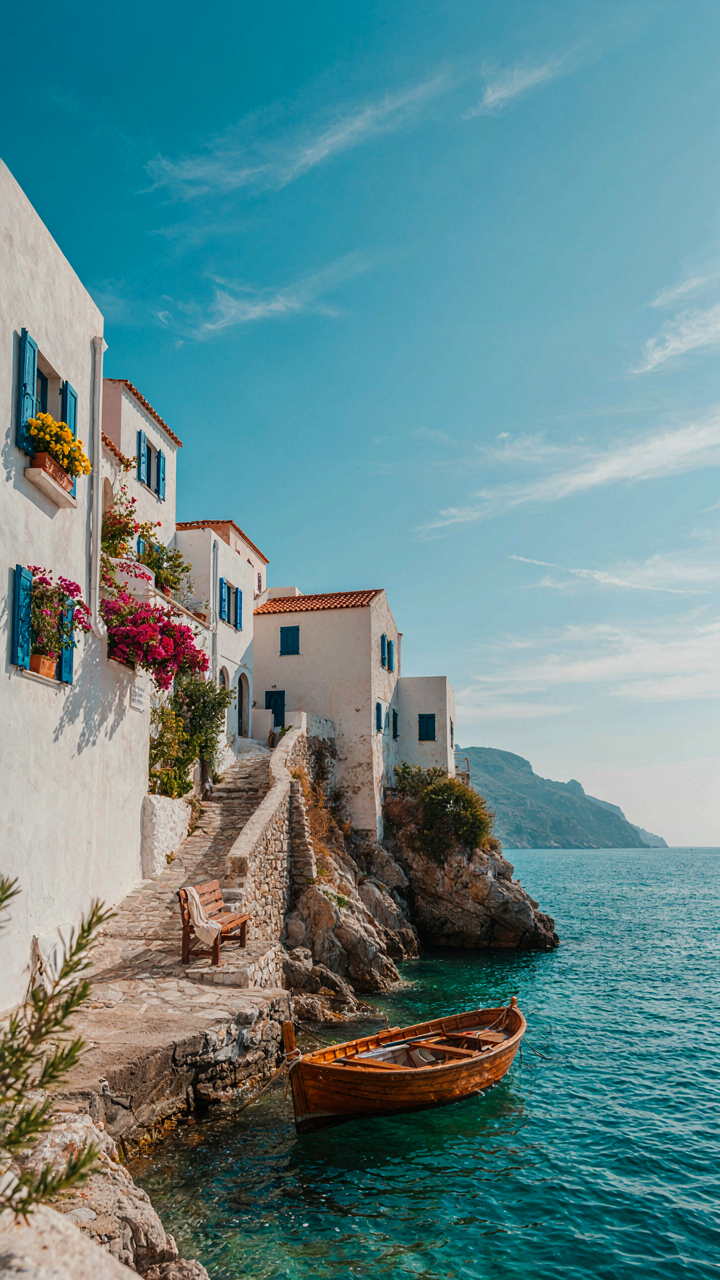
You don’t need a cliffside village to fix what’s broken inside you. Travel won’t heal distraction. A thousand meters of altitude won’t cure your inability to sit alone. Pick one village from this list and book it today, but understand what you’re actually running from first. The real escape isn’t geographic. It’s the choice to stop moving long enough to think.