

The Adrenaline Illusion: Why “Beginner” Advice Misses The Point Of Cliff Jumping

Mistaking Thrill For Skill
You’re drawn to this because you want proof you’re alive, and jumping off a cliff feels like the fastest way to collect it. The mechanism is simple: your body releases cortisol and adrenaline in response to perceived threat, not actual danger. Most beginner advice confuses the rush with competence, telling you to “feel the fear and do it anyway.” That’s backward. The thrill is what happens when you ignore the gap between your skill and the environment’s demands.
Beginners mistake adrenaline for permission. They jump, feel invincible for three seconds, and assume they’re ready for bigger heights. They’re not. They’ve only proven their nervous system responds to stimuli. Actual cliff jumping skill is invisible during the jump itself. It lives in site assessment, water depth verification, entry technique, and what you do if something goes wrong. The adrenaline rush is a side effect of poor planning, not evidence of competence.
Overcoming Fear, Not Avoiding It

Fear operates on a biological gradient, not a switch. In survival neurobiology, fear triggers either approach or avoidance depending on whether your brain perceives control over the outcome. Most beginner advice teaches avoidance tactics: meditation, breathing exercises, positive self-talk. None of that removes the actual variable that’s scaring you. You need to shift from managing fear to restoring the perception of control over the jump itself.
The mental work happens before you touch the cliff. You walk the spot multiple times. You watch water conditions change across tide and season. You practice your entry on lower heights until the movement is automatic, not something you think through mid-fall. Fear drops when your brain recognizes the sequence as survivable because you’ve proven it survives. The final step is committing to the jump only when your nervous system has downgraded the threat from unknown to known variable.

Beyond Big Island Cliff Jumping: The 3 Tiered Assessment Protocol
Site Evaluation Before You Jump
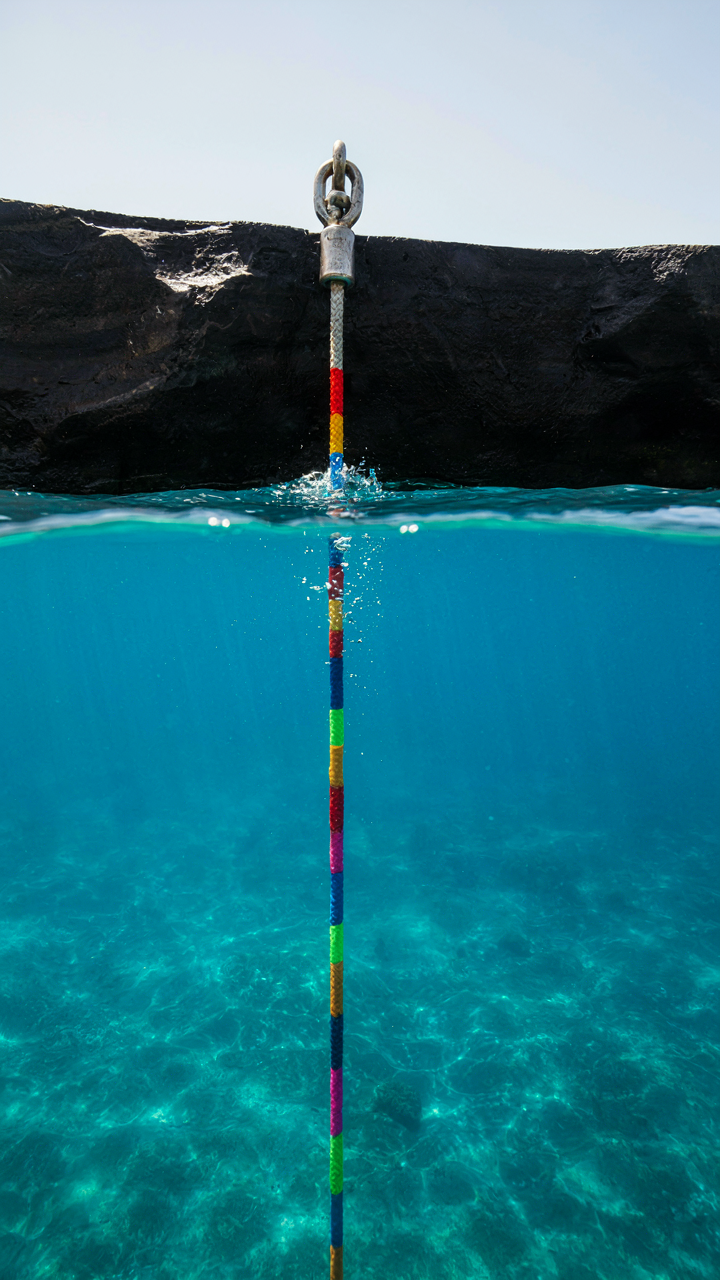
You want proof this spot is safe so you don’t look stupid in front of your friends. Here’s the mechanism: water depth and current behavior are independent variables. A 40-foot cliff over 12 feet of water kills you the same way a 20-foot cliff does. You need both conditions met simultaneously, not one or the other.
Start by measuring depth with a weighted rope or by asking locals who’ve jumped there for years. Mark the exact entry point where water is deepest. Check for submerged rocks, sandbars, or sudden drop-offs that shift with tide or season. Current direction matters because it moves you sideways during freefall. Jump on a calm day first, not when wind pushes you toward rocks or shallow zones.
Personal Readiness Across Three Dimensions
You think readiness is about being brave. It isn’t. Using a framework from sports medicine, readiness has three separate load categories: structural, metabolic, and neurological. Miss one and your body fails under impact stress, regardless of how fearless your mindset feels.
- Structural readiness: Your joints and connective tissue absorb deceleration force. Test this by doing single-leg squats to parallel depth without balance compensation. If you can’t control the descent, your ankles and knees aren’t ready for 30mph water impact.
- Metabolic readiness: Your cardiovascular system handles oxygen debt during panic response. Swim 200 meters nonstop without stopping to breathe every five strokes. This reveals whether fear will trigger hyperventilation or controlled breathing underwater.
- Neurological readiness: Your nervous system processes the fall without freezing mid-air or bracing wrong on entry. Practice falling from progressively higher platforms into water, starting at 6 feet. This builds the spinal reflex pattern that keeps you aligned during the jump itself.
- Emotional ownership: You must separate fear from actual danger. Identify one thing about this specific jump that genuinely scares you. Name it out loud. If you can’t articulate it, you’re operating blind and your body will default to protective bracing, which breaks bones on impact.
- Movement quality under stress: Film yourself jumping from a 10-foot platform and watch your body position during freefall. You should land feet-first with ankles together and knees slightly bent. If your form collapses when adrenaline spikes, train this pattern at lower heights until it’s automatic.
Emotional readiness isn’t a feeling you manufacture. It’s the result of proving to yourself through smaller jumps that your body responds predictably to gravity and water impact. You build this evidence, not talk yourself into it. Stop at the exact height where form degrades and your nervous system signals actual unreadiness, then train there until that threshold rises.
Pre Flight Checklist: Before You Even Think Of South Point Hawaii Cliff Jumping
Gear Essentials For The Water
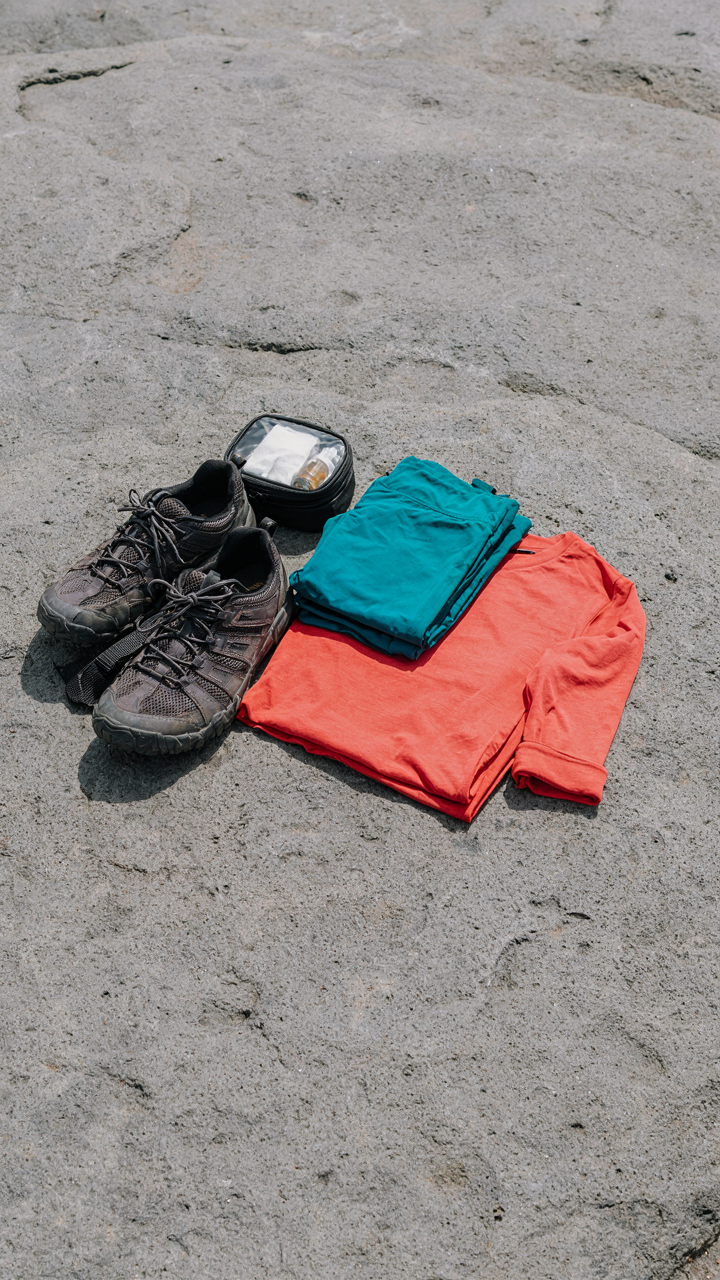
You want to skip this section because you think gear is optional, that raw nerve covers logistics. It doesn’t. Think of gear selection through the lens of friction reduction: every piece minimizes energy wasted on discomfort, which means your brain stays sharp on what actually kills you. Water shoes aren’t fashion. They protect your feet from sea urchins, sharp volcanic rock, and reef cuts that turn a jump into a liability. Quick-dry clothes eliminate the hypothermia setup—even Hawaii’s water cools you faster than you think, especially if you’re in for multiple jumps.
The mechanism is straightforward: wet fabric against skin in ocean wind causes core temperature drop. Neoprene or synthetic blends dry in minutes instead of cotton’s hours. Bring two sets and swap them between sessions. Your socks matter too. Moisture-wicking synthetic prevents blister formation during the walk out, which sounds small until you’re hobbling back to the car on raw heel skin. Pack a microfiber towel. It dries faster and packs smaller than cotton, leaving room for a dry bag to protect your car keys and phone. Gear isn’t insurance against mistakes—it’s elimination of problems that distract you from making sound decisions in the water.
The Non Negotiable Buddy Protocol
Most advice on buddies is vague: “don’t go alone.” That’s incomplete. The real mechanism comes from military redundancy doctrine: one person cannot simultaneously execute, observe, and abort. Your buddy is your abort signal when your judgment fails. Never jump without a second person watching from a safe vantage point on land, ideally elevated so they see the water and your entry clearly.
Communication before entry matters more than during. Establish a specific signal: hand raise means “entry clear, no swimmers below,” palm down means “wait.” Confirm entry depth together by testing it yourself first. If your buddy cannot see you surface within ten seconds, they enter the water and locate you. This isn’t theoretical—panic or injury below the surface happens, and a second set of eyes catches what you won’t. The final protocol: wait five minutes between jumps. Your buddy watches for sudden currents, rip tides, or injury symptoms. Do not deviate from this timing no matter how good you feel.
The Physics Of Impact: Mastering Your Entry For Any Cliff Jump

How Your Body Cuts Water
You want to look controlled up there because you’re terrified you’ll look stupid falling. Here’s the mechanism: physics calls it drag coefficient, which measures how much resistance an object creates moving through a medium. In cliff jumping, your body’s orientation determines whether water slows you down or lets you pass through it.
A pencil dive—head and arms forward, legs extended straight—minimizes your cross-sectional area. This is the entry position that works. Feet-first entry creates a larger frontal surface, forces water to push back harder against your body, and dissipates your momentum slower. For beginner cliffs under 30 feet, feet-first feels safer psychologically but transfers impact across your whole lower body instead of concentrating it. Head-first entry requires timing and commitment, which is why beginners should master feet-first first, then progress.
Surface Tension Breaks At Speed
Water behaves like a thin skin when you’re stationary. That skin becomes irrelevant once you exceed certain velocity. The real problem is not surface tension itself—it’s the compression shock when your body tries to displace water faster than water molecules can move.
Entry angle matters more than technique. Strike the water at 80 to 90 degrees perpendicular to the surface, not at an angle. Angled entries create uneven pressure zones that force one side of your body to absorb more impact than the other. Your legs should be together, arms either at your sides or crossed over your chest. From a 25-foot cliff in decent conditions, this entry protocol reduces impact shock by distributing deceleration across a longer distance as water compresses uniformly around your body.
Mind Over Matter: Applying Stoic Principles To Cliff Diving
What You Actually Control
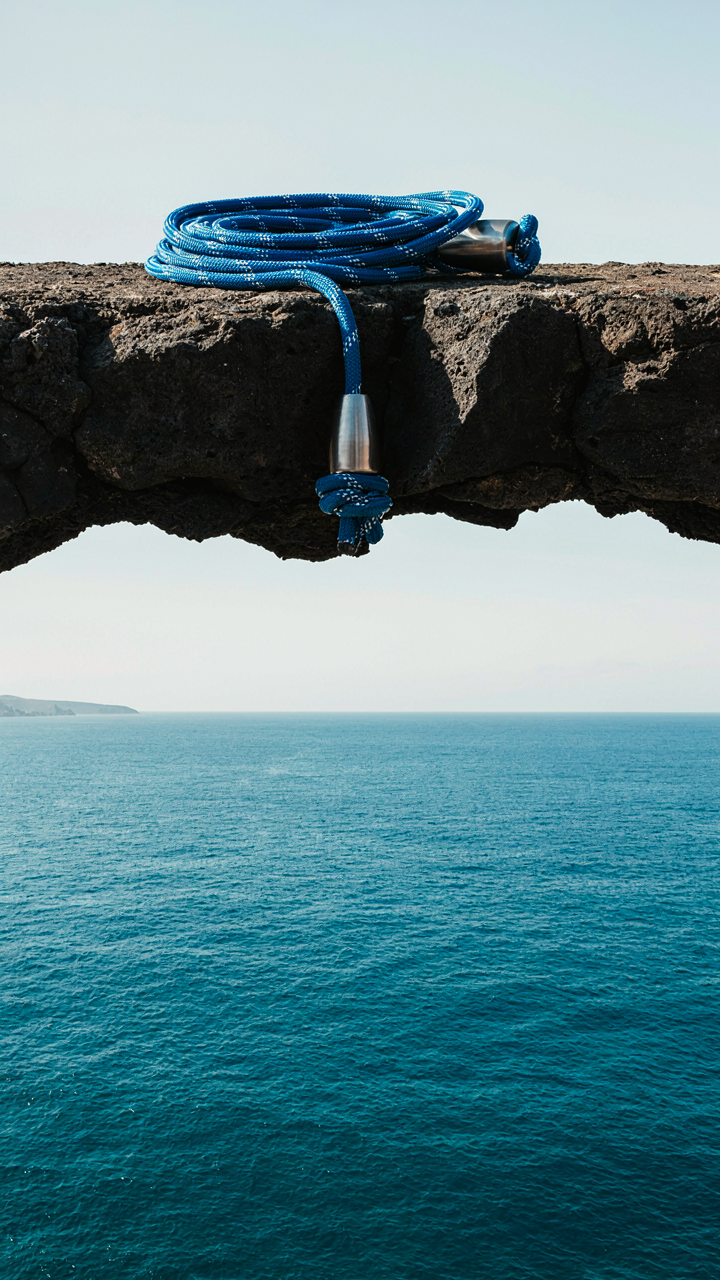
You want this section because you’re hoping Stoicism will let you ignore the real danger. It won’t. Stoicism names a mechanism: in military strategy, commanders divide threats into internal variables (troop morale, preparation, decision speed) and external variables (enemy strength, weather, terrain). Cliff jumping works the same way. You control your breathing pattern, your entry angle, your site selection, your physical conditioning. You do not control water temperature, hidden rocks, or whether your body responds as predicted under stress.
The beginner mistake is thinking Stoicism means acceptance of outcome. Wrong. Marcus Aurelius didn’t accept defeat—he controlled what he could and removed variables that weren’t his responsibility. Scout the site repeatedly before you jump. Check water depth with a weighted rope, not guesses. Condition your body to handle impact. These are your lever points. Everything else becomes background noise.
Rehearse The Failure State
Pre-jump visualization isn’t about imagining success. That’s generic motivational garbage. Real preparation means running worst-case scenarios through your mind before you commit. You picture yourself panicking mid-air. You picture a bad entry. You picture cold shock. You picture climbing back up after a belly flop. The mechanism at work here is exposure therapy—your nervous system gets desensitized to the scenario because you’ve already lived it mentally.
Beginners skip this because it feels negative. They don’t understand that the discomfort during visualization is the entire point. When you actually jump and something unexpected happens, your amygdala doesn’t trigger a full fight-or-flight response because your brain recognizes the scenario as already-processed. You respond faster. You make sharper decisions. Before your first jump, spend 15 minutes lying still imagining every failure point with detail and color. That’s your protocol.
Reading The Water: A Crucial Skill For Hawaii Cliff Diving
Currents And Tides: Identifying Hidden Dangers
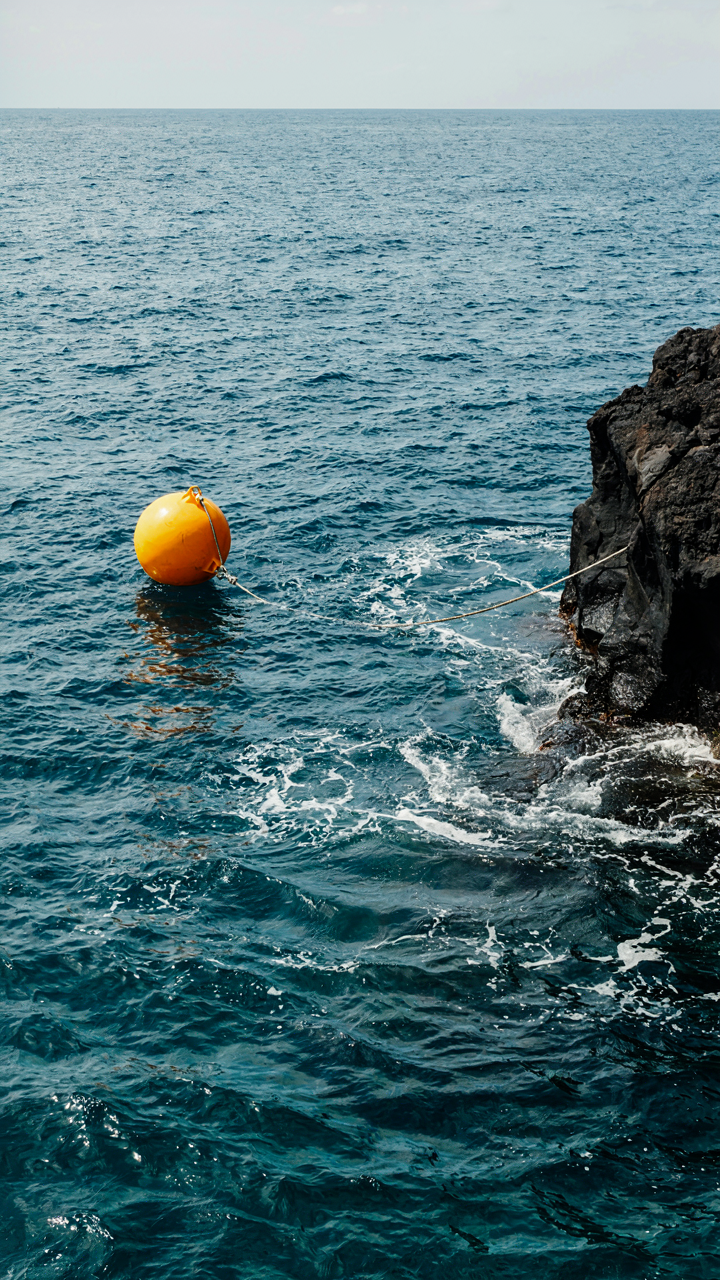
You want to believe the water below is just water. It’s not. You’re looking at this section because you sense danger exists but think knowledge alone protects you. It doesn’t. Hydraulics teaches us that fluid systems follow predictable patterns, and tidal currents operate like a hydraulic circuit—energy moves through defined channels whether you acknowledge them or not. Most beginners ignore what they can’t see on the surface.
Hawaii’s cliff sites experience predictable tidal cycles that shift currents every six hours. A location safe at low tide generates dangerous recirculation patterns at high tide. Currents aren’t uniform walls of water. They layer. Surface flow moves differently than the water at depth. You need to observe the site for at least fifteen minutes before entering, noting how floating debris moves, where foam patterns cluster, and whether the water pulls toward shore or away from it.
Exit Strategies: Planning Your Escape Route
Common advice says “plan your swim out.” That’s incomplete. You need an exit hierarchy, not a single route. Professional rescue swimmers use the principle of primary, secondary, and tertiary escape routes. Your primary exit is the obvious swim-back-to-shore path. Your secondary exit should identify rocks, shallow areas, or alternative landing zones if currents prevent a straight return. Your tertiary exit is the worst-case scenario where you need assistance or rescue extraction points.
Map these before you jump. Identify where you can grab rock, where you can stand in shallows, which direction the current actually pulls you, and where rescuers could access you by boat if needed. Most near-drownings happen during the exit, not the jump. The shock of impact and water temperature create disorientation. You panic. You thrash. You take water. A practiced exit route transforms that moment from a survival crisis into a known sequence. Know your route before you enter the water.
From Fear To Flow: The Neurobiology Of The Adrenaline Rush

How Your Brain Chooses Between Shutdown And Action
You want to know this section exists because you’re terrified the fear will paralyze you. Here’s what actually happens: your amygdala triggers a cortisol dump, which tells your body to run. But cortisol alone isn’t the problem—it’s the signal that you’ve perceived a threat you can’t control. The mechanism neurobiology calls “threat appraisal” determines whether you freeze or move. When you jump a cliff, you’re not eliminating cortisol. You’re rewriting what your brain categorizes as controllable.
Most beginners think courage means feeling no fear. Wrong. Courage is cortisol present but dopamine rising faster. Dopamine activates the prefrontal cortex, which moves you from reactive to strategic. You build this neural pathway by repeated micro-exposures: start with low jumps, perfect the landing, increase height incrementally. Each successful jump teaches your brain that this threat has a solution. The cortisol spike becomes a signal to execute, not evacuate.
When Your Nervous System Finds Its Edge
Flow state isn’t some mystical zone—it’s the output of three specific conditions aligning. In cliff jumping for beginners, you engineer these conditions: the jump difficulty must match your current skill level exactly. Too easy and you’re bored. Too hard and you’re panicked. That narrow window is where flow lives.
The protocol is ruthless: establish your baseline jump height where you can land cleanly five times in a row. Add two feet. Land five times cleanly. Repeat. Your nervous system needs the pressure calibrated precisely—enough uncertainty to activate focus, not enough to trigger dissociation. When pressure matches preparation, your brain stops narrating and starts executing. You’ve moved from amateur to performer. This is the mechanism behind why beginners often unlock flow on their seventh or eighth jump, not their first.
Advanced Maneuvers: Beyond Basic Maui Cliff Jumping Techniques
Controlled Rotations Adding Complexity Safely
You want to look competent in front of people. The mechanism that makes rotation safe is angular momentum control, borrowed from physics. In physics, momentum requires force applied over time. In cliff jumping, you control rotation by managing how much force you generate at takeoff and how you distribute your body position mid-air. Most beginners think rotation happens by accident. It doesn’t. You initiate it at the edge through deliberate arm and shoulder mechanics, then manage it by shifting your center of mass.
Start with a quarter turn. Plant your feet at the cliff edge, then load one side of your body slightly forward while the opposite shoulder pulls back. As you launch, your arms drive the rotation in one direction. The key is timing your body tuck to slow the spin before impact. Release the tuck early and you spin fast. Maintain it longer and you control descent. Your landing position determines whether you absorb impact safely or get caught sideways in the water.
Spotting And Communication For Group Jumps
Group jumps require a protocol, not vibes. Spotting means one person watches the water conditions and the jumper in real time, calling out hazards before they matter. Communication breaks down because people assume everyone sees what they see. They don’t. Wind changes the water surface. Underwater rocks shift with tide. Currents move invisible. One person on shore or in the water watches and signals.
Establish hand signals before anyone jumps. A raised arm means stop. A downward wave means go. Verbal calls only work if you’re close enough, and you won’t be close enough once someone is airborne. The spotter never jumps during their watch cycle. They rotate roles after every three jumps. The actual mechanism: information moves faster than bodies do in water, so the person controlling information flow controls safety. Assign this role explicitly every single session.
The Post Jump Debrief: Learning From Every Summer Cliff Diving Experience

What Went Right, What Went Wrong
You want this section to make you feel like you’re improving. The real mechanism is this: your nervous system doesn’t learn from jumps you don’t analyze. It learns from friction between intention and outcome. After each jump, write down three things: your body position at takeoff, the moment you felt commitment break (or didn’t), and where you hit the water relative to your target. Specificity kills the ego that rewrites history to protect your confidence.
Most people rehearse the story instead of studying the data. They remember the rush and forget the hesitation at the edge, the weird shoulder rotation, the early tuck that cost them distance. Your job is to become mechanical about it. What did your feet do differently? Did you lean or jump? Did fear shorten your approach? The debrief isn’t motivation. It’s debugging.
Incremental Progression Without Ego Collapse
The field of motor learning calls this “progressive overload.” In climbing and jumping, it means adding one variable at a time: height, distance, water conditions, or approach complexity. Don’t jump a new cliff because it looks impressive. Jump it because you’ve isolated a single skill gap from your last debrief and this cliff tests exactly that. A jump from thirty feet won’t teach you anything if you haven’t processed why twenty feet felt unstable.
Most beginners skip grades and create fear they can’t rationalize away. You jump higher before fixing your entry angle, so splashing hits different the second time. Now your brain flags that height as dangerous instead of flagging the technique as incomplete. Build the skill first, then add the stimulus. Your next jump should feel only slightly harder than the last one, not like you’re starting over.
Documenting The Descent: Smart Practices For Cliff Jumping Videos
Filming Without Compromising The Jump
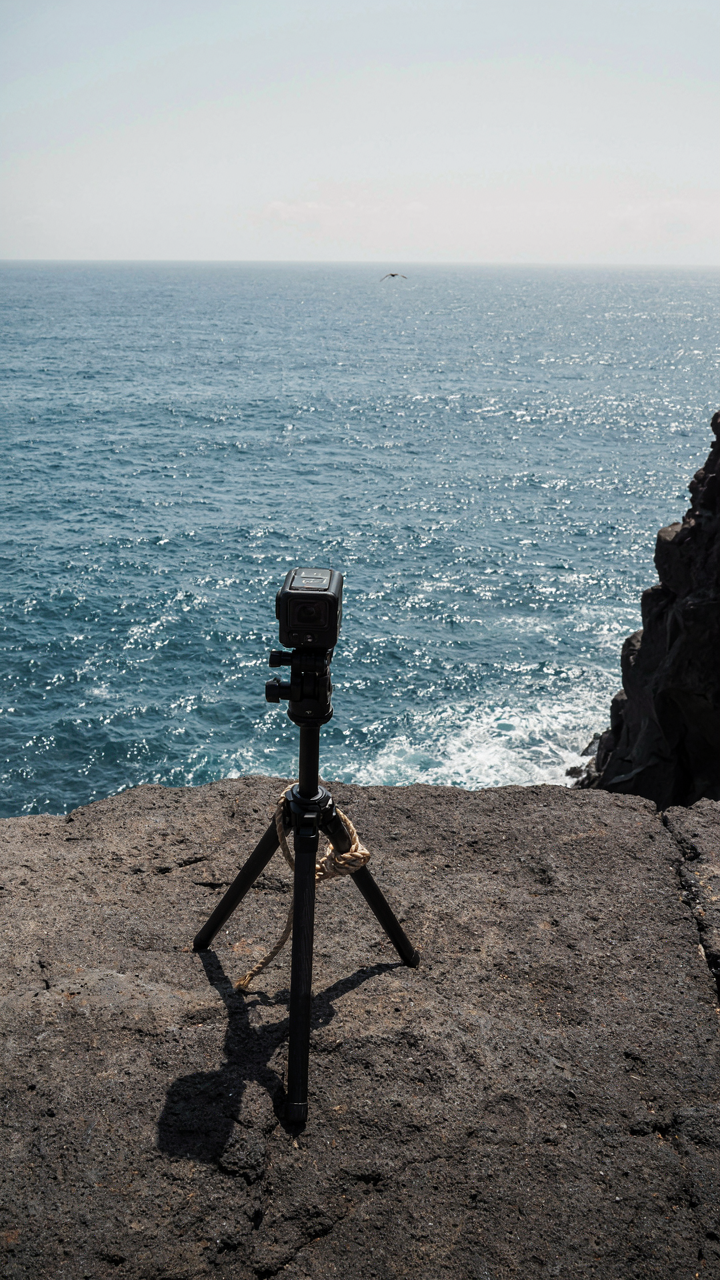
You want the video because you need proof this happened—proof you’re the type of person who does this. That’s not shameful. It’s the mechanism that gets people killed: attention divides focus at the exact moment focus keeps you breathing.
The physics term is “cognitive load.” Your working memory has a fixed bandwidth. Every neuron firing on “am I angled right for the camera” is a neuron not monitoring water conditions, wind, or your body position. Film after you’ve completed five successful jumps at that location, not on your first attempt. Your skill has to be automatic before documentation enters the equation.
Ethical Considerations: Privacy And Responsible Sharing
The common advice here is vague moralizing about “respecting the location.” That’s incomplete. You’re creating liability for the landowner and the next jumper who shows up because your video went viral.
Before you post anything, contact the property owner or land management agency. Most popular cliff spots exist on contested land where the owner tolerates use but has zero interest in viral documentation creating foot traffic. Blurring faces of other jumpers isn’t optional—it’s table stakes. When you share video, you’re endorsing that location to strangers with zero experience, and you’re creating a paper trail implicating the owner. Withhold the exact GPS coordinates from captions and comments. The fewer variables a beginner has to work with, the fewer variables kill them.
The Real Obstacle Isn’t The Cliff, It’s Your Underdeveloped Capacity For Calculated Risk And Personal Command

Most beginners never jump because they mistake fear for wisdom. You’ve internalized a culture that punishes risk-taking, so your nervous system screams danger at anything unfamiliar. But cliff jumping isn’t reckless. It’s controlled. The only way you build this distinction is by doing small jumps first, not by thinking harder about big ones. Pick a ten-foot cliff this week and jump it. Your body needs evidence that you can trust your own judgment more than your anxiety.