
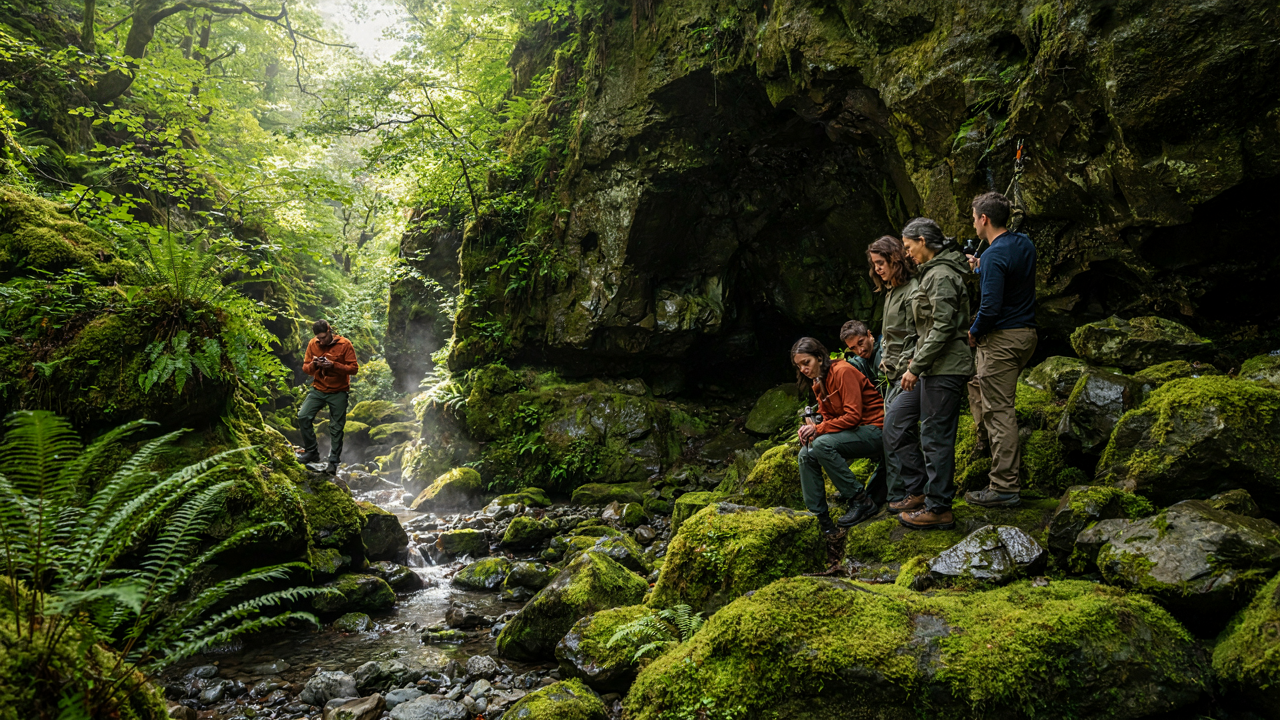
Beyond The Tourist Trap: True Cave Exploration Guide
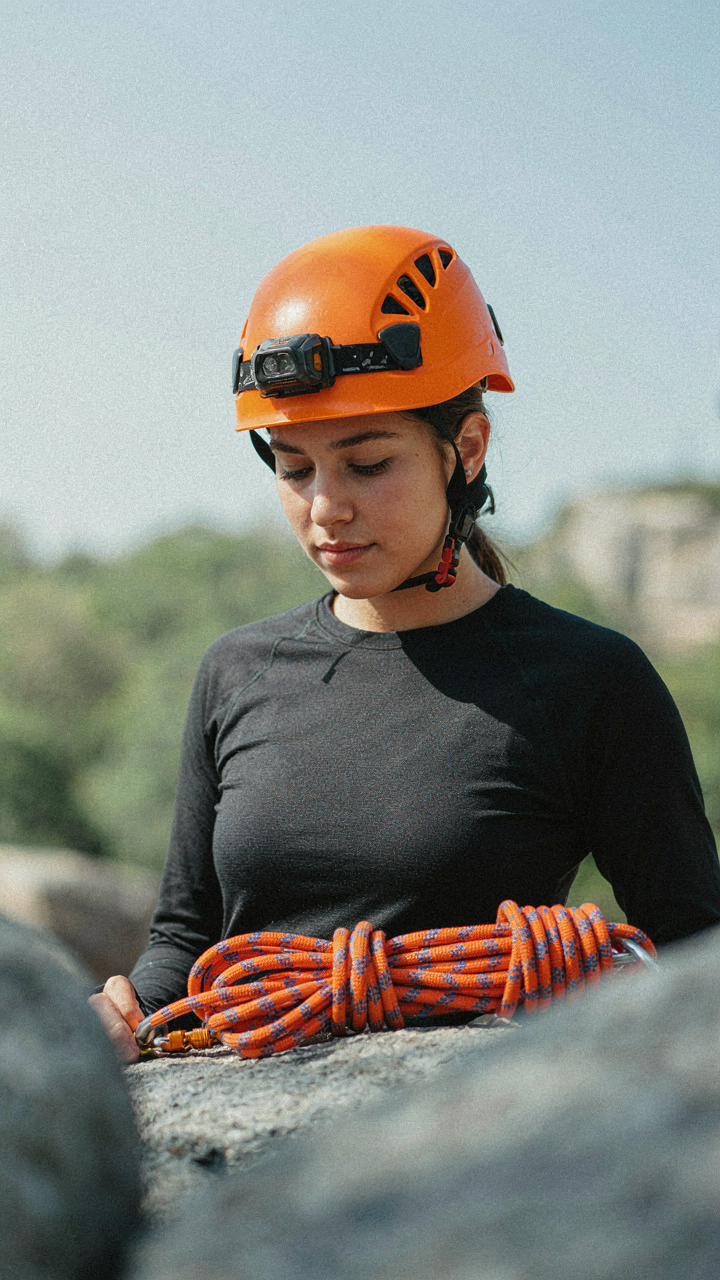
Guided Tours Miss The Point Entirely
You want the status of having “explored caves” without the friction of actually learning to explore them. Here’s the mechanism: guided tours compress cave systems into a two-hour narrative. The guide controls pace, route, and risk tolerance. You see what they’ve decided is worth seeing. Real exploration means moving at your own speed, choosing which passages to investigate, and making decisions based on conditions you observe yourself rather than a script someone delivers five times daily.
Commercial cave tours serve a purpose for safety liability and revenue. They don’t serve exploration. The passages tourists walk get polished smooth by thousands of feet per year. You learn nothing about cave navigation, rock texture, or how systems actually connect. If you want an adrenaline rush, you need to make decisions that matter, which requires autonomy over your route.
Preparation Is The Difference Between Control And Panic

The common advice says “bring a flashlight and go with friends.” That’s how people get trapped, injured, or die in caves. Think of caves in military terms: your equipment loadout determines your tactical options. You enter a system without reinforcements, GPS, or cell signal. One failed light source becomes a life-or-death problem in complete darkness.
Actual preparation means mapping the cave beforehand using existing surveys, understanding water flow and seasonal changes, carrying redundant lighting systems, wearing a helmet with chin strap, and practicing rope work on the surface before you’re thirty feet underground. You also need to know how to read air flow patterns to locate exits and what your body feels like before hypoxia starts affecting judgment. Start with beginner-rated caves where tight squeezes and deep shafts don’t exist. Execute the prep protocol first, then enter.

The Unseen Hazards: How To Explore Caves Safely
Rockfall And Structural Collapse
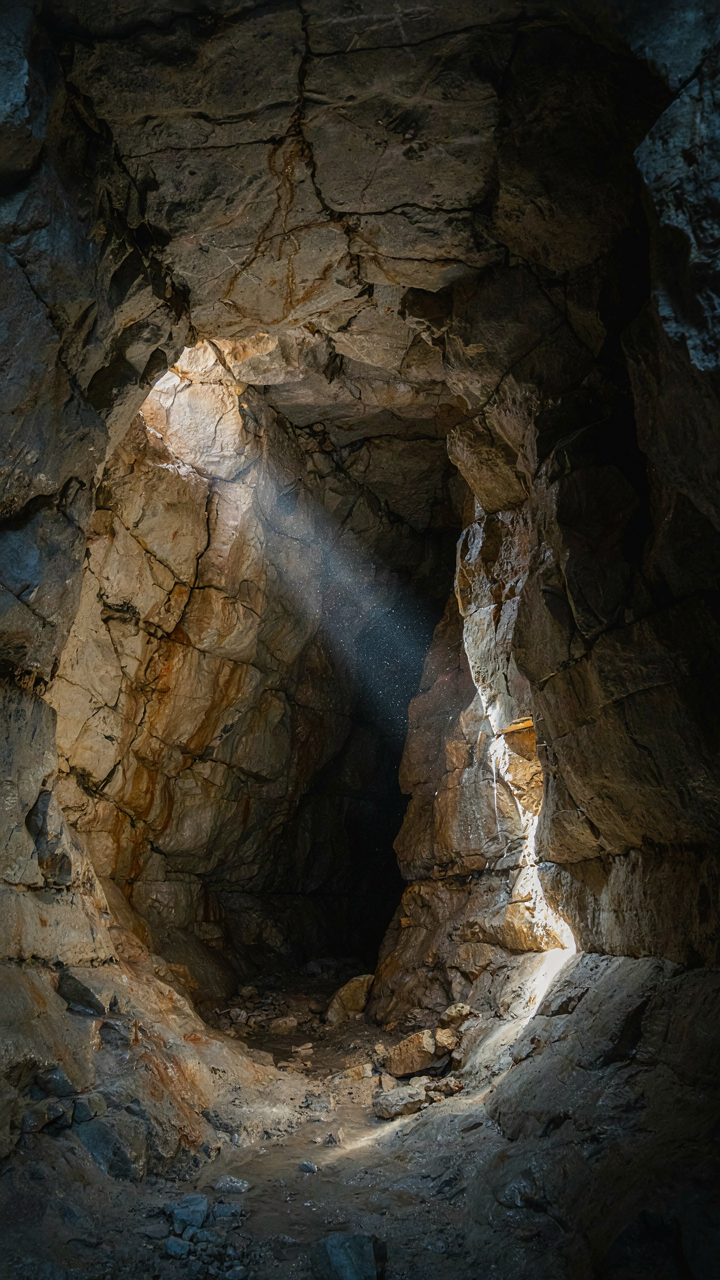
You want the adrenaline without admitting you’re terrified of dying underground, so you skip the geology section. Don’t. Caves operate on the same load-bearing principles as structural engineering: weight above you redistributes force downward until the weakest point fails. That weakest point is often the passage you’re standing in.
Most caves form through dissolution, where water carved channels through soluble rock like limestone or gypsum. This process leaves behind unstable overhangs, fractured walls, and zones where the ceiling is thinner than it looks. Rockfall isn’t random. It happens where water seepage has widened cracks, where freeze-thaw cycles have loosened blocks, or where previous collapses have destabilized adjacent sections. You identify these zones by looking up, not down.
Water And Tight Spaces
Hydrology determines whether a cave kills you or lets you leave. Flash floods occur in passages that slope downward into the earth because water has nowhere else to go. A rainstorm miles away can push water through a cave system in minutes. You cannot outrun this. The mechanism is simple: confined spaces amplify flow velocity and eliminate escape routes.
Tight passages compound the problem. Claustrophobia is a liability, but the real danger is misjudging your body dimensions in low light. A passage that looks navigable at chest height narrows unexpectedly. You wedge yourself, panic, and lose oxygen discipline. Before entering any constriction, crawl backward first. Know your exit. If you cannot reverse your path through a tight spot, you do not enter it.
The Caver’s Code: Essential Cave Exploration Tips
Self Sufficiency Starts With Gear
You want to feel capable. That requires knowing you won’t need rescuing because someone else forgot their equipment. Self-sufficiency in caves isn’t about ego—it’s about physics. A system fails when any single component fails, so redundancy isn’t optional. You carry backups for backups.
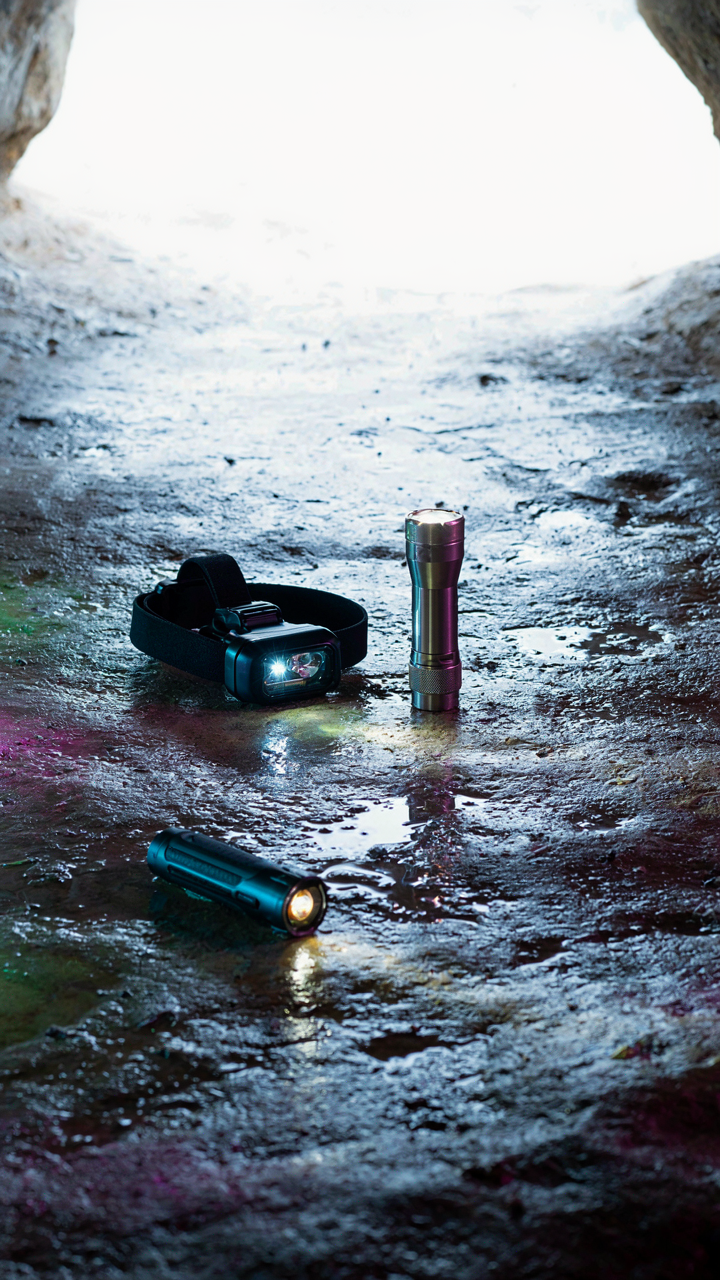
Three independent light sources are baseline, not luxury. A primary headlamp, a secondary handheld light, and a backup backup in your pack. Most beginners skip this step because it feels paranoid. It isn’t. Caves are dark. If your primary fails and your secondary fails, you’re moving in complete darkness—disoriented, vulnerable, panicking. The third light prevents that cascade.
- Helmet with integrated headlamp mount: Protects your skull and keeps hands free for climbing or hauling yourself up passages. Non-negotiable.
- Three separate light sources: Headlamp, handheld flashlight, and backup flashlight in pack. Different failure modes mean you’re never without light.
- Rope and harness rated for vertical drops: Even horizontal caves have pits. Carry 150 feet minimum for beginner-level exploration. Test knots before you’re in the cave.
- First aid kit tailored to cave injuries: Include blister treatment, antibiotic ointment, and pressure bandages. Cave floors are sharp.
- Extra batteries and backup power source: Caves drain batteries faster than surface conditions. Bring twice what you think you’ll need.
You pack these items not because you expect to use all of them, but because you’re operating in an environment where mistakes cascade. The moment you realize you left something is the moment you can’t go deeper. Build your kit around that constraint.
Navigation Without The Group
You won’t always have a guide or experienced caver steering you through passages. The common advice is “stay together and don’t wander off”—which is incomplete. Real navigation in caves relies on mapping your return route using landmarks that actually mean something when you’re in pitch darkness.
Use the survey method: mark your entry point clearly, then map the cave using bearing and distance. This isn’t hiking where you follow a trail. You’re creating breadcrumbs through a three-dimensional maze. Place reflective markers or chalk marks at key turns—not randomly, but at decision points where you could accidentally go the wrong direction on exit. Count paces between major features. Note vertical relationships: which passage goes down, which climbs. Your brain needs anchors, not just memory.
The real mechanism is this: caves eliminate all external navigation cues. You can’t see the sun, stars, or landscape. You must create artificial reference points before you need them. Mark your path as you enter using a consistent system—left turn, mark left side of passage. Right turn, mark right side. When exiting, you follow your marks in reverse. Most accidents happen on the way out because exhaustion erases memory. The markers compensate for that. Exit in daylight before fatigue sets in, and always verify your marked route is correct before moving to a new section.
Limestone Caves: Reading The Earth’s Blueprint

Formations Tell You Where You Are
You want to feel like you know something others don’t. The mechanism is this: cave formations aren’t decoration. They’re a readable record of how water moved through rock over millennia, and that movement follows predictable rules. Stalactites grow down from the ceiling, stalagmites build up from the floor, and flowstone sheets indicate constant water seepage along a specific path. Each formation type tells you something about water volume, frequency, and direction at that exact spot in the cave’s history.
Learn to read formations and you read the cave’s internal logic. A thick column of flowstone usually marks an old water channel that still sees seasonal flow. Delicate soda straws hanging from the ceiling indicate low-volume, steady drip water that hasn’t disturbed them. Breakdown piles and collapsed formations show you where the cave’s structure is weak. You’re not exploring blind. You’re following a map written in mineral deposits. Before moving through an unfamiliar section, identify the dominant formation type around you. It tells you whether water once rushed there violently or trickled steadily for centuries.
Water Always Finds The Lowest Point
Hydrology, the study of water movement, applies directly to cave passage prediction. Water doesn’t care about your route. It flows downhill and pools at the lowest point it can reach. This single principle collapses most navigation confusion in horizontal cave systems. If you trace a passage downward, you’re moving toward a sump, an underground pool, or a dead end. If passages branch, water flow favors the lower fork. Mineral deposits on walls and floors mark these channels clearly if you know what to look for.
Silt deposits, dark staining, and smooth worn sections of rock all indicate high-water zones. These areas flood during heavy rain or seasonal water surges, so avoid them when conditions are wet. Conversely, dry upper passages with no staining usually handle water poorly and stay stable. Find the water’s preferred route and you’ve found the cave’s main corridor. When planning your route through any beginner-friendly cave, locate the lowest passage first, map where it drains, then choose your path above or around it.
The Psychological Edge: Conquering Claustrophobia And Fear

Fear Is Not The Problem Your Mind Claims It Is
You want to believe fear is something to overcome so you can feel like you conquered it. The real mechanism is simpler: fear is information, not an enemy. Your nervous system detects constraint and triggers a response. Most beginners mistake the response for weakness. It’s not. It’s a survival signal that works perfectly in open spaces but misfires in enclosed ones. The goal isn’t to kill the signal. It’s to read it accurately and act on what it actually means in a cave.
Claustrophobia in caves differs from claustrophobia in elevators because the stakes are real and the space genuinely requires navigation. Your body responds to both similarly, but one response protects you and one doesn’t. In a cave, you control when you move, how fast, and when you retreat. This control is the antidote. Not willpower. Not repeating affirmations. Control means testing your limits in spaces you can leave instantly, then incrementally expanding. Start in large chambers with multiple exits. Know the exit path before you enter. This is how you separate the signal from the noise.
Breath Controls The Nervous System, Not Thoughts
Telling yourself to stay calm is noise. Your nervous system doesn’t respond to narrative. It responds to respiration patterns. When you breathe shallow and fast, your body interprets the environment as hostile. When you breathe slow and deep, your parasympathetic nervous system activates and suppresses the fight-or-flight response. This isn’t motivation theory. This is neurobiology. The mechanism works regardless of what you believe about yourself.
The protocol is deliberate: before entering a tight passage, establish a 4-4-4 breathing rhythm. Inhale for four counts, hold for four, exhale for four. Continue for two minutes minimum before entry. This resets your baseline. Inside the passage, maintain this rhythm. If you accelerate your breathing, you’ve signaled your own body that danger is present. Your body then validates that signal by releasing cortisol. Reverse the cycle intentionally. Slow breathing creates the neurochemical conditions for focus. This is why cavers who panic breathe fast, and cavers who survive cave incidents breathe deliberately.
Beyond The Flashlight: Advanced Cave Photography
Depth And Scale Without The Ego
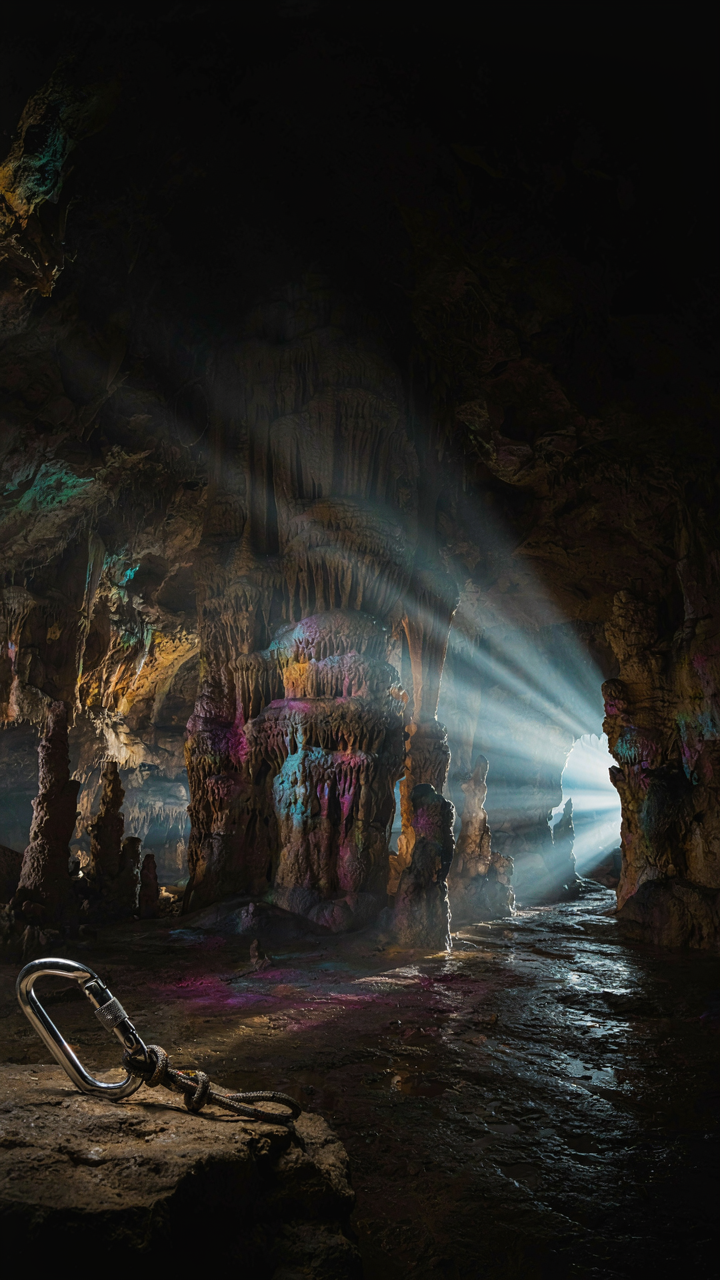
You want proof you went somewhere most people haven’t. That’s the real reason you’re reading this. The mechanism that sabotages most cave photos is simple: your phone or camera flattens three-dimensional space into a flat rectangle. A passage that makes you feel small registers as a dark tunnel. Distance collapses. You need foreground, middle ground, and background objects in a single frame to trick the viewer’s eye into perceiving actual depth.
Position yourself lower than the main subject you’re photographing. Include a recognizable object like a carabiner, boot, or helmet in the foreground. This creates a scale reference your viewer’s brain automatically uses to reconstruct the space. Shoot toward light sources or reflective water surfaces in the background. Avoid centering your subject dead in the frame. The composition method borrowed from landscape photography works here: the rule of thirds actually shows depth by breaking visual monotony across the frame.
Light Painting In Absolute Darkness
Light painting isn’t about waving flashlights artistically. It’s a long-exposure discipline that exploits the physics of photon collection. You open your camera’s shutter for five to thirty seconds while moving a light source through the cave. The sensor records every photon that hits it during that window. In caves, where ambient light is zero, every lumen you introduce gets captured without wash-out.
You’ll need a camera with manual exposure control, a tripod, and a consistent light source like a headlamp or handheld LED. Set your ISO between 800 and 3200. Use an aperture between f2.8 and f5.6. Start with a fifteen-second exposure. Move your light deliberately across geological features: walls, formations, water. Don’t paint randomly. Draw attention to the cave’s actual structure by illuminating its edges and contours methodically. Review each shot. Adjust your light path based on what registers on screen.
The Exit Strategy Protocol: Never Get Trapped
Redundant Marking Systems For Guaranteed Egress
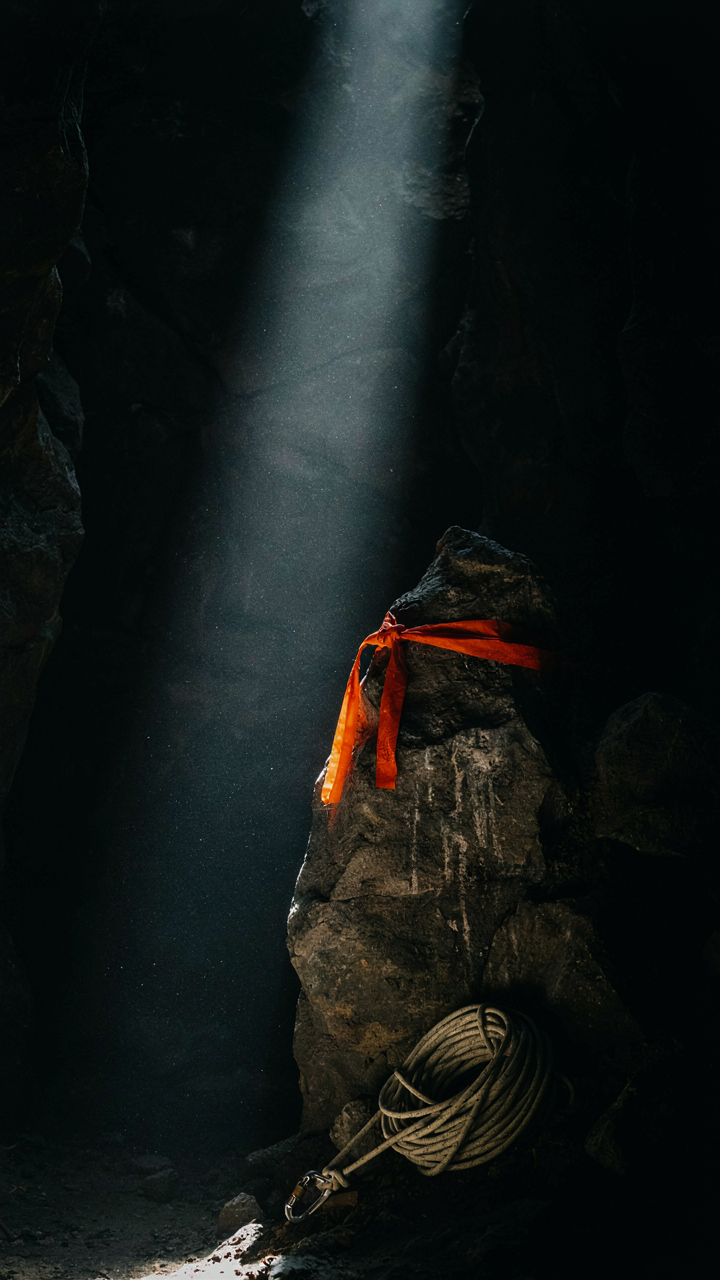
You want to believe you won’t panic underground. That’s the real fear hiding behind this section. The mechanism is simple: your brain defaults to the path it knows when disoriented, which in a cave means retracing entry, but only if you marked it. Most beginners mark nothing or mark poorly. One thread, one rope, one spray paint line fails and you’re navigating by memory in the dark.
Cavers use the military term “primary and secondary route confirmation” to structure this. Apply it here: your primary marker is a guideline, typically a cave rope anchored at entry, clipped to your harness. Your secondary is physical ground marking every major junction using flagging tape or chalk at consistent heights. Never rely on one system. Paint fades. Ropes snag. Tape gets missed. Carry three marking types minimum: a spool of cord, spray chalk, and glow sticks. Mark both directions at splits so you read the same signal going out as coming in.
Emergency Communication Beyond Cell Range
Cell service dies fast underground. Most beginners assume it won’t, then discover dead silence at fifty feet down. The real problem is that rescue becomes guesswork without contact. You need asynchronous communication built into your team structure before you enter.
The standard protocol: appoint a surface contact who receives a written entry plan with team names, cave name, entry time, and planned exit time. Set a callback window of thirty minutes after your planned exit. If you miss that window, your surface contact initiates rescue protocol with local cave rescue teams. This works because it doesn’t require live transmission. Your communication already happened before descent. Underground, carry a personal locator beacon or cave-specific communication device if your route goes deep enough. For beginner routes under two hundred feet vertical, a whistle and a headlamp signal system suffice for team-to-team contact inside the cave. Train it before entry.
The Ecosystem Beneath: Respecting Natural Caves
Leave No Trace Underground
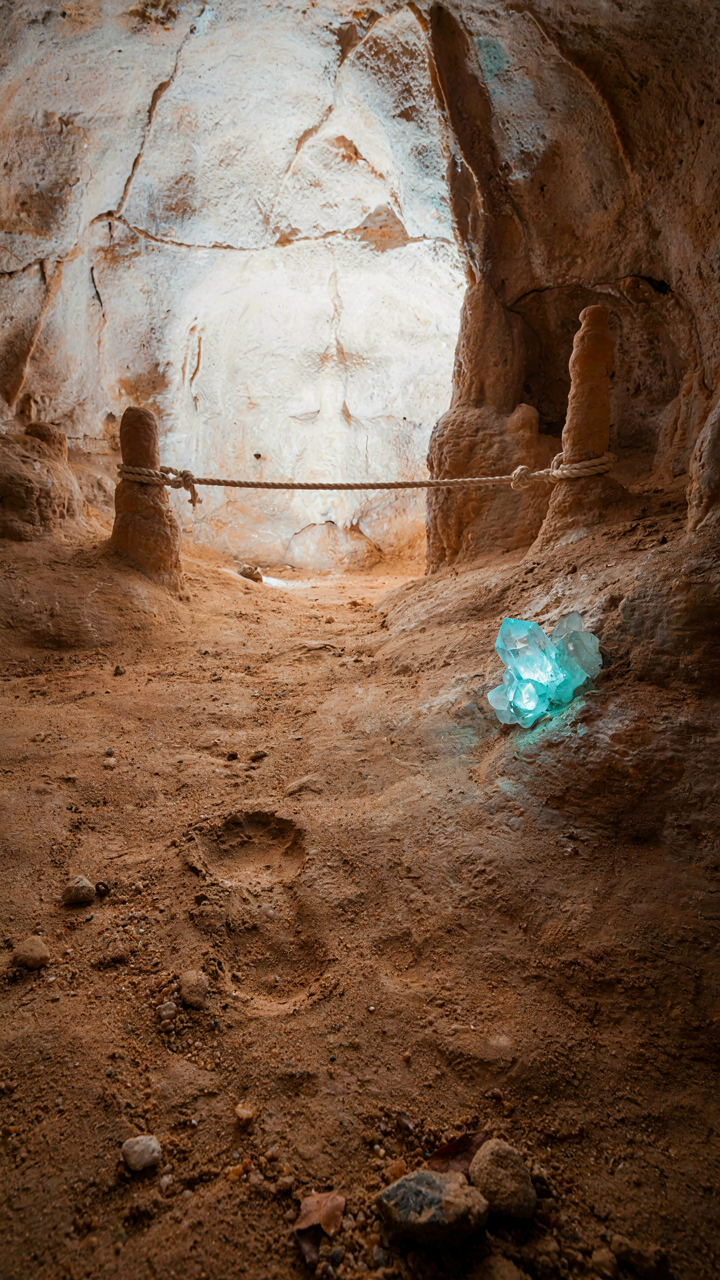
You want to look like the person who cares about caves, not the person who destroys them. The real mechanism is this: cave formations take decades to centuries to form, and human contact degrades them in minutes. Oils from your skin, footprints on soft clay, broken stalactites, and disturbed sediment layers don’t regenerate in your lifetime. Cave ecosystems evolved without human presence. They’re fragile by design, not sentiment.
Your job is to move through caves as a witness, not a modifier. This means staying on marked trails, never touching formations unless specifically instructed, and watching your gear placement. Don’t set heavy backpacks on delicate deposits. Don’t scrape mud off your boots onto clean cave floor. Don’t photograph formations with flash repeatedly. The cumulative effect of dozens of visitors doing small damage is what kills caves. You’re one person. Act like you matter.
Ethics As Infrastructure
Conservation isn’t about feeling good. It’s about maintaining access. Caves that suffer heavy damage get closed. Public caves get restricted to guided tours only. Private cave owners stop allowing visitors. The economic model collapses. You lose the resource. This is how tragedy of the commons works in caves: individual carelessness compounds into collective loss.
Real conservation ethics means understanding that your experience depends on other people’s restraint, and that your restraint maintains the experience for people you’ll never meet. Don’t move rocks to improve climbing routes. Don’t collect formations or fossils. Don’t mark walls or leave gear behind. Document what you see with memory and notes, not souvenirs. The protocol is simple: extract only photos and data, leave only footprints on marked routes.
The Real Risk Isn’t The Cave; It’s Your Untested Perception Of True Challenge
Most people mistake fear for weakness instead of recognizing it as data. Cave exploring for beginners strips away the comfortable lies you tell yourself about what you can handle. The adrenaline rush isn’t the point. Discovering you’re tougher than you believed is. Stop scrolling cave videos today. Book a guided intro tour in your region this week. You don’t find out who you are by thinking about it.