
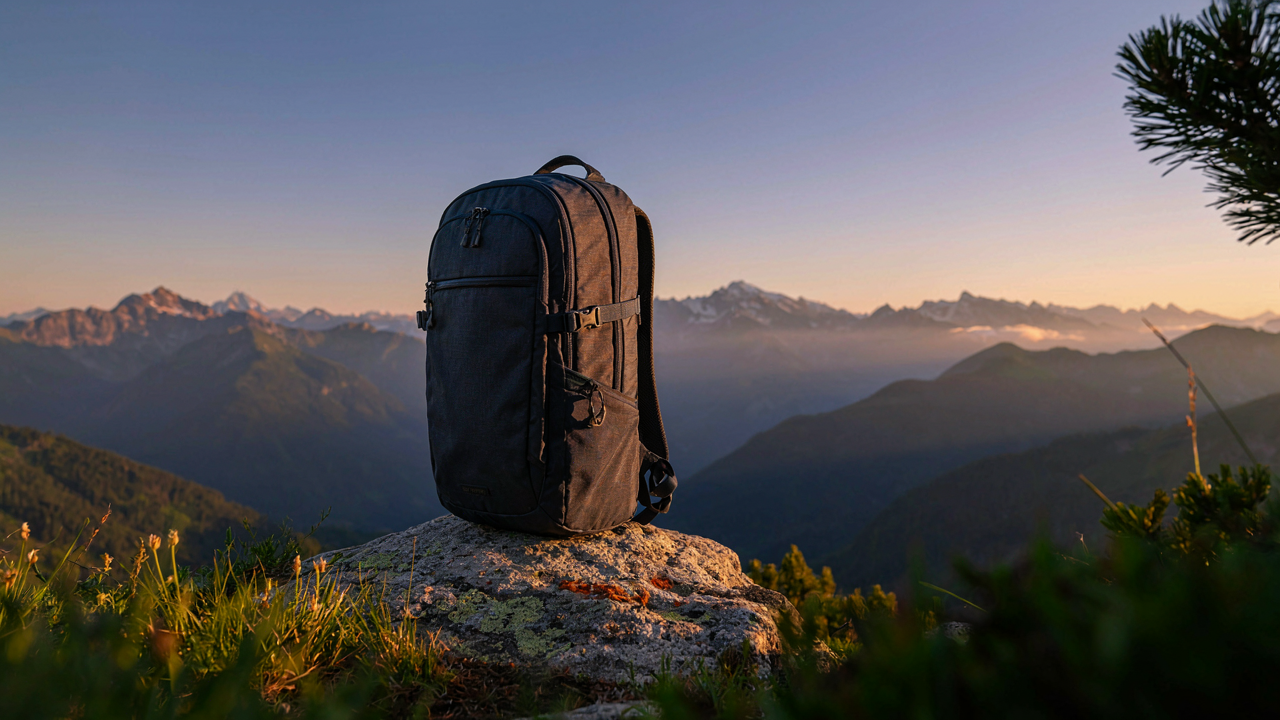
The Minimalist’s First Law: Weight Kills

Every Item Must Justify Its Existence
You want to pack light because you think it makes you look capable. The real mechanism is simpler: weight compounds fatigue, and fatigue breaks decision-making. Physics applies here—every ounce in your pack multiplies effort over distance. Most people skip this step and pack what feels safe instead of what functions. The difference between a 15-pound carry-on and a 25-pound one isn’t academic. It’s the difference between arriving ready to move and arriving depleted.
Go through your gear piece by piece. Ask: What problem does this solve? Can I solve it without this item? Will I actually use it, or am I packing against a scenario that won’t happen? Every item that doesn’t have a clear job is dead weight. Strip ruthlessly. If you hesitate on an item for more than three seconds, leave it behind. Hesitation means you already know it’s optional.
One Item, Multiple Outputs
Most outdoor carry-on advice tells you to bring dedicated gear for each task. That’s backwards. A lightweight merino wool layer works as insulation, a base layer, and emergency bedding. A bandana serves as sun protection, sweat management, gear organizer, and makeshift first aid wrap. A carabiner clips gear and secures items under tension. This isn’t clever—it’s load optimization borrowed from military logistics.
Identify items that solve two or more problems in your specific trip. A lightweight rain jacket that doubles as wind protection. A water bottle that works as a vessel and a weight for securing loose gear. Multipurpose doesn’t mean junk that barely works at anything. It means choosing gear that’s excellent at one thing and useful at another. Before packing, ask: Can this item earn its space by doing two jobs well?
Beyond The Bag: The Wearable Inventory Protocol
Layers Beat Outfits Every Time
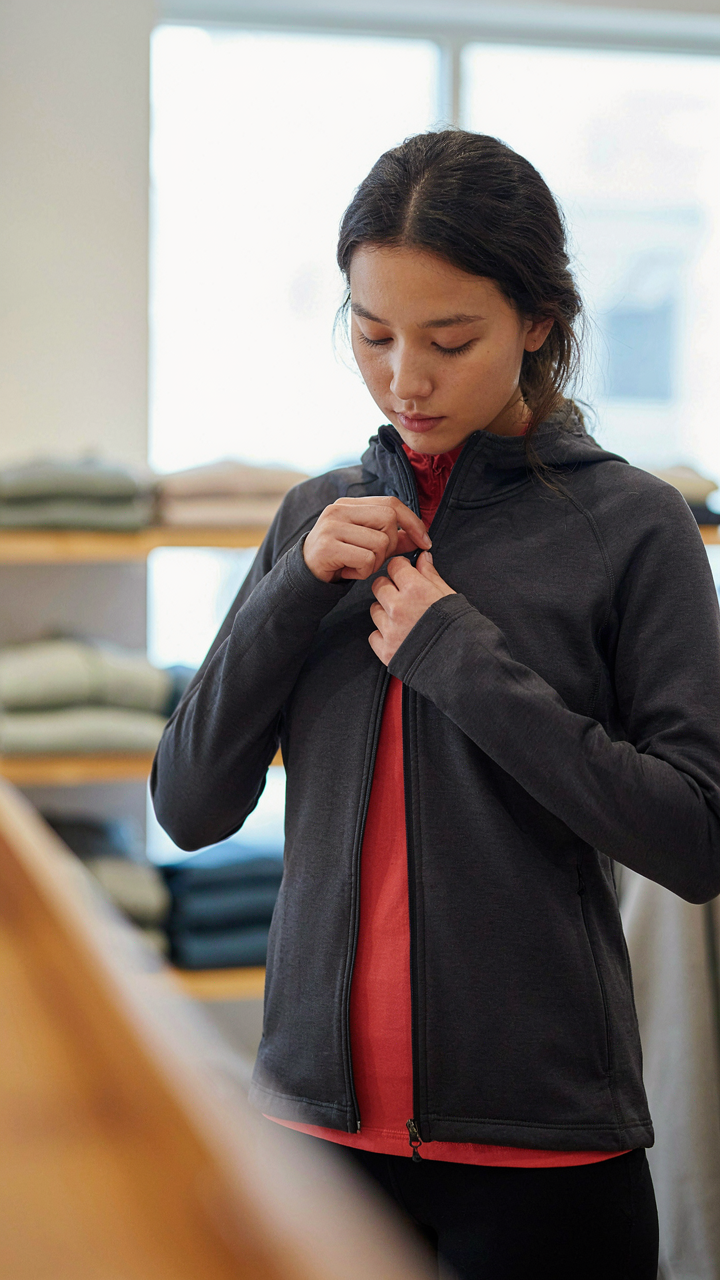
You want to look like you know what you’re doing without actually thinking about it on the trail. Here’s the mechanism: layering is thermodynamics, not fashion. Your body generates heat. You trap it or release it. Cotton holds moisture and stops regulating temperature. Merino wool and synthetics dry fast and maintain insulation when wet. The outfit mentality wastes space because you pack complete looks. Layering packs function.
- Base layer: Moisture-wicking synthetic or merino wool that sits on skin. Cotton fails here. Pulls sweat away from your body and maintains temperature regulation in unpredictable conditions.
- Mid layer: Fleece or lightweight insulating material that traps warm air. Adds warmth without bulk. Critical for temperature swings between morning and midday on outdoor trips.
- Outer shell: Windproof and water-resistant jacket that protects from elements. Doesn’t need to be heavy. A packable shell adds minimal weight and handles sudden weather shifts.
- Bottoms: One pair of technical pants that dry quickly and move with you. Avoid denim entirely. Paired with base layer underneath, one pair handles cold and warm conditions.
- Insulated option: Lightweight down or synthetic vest for stationary periods. Adds warmth without the bulk of a full jacket. Pack it if temps drop below 50 degrees Fahrenheit.
The carry-on constraint forces you to stop treating clothes as identity and start treating them as tools. You build outfits by combining pieces, not by packing pre-made sets. A base layer, mid layer, shell, and bottoms create four distinct temperature setups with five items. Redundancy kills carry-on space. Combination thinking multiplies your options.
Pockets Are Real Estate, Not Afterthoughts
Most people treat pockets like storage accidents. Wrong. Pockets determine what stays accessible and what requires unpacking your bag mid-hike. Your carry-on jacket should have at least four functional pockets: two chest, two hip. Chest pockets hold sunscreen and a small map. Hip pockets hold your phone and snacks. Pants need hip pockets deep enough to secure a multi-tool or headlamp without items falling during movement.
Strategic pocket placement eliminates the friction between “I need this” and “where is it.” When you stop to check elevation or adjust your layers, you need gear immediately available, not buried under other clothes. A vest with interior pockets holds a compass or emergency whistle without bulk. The rule: if you touch it more than twice per hour on the trail, it lives in a pocket, not in the main bag compartment. You save minutes and frustration by finishing each packing session knowing exactly where your most-used items live.
The “One Bag” Fallacy: True Carry On Packing
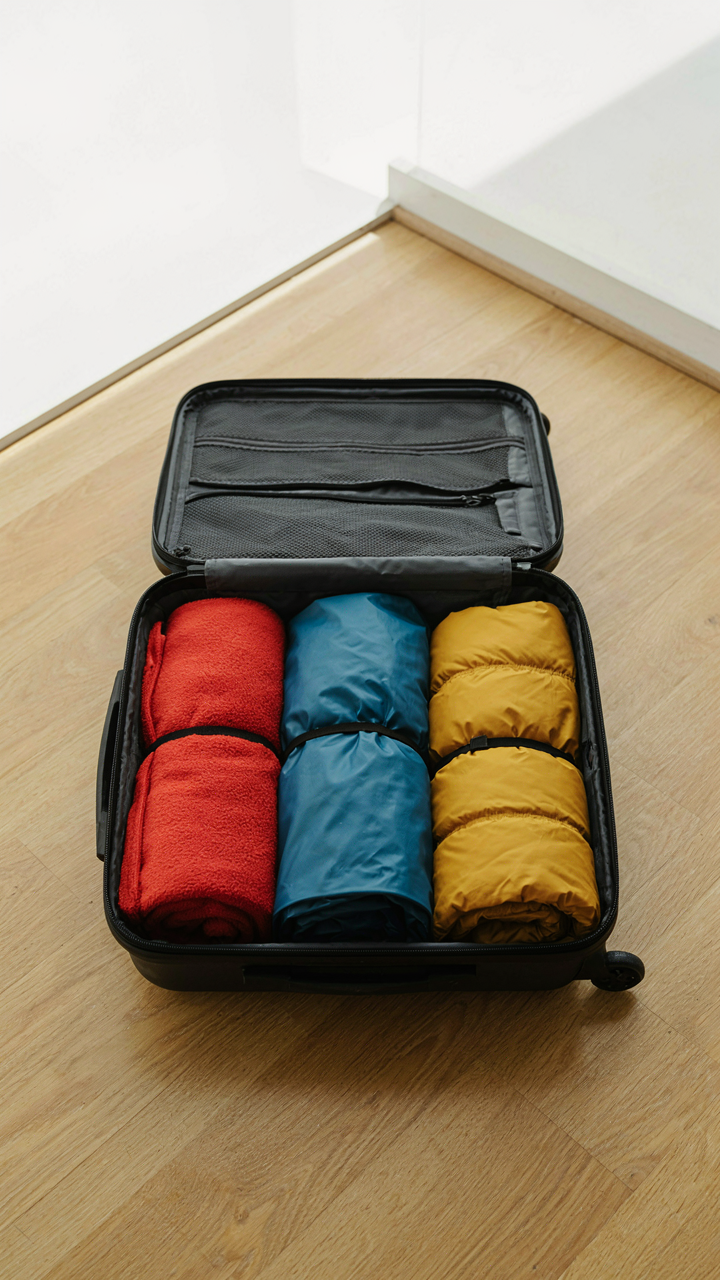
Compression Unlocks Real Capacity
You want to believe one bag solves everything because it feels clean. It doesn’t. The real mechanism here comes from physics: density. When you compress fabric, you reduce volume without reducing weight capacity. Most people pack loose. They fill a 40-liter bag with 15 liters of actual stuff, then wonder why they can’t fit anything else. Compression doesn’t create space. It stops wasting the space you already own.
Compression works through three methods: rolling tight, vacuum-sealing, and strategic packing cubes designed for outdoor gear. Rolling creates density by eliminating air pockets between fabric layers. Vacuum seals work but add weight from the bags themselves—only use them for bulky insulation like down jackets. Packing cubes organize by function and let you nestle items into odd corners of your carry-on. The real move: compress everything before you leave home, then add items on top rather than rearranging mid-trip. This prevents re-expansion and maximizes every centimeter.
Your Personal Item Isn’t A Loophole
The personal item slot exists as an extension of your carry-on allowance, not a second bag to exploit. Airlines define it narrowly: 16 by 12 by 8 inches for most carriers. You get one bag plus one personal item. People treat the personal item like bonus space and pack it to bursting, then they’re stuck carrying two full bags through an airport. That defeats the entire purpose of carry-on travel.
Use your personal item strategically: electronics, medications, valuables, and items you need during the flight. Not a second luggage piece. This creates a clear system. Your carry-on holds your core gear. Your personal item holds your essentials and flight comfort items. When you land, you grab one bag and move. No second-guessing which bag has what. No fumbling through two pieces to find your phone charger at the gate.
Outdoor Trip Gear: The Essentialist’s Edit
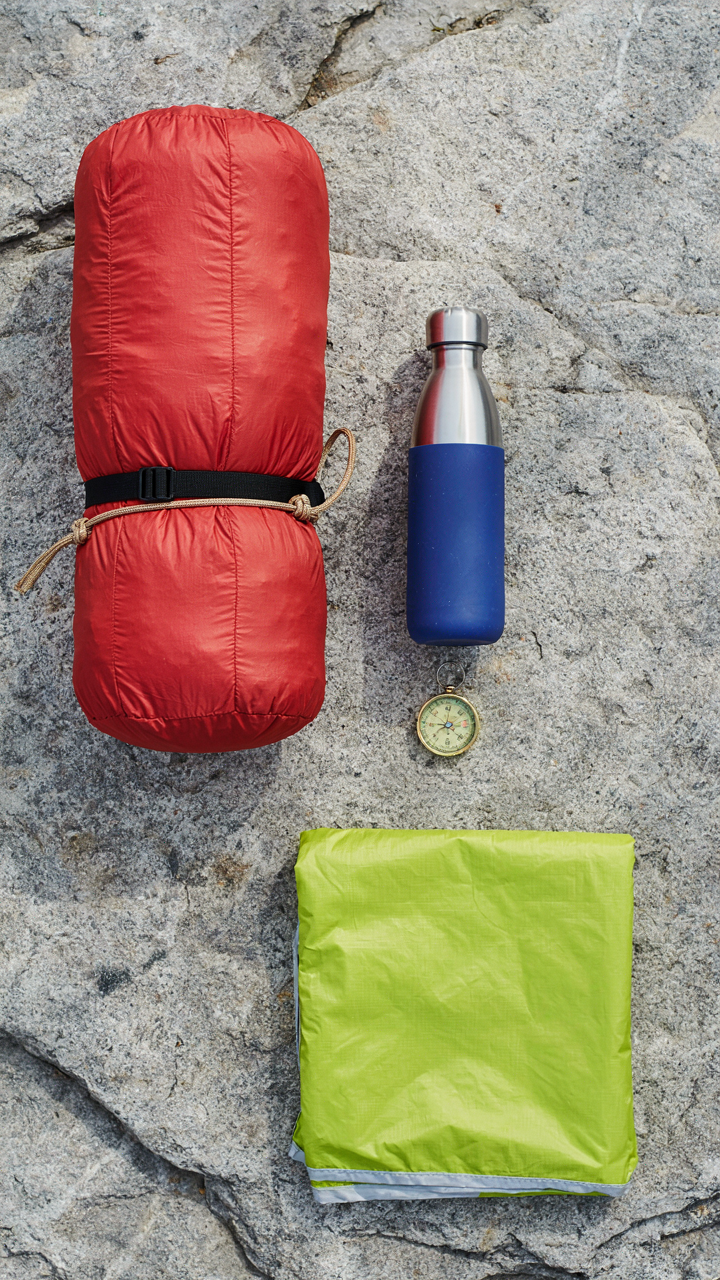
What Actually Matters For Your Trip
You want permission to travel light without looking unprepared. The real mechanism here is constraint. In systems design, constraint forces optimization. Remove the option to overpack, and you stop treating your bag like insurance against hypothetical scenarios. Start by naming your trip’s core function: hiking, camping, water sports, or mixed terrain. Each has a different load threshold. A day hike demands different gear than a multi-day backpacking trip. The trip type determines what “must-have” actually means, not your anxiety.
A three-day hiking trip needs shelter, water, navigation, and emergency items. A weekend car camping trip can carry more because weight isn’t the constraint. A backcountry trip where you resupply from a stream has different water needs than desert hiking. Write down your specific trip parameters: location, season, duration, difficulty level, and access to resupply points. This eliminates guessing. Every item you pack should map directly to one of these parameters. If it doesn’t, it stays home.
Stop Carrying Other People’s Gear
Most packing lists are generic because they’re built for average conditions and written for liability reasons. Your trip is specific, which means most items on those lists are dead weight. The common advice says “bring layers for temperature swings” or “pack a first aid kit just in case.” Both are true in isolation. But if your trip is a day hike in mild weather with cell service and you’re two hours from a trailhead, a full first aid kit is performative safety theater. Remove it.
Ask this about every item: will this fail my trip if I don’t have it, or will it just make me uncomfortable? Discomfort is not failure. Your sleeping bag, water container, navigation tool, and shelter solve failure states. Everything else competes for the 40 percent of space that’s actually negotiable. Pack for what will actually happen on your trip, not for the edge case that might happen once every five years. Before you seal your pack, remove one item you think you might need. You won’t miss it.
The Logistical Chess Game: Pre Trip Planning
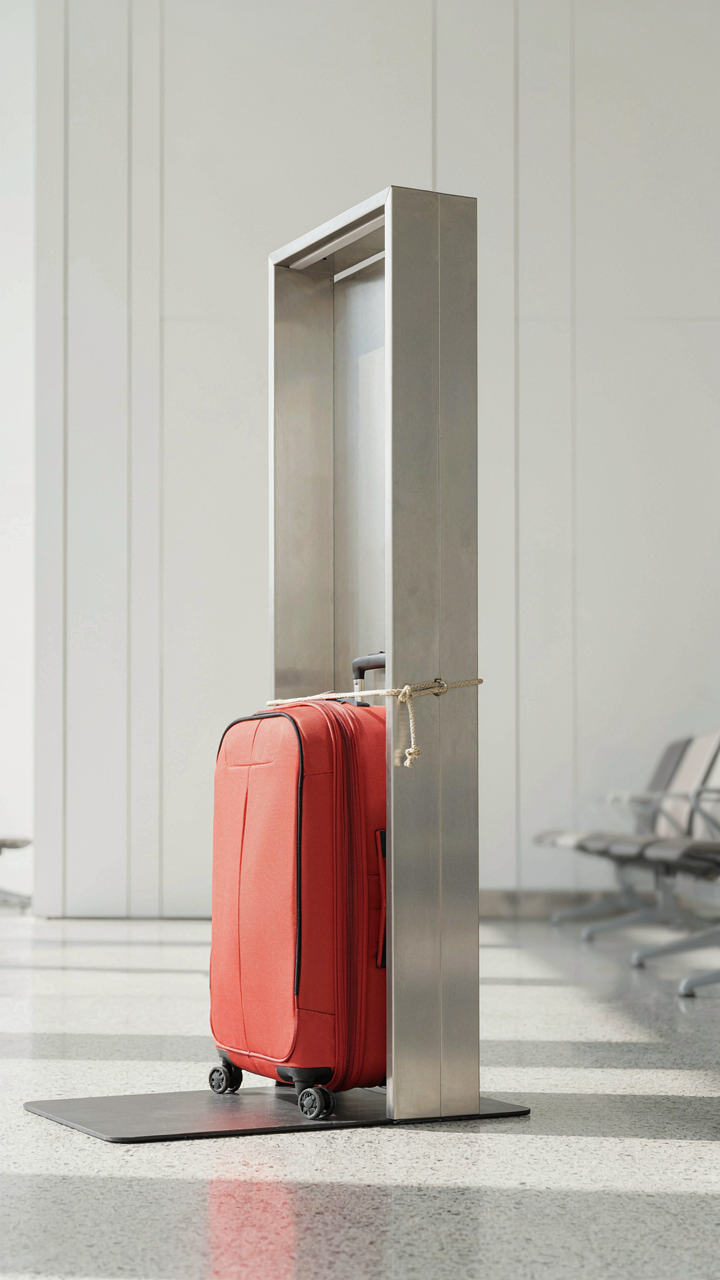
Know Your Airline’s Hard Limits
You care about this because getting turned away at the gate costs you time and money, not because you want to follow rules. Here’s the mechanism: airlines enforce carry-on dimensions and weight as a physical constraint, not a suggestion. Your bag either fits the sizer or it doesn’t. The sizer is real. Dimensions matter more than weight for carry-ons since overhead bins have fixed space. Most U.S. carriers allow 22 x 14 x 9 inches, but international carriers often go smaller. Measure your bag against your airline’s specific requirements before packing.
- Dimension limits: Check your airline’s website directly. Don’t use competitor specs. Southwest, United, and Delta have different thresholds.
- Weight caps: Domestic U.S. carry-ons rarely have weight limits, but European and Asian carriers often cap at 7-10kg. Verify yours.
- The sizer test: Many airports have physical sizers at gates. Your bag must close and fit entirely inside without forcing. This is non-negotiable.
- Overhead bin space: On full flights, airlines gate-check bags that fit dimension limits but won’t fit available bin slots. Pack lighter bags last.
- Packed weight distribution: Dense items at the bottom, lighter items on top. Weight sensors exist. Check-in staff will weigh bags if they look suspicious.
Get the exact specs from your airline’s website, not from travel blogs or forum posts. Print or screenshot the policy. Reference it while packing. Don’t estimate.
Layer Based On The Forecast, Not The Season
Weather forecasting is meteorology applied to your outfit selection. Your layering strategy lives or dies by the actual temperature range you’ll face, not by what the calendar says that location usually gets. Most people pack based on season alone and end up cold or sweating. The outdoor forecast gives you three numbers that matter: high, low, and wind speed. These dictate your layer order, not tradition or what worked last time.
Pull the seven-day forecast for your destination before you pack anything. Note the low temperature and wind conditions. If the low is 45°F with 15mph wind, you need insulation. If it’s 65°F and calm, a single breathable layer works. Wind changes the game because it steals body heat faster than temperature alone suggests. Pack layers that address the low end of your forecast. You can always remove layers. You cannot add warmth you didn’t bring.
The Antifragile Packing Guide
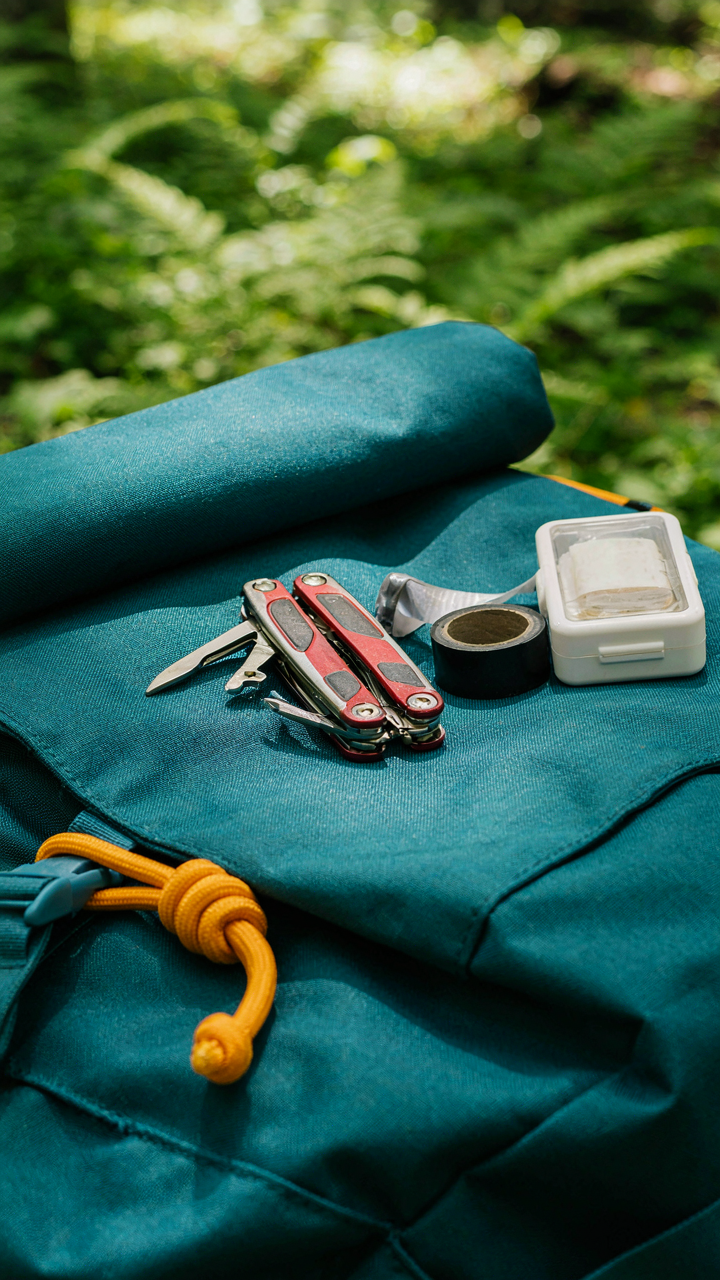
Build Redundancy Into Your Gear
You want to feel prepared so you don’t spend the trip anxious about what you forgot. Here’s the mechanism: biology teaches us that systems survive through redundancy, not perfection. Your carry-on doesn’t need one perfect item per function. It needs multiple items that handle the same problem differently. A merino wool layer isn’t just warmth—it’s also moisture management and odor resistance. A multi-tool isn’t just a knife—it’s pliers, screwdriver, and saw. Redundancy means one failure doesn’t collapse your entire system.
The difference between a redundant pack and a bloated one is intentionality. Don’t duplicate gear mindlessly. Bring a rain shell and a packable down jacket because they handle different weather states. Bring two charging cables because one will fail or get lost, and dead devices create cascade problems. Bring a small repair kit alongside your first aid kit because injuries and gear failures are separate failure modes. Redundancy isn’t insurance—it’s infrastructure.
Pack Components, Not Solutions
Most packing advice tells you to bring one item per need, then hopes nothing goes wrong. That approach fails. Engineering uses modularity to solve this: systems built from interchangeable parts survive damage better than monolithic designs. Your carry-on should follow this pattern. Instead of a dedicated camp towel, a dedicated wash cloth, and a dedicated dry bag, bring one high-quality microfiber cloth that serves all three functions. Instead of one jacket, bring a base layer, insulating mid-layer, and shell that combine into different configurations.
Prioritize items that repair or adapt rather than replace. A multi-tool requires one ounce of carry weight but eliminates the need for six specialized tools. A repair patch kit weighs nothing but restores a damaged dry bag or torn pocket. Modular gear philosophy means every item has secondary and tertiary uses you’ve mapped before the trip. When something tears or fails, you fix it with components you already packed—you don’t discard it and hope the rest of your kit compensates.
Smart Packing: Digital Vs. Physical Redundancy

Maps That Work When Your Phone Dies
You want to feel prepared without admitting you’re afraid of being lost. Here’s the mechanism: redundancy works like a supply chain with multiple vendors. If one fails, you keep moving. Offline maps on your phone solve this better than paper ever could. They weigh nothing, take seconds to access, and don’t tear in a pack.
Download your route on Google Maps, Maps.me, or Gaia GPS before you leave service. These apps cache the entire terrain, elevation data, and trail markers locally. Paper maps are bulky, require you to stop and orient yourself, and degrade in moisture. If your phone battery dies, you’ve already lost the digital map anyway, so a backup charger matters more than carrying paper. Test the download before departure to confirm it actually cached.
Documents Stored Across Two Channels
Physical copies feel like security but they’re actually liability. Cloud documents with offline access give you the real insurance. Store permits, emergency contacts, and trail info in Google Drive or Dropbox set to offline mode. Your phone holds the data. Your email holds the backup link.
If your phone breaks, you access these files on any device with internet. If internet fails, you already have offline copies synced to your device. Don’t print permits and contact lists. Instead, take a screenshot of critical information and store it in a dedicated folder within your offline-enabled cloud app. Download everything before the trip ends. The protocol is simple: sync, verify access works offline, pack the device, and move forward.
Post Trip Debrief: Optimize Your Carry On Packing List
The Weight You Actually Carried
You want to believe you packed efficiently. That’s the real motive here. But the mechanism is simple: memory is unreliable, so your next trip will repeat the same mistakes unless you document what actually happened. Most people skip this step entirely, which is why they pack the same dead weight every single time. The data you collect now is the only honest feedback your system will ever get.
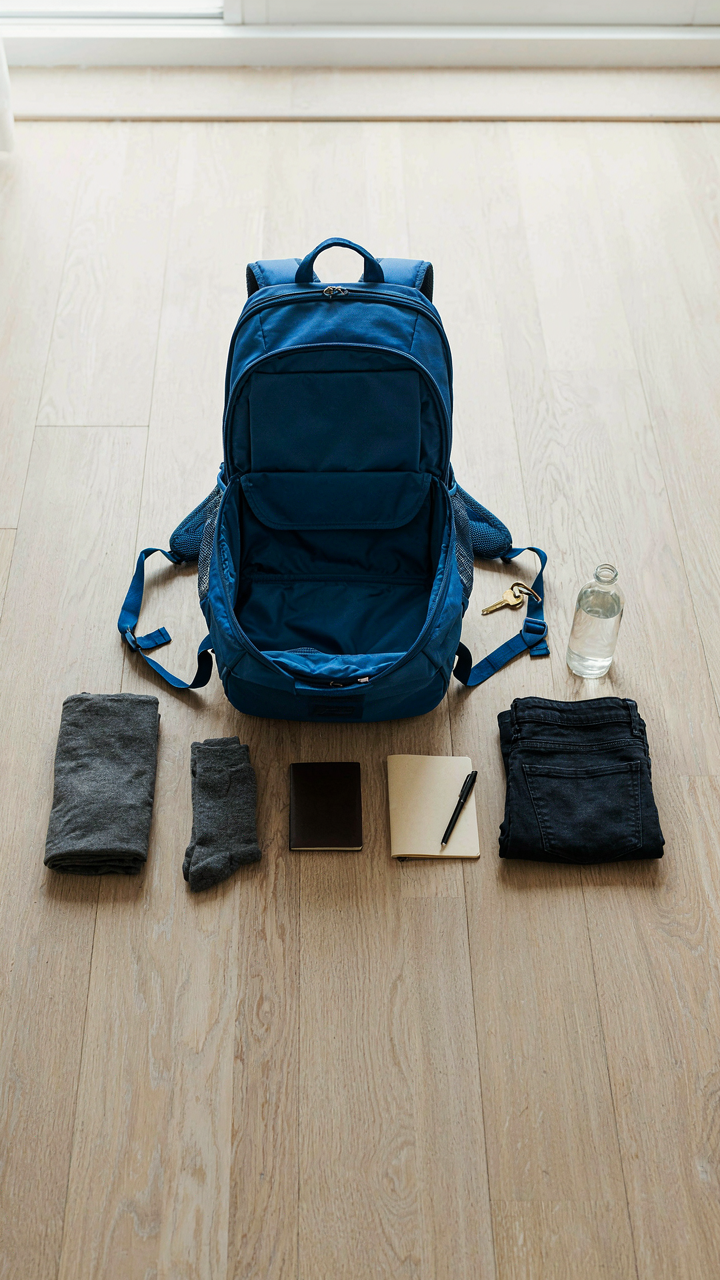
Pull your carry on apart the moment you land. Flag every item you never touched, every item you grabbed twice a day, every item that failed its job. Take a photo of your bag’s contents and write three sentences about what surprised you. This takes ten minutes and saves you pounds of unnecessary gear on your next trip. You’ll spot patterns that feel invisible in the moment but become obvious when documented.
What Worked Gets Repeated
This is where empiricism beats intuition. Backpackers know this from experience sharing, but most casual travelers ignore it. You need a simple log: item name, times used, whether it performed its function, whether you’d pack it again. Rate the items that earned their space and the ones that didn’t. One worked item repeated across five trips outweighs ten items you used once.
Identify the three items that solved the most problems for you. These are your core items for future trips. They represent genuine need, not aspiration or “what if” scenarios. The inverse matters too: identify the three items you expected to use but never did. These reveal where your assumptions about your own behavior are wrong. Stop packing based on who you think you are. Pack based on who you actually are when you’re traveling.
The Real Obstacle Isn’t What You Pack, But Your Addiction To Perceived Security

You don’t overpack because you lack information. You overpack because uncertainty terrifies you. Every extra item is a bet against the unknown, a psychological shield masquerading as practicality. The shift happens when you realize that restriction forces creativity, and creativity keeps you alive in the field. Stop asking what you might need. Start asking what you’ll actually use. Pick up your backpack right now and remove one thing you’re certain you won’t touch. That discomfort you feel? That’s where growth lives. A lighter pack doesn’t make you less prepared, it makes you more dangerous.