
Introduction
Camping with friends is a great way to enjoy nature, build stronger bonds, and create lasting memories. This article focuses on Camping Aesthetic Tips For Camping With Friends To Boost Adventures, providing practical advice to enhance your group camping trips. Whether you are new to camping or an experienced camper, these tips aim to improve your outdoor experience.
You will find simple strategies for organizing your gear, setting up your campsite, and enjoying activities that make camping with friends both fun and comfortable. By following these tips, your group’s outdoor adventures can become more enjoyable and smooth.
Picking The Right Campsite For Groups
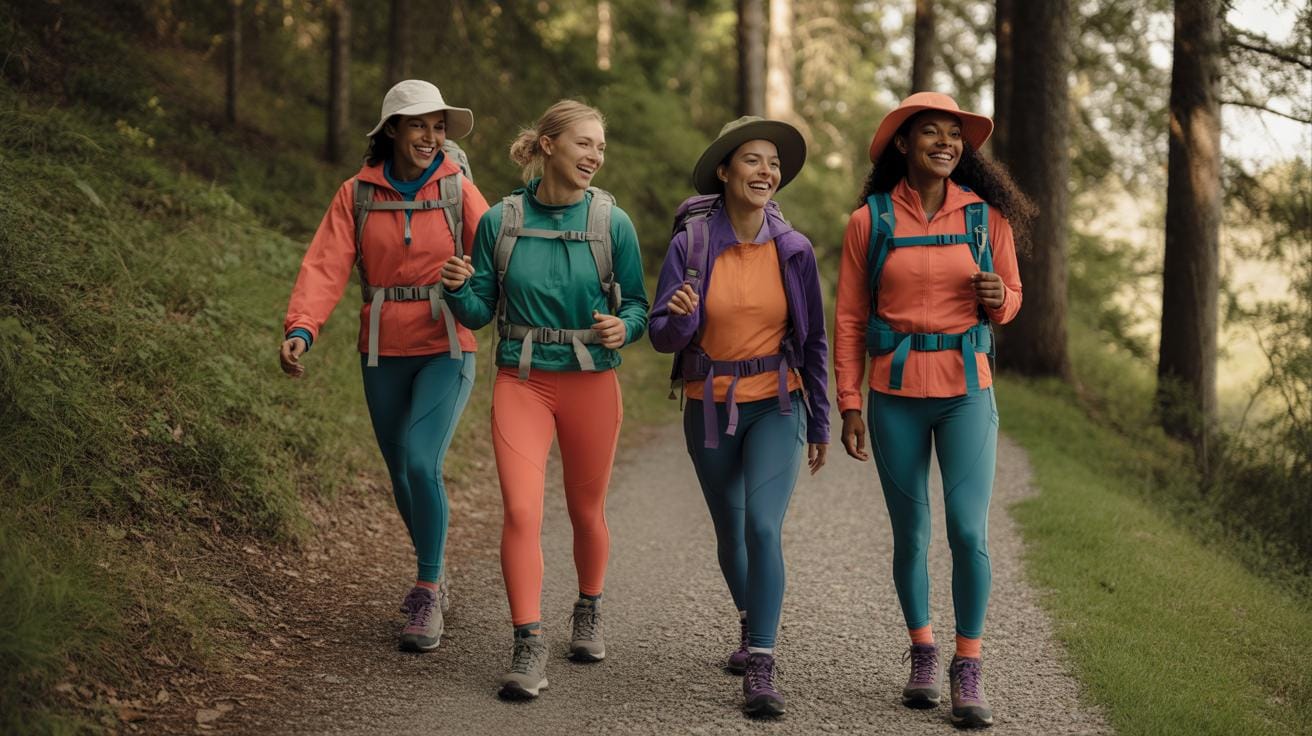
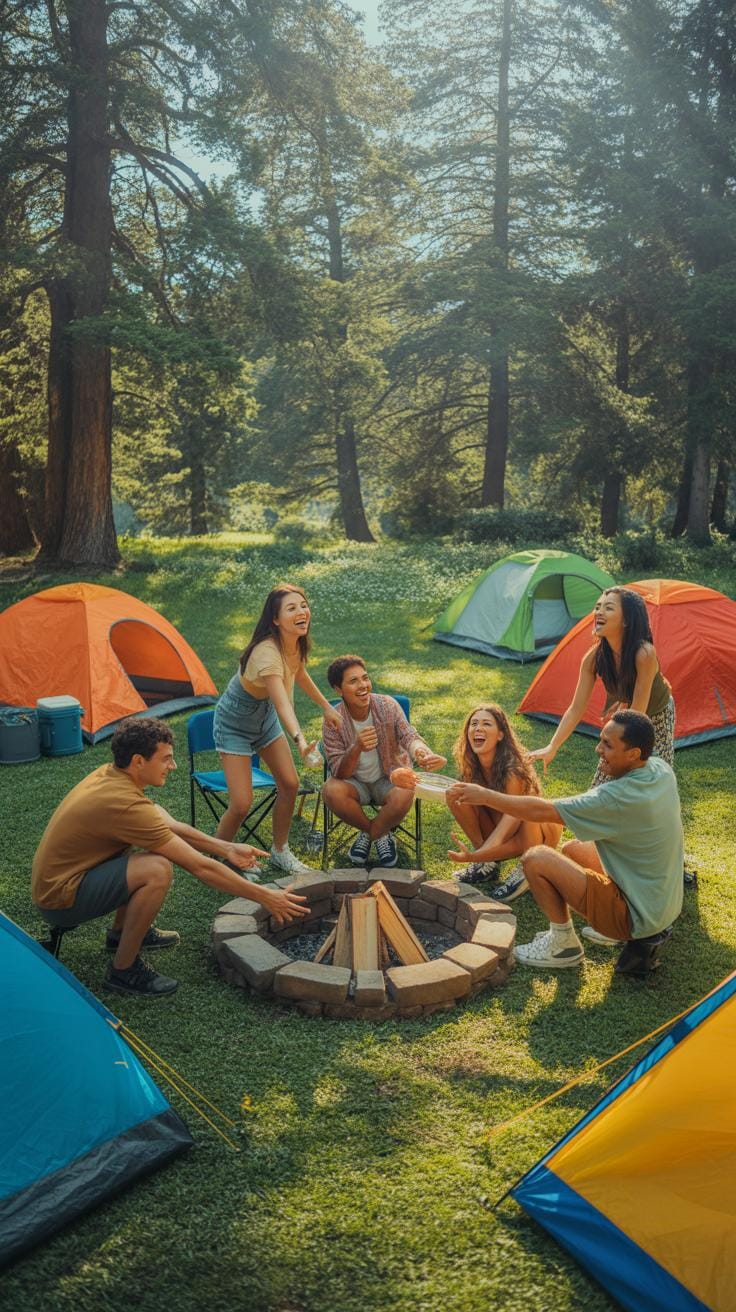
Choosing a campsite for a group of friends isn’t just about finding a spot to pitch a tent. It’s really about fitting everyone’s needs and vibe. Space is a biggie — no one wants to be crammed in like sardines. Look for areas that allow a few tents or have large spots designed for groups. You want some room to move around, right? A cramped site tends to kill the mood fast.
Amenities can make or break the trip. Having restrooms nearby, a water source for drinking and cooking, and picnic tables matters when you’re cooking for a crowd or just hanging out. It’s also smart to pick spots that offer easy access — it saves hassle hauling gear back and forth from parking areas.
Don’t forget to think about what the location offers. Maybe you want trails for hiking or a lake for swimming close by. Different groups have different activity ideas, so finding a campsite near things everyone can enjoy helps keep the adventure rolling.
Evaluating Campsite Size And Facilities
When looking for the right size, consider how many people you have and what kind of setup suits you. Some sites have marked boundaries for tents, while others might have platforms or designated picnic spots. Ask yourself if the restrooms are adequate. A single pit toilet for a dozen people? That’s less than ideal.
Water availability is a factor often overlooked until you’re dehydrated. Having potable water nearby is a real saver; hauling gallons in buckets gets old. Also, check if the site has shelters or picnic tables. They make for a convenient base when weather turns or when you just want to gather for meals without bugs attacking your food.
Assessing Location And Access Points
Accessibility is more than just car parking. Consider if the site is easy to reach without a heavy trek, especially if some friends don’t enjoy long hikes. Trails nearby offer quick escape routes for a solo walk or group hike.
Safety cannot be ignored, even in beautiful places. Choose sites with a clear perimeter or natural barriers, ideally away from sharp drops or fast rivers. Parking should be close enough to unload gear without awkward long hauls but not so close that vehicle noise becomes a nuisance.
Think about the balance between seclusion and convenience. A remote site sounds appealing, but if it adds an extra hour to your arrival or departure, it might not be worth it. And, honestly, sometimes the “perfect” location turns out to be a bit less perfect once you’re juggling logistics.
Creating A Group Camping Gear Checklist
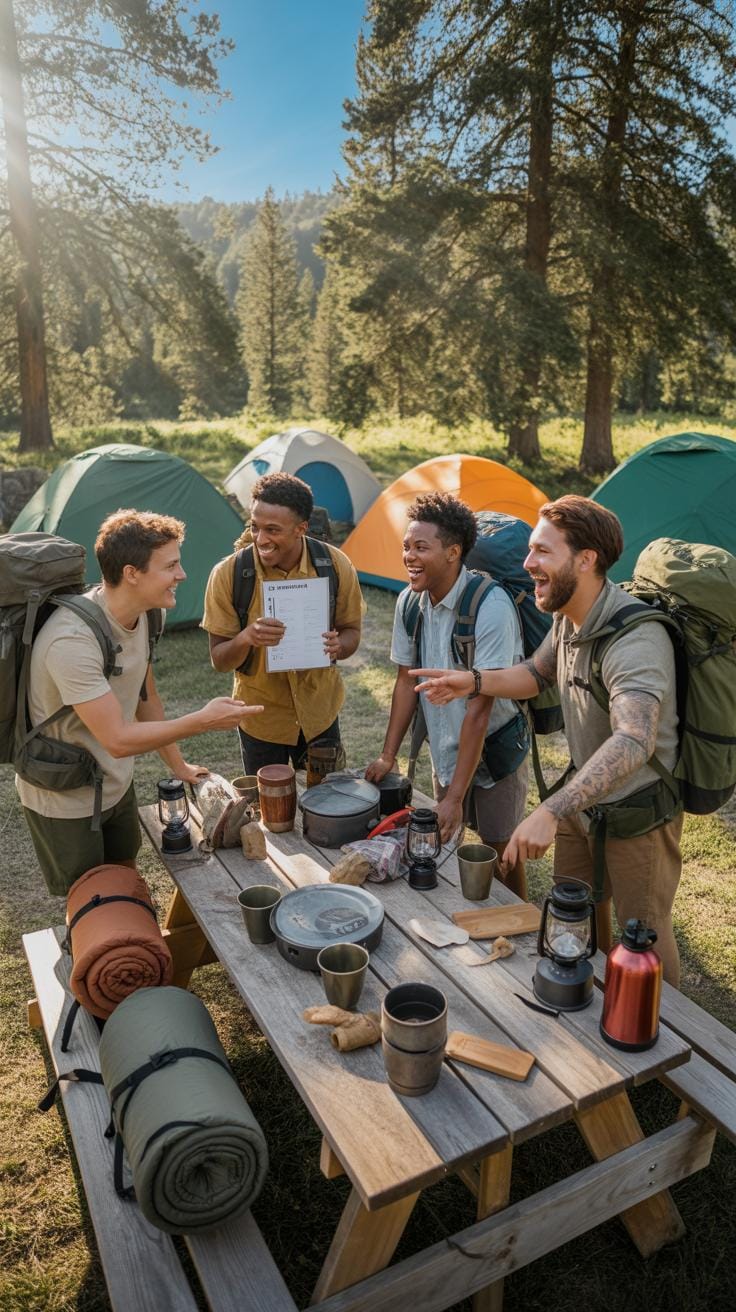
When you camp with friends, having a group gear checklist is almost a necessity. It keeps things organized, reduces stress, and, honestly, helps avoid the “Did anyone bring the…?” moments that tend to pop up too often. The key is deciding what to share and what to pack individually.
Some big-ticket items naturally fit into the shared category:
- Tents: Having a few large tents or a cluster of smaller ones helps everyone sleep comfortably.
- Cooking gear: Think stoves, pots, pans, and eating utensils — no need for everyone to haul their own stove.
- Safety kits: First aid kits, flashlights, and multi-tools are essentials that should be available to all.
On the flip side, personal gear like sleeping bags, clothes, and hygiene items should rest with each camper. But here’s where it gets interesting — dividing these shared items among the group really matters. For example, not one person needs to carry all the cooking gear or tents. You can split items based on strength, willingness, or even who likes carrying what.
Sometimes, it’s tempting to bring duplicates “just in case,” but this usually adds unnecessary weight. A quick chat beforehand can clear up who’s bringing each item, which makes for a smoother trip. You may even want a digital checklist everyone can update, which helps with accountability and last-minute changes.
Organizing Camp Setup For Efficiency
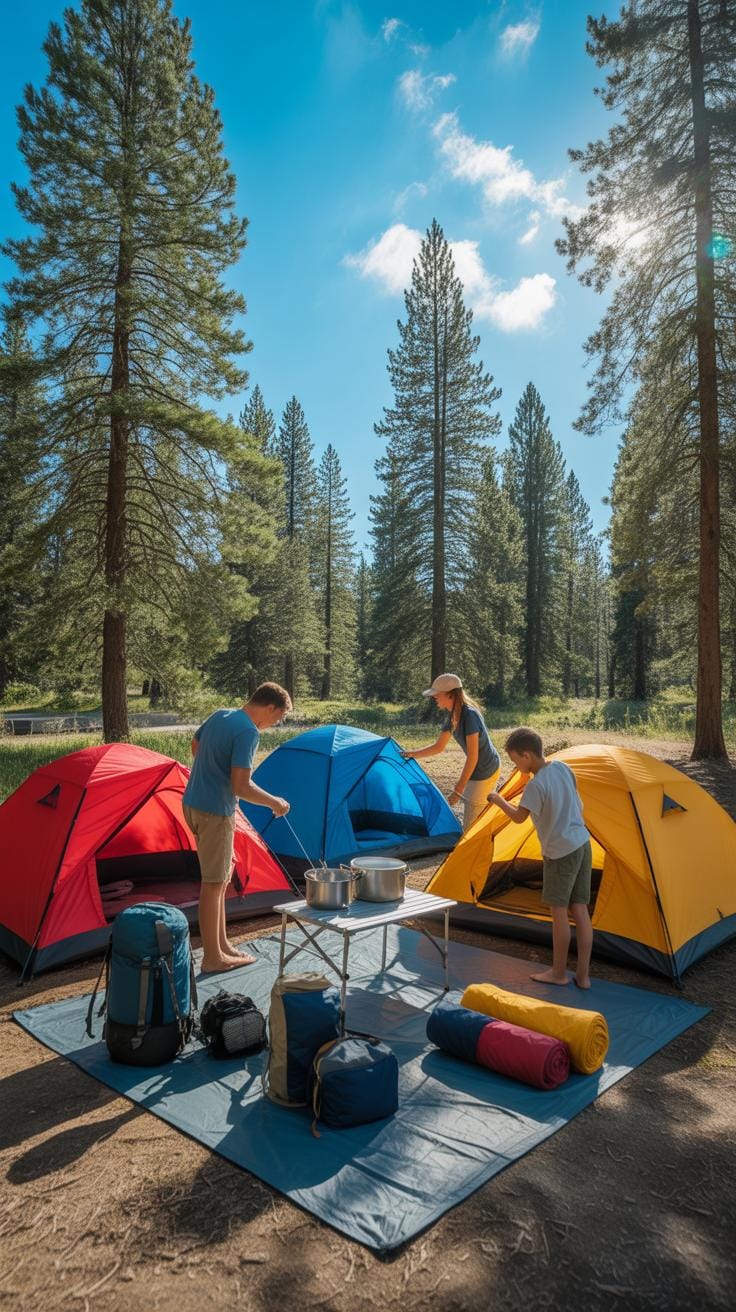
When camping with friends, organizing the camp setup together can save time and reduce stress. Start by deciding on roles. Who’s skilled at pitching tents? Who enjoys cooking? Assign tasks based on preferences and strengths. This way, everyone feels involved and the work gets done faster.
Next, talk through the layout before starting. Group tents close but give enough space for privacy. Think about natural elements like sun direction and wind. It’s helpful to keep the cooking area downwind from tents to avoid smoke drifting in. Social spots should be central, easy to access for all.
Cooking and social areas need clear boundaries. Use simple markers like rocks or logs to define these zones. It keeps the place tidy and avoids crowding. Plus, it’s nice to know where to gather for meals or games without interruptions. I’ve found that a designated area improves the vibe and flow during the trip.
Planning Activities For Group Fun
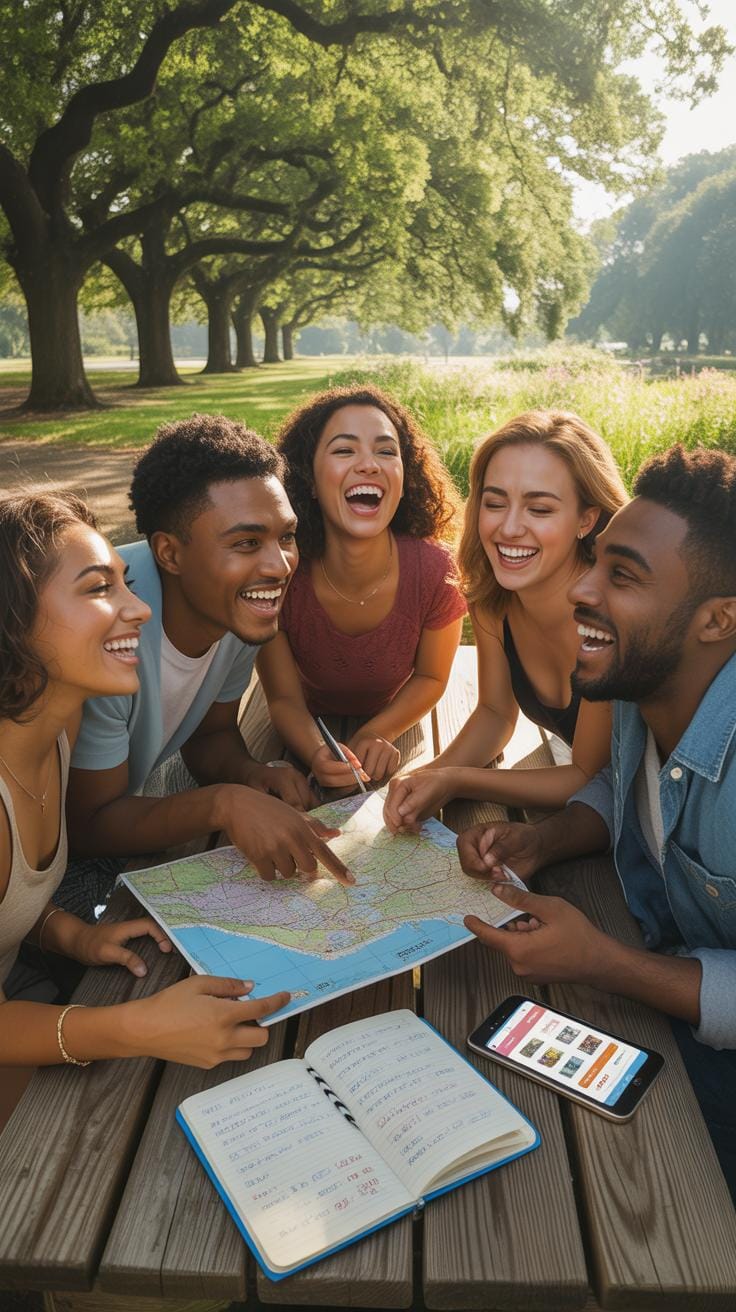
Planning activities for a camping trip with friends can make a big difference in how memorable the experience turns out. It’s not just about showing up and hoping for good times; setting up a range of activities beforehand helps keep everyone engaged. When planning, consider interests and physical abilities so no one feels left out. Maybe start by asking your group what they enjoy—mix things up so there’s something for everyone.
Group activities can be outdoor games like frisbee or capture the flag, but don’t overlook simpler things like story circles around the campfire. Sometimes these low-key activities spark more connection than the loud, competitive ones. Also, be open to spontaneous fun, which often arises naturally when people aren’t locked into a fixed schedule.
Outdoor Games And Group Challenges
Games are a perfect way to get everyone moving and laughing. Think about setting up group challenges that require teamwork, like scavenger hunts or relay races. These games encourage cooperation while stirring some friendly competition. You could tailor the difficulty based on your group’s age and energy levels—too hard, and people might get discouraged; too easy, and it loses appeal.
Another idea is nature-inspired games, such as identifying plants or wildlife as teams. This can be a quiet way to bond over learning outdoors without needing special gear. At some point, just tossing a ball around or playing “20 Questions” can feel refreshingly simple.
Guided Nature Walks And Exploration
Organizing nature walks during the trip gives the group a shared goal, gently steering everyone away from screens and into the environment. When you plan these, consider picking routes that offer varied scenery and opportunities to spot local flora and fauna. It’s helpful to have one or two people who know the area—or at least have a guidebook or app—to add interesting tidbits along the way.
Don’t rush the walk. Leaving space for stops and conversations helps deepen group bonding. Sometimes it’s about just being together in quiet moments, not always rushing towards the next peak or viewpoint. You might find lingering over a bird call or curious plant sparks more connection than a planned agenda ever could.
Meals And Cooking Plans For Groups
Simple Meal Prep And Shared Cooking
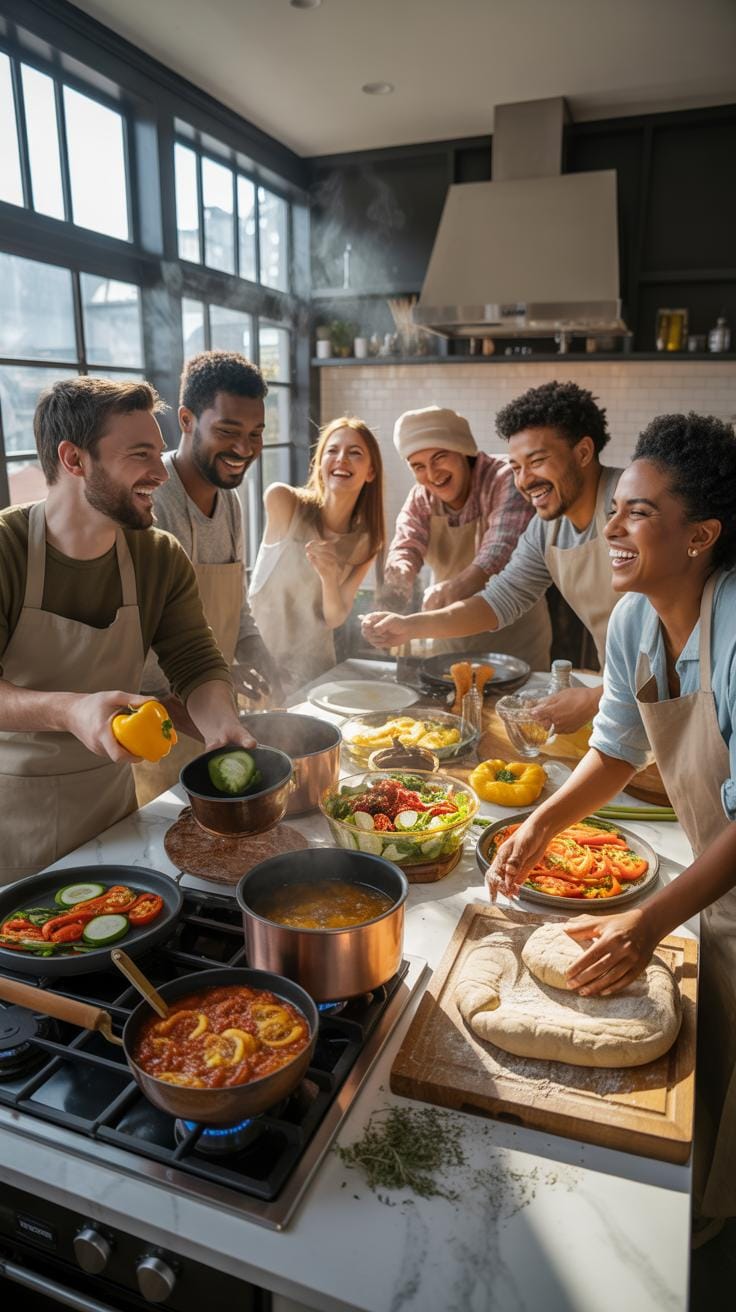
When camping with friends, meal planning can make or break the vibe. You don’t want to spend all your time preparing food, yet no one wants to starve either. One approach is to choose meals that don’t require a lot of peeling, chopping, or fuss. Think foil packet meals, where everyone adds their favorite ingredients to a foil wrap and tosses it on the grill or a campfire. Easy and kind of fun, right?
Splitting cooking duties helps too. Maybe one person handles breakfast, another does dinner, and desserts get shared or rotated. It eases the workload and makes everyone feel involved. Sometimes, the smells from a shared meal build more anticipation than the actual food—remember that sizzle and scent from morning bacon at the campfire? That’s part of the charm.
Cleaning And Food Storage Tips
Cleaning up quickly after cooking stops pests from crashing your campsite feast. Assign a cleanup crew to rinse dishes and pack waste properly. Paper towels and a small dishpan with biodegradable soap make washing up manageable. Toward the end of the trip, everyone pitching in to sweep the cooking area or pack leftovers creates a less chaotic, more pleasant environment.
Food storage is more critical than it seems; improper storage invites critters and can ruin meals. Use airtight containers or coolers and keep food sealed tight. Hang bags in trees or use bear canisters if local wildlife is a concern. It might feel a bit fussy, but staying vigilant about food storage keeps your group fed without surprise visitors. Have you ever had your snacks snatched by a curious raccoon? It’s not exactly fun, but it definitely teaches a lesson.
Safety Measures When Camping Together
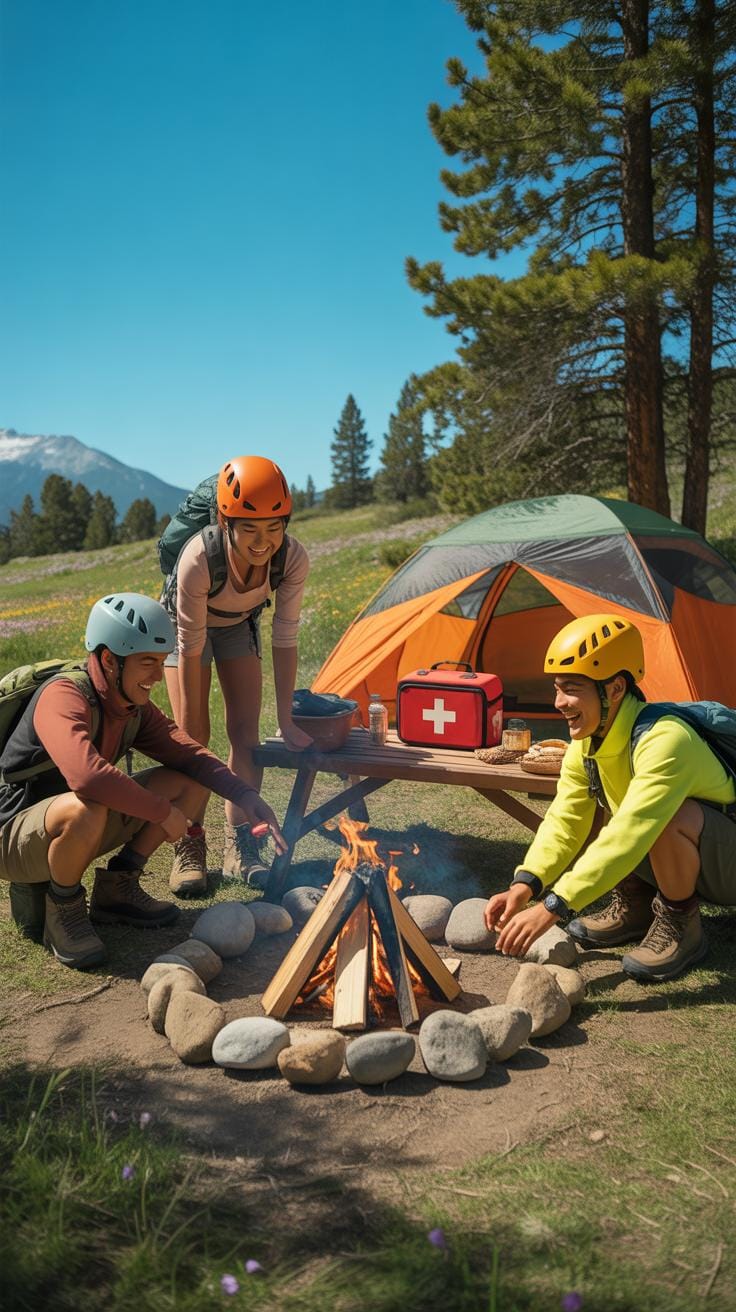
Camping with friends is a great way to enjoy nature, but safety must be a priority. Before setting off, make sure everyone knows basic first aid so you’re all somewhat prepared if something minor happens. I think it’s wise to designate one or two people as first aid leads—they don’t need to be experts but should know how to handle common injuries.
Keep a close eye on wildlife around your campsite. Animals may seem friendly or curious, but it’s better to maintain a respectful distance. Carry bear spray or noise makers if you’re in bear country; it’s an added peace of mind. Even small critters can cause trouble if attracted to food, so keep it sealed tightly.
Discuss and agree on an emergency plan before dusk. Pick a meeting spot if anyone gets separated. Maybe agree on times to check in, especially if someone wants to explore alone briefly. Sharing your location via phone apps can help if there’s reception. In areas without signal, walkie-talkies might be worth considering. Safety isn’t just about avoiding danger but also having a clear plan when things go sideways.
Preparing A Group First Aid Kit
I’d recommend packing a first aid kit bigger than what you’d use solo. It should cover multiple people, possibly for a few days. Essential items include:
- Bandages of assorted sizes for cuts and blisters
- Antiseptic wipes and ointments to prevent infection
- Pain relievers and antihistamines for common discomforts or allergies
- Tweezers and small scissors for splinter or tick removal
- Medical tape and elastic bandages for sprains
- Disposable gloves to maintain hygiene when treating wounds
Make sure someone knows how to use these items. I recall when a friend twisted an ankle, we managed well because we had a good bandage and someone who knew how to wrap it properly.
Establishing Emergency Communication Plans
Setting up clear communication protocols among friends can be tricky but necessary. Before leaving, talk about how you’ll communicate if devices fail. Agree on signals or sounds to indicate help, like whistles or flashlight signals at night. It might feel overly cautious, but planning how to respond when communication breaks down intrigues me—it’s like a small puzzle for the group.
Assign roles—who calls for help, who stays with an injured person, and who keeps track of time and directions. Sometimes, people get frightened or confused, so having these roles reduces panic. What if your phone dies? Consider offline maps and pre-downloaded emergency contacts.
Do you remember that time a camping trip turned unexpectedly? Those who had a plan stayed calm. It’s not fun to imagine worst-case scenarios, but it sure improves the adventure experience knowing everyone is prepared.
Packing Light Versus Packing Thoroughly
Benefits Of Minimalist Packing
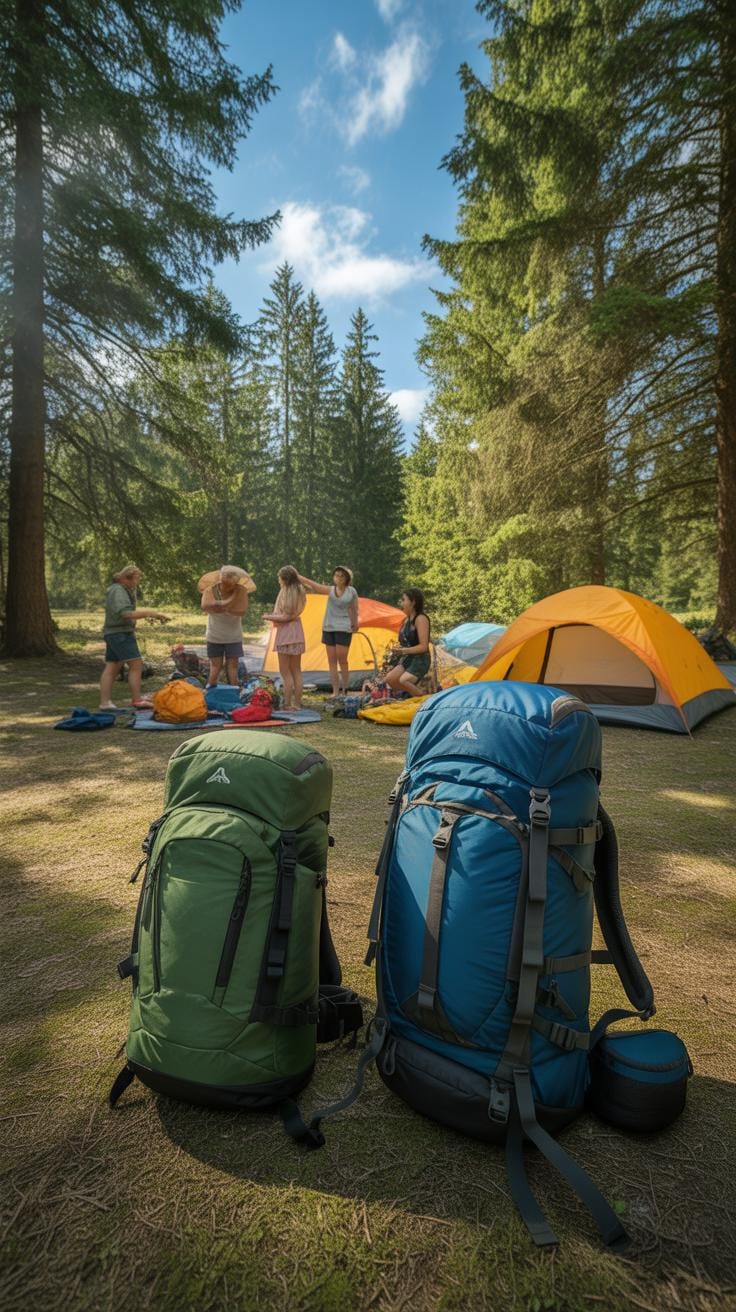
Packing light for a group camping trip has some clear perks. When everyone sticks to essentials, the whole crew stays mobile and nimble. Think: quicker hikes, easier car loading, and faster campsite setups. Traveling light means less time fumbling with bulky gear and more time enjoying the outdoors. It also reduces fatigue, which can really add up over long days. Plus, minimalist packing forces you to prioritize what truly matters — you get to focus on the experience, not the stuff. And in a group, sharing a few items like cooking gear helps cut down the load even more. Everything feels less cumbersome.
Advantages Of Full Gear Preparation
On the flip side, bringing full gear has its moments. If your group plans to tackle tough weather or stay far from civilization, having extra equipment becomes crucial. Maybe you need specialized cooking tools, extra tents, or gear for extended emergencies. More gear can mean more comfort and safety, especially on longer trips. Of course, heavier loads can slow you down. But in a group, distributing weight across members makes it manageable. You might find some friends happy to carry extra packs, making thorough preparation less daunting. It’s a trade-off: more gear and weight for added readiness and peace of mind.
Resolving Common Group Camping Issues
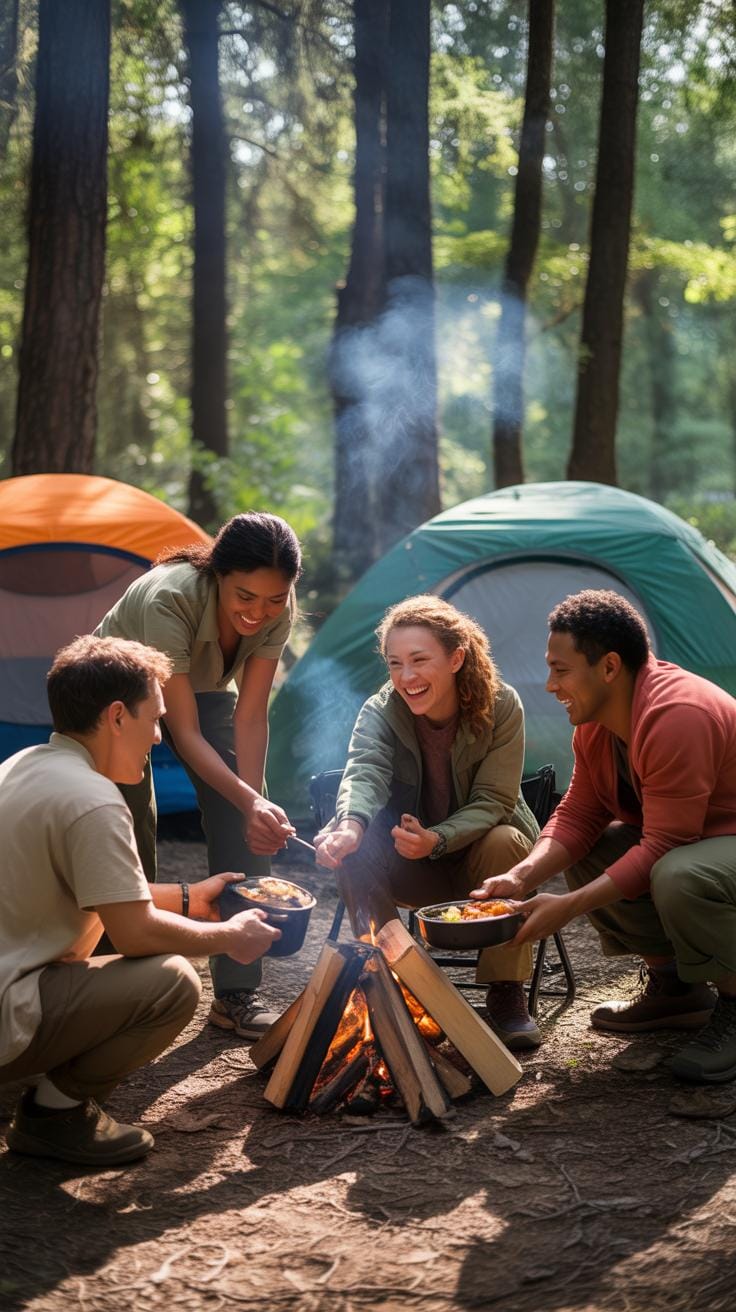
Camping with friends can be a blast, but it’s not without its hiccups. One frequent problem is deciding on the campsite or daily plans, where opinions can clash easily. Sometimes, someone might prefer quiet reflection, while others seek more action. To address this, setting a loose itinerary with optional activities allows each person some freedom without fracturing the group dynamics.
Conflicts around chores, like who sets up tents or prepares meals, never seem to vanish. A quick solution is to assign tasks based on skills or preferences beforehand. It lightens the load and minimizes grudges over unfulfilled duties. That said, flexibility here helps—plans may shift if someone’s not feeling up to their task.
Weather can throw a wrench in good plans overnight. Packing shared essentials such as extra tarps, rain gear, or warm layers keeps everyone prepared. Discussing emergency plans and having a collective mindset to adapt makes facing sudden storms less stressful. It’s surprising how reassuring it feels when everyone knows their role if conditions turn tough.
Maximizing Comfort In Group Camping
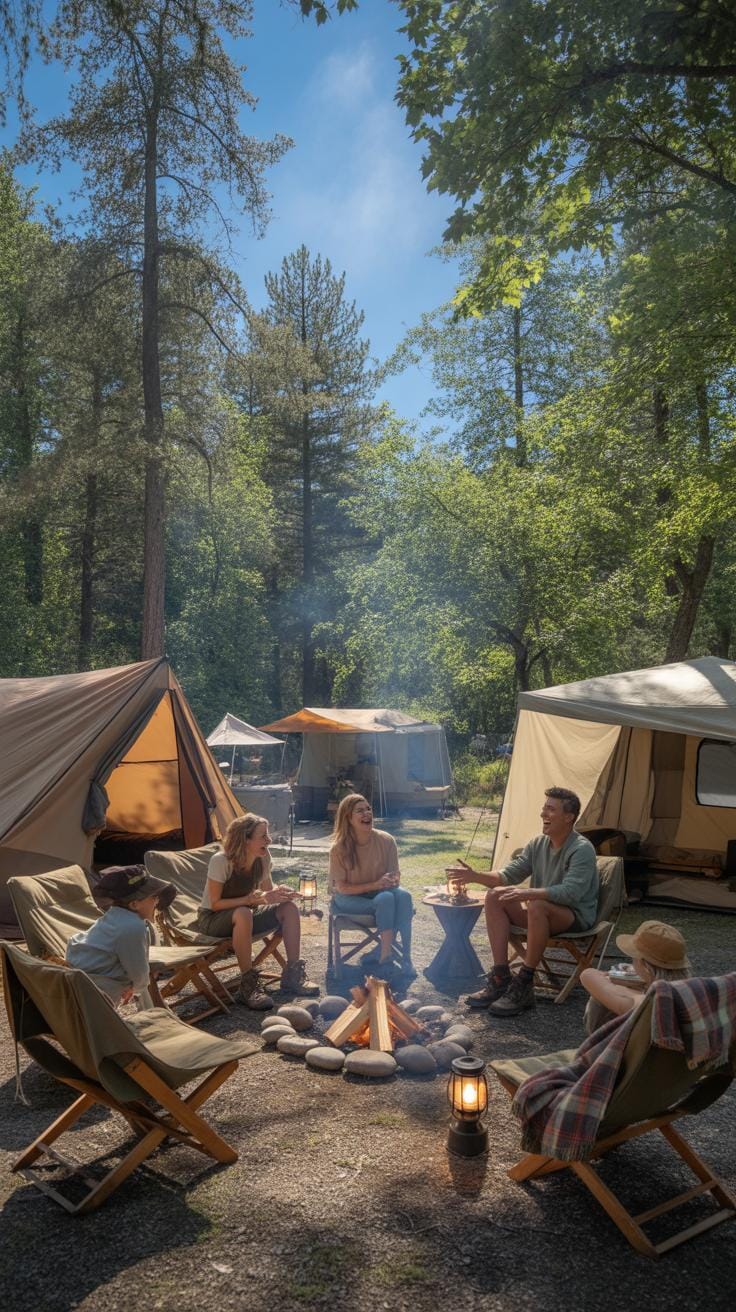
When camping with friends, comfort can suddenly feel like a puzzle. Everyone wants to feel relaxed, yet group settings often crowd the space. One way to start is by choosing seating that suits different needs. Folding chairs with padded backs can save your shoulders, especially if you have a long day of hiking ahead. Benches or picnic-style seating work well if you like being close to others, but maybe toss in a few single seats for those who occasionally need a little break from chatter.
For shelter, think beyond just tents. Setting up a large canopy or a gazebo gives a shared, weather-protected hangout, while each person still has their own tent for privacy. Position the tents in a loose circle or in small clusters to create spots of personal space that don’t feel isolating.
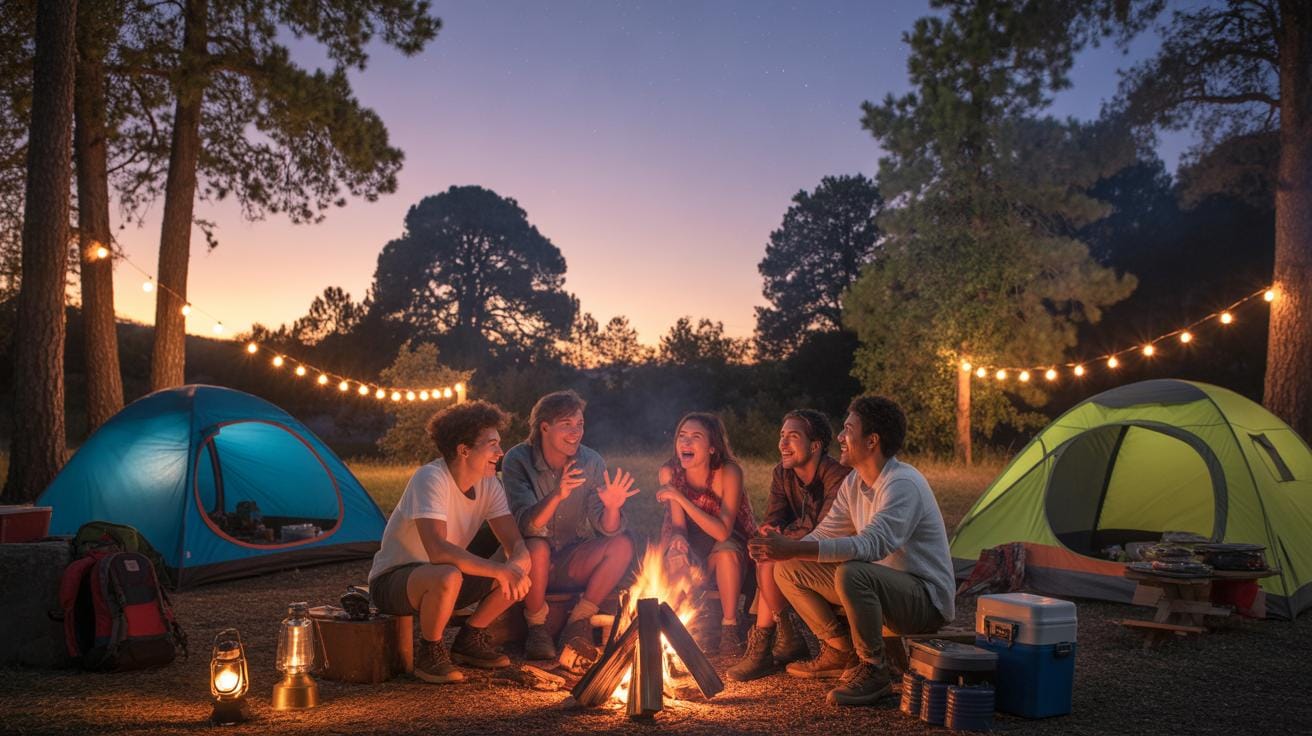
Lighting plays a double role—visibility and vibe. String lights are popular, but be mindful of where you hang them; too close and it’s glaring, too far and it looks like a sad string strung in the dark. Mix in solar lanterns or LED stake lights around pathways and seating areas for soft, functional lighting that invites lingering conversations.
Also, consider dimmable lights or lights with color options to switch moods—from lively to calm—as the night progresses. The balance isn’t always easy to find; sometimes too much light feels less cozy, but too little leaves you fumbling for your keys in the dark.
Camping With Friends
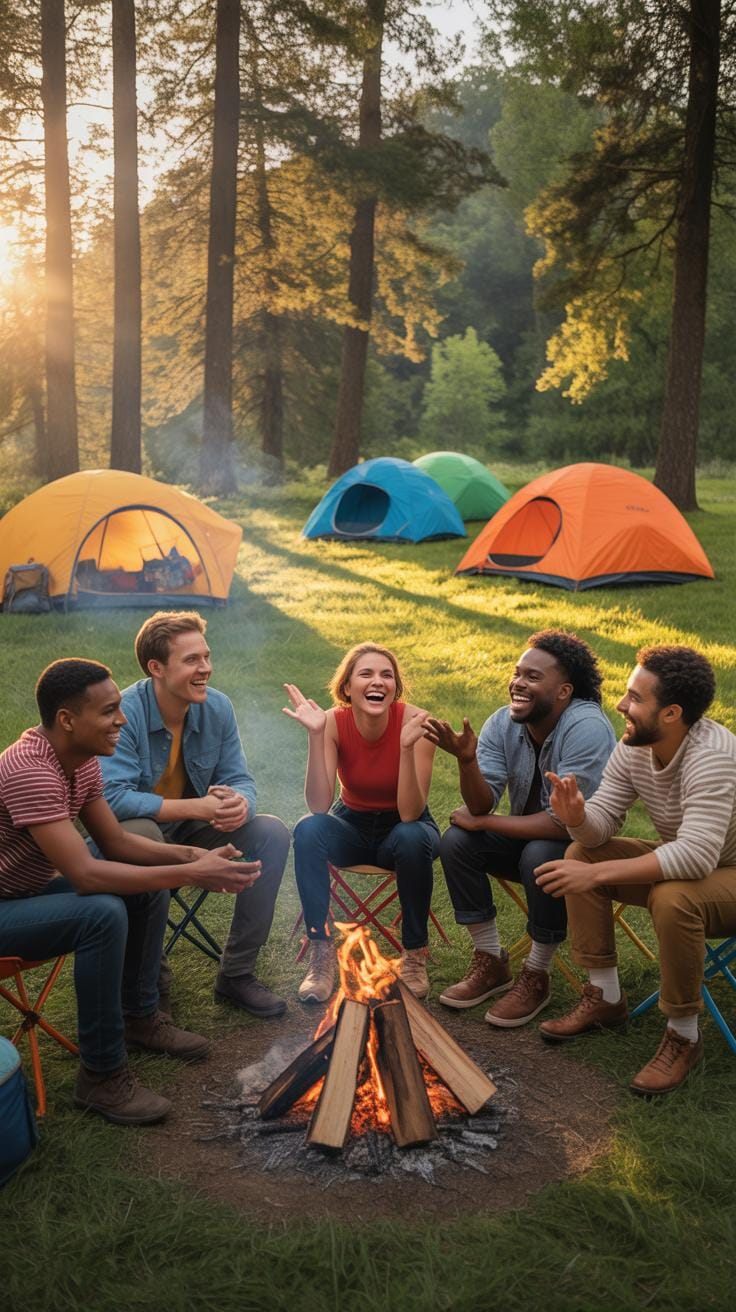
Camping with friends turns a simple outdoor trip into something richer, more spontaneous. It’s about moments you might not plan but end up remembering most. Friendships can shift when everyone spends nights under the stars together—whether it’s sharing laughter around a campfire or quietly watching dawn break. Sometimes, you find new sides to your companions. Other times, familiar quirks become part of the trip’s charm.
Group dynamics influence the whole experience. For example, negotiating who takes on which tasks, from setting up tents to cooking, can be tricky. But it also offers chances to cooperate, laugh at minor mishaps, and feel a sense of accomplishment as a team. It’s not always smooth; occasional disagreements happen, yet these moments often bring stories that resurface for years.
Planning becomes a shared adventure too. Deciding on destinations, routes, or activities can reveal preferences and inspire creativity. Some friends might want early mornings for hikes, while others prefer lazy afternoons by the lake. Finding a balance is key but don’t stress too much—sometimes improvising leads to unexpected fun.
Being with friends also means safety in numbers and moral support in unfamiliar surroundings. There’s comfort in knowing someone else will check the map when your phone dies or that a buddy will fetch water when your container feels too heavy. This mutual care adds subtle layers of connection to the whole trip experience.
Conclusions
Camping with friends offers a unique chance to connect with nature and each other. By planning carefully and using practical tips for gear and campsite setup, you can avoid common problems and maximize your time outdoors. Small details like coordinating gear and tasks can make a big difference in group camping enjoyment.
Remember, good preparation helps everyone have fun. Use this guide’s advice to create a comfortable and organized camping trip. Your shared experiences will become stories that you and your friends will cherish for years.