

Beyond The Camping Checklist: The “Pareto Principle” Of Gear
The Core 20 Percent That Matters
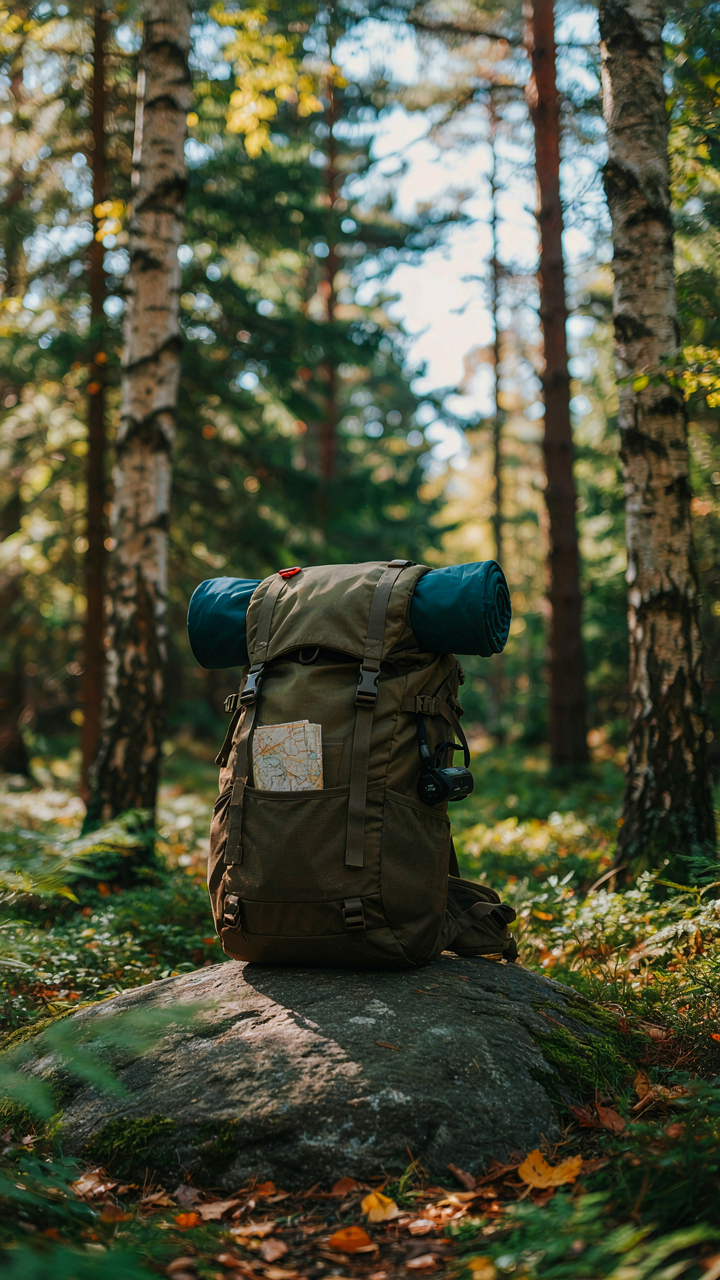
You want permission to buy less and still feel prepared. That’s the real reason you’re reading this. The mechanism is simple: economics calls it the Pareto Principle—80 percent of results come from 20 percent of inputs. In camping, five to seven core items handle nearly every situation you’ll face. A quality tent, sleeping bag rated for your climate, insulated pad, headlamp, and multi-tool solve the majority of problems. Everything else is optimization, not survival. Most first timers buy thirty items when seven work.
A tent keeps you dry and sheltered. A sleeping bag rated to the correct temperature prevents hypothermia. A pad insulates you from ground cold that steals body heat faster than air temperature alone. A headlamp frees both hands after dark. A multi-tool handles repairs and food prep. These five items are non-negotiable. The rest—camp chairs, cooking systems, extra socks—solve specific comfort problems, not fundamental survival problems. Start here. Add nothing until you’ve used these five items across multiple trips.
The Multi Use Tool Over Gadget Accumulation
Gear companies profit when you buy one tool per job. Buy a dedicated stake puller, a separate fire starter, a specific pot lifter, and suddenly you own fifteen items for a three day trip. Real efficiency demands tools that serve multiple functions without compromise. A quality knife handles food prep, first aid cuts, and gear repair. Paracord becomes a clothesline, repair material, and emergency cordage. A metal pot becomes your cooking vessel and water container. Rope and a carabiner replace specialized camping furniture.
Single purpose gadgets create logistical debt. You pack more, organize more, lose more items, and carry dead weight. A multi-tool with blade, pliers, and screwdriver weighs ounces and eliminates three separate items. A lightweight tarp serves as ground cover, wind break, or rain fly. Choose tools that solve problems through versatility, not specialization. Stack functions whenever possible. Weight saved compounds across a trip, and fewer items means fewer things to forget or break.

The Cognitive Load Of Camping Must Haves

Too Many Choices Kill The Decision
You want to feel prepared because unprepared feels like failure. Here’s what actually happens: the camping gear industry has weaponized choice. More options don’t increase your odds of picking right. They increase decision paralysis. Cognitive psychology calls this the paradox of choice. In gear selection, it manifests as endless research loops where you compare tents, sleeping bags, and stoves instead of committing. Analysis becomes a substitute for action.
Most advice tells you to “research thoroughly” before buying. That’s incomplete. Thorough research past a certain point is procrastination wearing a productivity mask. You hit diminishing returns fast. After identifying the core categories you need, additional options don’t improve outcomes. They drain mental energy you’ll actually need on the trip itself. The decision fatigue you accumulate now gets carried into the field, where it compounds into poor judgment and reduced enjoyment.
Pick A Layer, Commit, Move Forward
Constraint focuses the mind. Military units don’t optimize every piece of gear individually. They standardize around proven kits and train with them. You should operate the same way. Pick one tent model, one sleeping bag spec, one stove type. Not because it’s objectively perfect. Because it’s sufficient and it kills the loop.
The mechanism is simple: bounded decisions free mental RAM for experience design. You arrive at camp and think about where to set up, what to cook, who to talk to. Not about whether you bought the right gear. Lock in your essentials through clear criteria (weight, durability, price range) in that order. Once locked, stop researching. Order it. Use it. Adjust only after field testing reveals actual problems, not theoretical ones.
The “Survival Hierarchy” Of Shelter & Sleep Systems
Why Tent Choice Actually Matters More Than You Think
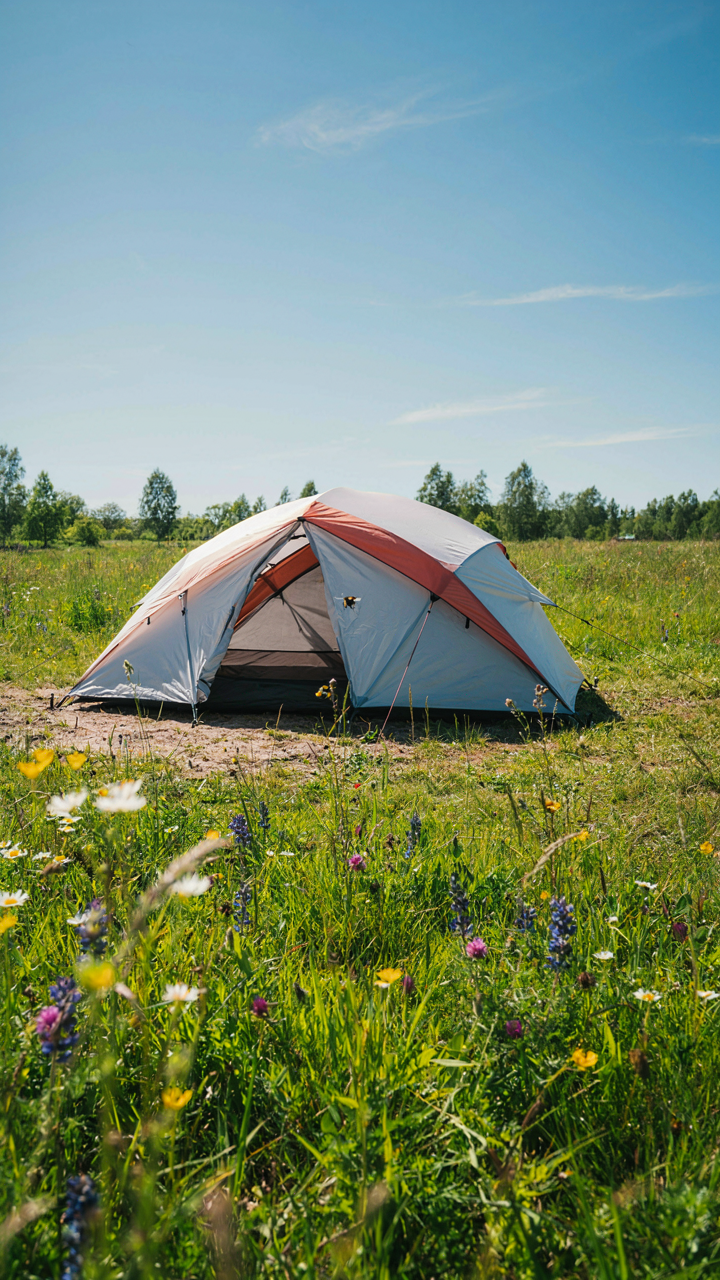
You want a tent that won’t fail you because failure in shelter means a ruined trip, wasted money, and the story you tell people who never camp anyway. The real mechanism is environmental fit, not brand names or marketing claims. A three-season tent in winter conditions becomes a liability. A four-season tent in summer becomes dead weight and heat management hell. Most first-timers buy the wrong shelter because they choose based on price or looks instead of the specific environment where they’ll actually sleep. Tent design solves for wind, rain, temperature swing, and condensation management. Pick the wrong category and you solve for nothing.
The tent industry sells you generic shapes. What matters is whether your shelter handles the specific stressors of your chosen terrain and season. A dome tent excels in wind because of its low profile and distributed load. An A-frame handles heavy snow load better because it sheds weight downward and outward. A tunnel tent maximizes interior space but sacrifices wind stability. Match the geometry to the environment, not the Instagram aesthetic. You’ll spend more nights in your shelter than anywhere else on a trip. The tent is where the trip either becomes a memory or a nightmare.
How Sleep Systems Work As One Unit
Most advice isolates sleeping bags from pads from layers like they’re separate purchases. That’s wrong. A sleeping system is thermodynamics, not shopping list items. Temperature rating on a bag means almost nothing without an insulating pad underneath you, because ground contact pulls heat from your body faster than air temperature drops it. The pad is not optional equipment. It’s half the equation. A rated-for-30-degree bag paired with no pad will leave you cold at 40 degrees outside. A rated-for-20-degree bag with the right pad keeps you warm at conditions it shouldn’t theoretically handle.
Build your system by starting with the sleeping pad. R-value tells you insulation performance. Higher R-value stops ground conduction. Then add a bag rated five to ten degrees colder than your expected low temperature. Then add a baselayer that doesn’t trap moisture. The system succeeds when all three components work together to regulate your core temperature through the night. Test your system at home before the trip by camping in your backyard. This single action prevents 90 percent of first-time sleep failures because you’ll catch gaps in your setup before you’re miles from the car.
Fire & Food: The Thermodynamics Of Hunger Approach
Your Stove Doesn’t Need To Be Pretty
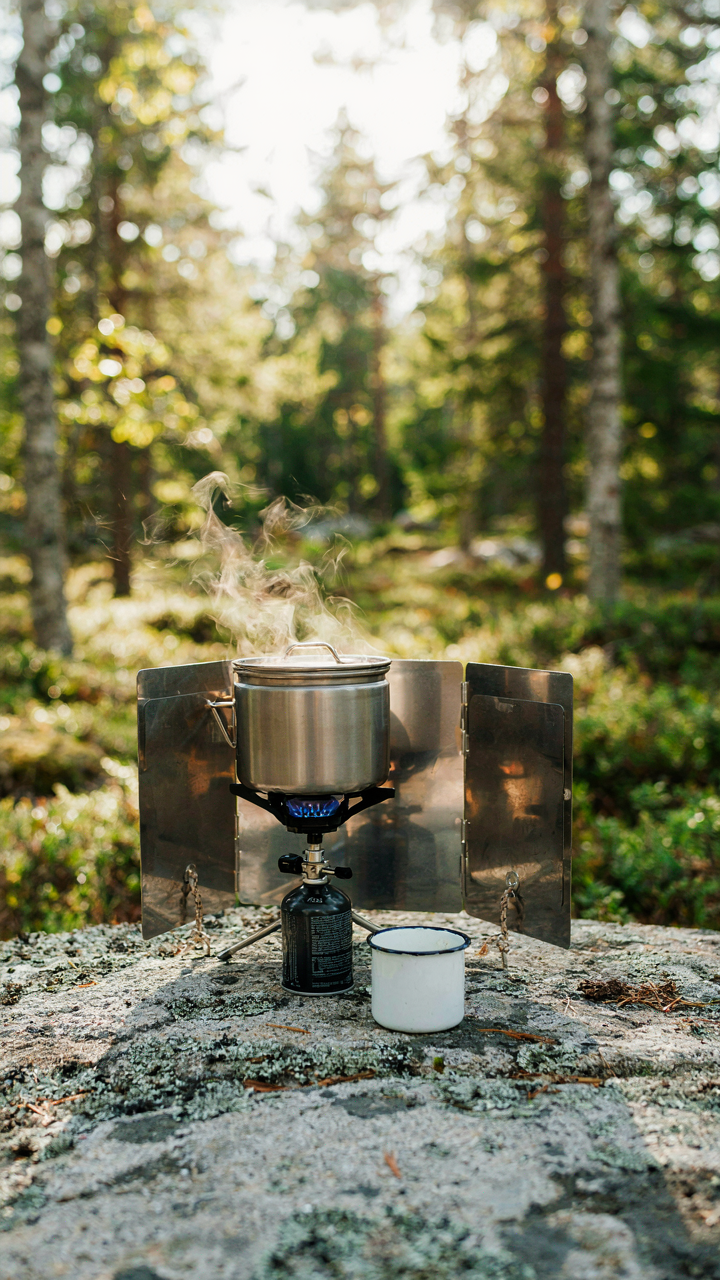
You think a fancy stove impresses people. It doesn’t. What actually matters is heat transfer efficiency. Thermodynamics tells us that fuel energy converts to usable heat through surface area contact and insulation design. A basic canister stove with a wind screen beats an elaborate multi-burner setup because it loses less BTU to wind and ambient air. First timers overbuy. Get a single-burner canister stove, a titanium pot, and a reflective windscreen. The stove sits stable, the pot absorbs heat fast, and wind doesn’t steal your fuel. That’s the entire equation.
Most advice says pack lightweight gear for comfort. Wrong reason. You pack lightweight because weight is wasted energy on the trail. A three-ounce stove and a five-ounce pot demand less fuel to cook the same meal. Less fuel means fewer ounces carried. The math compounds over multiple days. Canister stoves use pressurized butane or isobutane fuel that burns clean with minimal residue, so you don’t clean between trips. Just screw on a new canister and go. Efficiency compounds into freedom.
Fuel Density Beats Meal Variety
Stop thinking about “nice meals” in the backcountry. Your goal is calories converted to energy with zero prep time and zero cleanup friction. Fat has nine calories per gram. Carbs have four. Protein has four. Eat fat first. Peanut butter, nuts, hard cheese, and salami require zero cooking. They don’t spoil fast. They taste good cold. A two-ounce block of salami plus two ounces of nuts plus two ounces of peanut butter equals roughly 1,200 calories with three minutes of chewing.
Cook only when you need hot water for rehydrated meals or coffee. Instant oatmeal, ramen, and freeze-dried entrees take under ten minutes total. You boil water, pour, wait, eat from the pot with a spoon. One pot. One heat cycle. Done. This eliminates the gap between hunger and satiation that kills morale on day three. Pair cold-dense calories with one hot meal per day. Your stove burns fuel only once daily, and your caloric intake stays stable without the logistics nightmare.
Navigation & Safety: The Redundancy Protocol
Map, Compass, And GPS Stacked
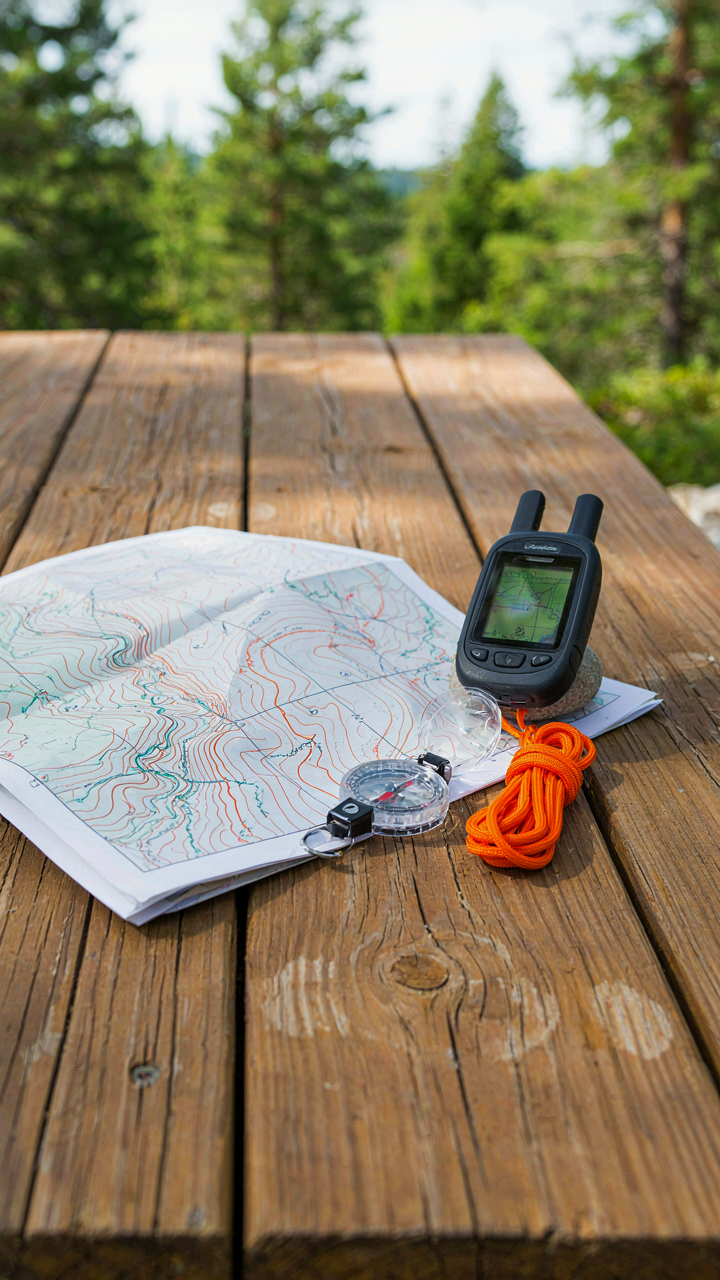
You want the insurance policy that proves you’re prepared, but the real mechanism here is borrowed from military doctrine: defense in depth. You don’t stack navigation tools for peace of mind. You stack them because each one fails in predictable ways under specific conditions. A map doesn’t need batteries. A compass doesn’t need signal. GPS doesn’t require you to read terrain. Each one compensates for the others’ collapse points.
- Topographic map of your area: Waterproof or sealed in a plastic bag. Shows elevation contours, water sources, and terrain features GPS alone won’t communicate to your brain fast enough.
- Baseplate compass: Lightweight, mechanical, works at any altitude. Orient the map, align the compass housing, take a bearing. No power required, ever.
- GPS device or smartphone with offline maps: Pre-download maps before you leave cell range. Garmin or similar dedicated units outlast phones in cold. Smartphones are convenient but they drain.
- Backup battery pack: Capacity depends on your GPS device and trip length. A 10,000mAh pack runs most phones or GPS units for days with rationing.
- Paper and pencil: Write down waypoints, distances, landmarks. Pencil doesn’t freeze or fade like pen ink does in cold.
The redundancy isn’t paranoia. It’s probability management. The moment you rely on one tool, that tool becomes the single point of failure. Carry all three, learn how to use each one independently, and practice before you need them. Don’t learn navigation in the field.
The Living First Aid Kit
You think a first aid kit is something you pack and forget until you need it. That’s exactly backward. A static kit is performance theater. It sits in your pack, gets old, and contains items sized for urban emergencies, not backcountry problems.
Your first aid kit is a system you update before every trip based on the specific terrain, season, and group size you’re taking. A summer day hike in grassland needs different supplies than a winter three-day alpine push. Check expiration dates. Remove anything you won’t actually know how to use. Add blister prevention supplies if your group breaks in new boots. Restock your pain relievers after you use them. You maintain this kit like you maintain your gear. The moment you treat it as a set-it-and-forget-it box, it becomes dead weight with an expiration date stamped on the side.
Water Management: The Hydration Contingency Framework
Find Water, Filter It, Then Purify It
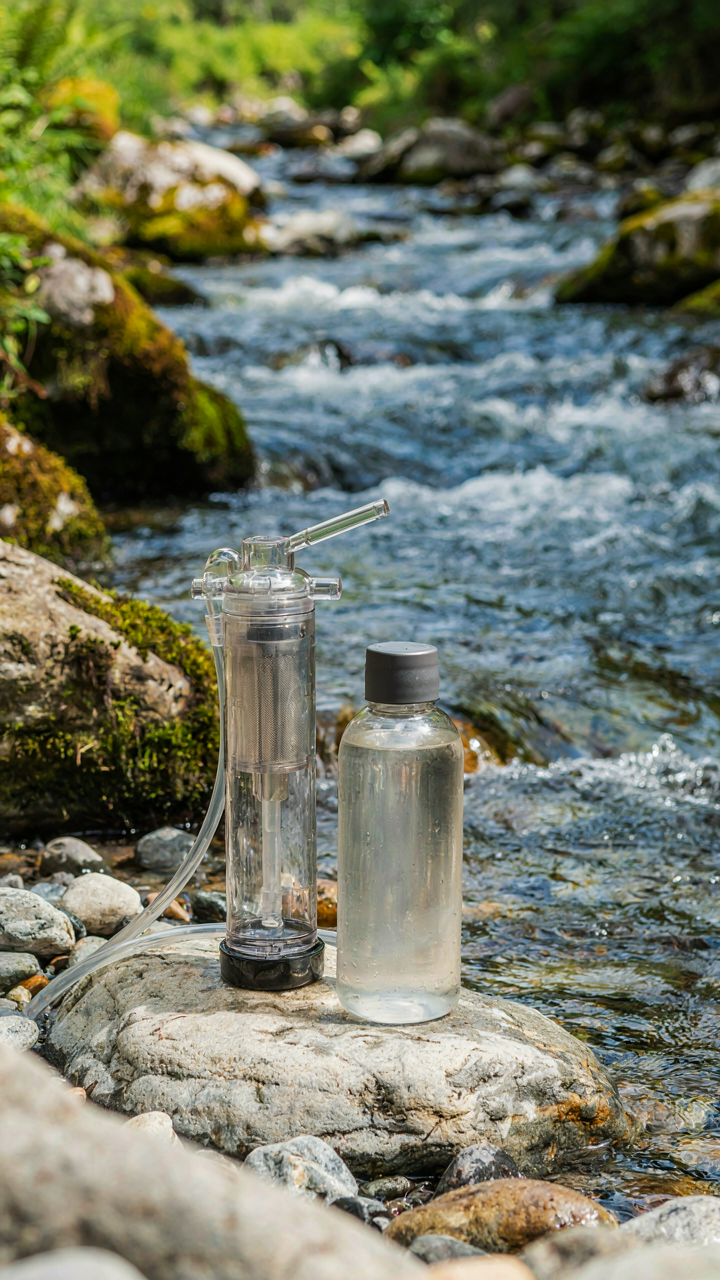
You’re reading this because you’re afraid of getting sick in the backcountry and looking stupid in front of whoever you’re camping with. Here’s the mechanism: water sources exist everywhere, but pathogens don’t announce themselves. Think of this like a military supply chain—you secure the source, remove visible contaminants at the first checkpoint, then neutralize threats at the second. Filtration and purification are not the same. Filtration removes particles and some bacteria. Purification kills viruses and protozoa that filters miss. You need both stages.
Natural water sources range from streams to lakes to stagnant pools. Fast-moving water is safer than still water, but “safer” doesn’t mean clean. Use a gravity filter or pump filter to remove particles first—this extends the life of your purification tablets or UV device. Boiling works if you have fuel and time, but it’s inefficient for volume. Purification tablets add weight and reliability. UV pens like the SteriPen kill pathogens instantly but require batteries. The real answer: pair a lightweight filter with tablets as backup. This covers you for volume, speed, and redundancy.
Choose Containers Built For Access And Damage
Water containers fail for two reasons: you can’t reach the water easily when you need it, or they rupture on the trail. Hard-sided bottles like Nalgene withstand puncture but weigh more and take up fixed space. Collapsible containers save weight when empty but need a stable surface to fill from. The tactical choice depends on your trip length and terrain. On short trips, pack one rigid bottle for reliability. On longer trips, add a collapsible backup that lives at the bottom of your pack.
Bottle placement matters as much as the container itself. Keep your primary water bottle accessible in an external pack pocket or attached to a hip belt—not buried at the base of your pack. Hydration bladders work for volume during movement but are hidden inside your pack and harder to monitor. For first timers, a single two-liter hard bottle on the exterior beats any system you can’t quickly access. Fill it completely at camp or known sources, then refill opportunistically. This protocol eliminates the moment when you realize you’re out of water and don’t know where the next source is.
Clothing: The Layering System Economics
Base Layers Beat Bulk
You want to feel prepared without looking like you’re hauling a department store into the woods. The real mechanism here is thermal regulation through fabric, not fashion. Merino wool and synthetic base layers (polyester, nylon blends) manage moisture differently than cotton, which traps sweat and fails when wet. One quality base layer outperforms three cheap cotton shirts because it actually moves water away from your skin.
The economics are simple: buy one or two base layers that fit your climate and season. Merino wool costs more upfront but handles odor better and regulates temperature across wider ranges. Synthetics dry faster and cost less. Either option beats the myth that you need a closet full of layers. Your second layer is where you add insulation, not your first.
Outer Shell Stops The Elements
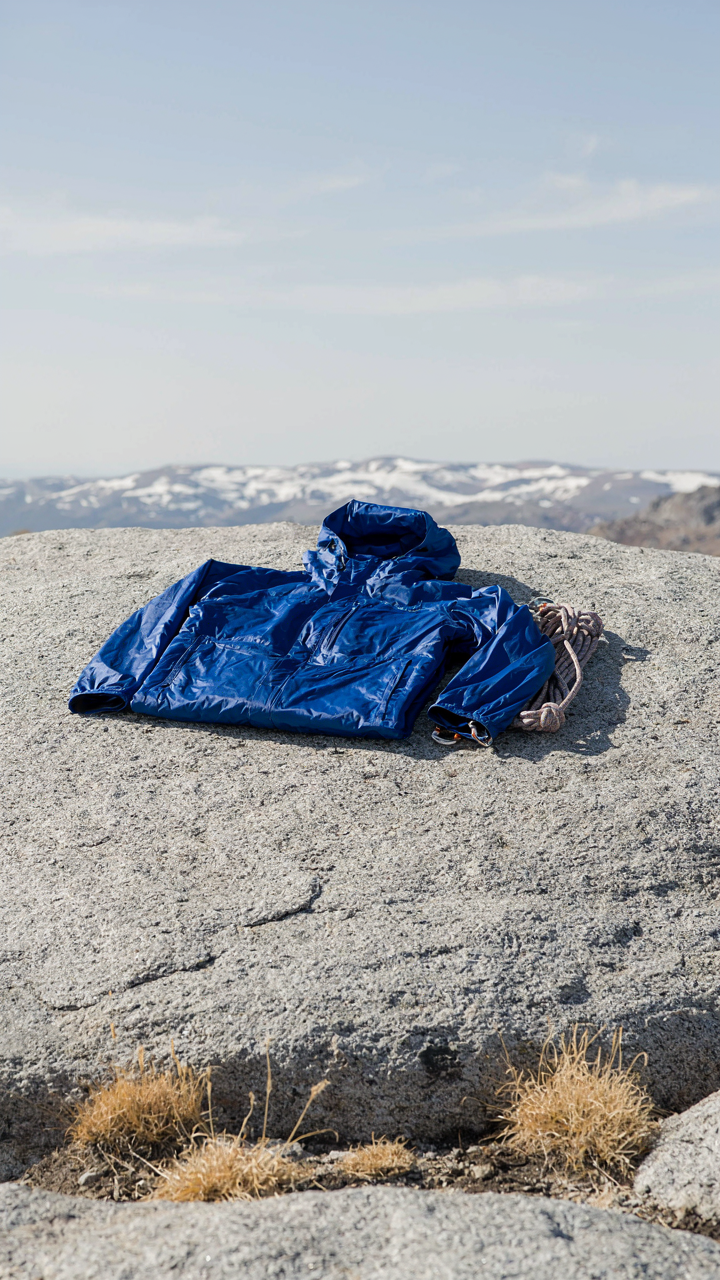
Rain doesn’t care about your insulation beneath it. A shell jacket’s job is singular: block wind and water so your layers stay functional. Most beginners confuse breathability with performance and buy jackets that leak within a season. Breathability matters only after you’ve solved the waterproofing problem first.
Your shell needs a durable water-resistant (DWR) coating and sealed seams. This isn’t optional. A $60 jacket with sealed seams outperforms a $200 jacket without them because water finds the thread holes in unsealed seams. Check the jacket’s specifications before buying, not after. Test the seams and zippers in the store if possible.
Beyond Glamping: The “Jeep Camping” Advantage
Your Vehicle Is Your Base Camp Infrastructure
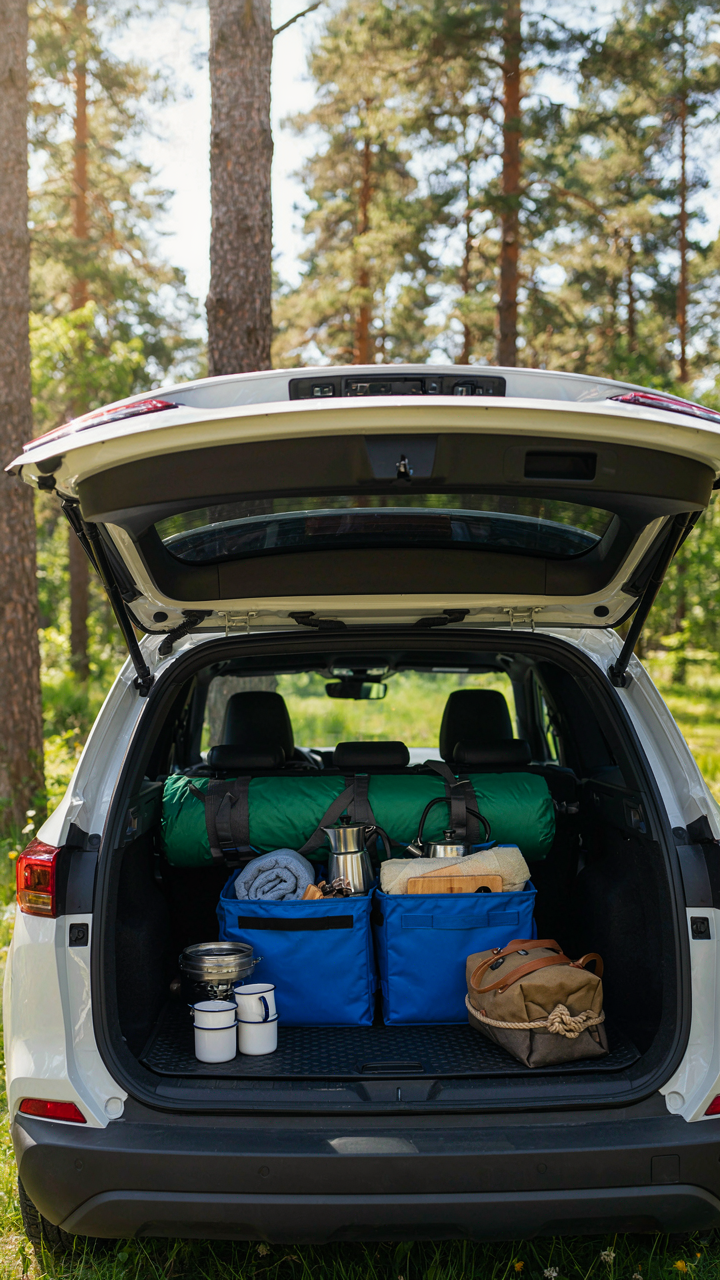
You want to feel like you’re roughing it without actually being uncomfortable. Here’s the mechanism: a vehicle solves the storage problem that kills most first-time campers. You can’t pack light when you have no place to put gear, so you end up either leaving essentials behind or overstuffing a backpack until your shoulders break. A vehicle converts that constraint into an asset. Your car becomes a mobile storage unit, weather shelter, and power source all at once. The military calls this “force multiplication”—using existing assets to multiply capability. In camping, your vehicle multiplies what you can actually bring and use without collapsing. Overnight temperatures drop. Rain doesn’t care about your tarp. Your vehicle handles both. Keep heavier gear in the car. Keep sleeping systems accessible but organized inside. This shifts your entire trip from survival mode to actual comfort.
A vehicle also stores the things that separate camping from suffering. Extra water. Backup fuel. Food that won’t fit in a cooler. First aid supplies beyond the bare minimum. Tools for gear repair. Warm layers for unexpected weather swings. You’re not calculating every ounce like a backpacker. You’re staging a base camp where redundancy keeps you functional when conditions change. Most first-timers fail because they underestimate how much gear they actually need. A vehicle removes that false constraint.
Pack For Access, Not Just Capacity
Strategic packing means putting items where you need them, not where they fit. Front seats stay clear. Back seat holds the things you grab hourly: water, snacks, a change of clothes, first aid. Trunk or cargo area stores the things you grab once per day: extra fuel, cooler, cooking equipment, repair kit. This isn’t organized chaos. This is information architecture applied to physical space. Every item has a location logic based on frequency of use. You save time. You avoid the frustration of unpacking half the car to find one thing. Rain comes down. You don’t fumble through a disorganized pile. You know exactly where the tarp is.
Layer your vehicle like a filing cabinet. Frequently accessed items on top. Rarely used backup gear on the bottom or underneath. Secure heavy items so they don’t shift while driving. A rubberized cargo mat prevents everything from sliding. Collapsible bins create visual separation so you can scan and grab without thinking. This system keeps your campsite tidy because you’re not pulling random stuff out constantly. You’ve already decided what lives where. Execution becomes automatic. That discipline cuts setup time in half and leaves mental energy for actually enjoying the trip.
The True Camping Essentials: Skills Over Stuff

The Three Non Negotiable Foundations
You want gear to feel like a safety net because buying things is easier than admitting you don’t know how to survive outside. That’s the real mechanism. A tent keeps rain off. A stove cooks food. But knots, fire, and navigation are the actual systems that prevent failure. Borrow from engineering: redundancy matters. Your gear fails. Your skills don’t. Learn the clove hitch, the bowline, and the square knot first. These three solve 90 percent of rigging problems in the field.
Fire starting separates people who camp from people who sit outside. You need three methods: matches in a waterproof container, a lighter, and friction-based backup like a ferro rod. Basic navigation means compass reading and map interpretation, not GPS dependency. Most first timers bring a phone and assume it works everywhere. It doesn’t. Carry a physical map of your area, learn how to orient it, and practice taking bearings before you need them. These skills replace half your gear weight and all your panic.
Leave No Trace Is Infrastructure, Not Sentiment
The outdoor industry frames Leave No Trace as ethics. It’s actually infrastructure design. Think of it like code architecture: bad practices scale into system collapse. Camp 100 feet from water sources. Use established campsites when available. Pack out everything you pack in, including toilet paper and food scraps. The mechanism is simple: dispersed impact spreads damage. Concentrated impact destroys. Don’t dig trenches for waste. Use a cathole 200 feet from water, at least 6 inches deep, and bury completely.
Fires need containment. Use existing fire rings when they exist. If you build one, dismantle it completely and scatter cold ash. Never leave a smoldering fire. Soap degrades water even when biodegradable. Wash dishes 200 feet from sources using minimal soap, and strain food particles before disposing of water. These aren’t suggestions. They’re the operational standards that keep public land open for camping. Break them and you contribute to closures that affect everyone else.
The Real Wilderness Isn’t Out There; It’s In Your Cluttered Mindset

Most people never camp because they’re waiting to feel ready. They’re not. Readiness is a myth. You pick one item today, one piece of actual gear you’ll touch with your hands, and you commit to using it this month. Not researching it. Not optimizing it. Using it. The wilderness doesn’t care about your perfect setup. It only reveals who actually shows up.