
The Minimalism Myth: What Most Camping Checklists Miss

One Item Does Two Jobs
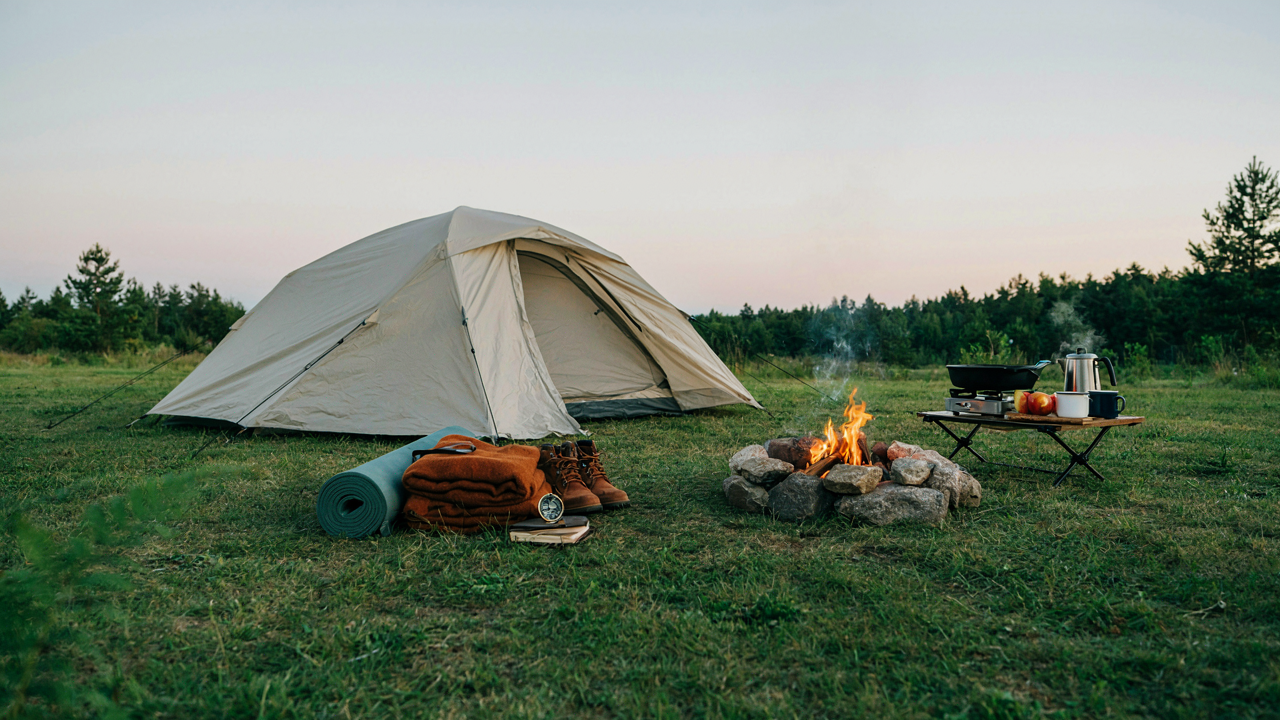
You want to feel prepared because the alternative is looking foolish or getting hurt. Here’s the mechanism: most camping checklists treat gear as independent units instead of overlapping tools. In economics, this is called redundancy. A single sleeping pad doesn’t just insulate you from ground cold—it also serves as a seat, a yoga mat for stretches, and emergency padding for injuries. Every piece you pack should earn its weight through multiple functions.
The standard beginner checklist dumps 40 items when 20 do the work. A knife cuts food, prepares wood, and handles repair jobs. A bandana filters water, secures gear, treats wounds, and shields your neck. A carabiner clips things, secures a bear bag, and acts as a makeshift handle. When you build your list around utility density instead of category completion, you move faster, carry less, and stay more capable.
The Weight That Crushes Your Trip
Overpacking kills trips faster than weather. You don’t feel the damage until mile three when your shoulders already ache and you’ve got five miles left. Every unnecessary item compounds—physically, mentally, and logistically. One extra sweater doesn’t add five pounds; it adds five pounds plus the burden of deciding whether to wear it, plus the mental load of managing extra gear, plus the friction when you can’t fit everything in your pack and have to repack at camp.
The hidden cost: a heavier pack forces worse decisions. You stop earlier, rest more often, and arrive exhausted instead of energized. You skip side trails. You avoid the good campsites that require scrambling. You become reactive instead of exploratory. Start with the absolute minimum—a two-season tent, one sleeping bag rated for the season, a stove you know, and clothes that layer. Test this setup on a backyard night before committing to wilderness. This single step eliminates 80 percent of beginner disasters.

The “Essentials” Delusion: Beyond Generic Camping Essentials
Start With Your Trip Variables, Not A List
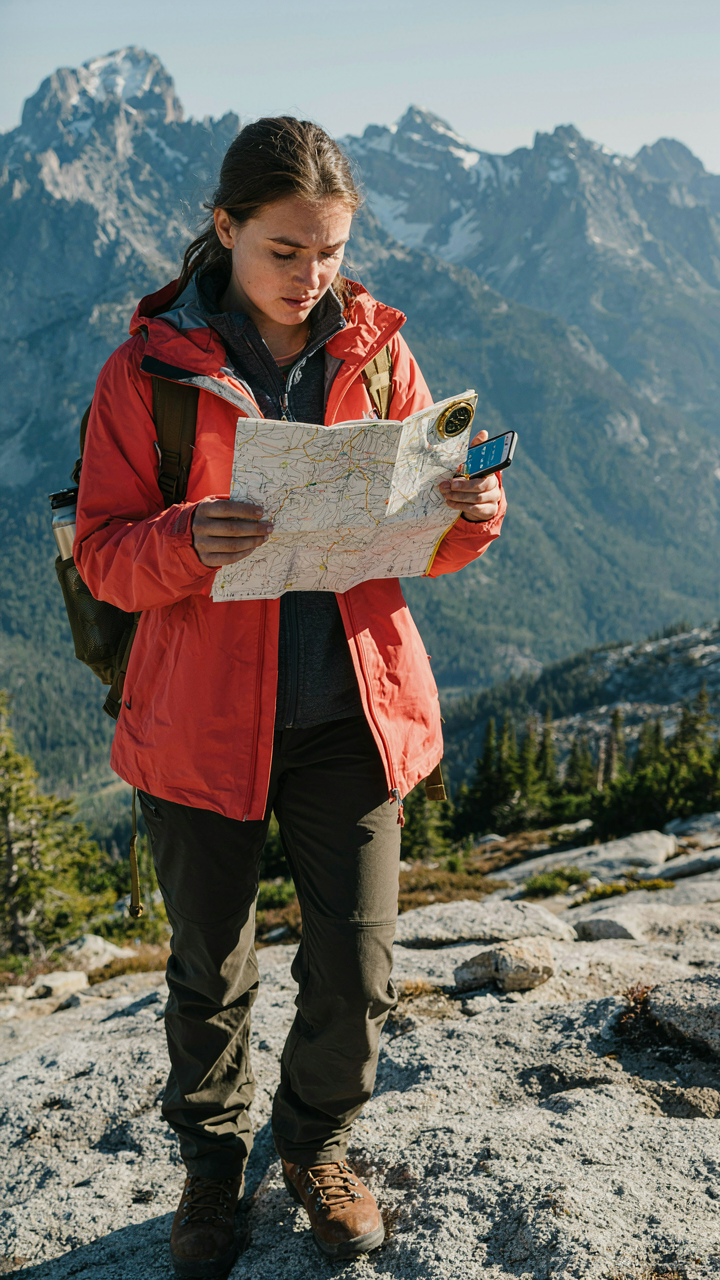
You want a checklist that makes you feel prepared. That’s the real motive here. But preparation isn’t a fixed state. It’s a function of three variables: where you’re going, how long you’re staying, and what season you’re camping in. Every “essential” item list you find treats these as afterthoughts. They’re not. A sleeping bag rated for 40 degrees is dead weight in summer and useless in March. The mechanism is simple: constraints determine requirements, not the other way around.
Define your specific trip first. Not vaguely. Write down the location, dates, elevation, expected low temperature, and whether water is available nearby. This is your filter. Every item on your checklist must pass a test: does this solve a real problem in my specific conditions? If you’re car camping in June in a developed campground, you need different gear than someone backpacking solo at altitude in October. Generic lists ignore this entirely. That gap is where wasted money and wasted pack space live.
Every Item Needs A Mechanism, Not A Reason
Most camping advice says pack a headlamp because you might need light. That’s not a reason. That’s a feeling. Economics teaches us about opportunity cost. In camping, every ounce you carry costs energy, comfort, and mobility. So here’s the real test: when will you actually use this item, and what specific problem does it solve that you can’t solve another way?
Take a tent footprint. Lists recommend it to protect your tent floor from damage. True. But most beginners never damage their tent floor on a one-night trip in grass. You add 3-4 ounces for a problem that probably won’t occur. Conversely, a headlamp solves a genuine problem: moving safely after dark without waking everyone. The difference is frequency and consequence. Question every recommended item by asking: what’s the actual failure case if I don’t bring this? Then ask: how likely is that failure? If the answer is “unlikely,” drop it or substitute something lighter.
The Adaptive Gear Protocol: Smart Camping List Packing

One Item Does Five Jobs
You want to feel prepared without hauling a garage into the woods. That’s the real fear here, not the gear itself. The mechanism is leverage: economics calls it “factor productivity,” and in camping it means selecting items that solve multiple problems instead of one. A wool blanket becomes a ground layer, windbreak, emergency tarp, and seat. A multi-tool handles cooking, fire management, and repairs. Paracord lashes, secures, creates shade structures, and becomes cordage for hanging food.
The beginner mistake is building a list by category instead of by function. You end up with a dedicated tarp, a dedicated blanket, a dedicated rope, and dedicated fire starter. Then your pack weighs forty pounds and you’ve solved twelve problems with twelve items. Reverse the logic: identify the seven core problems you’ll face (shelter, insulation, cooking, water, fire, light, repair), then assign one item to each problem that also handles backup functions. A wool poncho covers insulation and shelter. A metal pot handles water and cooking. A headlamp plus a lighter covers light and ignition. The packing principle is stacking, not sprawl.
Weather Prep That Actually Works
The common advice says “check the forecast and pack accordingly.” That’s incomplete. Forecasts are hourly guesses for the first three days, then useless past that. The real protocol: prepare for the probable local pattern, not the extreme. If you’re camping in April in the Pacific Northwest, rain is the variable that matters more than snow. If you’re in the Sierra in October, temperature swing between day and night drives decisions. Research the zone’s historical weather for that month, not next weekend’s app prediction.
This means your weather contingency layer is specific, not generic. For spring camping in wet climates, pack a quality rain shell and extra socks. For high-altitude summer trips, add a fleece and plan for afternoon storms that clear by evening. For desert camping, bring insulation for the thirty-degree temperature drop after sunset. The protocol is single: identify which one weather variable has changed three of your last five camping trips in that location, then over-prepare for that variable. Everything else gets one backup layer, nothing more.
Mastering Environmental Feedback: A Systems Thinking Approach To Camping
Your Camp Setup Is A Self Regulating Machine
You want this section because you’re afraid you’ll forget something critical and look unprepared. The real mechanism here comes from cybernetics, the study of how systems maintain stability through feedback loops. Your camp operates exactly like a thermostat: it self-corrects when conditions drift outside tolerance. Temperature drops, you add layers or fire. Wind picks up, you adjust tent position. Rain threatens, you verify drainage. The system survives because you’re constantly sensing and responding, not because your initial setup was perfect.
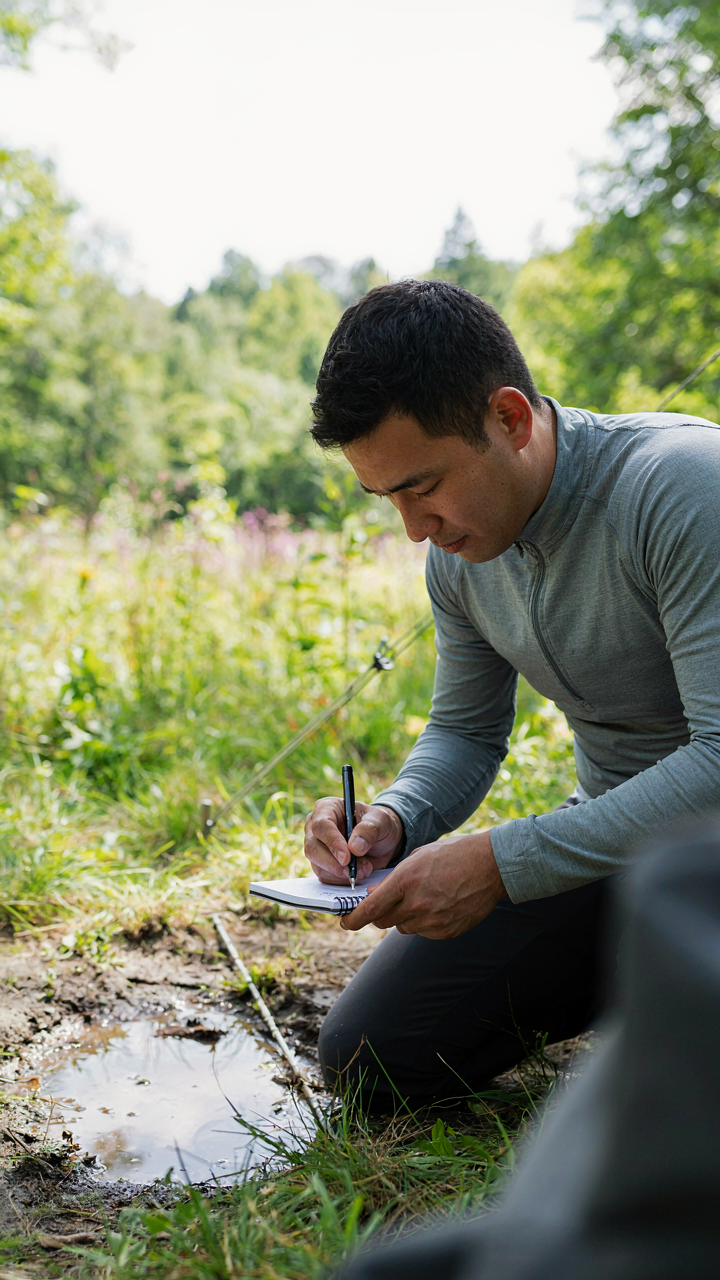
Most beginners treat their checklist as a static document to complete once. Wrong. Your gear arrangement becomes stable only when it responds to actual conditions on the ground. Set up your tent, then observe where water pools. Move it. Build your cooking area, then watch smoke patterns. Reposition it. This isn’t overthinking. It’s how physical systems actually work. You gather feedback from the environment, adjust your inputs, and the system stabilizes. The tent that floods wasn’t packed wrong. It was placed in a low point you didn’t account for until you were there.
Observe, Then Adjust, Then Optimize
The feedback loop is simple: you make a decision, the environment responds, you measure that response, you correct. Start with your shelter. Pitch the tent, wait two hours, then inspect it. Does water collect around the base? Does wind create a vacuum that collapses one side? Does morning condensation pool in a corner? Don’t move on until you’ve solved each failure point. Your sleeping bag placement, your gear organization, your fire distance from camp all generate immediate feedback. The cold tells you if your insulation is wrong. Smoke drift tells you if your fire placement blocks your tent. Mud at your entry point tells you where to add a boot scraper or relocate your path.
Optimization happens in cycles, not all at once. Your first camping trip is data collection, not peak performance. Write down what you notice: “Tent floor stayed dry but east corner got damp. Move door away from wind direction next time.” “Sleeping pad shifted under me. Next trip, bring wider pad or use side straps.” “Cooking setup was ten feet too close to tent and gear smelled like smoke.” Document the friction points, then systematically eliminate them on trip two. The checklist evolves because you’re feeding real conditions back into your process.
Shelter Logic: Rethinking Tent Camping Checklist Priorities

Where You Camp Matters More Than What You Camp In
You want to believe your tent is the hero because that feels like control. It’s not. The location determines everything. Military strategists call this terrain advantage, and it applies directly to camping: the ground beneath you either works for you or against you. A mediocre tent on excellent ground beats a premium tent in a bad spot every time. Most beginners pack obsessively about gear while ignoring the actual decision that keeps them safe and comfortable.
The mechanism is simple: natural wind breaks, drainage patterns, and tree cover reduce what your tent has to handle. Scout for low ground near ridges that block wind, never in valleys where cold air settles. Avoid dead zones under dense branches where moisture collects. Position your site on a slight slope so water runs away from your sleeping area. These choices compress the demands on your tent so aggressively that a basic three-season model becomes overkill.
Improvisation Beats Backup Gear
Emergency shelter isn’t about packing extra tarps or bivvy bags. This is bushcraft logic: in wilderness survival, redundancy comes from skill and knowledge, not inventory bloat. You can construct working shelter from fallen branches, leaves, and fabric scraps because the principle never changes. Most checklist advice tells you to bring backup equipment. What actually saves you is knowing how to build a debris shelter or lean-to using what the environment offers.
Test this before you need it. Practice lashing branches together and understanding load distribution on a frame. Learn to read tree spacing for natural shelter corridors. The second you arrive at your campsite, identify your emergency shelter location and gather loose materials. This takes thirty minutes and costs nothing. When conditions turn bad, you move to that spot or activate that shelter because you’ve already solved the problem.
The Prepared Mindset: More Than Just Camping Tips

Know The Difference Between Real Risk And Manufactured Fear
You want this section because you’re afraid of looking unprepared. That’s the real driver. But fear and risk assessment are operating on different mechanisms entirely. Risk assessment asks: what can actually harm me, and how likely is it? Fear asks: what if everything goes wrong at once? One is probability. The other is storytelling. Most beginner checklists weaponize fear to sell gear, not to keep you safe.
The mechanism is simple: you prep for the specific threats that match your environment and duration, not for every possible scenario. A three-day car camping trip near your state park has different failure modes than a backcountry expedition. Distinguish between what kills people in your exact conditions and what makes a good campfire story. Build your list from actual hazard data, not anxiety.
Problem Solving Beats Specialized Gear Every Time
This is where most advice fails completely. The industry wants you buying ten specialized tools. The truth is simpler: adaptability matters more than equipment redundancy. Military operators call this “problem first, tool second.” Don’t reverse it. You solve 80 percent of camping problems with basic skills and three or four multipurpose items, not with a bloated pack of single-use gadgets.
A tarp, rope, knife, and fire-starting method handle shelter, securing loads, cutting, and warmth. Everything else on your list should either prevent a real problem or solve something those four items cannot. Test yourself before the trip: can you start a fire in wet conditions? Can you secure a tarp without stakes? Can you navigate by map? Those skills cost nothing and outweigh three hundred dollars of specialized gear when things go wrong.
Food & Water Autonomy: Real Camping Essentials List

Find Water Before You Need It
You want to believe you’ll figure it out on the spot. You won’t. The mechanism is simple: dehydration impairs judgment faster than hunger does, and a dehydrated brain stops problem-solving. Every campsite needs a water source identified before dark.
Natural water exists near elevation changes. Streams run downhill. Valleys collect runoff. Lakes sit obvious. Your job on arrival is locating it, not hoping. Carry a map. Mark water on it. Walk the perimeter if needed. This takes thirty minutes and prevents the panic that kills trips.
Purify By Protocol, Not Preference
Most beginners think boiling is the only option. It works, but it wastes fuel and time. Filtration removes particles and pathogens. Tablets kill microbes chemically. Boiling kills everything but takes fifteen minutes per liter. Combine methods: filter first to remove sediment, then boil or tablet the filtered water. This redundancy costs almost nothing and eliminates guesswork about whether your source is safe.
Carry two purification tools. Not one. A clogged filter becomes a liability in the field. Backup tablets weigh ounces. Store them dry. Test your purification method at home before the trip. Boil water for one minute at sea level, three minutes above 6,500 feet. This is the protocol. Execute it.
Calories Drive Performance, Not Taste
Nobody cares about your freeze-dried gourmet meal at mile eight on day two. Your body cares about energy density. Fats deliver nine calories per gram. Carbs deliver four. Protein delivers four. The math is ruthless: bring calorie-dense foods, not volume-dense foods. Nuts, nut butter, jerky, chocolate, oats, rice, pasta, oil, and dried fruit are your toolkit.
Plan for 1.5 to 2 pounds of food per person per day, targeting 5,000 to 7,000 calories depending on activity level and temperature. A single stick of butter adds 720 calories and weighs 4 ounces. Use it. Cook in it. Don’t apologize for fat on a camping trip. Measure total calories before you pack. Weigh your food bag. Know the number. Arrive home having eaten what you brought, not having rationed it.
The Ignored Element: Human Performance Camping Ideas
Sleep Optimization In Rugged Environments
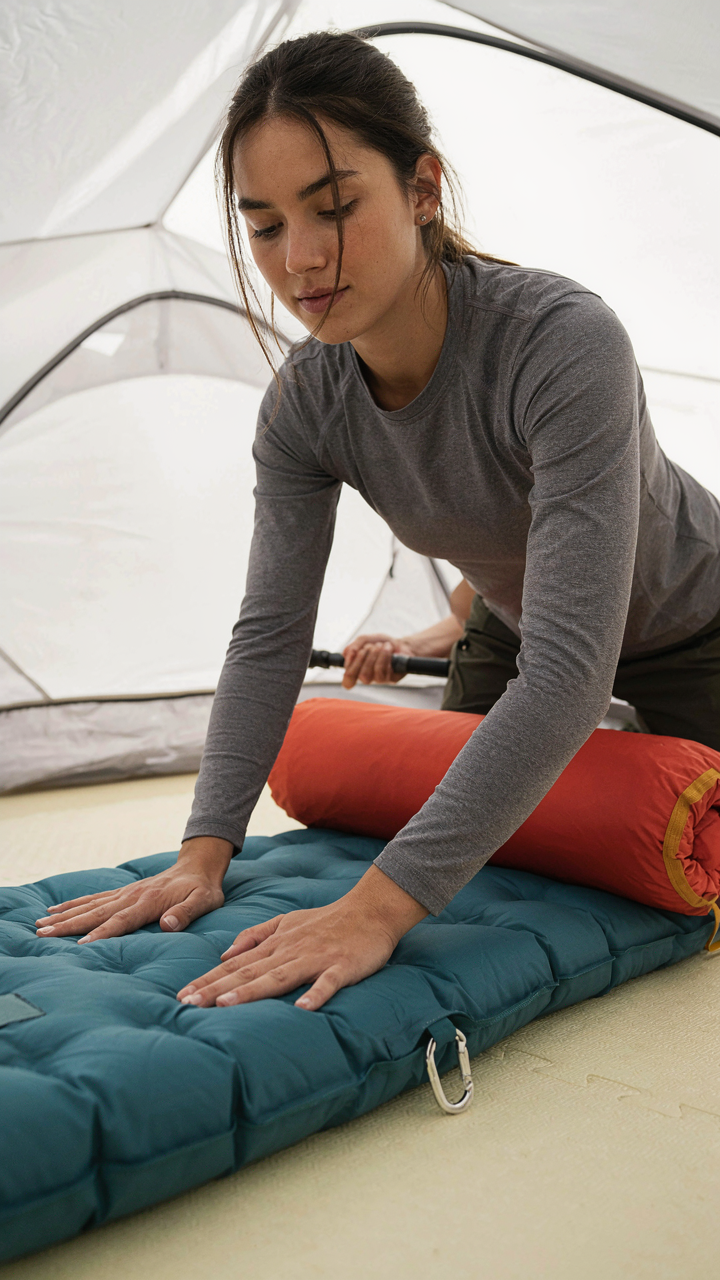
You want this section because you’re terrified you’ll lie awake in the dark, cold and miserable, confirming your suspicion that camping isn’t for you. The real mechanic is thermodynamics. Heat loss in camping follows the same principle as thermal resistance in engineering: ground contact drains 80 percent of your body heat before air temperature matters. Most beginners bring a sleeping bag without a pad underneath. That’s the failure point.
Your sleeping pad isn’t comfort furniture. It’s insulation infrastructure. A pad creates dead air space between you and the ground, stopping the heat siphon. Foam pads work. Inflatable pads work better because they trap more air. Ground temperature matters more than air temperature inside your tent. Bring a pad rated for the season you’re camping in. Sleep better by solving the physics problem first, not by buying a premium bag.
Mental Fortitude Beats Comfort Items
The common advice here is garbage: “Bring what makes you comfortable.” That’s how beginners end up carrying ten pounds of unnecessary gear while their mind sabotages the trip anyway. Mental performance in camping isn’t about softness. It’s about decision fatigue and the illusion of control.
Every comfort item you add costs weight, setup time, and mental bandwidth. A pillow sounds nice until you’re repacking it at dawn. Noise-canceling earbuds seem smart until the battery dies. The actual mechanism is this: remove variables, not increase them. Bring a change of clothes, water, food, shelter, fire starting. Sleep on your pack stuffed with clothes. Accept minor discomfort as the cost of simplicity. Your mind will stabilize faster without the cognitive load of managing extra gear. Clarity comes from constraint, not abundance.
Post Trip Debrief: Evolving Your Camping Checklist

What Actually Worked Vs. What Didn’t
You brought things you never touched because you’re afraid of looking unprepared. Here’s the real mechanism: your checklist is contaminated by theoretical scenarios, not actual conditions. The only way to purge it is to track what you actually used versus what sat in your pack untouched. Write down everything you grabbed during the trip and everything you ignored. The gap between those two lists is pure waste. Your next checklist lives in that gap.
Most beginners keep items because they feel responsible or safe, not because they solve real problems. A sleeping pad you never adjusted, a multi-tool you never opened, a rain jacket that stayed dry all weekend. These aren’t failures of the original item. They’re failures of prediction. You guessed at needs instead of observing conditions. Strip your checklist ruthlessly. Keep only what your hands actually reached for when you needed it.
Build Your Real List From Experience
This is basic iteration theory applied to gear: test, measure outcomes, adjust variables, repeat. Your camping checklist isn’t a static document. It’s a living system that changes with every trip because weather, terrain, and your competence level change. After each outing, spend fifteen minutes with your pack. Flag what you used frequently, what you used once, and what you never touched. Mark the season and location. Add notes about why an item mattered or didn’t matter.
The mechanism is simple: your second camping trip will be better than your first because you remove guesswork. Your third trip eliminates another layer of waste. By trip five, your checklist stops being bloated and becomes efficient. Don’t redesign everything after one trip. Make one or two targeted cuts each time. Document the reason you removed an item so you don’t second guess yourself later. This cycle of small refinements compounds into a checklist that actually matches reality instead of generic advice.
The True Test: Thriving Without Your Camping Checklist

Self Reliance Beats A Perfect Kit
You want to feel ready. That’s the real fear underneath all this checklist obsession. But here’s the mechanism: psychology calls it locus of control. In survival training, this maps to the difference between external dependencies and internal capability. A checklist creates the illusion of control. Self-reliance creates actual control. The gap between those two determines whether you problem-solve in the field or panic.
Checklists work for preventing forgotten items. They fail at building the decision-making muscle you need when something breaks, goes missing, or goes wrong. A forgotten tent stake is recoverable with rope and a branch. A forgotten fire-starting method is recoverable with friction and patience. You don’t know this until you’ve done it. The checklist keeps you dependent on completion; experience makes you capable.
Discomfort Teaches What Comfort Cannot
Everyone says “expect discomfort.” That’s lazy advice. Here’s what actually happens: discomfort reveals which problems solve themselves and which ones demand creativity. Cold hands solve themselves when you move. A wet sleeping bag solves itself when you generate heat through activity. Poor sleep solves itself when your body adjusts to ground texture by night three.
The skill isn’t tolerating discomfort. The skill is diagnosing which discomfort signals danger and which signals adaptation. You build this diagnosis only by experiencing both. Skip the night your tent stakes fail and you’ll never develop the automatic problem-solving response that lets you rig an emergency anchor in darkness. Missing one piece of gear teaches more than consulting a checklist twice.
The Real Obstacle Isn’t The Wilderness; It’s Your Adherence To Conventional Wisdom

Most beginners fail because they overthink the gear instead of just going. You don’t need the perfect setup. You need to stop waiting for it. Buy three things today: a tent, a sleeping bag, a backpack. Then pick a campsite this weekend and book it. Everything else you’ll learn by doing, not by reading another checklist. The wilderness doesn’t care about your preparation. It only cares that you showed up.