
The Myth Of Affordable Luxury

Luxury Is A Feeling, Not A Price Point
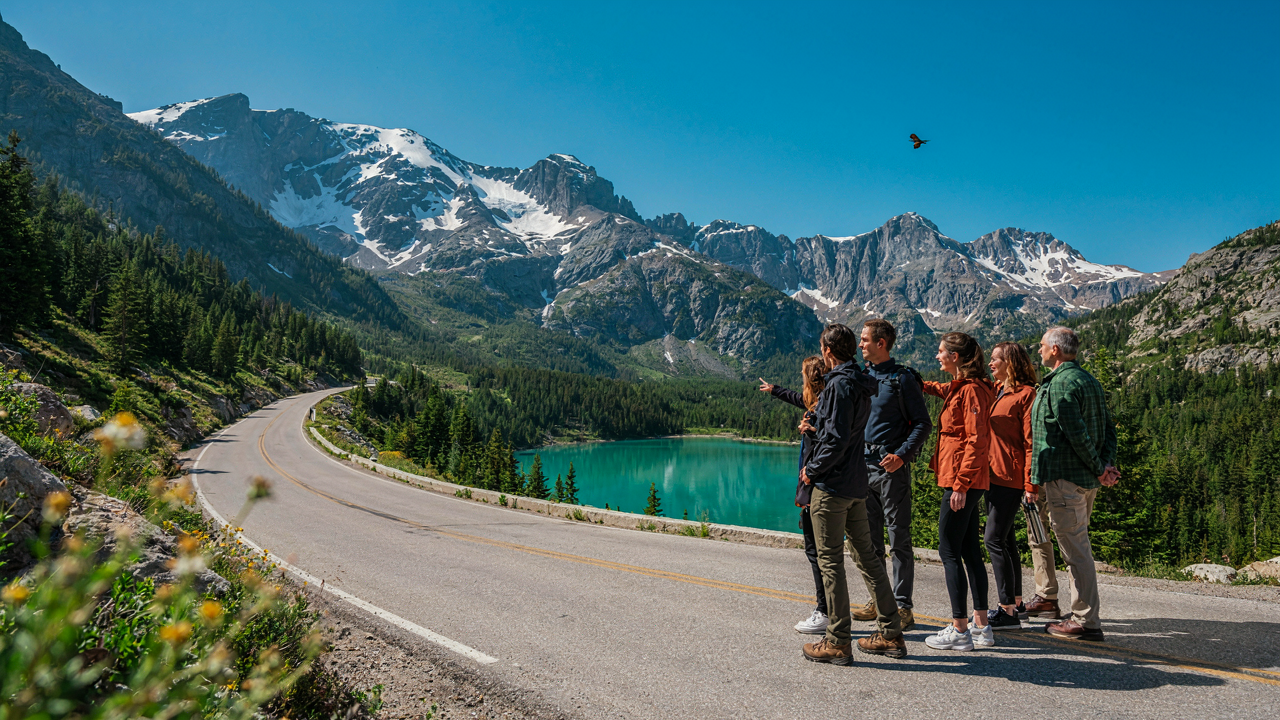
You want permission to feel rich without spending like it. That’s the real driver here. The mechanism is simple: luxury operates in psychology, not accounting. In economics, we call this “perceived value” – the gap between what something costs and what your brain believes it’s worth. Budget scenic destinations exploit this gap ruthlessly. A clifftop meal in Portugal costs a third of the same view in Santorini, but your nervous system doesn’t know the difference. The experience scales with attention, not euros.
Most travelers reverse-engineer this wrong. They chase the destination’s Instagram price tag, not the actual mechanism that creates the feeling. You don’t need a five-star hotel to feel wealthy. You need friction removed from the moment. A clean room with fresh sheets, a view that hits, and zero logistical stress – that’s the formula. Remove one variable and the feeling collapses. The goal isn’t to find cheap places that look expensive. It’s to find places where the genuine experience – the one locals actually have – happens to be cheap.
You’re Buying An Aesthetic, Not An Experience

The Instagram economy has poisoned how people choose destinations. They bookmark curated angles instead of asking what they’ll actually do there. This is aesthetic consumption, not travel. You’re paying for the proof you were somewhere, not for what you learned or felt while there. The difference matters because proof-chasing destinations charge premium prices for premium backdrops. Capri, Bali, Iceland – these places tax you for the photo, not the place.
Budget scenic destinations work differently because they haven’t been packaged yet. A Moroccan medina doesn’t charge for authenticity because tourists haven’t decided it’s fashionable to be there. The meal tastes identical. The architecture looks the same. The light hits at the same angle. But the vendor isn’t tripling prices because a TikTok star posted last week. Start your destination research by asking: what would I do here if no one would ever see the photos? If the answer feels thin, keep looking.

Uncommon Paths: Redefining Budget Travel Destinations

Where Everyone Else Isn’t Looking
You want to feel like you discovered something nobody else has. That’s the real driver here. The mechanism is simple: popular destinations inflate prices because demand exceeds supply. The solution isn’t finding cheaper versions of famous places. It’s targeting regions where tourism infrastructure exists but hasn’t reached critical mass yet.
Albania, Georgia, and Vietnam’s northern provinces demonstrate this pattern. They have the bones of tourist infrastructure—hostels, local guides, established routes—without the markup. The difference between a famous destination and an overlooked one often comes down to one travel writer’s mention or a single viral post. Before that happens, prices stay honest because locals aren’t competing for the same tourism dollars.
Eating Where Locals Eat, Not Where Signs Say Welcome
The advice to “eat local” misses the real mechanism. You’re not after authenticity theater. You want lower prices, which means finding where residents actually spend money on food, not where menus come in five languages. This requires directional thinking borrowed from economics: you’re moving downstream in the supply chain, closer to the source.
Skip the restaurant strip within sight of monuments. Walk five blocks perpendicular to the main tourist drag. Order from the counter, not a table. Pay cash. In most budget-friendly scenic destinations, this single shift cuts meal costs by 40 to 60 percent while you eat better food. The mechanism is access to wholesale pricing that restaurants don’t apply when they know tourists will pay regardless.
The Frugal Nomad Protocol For Cheap Travel Destinations

Lock In Flights Before Accommodation
You’re looking for permission to feel smart about spending less money. The real mechanism is this: flight prices move faster than hotel rates, and booking them separately gives you control over timing. Use price alerts on Google Flights or Skyscanner set to your target destination, then book when you see a dip. Most budget routes follow predictable seasonal patterns. Airlines release cheap seats three to six months ahead.
- Google Flights price tracking: Set alerts for specific dates and routes. The platform notifies you when prices drop, eliminating manual checking and capturing deals within hours of release.
- Skyscanner flexible dates: Search without locked dates to see the cheapest day of the month. This single feature reveals patterns most travelers miss because they anchor to calendar dates instead of price curves.
- Incognito browser searches: Clear cookies before searching flight prices repeatedly. Airlines and booking sites track searches and can artificially inflate prices for the same route viewed multiple times.
- Budget airline fare calendars: Ryanair, AirAsia, and EasyJet publish seasonal sales. Mark these dates and watch their websites directly instead of relying on third-party aggregators that lag behind real-time drops.
- Booking Tuesday mornings: Airlines historically dump unsold inventory early in the week. Tuesday morning searches often catch these releases before demand pushes prices back up by Wednesday.
Accommodation works differently because supply stays fixed. Book your hotel or guesthouse after you’ve locked your flights. Rates don’t compress the same way airfares do. You’re simply buying bed inventory at market price. The leverage is in the flight, not the bed.
Eat Where Locals Work, Not Where Tourists Eat
The common advice is to “find authentic local restaurants.” That’s incomplete. The mechanism is labor arbitrage: places where locals actually work have lower markups because they’re built for volume and repeat business, not tourist conversion rates. Skip the main plaza. Find the corner shop or stall near bus stations, markets, or office buildings where people grab lunch during workdays. These spots price for locals earning local wages, not for visitors with foreign credit cards.
Street food in Southeast Asia, Central America, and North Africa typically costs one-third to one-half what sit-down restaurants charge for similar food. The reason is operational: no waiter, no table rent, no marketing spend. You’re buying the product directly. Transport yourself by local buses and minibuses instead of taxis or ride-shares. The per-kilometer cost drops dramatically when you’re sharing the vehicle with twenty other passengers. Learn the local transit system on day one. Grab a transit card or ask locals how to pay. This single habit cuts daily transport costs to dollars instead of tens of dollars.
Leveraging Scarcity: A Systems Thinking Approach To Travel On A Budget Destinations

When Constraints Force Better Decisions
You want to believe that more money equals better travel. It doesn’t. From systems thinking in economics, scarcity is the mechanism that forces optimization. When your budget tightens, you stop consuming tourism commodities and start consuming actual place. The regions that remain cheap force you to move like a resident, not a tourist. You eat where locals eat. You walk instead of taking tours. You discover what matters because you can’t afford the filter of convenience.
Most budget travel advice treats money as the only variable. Wrong. Time allocation becomes your real lever when cash runs out. Albania costs a third of Switzerland, but the actual difference isn’t the price tag. It’s that lower costs give you permission to stay longer, explore deeper, and move slower. A two-week stay in a forty-dollar-a-day town rewires how you see a place. You stop hunting Instagram spots and start noticing systems. That shift happens only under constraint.
Finding Signal In Randomness
Antifragility, a concept from risk analysis, means you gain from disorder instead of just surviving it. Budget destinations throw randomness at you constantly. Missed buses, closed restaurants, language barriers, route changes. These aren’t problems to eliminate. They’re the operational fabric that keeps a place undiscovered. When you can’t rely on a polished tourist infrastructure, you navigate by pattern recognition. You learn to read a place faster. You build actual problem-solving skills instead of following a predetermined itinerary.
The mechanism is simple: build flexibility into your travel structure so disruption becomes data. Show up to a region without booking every hotel. Allocate your budget as percentages, not fixed daily amounts. If food costs less than expected in one town, you extend it. If a spontaneous opportunity appears, you have the margin to pursue it. The places that stay affordable do so because their infrastructure hasn’t calcified around tourism. That same lack of rigidity is what creates the conditions for discovery. Travel on this principle, not on luck.
Cultural Currency: Your Real Travel Asset In Countries To Visit
Phrases That Actually Work
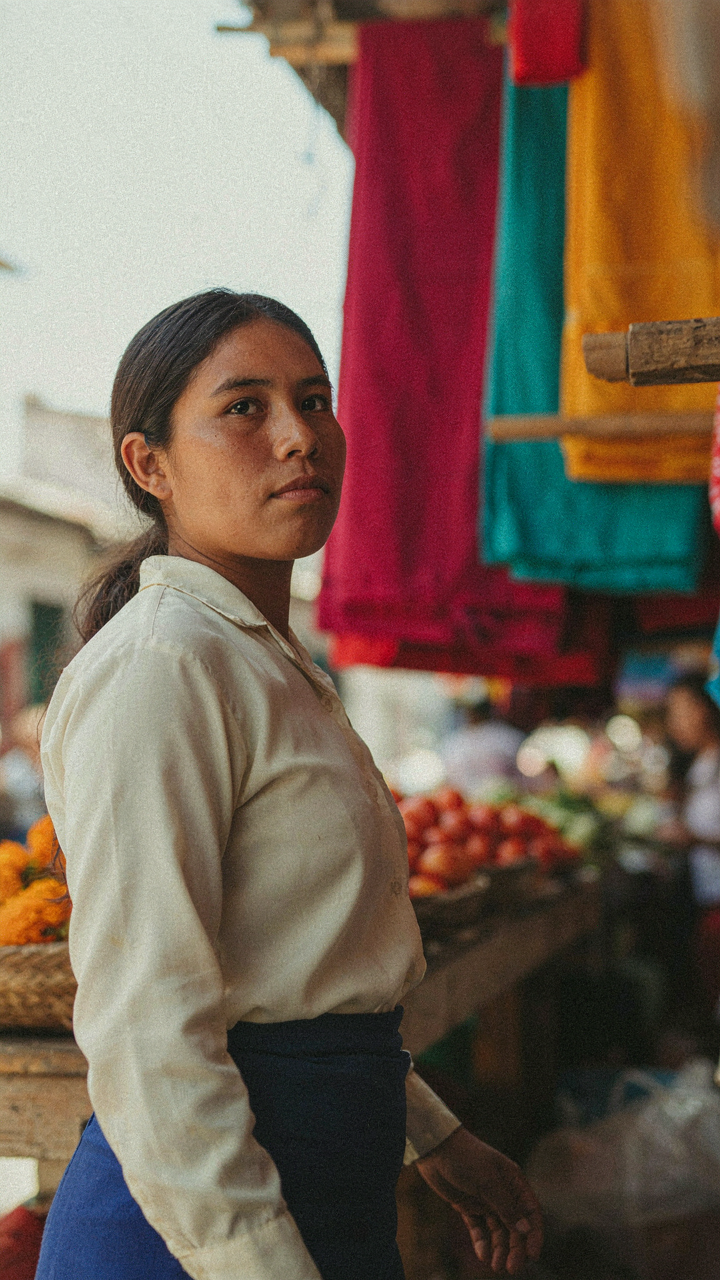
You want locals to like you without spending money. That’s the real reason you’re reading this. Here’s the mechanism: basic phrases function as permission slips. They signal you’re not another tourist extracting value. In Guatemala, Vietnam, or Portugal, saying “gracias,” “cảm ơn,” or “obrigado” correctly shifts how people treat you. You become a participant instead of a customer.
The common advice says learn “hello” and “thank you.” That’s incomplete. Learn the phrase for “I’m sorry, I don’t speak [language] well” first. In Thai, it’s “pom/chan mai phuut Thai dai dee.” In Turkish, it’s “Türkçe iyi konuşamıyorum.” This single move disarms tension before it starts. Locals stop correcting you and start helping you. Budget destinations thrive on this reciprocal goodwill.
Presence Replaces Transactions
Respectful engagement means you actually stop and listen instead of photographing and moving on. Economics teaches opportunity cost: the real value you extract isn’t from the destination itself but from information locals won’t give tourists. In Peru’s Sacred Valley or Albania’s coastal towns, spending thirty minutes asking an elderly shopkeeper about their neighborhood yields knowledge no guidebook holds and often free recommendations or discounts on meals.
The priceless experiences aren’t the scenic views you could see in photos. They’re the conversations that happen when you sit still long enough to be human instead of a checklist. Ask permission before photographing people. Accept tea when offered. Eat where locals eat, not where Instagram tells you. These actions cost nothing and unlock experiences that transform a trip from consumption into genuine exchange.
The 80/20 Rule Of Adventure: Best Places To Travel On A Budget

What Actually Moves The Needle
You want permission to travel without guilt about money. Here’s the mechanism: most travelers waste 60 percent of their budget on accommodations and transport, leaving scraps for the experiences that actually matter. Economics calls this resource allocation, and budget travel demands you invert it. You front-load logistics costs strategically, then extract maximum value from the destination itself.
The math is simple. A twelve-dollar-a-night hostel in Albania versus a seventy-dollar hotel in Canada creates breathing room. That freed capital converts directly into days on the ground, hikes into mountains, meals with locals, and time to actually see what you traveled for. Skip the false choice between comfort and experience. Choose destinations where your money stretches far enough to have both.
Experience Over Aesthetics
Most travel advice tells you to chase Instagram moments and famous landmarks. That’s backwards. The real value lives in what costs nothing or nearly nothing: walking a ridge trail at sunrise, sitting in a town square for two hours, talking to someone who lives there, understanding how a place actually functions. You pay for transport and shelter, then the destination reveals itself free.
Hiking in the Carpathians costs almost nothing. A meal in rural Vietnam runs three to five dollars. Swimming in the Adriatic near Kotor requires no entry fee. These aren’t secondary experiences you squeeze in around tourist sites. They’re the primary ones. Build your itinerary around free or cheap activities first, then slot in one or two paid attractions if budget allows. This inverts the typical mistake of paying for everything and experiencing almost nothing.
Beyond The Eurotrip: Cheap Trips In Europe & Beyond

Where Currency Advantage Still Works
You want to feel like your money matters somewhere. That’s the real reason this section exists. Eastern Europe delivers because the mechanism is simple: your home currency stretches further against local wages and prices that haven’t inflated to Western levels. Poland, Romania, Hungary, and Albania offer genuine scenery—mountain ranges, medieval towns, coastline—at 40 to 60 percent below Western European costs. The economics are straightforward: lower labor costs mean lower accommodation, food, and activity pricing without the quality degradation you’d assume.
The common advice here is garbage. People say “go for the culture,” which is true but useless. What matters is that Eastern European infrastructure has modernized enough to handle tourists without the tourist markup. You get legitimate mountain hiking in the Carpathians, actual medieval architecture in Krakow and Brasov, and Black Sea access in Romania—all at prices where your daily budget stays under 40 dollars per person. Book accommodation directly with local owners, eat where locals eat, and skip the tour operator markup entirely. This is where geographic arbitrage actually works without requiring you to leave Europe.
The Density Formula For Southeast Asia
Southeast Asia isn’t cheap because it’s poor—it’s cheap because the cost structure for tourists operates on volume, not margin. Think of it like supply chain density: the more tourists moving through a region, the more competitive pricing becomes on the essentials. Thailand, Vietnam, and Cambodia give you dramatic scenery—limestone karsts, jungle temples, rice terraces—compressed into small distances. A fifty-dollar daily budget covers accommodation, food, and activities in most areas without compromise.
The mistake everyone makes is treating Southeast Asia like a discount bin version of somewhere else. It’s the opposite: you get better value on experiences because infrastructure exists specifically to serve budget travelers. The region has optimized the backpacker economy to efficiency. Limestone climbing in Thailand costs less than European gym fees. Boat tours through Halong Bay run daily with established pricing. You move between countries quickly because they’re close together, killing the transport cost that kills budgets elsewhere. Book overland buses instead of flights, stay in guesthouses with verified ratings, and time your trip for shoulder season (May through August, November) when prices drop 20 to 30 percent across the board.
Investing In Experience: The True ROI Of Budget Travel

Why Memories Outlast Purchases
You’re worried you’ll come back empty-handed and feel like you wasted money. The mechanism is simple: experiences create identity, objects create clutter. A souvenir sits in a drawer. A memory rewires how you see problems.
Budget destinations force you to engage with place instead of consume it. You walk narrow streets in Tbilisi or hike to a waterfall in Albania because entry costs nothing. That friction—the walking, the planning around free sites—burns the experience into your brain. You remember the vendor’s face, the exact angle of light, the conversation with a stranger. Paid attractions blur together. Free experiences stick because you had to move your body to access them.
Lessons That Reshape Your Thinking
Neuroscience calls this “state-dependent memory”—you recall information best when you’re in the same mental state you were in when you learned it. Budget travel throws you into constraint, unfamiliarity, and problem-solving mode. You learn to navigate without relying on apps, negotiate prices, read local dynamics, adapt plans when something doesn’t work.
These aren’t soft skills. They’re decision-making under incomplete information. That’s the exact skill you need in work and relationships. Travel to cheap places and you run dozens of micro-experiments: which bus route actually works, which neighborhood feels safe, how to communicate across language barriers. You return with a calibrated sense of risk and adaptability that no course teaches. The ROI compounds because you’ve rebuilt your baseline competence in handling uncertainty.
The Un Influencer’s Guide To Budget Friendly Travel

Stop Performing For The Algorithm
You want permission to skip the Instagram validation loop. Here’s the mechanism: social proof hijacks your decision-making. You visit places because they’re “Instagrammable” rather than because they actually change how you see the world. Budget friendly scenic destinations aren’t the problem. Your need to document proof of the experience is.
The moment you stop chasing engagement metrics, you unlock cheaper travel. You’ll skip overcrowded photo spots with entrance fees and instead find the same views two kilometers away for free. Local knowledge beats curated lists every time. Visit places because the landscape interests you, not because strangers will like the picture.
Unfiltered Observations Beat Polished Stories
Most travel writing manufactures drama that didn’t happen. The real story of budget travel is boring to share: you found a village market, ate for three dollars, and sat watching people. No conflict. No redemption arc. That’s precisely why it matters.
Document what actually occurred instead of retrofitting narrative tension onto it. Write about the restaurant owner who gave you extra bread. Note the exact bus fare and how you bought the ticket. Record the temperature at sunrise. These specifics cost you nothing to capture and become the actual material of real travel memory. Skip the metaphors. Just report what you saw.
Your Fear Of Missing Out, Not Your Budget, Is The Real Barrier To Transformative Travel

You don’t need more money to see the world. You need permission to stop comparing your trip to someone else’s Instagram feed. The cheapest destinations teach the most because scarcity forces presence. Pick one place you’ve been curious about for years. Book the flight today, not next month. Waiting doesn’t make you more ready. It makes you more afraid.