
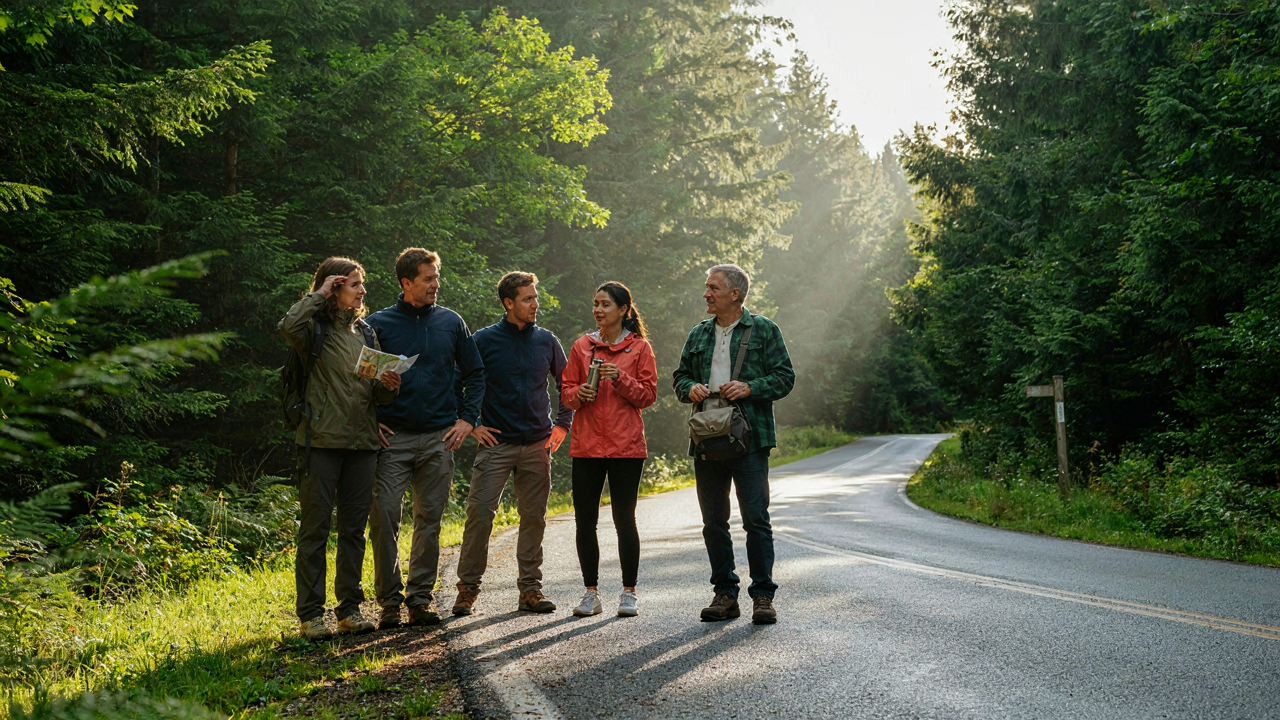
The Illusion Of Best: Why Peak Season Is A Trap
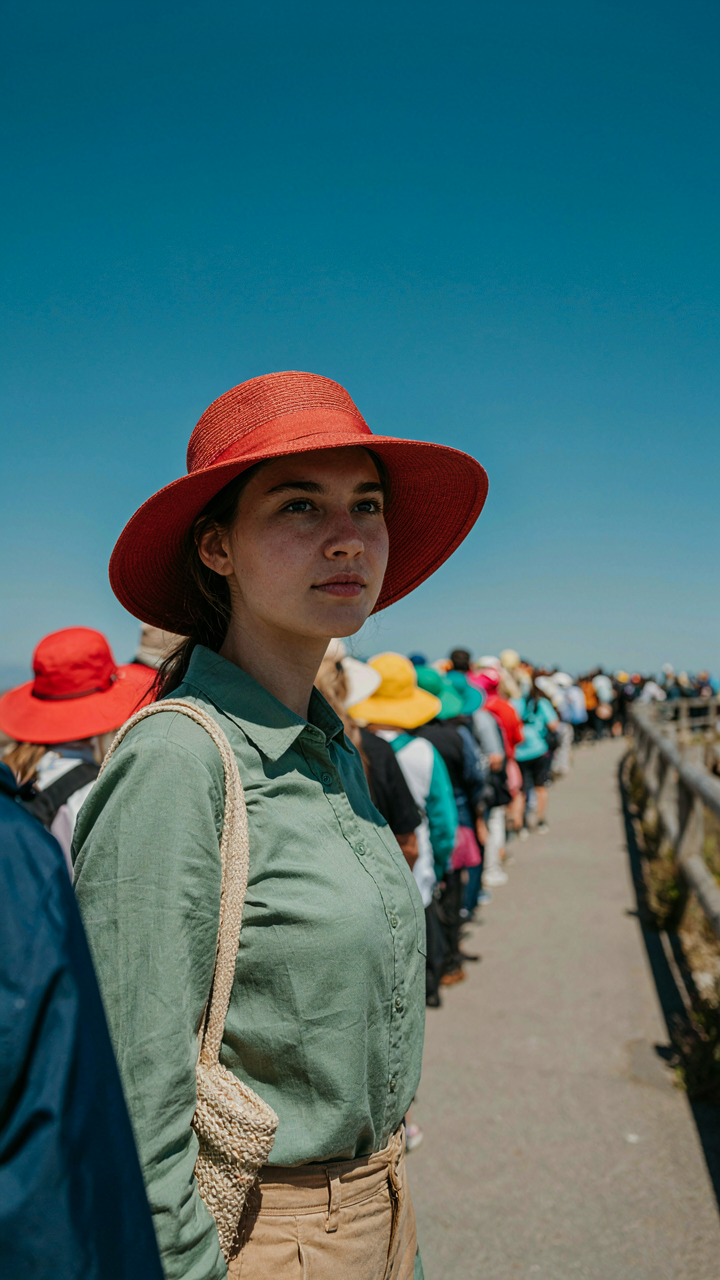
When Everyone Shows Up At Once
You want permission to visit when it’s “supposed to be best” because you’re afraid of making the wrong choice. Here’s the mechanism: peak season exists because marketing departments and travel guides repeat the same dates until they become truth. July and August at Yellowstone, April and May at the Grand Canyon, October everywhere—these aren’t objectively ideal. They’re crowded because everyone read the same article you’re reading now. Economics calls this “congestion pricing without the price tag.” The parks charge the same entrance fee year-round, but you pay with time instead of money—standing in lines, parking in overflow lots, hiking shoulder-to-shoulder on trails that were built for solitude.
Peak season trades experience for convenience. The weather is stable, yes. The daylight stretches long, true. But you’re not experiencing the park. You’re experiencing the queue. A June afternoon at the Grand Canyon’s South Rim puts 10,000 people within viewshed distance. The air fills with chatter and sunscreen. Parking fills by 9 AM. This isn’t revelation; it’s logistics failure dressed up as “the best time to visit.” The parks themselves don’t peak in summer—your ability to move through them without friction does. That’s a completely different variable, and one that costs you.
Stop Taking The Shortcut

The advice you’ve heard is incomplete and lazy. “Visit during shoulder season” sounds smart until you realize every guidebook says it, which means shoulder season is now peak season for people seeking shoulder season. The real mechanism is inverse: where crowds concentrate, your experience degrades. The parks don’t change between June and September. Granite doesn’t become more scenic. Geysers don’t erupt differently. What changes is friction. Your decision should hinge on what you’re willing to trade, not what a calendar says is “best.”
Pick your actual constraints first. Are you escaping heat or seeking it? Do you have limited vacation days or flexibility? Can you tolerate cold? Will you hike in rain? These answer where and when you should go. Someone with a fixed two-week window in July shouldn’t pretend shoulder season works for them—they should pick the least-crowded park or focus on early morning and off-trail movement to avoid the surge. The mechanism is simple: best time means least friction for your specific needs, not the aggregate “best time” that everyone else discovered on Google.

The Unconventional Calendar: When To Actually Go
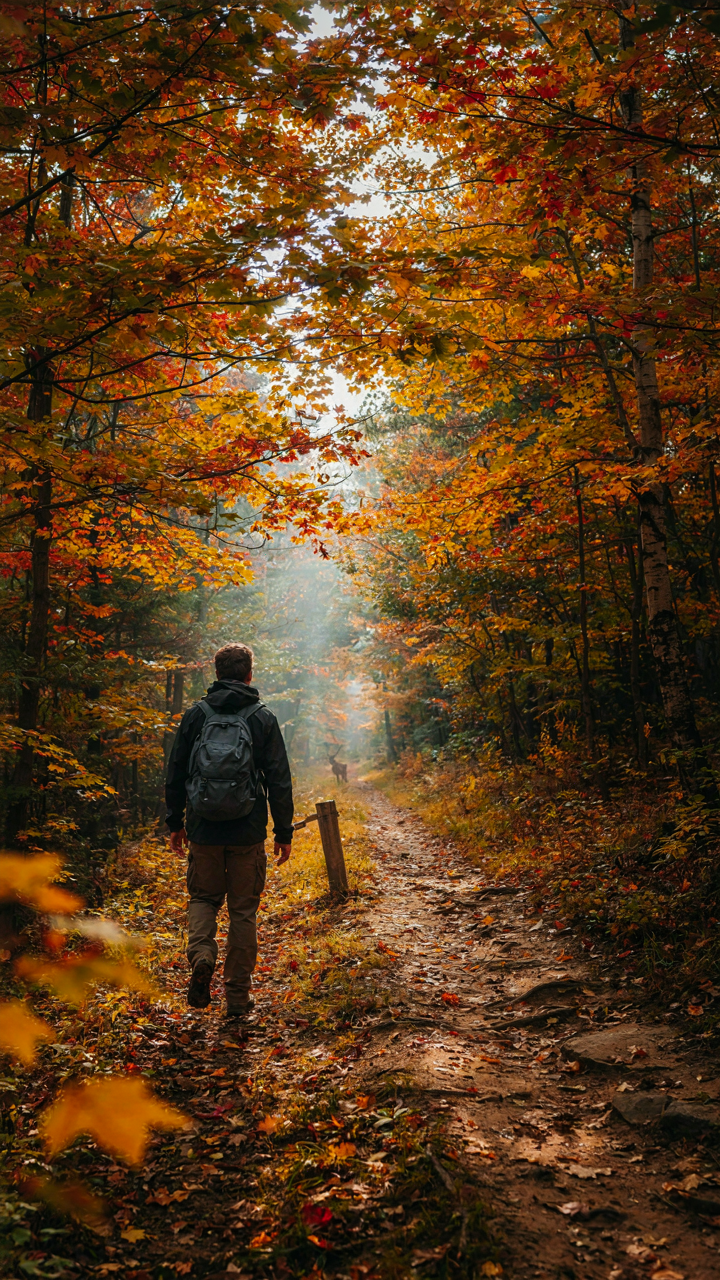
Shoulder Seasons Beat Peak Summer
You’re worried you’ll miss out if you don’t go when everyone else goes. The real mechanism is that peak season doesn’t mean better conditions—it means worse ones. Shoulder seasons (April-May and September-October) compress the variables that matter: moderate temperatures, manageable crowds, and wildlife activity that hasn’t shut down from heat stress. Most parks see 80 percent of their annual visitors between June and August. You’re not avoiding something by going then. You’re walking into a bottleneck.
The trail system functions like a hydraulic pump during peak season. More people doesn’t spread evenly—it concentrates at trailheads, parking areas, and viewpoints. Shoulder seasons distribute that same traffic across more usable hours because temperatures don’t force early morning or late evening movement. Wildlife is more active. Light remains stable for photography. You gain three things summer visitors lose: solitude, observation time, and the ability to move at your own pace instead of following a line of people.
Winter Transforms Access Into Strategy
Winter doesn’t deliver beauty in the postcard sense. It delivers information density. With snow cover, you see terrain clearly—ridge lines, drainage patterns, elevation change become visible where summer obscures them under vegetation. The economic principle of scarcity applies here: fewer visitors means park infrastructure runs on skeleton crew, which eliminates the infrastructure itself as a social constraint. You move through space differently when you’re not managing crowds.
Check conditions 48 hours before travel rather than planning weeks ahead—winter access changes with weather velocity. Many parks remain fully accessible with proper preparation: Zion, Moab, and Death Valley see 70 percent fewer visitors in winter yet suffer zero seasonal closures. High-elevation parks (above 9,000 feet) impose real constraints between November and March. Your move is to target lower-elevation parks in winter months and reverse your strategy for high-elevation parks in shoulder seasons. That’s your protocol.
The Proximity Principle: Re Evaluating Your “National Park List”
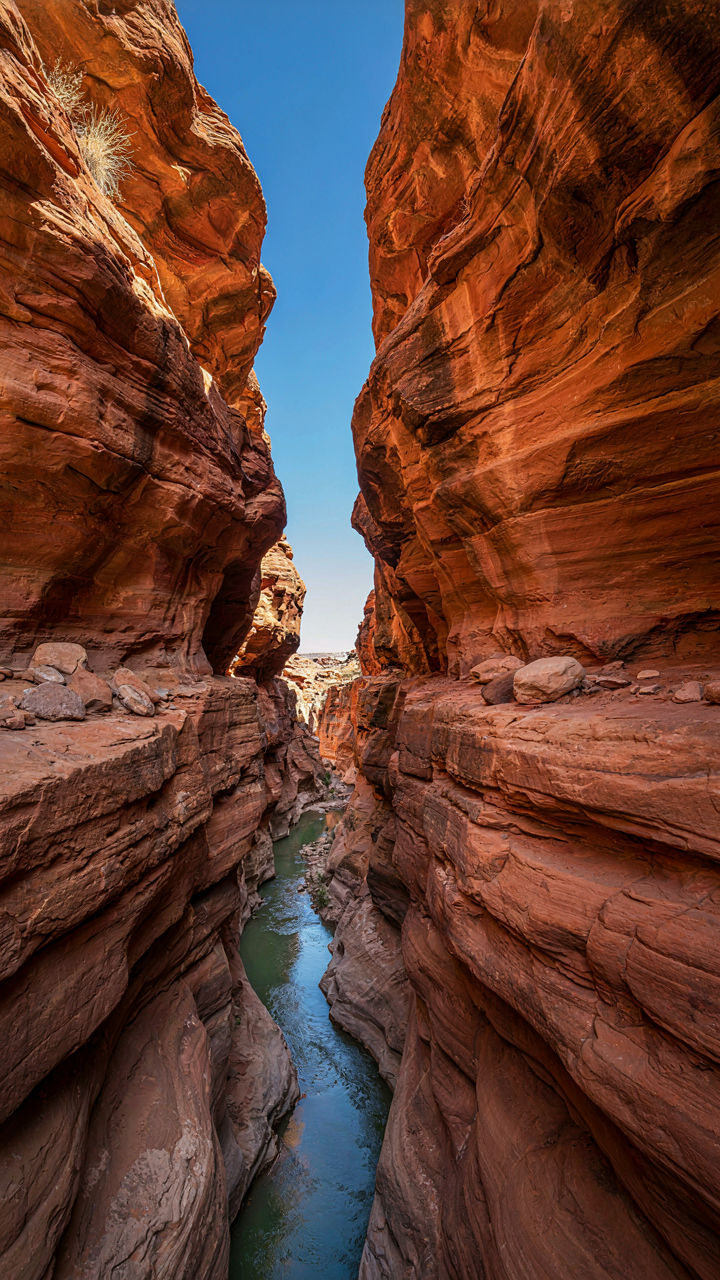
Skip The Famous Ones During Peak Season
You want the Instagram version of the experience without admitting the crowds terrify you. Here’s the mechanism: iconic parks operate on a supply-and-demand curve that inverts your actual experience. Yosemite in July isn’t Yosemite. You’re paying full attention cost for 30% of the park’s capacity. The real leverage isn’t finding a better time to visit famous parks. It’s recognizing that mid-tier parks in the same region deliver equivalent geology and fewer humans.
Big Bend, Black Canyon of the Gunnison, and North Cascades exist in the shadow of their famous neighbors specifically because they require slightly more effort to reach. They’re not worse. They’re better positioned. Visit these during the same windows as crowds hit Zion and Yellowstone. You’ll encounter the park instead of managing a line. This flips the entire calculus of “best time” from season-based to availability-based strategy.
Geographic Clusters Beat Scattered Park Chasing
Treat your park itinerary like supply chain logistics, not a bucket list. Efficiency isn’t romantic, but it’s real. Grouping parks by region compresses travel time, fuel cost, and decision fatigue. Utah’s Mighty Five requires two weeks to do right. You won’t see all five well in seven days. The common advice suggests hitting multiple parks in one trip to “maximize” your visit. That’s backward. You maximize nothing by fragmenting your attention.
Strategic clustering works this way: pick one region. Spend eight to ten days there. This lets you explore different seasons within parks based on elevation and aspect. The North Rim of the Grand Canyon operates on a separate seasonal schedule than the South Rim. Bryce sees snow when Zion remains clear. One geographic cluster, two distinct seasonal windows, two park experiences that feel like you traveled further than you did. Build your trip around regional coherence, not park count.
The Micro Season Advantage: Precision When To Visit National Parks
Crowds And Weather Move In Opposite Directions
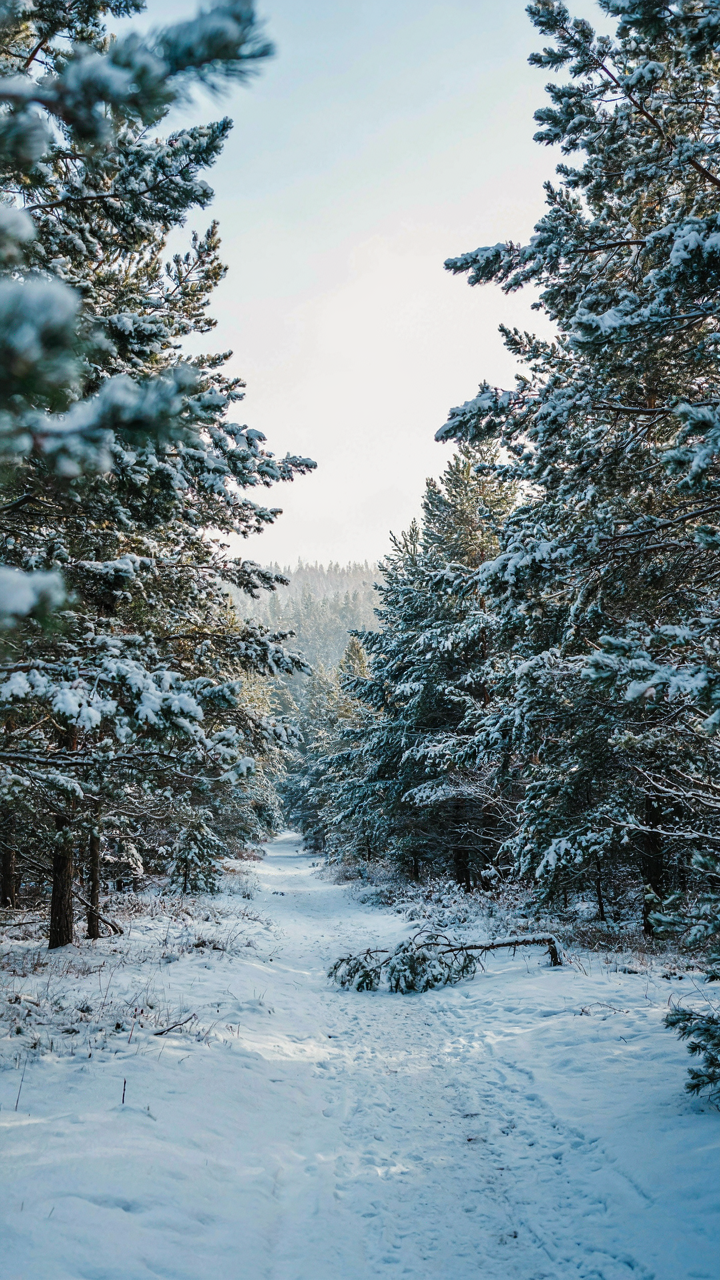
You want to feel like you discovered something nobody else knows about. The real mechanism is supply and demand inverted: parks experience inverse correlation between weather quality and crowd density, borrowing from economics the principle of scarcity. Peak season crowds arrive precisely when conditions are safest and most photogenic. Off-season weather turns brutal, but you move alone through landscapes most people never see.
The tactical play is identifying the narrow band where weather remains acceptable but crowds collapse. This isn’t shoulder season generality. Spring in Yellowstone means unpredictable snow and ice, but March sees 20,000 monthly visitors versus 450,000 in July. You trade perfect conditions for solitude, then move strategically based on what the park actually demands of you physically.
Local Calendars Override Park Traffic Patterns
Most advice tells you to avoid holidays and summer weekends. That’s incomplete. Park visitation clusters around regional school calendars, not national ones, and local events create secondary surges that guidebooks miss entirely. A national park 200 miles from a major city spikes when that city’s schools close, not when other regions finish summer.
Research the specific state and county school calendar for the park you’re targeting. Cross-reference local events like county fairs, festivals, or sporting tournaments that draw regional traffic. Then identify the week between the local rush and the next wave. This gives you a three to five day window of genuinely reduced crowds that nobody calculates for because they’re looking at aggregate national data instead of local calendars.
The Scarcity Mindset: Applying Economic Principles To Park Access
When Crowds Price Out Your Experience
You want to feel like you got a deal, like you outsmarted the system. That’s the real reason you care about timing. In economics, demand-side pressure creates pricing inefficiency: when everyone wants the same resource at the same time, the cost per unit of satisfaction rises. Summer at Yellowstone or the Grand Canyon isn’t just crowded. It’s economically inefficient. You pay full entrance fees while competing for parking, trails, and campsites with ten thousand other people doing the identical thing on the identical day.
The mechanism is simple. Peak season (June through August, plus holiday weekends year-round) compresses all visitor demand into thirteen weeks. Lodging rates double or triple. Trailheads reach capacity by 8 AM. Geyser viewing areas become standing-room-only. You’re not paying more money in fees, but you’re paying in time, stress, and reduced quality of access. The park charges the same amount, but the experiential cost explodes because the supply of solitude stays fixed while demand spikes. This is demand-side scarcity, and it makes your visit worse regardless of wallet size.
Where Abundance Actually Exists
The counterintuitive fact: off-peak seasons don’t mean worse parks. They mean worse crowds. In supply-side economics, abundance occurs when resource availability exceeds demand. September through May, most national parks operate at 30 to 50 percent capacity. The geology, wildlife, and scenic views remain identical. What changes is access friction. You can hike the same trail in early October with zero line, full parking availability, and complete trailhead access. Fall foliage in deciduous parks peaks September to early October. Spring blooms hit March through May depending on elevation and latitude.
The operational reality is that parks maintain infrastructure year-round whether tourists show up or not. Rangers, maintenance crews, and services operate on annual budgets unaffected by visitor volume fluctuations. Off-peak visiting doesn’t mean reduced park quality, it means you’re accessing the full park value with a fraction of the competition. To maximize this: book lodging or campsites sixty to ninety days before your target date, commit to specific off-peak windows based on your target park’s historical patterns, and verify facility availability before traveling because some lodging closes seasonally.
The Anti Agenda Protocol: Agile Planning National Park Trips

Last Minute Booking Advantages
You want to feel in control of your trip. The real motive is fear of wasting money or showing up to crowds. The mechanism is simple: most park visitors book lodging and campsites 60 to 90 days out. This creates artificial scarcity that inflates prices. You pay premiums for certainty that doesn’t exist anyway.
Last-minute bookings exploit the gap between rigid planners and actual cancellations. Two weeks before arrival, lodges and campgrounds have vacancy they’d rather fill at discount than hold empty. Gateway towns near parks like Yellowstone and Grand Canyon have rooms available at 30-40% discounts five to ten days before check-in. You sacrifice zero experience while paying less. The trade-off is you must stay flexible on exact dates and accept whatever accommodation remains.
National Parks Visit Checklist
The common advice here is wrong: packing lists focus on comfort items you don’t need instead of non-negotiable gear. Start with the constraint that weather shifts fast in mountain terrain. A 70-degree morning becomes 45 degrees by afternoon. Your gear selection determines whether you stay or leave early.
- Water container (3-liter minimum): Dehydration accelerates altitude sickness and clouds judgment. Most people underestimate their consumption by half.
- Layered clothing (base, mid, outer): Synthetic or merino wool, not cotton. Cotton holds moisture and drops your core temperature in wind.
- Sun protection (SPF 30+, hat, sunglasses): High altitude amplifies UV exposure. Burns and eye damage compound fatigue and shorten trip duration.
- Navigation tool (map or GPS): Cell service fails inside most park boundaries. You cannot navigate by assumption.
- First aid basics (blister kit, pain relief, bandages): Foot injuries end trips faster than any other factor. Prevention costs ounces; evacuation costs thousands.
Pack only what protects your function. Every item must solve a failure point that ends your ability to stay in the park. Check weather reports three days before arrival and adjust layers accordingly. This is not optional.
Beyond The Instagram Shot: Experiencing Us National Parks

Actual Immersion Versus Tourist Photo Ops
You want the photo that proves you were there. That’s the real reason you’re reading this. Here’s what nobody says plainly: peak season crowds don’t just make parks crowded—they collapse the sensory experience into a transaction. You’re not observing nature. You’re queuing for a viewpoint, taking the shot everyone else took, and leaving. The mechanism is simple. More bodies in a space shrink the park’s carrying capacity for actual experience. Trails become highways. Overlooks become mosh pits. Your brain processes stimulation, not solitude.
Immersion requires something peak season cannot deliver: time to notice what doesn’t photograph. The sound of wind through a canyon. How light moves across rock face over three hours. Wildlife behavior when animals aren’t stressed by constant foot traffic. Late shoulder seasons—September through early October in most parks, April through early May in others—give you the opposite condition. Crowds thin. Your nervous system settles. You see the park instead of the idea of the park.
Unique Activities Outside Peak Hours
Early morning and dusk aren’t hidden secrets, but most visitors treat them like inconveniences. This is economics at work: people optimize for convenience, not experience. They arrive at 10 AM when the parking lot opens. They leave at 4 PM for dinner reservations. The 5 AM to 7 AM window and the 6 PM to full dark window are yours alone. Wildlife moves during these hours. Light changes fast. Sound travels differently. You encounter the park’s actual schedule, not the tourist industry’s.
Night hiking exists in most major parks but requires planning most people won’t do. You need a headlamp, a trail you’ve walked before or know well, or a ranger-led program. The payoff is immediate: stars visible in ways impossible during day visits, different animal activity, the park’s actual rhythm unfiltered by daylight tourism. Many parks offer ranger programs specifically during off-peak times—early morning wildlife walks, sunset hikes, stargazing sessions. These aren’t novelties. They’re access to what the park actually is. Check each park’s official website for scheduled activities, then book around them instead of around convenience.
Your Personal “National Parks Trip” Manifesto: Off Peak, Off Grid
Build Your Itinerary Around Constraints, Not Instagram
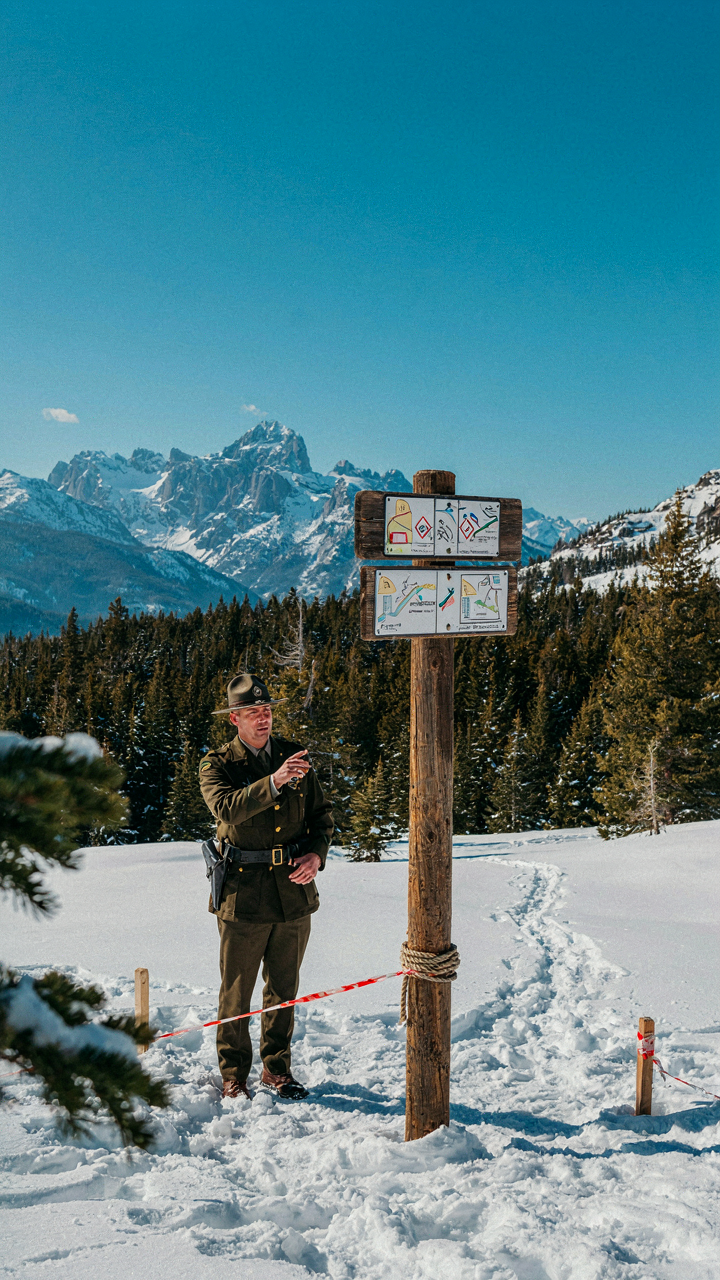
You want to feel like you discovered something nobody else has seen, which means you’re scared of crowds and wasted time masquerading as adventure. Here’s the mechanism: most people optimize for weather alone, ignoring the operational calendar parks actually run on. Road closures, facility hours, and ranger program availability shift throughout the year independent of temperature. Your unique itinerary isn’t built by picking a month—it’s built by reverse-engineering which park infrastructure you actually need, then finding the narrow window when that infrastructure operates and crowds haven’t arrived yet.
Constraints force specificity. If you need a backcountry permit, you’re competing with lottery systems that open on specific dates. If you want to photograph a particular vista, you need to know when roads to that trailhead reopen after winter closure. If you’re hiking with a family, you need ranger programs running and visitor centers open. Map the hard requirements first—permits, road access, facility hours—then overlay crowd patterns. This eliminates 80% of park-visit planning chaos immediately because you’re no longer choosing from infinite options.
Seasonal Windows By Month
Every month trades something off against something else, and the Park Service doesn’t advertise these tradeoffs clearly. Here’s what actually matters:
- January through March: Lowest visitor counts, but many roads closed by snow, backcountry permits harder to obtain, and limited ranger services. Northern parks and high-elevation areas rarely accessible. Works if you want solitude on open trails only.
- April through May: Spring thaw opens roads progressively. Permits become available as parks reopen. Wildflowers emerge unpredictably. Crowds climb but remain manageable. Sweet spot for most parks if you time it after snow clears but before summer vacation weeks.
- June through August: Peak season everywhere. All facilities operational, all roads open, all trails accessible. Crowding peaks in July. Worth it only if you need specific permit deadlines or can visit weekday mornings. Otherwise, you’re paying peak prices for shoving-match conditions.
- September through October: Crowds drop 60% post-Labor Day while weather remains stable. Fall colors unpredictable but trails clear. Park services still fully operational. Most reliable shoulder season for getting what you want without fighting hordes.
- November through December: Second wave of closures begins as snow arrives in northern parks. Facilities reduce hours. Permits reset for new cycles. Crowds disappear. Works only if you’re targeting southern parks or low-elevation deserts with stable winter weather.
Don’t choose a month because it’s “supposed to be nice.” Choose a month because the park infrastructure you need is operational and the visitor traffic aligns with your actual tolerance. The mechanism is simple: match your requirements to the park’s operational calendar, not the calendar to some generic idea of good weather.
The Real Obstacle Isn’t Planning, It’s Your Addiction To Convenience. Break It

You don’t need a better strategy for timing your park visit. You need to stop waiting for perfect conditions that don’t exist. The best time to visit national parks is when you decide to go, not when Instagram tells you to. Block three days on your calendar right now. Pick a park. Book the trip. Your future self won’t thank you for the perfectly timed visit. Your future self will thank you for actually showing up.