
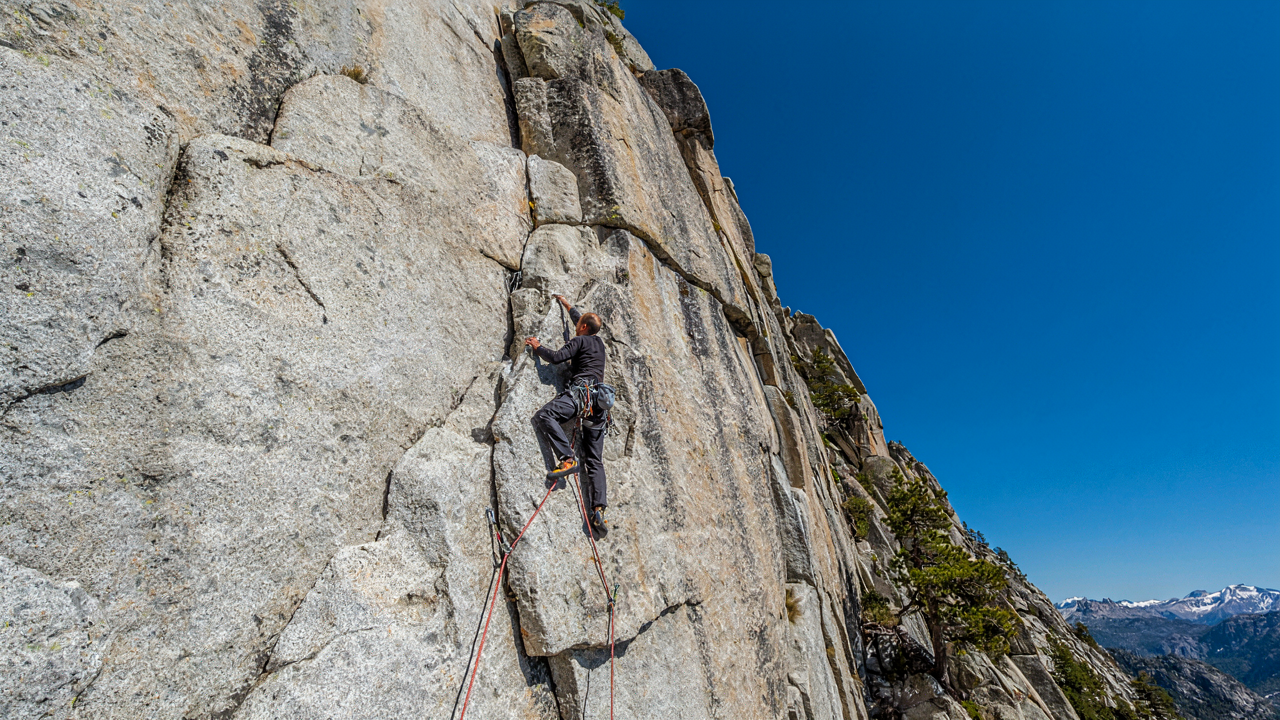
The Folly Of Top Lists: What Most Get Wrong About Adrenaline Filled Travel Destinations
Instagram Broke Your Destination Radar
You want proof you made the right choice. That’s why these lists exist. But the mechanism is backward: popularity kills the actual experience you came for. Chamonix, Interlaken, Whistler. These places appear on every ranking because they have brand recognition, not because they’re optimal for your specific discipline. The crowd density alone degrades conditions. You’re paying premium prices to wait in lines behind tourists who booked based on the same list you’re reading.
The real cost isn’t money. It’s wasted time in mediocre conditions because infrastructure scaled for volume, not performance. A resort that handles 10,000 daily visitors operates differently than one handling 2,000. Lift lines, trail crowding, avalanche risk management decisions all shift toward liability reduction instead of experience quality. You get a checkbox, not a craft.
What The Supply Chain Reveals

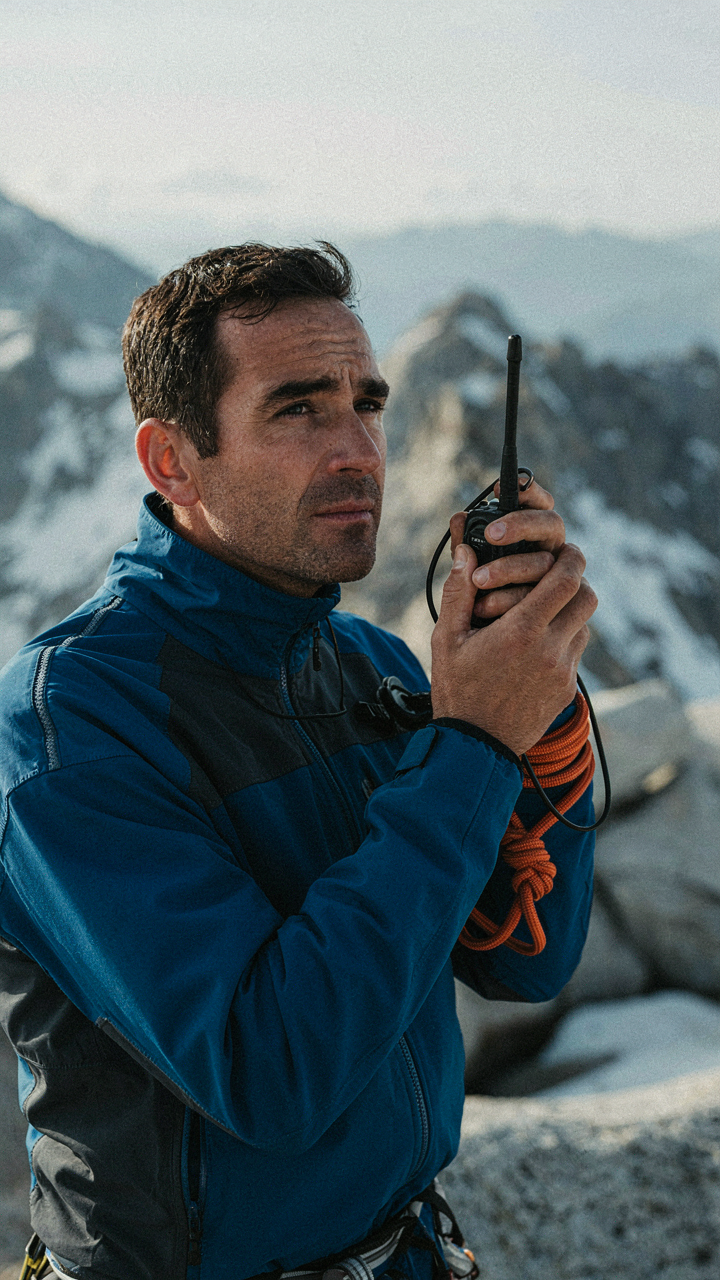
Think in terms borrowed from logistics: the visibility of infrastructure predicts the invisibility of quality. Destinations that advertise aggressively have already optimized for marketing, not the activity itself. The places worth traveling to have unglamorous mechanics running underneath: reliable snow grooming cycles, consistent wind windows, stable rock quality, medical response times under 15 minutes, guide ratios that never exceed 3:1.
These don’t photograph well on Instagram. They require research into local meteorological data, equipment maintenance schedules, and seasonal permit availability. A resort’s website tells you nothing about whether its helicopter operations run year-round or just peak season, whether local guides have current rescue certifications, or if the terrain actually matches your skill level. Start by mapping response infrastructure backward from the activity. Call local hospitals. Check permit archives. Talk to gear shops, not tourism boards.

The “Extreme Sports Aesthetic” Is A Lie: Seek Progression, Not Just Photos

Instagram Versus Actual Skill Development
You want the location to validate your identity, not build your ability. That’s the real motive. Here’s the mechanism: Instagram rewards aesthetics, not progression. A perfect cliff backdrop means nothing if you’re repeating the same trick at the same difficulty level every session. Chamonix looks better in photos than it performs for beginners. Moab’s red rock is iconic but teaches you nothing new if you’re already intermediate. The algorithm doesn’t measure your improvement. It measures how many people stop scrolling.
Real progression requires a place where you encounter problems you haven’t solved yet, repeatedly, in controlled increments. Interlaken, Switzerland works for BASE jumpers because the geography forces decision-making in changing conditions. Kiteboarding in Cape Town builds skill because the wind patterns shift daily, demanding adaptive technique. Chamonix teaches mountaineers because the routes scale in complexity. The photo op is irrelevant. Your next level of difficulty matters.
Training Ecosystems Beat Landmarks
Use the economic principle of agglomeration. When athletes and resources cluster, the quality of feedback compounds. A true training ecosystem has multiple athletes at your level, coaches who have solved the problems you face, and infrastructure that doesn’t force you to compromise your sessions. Whistler Blackcomb works for mountain biking not because it has the best terrain, but because it has the most concentrated density of riders, coaches, and mechanics improving simultaneously. Tenerife’s winds make it objectively good for windsurfing, but the real advantage is the year-round population of competitive sailors who push standards upward daily.
Identify an ecosystem by answering three questions: Can you access qualified coaching from someone who competed at your target level? Are there athletes better than you training there regularly? Can you fail safely and repeatedly? If you answer no to any, you’re choosing aesthetics. Progression happens where your failure cost is low, feedback is immediate, and the people around you are collectively raising the floor. Visit the location first without your phone. Watch training sessions. Talk to coaches about their client progression rates. The ecosystem either exists or it doesn’t.
The Competence Protocol: How Elite Extreme Sport Athletes Choose Locations
Terrain Matching Your Current Ceiling
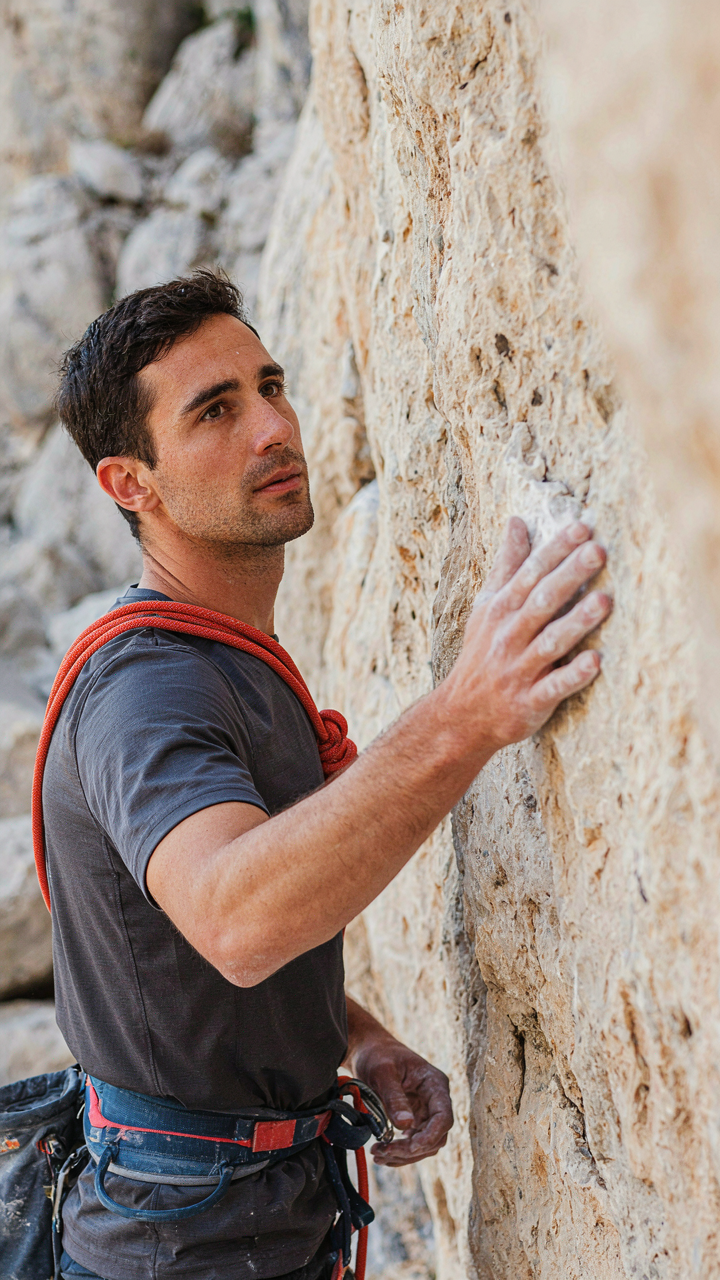
You want to know where to go because you think the location matters more than your skill level. It doesn’t. The real mechanism is substrate—borrowing from geology, the right location has the right “load-bearing capacity” for your current ability. Chamonix doesn’t fix a climber who can’t read rock. Neither does it help the skier without edge control. Elite athletes filter locations by what skill gaps the terrain will expose versus what it will forgive.
A beginner needs terrain that tolerates mistakes without killing them. Intermediate athletes need spots where their weak points become obvious through failure, not death. Advanced athletes need locations that demand the next increment of precision. Most people reverse this. They chase the hardest destination first, then quit when the learning curve humbles them. The protocol: audit your actual technical ceiling in your discipline, then find the location where that exact level gets tested at the edge of your control, not beyond it.
Mentorship Density And Unspoken Standards
The common advice says find a spot with good vibes and community. That’s vague garbage. What you actually need is a location where practitioners at your target skill level cluster thick enough that they’ve codified what works. This happens through density of expertise, not marketing. Places like Moab for climbing, Chamonix for alpinism, and Byron Bay for surfing aren’t popular because they’re pretty. They’re hubs because generations of athletes have proven specific techniques on specific terrain, then taught them to newcomers who stayed.
Mentorship density creates invisible standards. When you train around athletes two levels above you, you absorb their micro-habits without instruction. You see how they weight their feet. How they read conditions. How they fail without panic. The mechanism is simple: pick a location where documented training lineages exist. Ask local athletes who trained them. Trace it back two generations. If that chain is broken, move to a different spot. Shallow communities produce plateaued athletes because there’s nobody to learn from who’s already solved the problems you’re about to face.
Beyond The Thrill: When Safety Infrastructure Defines The “Best Extreme Sport” Spots
The Real Price Of Cutting Corners
You want the story of how someone survived a big wreck to make your trip feel legitimate. That’s the actual mechanism driving this section: you’re comparing your risk tolerance to someone else’s outcome, then using their survival as social proof. Stop. The unseen cost is death from preventable causes, and it happens regularly in destinations with zero infrastructure. Borrowing from epidemiology, think of safety infrastructure as your “disease vector control”—it’s the barrier between incident and catastrophe.
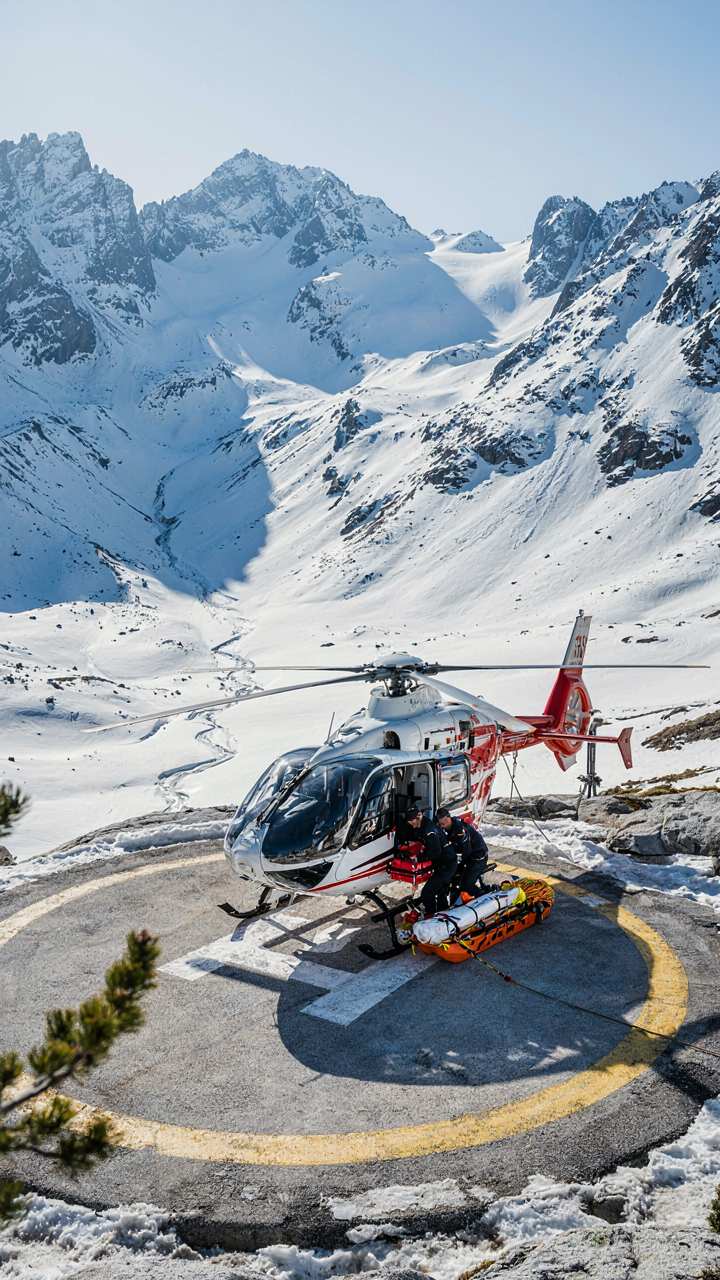
Most extreme sport destinations market themselves on raw conditions, not on what happens when things go wrong. Chamonix has helicopter evacuation on standby. Moab has established protocols. Most viral climbing and BASE jumping spots in Southeast Asia have neither. The difference isn’t bravery. It’s whether someone trained shows up within minutes or whether your friends are your only option.
Rescue Response And Medical Readiness
The common advice says “check if hospitals exist nearby.” That’s incomplete and dangerous. What matters is response time from incident to definitive care, and whether the medical team has ever treated your specific injury. Borrowed from logistics, call this your “supply chain resilience”—how fast specialized resources reach you under stress.
Interlaken, Switzerland positions rescue teams at trailheads and maintains helicopter assets year-round because the region runs volume on extreme sports. Chamonix has mountain guides trained in high-altitude rescue embedded in the community. Compare this to lesser-known BASE spots: no pre-positioned teams, no specialized trauma protocols, nearest real hospital possibly hours away by ground transport. Before booking a destination, request the exact response time from incident report to helicopter lift or hospital arrival. Ask what the medical facility’s experience level is with your specific activity. Facilities that can’t answer this clearly don’t have the infrastructure.
The “Adrenaline Hobbies” Trap: Why Generalists Fail
One Sport, One Mountain
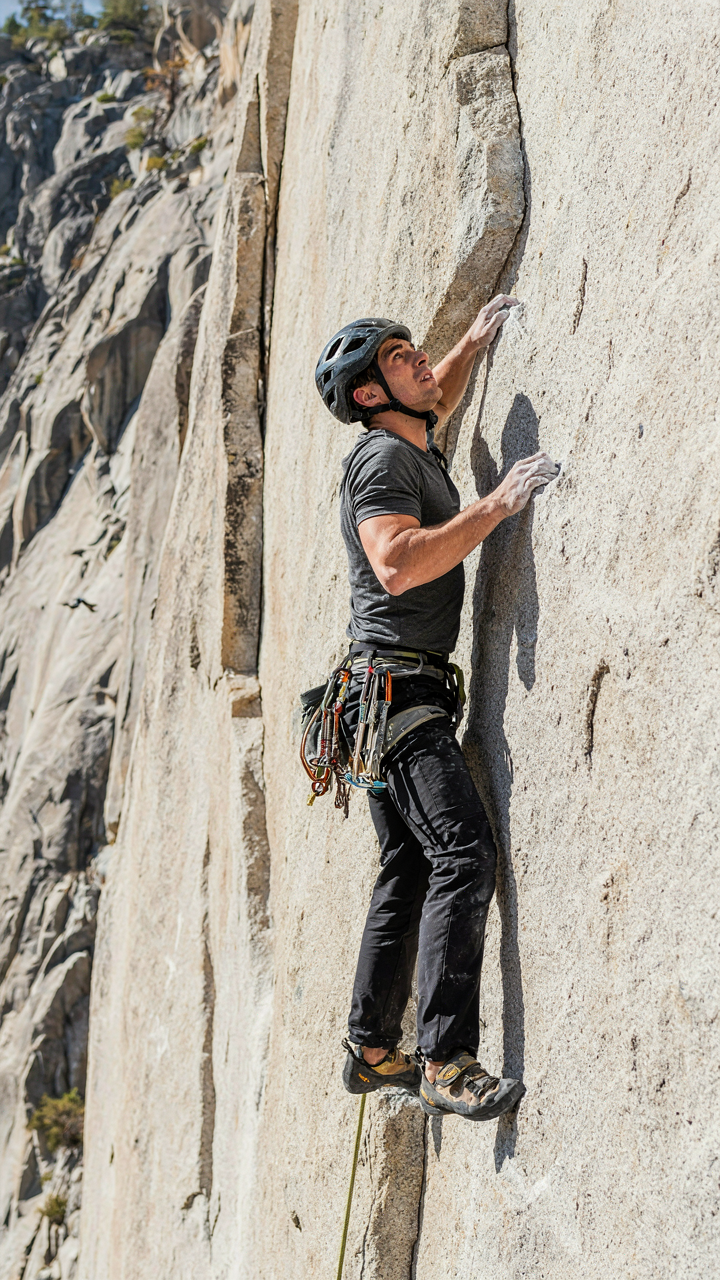
You want to seem like the type of person who does extreme sports because it signals freedom and capability. But that’s exactly why you’ll never get good at any of them. The mechanism is simple: extreme sports reward depth, not breadth. Each discipline demands sport-specific skill acquisition that takes years. Rock climbing in Yosemite requires different neural pathways than base jumping in Switzerland. Your body doesn’t transfer the competency sideways.
The generalist gets mediocre at everything and memorable at nothing. You hit a plateau fast when you split focus across multiple disciplines. The climbers who send grade 5.13 routes trained that single skill relentlessly. The wingsuit pilots who survive their drops logged thousands of skydives first. You can’t shortcut this. Pick one location, one sport, one progression path.
The Linearity That Actually Works
Mastery in extreme sports follows the same principle military operators use: progressive qualification. You don’t run a combat raid before you master basic marksmanship. You don’t drop into backcountry skiing before you nail carving on groomed terrain. Each skill layer stacks on the previous one and compounds over time.
The real progression works like this: find a location with established infrastructure for your chosen discipline, commit for a minimum of two years, train under coaches who’ve achieved what you want, and log consistent repetitions. Chamonix has decades of alpine climbing culture. Moab has established progression routes from beginner to elite. That ecosystem exists because people stayed put long enough to build it. Your job is to plug into it, not bounce between destinations collecting stories.
Adrenaline Aesthetic: The Physics Of Peak Performance Locations
Where Air Moves The Way You Need It To
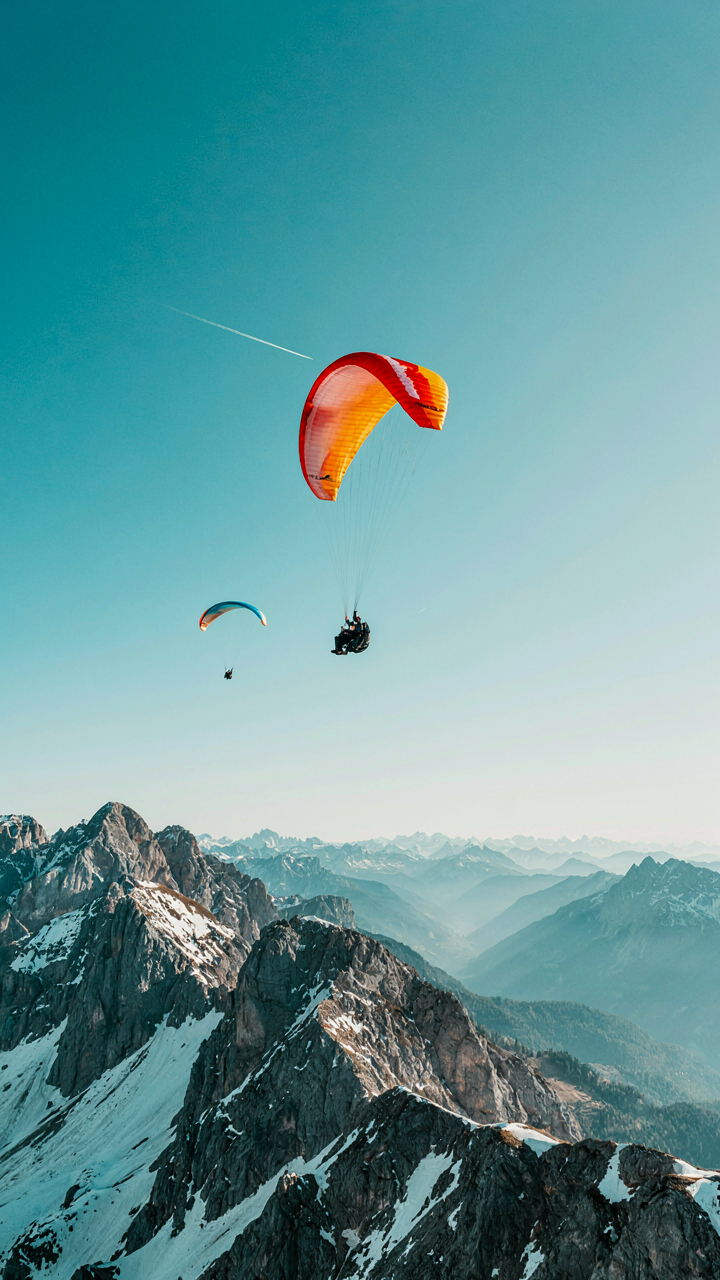
You want to know where to go because you’re tired of mediocre conditions wasting your time and money. Here’s what matters: paragliding locations succeed or fail based on thermal dynamics, the same principle physicists use to model convection in fluids. Thermals are rising columns of warm air. They form predictably where terrain absorbs and radiates heat unevenly. Dark rock faces, south-facing slopes, and valleys with specific width-to-height ratios generate lift you can ride for hours.
Chamonix, the Alps, and the Dolomites work because their granite peaks heat rapidly and trigger consistent thermals by mid-morning. The Swiss Alps specifically generate thermals between 1,500 to 3,000 meters where valley winds converge. This is the mechanism: ridge lift combines with thermal activity to extend flight time. Brake your habit of chasing “famous” spots. Study the terrain’s thermal capacity instead. Most paragliders waste seasons learning spots through repetition when they could map conditions scientifically and find untapped locations with identical physics.
Terrain Writes The Rules For What’s Possible
Biogeography isn’t about pretty views. It’s the study of how organisms and systems distribute across geography based on physical constraints. Apply that to extreme sports: your sport is dictated by what the terrain allows, not your preference. Granite doesn’t produce the same features as limestone. Loose scree differs from packed snow. Water temperature, cliff composition, and slope angle are the gatekeepers.
Big mountain skiing demands consistent snowpack on steep slopes without avalanche risk. The Cascade Range and the Alps provide this. Freesoloing requires specific rock types with positive holds and no decomposition. Sandstone crumbles. Granite endures. That’s why El Capitan in Yosemite stays relevant while other formations fade. Choose your location based on the sport’s technical requirements, not the location’s brand name. The terrain decides whether you succeed or fail.
Summer Paragliding Adventure: The Climate Vs. Consistent Conditions
Where Thermals Actually Exist
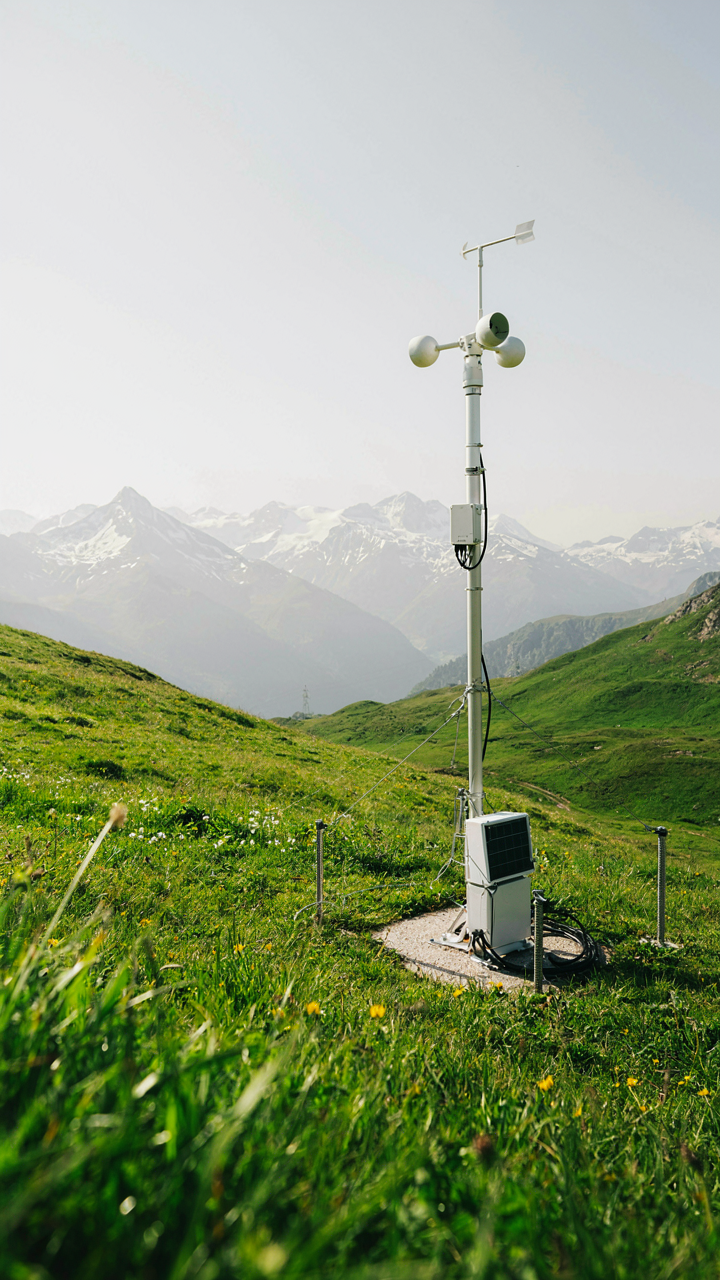
You want to know which spot will guarantee perfect conditions so you don’t waste money or look incompetent in front of your crew. That’s the real question. The mechanism is simple: thermals, the invisible columns of rising air that keep paragliders aloft, only form under specific atmospheric conditions. Most people chase “good weather” without understanding that sunny and calm are not the same as soarable.
Borrowing from meteorology, think of thermals as atmospheric pressure gradients made visible through performance. The Alps near Chamonix and the Andes near Mendoza generate thermals through terrain heating and mountain wind interaction, not random luck. These locations convert geography into predictable lift. Summer intensifies this effect because ground temperatures rise, strengthening convection. You need elevation change, solar exposure, and air mass consistency working together.
When The Window Actually Opens
Seasonal advice about “summer is best” misses the real timing. Summer creates heat, but the actual soarable window depends on thermal strength peaking around 2 to 4 PM local time when ground temperatures max out. This is not negotiable. In places like Interlaken, Switzerland, July and August deliver the most consistent thermals, but only if you launch during the afternoon thermal window, not at dawn.
The secondary factor most pilots ignore is wind direction. Föhn winds in the Alps or valley breezes in mountain regions shift throughout summer, compressing your reliable launch window to specific weeks. Plan for mid-July through early September in the Northern Hemisphere if you want margin for error. Before booking, check historical wind data from the specific valley, not just regional forecasts. The difference between a week of soarable days and a week of canceled flights often comes down to which microclimate you choose and which two-week window you target.
Extreme Sports Adventure Locations: The Hidden Economy Of Expertise
Why Local Guides Matter More Than Your Research
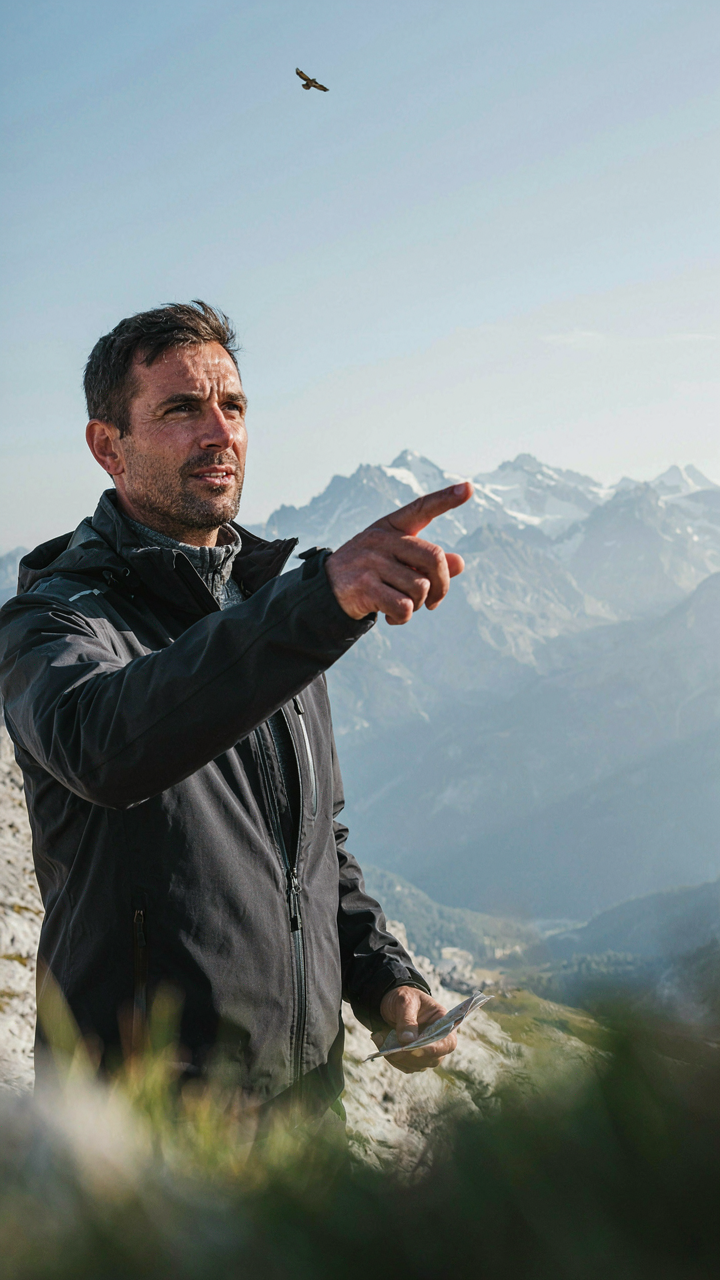
You want the shortcut. You think watching videos and reading forums replaces skin in the game, and it doesn’t. The real mechanism here comes from economics: local guides function as information arbitrage. They collapse the gap between map knowledge and live conditions that change hourly. A guide in Chamonix knows which sections of Mont-Blanc have rockfall risk today, not yesterday. You pay for compressed experience that prevents the mistakes that cost time or limbs.
Local knowledge operates on two tracks most people ignore. First, guides hold institutional memory about seasonal windows, weather patterns, and crowd flows that no website captures. Second, they maintain relationships with rescue services, lodging operators, and equipment providers. This network access determines whether you climb efficiently or waste days troubleshooting logistics. The guide isn’t a luxury. The guide is infrastructure.
- Chamonix Valley guides: Certified through IFMGA standards, they navigate complex glacier conditions and objective hazards that shift seasonally. Essential for Mont-Blanc routes above 3,500 meters.
- New Zealand backcountry specialists: Guides manage weather windows in Wanaka and Queenstown that close fast. They know terrain variables that split safe from fatal in alpine climbing and ski touring.
- Moab desert guides: Desert rock guides understand water sources, heat management, and exact approach timing to Arches formations. Their logistics knowledge cuts two hours off navigation.
- Interlaken ice climbing guides: Swiss guides maintain real-time intel on avalanche terrain around Eiger and Jungfrau. They coordinate with mountain rescue and weather services directly.
- Costa Rica zipline operators: Certified guides understand canopy weather patterns and equipment stress points for the volcanic slopes near Arenal. They know which platforms get overbooked and unsafe.
Hiring a guide isn’t about validation or ego comfort. It’s about compressing years of error into days of correct execution. Most people book guides for one section and skip others, then discover they needed the guide for the part they skipped. Ask your guide specifically: What kills people on this route? Their answer tells you which variables actually matter.
Getting Gear To Where You’ll Actually Use It
The consensus narrative is wrong: equipment access isn’t about finding the best rental shop. It’s about logistics. Bring specialized gear into remote locations, and you hit three problems sequentially: customs delays at entry points, maintenance gaps at altitude, and replacement timelines that exceed your trip window.
Hard truth: most extreme sports locations have gear that works fine but isn’t the spec you want. You can rent climbing gear in Cusco, but it’s not the protection standard you train on, and swapping equipment mid-trip breaks your muscle memory when you need it most. The real strategy is shipping your own gear ahead to a trusted operator or lodging contact three weeks before arrival. Quito climbing gyms, Chamonix mountain shops, and Queenstown adventure outfitters take pre-positioned equipment. They store it, charge insurance fees around 2-5 percent of gear value, and hand it to you ready. This costs 300-600 dollars for a trip but eliminates the cascade of problems that rental limitations create.
Maintenance on the ground requires relationships. You need a contact who can resole climbing shoes within 48 hours, repair rope damage, or swap out brake pads on bike components. Tourist rental shops won’t do this. Reach out to local climbing clubs or mountain guide services and ask directly: Who maintains gear here? They give you the technician’s name and number. You establish contact before you arrive. Send a photo of your equipment needs two weeks ahead. The technician orders parts if necessary. On landing, you have a maintenance schedule, not a hope.
The Myth Of “Travel Inspiration For Paragliding”: It’s About The Pilot, Not The Panorama
The Drive That Actually Moves You
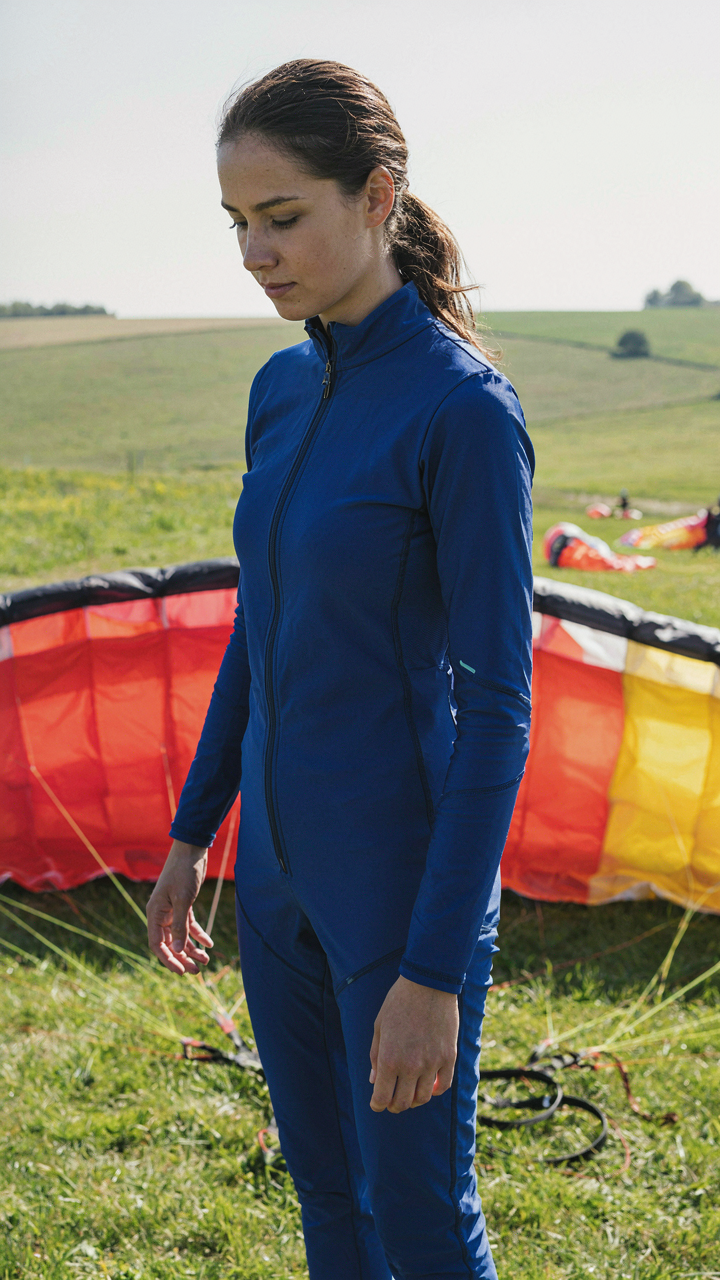
You want the location to do the work for you. You think flying off Interlaken or the Swiss Alps will solve the hesitation you feel about committing to the sport itself. That’s denial dressed as wanderlust. Psychology calls this external locus of control, and it’s the mechanism that keeps most people stuck—they chase the setting instead of building the skill. The best paragliding destinations don’t make pilots. They expose the ones who already decided to become pilots.
The pilot who trains at a mediocre hill in Ohio for three seasons will outfly the tourist who spent two weeks chasing thermals in Chamonix. The difference isn’t the air. It’s the accumulation of repetitions under pressure, the decision to show up when conditions suck, and the willingness to fail privately before ever seeking the public validation of a famous spot. Skill compounds. Geography doesn’t.
Self Reliance In Thin Air
Extreme environments demand you operate without a safety net. Mountaineering strategists call this “command redundancy”—the ability to execute your mission when systems fail and support vanishes. In paragliding, this translates to reading weather independently, managing your own equipment maintenance, and executing recovery from mistakes without a rescue team standing by. Places like the Chamonix Valley or Oludeniz in Turkey force this. You can’t call for help mid-flight.
Self-reliance isn’t built through tourism. It’s built through repetition in conditions that matter. You train at your local site until you can spot wind shear without instruments. You inspect your gear before every flight, not before photo ops. You log hours in marginal weather so that when you’re at Everest Base Camp’s paragliding zones or the thermals above the Atacama, your body executes without panic. The location is irrelevant until the pilot is ready.
The Real Obstacle Isn’t Finding The Peak; It’s Your Unwillingness To Commit To Its Mastery
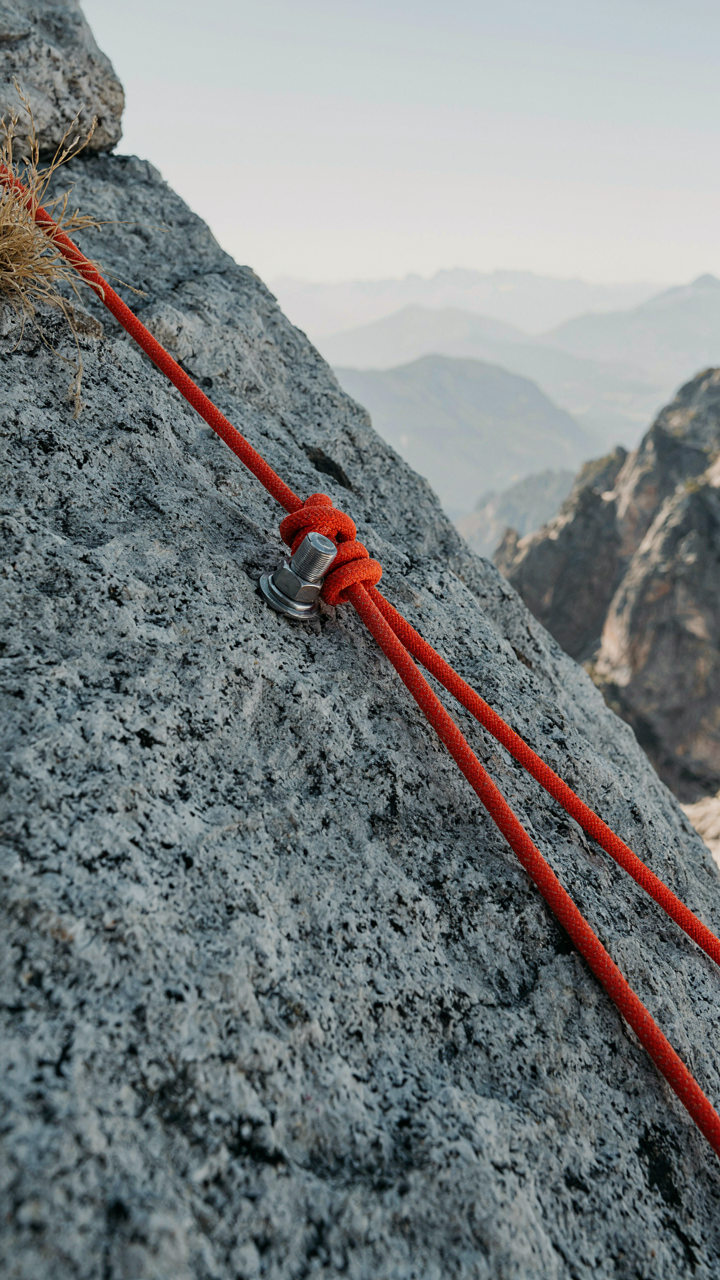
You’ve read about Chamonix. You’ve scrolled through clips of the Ikon Pass. You know where the best places for extreme sports exist. The problem is you’re collecting locations like you collect bookmarks. Stop researching and book a trip this week. Not next month. Not when conditions are perfect. The athlete who commits to one mountain for a season beats the tourist who visits ten. Your willingness to show up repeatedly defines your skill, not your passport stamps.