The “Iconic” Park Trap: What Everyone Gets Wrong

Why Recommendation Lists Fail You
You want the “right” park so you don’t waste your first shot. The mechanism that breaks this is simple: consensus advice clusters around parks that photograph well and rank high, not parks that deliver the best first experience. Grand Canyon, Yellowstone, and Yosemite dominate every list because they’re famous, not because they suit newcomers. Fame creates crowds, which creates logistics problems, which erodes the actual experience you traveled for.
The parks most people recommend first are optimized for Instagram and bucket list completion, not discovery. You show up to find parking lots full at 9 AM, shuttle queues stretching past the trailhead, and viewpoints so packed you can’t think. These conditions don’t teach you what national parks actually offer. They teach you that popular things are hard to access. That’s not a park problem. That’s a recommendation problem.
The Overcrowding Tax Nobody Prices In

Economics calls this negative externality: a cost imposed on you that doesn’t show up in the price. With national parks, the externality is time lost to crowds. You arrived to hike a trail, but you spend two hours finding a parking spot instead. You wanted solitude at a viewpoint, but you’re shoulder-to-shoulder with 500 other people.
Popular parks charge this tax on every visitor simultaneously. Yellowstone receives 3 to 4 million visitors annually. Yosemite sits above 4 million. Grand Canyon pushes 4 million. These aren’t small numbers distributed evenly across the year. They concentrate in summer months, which is when first-timers typically visit. The infrastructure can’t absorb this volume without degradation. Your first park experience becomes a lesson in crowd management, not landscape appreciation. Choose your first park by visitation patterns, not by fame, and you’ll actually see what you came for.
The Proximity Principle: Reclaiming Your Time

Distance As Your Real Constraint
You’re worried you’ll waste your vacation on logistics instead of actually experiencing something worthwhile. Here’s the mechanism: every hour spent driving is an hour you don’t spend in the park, and first-timers almost always underestimate travel time while overestimating how much ground they can cover. Distance isn’t just inconvenient—it’s the variable that determines whether your trip feels rushed or full. Start by mapping parks within a five-hour drive radius from your actual location, not from some imaginary hub. This is your operating zone.
The National Park Service clusters most accessible parks within these regional corridors. The Southwest has Zion, Bryce, and Grand Canyon within seven hours of each other. California’s coast chains Yosemite, Kings Canyon, and Sequoia in a similar range. The Tetons and Yellowstone sit together in Wyoming. You don’t need to chase every park in America on your first trip. You need to exhaust one region thoroughly, then stop. This removes the amateur mistake of treating parks like a checklist instead of a destination.
The Seven Day Framework
Real travel design comes from operations management, where efficiency means minimizing non-productive time while maximizing output. Apply this to parks: a seven-day trip with two days of driving cuts your on-ground time to five days, which is enough to see one major park deeply instead of three parks poorly. Most first-timers spread themselves across too much geography and remember nothing but car seats.
Zion works as a standalone five-day park visit—three full days in the canyon, one for Angels Landing or The Narrows, one for Canyonlands nearby. Grand Canyon needs four solid days to move beyond the rim viewpoints into actual hiking. Yellowstone demands five days minimum to see geysers, thermal features, and wildlife without feeling like you’re running a gauntlet. Pick your park based on what five days of access actually means, then book your travel dates around those five days, not the other way around.
The “Purpose Built” Explorer Protocol
Know What You’re Actually After
You want permission to pick the “right” park so you don’t waste a week on the wrong one. The mechanism is this: most first-timers optimize for Instagram potential or what they’ve heard is “must-see,” not what actually matches how they spend time. Using market segmentation logic from product design, parks cluster into distinct user archetypes—each delivers different value. The Grand Canyon pulls you toward scale and geological narrative. Yellowstone pulls you toward wildlife and geothermal oddity. Zion pulls you toward technical hiking and vertical drama. Acadia pulls you toward coastal ecosystems and road accessibility. None of these overlaps. You pick based on what activity your body actually craves for five days, not what the consensus says you should see.
Define this before you search availability or book lodging. What do you do when left alone? Hike steep elevation gain? Sit and observe animals? Drive scenic loops? Photograph geological formations? Swim in water? The answer determines which park delivers fulfillment instead of exhaustion. You’re not touring a checklist. You’re spending 40-80 waking hours in one ecosystem. The park that aligns with your actual behavior wins. Skip this step and you’ll spend three days feeling obligated to do what everyone else does there, then resent the trip. Write down what you did for fun on your last vacation before you choose a park.
Match The Landscape To Your Energy System
The common advice is wrong here: “pick the park closest to you” or “go where you have the most time.” That’s logistics thinking, not fulfillment thinking. A park that demands high-intensity hiking effort will destroy a first-timer who prefers observation and movement at moderate pace. Conversely, a park designed for road travel and short walks will bore someone training for a summit bid. The Moab parks (Arches, Canyonlands) reward technical hiking and scrambling. The Tetons reward alpine terrain and real elevation. Bryce rewards walking and gazing from viewpoints. Death Valley rewards driving and photography. Shenandoah rewards accessible trails and wildlife spotting without major commitment.
Match your energy system to park design, not park fame. Most first-timers overestimate their hiking appetite and underestimate how a week of unfamiliar terrain degrades performance. You’ll move slower, recover slower, and carry more water than you think. Build a gap between your maximum capacity and what the park demands. A park that feels easy on day three will feel appropriate by day five. Start with parks offering multiple intensity tiers so you can adjust mid-trip instead of committing to one hiking standard for all five days.
Uncharted US National Parks: The Law Of Diminishing Crowds

Parks Where Crowds Thin Out Fast
You want to feel like you discovered something instead of just showing up where everyone else already has. The mechanism is simple: popularity follows a power law. A handful of parks absorb 80 percent of visitor traffic, which means the remaining parks operate at a fraction of capacity. This isn’t accident. It’s economics applied to geography.
- North Cascades National Park (Washington): Fewer than one million annual visitors despite containing over 300 glaciers. Dramatic alpine terrain rivals the Swiss Alps but remains overlooked because it lacks the household name recognition of nearby parks.
- Great Basin National Park (Nevada): Attracts roughly 150,000 visitors yearly. Home to 13,000-foot peaks, ancient bristlecone pines, and Lehman Caves. Remote location in central Nevada keeps it off most first-timer itineraries.
- Isle Royale National Park (Michigan): Accessible only by boat or seaplane. Backpacking-focused wilderness in Lake Superior with no roads. Isolation itself filters out casual visitors seeking day-trip accessibility.
- Black Canyon Of The Gunnison National Park (Colorado): Steep rock walls drop 2,000 feet to the river below. Dramatic geology without the Grand Canyon infrastructure or crowds. Located far from major metro centers.
- Congaree National Park (South Carolina): Champion trees and old-growth bottomland forest. Receives under 150,000 annual visitors. Kayaking and boardwalk trails offer intimacy with untouched ecosystem most people never experience.
These parks share one trait: they require either specific knowledge, willingness to drive longer, or gear investment to access. That friction is your advantage. Fewer people means fresher trails, available campsites, and no permit lottery. You experience the landscape as designed, not as a managed throughway.
When Tourist Saturation Becomes The Real Cost
Most advice says visit off season. That’s incomplete. Off season still means you’re navigating the same infrastructure, same trails, same viewpoints as peak times, just with weather penalties. The real mechanism is bottleneck concentration. Popular parks channel millions through identical corridors. Trail capacity doesn’t expand. Parking doesn’t expand. You trade seasonal crowds for seasonal conditions that sometimes make those trails unsafe or closed.
The smarter move is to reject the popularity tier entirely for your first visit. You don’t need Yellowstone or Zion to have a legitimate national park experience. You need geology, ecosystem diversity, and minimal wait time. Visit a mid-tier or lesser-known park first. You learn how to move through a national park system, build competency with navigation and camping, and form actual memories instead of collecting photo angles from a packed overlook. By the time you decide whether to tackle the famous ones, you’ll know whether you want the crowds or whether you’d rather return to the places where solitude was still available.
The “Best Time To Visit National Parks” Fallacy

Peak Season Doesn’t Mean Better
You want permission to visit when everyone else does because crowds feel like validation. The mechanism is simple: peak season guarantees you won’t miss anything. Except you will. Summer and spring break pack parks with bodies, not experiences. Yellowstone in July moves like a parking lot. Grand Canyon’s South Rim becomes a selfie assembly line. The trails you actually came to walk get congested enough that you spend half your time managing proximity to strangers.
Peak season also inflates prices and eliminates spontaneity. Lodging books out months ahead. You’re locked into an itinerary instead of responding to weather or mood. Shoulder seasons—late April through May, or September through early October—deliver the same landscape with 40 to 60 percent fewer people. The light is often better. Temperatures are stable. You can actually see the thing you drove to see.
When To Go Based On What You Want
Seasonal variation isn’t just about comfort. It’s about supply and demand in economics, where demand shifts the entire value proposition. Visit Arches in October and Moab doesn’t feel like a colony. Visit Zion in November and the Virgin River hikes aren’t queued for two hours. Winter transforms parks entirely: snow at the North Rim of Grand Canyon closes roads, but also removes crowds from lower elevations. Redwoods in January are misty and solitary.
Pick your park’s actual season based on one constraint: what you came to do. If you want to photograph Milky Way stars, go during new moon phases in fall or spring when the sky is darkest. If you came to hike specific elevation trails, match the season when snow has cleared or hasn’t fallen yet. If you want solitude above all else, visit November through March in most parks except those at lower elevations. Check the park’s website for specific month conditions instead of guessing.
National Parks By Month: Applying Military Strategy To Timing

Plan Your Approach Before Arrival
You want to feel like you made an efficient decision, not like you wandered into a crowd. The real mechanism here borrows from military logistics: the concept of lines of communication. Your entry and exit routes determine everything downstream. Most people ignore this and arrive when Google says “peak season,” then experience the park as a parking lot.
The parks don’t change month to month. What changes is foot traffic density and accessibility of specific zones. Summer brings maximum crowds and full facility operations at every major park. Spring and fall offer better entry conditions because fewer people compete for parking, trailhead spots, and lodging. Winter closes many roads in northern parks, but this constraint actually streamlines your options and reduces decision paralysis.
Where Demand Crushes Supply
Every park has a hard capacity limit, even if no one states it directly. Think of this as the economic term: bottleneck. A bottleneck in Yellowstone isn’t just the road to Old Faithful, it’s the parking area, the boardwalk, the restroom queue. Summer concentrates 60% of annual visitors into 12 weeks. You either arrive when supply matches demand, or you compete for scraps.
Strategic timing means booking for shoulder seasons: late April through May, or September through early October. These windows offer open roads, functioning lodges, and trails without queue formation. You allocate your energy to exploration instead of logistics. Check park websites directly for when specific roads reopen after winter closure. This data points you toward the actual window when that park shifts from constrained to usable.
The Anti Inspiration National Park Visit Inspiration

Stop Treating Instagram As Research
You’re here because you want to know which park to visit without looking stupid in front of people who’ve already been. The mechanism is simple: curated highlight reels compress entire ecosystems into five angles, which trains your brain to expect parks as edited sequences rather than places. You show up expecting the postcard moment and miss everything else.
Most first timers spend their visit hunting for shots they’ve already seen online instead of building spatial awareness of what’s actually there. The park doesn’t change based on lighting or timing. Your experience changes based on whether you move through it as a tourist collecting proof or as someone present in the terrain. Start by ignoring what you’ve seen and commit to one raw constraint: you’ll spend time in areas with no cell service or documented overlooks.
Build Your System Before The Trip
Skip the listicles ranking parks by “best for X” because they rank parks by marketing efficiency, not fit. Use this framework from systems design: identify your actual constraints first, then filter. Your constraints are travel distance, physical ability, time available, and what bores you. Not what Instagram says is “most stunning.”
Drive time matters more than beauty. If you have three days and live in Denver, Great Sand Dunes operates differently than Arches because you’ll spend half your time driving to Arches. Elevation matters if you’re not acclimated. Weather windows matter if you travel in shoulder seasons. Once you map these, you eliminate 80 percent of options without ever opening a park review. This is how you find fit instead of following consensus.
Pre Trip Protocol: What Actually Matters
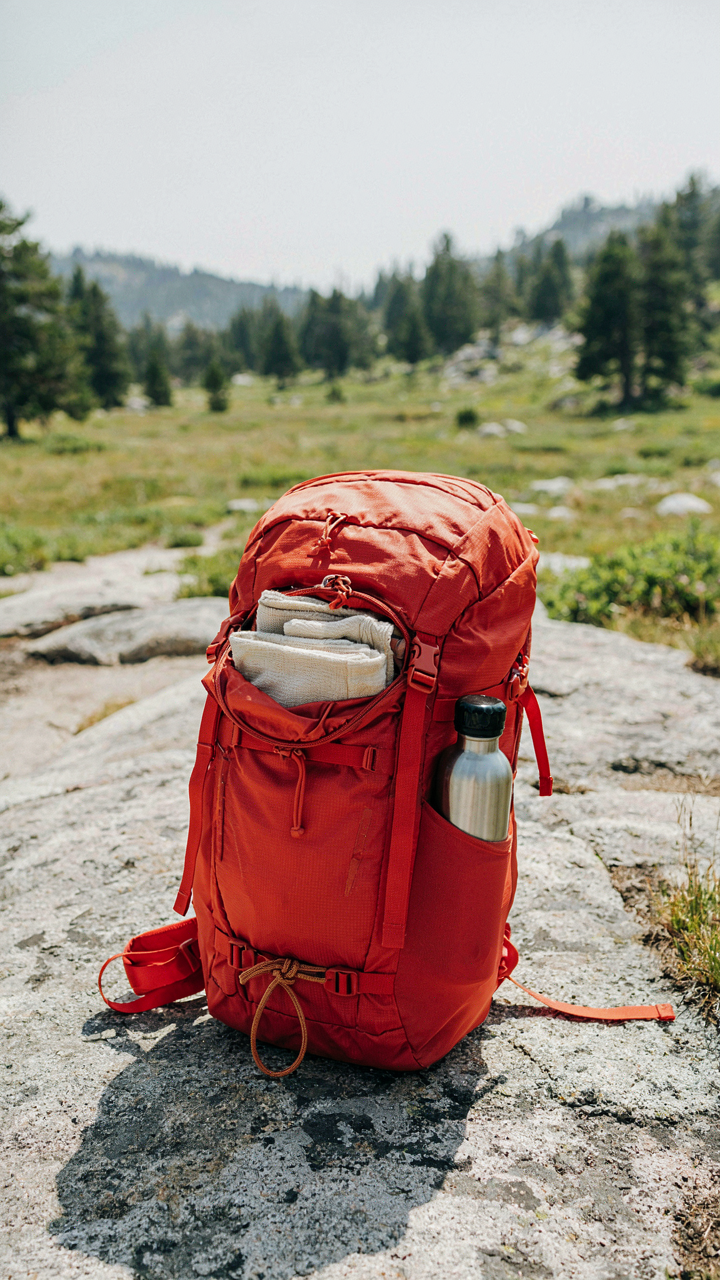
Gear That Functions, Not Gear That Impresses
You want to pack the right stuff so you don’t look like an amateur. That’s the hidden motive. But here’s the mechanism: most first-timers confuse gear weight with gear necessity. In survival contexts, load engineers call this the “critical path problem”—only certain items prevent failure. Everything else is friction. You pack what solves actual problems at specific parks, not what looks good on Instagram.
- Daypack (20-30 liters): Sized to carry water, layers, and a headlamp without overstuffing. Ditches the oversized backpack trap that creates unnecessary strain on longer trails.
- Merino wool base layers: Regulate temperature and manage moisture across elevation changes. Cotton fails catastrophically when wet; merino functions wet or dry without the bulk of synthetics.
- Headlamp with extra batteries: Non-negotiable for parks with early sunsets or unplanned delays. Flashlight apps drain phone batteries and provide minimal trail visibility.
- Navigation offline (map and compass or dedicated GPS): Cell service fails in canyons, dense forests, and low-elevation valleys. Paper maps never run out of batteries.
- Water capacity (3-liter minimum): Dehydration compounds decision-making errors faster than altitude or distance. Carry more than comfort suggests, especially at higher elevations.
The parks where first-timers actually fail are not the famous ones. They fail on shorter trails at mid-tier parks where they underestimate sun exposure, elevation gain, or water scarcity. Bring the five items above everywhere. Then add one park-specific tool: microspikes for Zion in winter, gaiters for muddy sections at Great Smoky Mountains, or a bear canister for Yosemite. That’s it.
The Adaptation Shock Nobody Warns You About
You will struggle the first day. Your body expects civilization rhythm and encounters altitude, sustained effort, and sensory overload. Sleep disruption hits harder than most admit because parks operate on natural light cycles, not your apartment schedule. The mechanism is simple: circadian misalignment plus physical exertion plus unfamiliar terrain creates cognitive fatigue that looks like poor judgment by hour five.
Arrive two days before your main hikes. Spend the first day at lower intensity—short walks, camp setup, meal prep. Sleep the first night despite the adrenaline and strangeness. On day two, your body has adapted to time zone, elevation, and the park’s rhythm. Then attack your planned routes. This isn’t meditation advice or vague wellness talk. You need that buffer because your decision-making capacity drops by 40 percent when exhausted and disoriented, and that’s when people twist ankles, miss turnarounds, or abandon safety protocols entirely.
The Real Obstacle Isn’t Choosing A Park, It’s Your Inability To Define Your Own Damn Adventure

You don’t need a guide to pick the “best” park. You need to answer one question: what are you actually running toward, not away from? Most first timers pick parks based on Instagram or someone else’s bucket list. That’s how you end up miserable in a crowd. Define whether you want solitude, geological shock, or a specific challenge. Write it down today. One sentence. Then pick the park that matches it, not the one everyone talks about. The best national park for you is the one you choose for yourself, not the one you visit because you think you should.