
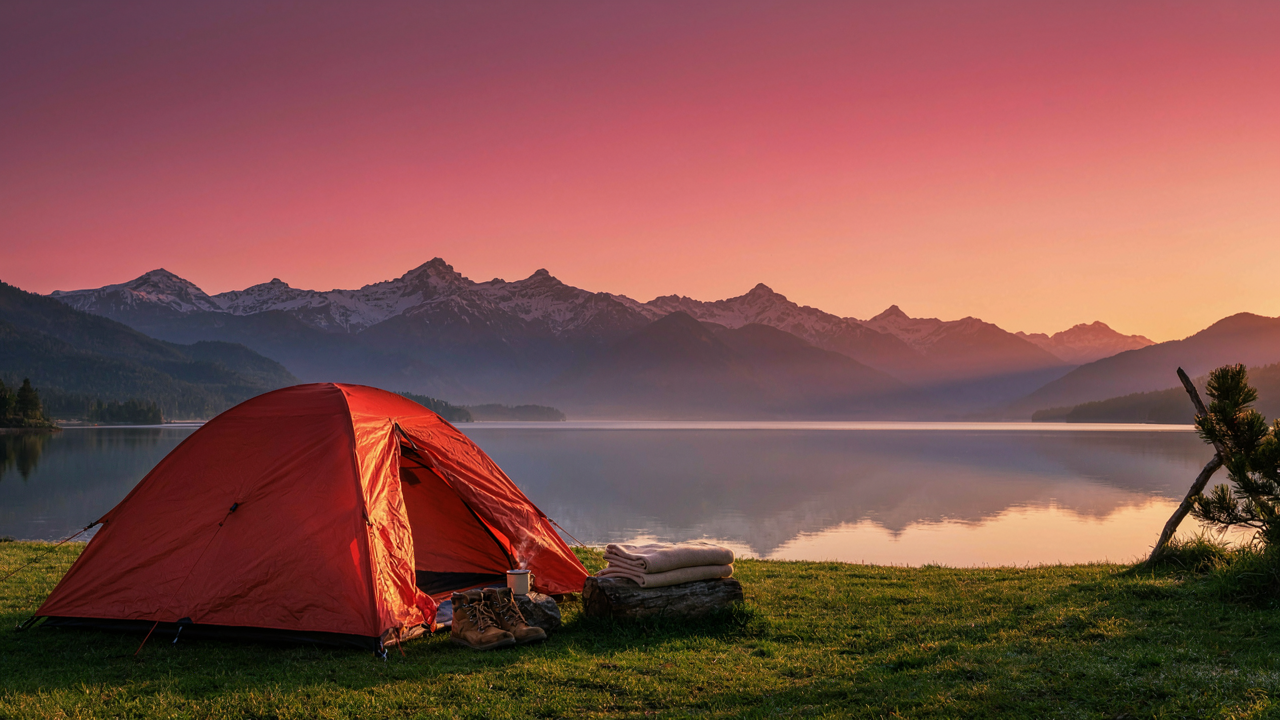
The Illusion Of “Best Campgrounds In America”
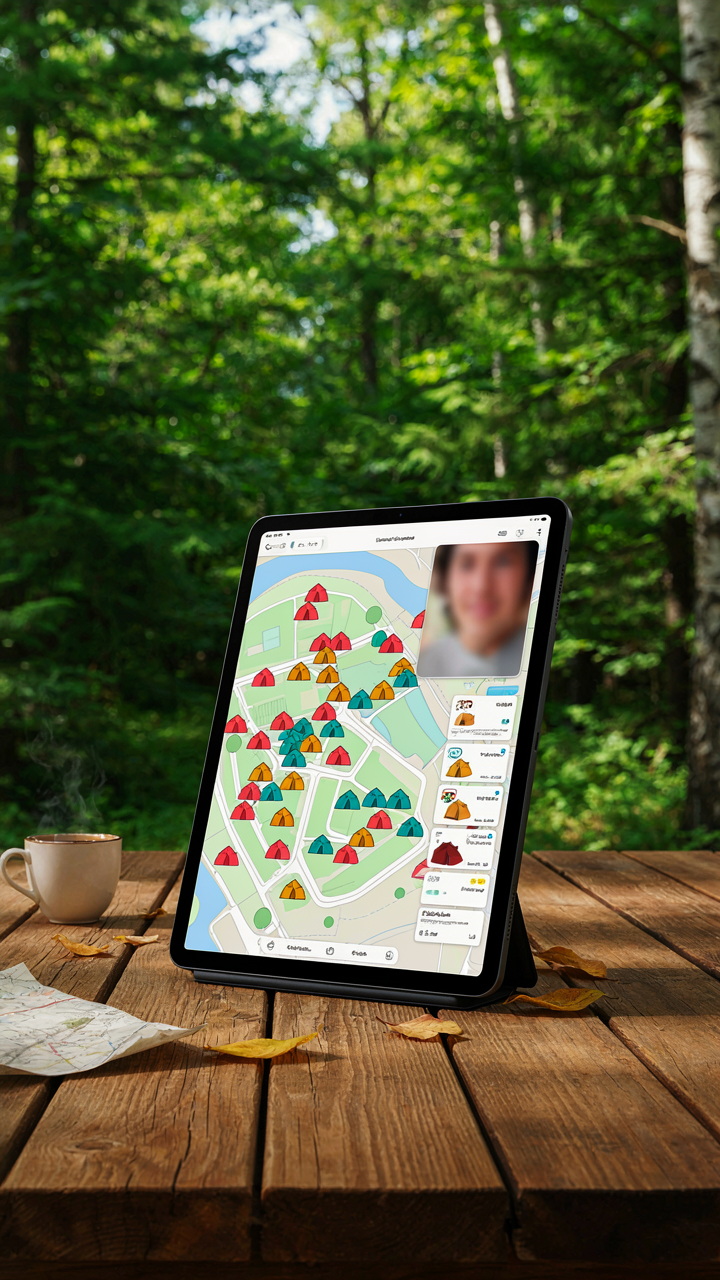
Popular Lists Distort What You Actually Need
You want the campground everyone talks about because you want proof you made the right choice. The mechanism is simple: consensus lists rank campgrounds by visibility and Instagram potential, not by fit to your actual trip. A site trending on Reddit or appearing in five major publications doesn’t mean it matches your timeline, vehicle, or tolerance for crowds. Those lists optimize for shareability, not your experience. You book based on what’s been validated by strangers instead of what works for your constraints.
The National Park Service doesn’t rank campgrounds by quality. They rank them by demand. Popularity creates bottlenecks. High-traffic sites like Half Dome in Yosemite or Moro Campground in Channel Islands fill six months ahead through lottery systems, regardless of whether they suit your needs. You compete for slots everyone else wants, then blame the campground when it delivers exactly what the hype promised: overcrowding, noise, and a manufactured experience.
The Real Cost Of Chasing What’s Viral
Viral camping spots extract a hidden tax: you arrive expecting solitude but find a staging ground for content creation. Economics calls this demand destruction, where seeking a good simultaneously makes it worse. The campground doesn’t change. Your experience does, because you’re sharing the resource with thousands of others who read the same article. A campground listed in Outside Magazine or on major travel blogs experiences measurable visitation spikes within weeks of publication.
The actual cost isn’t the reservation fee. It’s wasted time managing crowds, compromised scenery in your photos, and the cognitive load of navigating a parking lot where you expected forest. Many bookers discover too late that the “best” campground was best for someone else six months ago, before the algorithm made it famous. Check a site’s mention frequency in travel publications from the past two years instead of whether it appears on contemporary listicles, then calculate backward from those dates to understand when it became saturated.
Your Booking Is A Bid: Applying Economic Scarcity To National Park Camping

The Race Starts Before You Know It
You want the campground everyone wants because you fear showing up empty-handed or worse, admitting you couldn’t secure a spot. That fear is rational. National Park Service campgrounds operate on fixed inventory with no price mechanism to clear demand, so booking windows function as pure first-come-first-served auctions. The system doesn’t care about your need or your planning skill. It rewards speed and calendar awareness alone.
Most campers miss the actual booking window by days because they assume availability spreads evenly across the season. It doesn’t. The NPS releases reservations in rolling phases, typically five months in advance for mid-range parks, sometimes only two months for less popular ones. Your competitor books the moment the calendar flips at midnight. You need to know the exact release date for each park, set a phone alarm, and fire your request within hours.
The Compression Of Peak Season Supply
Economics has a term: demand curve. As price drops, demand rises. National park camping has zero price movement, which means demand becomes infinite during peak months. Every summer weekend at Yosemite, Grand Canyon, or Zion reaches maximum capacity the instant reservations open. The slots available during July and August represent maybe 30 percent of total season availability, yet they absorb 60 percent of annual booking volume.
The real move is exploiting the shoulder seasons and weekdays. A Tuesday in late May or early September at popular parks still has open campsites because most people plan for peak season weekends. You either sacrifice convenience for guaranteed availability, or you accept scarcity as the price of peak timing. There’s no third option. If you need a June weekend at Crater Lake, start refreshing the booking site at 7 AM Pacific on release day and keep refreshing every ten seconds until sites appear.
The 3 Tier Reconnaissance Method For Camping Destinations

Check Reservation Patterns Before Peak Season Hits
You want certainty—the comfort of knowing your spot is locked in before everyone else floods the system. But the real mechanism is supply distribution across time. Like inventory management in operations, campground availability follows predictable release cycles. Most national park sites open reservations five months in advance. The National Park Service staggered these dates by park to prevent simultaneous crashes, but within each park, availability drops in predictable waves.
- Five-month advance window: Reservations open on specific dates per park—Yellowstone typically opens April 1 for summer dates. Mark your calendar and log in at 7 AM Pacific when gates open, not later.
- Weekend sites vanish first: Friday through Sunday spots at popular parks clear within hours. If you need flexibility, target weekdays—they sit available longer and book just as strong.
- Shoulder season gaps remain: Mid-May and early September show repeated open slots because most travelers chase peak summer. These windows offer easier booking without sacrificing weather or experience quality.
- Loop-specific scarcity: Within single campgrounds, certain loops fill before others due to amenity proximity or privacy perception. Know which loops matter—research trip reports, not just park brochures, to see which actually fill.
- Off-park alternatives: BLM land adjacent to major parks often goes unreserved entirely. Dispersed camping near Moab, Grand Canyon, and Zion frees you from NPS queues while keeping location advantage.
The second move is tracking what disappeared since the last release window. When a park reopens cancellation slots mid-week, only people monitoring the system in real time catch them. Set your refresh schedule before the season starts, not during it.
Monitor Cancellations Like A Day Trader Watches Gaps
Most people check a site once, see it full, and move on. That’s the opposite of how cancellations actually work. The real pattern is that people cancel on specific timelines based on weather forecasts, schedule changes, and trip planning regret. A campground that shows fully booked on Monday might have three sites available Wednesday after a rain forecast kills someone’s trip.
The tactical play requires automating alerts, not manual checking. Services like Recreation.gov have built-in notification systems, but they’re poorly configured by default. Set alerts for your specific dates, specific campgrounds, and activate notifications for every cancellation—not just new openings. Check during off-peak times: 6 AM, 3 PM, and midnight. Weekend cancellations cluster around Tuesday-Wednesday when work emergencies force trip delays. Holiday trips see cancellations 48 hours before departure when family logistics collapse. You’re not hoping for luck—you’re positioning yourself where the probability of available inventory is highest relative to demand. The person who books on cancellation doesn’t get lucky; they simply showed up when the system had inventory.
Beyond The Obvious: Uncovering Underrated National Park Campgrounds
How The Crowd Misses What’s Actually Available
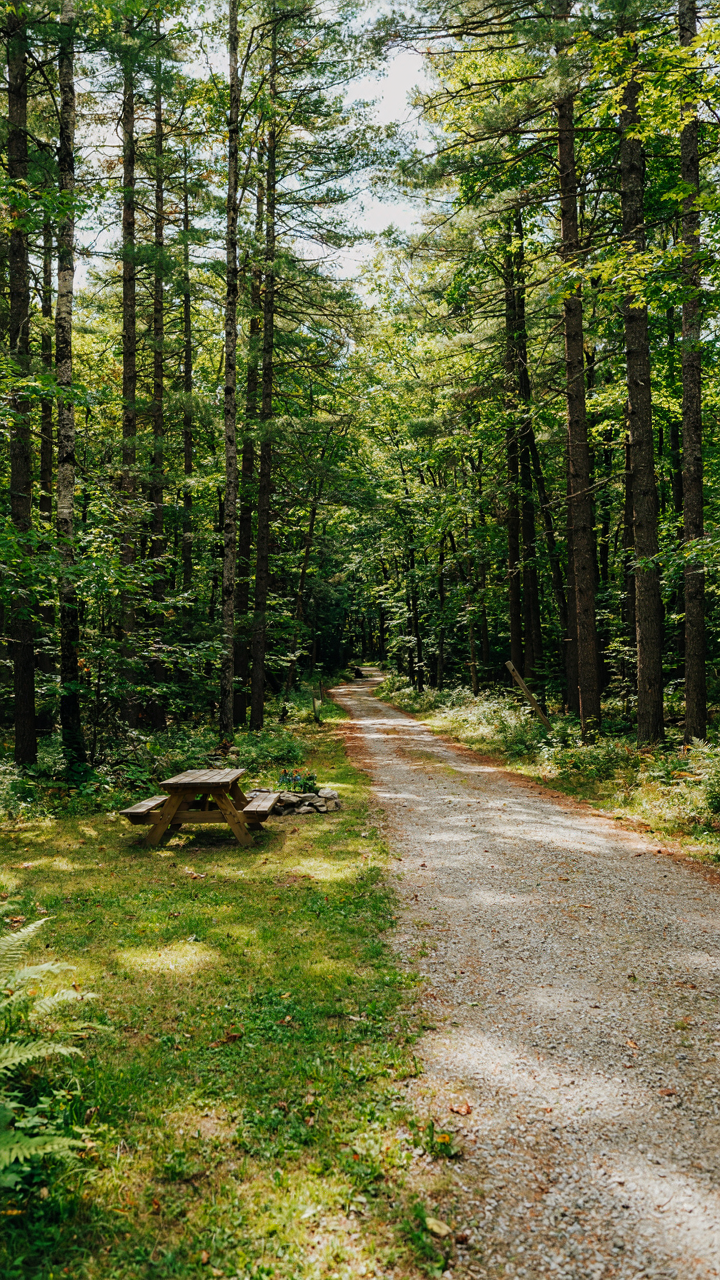
You want the good campground without fighting thousands for it. That’s not status anxiety—it’s basic math. The mechanism is simple: most people search by park name and book the first five campgrounds the NPS website lists. Those fill instantly. What they miss is that every major park has 8 to 15 campgrounds total, and the algorithm buries the ones with fewer amenities or less convenient access roads. Campground capacity doesn’t change with demand, but visibility does.
Start by pulling the complete campground roster directly from each park’s official site, not Google. Count how many exist. Then cross-reference each one against ReserveUSA’s booking calendar—full sites tell you which ones people actually want. The ones with open dates three weeks out aren’t worse; they’re just less marketed. Proximity to a trailhead or scenic drive matters more than you think, and parks deliberately spread campgrounds across zones so overflow has somewhere to land. Find the ones 40 minutes from the main entrance instead of 10, and you’ll see why they stay available.
Timing As Leverage Against The System
Off-peak booking isn’t about suffering through worse weather. It’s about supply and demand economics meeting a fixed resource. The NPS releases reservations exactly six months in advance. Most people camp June through September. Book for September 15th instead of July 15th and you’re competing against 100 people instead of 10,000. The campground itself doesn’t change. Your experience does.
The mechanism works like this: call exactly at the release date for your target month if you want peak season. But if you shift your trip window by two weeks in either direction—spring into early summer or late summer into fall—you access the same campgrounds with identical conditions and zero competition. Shoulder season weather in most parks is actually superior anyway: cooler temperatures, lower crowds on trails, and sites that would normally need a reservation become available on a first-come basis. Make your booking 190 days out for off-peak dates, not six months out for summer weekends.
Mastering Recreation.gov: Best Campgrounds In The Us Automation
Setting Up Instant Alerts For Open Sites
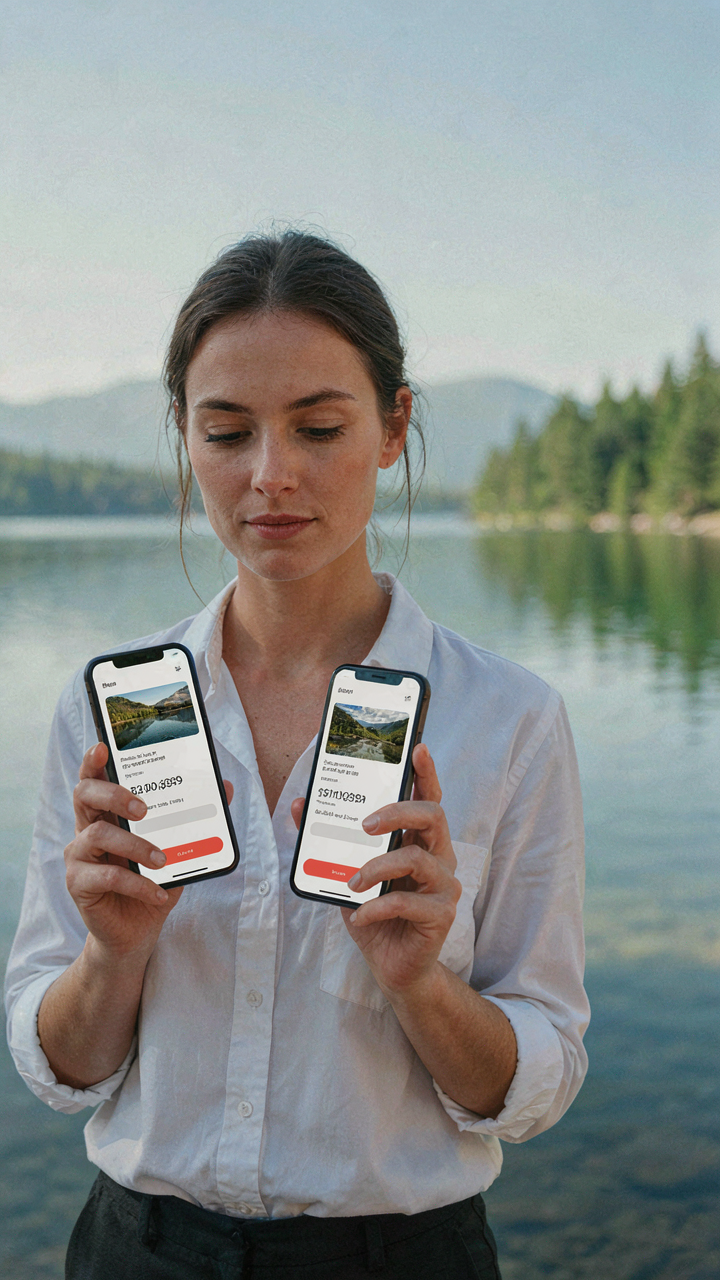
You want to book a campground six months out and sleep soundly knowing you’ll get the spot. The real mechanism is this: Recreation.gov’s inventory drops in predictable windows, and most people miss them because they’re not watching at the exact moment. You need automated notification systems that alert you when cancellations open availability, not just during the official booking window.
Third-party tools like CampFlare and CampFlapjack monitor Recreation.gov in real time and send push notifications when sites matching your criteria become available. Set up filters for your target parks, dates, and campground preferences, then enable notifications on your phone. These tools work because they query Recreation.gov’s system far more frequently than a human could manually check, catching cancellations within seconds rather than hours.
The Multi Device Booking Sprint Protocol
Booking speed matters because open sites vanish in minutes, sometimes seconds at popular parks like Zion and Grand Canyon. Prepare three devices before the booking window opens: your phone, tablet, and computer. Sign into your Recreation.gov account on all three and have your payment method saved on each one. Position yourself at a desk with wifi and cellular backup to eliminate dead zones.
When your alert fires, open the Recreation.gov app on your fastest device first while simultaneously loading the site on your other devices. Don’t hesitate on campground choice if your top pick is gone. Click the first available site that matches your dates and complete checkout in under two minutes. Mobile apps are typically faster than desktop browsers due to lower processing overhead, so prioritize your phone as your primary booking tool.
The Geographic Arbitrage: Maximizing Camping Destinations United States Access
When The Booking Window Actually Opens
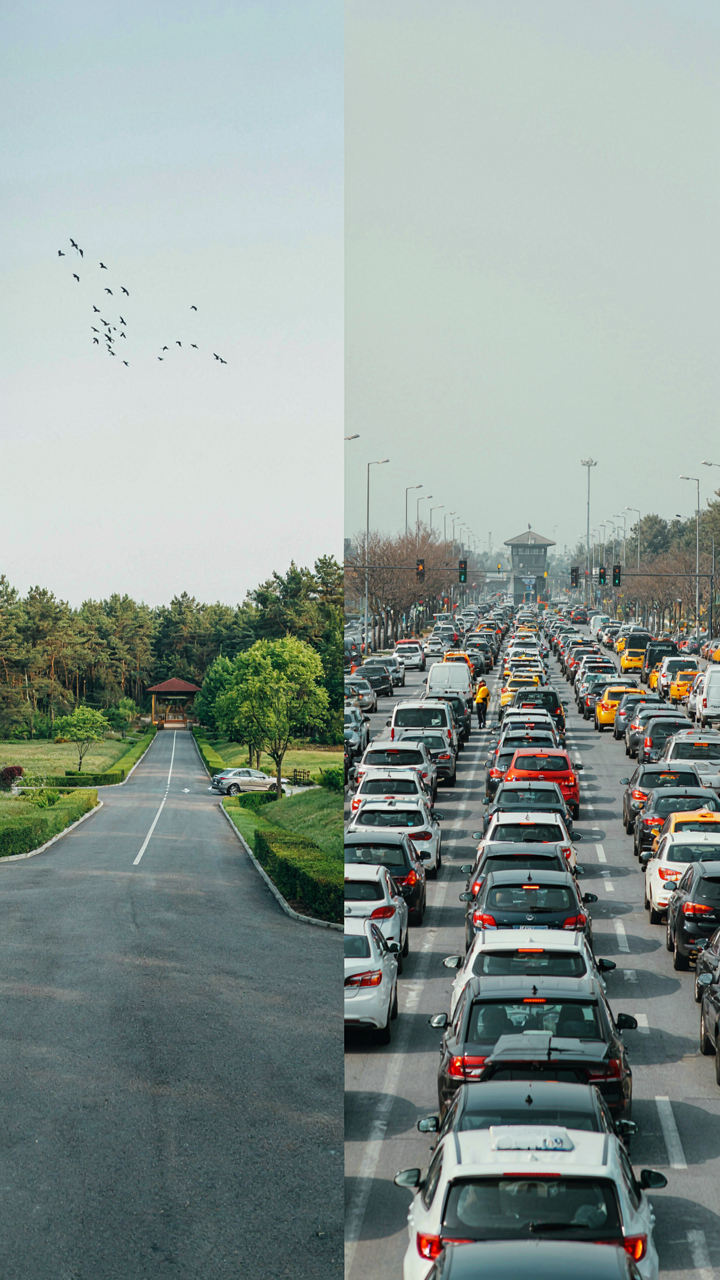
You want to know the secret timing hack because you think it’ll give you an edge over everyone else fighting for the same campsite. Here’s what actually happens: the National Park Service campground reservation system uses economics, not magic. Reservations open exactly five months in advance. Most people book the moment that window unlocks at 10 AM Eastern. That’s when demand floods the system. The real mechanism is this: campgrounds fill fastest during peak season windows (June through September). But shoulder season sites—May and September through October—have less competition yet better weather than most people expect. The timezone advantage is minimal. What matters is booking the exact moment your preferred park opens its reservation window, then immediately selecting off-peak dates most people overlook.
The reason this works has nothing to do with time zones and everything to do with scarcity perception. People see summer dates as the only viable option because that’s what everyone else is doing. Off-peak doesn’t mean bad camping—it means half-empty campgrounds with the same amenities. You’re not gaining an edge by waking up at a specific time. You’re gaining an edge by accepting dates everyone else rejects. Call the park directly two weeks before the window opens to confirm exact reservation dates. The system doesn’t reward speed. It rewards people willing to shift when they camp by even thirty days.
Proximity To Overflow Demand
The common advice says to aim for less famous parks and you’ll find space. That’s incomplete. What’s actually happening is demand displacement. When Yellowstone, Yosemite, and Grand Canyon reach capacity, visitors don’t stop coming. They search for alternatives within the same geographic region. This is supply chain logic applied to campgrounds: when primary capacity fills, overflow pressure moves to secondary nodes nearby. A campground thirty minutes from a major park fills faster than one two hours away, but still slower than sites directly adjacent. The strategic position isn’t about finding unknown parks. It’s about understanding which secondary parks absorb spillover demand from their famous neighbors.
Map the geography before you book. Zion overflows into Cedar Breaks. Glacier overflows into smaller parks along the Going-to-the-Sun Corridor approaches. Moab region fills Arches, then Canyonlands, then BLM land around Dead Horse Point. You don’t compete against the masses fighting for the headliner. You book the first-tier secondary option the moment the primary park sells out. Call the ranger station for that secondary park two days after the primary reaches capacity. Availability typically drops by seventy percent within seventy-two hours. This window is where you actually secure a site.
The Micro Season Advantage: Securing National Parks Camping

When Peak Conditions Actually Exist
You want the campground without the crowds because you believe scarcity equals experience. The real mechanism here is phenology: the study of seasonal biological events. National parks operate on phenological windows, not calendar dates. Peak wildflower blooms, stable weather, and low visitation overlap for roughly two to three weeks per location, not entire months. Most people book based on school schedules or guesses. You book based on when the park actually performs.
Research the specific bloom and weather patterns for your target park before any campground searches. Contact the park directly or check their official website for current conditions. Historical data matters more than your intuition. Yosemite’s Tuolumne Meadows opens mid-June because snow doesn’t leave before then, not because the calendar says summer. Arches in Moab peaks in April and October when temps hit 60-75 degrees. The window closes fast once crowds realize it.
Exploiting The Gap Between Weather Shifts And Booking Patterns
Weather pattern shifts create availability windows that booking algorithms haven’t priced into high demand yet. Most campground reservation systems fill based on perceived desirability, not actual conditions. An early September cold snap in the Rockies triggers fire season closures and tourist retreat, but sites remain “available” because bookers follow last-minute cancellations instead of weather data. You move when meteorological conditions shift, not when other people think to move.
Monitor National Weather Service forecasts and park alerts starting eight weeks before your target dates. Many parks release real-time closure and condition updates that eliminate competition immediately. The Reservation.gov system fills sites based on historical booking patterns, which lag behind actual park conditions by weeks. This gap is your advantage. Set alerts on park websites, check NWS data weekly, and book the moment conditions deteriorate for crowds but improve for your specific activity.
Beyond Frontcountry: Accessing Primitive Best Camping Spots In The Us
How Permit Lotteries Actually Work Against You
You want the illusion of scarcity to validate your choice. The real mechanism is simple: the Park Service issues permits on a lottery or first-come basis to manage carrying capacity and protect fragile ecosystems. Most parks draw from a pool months in advance. You submit applications knowing the odds are poor, then pay anyway when denied. This isn’t a flaw in the system—it’s the intended gatekeeping.
Backcountry permits operate on two schedules across the system. Some parks like Yosemite and the Grand Canyon run lotteries five to six months out. Others like Rocky Mountain or Zion use first-come queues that open on specific dates. The timing varies by park and season. Your only leverage is knowing the exact window and being ready to apply the moment gates open. Ignorance here costs you the entire trip.
Dispersed Camping As Strategic Overflow
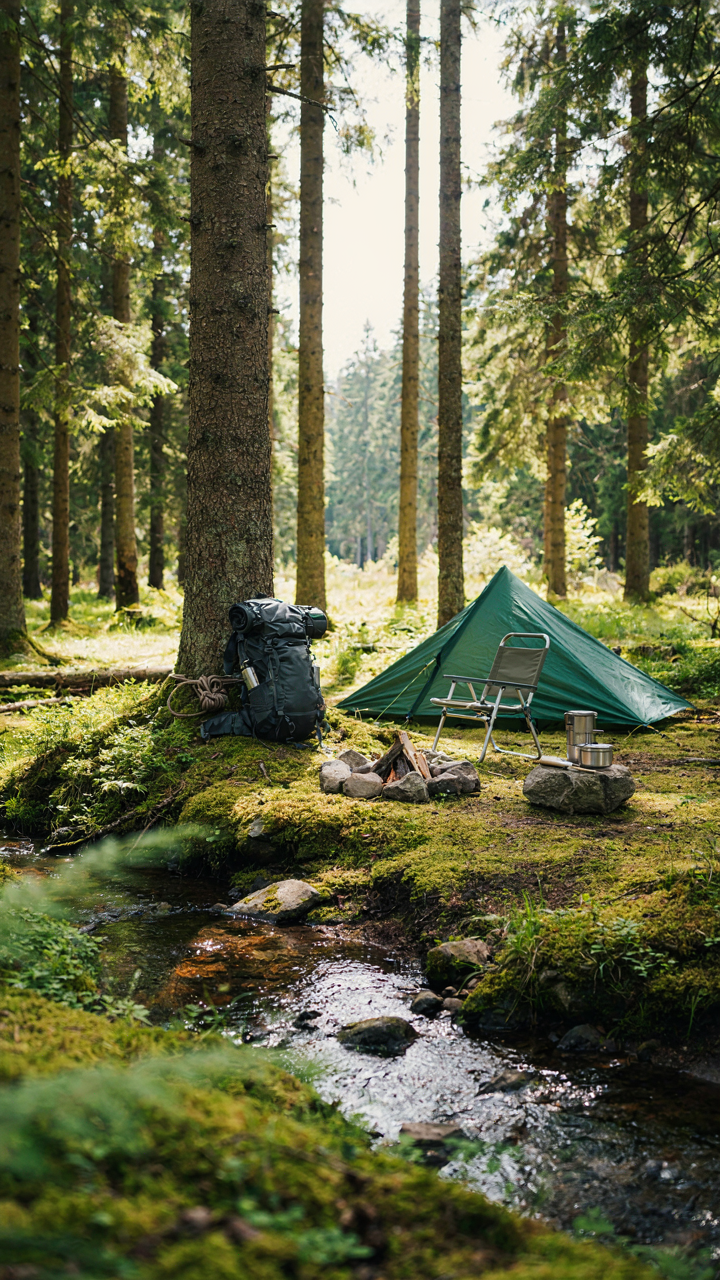
Everyone hears “dispersed camping” and thinks national forests are your backup plan. They’re not—they’re the primary play when you understand economics. National Forest land bordering parks allows free, unregulated camping on first-come basis. No permit. No lottery. No reservation fee. The trade-off is minimal infrastructure and fewer amenities. But if you want guaranteed access to park proximity without the bureaucracy, this is where you build your system.
Most national forests adjacent to major parks allow 14-day stays in dispersed zones. You camp on undeveloped land, often within sight of park boundaries. Roads are maintained but campsites unmarked. Water and facilities are your responsibility. The friction point most people miss: these spots fill on weekends and holidays just like frontcountry, but the filling happens organically rather than through a lottery. Arrive midweek or off-season to secure placement near the park entrance you actually wanted.
The Olympic National Park Campgrounds Case Study: A Blueprint

When The 58 Day Window Actually Opens
You want the illusion of choice without admitting you’re booking the same three sites everyone else fights for. Here’s the mechanism: Olympic’s reservation system opens exactly 58 days before each arrival date at 7 a.m. Pacific Time. Most people don’t know the precise moment, so they check sporadically and lose the best sites to those who set alarms. Hoh Rainforest, Sol Duc, and Kalaloch fill within hours, not days.
The real play is understanding which sites people abandon after booking. Cancellations spike three weeks before arrival when plans fracture. You’re not competing for fresh inventory on day one. You’re hunting the gaps people create. Set a calendar reminder for 21 days before your target date and check the NPS system at odd hours when most users aren’t watching. Flexibility on weekday dates versus weekends moves the needle harder than any other variable.
Skipping The Crowds By Going Sideways
The common advice says “arrive at lesser-known campgrounds.” That’s vague and incomplete. What people actually mean but don’t state: the park’s western sections control access psychology. Visitors default to Hoh because it’s the rainforest showcase. They skip Quillayute because the name is unfamiliar and the access feels indirect. Quillayute sits 40 miles from Hoh with nearly identical old-growth forest access and a fraction of the demand.
Dosewallips, on the eastern side near Brinnon, works the same way. It’s technically easier to reach from Seattle than Hoh, yet most people never consider it because the park’s mental geography centers on the western corridor. These sites have the same amenities and trail access to comparable terrain. The only difference is the traffic pattern people created through convention, not fact. Book Dosewallips for mid-summer if Hoh shows full. Check availability Tuesday mornings before most planners wake up.
The Best Campgrounds Are Not Found, They Are Executed

Book Before The Crowd Does
You want the secret campground nobody knows about. That’s not why you’re reading this. You’re afraid of showing up and finding nothing available, then settling for mediocrity. The mechanism is simple: the National Park Service releases reservations on a fixed schedule, and most people don’t know it. Recreation.gov opens bookings exactly five and a half months in advance. The people who secure premium sites aren’t lucky. They set phone reminders and book at 7 a.m. Pacific Time on that exact date. Discipline beats discovery every time.
Most campgrounds fill within minutes of release. Glacier Park’s Many Glacier fills in under two hours for peak season. The Narrows at Zion books out in similar timeframes. You don’t compete against other campers on location quality. You compete against their booking discipline. Set a calendar alert now for exactly five and a half months before your trip. Have your park, specific campground, and preferred dates locked in before you click. This single habit separates people who camp where they want from people who camp where they can.
Return To The Same Park Repeatedly
Economics teaches marginal utility: the more you consume of something, the more you understand its true value. Applied to national parks, visiting the same location across seasons reveals what summer crowds obscure. You see which trails have water year-round. You notice which campsites stay muddy after rain. You learn which sites face direct afternoon sun versus shade. A camper who visits Yellowstone once books based on reviews. A camper who visits three times books based on real patterns.
Repeat visits also unlock secondary opportunities. You understand which nearby Forest Service campgrounds offer overflow capacity when park sites fill. You build local knowledge that bypasses generic online guides. You notice which ranger stations have unposted availability or cancellation windows. You establish the kind of specific, testable predictions that actually reduce uncertainty. Pick one park that matches your season and geography. Commit to three visits across different years. Document what changes between each trip. Your data becomes worth more than any listicle ever will.
Your True Obstacle Isn’t Finding Best National Park Campgrounds; It’s Your Predictable Approach
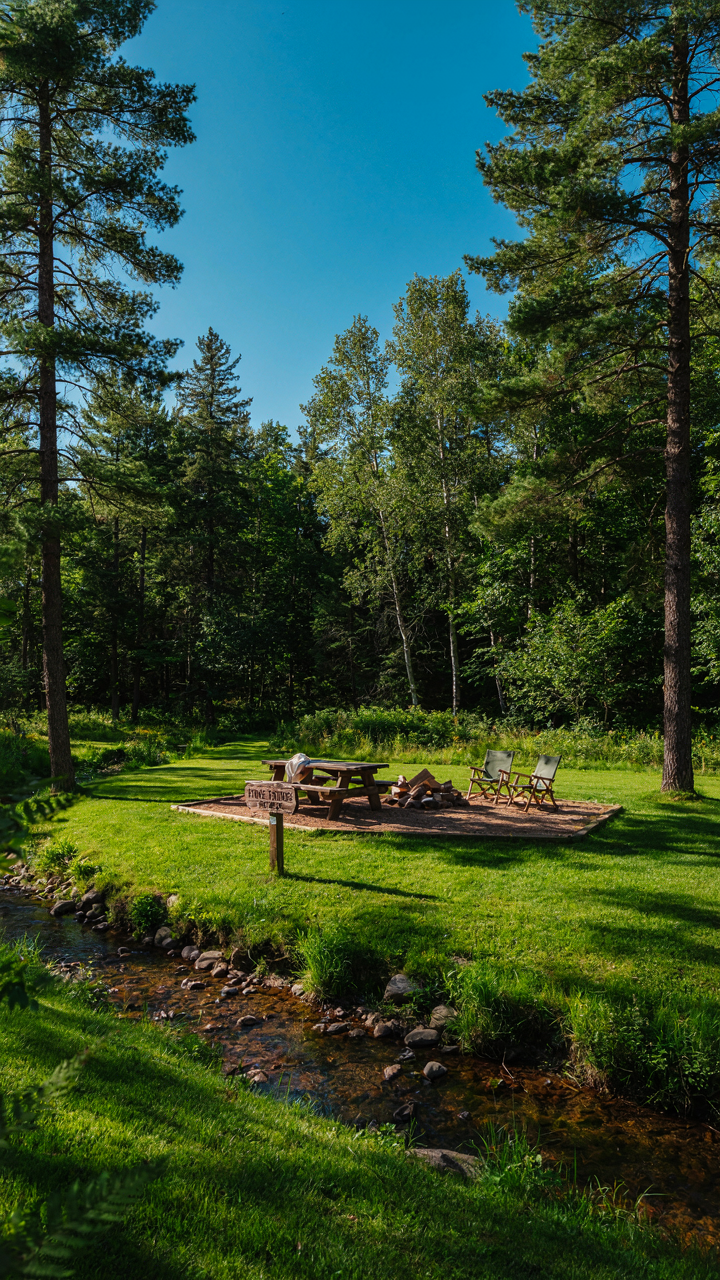
Most people book the same five parks everyone else books. You’ll fight for campsites that fill up months in advance while hidden gems sit empty. Stop scrolling listicles. Open the NPS website right now and filter by your actual constraints: elevation, season, solitude. Then book the unpopular spot that checks your boxes. The best campground isn’t the most famous one, it’s the one nobody else thought to reserve.